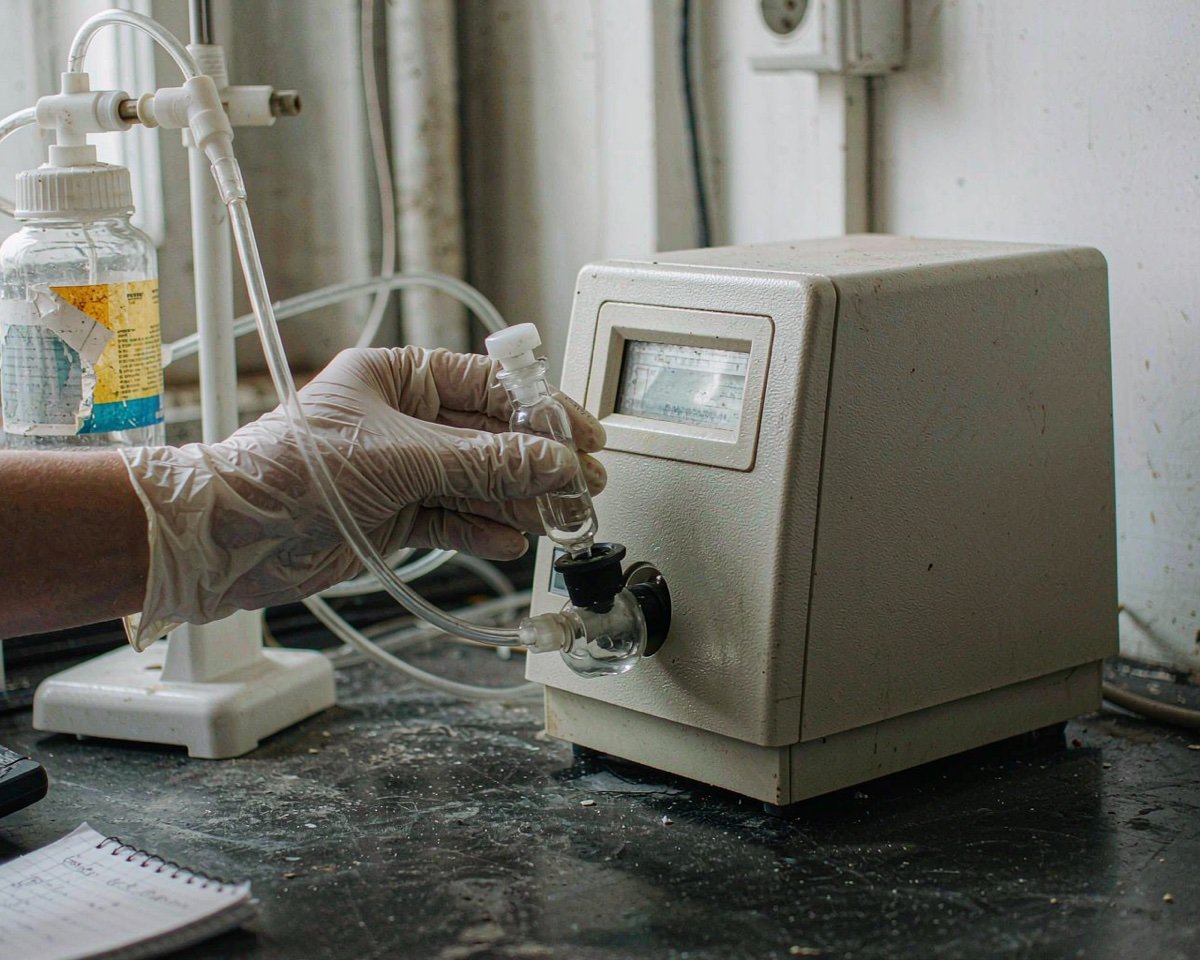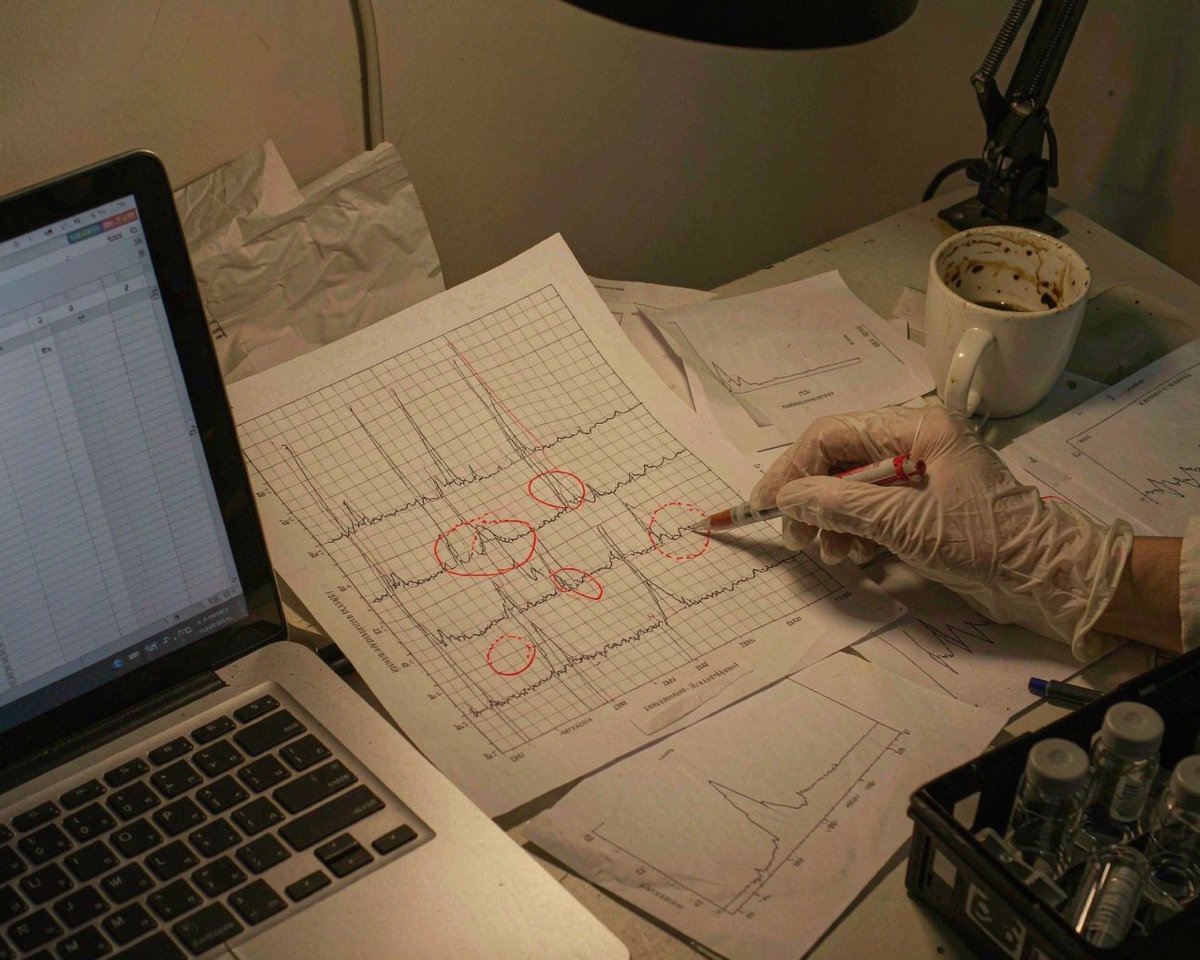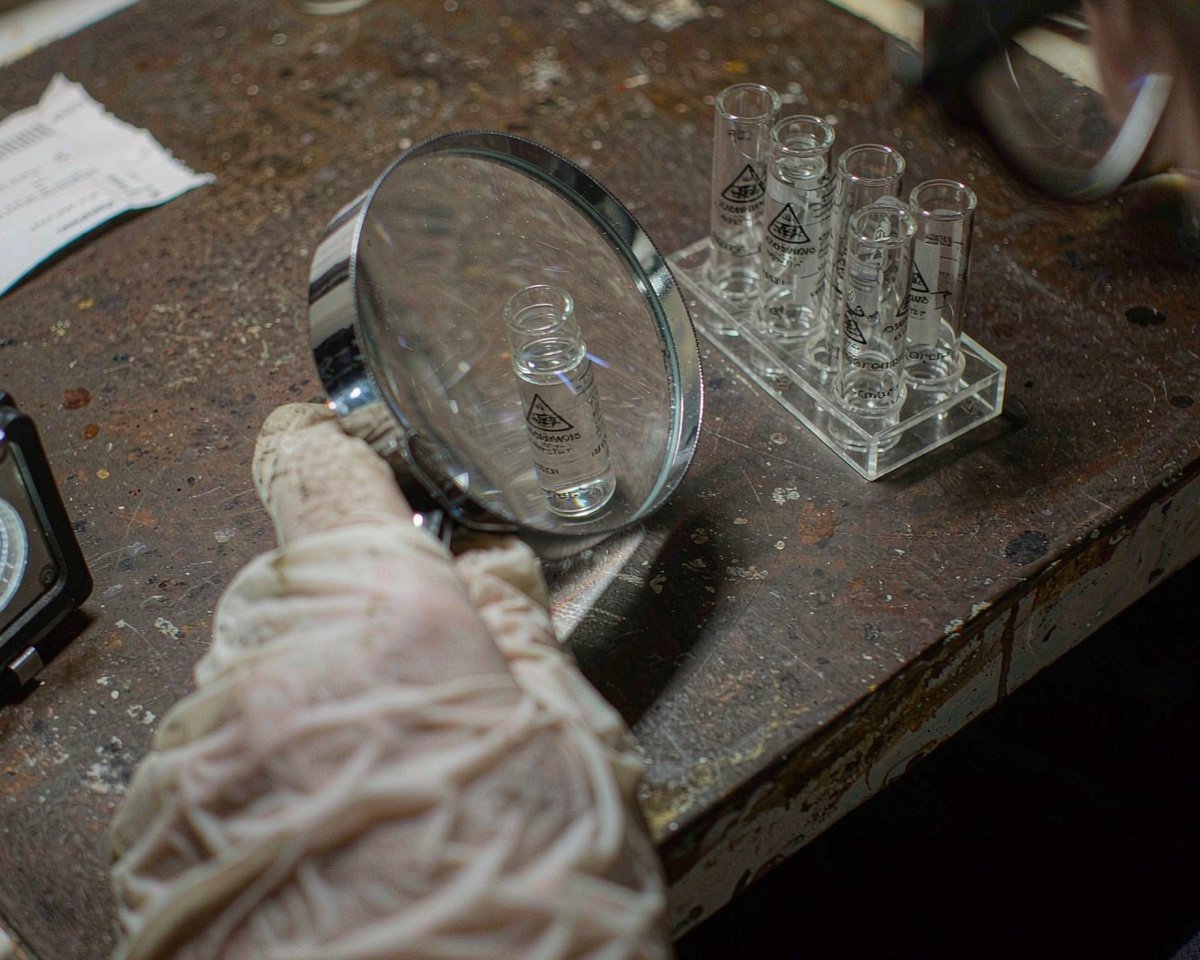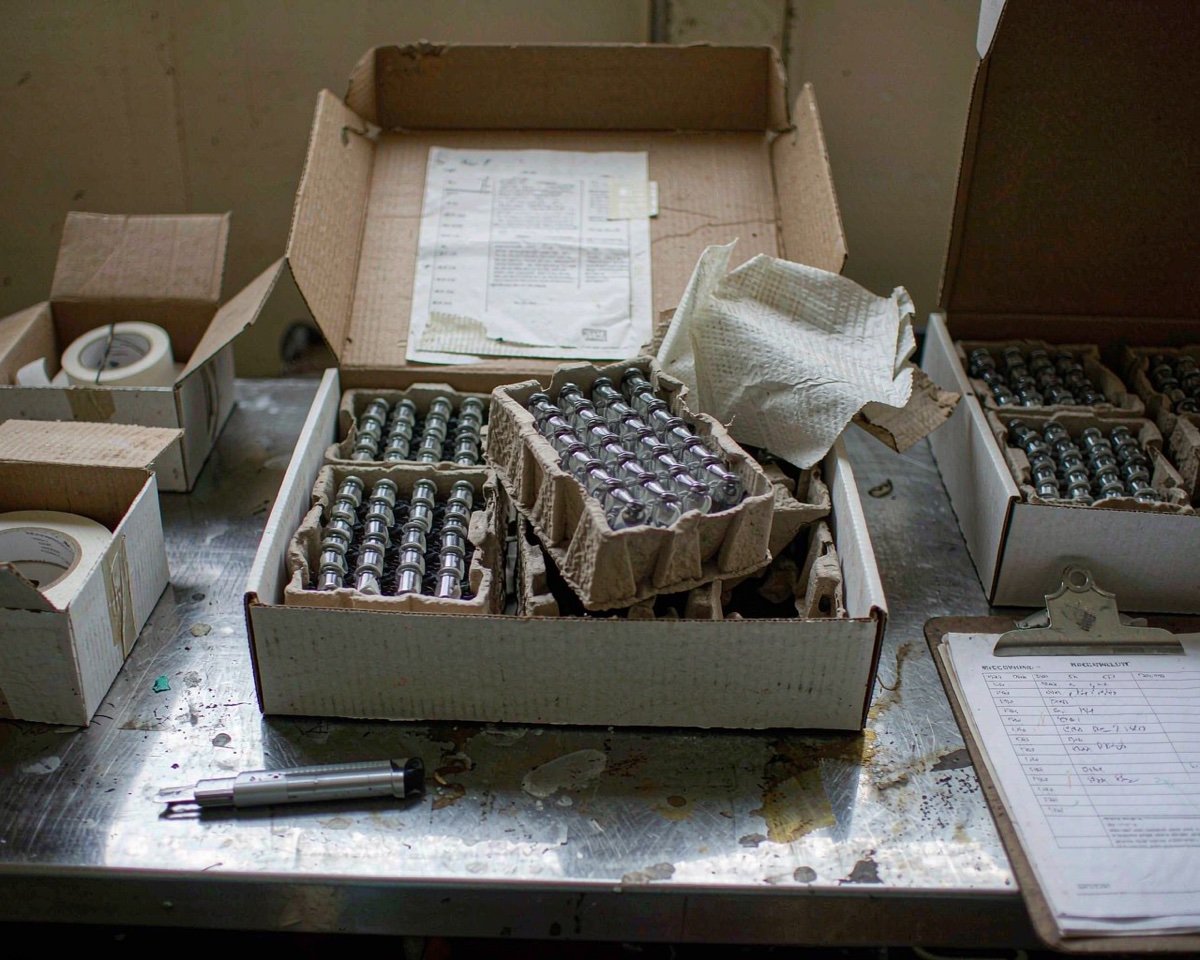
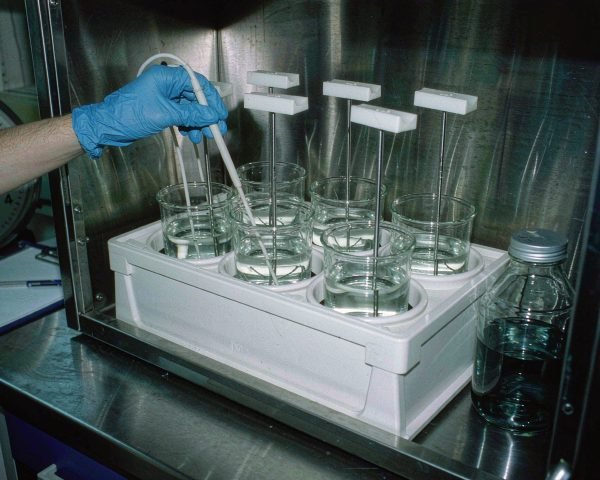

A new analyst joined a pharma QC lab I worked with and got handed a dissolution run on her second day. She found the vessels, the paddles, the bath. Then she stood there with a stopwatch and no idea what to sample into, how to pull the sample without disturbing the tablet, or what to filter through. Dissolution consumables are never in the instrument brochure, yet the run dies without them.
Dissolution testing consumes a specific set of items: dissolution media (prepared in media bottles), sinkers for floating dosage forms, sampling cannulas or pipette tips, filtration media for pulled samples, replacement vessels and baskets or paddles when parts wear, and vials for the collected samples.
Let me walk through each one the way I wish someone had walked me through it.
The Media and Its Containers
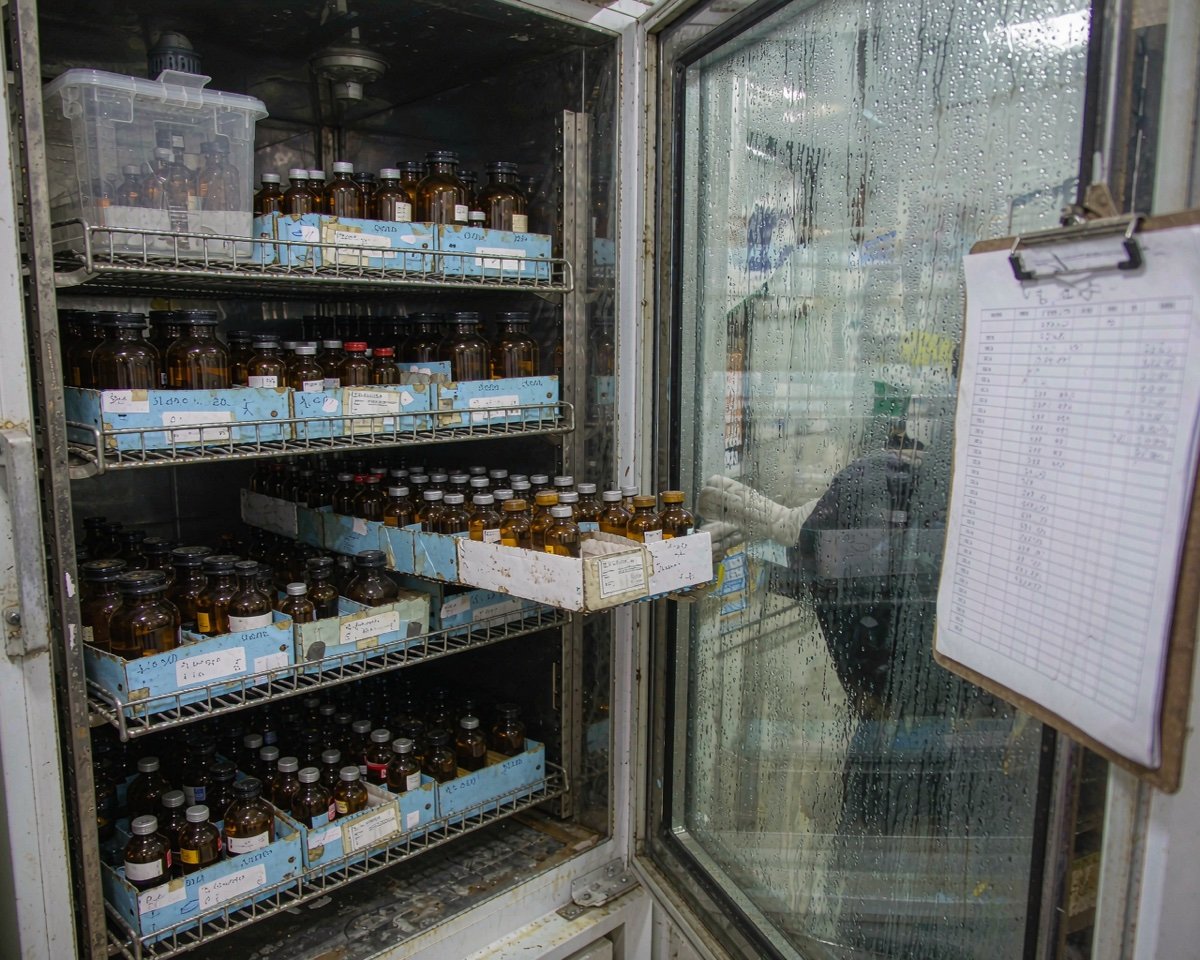
Dissolution media is deceptively simple: buffers, dilute hydrochloric acid, sometimes surfactants like polysorbate 80 or sodium lauryl sulfate. The media itself is a reagent, but it lives in consumables. You prepare it in borosilicate media bottles, deaerate it, and hold it at 37 ± 0.5°C in the bath.
Deaeration is the step newcomers skip. Dissolved and entrained air causes bubbles to cling to baskets, paddles, and tablets, and it messes with flow. USP’s guidance on dissolution development, chapter 〈1092〉 The Dissolution Procedure: Development and Validation, treats deaeration as part of the procedure, and filtered or vacuum-deaerated media is the norm.
For the bottles themselves, I like amber GL45 media bottles when the media is light-sensitive and clear ones when I want to see particulate contamination. My reagent and media bottles complete guide covers sizing and sterilization.
Sinkers and Dosing Helpers
Floating capsules and tablets need sinkers, and USP is particular about them. Chapter 〈711〉 Dissolution allows “a few turns of wire helix” and other validated sinker devices, and 〈1092〉 requires that whatever sinker you use be described in the written procedure and duplicated exactly when the method transfers.
That’s a consumable with paperwork attached. If you buy commercial sinkers, record the vendor part number. If your lab bends its own from 316 stainless wire, document the construction. I’ve seen a method transfer stall for two weeks over a sinker that wasn’t specified, so take this seriously.
Sampling Consumables
Dissolution sampling pulls aliquots at fixed time points from six or more vessels simultaneously. The consumables involved:
• Sampling cannulas and tips, matched to the vessel depth so the sample comes from the required position
• Filters, almost always at the cannula tip or inline, because a dissolution sample full of excipient fines will destroy both the HPLC column and the assay
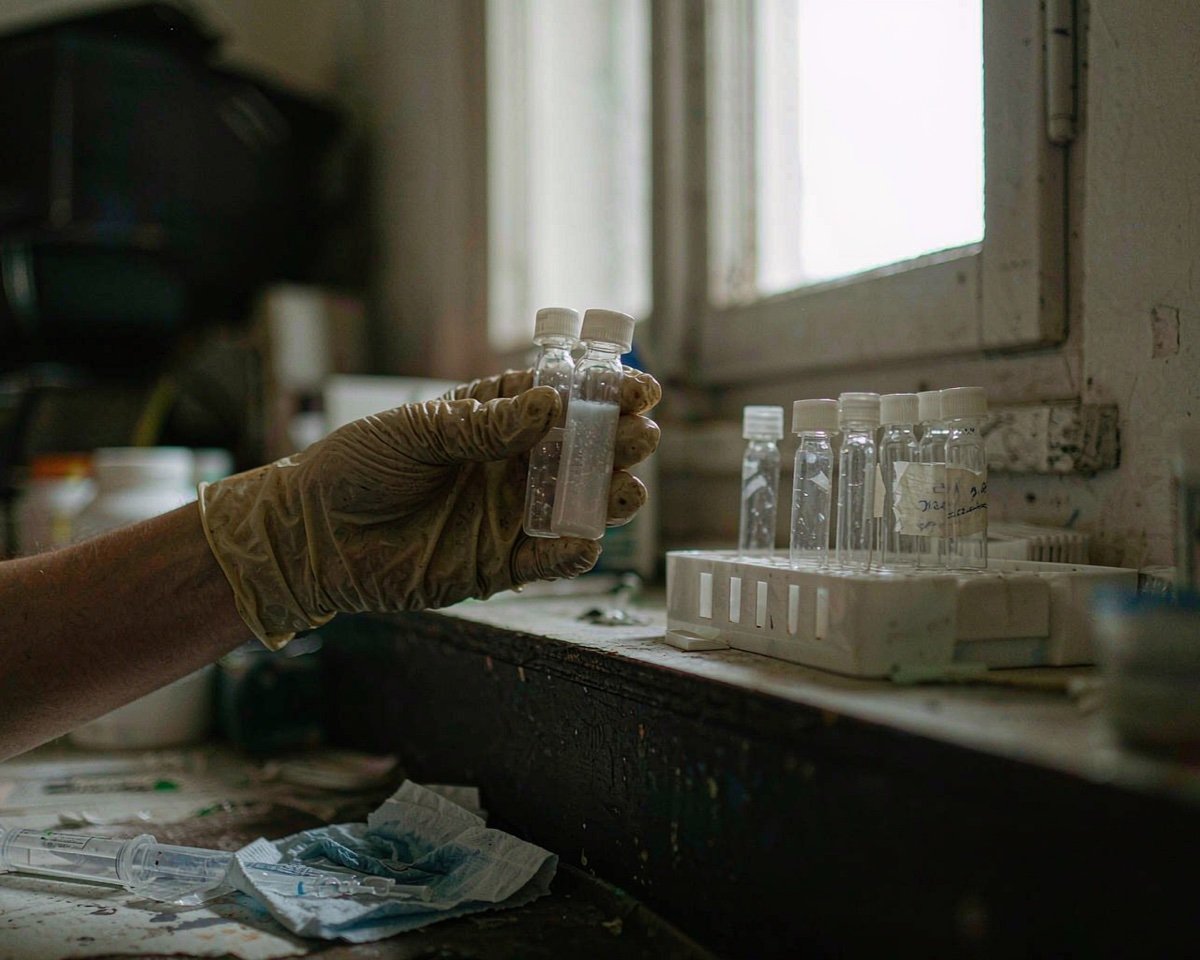
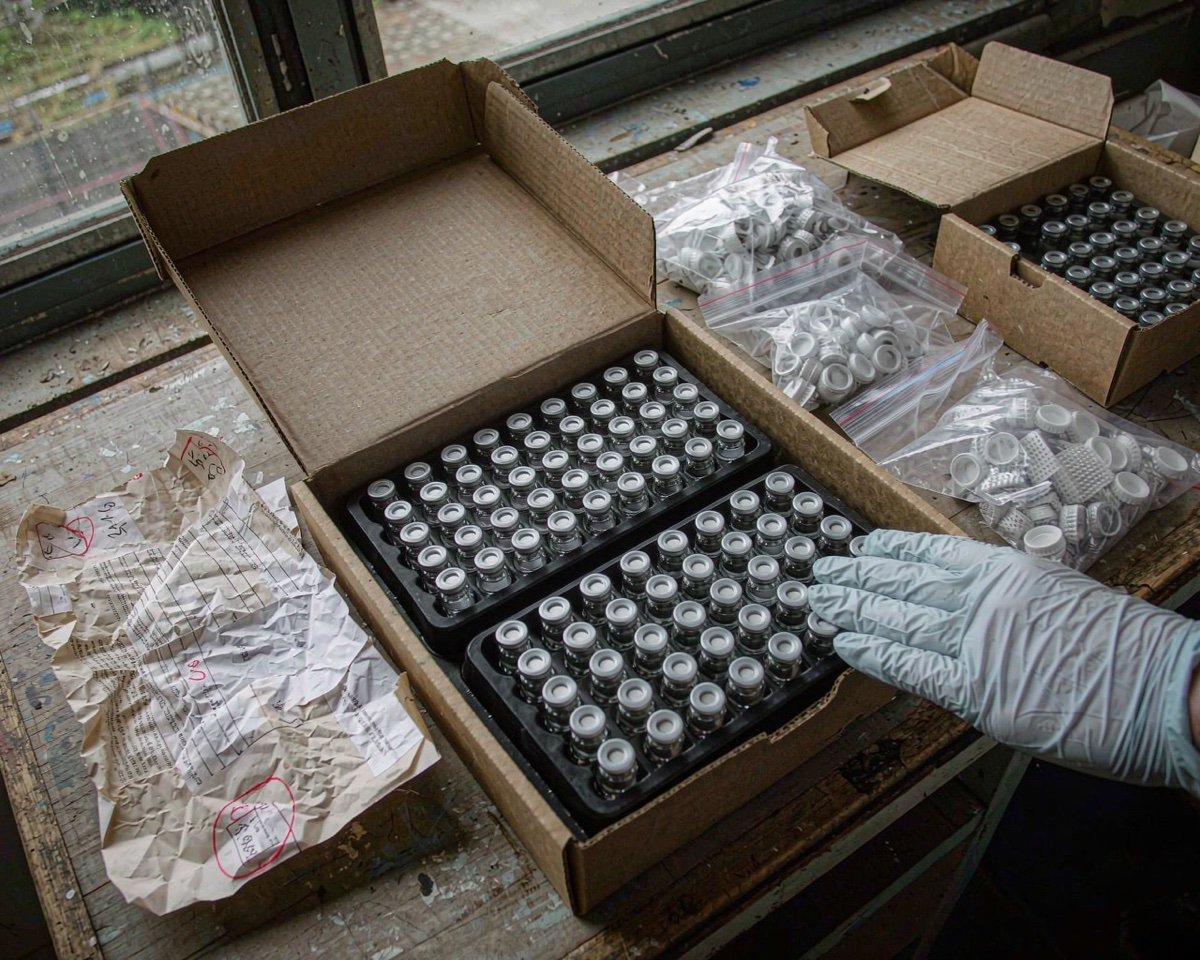
• HPLC vials for the collected aliquots, often in racks sized for the autosampler
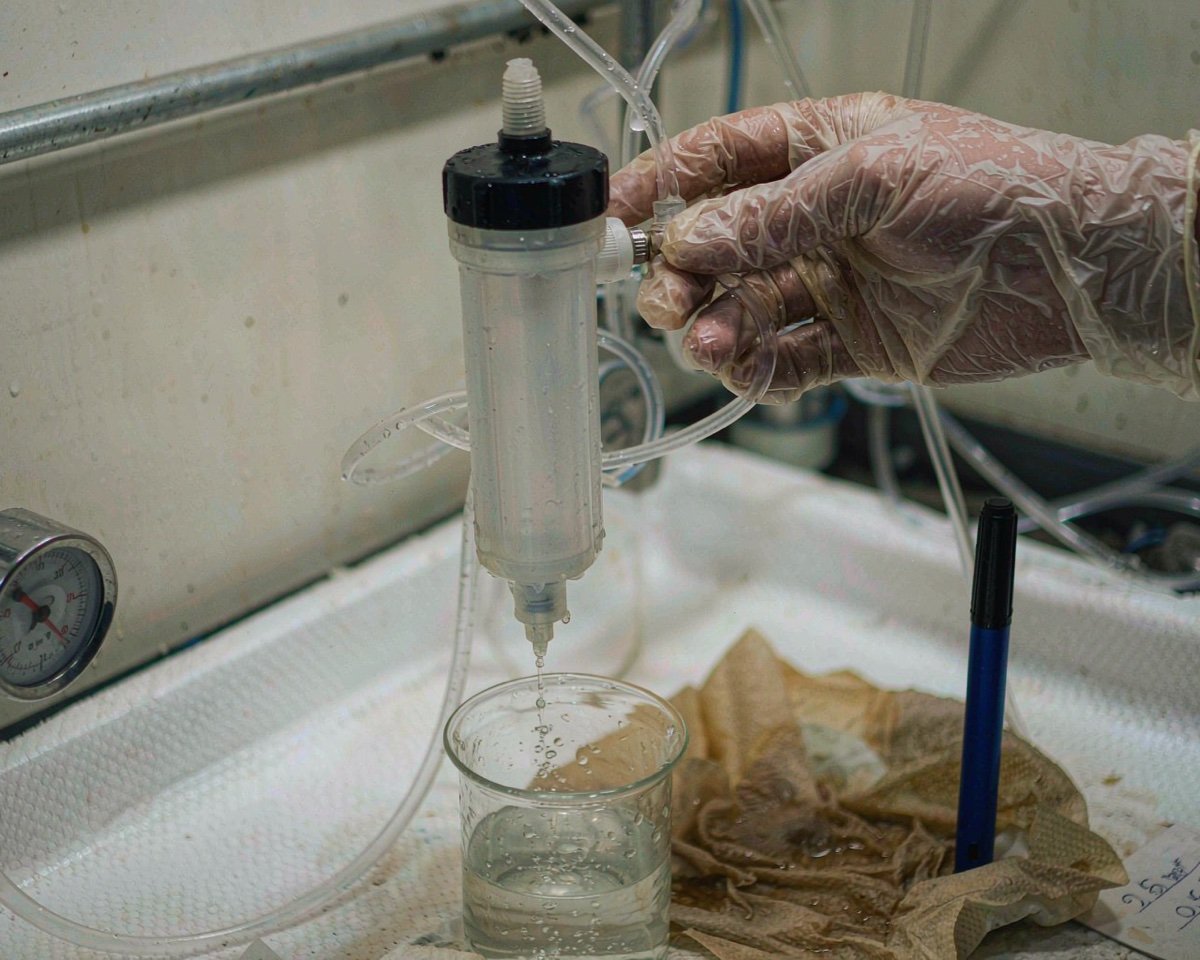
Filtration deserves its own mention. USP 〈1092〉 expects filtered samples, and the filter must not adsorb your analyte. Verify recovery during method development: compare filtered against centrifuged samples at least once. I use 0.45 µm PVDF or PES for routine work and reserve smaller pore sizes for problematic matrices. The complete syringe filter buyer’s guide covers membrane choices, and the section on syringe filters for HPLC sample prep fits dissolution sampling directly.
A practical tip: buy filters in the same lot for a full study where you can. A mid-study filter change once cost me three days of requalification because the new lot’s extractables differed slightly at 260 nm.
Also think about the collection vessels themselves. Sampling at six time points across six vessels means 36 tubes or vials per run, and your autosampler capacity decides whether you collect straight into HPLC vials or into larger tubes that get aliquoted later. Either way, caps matter: dissolution pull racks often sit at room temperature for an hour while the run finishes, and open or loosely capped tubes evaporate. A rack with a lid, or vials capped at the bench, keeps your early time points honest.
Wear Parts: Baskets, Paddles, Vessels
Baskets and paddles are technically apparatus, but they wear and get replaced, so I count them as consumables-adjacent. USP specifies 316 stainless steel construction, tight dimensional tolerances, and a 25 ± 2 mm distance from the vessel bottom. Misadjusted or damaged paddles shift dissolution rates, so labs check them with height gauges during calibration.
Vessels scratch, chip, and get etched by cleaning cycles. A scratched vessel changes hydrodynamics. Replacements are cheap compared to the OOS investigation you’d face otherwise.
Cleaning Consumables Between Runs
Every dissolution run ends with a cleaning job that consumes its own supplies. Vessels get brushed with dedicated vessel brushes (soft bristles, long handles sized to the vessel), rinsed with purified water, and occasionally washed with dilute detergent followed by thorough rinsing. Residual detergent surfactant is a notorious contaminant for the next run, so labs rinse until no foam remains and some finish with a purified water bath.
You’ll also go through lint-free wipes for the paddle shafts, cleaning logs, and stainless-safe cleaners for the bath. Budget for them; a run that can’t be cleaned properly stalls the next one, and scratched or etched vessels from harsh scrubbing are replacement triggers.
Where the Regulatory Demands Come From
Dissolution is a release and compliance test for solid oral dose products, which is why the consumable discipline is strict. The USP methods database at the FDA dissolution methods database lists the official method per product, and 21 CFR 211.167 requires batch testing for sustained and delayed release as part of specifications. Clean consumables, documented lots, and consistent materials are part of passing that scrutiny.
Conclusion
Dissolution testing consumes a modest but specific list of items: deaerated media held in clean borosilicate bottles, documented sinkers for floating forms, matched sampling cannulas, lot-consistent filters verified not to bind your analyte, quality HPLC vials, and wear parts kept within USP tolerances. None of these items is expensive individually. What matters is consistency: same sinker design across a study, same filter lot where possible, vessels free of scratches, and documentation that ties the consumables to the method. Build a small dissolution consumables checklist into your bench routine and a run that used to stall on missing pieces will simply flow. Start with the media and sampling filtration, since those touch every run, then build out the rest.
Frequently Asked Questions
Do dissolution samples always need filtering?
In practice, yes. USP 〈1092〉 expects filtration of pulled samples to stop dissolution by removing particles. Filter adsorption must be checked during development by comparing against centrifuged samples.
What pore size filter should I use for dissolution samples?
0.45 µm is standard for routine tablets and capsules. Drop to 0.22 µm for UHPLC assay or fine-particulate matrices, accepting slower flow. The pore size tradeoffs are the same as for routine HPLC.
Can I reuse sinkers between runs?
Commercial sinkers can be cleaned and reused if your procedure allows it and cleaning is validated. Document the sinker type and part number either way, since sinker geometry can change dissolution profiles.
How many vials does a dissolution run consume?
A six-vessel run with six time points consumes 36 sample vials plus standards and blanks, so plan 45 to 50 per run, capped at the bench so early time points stay honest.