
Most buyers assume vials come exactly one way: anonymous white boxes with a supplier’s logo, take it or leave it. Then they see a competitor’s vials arriving with the competitor’s own branding on the box, lot numbers printed where their techs need them, and a part number scheme that matches their internal catalog. That’s not a bigger company. That’s a custom or private-label program, and mid-size labs and resellers use them more than you’d think.
Here’s what suppliers can actually do, what it costs, and when it’s worth it.
The Spectrum of Customization
Customization runs from light to deep:
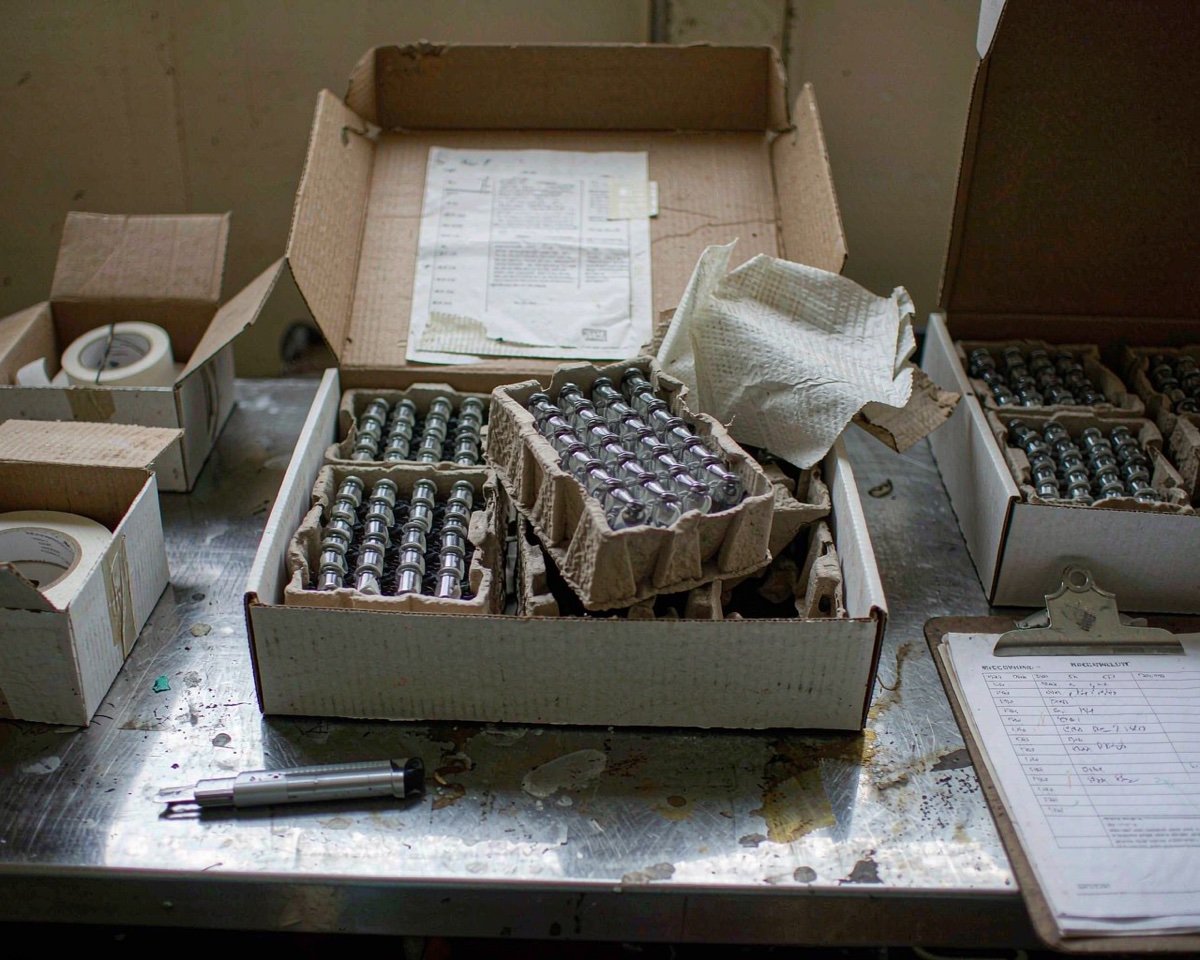
• – Custom box labeling. Your logo, part numbers, and quantity on standard packaging. Lowest barrier, fastest turnaround, and the most common entry point.
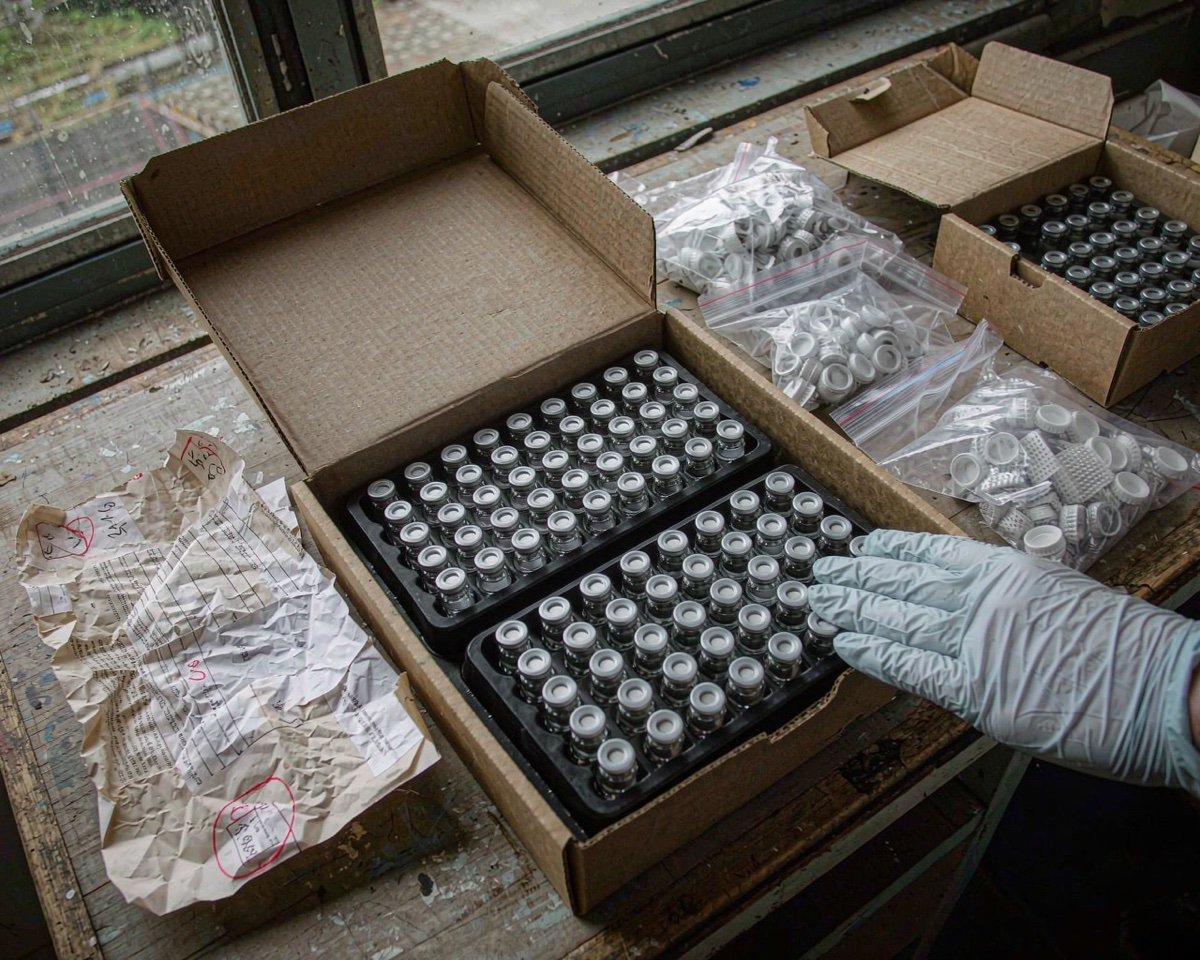
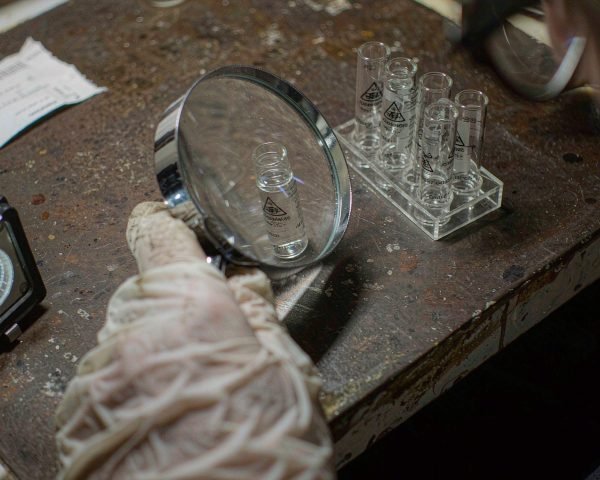
• – Printed vials. Marking on the vial itself: write-on patches, graduations, your catalog number on the shoulder, or barcode patches for tracking systems.
• – Custom kits. A vial, cap, and septum combination boxed as one SKU with your part number, which is how many resellers avoid carrying three separate stock numbers. My vial quote comparison guide covers why kits simplify stock control.
• – Full private label. The supplier manufactures, your brand ships. This is the OEM arrangement, and it’s how a surprising share of the market’s “brands” actually reach shelves. The difference between OEM and branded supply is its own topic, which I covered in the OEM vs branded vials explainer.
What Suppliers Typically Require
Custom programs have thresholds, and knowing them avoids awkward quotes:
• Minimum order quantities. Custom printing runs need setup, so MOQs sit above catalog items. Expect several thousand units for printed vials and lower (sometimes a single carton) for custom box labels. My MOQ and lead time guide sets realistic numbers.
• Artwork and specifications. You provide the logo and the print spec; the supplier’s packaging engineer tells you what the printing process can hold on glass or paperboard. Fine text and tiny barcodes have real limits at print speed.
• Lead time. First runs take longer while tooling and print plates are set. Reorder lead times usually converge back to near-catalog levels.
• – Documentation continuity. A serious supplier keeps your certificates aligned to your custom SKUs, so the paperwork travels with the box. If a prospective supplier shrugs at documentation, treat that as a red flag regardless of price.
Regulated buyers have extra reasons to care. Under 21 CFR 211.122, labeling materials are controlled items, and incoming checks under 21 CFR 211.84 apply to your custom-labeled boxes just as they do to the vials inside them. For reference on what factory-standard programs look like, instrument makers’ own consumable structures, such as Agilent’s vial selection guide, show how part numbers and packaging map to applications.
When Custom Printing Is Genuinely Useful
• – Multi-site inventory control. Your own part number printed on the box means receiving can route stock without decoding vendor catalogs. For a lab network I support, custom SKUs cut receiving errors noticeably in the first quarter.
• – Barcode-driven stockrooms. Labs running electronic inventory want scan-ready labels in predictable places. Custom packaging puts the barcode where your scanner expects it instead of where the vendor guessed.
• – Resellers and distributors. Private label is simply how regional distributors compete against factory brands: same glass, local brand, local service.
• – Internal branding and accountability. A smaller, honest benefit: vials marked with your lab’s program name stop walking to the neighboring group. Petty, effective, true.
When It’s Not Worth It
Custom programs carry real costs. If your consumption is a few cases a year, the MOQ alone can outlast your shelf life, and aging stock is its own cautionary tale. If your vendor relationship is new, run catalog items for a few orders first; customizing before you trust the supplier inverts the qualification sequence entirely.
A Buyer’s Checklist for Starting a Custom Program
1. Define the SKUs you actually consume steadily; customize only those
2. Ask each candidate supplier for their MOQ, print methods, and lead times in writing
3. Request a physical pre-production sample of the printed box or vial
4. Confirm documentation (CoA per lot) carries your SKU references
5. Agree on reorder logistics: storage of print plates, artwork versioning, and a reorder trigger tied to your par levels
One more negotiation note: custom work prices better with a commitment. If you can promise an annual quantity, say so in the quote request; it moves both MOQ and unit price.
A Note on What Customization Cannot Fix
One caution to balance the enthusiasm: customizing packaging doesn’t improve the product inside. If the glass quality, septa formulation, or dimensional control of a prospective supplier is unproven, your logo on the box only brands the disappointment. Sequence matters: qualify the product first with catalog items and incoming checks, then invest in customization once the lots have earned trust. Every strong private-label arrangement I’ve seen followed that order, and the shortcuts I’ve watched failed in exactly the way you’d predict.
Also keep an exit path. Artwork files, print plates, and tooling usually live with the supplier, so ask up front what happens if you move: who owns the plates, and can a successor supplier reproduce your SKU? Ten minutes of contract reading now beats a rebranding exercise later.
Conclusion
Custom-printed and private-label vials are not exotic. Suppliers can put your part numbers on boxes, print your SKUs on vials, build custom kits, or run a full OEM program, with MOQs and lead times that are manageable for steadily consumed items. The payoff is real for multi-site labs, barcode-driven stockrooms, and resellers, and the cost is real for low-volume or unproven supplier relationships. Start with custom box labels on your highest-volume SKU, run catalog items until the supplier is qualified, and confirm documentation travels with your custom part numbers. Done for the right SKUs, a custom program makes your inventory system simpler and your supply chain more legible. Done for everything, it’s expensive wallpaper. Choose the SKUs like a buyer, not like a marketer, and the program pays for itself.
Frequently Asked Questions
What’s the minimum order for custom-printed vials?
It varies by supplier and print method, but expect thousands of units for vial printing and less for box labeling. Committed annual volumes usually soften both the MOQ and the unit price.
Can I keep my current vial quality with a private label?
Yes, if the supplier is transparent about the factory and specifications. Request the same certificates you’d get under the supplier’s brand, and qualify the first lots against your incumbent before switching volume over.
Does custom packaging change lead times?
First runs do, while plates and tooling are set. After that, reorder lead times typically approach catalog levels, assuming your artwork is stable and the supplier stocks your print materials.