
# Dental Materials Testing Lab Consumables: The Complete Guide
The machines get the attention, but consumables quietly decide whether your dental materials data holds up. I have seen more tests ruined by a bad mold, a worn polishing disc, or an uncalibrated water bath than by a broken universal testing machine. This guide walks through every consumable category a dental materials lab actually burns through, and why the standards care.
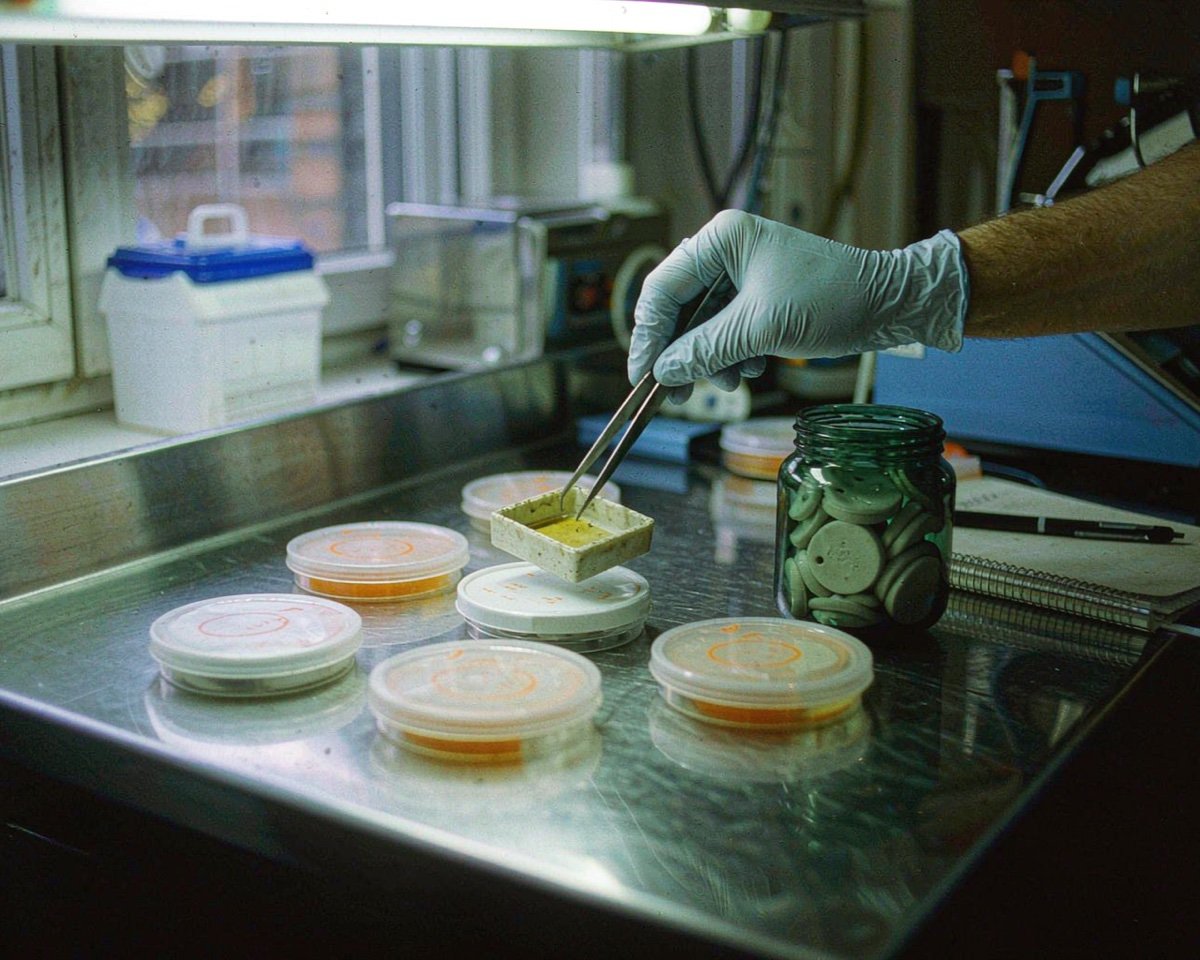
Dental materials testing lab consumables are the recurring supplies each test depends on: molds and Mylar strips, SiC papers, polishing pastes, embedding resins, thermocycling media, acetic acid, dyes and crucibles. Standards like ISO 4049 assume you pick the right ones.
If you buy for a lab, the trick is knowing which of these are commodity items and which are, for the purposes of the test, instrument-grade. Keep reading and you will be able to split that list in about an hour.
Why consumables decide your results, not just your budget
A dental materials test is a chain. The load cell measures force, but the specimen geometry, surface finish, storage medium, and aging protocol all feed into the number you report. Every one of those steps touches a consumable.
Take the flexural strength test in ISO 4049:2019, the standard for polymer-based restorative materials. You cast 25 × 2 × 2 mm bars in a split mold, cover the surface with a transparent strip (Mylar or polyethylene), cure through a glass slide, then wet-grind the sides with 320 or 600 grit silicon carbide paper before 24 hours in distilled water at 37 °C. One published method section spells out exactly this sequence: stainless steel molds, Mylar strip, glass slide, overlapping cure points, SiC polishing, water storage, then three-point bending with a 20 mm span (see the full protocol in this ISO 4049 methods paper on PMC).
Change any link in that chain and the number moves. Skip the Mylar strip and the oxygen-inhibited layer changes your surface. Grind to 1200 grit instead of 600 and you remove subsurface flaws, which raises flexural strength. Store the bars dry instead of in water and you skip plasticization entirely. None of this is equipment error. It is consumable choice.
In my experience, most labs get away with sloppy consumable practice until they don’t, and “don’t” usually arrives during method validation, an inter-lab comparison, or an audit. Then every substitution you made gets scrutinized.
The economics are lopsided too. A universal testing machine is a five-figure purchase you make once a decade. Consumables are small purchases you make every month, and they carry the same weight in the final result. That asymmetry is why procurement deserves a seat at the method design table.
The standards landscape you are buying for
Before you build a consumables list, you need to know which standards the lab tests against, because each one assumes specific materials and methods.
ISO 4049: polymer-based restorative materials
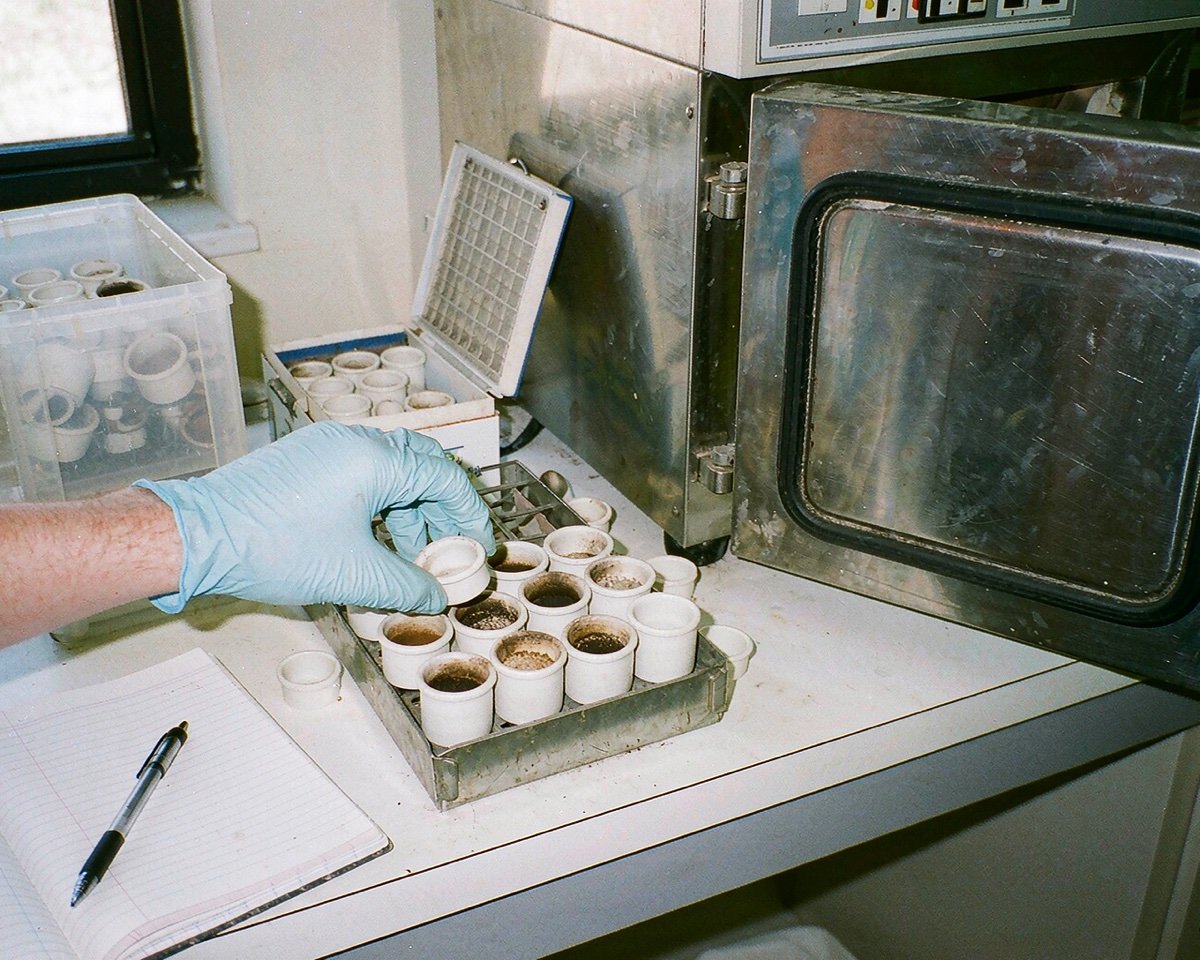
This is the workhorse standard for composites, resin cements, and denture polymers. It defines flexural strength (the three-point bend I described above), depth of cure (a 4 mm diameter × 10 mm cylindrical mold, scrape away the uncured resin, halve the remaining length), and water sorption and solubility (15 mm × 1 mm discs, desiccated to constant weight, then seven days in water at 37 °C). The consumables here are molds, strips, spatulas, desiccators, micrometers, and a lot of distilled water. Note the desiccator step: discs get dried at 37 °C until weight is stable, which means your lab needs a reliable drying oven and silica gel on hand, not just a testing rig.
ISO 6872: ceramic materials
Dental ceramics are classified into five clinical classes with minimum flexural strength from 50 MPa (Class 1, veneers) up to 800 MPa (Class 5, multi-unit prostheses). The standard also requires chemical solubility testing in 4% acetic acid at 80 °C for 16 hours, plus thermal expansion, glass transition temperature, and radioactivity checks (no more than 1.0 Bq/g of uranium-238). That acetic acid solution is a consumable with a specification attached: analytical grade, 4% by volume, in grade 3 water. If your buffer room grabs a bottle of household vinegar, the solubility result is meaningless. On the equipment side, fixtures such as Instron’s low-force bend fixture rated for ISO 4049 and ISO 6872 show how closely the test hardware is built around the standard’s specimen geometry, which tells you how tightly the consumables need to match too.
ISO 9693: metal-ceramic and ceramic-ceramic compatibility
For veneered restorations, ISO 9693:2019 (recently superseded by the 2026 edition) uses the Schwickerath three-point debonding test: six metal specimens of 25 × 3 × 0.5 mm with a 1.1 mm ceramic veneer, bent at 1.5 mm/min, requiring at least 25 MPa for metal substructures and 20 MPa for zirconia. It also requires thermal shock cycling between hot and cold water baths. The consumables are veneering ceramic powder, diamond saw blades to cut the strips, and the thermocycling baths themselves. The official scope page for ISO 9693:2019 on iso.org confirms the pass rules and specimen logic.
ISO 10993 and ISO 7405: biocompatibility
Any material that touches the patient goes through biological evaluation. ISO 10993-1 sets the risk-management framework for medical devices (the 2025 sixth edition reorganized it around ISO 14971), and ISO 7405 is the dental-specific companion covering agar diffusion tests, cytotoxicity, and oral mucosa irritation. For a dental lab, biocompatibility work consumes extraction media (cell culture media, saline), incubation consumables, eluate preparation supplies, and a surprising amount of sterile glassware. The framework page for ISO 10993-1 on iso.org is the right starting point if you are new to this side of the lab.
ADA/ANSI specifications
In the US market, ANSI/ADA Standard No. 27 for polymer-based restorative materials is essentially a modified adoption of ISO 4049, and the ADA maintains over 100 national standards covering everything from endodontic sealers to water-based cements. The ADA’s dental standards program page lists the working groups and current documents. If your customers are US dental manufacturers, expect spec sheets to cite ANSI/ADA numbers alongside ISO ones, and expect your consumables to satisfy both.
The point of this section: every standard above names its media, temperatures, grits, and geometries. When a supplier’s datasheet matches the standard’s assumptions, you buy method compliance, not just a product.
Mechanical testing consumables: the daily burn
Mechanical testing is where consumables disappear fastest. Here is what a busy dental materials bench actually consumes.
Specimen molds. Split stainless steel or PTFE molds for bend bars (25 × 2 × 2 mm), discs (typically 6, 10, or 15 mm diameter), and depth-of-cure cylinders (4 × 10 mm). Teflon molds release cured composite cleanly; steel molds last longer but need a release agent. Buy duplicates, because a dropped mold at 4:50 pm on a Friday can stall a whole specimen batch.
Mylar strips and polyethylene sheets. These stop oxygen inhibition during curing and give a flat mirror surface. They are technically reusable until they crease, and most labs replace them every few specimens. The cost is trivial; the effect on surface quality is not.
Glass slides and clamps. Used to press the composite flush against the mold. Simple, but chipped slides press unevenly, and uneven pressure shows up as thickness variation, which the standard does not forgive.
Silicon carbide grinding papers. 320, 600, 1000, 1200, up to 4000 grit depending on the method. Wet-grinding flat specimens to a defined finish is the single most repeated consumable step in dental materials testing. My default is to buy one grit family from one manufacturer for the whole lab; mixing brands means a “600 grit” from two suppliers can finish differently.
Polishing pastes and cloths. 1 µm alumina paste with a soft cloth is the classic final step for microhardness specimens, as used in published Vickers protocols. Diamond pastes (3 µm, 1 µm, 0.25 µm) appear when the material is too hard for alumina. Cloths wear out; paste dries out; both get consumed faster than anyone budgets for.
Micrometer consumables and contact films. Not consumables in the strict sense, but 40 µm articulating film (the kind used to verify stylus contact in wear tests) and replacement micrometer anvils belong in the same budget line. Thin films tear constantly.
If your lab also runs microleakage or dye penetration studies, add methylene blue and basic fuchsine to this list, plus the filtration supplies to clarify eluates before spectrophotometry.
Aging and environmental simulation: thermocycling and chewing simulation
Nothing in dentistry lives at room temperature in dry air, so regulators and journals want specimens aged before testing. That is where two pieces of equipment and their consumable streams come in.
Thermocycling units
The classic protocol, descended from ISO TR 11405, cycles specimens between water baths at 5 °C and 55 °C with 30-second dwells. Journals commonly accept 3,000 to 10,000 cycles, and the working convention is that 10,000 cycles approximates one year of oral service. The consumables are the media themselves (deionized or distilled water, sometimes artificial saliva), bath cleaning chemistry, and replacement of the transfer baskets and holders that corrode over months of hot-cold duty. Bath hygiene matters more than people think: biofilm in a 55 °C bath changes heat transfer at the specimen surface, and one lab I know chased a “weakening trend” in their bond strength data for weeks before someone opened the bath and found it fouled.
Chewing (articular) simulators
Dual-axis chewing simulators like the widely used SD Mechatronik CS-4 load specimens with a standardized stylus at roughly 49 N (a 5 kg weight), 60 mm/s descent, often 240,000 cycles to simulate a year of chewing and 1,200,000 for five years. The consumables here are the stainless or ceramic antagonist styli (they wear and get re-milled or replaced), the 40 µm articulating film used to verify contact, the water or artificial saliva bath, and embedding media for the specimens themselves. One detailed in vitro crown wear study documents the whole stack: methacrylate embedding, stylus calibration, film checks, and post-test surface scanning.
Artificial saliva deserves its own paragraph. There is no single recipe, so labs adopt published formulations (mucin, salts, buffers) and then buy the components in bulk. Whatever recipe you use, write it down and buy the same chemicals every time; switching to a “close enough” formulation mid-study is the kind of substitution that torpedoes a longitudinal aging series.
Biocompatibility and chemical stability consumables
This is the section where dental labs overlap most with the medical device world, and where consumable quality shifts from “affects the number” to “affects the regulatory file.”
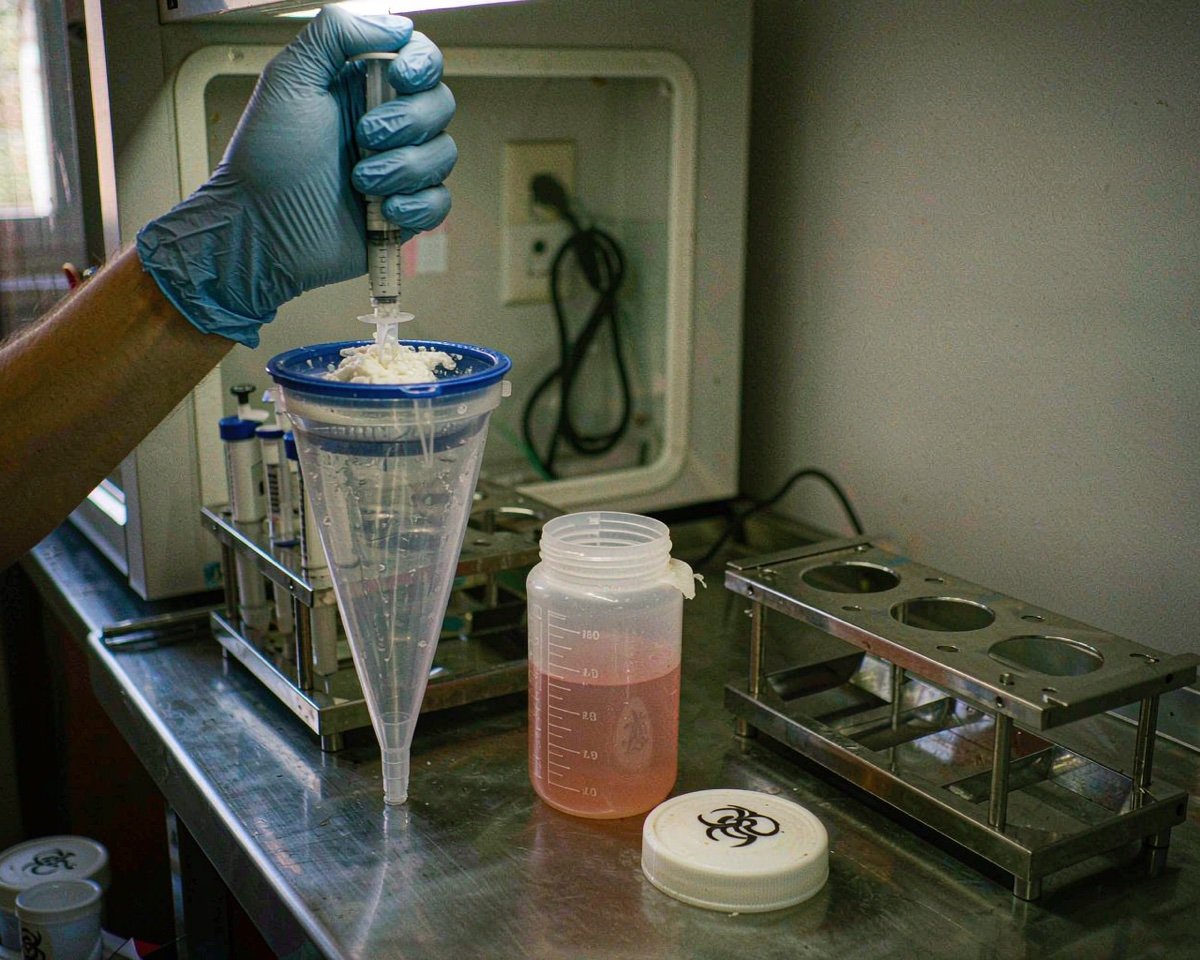
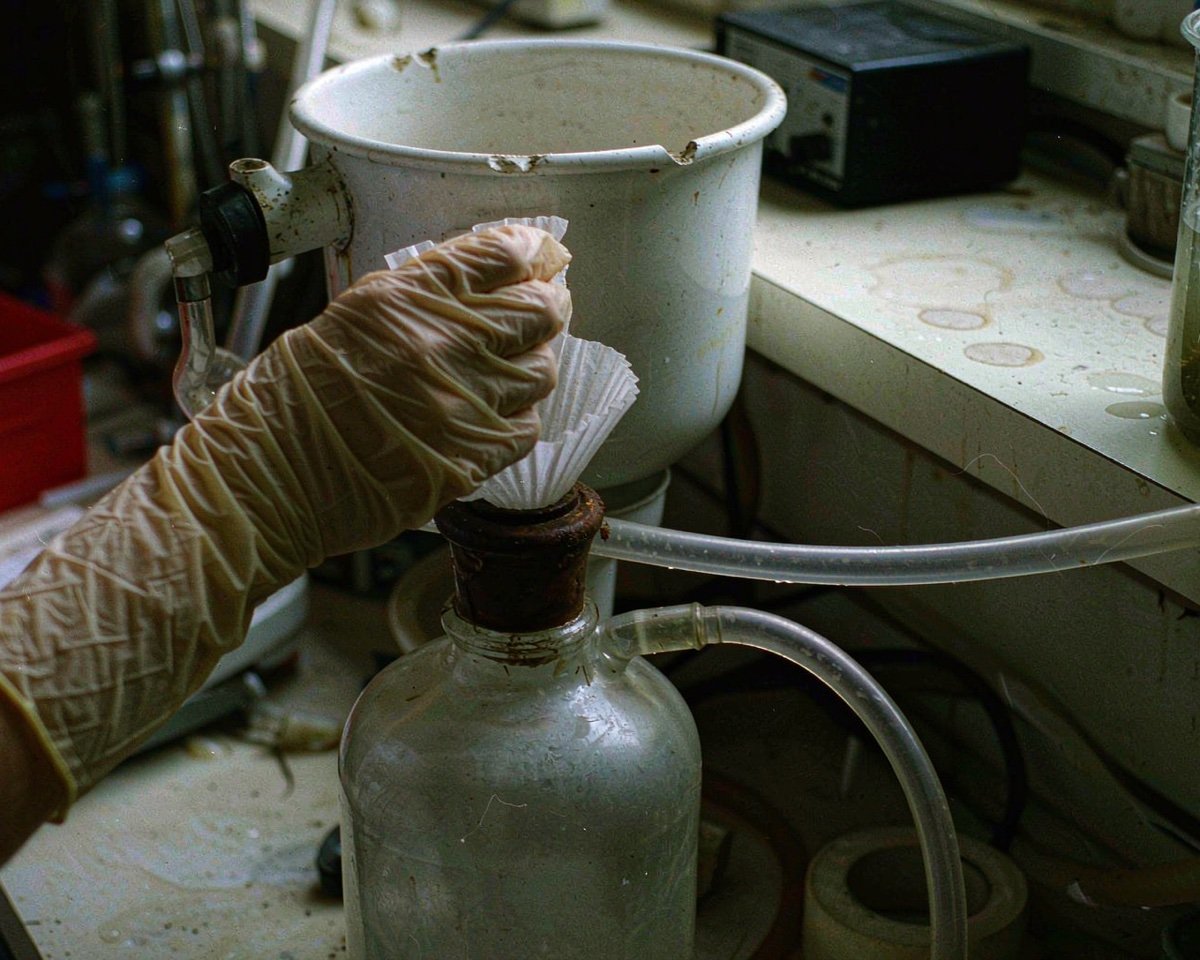
Cytotoxicity and extraction testing per ISO 10993 and ISO 7405 consumes sterile culture media, serum, extraction vessels, pipettes, and membrane filters for eluate prep. The extraction ratio rules (surface area or mass of specimen to volume of medium) mean your extraction vessel choice is part of the method. Eluates also get pushed through HPLC or LC-MS to quantify leached monomers like bis-GMA and TEGDMA, which pulls the lab into an analytical consumables world: vials, filters, columns, and mobile-phase chemistry.
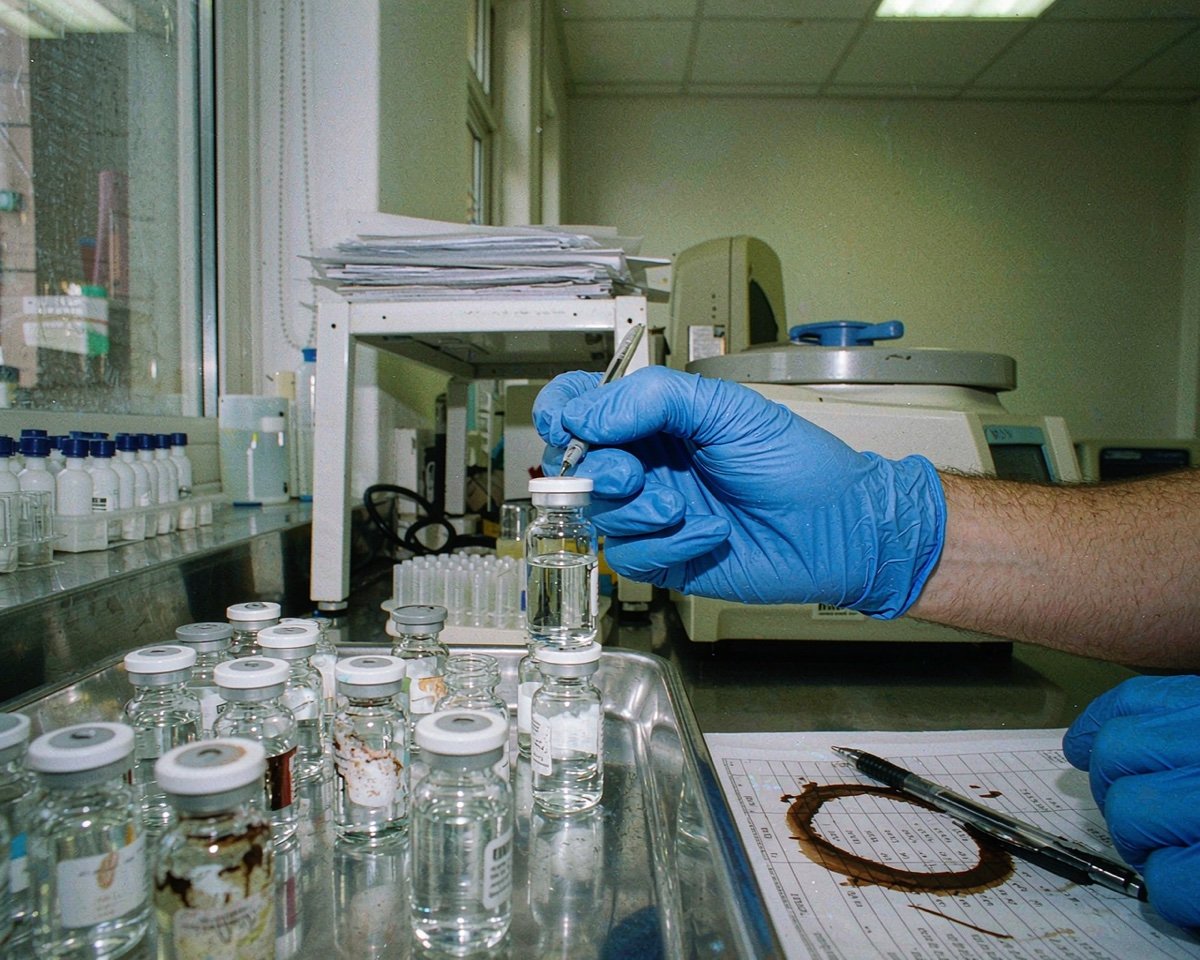
pH and chemical stability work (hydrolytic stability, solubility in acetic acid, pH cycling to simulate dietary acid challenge) consumes buffer solutions, certified reference pH standards, and reagent-grade acids. Storage stability studies need amber vials, desiccators, and temperature-mapped ovens. A 40 °C drying oven holding specimens for weeks is itself a consumable-adjacent investment: shelves, silica gel, and log books all wear.
One flag for anyone sourcing media or culture-adjacent consumables: some of these supplies end up in assays where biological contamination of the consumable itself would corrupt the result. If your testing program touches endotoxin-sensitive endpoints, it is worth reading up on which consumables actually need low-endotoxin claims before you standardize on a supplier. Not every dental materials test needs it, but the ones that do fail loudly.
Biocompatibility work also has the longest documentation tail. Lot numbers, certificates of analysis, and expiry dates for media and reagents all end up in the biological evaluation report. Cheap consumables without COAs are cheap until an auditor asks for the paper trail. The same logic runs through the broader medical device testing lab consumables category, and the overlap is worth an afternoon of reading if your lab serves both worlds.
Ceramic and high-temperature consumables: furnaces, crucibles, investment
Dental ceramics and alloys bring the lab into high-temperature work, and this is where consumables get heavy, hot, and expensive in surprising ways.
Firing crucibles. Zirconia-reinforced alumina crucibles hold ceramic masses through firing cycles; they survive repeated trips to 1000 °C-plus but are consumables all the same. Thermal shock cracks them, glaze residue builds up, and a contaminated crucible sheds particles into the melt. Labs that fire daily replace crucibles quarterly, sometimes sooner. Buy from a ceramics supplier with batch consistency, and do not let a cracked crucible “finish the cycle”; I once watched a technician push a hairline-crucible through a zirconia sintering run and lose the entire load to contamination.
Burnout furnaces and investment materials. For the casting side (metal substructures, pressing investments), the lab consumes phosphate-bonded investment powder and liquid, wax patterns, and the muffle rings that hold them. Burnout furnaces ramp wax out at 200 to 500 °C and stabilize the investment at 850 to 950 °C. Dedicated burnout furnaces from manufacturers like Nabertherm document how many muffles of each size a given chamber takes, which is a good way to size your ring inventory. Investment powder has shelf life; the liquid component degrades; both go stale faster than the powder label suggests.
Sintering consumables. Zirconia restorations sinter around 1450 to 1550 °C in specialized furnaces, consuming sintering beads, firing pegs, and zirconia paste for fixing restorations to the pegs. Pegs accumulate zirconia residue and warp; beads migrate and jam. Neither is glamorous, both fail on a schedule.
Diamond consumables. Sectioning ceramics for ISO 6872 bend bars and ISO 9693 specimens eats diamond saw blades and diamond discs. Hard, brittle materials are brutal on blades, and a glazed blade chips specimen edges, which becomes a fracture-initiation flaw you did not plan into the test. If you run a three-point bend campaign on 30 specimens per group, budget blades per campaign, not per quarter.
Sample preparation consumables: embedding, sectioning, polishing, grinding
Between raw material and finished specimen sits sample prep, and dental materials labs do it constantly.
Embedding and mounting resins. Cold-mount acrylics and epoxies (the Technovit family is ubiquitous in dental wear studies) hold specimens in chewing simulator chambers and metallographic holders. These are genuine consumables with pot life, cure exotherm, and shelf life. Epoxy mounts take longer to cure but handle heat better; acrylics are faster but shrink slightly. For thermomechanical aging, the resin has to survive 5 to 55 °C cycling without debonding the specimen, so mount media choice is part of the method, not housekeeping.
Grinding and polishing consumables. Beyond the SiC papers already covered, sample prep consumes diamond suspension, lapping films, and cloths in descending grit sequences. The goal is a reproducible surface finish, because surface roughness drives both wear and flexural strength scatter. A profilometer check on your polished specimens is cheap insurance; the consumables that get you to a 0.2 µm Ra finish are not the same ones that get you to 1 µm.
Tooth storage chemistry. Labs using extracted human teeth (still common for bond strength and wear work) consume chloramine-T or thymol storage solutions, 0.5% chloramine being a documented standard for disinfection before storage in distilled water. Extraction and sterilization consumables sit in an awkward compliance space, so buy them from chemical suppliers with proper documentation rather than improvising.
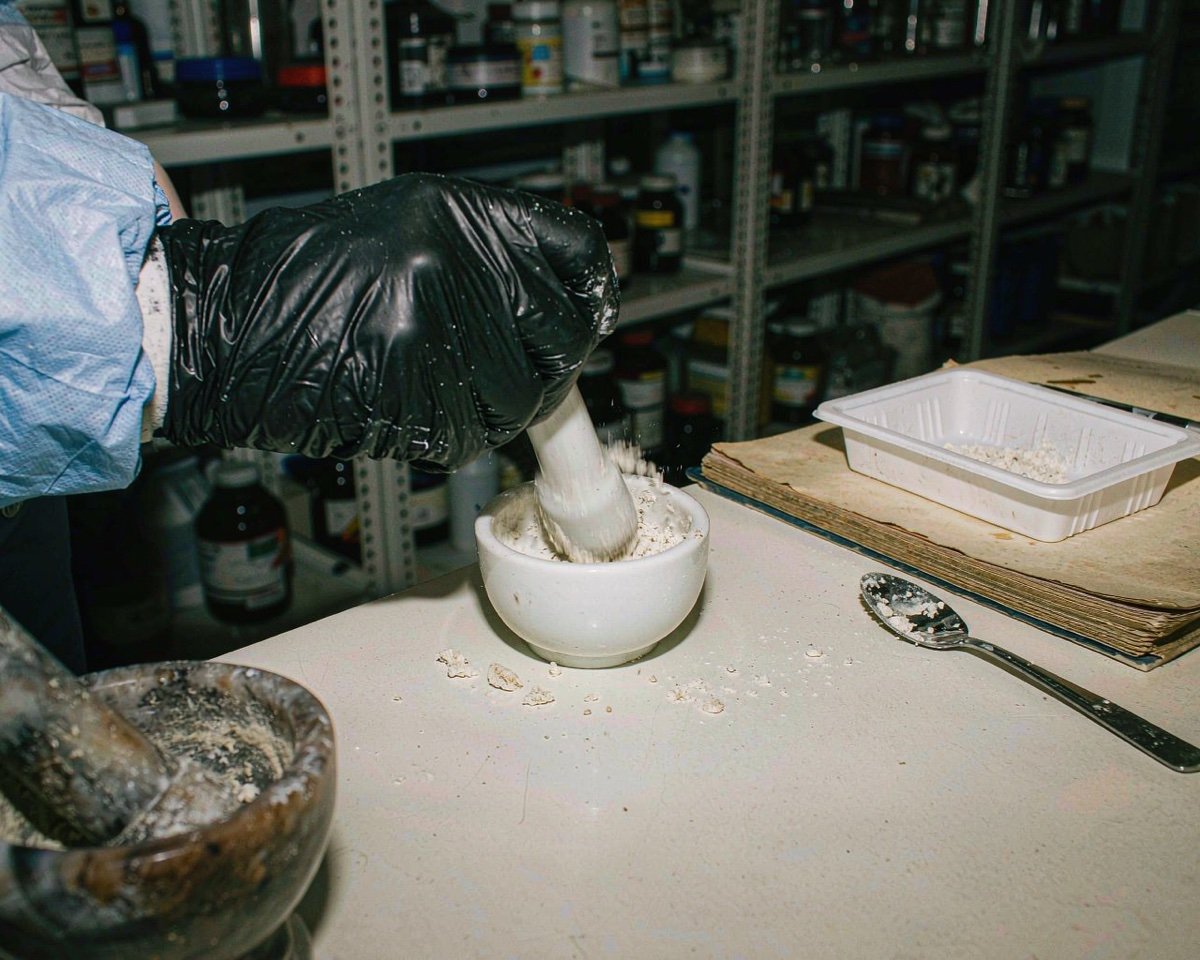
Particle size reduction. When the test needs powdered material (chemical analysis, elution studies, ceramic chemistry), labs reach for agate or porcelain mortars and pestles to grind without introducing metal contamination. The choice of material matters more than most buyers expect; if you are unsure, this guide to what a mortar and pestle is used for in sample prep covers the contamination angle in detail. Agate is the default when trace metal analysis follows the grinding step, because porcelain can shed alumina and silica.
Buying notes: reading spec sheets like a tester
Dental materials consumables often get specified loosely, and loose specs cause the substitution drift I warned about at the start. When you evaluate a supplier, here is what I check.
For grit papers: is the abrasive really SiC, is the backing waterproof (wet grinding is the norm), and is the grit distribution stated or just “600 grit”? For acids and media: grade, purity, and COA availability. For molds: tolerance on the cavity dimensions, because a 25 mm bar that is really 25.3 mm skews every strength calculation. For crucibles: stated thermal shock resistance and maximum temperature with a margin above your actual cycle.
Lot-to-lot consistency matters more than unit price for everything that touches the specimen. A 15% saving on grinding paper that changes your surface finish distribution is not a saving. And for anything used in biocompatibility work, documentation (COA, lot traceability, expiry) is a purchase requirement, not a nice-to-have.
If spec sheets read like alphabet soup, the 10-term decoder in this guide to reading a lab consumables spec sheet maps directly onto dental supplies: pore size, extractables, grade, tolerance, and shelf life all translate one-to-one. Send your supplier the exact clause from the standard (for example, the 4% acetic acid, 16 hours, 80 °C line from ISO 6872) and ask them to confirm compliance against that clause, not against a generic datasheet.
Budget note: labs consistently underbuy duplicates of small consumables (molds, films, cloths) and overbuy long-shelf-life items (investment powder) that end up expiring on the shelf. My default split is roughly 70% on regular-consumption items with documented specs, 30% held as buffer stock for the fragile, tearable, crackable things.
Storage, shelf life and contamination control
Buying the right consumables is half the job; keeping them right until the moment of use is the other half. Dental materials labs store a surprising mix of chemistry, and several items degrade in ways that do not announce themselves.
Light-cured composite specimens aside, the consumables with real shelf-life teeth are the resins and reagents. Embedding resins separate or thicken past their expiry. Phosphate investment liquid (the colored component) acidifies with age, which changes setting expansion and, downstream, casting fit. Acetic acid concentrations drift if bottles sit half-open on a warm shelf. None of these fail loudly; they just move your data by a few percent, which is exactly the margin your repeatability studies are trying to measure.
Moisture is the second quiet killer. SiC paper is sold wet-use, but the boxes themselves should live dry, because softened backing delaminates mid-grind and leaves abrasive slurry on your specimen. Amber vials for monomer and elution samples exist for a reason: UV exposure polymerizes methacrylates in storage, and you end up quantifying degradation products you never intended to create.
Contamination control follows the same logic. A crucible that fired zirconia last week should not fire lithium disilicate this week without a cleaning protocol, and grinding papers that touched polymer residue should not finish a ceramic bend bar. Most labs keep separate paper stocks per material family; the cost is a shelf and a label, the benefit is a defensible method section.
Rotation discipline rounds it out. First-in-first-out sounds like warehouse trivia until a technician pulls the oldest acetic acid bottle from the back and the newest investment powder from the front, which inverts both shelf lives at once. My default is a simple date-tag on every consumable the moment it enters the cabinet, plus a quarterly audit of anything with an expiry under two years. Fifteen minutes a quarter is cheap against a rejected specimen campaign.
Common mistakes that cost a whole specimen batch
A short list of the failures I have either committed or witnessed, so you can skip them.
Storing bend bars dry because the water bath was busy. Plasticization is part of the method; dry bars test artificially high and your data gets rejected.
Reusing Mylar strips until they look tired. They stop sealing against oxygen well before they look tired.
Grinding one side of a bar harder than the other “just to clean it up.” Thickness asymmetry converts directly into flexural strength bias.
Letting the thermocycler baths drift. A 5 °C bath that reads 7 °C changes the thermal stress your specimens see across 10,000 cycles. Verify bath temperature with a calibrated probe, monthly.
Treating crucibles as permanent equipment. Cracks propagate; contamination transfers; the batch you lose costs more than ten new crucibles.
Mixing grit brands mid-study. The method section of your next paper will say “600 grit” and a reviewer will ask which brand, and you should know the answer without checking.
None of these are exotic. All of them are consumable-adjacent. That is the quiet theme of this entire guide.
Conclusion
Dental materials testing looks like an equipment story, but the data quality lives in the consumables: the mold that sets your geometry, the grit that sets your surface, the water that sets your aging environment, the acid that sets your solubility limit, and the crucible that either protects or contaminates your ceramic. The standards (ISO 4049, ISO 6872, ISO 9693, ISO 10993 and the ADA suite) all encode consumable assumptions into their methods, so the smartest thing a procurement team can do is read the method clauses first and buy against them.
If you want to zoom out to how these same categories behave in the wider device world, start with the medical device testing lab consumables guide. And before your next supplier conversation, skim the spec sheet decoder so you can ask the questions that actually predict lot-to-lot consistency. Your flexural strength data will thank you.
Frequently Asked Questions
What consumables does ISO 4049 flexural strength testing require?
Split molds for 25 × 2 × 2 mm bars, Mylar or polyethylene strips, glass slides, silicon carbide grinding paper (typically 600 grit wet), and distilled water for 24-hour storage at 37 °C. Depth of cure testing additionally needs 4 × 10 mm cylindrical molds and a plastic spatula.
How many thermocycling cycles equal one year of oral service?
The accepted convention is 10,000 cycles between 5 °C and 55 °C baths, based on estimates that the mouth experiences 20 to 50 thermal swings per day. Older protocols used as few as 3,000 cycles, so check the journal or standard your data must satisfy.
Do dental materials labs really need analytical-grade acetic acid?
Yes, if you run ISO 6872 chemical solubility testing. The standard specifies 4% (V/V) analytical grade acetic acid in grade 3 water at 80 °C for 16 hours, and substituting a lower grade changes the solubility measurement you report.
What is the difference between embedding resin types for chewing simulation?
Cold-mount acrylics cure fast and are easy to machine but shrink slightly; epoxies cure slower with less shrinkage and better heat tolerance. For thermomechanical aging with 5 to 55 °C cycling, pick a resin that stays bonded to the specimen across the full temperature range.
Which consumables in a dental lab need certificates of analysis?
Anything that contacts specimens during biocompatibility, solubility, or chemical stability testing: culture media, extraction vessels, reagent-grade acids, buffer standards, and storage solutions. COAs and lot traceability feed directly into the biological evaluation report and audit trail.