
Nobody thinks about vial packaging until the first bulk order arrives in a drum with 5,000 loose vials and no tray, and the receiving bench quietly declares mutiny. Packaging decides how vials survive freight, how fast they load into racks, how long they stay clean on your shelf, and what your team does at 7 a.m. when a sequence starts at 8.
Here’s what bulk buyers should know about the main packaging formats, the tradeoffs, and the questions to ask before the container ships.
The Main Packaging Formats
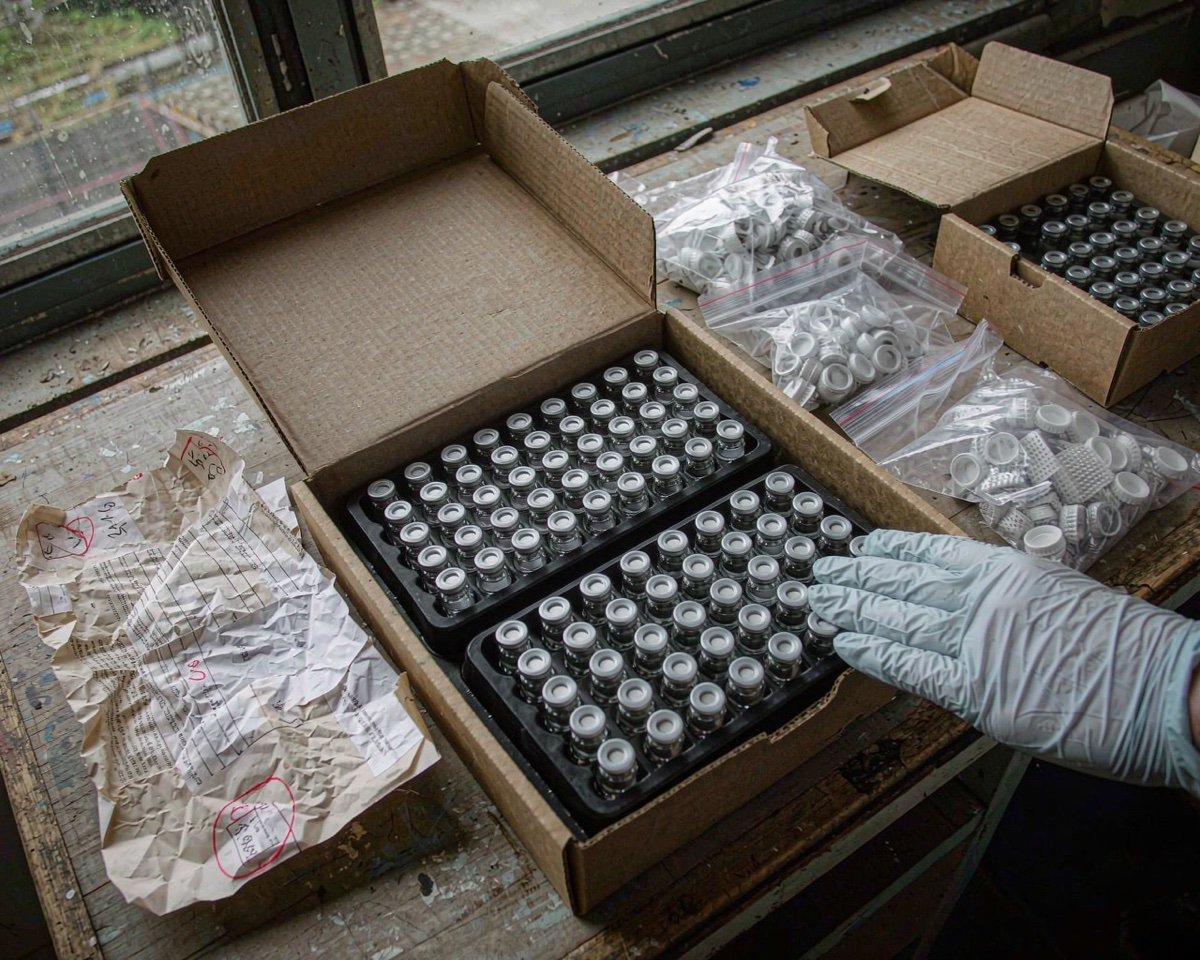
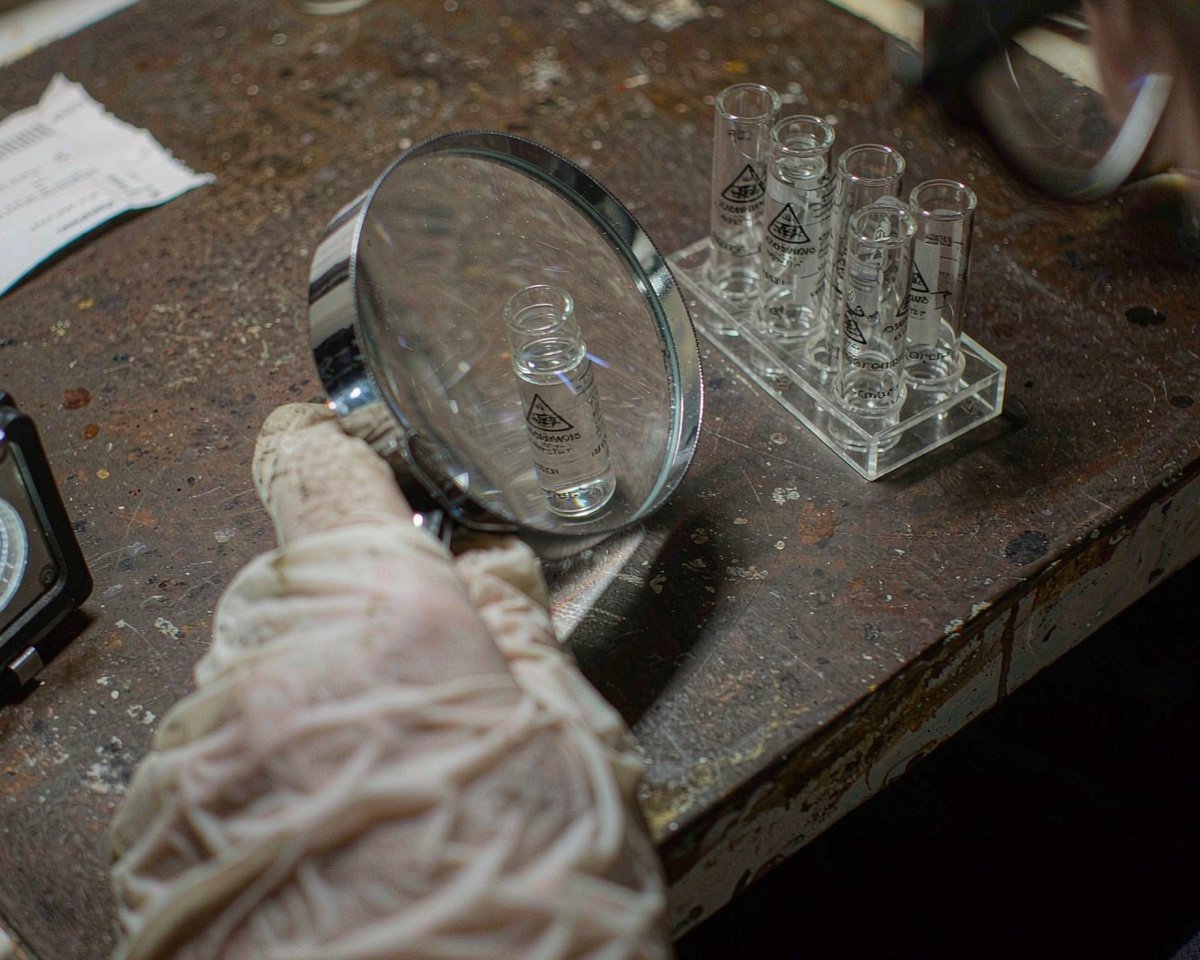
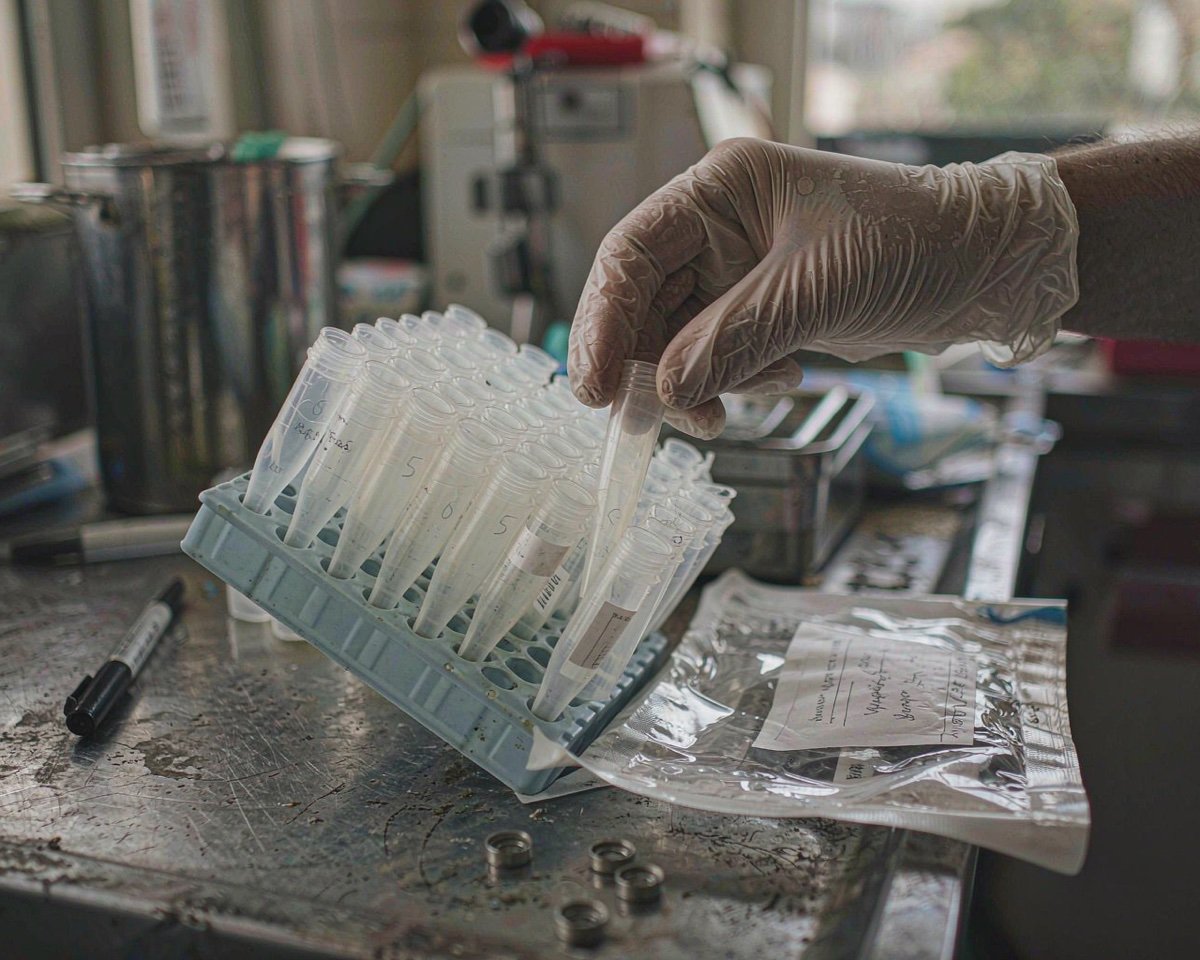
• Trays of 100. The standard for HPLC autosampler vials. Vials sit nested in molded plastic trays that protect them mechanically and keep them sorted for loading. This is the format most labs should default to, and the one Agilent’s vial selection documentation implies with its typical 100-count pack sizes.
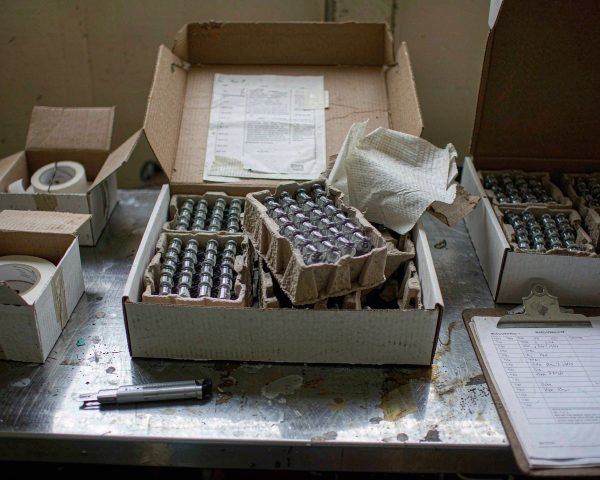
• Boxes with dividers or foam. Common for headspace vials and specialty formats. Good protection, slightly slower to load than trays because vials come out individually or in small groups.
• Bulk drums and bags. Lowest cost per vial, highest handling cost per vial. Used by labs that repackage into their own racks or feed filling lines. If a supplier offers only bulk for a vial your bench loads manually, count the labor before celebrating the price.
• Individual wrapping. Adds cost but pays off in contamination control and unit-level lot documentation, the same logic that separates sterile from non-sterile filters.
What Packaging Protects Against
Vial packaging does four jobs, and cheap packaging fails at predictable ones:
• Mechanical survival. Freight from Asia to Europe or the Americas involves real shock and vibration. Nested trays and dividers prevent glass-on-glass contact, which is where chips come from. Chipped vial rims cause leaking and needle damage; my leaking and contamination guide connects that failure to what it does downstream.
• Cleanliness. Dust in a bulk bag lands inside vials during handling. Tray formats with lids keep the interior protected until the moment of use, which matters for trace work and for anyone who has ever ghost-peaked their way through a dusty lab.
• Moisture and environment. For dehydrated or specialty vials (some deactivated and MS-certified lines), packaging maintains the storage condition the vendor certified. Opening a sealed factory tray does not reset the clock, but storing half-used trays near a window does; my consumables storage guide covers the bench-side rules.
• Throughput at the bench. This is the underrated one. A lab I supply loads 400 vials a day; tray formats save them a couple of minutes per rack, which compounds to real hours per week.
Questions to Ask Before a Bulk Order
1. How are the vials nested, and what’s the tray material? Ask for photos or a sample of the actual tray. Some “trays” are loose partitions that shift in transit.
2. What’s the dropout rate claim, and what’s the remedy? Reputable vendors either minimize breakage in the pack or replace it. Clarify both before the PO, and put the answer in the purchase order.
3. Can packaging match your storage? If your shelf depth only fits standard 100-tray boxes, confirm dimensions before ordering 10,000 units in a nonstandard carton.
4. Is lot documentation inside the pack? Certificates should be inside or linked by QR/print on the box. My CoA vs CoC guide explains which paper proves what.
5. How does packaging interact with your clean requirements? For certified or low-background lines, ask whether the factory packaging maintains that claim or whether you need secondary containment.
Tradeoffs Worth Naming
Bulk is cheaper per vial and slower per vial. If your consumption is thousands weekly and a repackaging step exists anyway, bulk can be right. Trays cost a bit more and hand you time back daily. For most chromatography labs, I land on trays for routine vials, boxed formats for headspace, and bulk only for items the lab feeds through automation that doesn’t care about nesting.
One more practical note: storage space is a real cost of bulk buying. A pallet of drums needs warehouse floor and a dolly; a case of trays fits under a bench. Plan the space for both before the order lands.
How Packaging Interacts With Autoclaving and Cleaning
If your lab reuses some glassware or decants consumables into lab-owned containers, packaging choice ripples into your cleaning and sterilization workflow. Trays that survive an autoclave cycle (polypropylene trays tolerate 121°C; many molded inserts don’t) let you sterilize vials and tray together for aseptic work. Non-autoclavable trays mean transferring hot, clean glassware by hand, which is where chips happen.
Label the packaging too. A case that arrives with the lot number only on the outer carton loses its traceability the moment the carton is recycled; good vendors print lot and expiry on the tray or inner bag as well, and it’s worth requesting when you quote. The documentation vocabulary on a spec sheet is its own language, and it pays to quote from it directly when you negotiate.
Regulated packaging has real requirements behind it too. Under 21 CFR 211.122, packaging and labeling materials must be controlled and examined, which is the same logic you apply to a case of vials with lot documentation. And if you want to see how the industry standardizes pack sizes, browsing a vendor catalog like Agilent’s GC supplies catalog shows the tray-and-box formats in actual counts.
Conclusion
Vial packaging is not a detail; it’s part of the product. Trays protect glass, preserve cleanliness, and speed up the bench; boxes suit headspace and specialty formats; bulk minimizes unit cost and maximizes handling time. Before any large order, ask about tray construction, breakage remedies, packaging dimensions, and where the lot documentation lives, and weigh the labor cost of cheap packaging against the price saving. Match the format to how your lab actually consumes vials: fast-loading trays for the daily workhorse, protected boxes for fragile and certified lines, and bulk only where automation or deliberate repackaging absorbs the handling. Get packaging right and nobody notices, which is exactly the point. If you’re scaling up an order for the first time, my MOQ and lead time guide sets expectations for what suppliers can actually commit to.
Frequently Asked Questions
Why do most HPLC vials come in packs of 100?
The 100-count tray matches standard autosampler rack capacities and typical weekly consumption, balancing unit price against handling. It’s the de facto standard across major vial brands.
Is bulk packaging safe for glass vials?
It can be, if vials are individually nested or separated and the carton is designed for freight. The risk is at your bench: more manual handling means more chipped rims and more contamination exposure than tray formats.
Do deactivated or certified vials need special packaging?
They need packaging that preserves the certified condition, usually sealed factory trays plus documentation inside the pack. Once opened, store remaining vials sealed and away from dust per the vendor’s instructions.