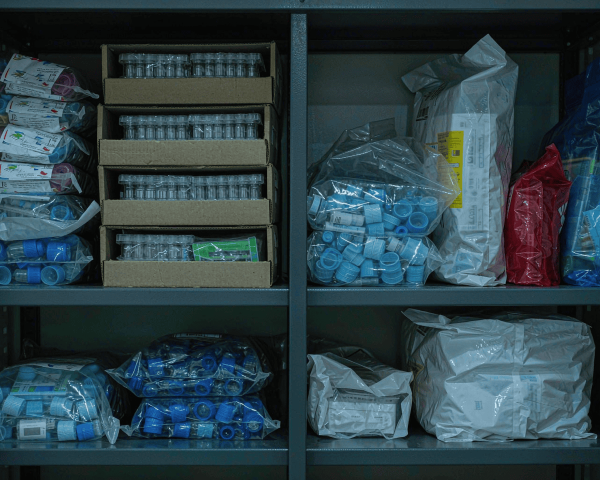

Most labs treat consumables like office paper: open the box, use what you need, and shove the rest on a shelf. Then, six months later, someone opens a bag of septa that have turned white and stiff, or a pack of syringe filters that were stored over a hot autoclave, and wonders what happened. Consumables are engineered products; they degrade, and how you store them decides how long they last.
The Short Answer
Store lab consumables in their original packaging, in a cool, dry, dark place, away from direct heat, UV light, and solvent fumes. Keep septa and rubber components sealed against air and light, protect filters from heat and moisture, and rotate stock so the oldest items are used first. Done right, most consumables outlast their expected shelf life; done wrong, even fresh stock can fail.
Why Consumables Go Bad in the First Place
Lab consumables fail quietly. They don’t announce themselves like an expired reagent with a color change; they just stop performing. Three environmental enemies do most of the damage:
- Heat accelerates aging in every polymer and elastomer, softening adhesives, hardening rubbers, and stressing stored plastic.
- UV light breaks down rubber and many plastics over time. That whitish film you sometimes see on stored natural-rubber septa? It has a name: blooming, and it’s why suppliers tell you to keep septa in a closed bag out of sunlight.
- Humidity and fumes attack everything from membrane filters to aluminum seals. Moisture can compromise sterile packaging and corrode metal closures over long storage.
The chemistry of the material decides the sensitivity. Natural rubber and butyl septa are among the most perishable items in your inventory; PTFE and borosilicate glass are among the most durable.
Septa and Caps: The Most Perishable Items
Septa deserve their own storage rules because they’re elastomers: rubber products with a shelf life measured in years, not decades. What I’ve learned from handling them in bulk:
- Keep them sealed. Septa are manufactured and packed under controlled conditions, and premium products are even packaged in white-room environments to guarantee consistency. Once you open a bag, reseal it or transfer the septa to an airtight container.
- Block the light. As the storage note on natural-rubber septa warns, sunlight causes blooming: a harmless-looking white film that signals surface degradation. PTFE-faced septa are more forgiving, but light is still their enemy over long periods.
- Watch temperature and humidity. A drawer over the GC oven or next to the glasswasher is the wrong home for septa. Cool and dry wins.
The same logic covers preassembled caps. You’ll notice manufacturers ship convenience kits with the vials in trays and the caps and septa packaged separately in plastic bags. That packaging isn’t random. Leave caps in their bags until you need them, and they’ll seal as well on the last box as the first.
Syringe Filters and Membranes: Keep Them Cool, Dry, and Clean
Filters are another category where storage discipline pays off. Membrane filters are thin polymer films; they can dry out, pick up moisture, or absorb fumes from nearby solvents, and none of those improve your blanks.
Millipore’s own specifications give you a sense of the envelope: filtration devices like the Steriflip carry a recommended storage temperature of 15–25 °C. Room temperature, in other words, not the hot shelf above the drying oven. Practical filter rules:
- Store boxes flat, in the original packaging, at room temperature.
- Keep them away from solvent storage areas; organic vapors can be absorbed by some membrane polymers.
- Never store filters near ozone sources (motors, some lab equipment); ozone attacks many polymers.
- Check the expiry or manufacture date on the box, and use the oldest stock first.
Glassware, Vials, and Bottles: Storage Is About Protection, Not Chemistry
Borosilicate glass is chemically inert, which means the storage risks are physical, not chemical:
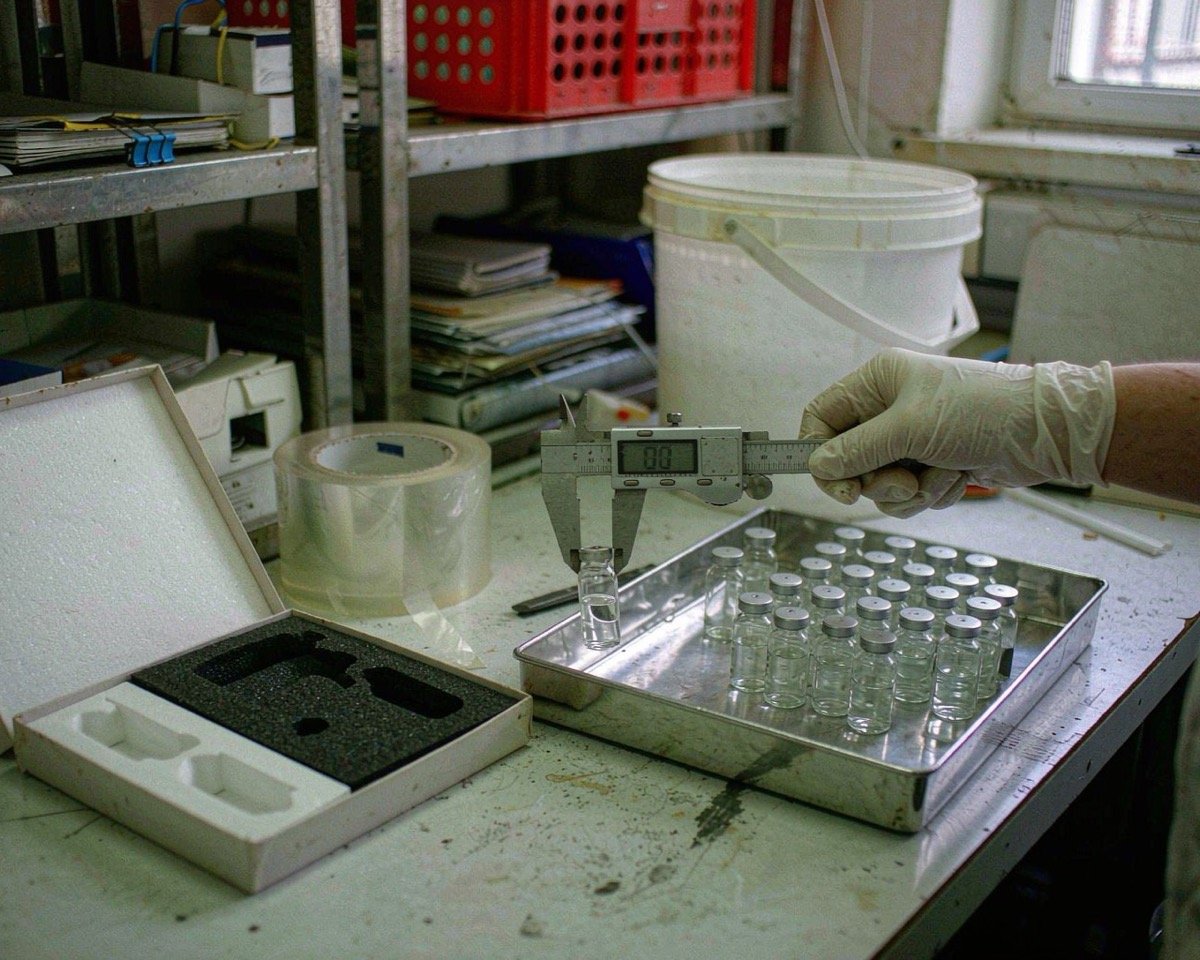
- Prevent scratches and chips. Glass vials stored loose in a drawer grind against each other; a scratched vial can leak or shed particles. Keep vials in their original trays or boxes until use.
- Keep them clean. Dust settling into “clean” vials over months of open storage is a real contamination source for trace work. If you store opened boxes, keep them covered.
- Respect the packaging. Manufacturer packaging (trays, inserts, and shrink-wrap) exists to protect the finished surface. Reuse it.
The same principle extends to bottles: caps and pour rings should stay on or in their packaging, and glass bottles should be stored upright to avoid stressing the neck finish.
Stock Management: The Hidden Half of Shelf Life
Storage conditions only get you so far if you never rotate stock. The best-stored consumable is still worthless if it sits for three years past its design life. Three habits fix most inventory problems:
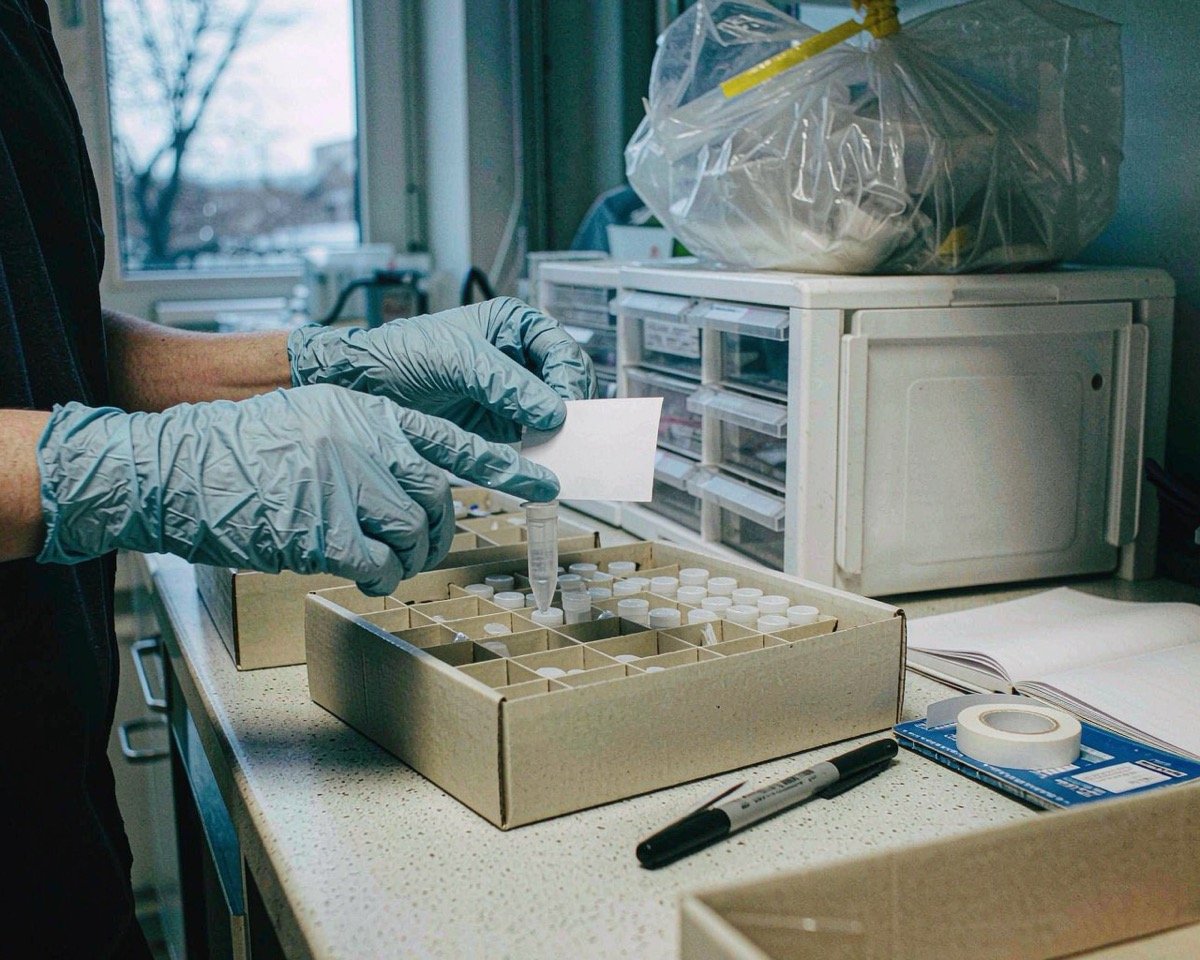
1. First in, first out (FIFO). When a new case of vials arrives, put it behind the existing stock, not in front. 2. Date everything. A permanent marker on the case when it arrives tells you how long it’s been sitting, and feeds the reorder decision. 3. Inspect before use. Before opening a fresh bag of septa, give it a squeeze and a look: supple and uniform is good; stiff, cracked, or bloomed is a red flag.
If you’re managing this at lab scale, a simple reorder trigger beats guessing. There are clear signs that you’re about to run out of consumables, and catching them early means you never dip into stock that’s been aging on the shelf.
Conclusion
Lab consumables don’t have the drama of reagents: no bright expiration labels, no color changes. But they age just the same.. Heat, light, humidity, and time are the four silent enemies, and the fix is mostly discipline: keep everything in original packaging, store septa and filters cool, dry, and dark, protect glassware from physical damage, and rotate stock so nothing sits past its prime. None of this is expensive. It’s the difference between a bag of septa that performs on month 30 and one that crumbles on month 12, and for the labs that buy in bulk to save money, that difference is the whole point. If you’re looking at how long sealed samples themselves stay usable, this guide to sample storage conditions is the natural companion read.
Frequently Asked Questions
Do lab consumables have an expiration date?
Some do; sterile filters and some packaged septa carry manufacture or expiry dates. Many others don’t, which is the trap: they degrade on a slower clock. Treat “no expiry date” as “no one told you when it dies,” and rely on storage conditions and FIFO instead.
Why do stored rubber septa turn white?
That whitish film is called blooming: a natural migration of compounds to the rubber surface. It’s the reason suppliers instruct you to store septa in sealed bags out of sunlight. While often cosmetic, it signals that the rubber has been aging, so protect your septa accordingly.
Can I store syringe filters in the fridge?
There’s no benefit for most filters; refrigerators are humid, and moisture is exactly what membranes don’t want. Room temperature (around 15–25 °C) in the original packaging is the stated storage for many filter devices.
How long can I store opened boxes of vials?
Indefinitely in practical terms, as long as the vials stay clean, covered, and protected from scratching. Borosilicate glass doesn’t expire; contamination from dust and physical damage are the only real risks for opened stock.
What’s the best way to store caps and septa for bulk orders?
Keep them in their sealed bags, in the original case, in a cool, dry, dark cabinet. Only open the bag you’re actively using. Buyers who store bulk caps this way see consistent sealing performance across the whole order, right down to the last box.