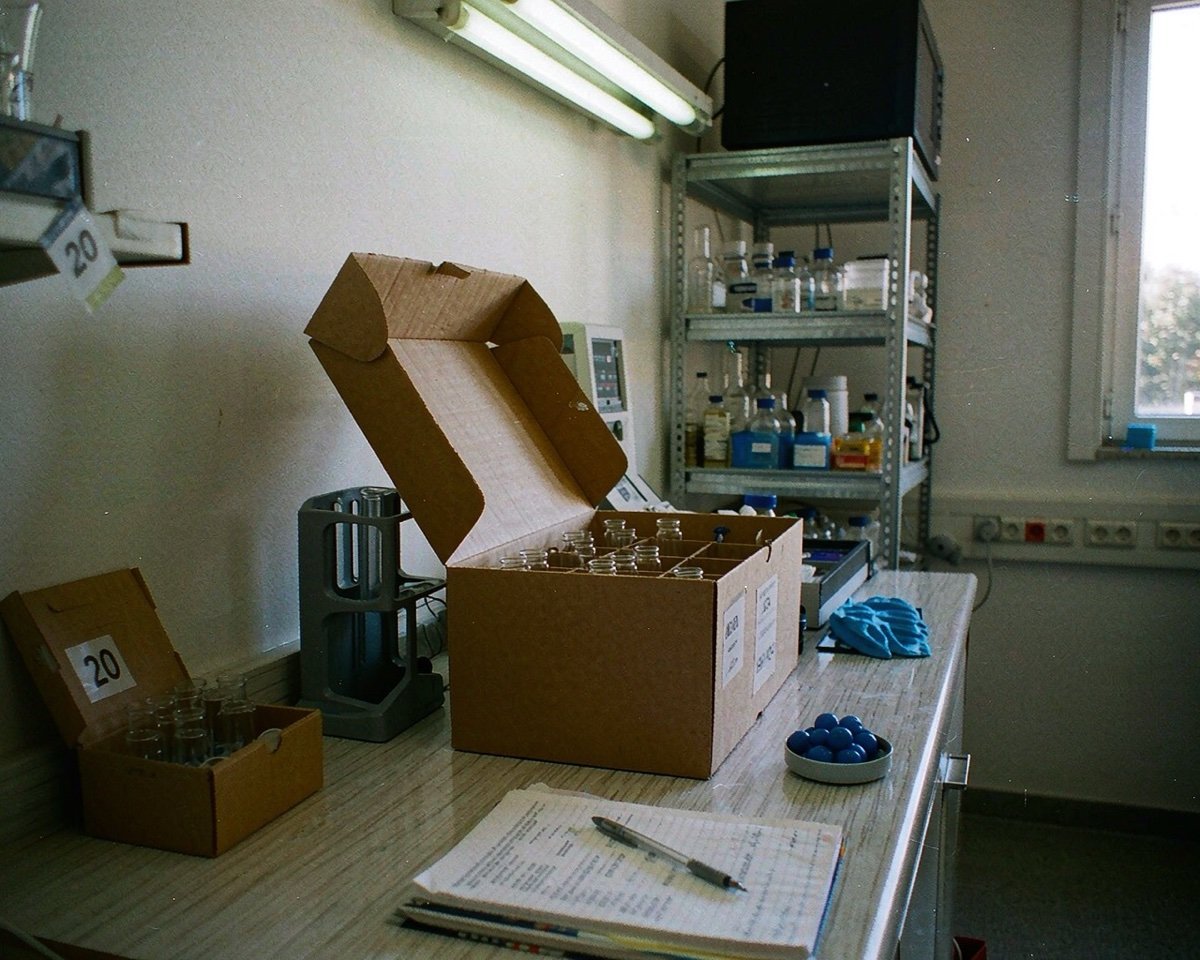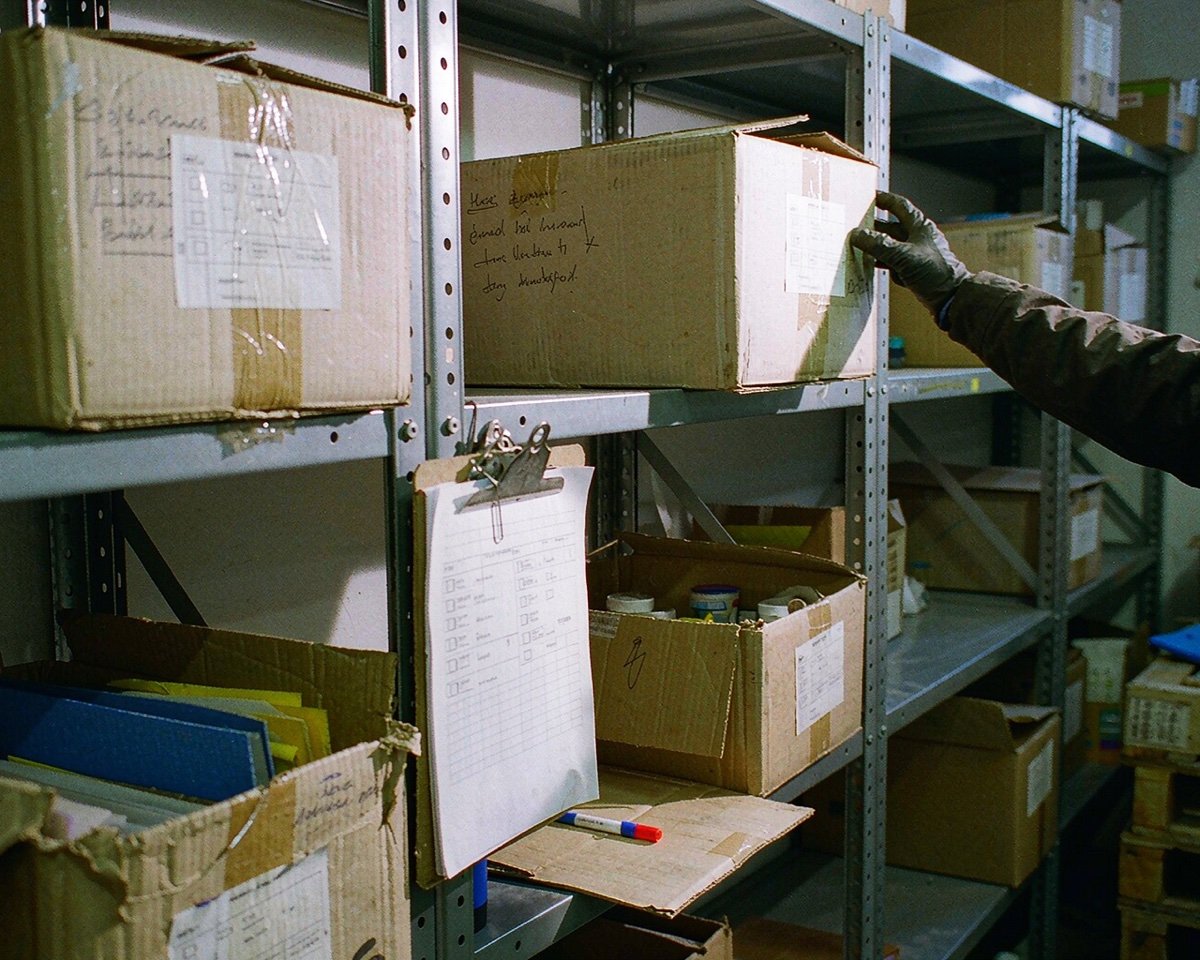


A supplier once sent us a spotless Certificate of Analysis for a vial shipment. Right lot size, right product code, beautifully formatted. One problem: the lot number on the certificate did not match the lot printed on the boxes. It took one email and four days of silence to learn that the “certificate” had been recycled from a previous shipment.
That is the difference between the two documents in one story. A Certificate of Analysis (CoA) is a batch-specific report with actual measured test values. A Certificate of Conformance (CoC) is a supplier’s signed declaration that the product meets agreed specifications, usually with no data behind it.
Read on before your next order, because knowing which document to demand changes what you can prove in an audit.
What a CoA Actually Contains
A proper CoA is anchored to one production batch. At minimum it should show:
- The lot or batch number, matching the physical boxes you received
- The product name, size, and part number
- Each tested parameter with its specification, method, and measured result
- The date of analysis and a signature from the supplier’s quality unit
The measured values are the whole point. For lab consumables, that typically means dimensional checks on vials, hydrolytic class of the glass, or membrane pore integrity certification for filters. Without the numbers, you are trusting a promise.
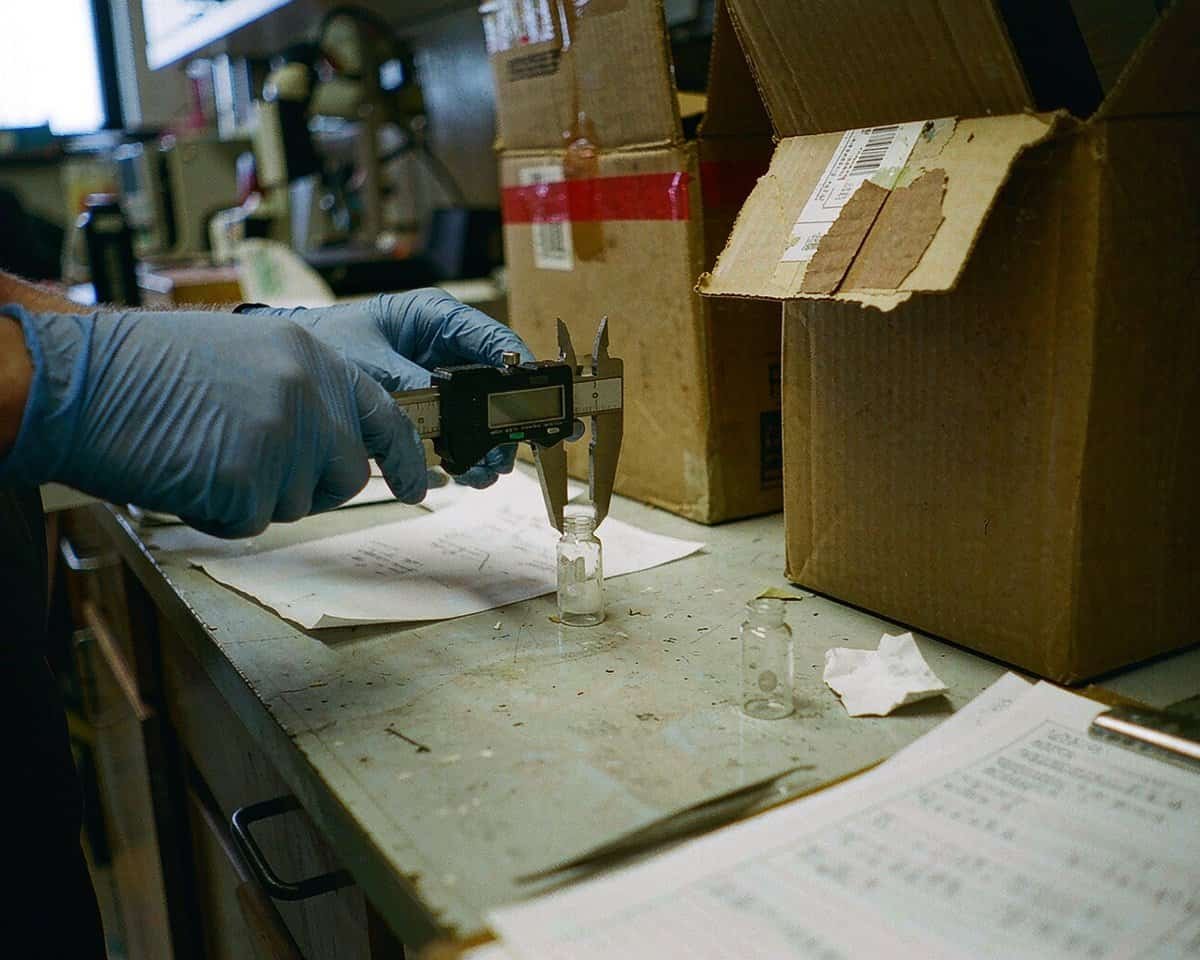
One detail separates real certificates from decorated ones: the test methods are named. A CoA that lists “dimensions: pass” tells you nothing a supplier couldn’t type. A CoA that lists “outer diameter 12.0 mm, spec 11.95-12.05, measured 12.01, method: calibrated digital caliper, 10-piece sample” tells you someone actually touched the product. When you evaluate a new supplier, ask for a sample CoA before you ask for a sample product.
CoA vs CoC for Consumables in Practice
Let me make this concrete, because “risk-based” advice is useless until it touches a purchase order.
Ordering certified 9-425 screw vials for a GMP method? Demand a lot-specific CoA covering dimensions and hydrolytic resistance, and file it by lot. Ordering standard 2 mL crimp vials for a development method where nothing is regulated? A CoC plus a quick incoming check on ten random vials is proportionate, and nobody sane would audit you harder than that.
Syringe filters sit in between. If they carry a chromatography-performance certification, the CoA behind that claim matters, because extractables and membrane integrity are lot properties, not design properties. Our certified vials explainer covers what the certification language on the box should map to in paperwork.
The pattern generalizes: the closer the consumable sits to your reported data, the more the document behind it needs to contain numbers.
What a CoC Actually Promises
A Certificate of Conformance is a statement, not a dataset. The supplier asserts that the product was manufactured to specification, or to a cited standard, or to the contract requirements. There is usually no per-batch testing shown and often no link at all to your specific lot.
That does not make it worthless. For low-risk items, a CoC plus a good incoming inspection is proportionate. The trouble starts when buyers treat the two documents as interchangeable, because they are not, and the ReAgent chemistry team puts it well: for high-stakes materials, a conformity certificate alone cannot substitute for analytical data.
The One-Sentence Difference
If you remember nothing else: a CoA proves what was measured on your batch; a CoC promises that someone says so.
Pharma buyers live this distinction through regulation. Under FDA’s component control rules in 21 CFR 211.84, drug manufacturers must test or verify incoming components, and relying on a supplier’s certificate requires establishing its reliability through validation and periodic re-verification. A bare conformance statement does not satisfy that bar.
Which Document Should You Demand?
Risk decides, not habit. Here is the mapping I use with procurement teams.
- Regulated pharma and clinical work: CoA for every lot, with lot-number verification at receiving. Prefer suppliers whose CoAs reference validated methods and, where applicable, ISO/IEC 17025-accredited testing.
- Food, environmental, and other accredited labs: CoA on lot-sensitive items, CoC acceptable for commodity items like racks and gloves.
- Routine academic or industrial QC: CoC often suffices for consumables, with a CoA on file per product family.
- New supplier, first order: always a CoA, regardless of the item. This is when you learn whether the supplier has a real quality system or just nice letterhead.
If a supplier resists providing a CoA for a lot-specific product, that resistance is data. Our 10 questions to ask a vial supplier include exactly this check.
How to Spot a CoA You Cannot Trust
Fake or recycled certificates are more common than buyers assume, especially in cross-border sourcing. The checks take five minutes at receiving.
- Match the lot number on the certificate to the lot on the box. Not the product code. The lot.
- Check the analysis date. A “current” CoA dated before the production date is a red flag you can spot without chemistry knowledge.
- Look for measured values with units, not just “pass”. Real testing produces numbers.
- Verify the signature block names a person and a quality function, not a blank line.
- For critical items, confirm the claimed accreditation in the accreditor’s public registry rather than trusting the logo.
When a lot does fail these checks or fails incoming inspection itself, quarantine it and follow a defined process; our lot failure playbook walks through the decision points.
Conclusion
The CoA and the CoC answer different questions, and confusing them is how recycled certificates and mismatched lot numbers slip into regulated labs. Demand a lot-specific, value-bearing CoA whenever the product touches data you must defend, and treat a CoC as adequate only for low-risk commodity items backed by your own incoming inspection. Verify lot numbers at receiving, keep certificates filed by lot, and put new suppliers through a CoA-based first order no matter what they are selling. Buyers who do this sleep better during audits, and suppliers who provide real certificates deserve to win the repeat business. If documentation gaps keep turning up with your current vendor, our supplier switching guide shows how to change without stalling the lab.
Frequently Asked Questions
What is the difference between a CoA and a CoC?
A Certificate of Analysis reports actual measured test results for a specific production batch, tied to a lot number. A Certificate of Conformance is a supplier’s declaration that the product meets specifications, typically without any test data. The CoA proves; the CoC promises.
Do lab consumables need a CoA for every lot?
For regulated work, yes, for lot-sensitive items like certified vials and filters. For commodity items where lot variation carries no analytical risk, a CoC plus incoming inspection is usually proportionate. Let the risk of the application decide, not the price of the item.
Can I rely on a supplier’s CoA instead of testing incoming materials?
In pharma, only if you have established the supplier’s certificate reliability through validation and periodic re-testing, as FDA expectations under 21 CFR 211.84 describe. Simply filing certificates without verification will not survive an inspection.
What should I check first when reviewing a CoA?
Match the lot number on the certificate to the lot printed on the packaging, then check that the analysis date is plausible and that results include measured values with units. Most certificate problems are administrative, not scientific, and these three checks catch most of them.
Who issues a Certificate of Analysis?
Usually the manufacturer’s quality unit, or an independent testing laboratory they contract. For critical applications, ask whether the testing lab holds ISO/IEC 17025 accreditation, because independently assessed competence gives the certificate more weight in audits and regulatory reviews.