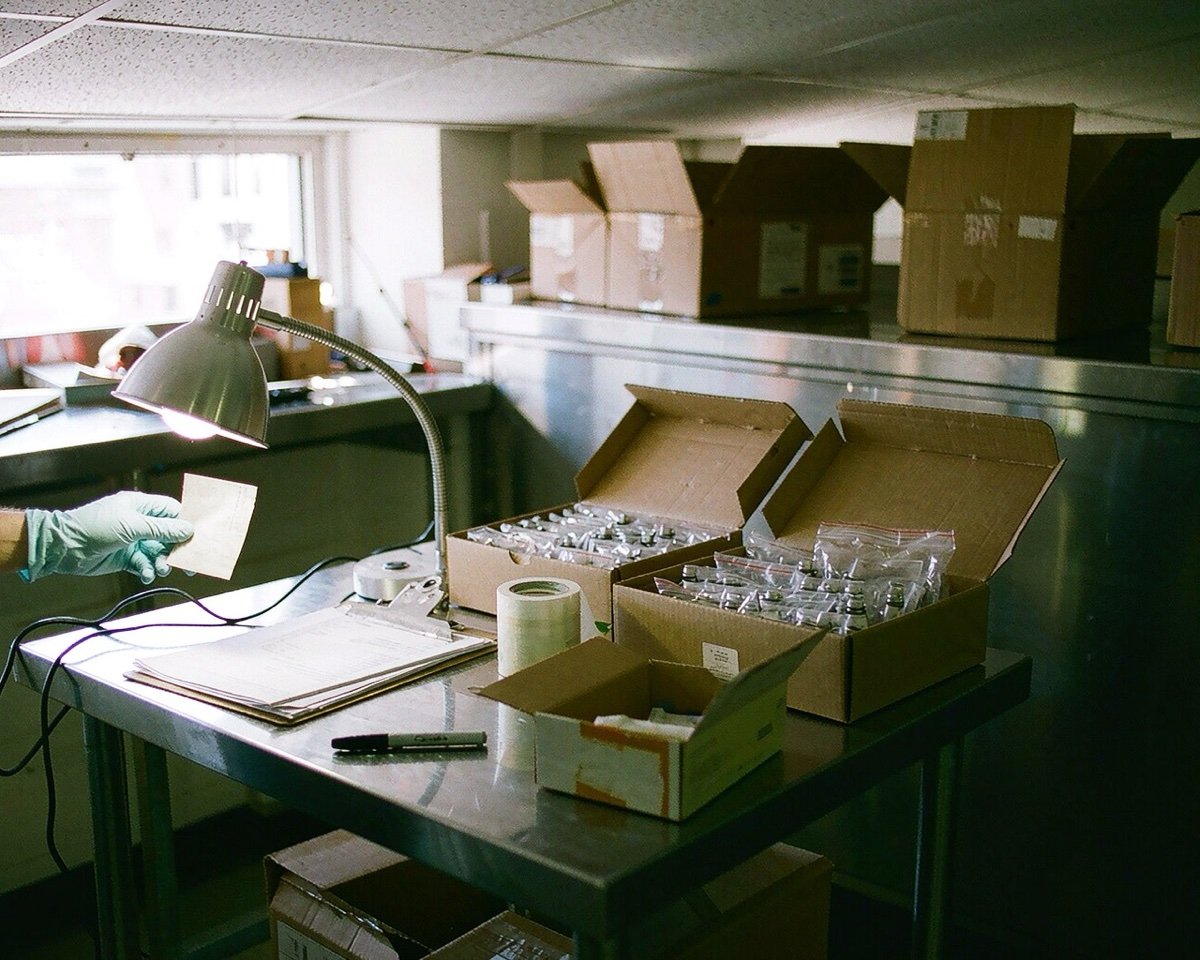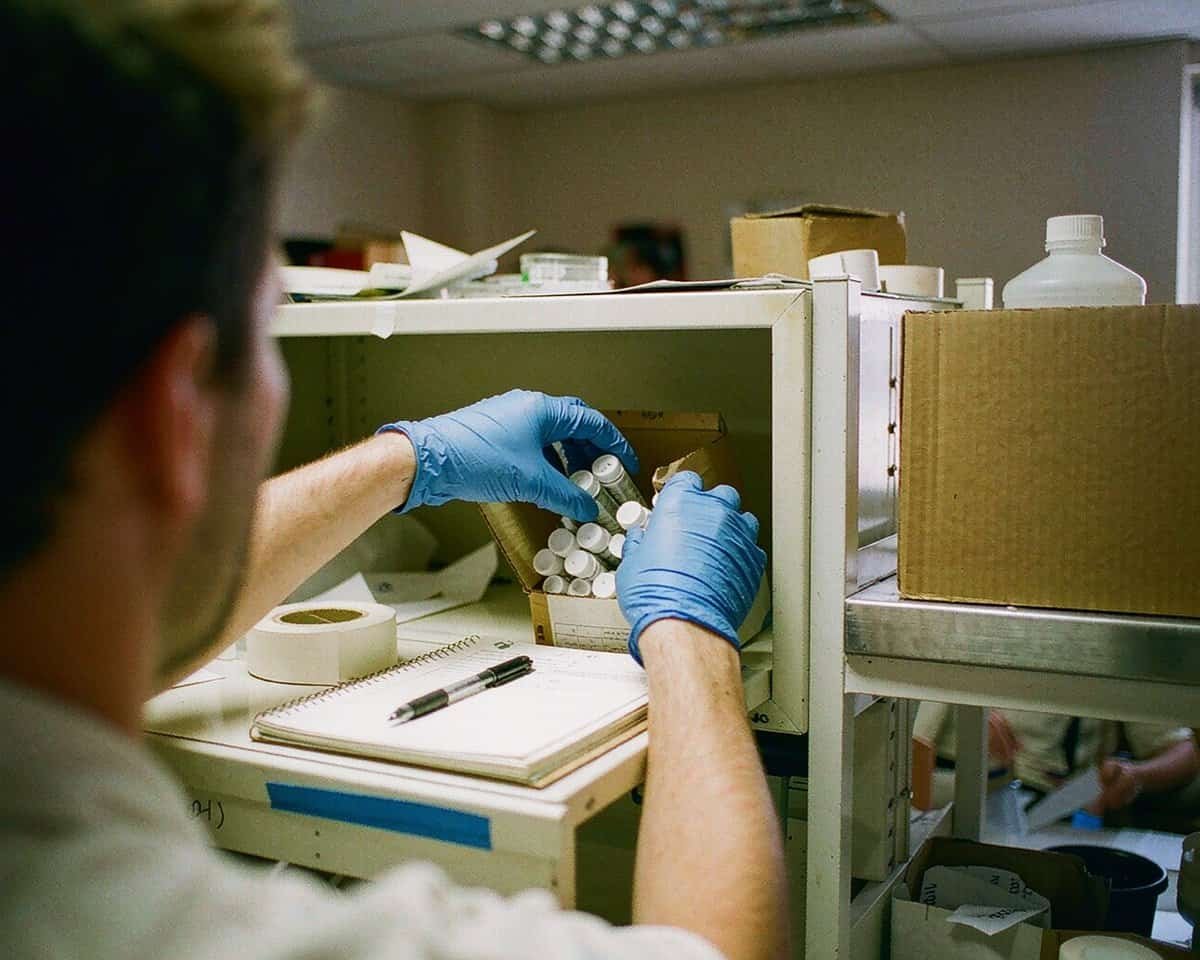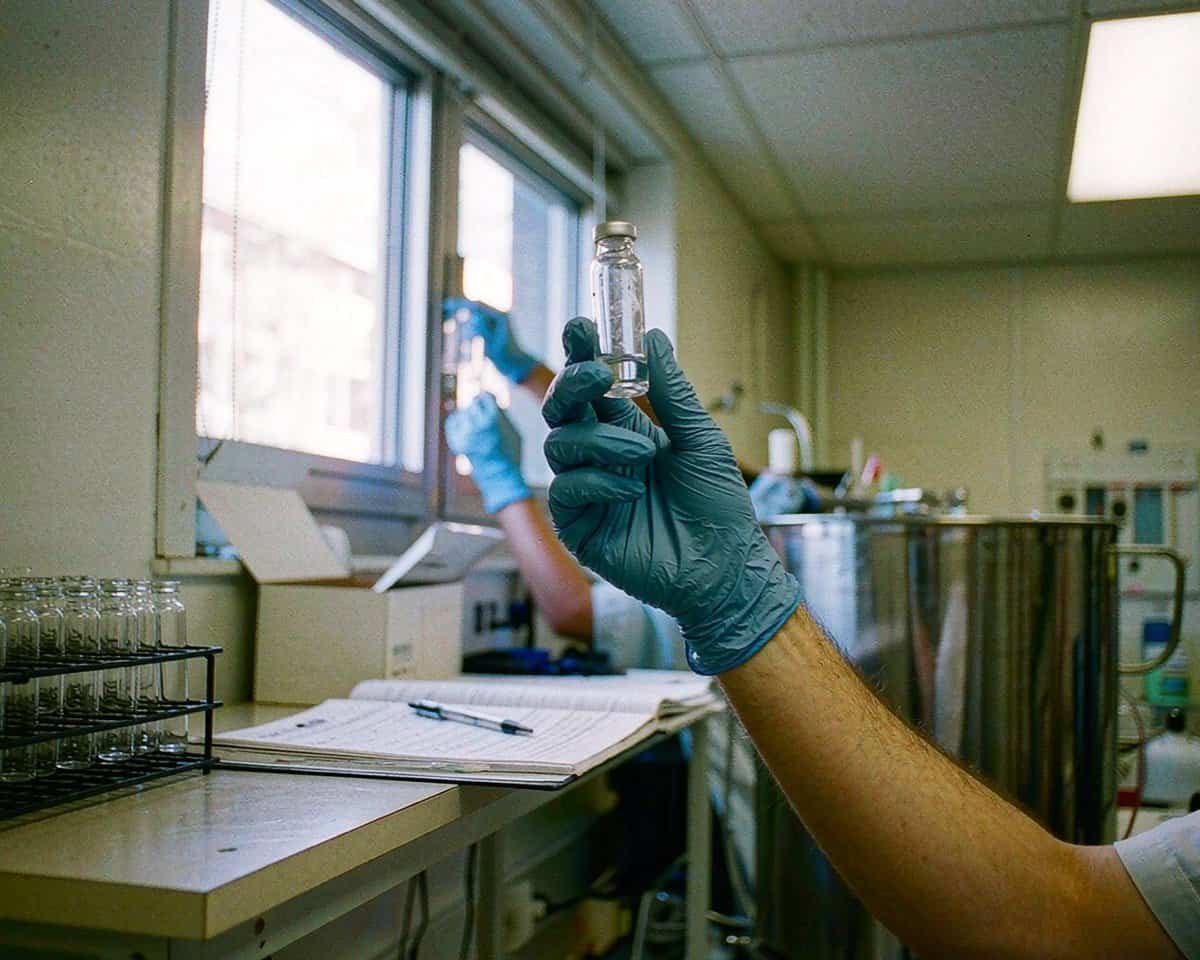

The box looked fine. Fifty cases of 9-425 caps, shrink-wrapped, CoA folded neatly on top. Then our tech pulled a cap at random, felt the liner with a gloved thumb, and frowned. The silicone felt like an eraser instead of a gasket. That lot was never going to seal, and it had already been signed for.
A failed incoming lot is annoying, but handled right it’s a ten-minute problem. Handled wrong, it becomes a data-integrity investigation three months later. Here’s the sequence I’d run, in order.
First Hour: Contain It
The moment a lot fails, it stops being inventory and becomes evidence.
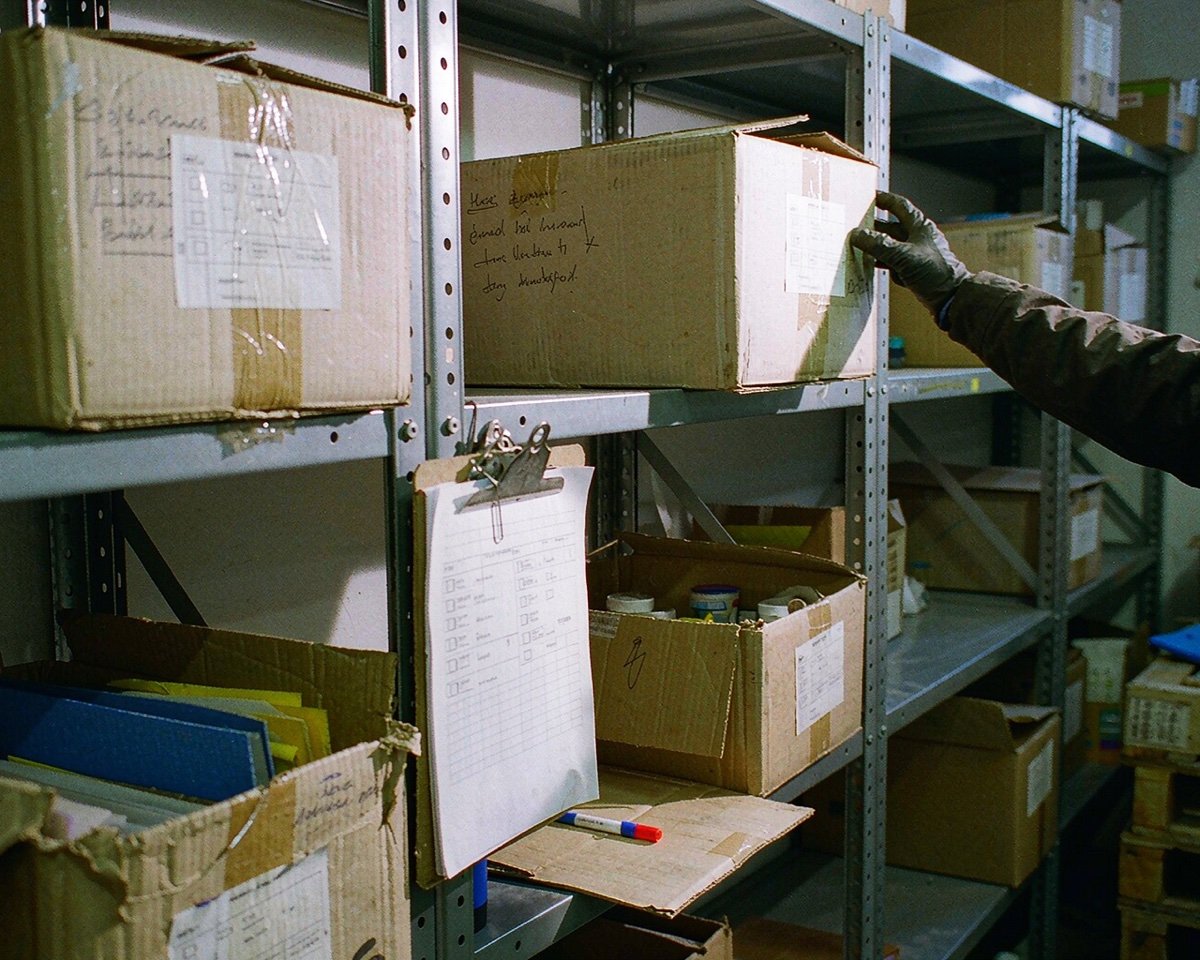
Physically label every affected case and move it out of the pickable stock area. Red tape, a quarantine shelf, a locked cabinet, whatever your lab uses, but it must be separate from good stock. This isn’t bureaucratic theater. Under ISO 9001 clause 8.7, nonconforming material must be identified and controlled to prevent unintended use, and auditors consistently flag “hold areas” where failed goods sit unlabeled next to conforming stock.
In my experience the quarantine step is where labs cut corners when the shelves are full. Don’t. The one failed case that gets picked by accident costs more than the shelf space ever will.
Document the Failure Properly
Write down what failed and how, before anyone touches anything else.
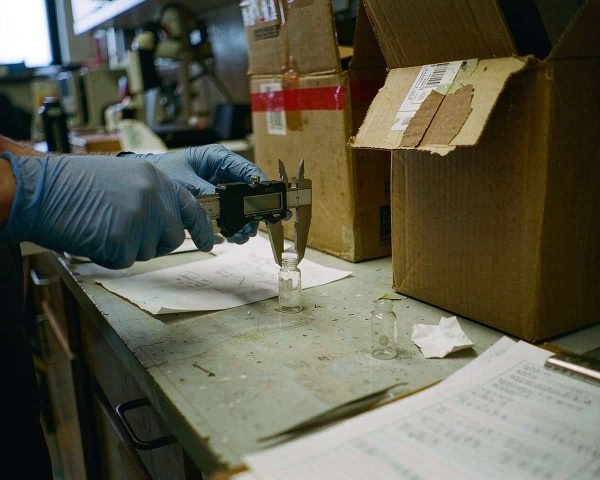
A usable nonconformance record includes the lot number and quantity received, the supplier and PO number, the specific spec that failed, and how you measured it. Photos help enormously: the damaged cases, the failed units, the caliper reading next to the part. If the failure is functional (septa hardness, vial height, cap thread), capture the measurement, not just the impression.
The quality of this record decides everything downstream. Vague records produce vague supplier responses, and vague supplier responses produce repeat failures.
The failures I see most: septa that puncture roughly or core, vial heights drifting out of tolerance, caps with liners bonded off-center, filters with creased membranes from rough transit, and bottles with chipped finishes. None of these are exotic. All of them are checkable in two minutes per case with a caliper, a felt-tipped pen, and a handful of parts pulled from the top and bottom.
Check the Spec Sheet Before You Blame Anyone
This step saves relationships. Pull the specification you actually ordered against and confirm the lot failed it, not just your preference.
I once nearly returned an entire lot of amber vials because the wall thickness looked thin. It wasn’t. The drawing showed the new spec our supplier had confirmed in writing four months earlier, and my memory of the old spec was simply out of date. Thirty seconds with the spec sheet beats an awkward phone call and a pointless return shipment.
Choose a Disposition
Every nonconforming lot gets one of four outcomes, and the choice should be deliberate.
Return to supplier is the default for functional failures that affect your method. Document the shipping and the credit, since those costs belong in the supplier’s performance file.
Accept under concession is possible when the deviation is cosmetic and doesn’t touch the analysis. A scratch on a bottle shoulder might be fine. A missing lot number on a CoA never is. Concessions need a named person’s signature and a risk note, not a shrug.
Rework rarely applies to consumables, but it does happen: relabeling mislabeled boxes under a controlled procedure, for example.
Scrap is the honest option when the parts are wrong in a way nothing can fix.
Regulated labs have less room here. FDA’s component rules under 21 CFR 211.84 require identity testing of each component lot before use, and accepting a failed lot “just this once” is exactly the kind of shortcut that shows up in warning letters later.
Tell the Supplier, Formally
A phone call opens the conversation. A written corrective action request closes it.
Give the request a deadline, too. Ten working days is common, and a response date in writing keeps it from drifting. Send the supplier a formal notification with the evidence: lot numbers, measurements, photos, and the spec clause that failed. Ask for a root cause analysis and a corrective action plan. Serious suppliers respond with a structured 8D report or equivalent. Silence or a one-line apology is a data point about the supplier, and it belongs in your file.
The formal loop matters because it’s how the same failure gets prevented across your industry, not just in your lab. Quality practitioners distinguish between containment (fixing this lot) and corrective action (stopping the cause), and the distinction is codified in ISO 9001 clauses 8.7 and 10.2. Your supplier fix should address the cause: a changed liner material, a new mold, a mis-calibrated inspection station.
Feed It Into Supplier Performance
One failed lot is an event. Two failed lots in a year is a pattern.
Log every nonconformance against the supplier and review the trend at re-evaluation time. A supplier with a 2% failure rate on a cheap consumable might still be your best deal. A supplier with a 2% failure rate on certified vials that feed a GMP method is a risk you’re carrying on purpose, and you should write down why.
If the pattern doesn’t improve after a corrective action cycle, the dispositions change. That’s when it makes sense to switch suppliers deliberately, with a transition plan, instead of in a panic after the third strike. And when the failures cluster around materials or certifications rather than dimensions, our list of red flags when buying consumables online is worth a skim before you re-order.
What Auditors Look For
If your lab works under ISO 9001, GMP, or GLP expectations, know the three findings that repeat across audits.
Failed goods not segregated, so quarantined material can walk back into use. Dispositions made verbally, with no record of who accepted (or rejected) what and why. And nonconformances that repeat without evidence anyone looked for the cause. All three are preventable with the steps above, done the same way every time.
Conclusion
A failed incoming lot tests your process, not your patience. Contain it physically, document it with real measurements, check it against the actual spec, choose a deliberate disposition, and put the whole thing in writing to the supplier. Then let the record accumulate into supplier performance data that drives better purchasing decisions. Labs that do this turn quality problems into leverage with vendors, because every claim arrives documented and every pattern gets noticed. If your lab only changes one procedure after reading this, make it the quarantine label habit, since the ten seconds it takes to tape a case shut is the cheapest insurance your consumables budget will ever buy.
Frequently Asked Questions
Should we test every incoming lot of vials or filters?
Risk-based sampling is standard practice. Many labs do full checks on critical items (certified vials, sterile filters) and periodic or first-article checks on routine consumables. The level should be a documented decision, not a habit nobody questions.
Can we use a failed lot if the failure seems minor?
Only under a documented concession, signed by someone authorized to accept the risk, and only if the deviation genuinely can’t affect your results. “It’s probably fine” is not a concession; it’s a future investigation.
What should a supplier’s corrective action response include?
At minimum: an acknowledgment of the specific lot and failure, a root cause analysis, the corrective action taken, and a plan showing how recurrence gets prevented. Structured formats like 8D make comparison easy across suppliers.
Do we need to re-inspect after replacing a failed lot?
Yes. Replacement lots go through the same incoming checks as any other lot. A replacement shipment is not pre-qualified by virtue of being a replacement.