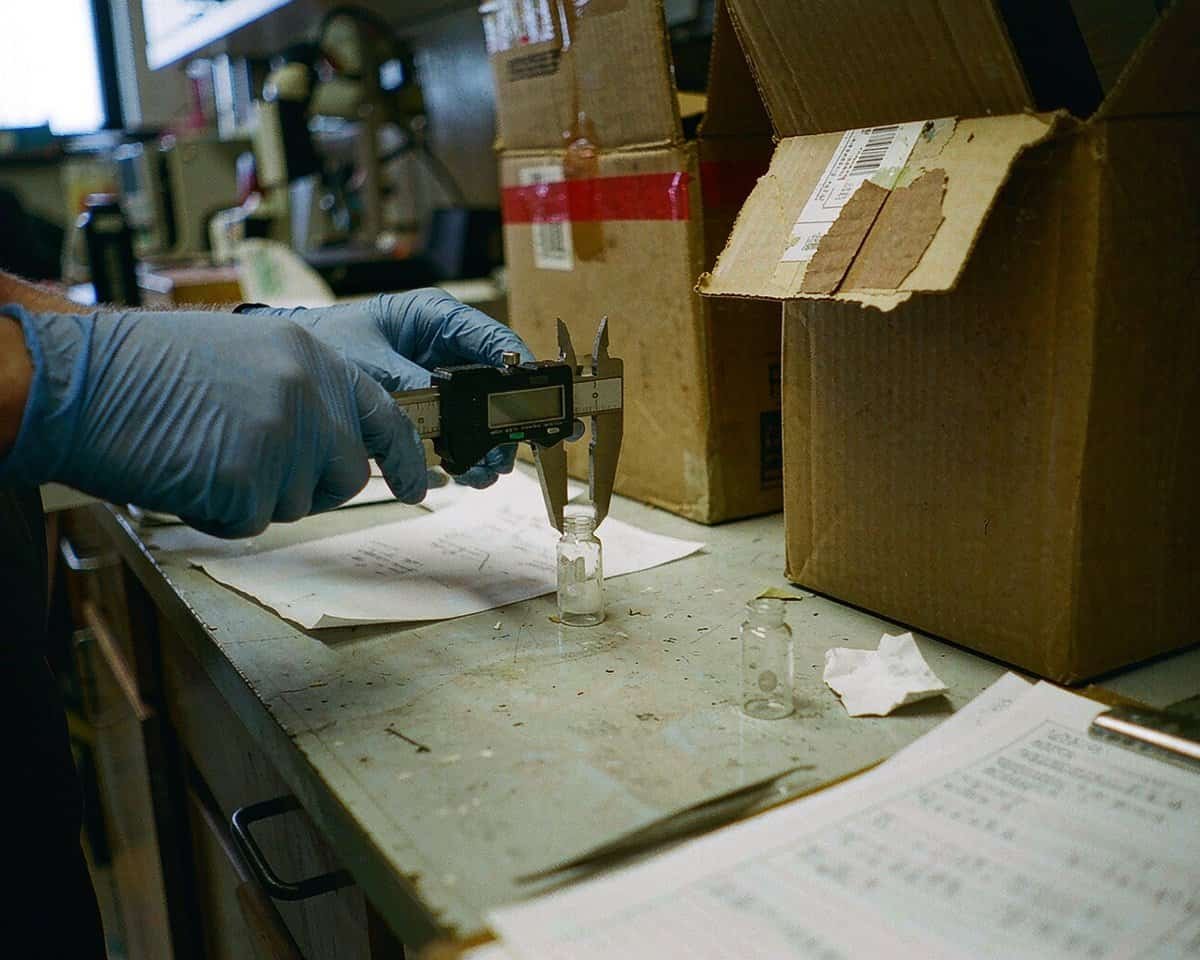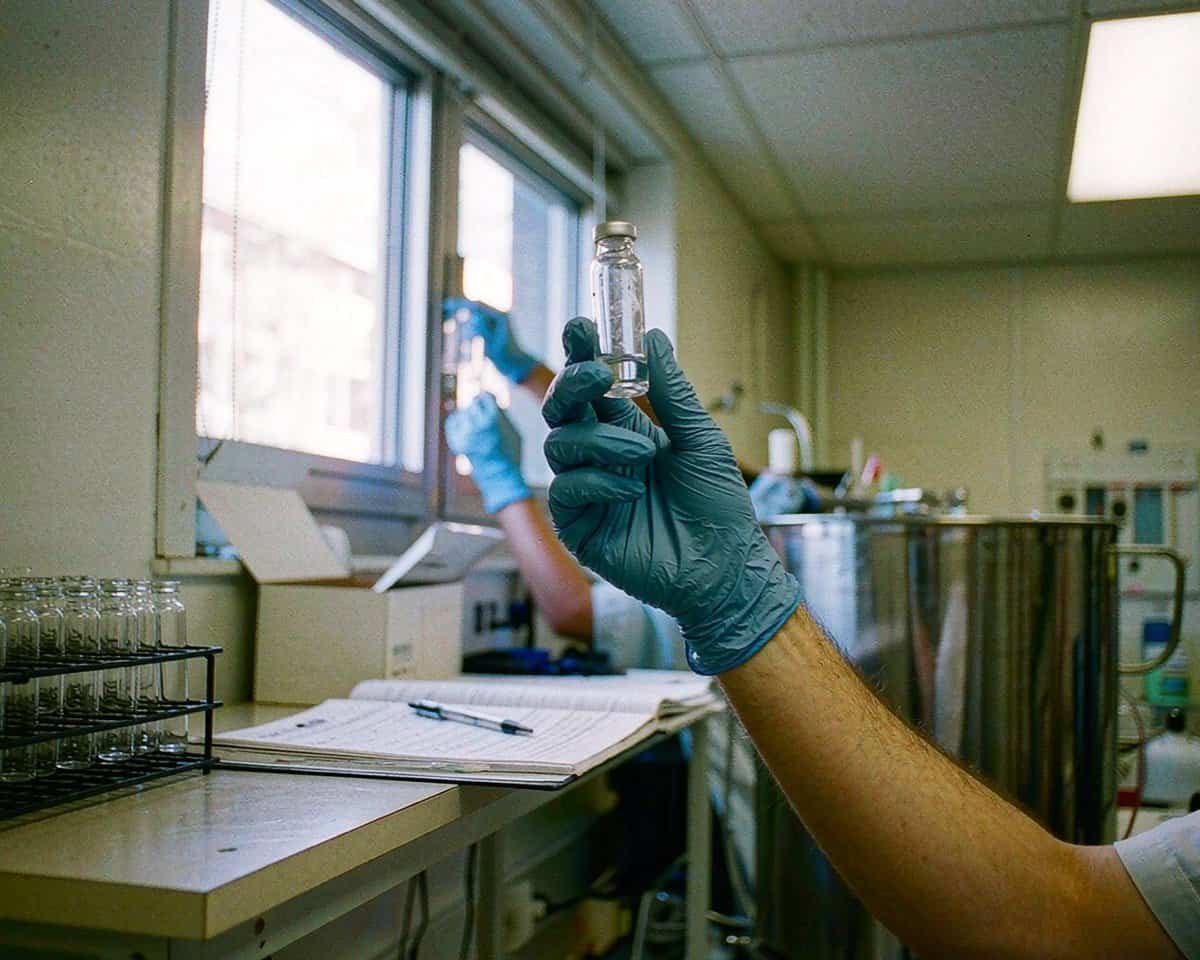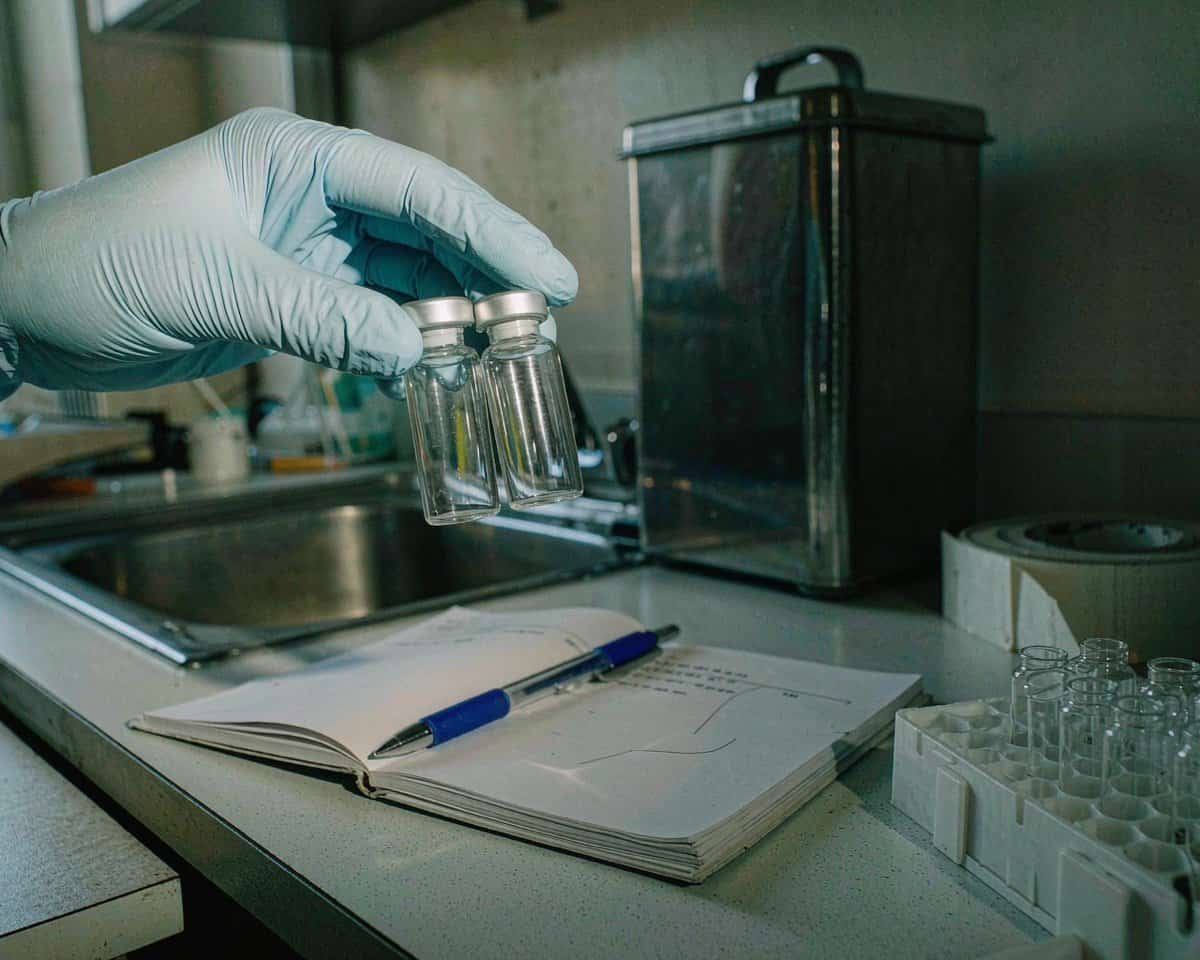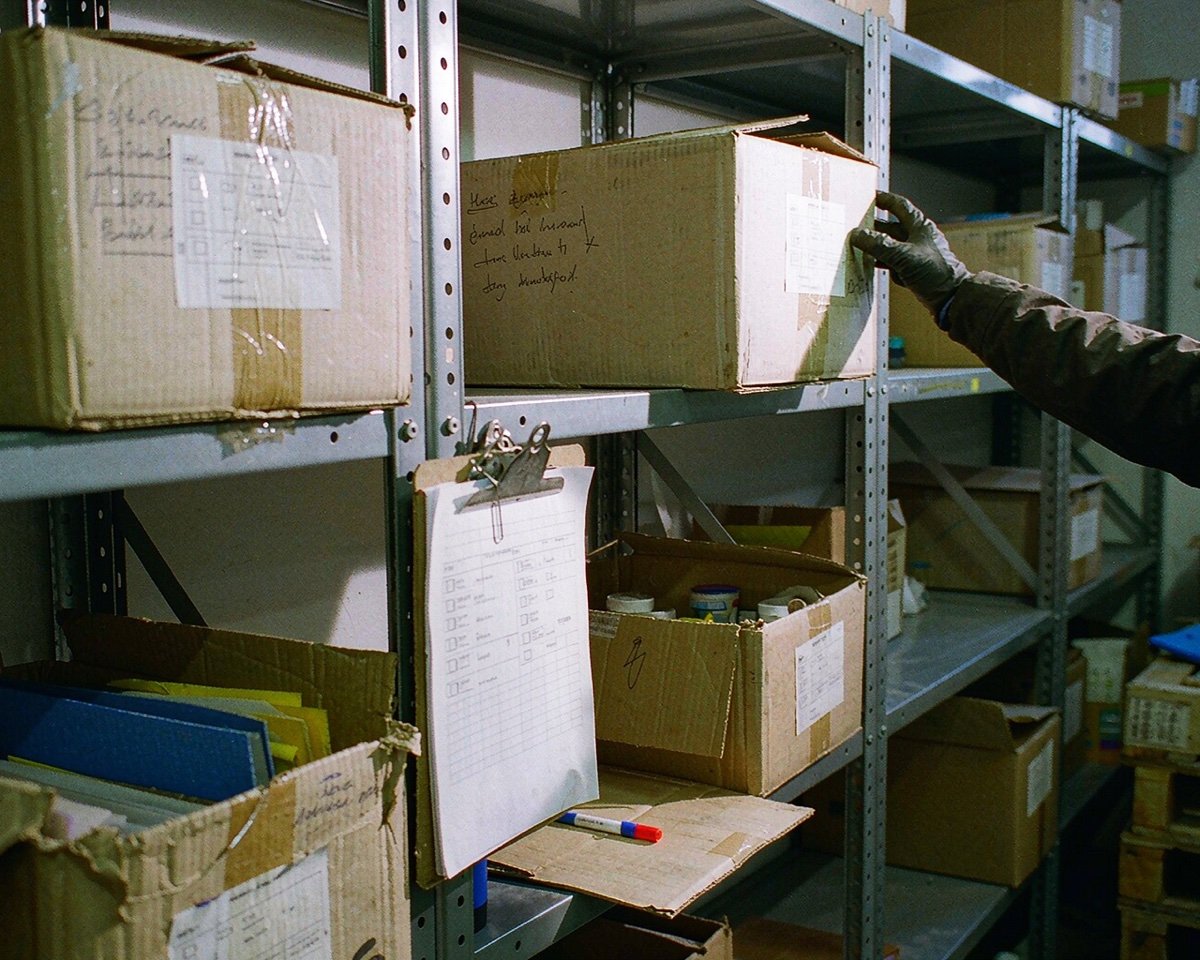
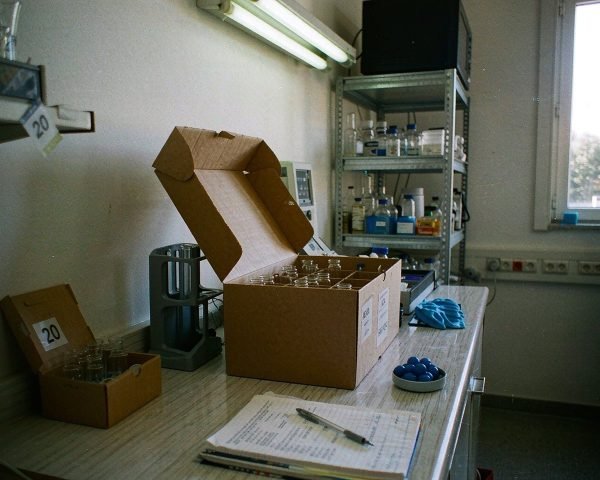

A new lab member pulled a pack of 9-425 vials from the bottom of the stockroom cabinet last month and asked me a fair question: “These are from 2023. Are they still any good?”
Most manufacturers do not stamp an expiration date on glass HPLC vials. Sealed packs stored in a cool, dry place, away from solvent vapor, stay usable for years, often three to five or longer. What ages is not the glass. It is the septa, the packaging, and whatever dust or vapor has crept in since the box was opened.
Read on, because a few storage habits decide whether your old vials are perfectly fine or quietly sabotaging your baselines.
What the Glass Itself Does Over Time
Borosilicate glass is about as stable as lab materials get. Type 1, Class A borosilicate resists hydrolytic attack so well that pharmacopeial standards treat it as the reference container material for injectables, which is why USP <660> Containers—Glass sets the tests that vial glass has to pass before it ever reaches your bench.
In practice, a sealed vial in an unopened pack changes very little over five years. The glass does not absorb moisture in any meaningful way. It does not leach anything into a sample that is not in it yet. I have personally run methods on vials from a pack that sat unopened for four years, and the blanks were as clean as the fresh ones.
So if the glass is fine, why does anyone worry about expiry? Because a vial is a system: glass, cap, septum, and packaging. Each of those ages differently.
What Actually Degrades: Septa and Packaging
The septum is the first thing to go. Silicone can slowly lose volatile components over long storage, and PTFE faces can take a compression set if caps are assembled and stored under tension for years. Neither usually matters within a normal purchasing cycle, but a pack of pre-assembled caps from six years ago is a different story. If the septa look discolored, brittle, or shiny in a weird way, trust your eyes.
Packaging is the second weakness. Once you tear into a pack, dust, lab air, and solvent vapor all get access to the interior. Waters addresses this directly in their knowledge base: they do not apply expiration dates to vial packages, and instead recommend storing packs dry, away from excess solvent vapor and particulates, and rotating stock so the oldest product gets used first.
That solvent vapor warning is not cosmetic. I once inherited a stockroom where open vial packs sat on a shelf directly above a row of acetonitrile bottles. The vials smelled like the mobile phase. We re-ran blanks on the fresh packs after that.
The Marker Pen Mistake
Here is the single most common way labs ruin their own vial packaging, and almost nobody talks about it.
Writing on vial bags and boxes with a permanent marker. Most marker inks are solvent-based. Those solvents vaporize through plastic packaging over weeks and months, and they can contaminate the active glass surface and the septa inside. Waters explicitly tells users never to write on packages with a magic marker for exactly this reason.
If you need to mark a pack, use a printed label on the outer box, or tag the shelf location instead. The cost of a label is nothing compared to a week of chasing ghost peaks that came from ink vapor.
How to Store Vials for Maximum Usable Life
The habits that matter are simple and boring, which is why they get skipped.
- Keep sealed packs in their original packaging until use. The molded dividers and sealed bags exist to protect the vials.
- Store them in a cool, dry cabinet, not on the bench above the solvent shelf.
- Rotate stock. Oldest pack in front, newest in back. If your ordering is sane, nothing sits long enough to age anyway.
- Reseal opened packs. Fold the bag over, close the box lid. Exposed septa attract dust, and dust in a septum coring your needle is a bad afternoon.
- Inspect before use. Look for dust inside the vials, cracked glass, septa that have shifted in their caps.
If you want a fuller framework, our guide to storing lab consumables for maximum shelf life covers the same logic for filters, bottles, and caps, not just vials.
When Should You Actually Toss a Pack?
I would not hesitate to use sealed, intact vial packs several years old for routine QC work. Industry guidance commonly treats properly stored vials as good for three to five years, a figure that this roundup of the 50 most common HPLC vial questions repeats, and the glass will not have changed. That said, there are cases where age genuinely disqualifies stock.
- Sterile vials. These carry a real sterilization expiry, often 2 to 3 years, because sterility is a validated state, not a permanent property. Our sterile HPLC vials guide explains why those dates are different from ordinary vials.
- Pre-assembled caps with septa stored for many years, especially if the pack lived somewhere warm.
- Anything with visible dust, residue, or damaged packaging.
- Trace-level or regulated work where an auditor expects documented storage conditions and you cannot provide them.
For everything else, run a blank from the old pack against a fresh one. If the blank is clean and the peak shape holds, the vials are fine. Ten minutes of testing beats throwing away usable stock.
A related point: heat and pressure during autoclaving raise their own questions about vial lifespan, which we covered in can you autoclave HPLC vials and septa.
Conclusion
Do HPLC vials expire? Officially, most manufacturers assign no expiration date to ordinary glass vials, and sealed borosilicate packs stored cool, dry, and away from solvent vapor stay analytically sound for years. The real risks are the parts around the glass: aged septa in old pre-assembled caps, contaminated packaging, and marker-ink vapor creeping through plastic bags. Rotate your stock, reseal opened packs, keep solvents and vials on different shelves, and inspect before use. For sterile or trace-level regulated work, respect the printed sterilization dates and your documentation duties. If you only change one thing this week, move your open vial packs away from the solvent shelf and stop writing on the bags. And when you are ready to build better storage habits across the whole lab, start with our consumables shelf-life guide.
Frequently Asked Questions
Do unopened HPLC vials have a shelf life?
Most manufacturers do not print an expiration date on standard glass vial packs, and unopened packs stored properly remain usable for at least three to five years. Sterile vials are the exception, since they carry a validated sterilization expiry printed on the package.
Is it safe to use vials that are three years old?
Yes, for routine analysis, as long as the packaging is intact and the vials are clean and dry. Run a blank from the old pack against a fresh one first. If the blank is clean, the glass is doing its job regardless of the purchase date.
Why do sterile vials expire but regular vials do not?
Sterility is a validated condition that can only be guaranteed for a fixed period, so sterile vials carry a printed expiry, often two to three years. Ordinary vials make no sterility claim, so there is nothing to expire as long as the glass and packaging stay clean.
Can I write the received date on a vial bag with a marker?
Better not. Most marker inks are solvent-based, and the solvent vapor can permeate plastic packaging and contaminate the glass surface and septa. Put a printed label on the outer box or tag the storage shelf instead.
How should I store opened packs of vials?
Reseal the bag, close the box, and keep the pack in a cool, dry cabinet away from solvent storage and high traffic. The main threats to opened packs are dust and solvent vapor, both of which show up later as contamination in your blanks.