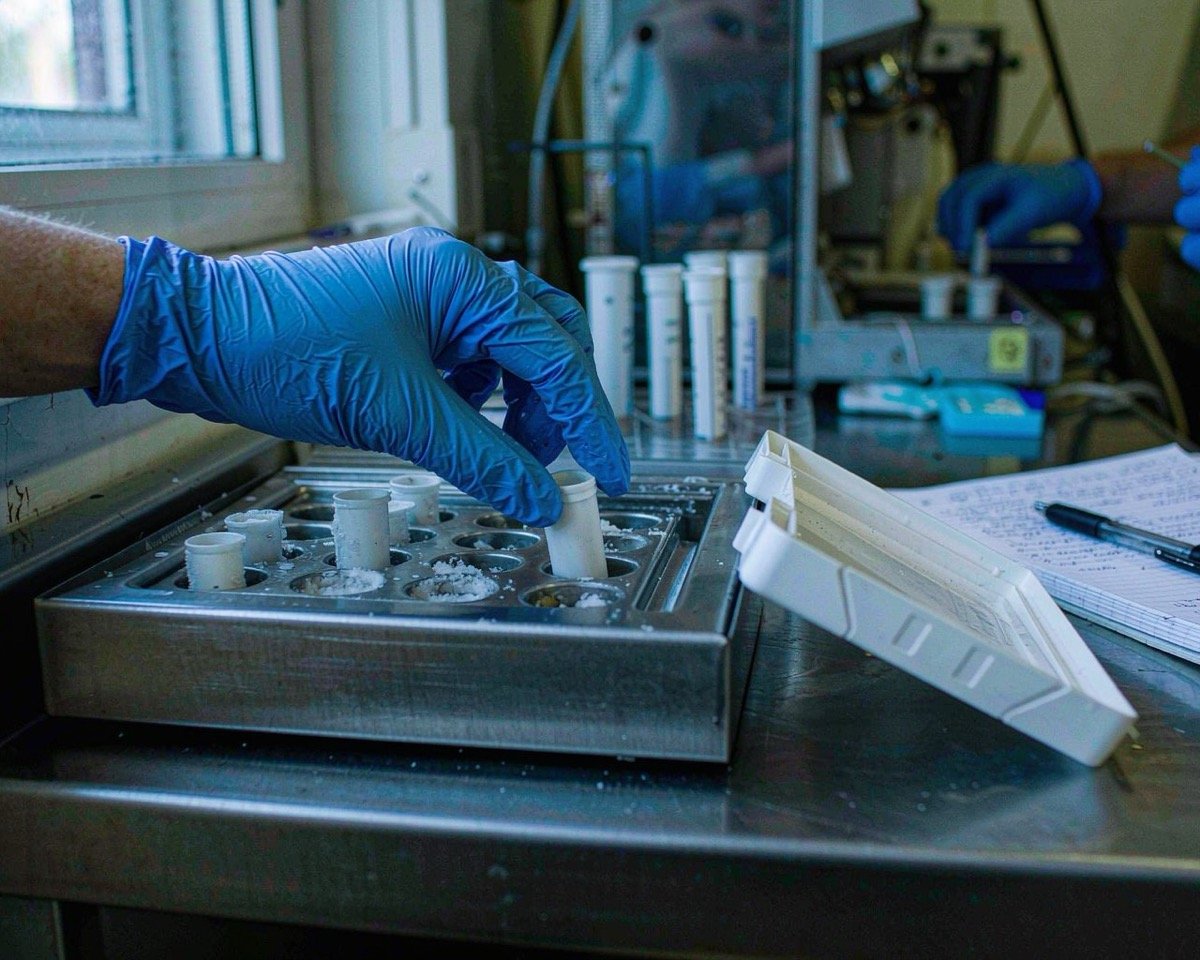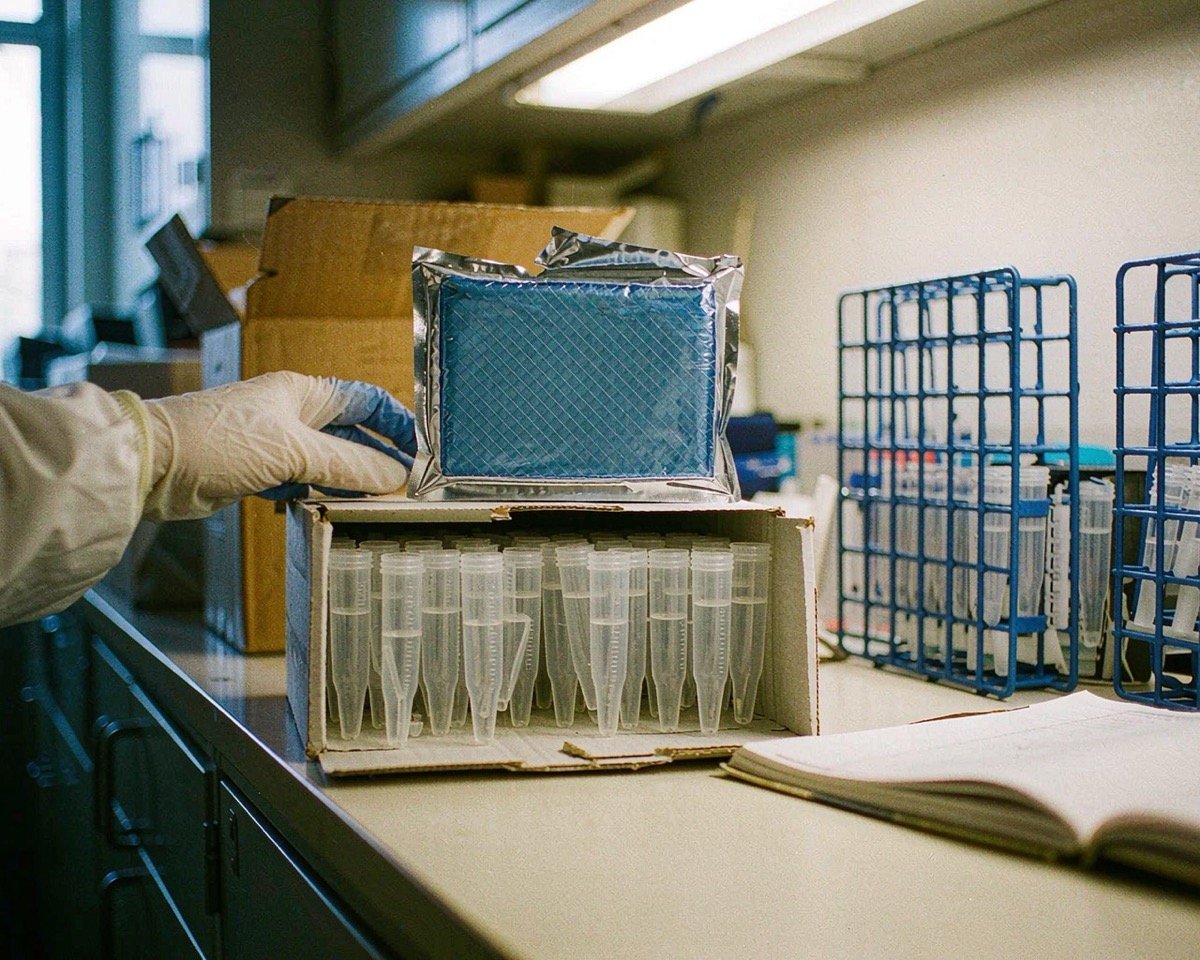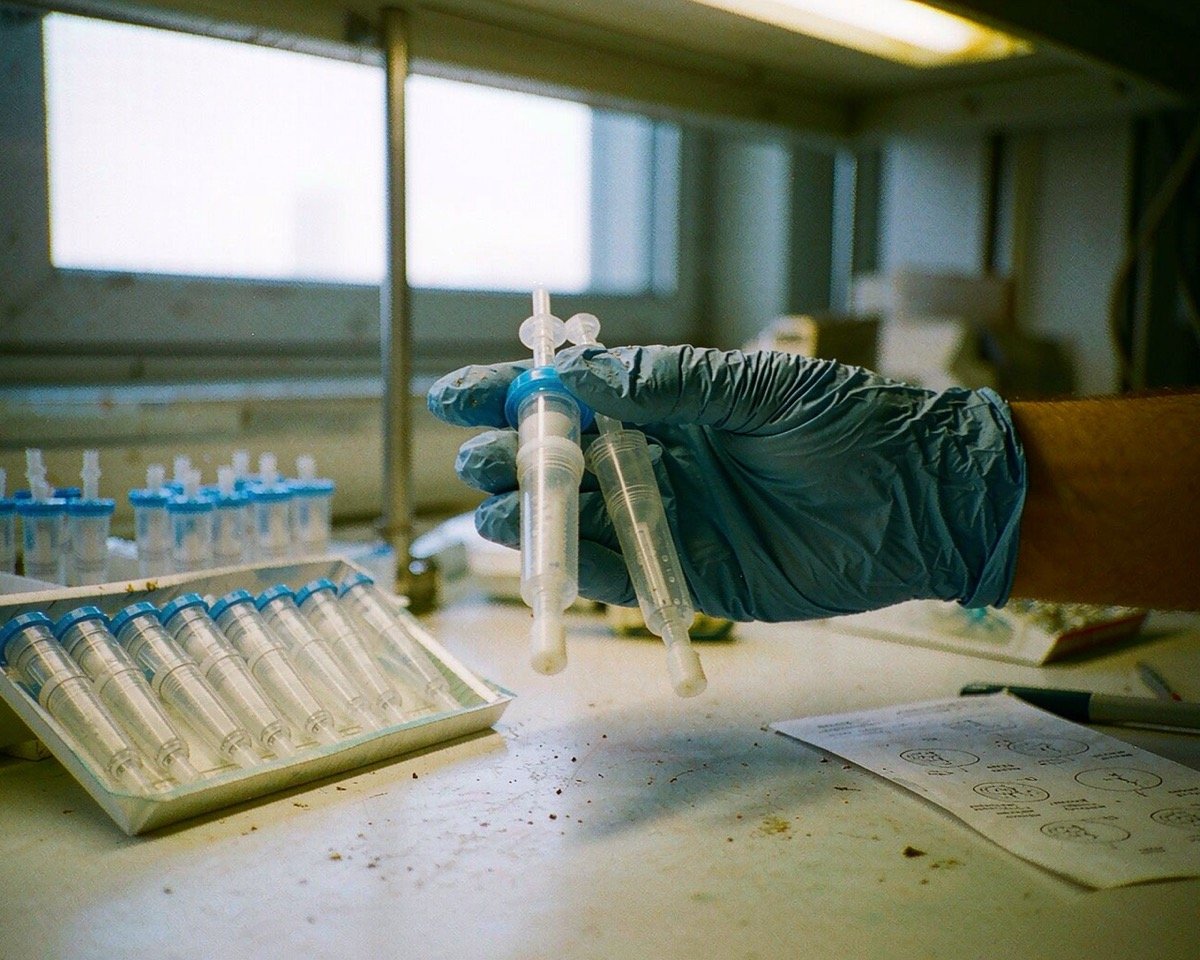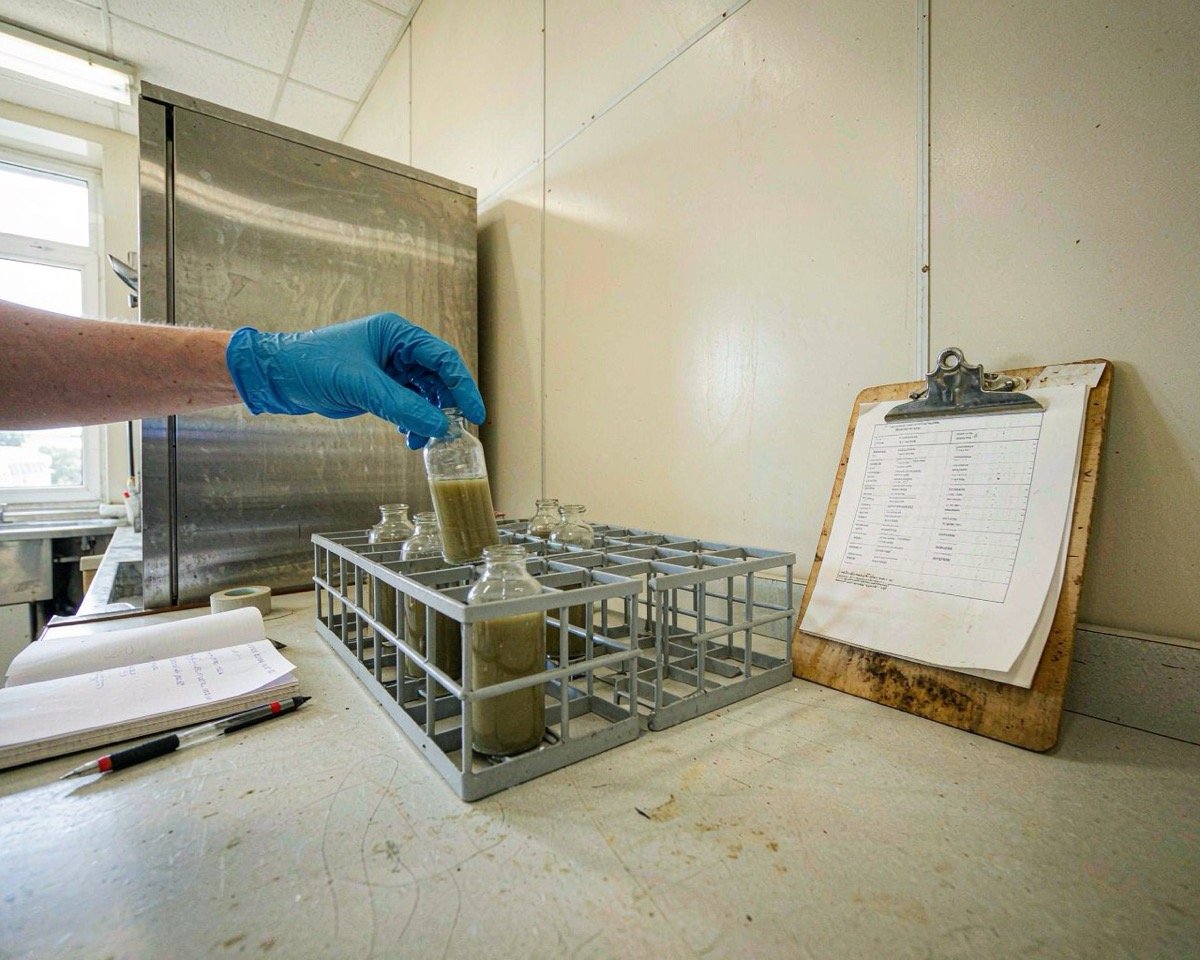

Wastewater labs live on routine until something breaks, and in my experience the thing that breaks is rarely the instrument. It is a consumable: a missing vial, a failed blank, a filter that clogged at 4 pm. This guide maps every consumable a wastewater and effluent lab needs.
Short answer: the backbone of wastewater testing consumables is 40 mL VOA vials for VOCs, HDPE and polypropylene bottles for nutrients and metals, 0.45 µm membranes for dissolved fractions, glass fiber filters for TSS, digestion tubes for ICP work, amber GC-MS vials with PTFE septa, sterile sampling bags for microbiology, and certified blanks to prove none of the above contaminated your sample.
Read on for a breakdown by test method and workflow, the regulatory context that decides what you can and cannot substitute, and a worked order list you can adapt for your own lab.
What a Wastewater and Effluent Lab Actually Runs
Before you can stock anything, you need to know what the bench is actually asked to do. Most NPDES compliance labs run a surprisingly consistent menu: BOD and COD, TSS, nutrients, pH and conductivity, metals, VOCs and semi-volatiles, and increasingly PFAS. Municipal plants add microbiology. Industrial dischargers add whatever their permit names, which can be anything from cyanide to phenols.
Each method brings its own consumable chain, and the chain is only as strong as its weakest link. Here is the menu, method by method, with the consumables each one quietly consumes.
BOD and COD: The Oxygen Demand Pair
BOD5 is a five-day test, which means a consumable mistake on Monday shows up on Friday. You need 60 mL BOD bottles with tapered glass stoppers, dilution water made from reagent-grade phosphate buffer, magnesium sulfate, calcium chloride, and ferric chloride (many labs use pre-measured nutrient “pillows” to cut dosing errors), plus DO probe membranes and electrolyte if you run a membrane electrode rather than an optical probe.
COD is faster but harsher. The dichromate digestion happens in sealed borosilicate reactor tubes, typically 16 x 100 mm, held at 150 °C for two hours. Every run consumes tubes, caps, and mercury-free or mercury-containing reagent ampoules depending on your method variant. In my experience, COD tubes are the consumable labs underestimate most: a scratched or etched tube shifts your absorbance baseline, and nobody notices until a QC check drifts.
If you want a deeper dive on this pair, we have a separate guide to COD testing consumables that covers tube selection and reagent prep in detail. See what consumables does chemical oxygen demand testing need.
TSS and Total Solids: Gravimetric Discipline
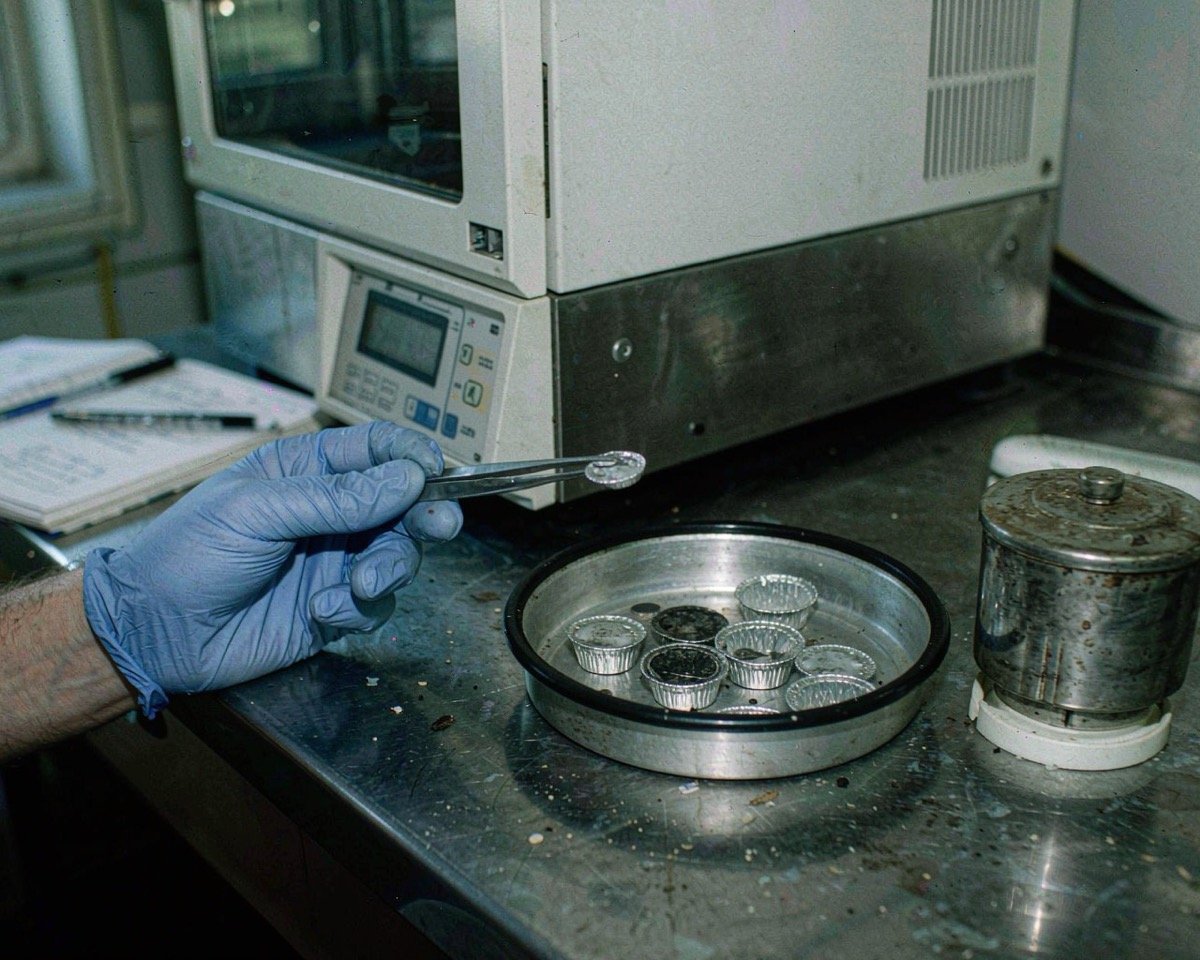
Total suspended solids looks deceptively simple. Filter a measured volume through a glass fiber filter (the classic specs call for a 47 mm disc with roughly 1 to 1.5 µm retention, such as the 934-AH type), dry it at 103 to 105 °C, and weigh the gain. The consumables are glass fiber filters, aluminum or porcelain weighing dishes, and a desiccant that actually works.
The failure mode is water quality, not chemistry. A filter that sheds fibers, a dish that never fully dries, or a balance drift of half a milligram can flip a permit result. TSS limits are tight (many permits sit at 30 mg/L monthly average), so consumable noise eats your margin. Buy filters by the box, pre-weigh them if your budget allows, and store dishes in a real desiccator, not on the bench.
Nutrients: Ammonia, Nitrate, Nitrite, and Total Phosphorus
Nutrient panels are where the poly bottle meets the colorimeter. Ammonia by the salicylate or Nessler route, nitrate by cadmium reduction or the enzymatic route, and total phosphorus after a persulfate digestion all run as colorimetric measurements, either on a benchtop spectrophotometer or an automated flow injection system.
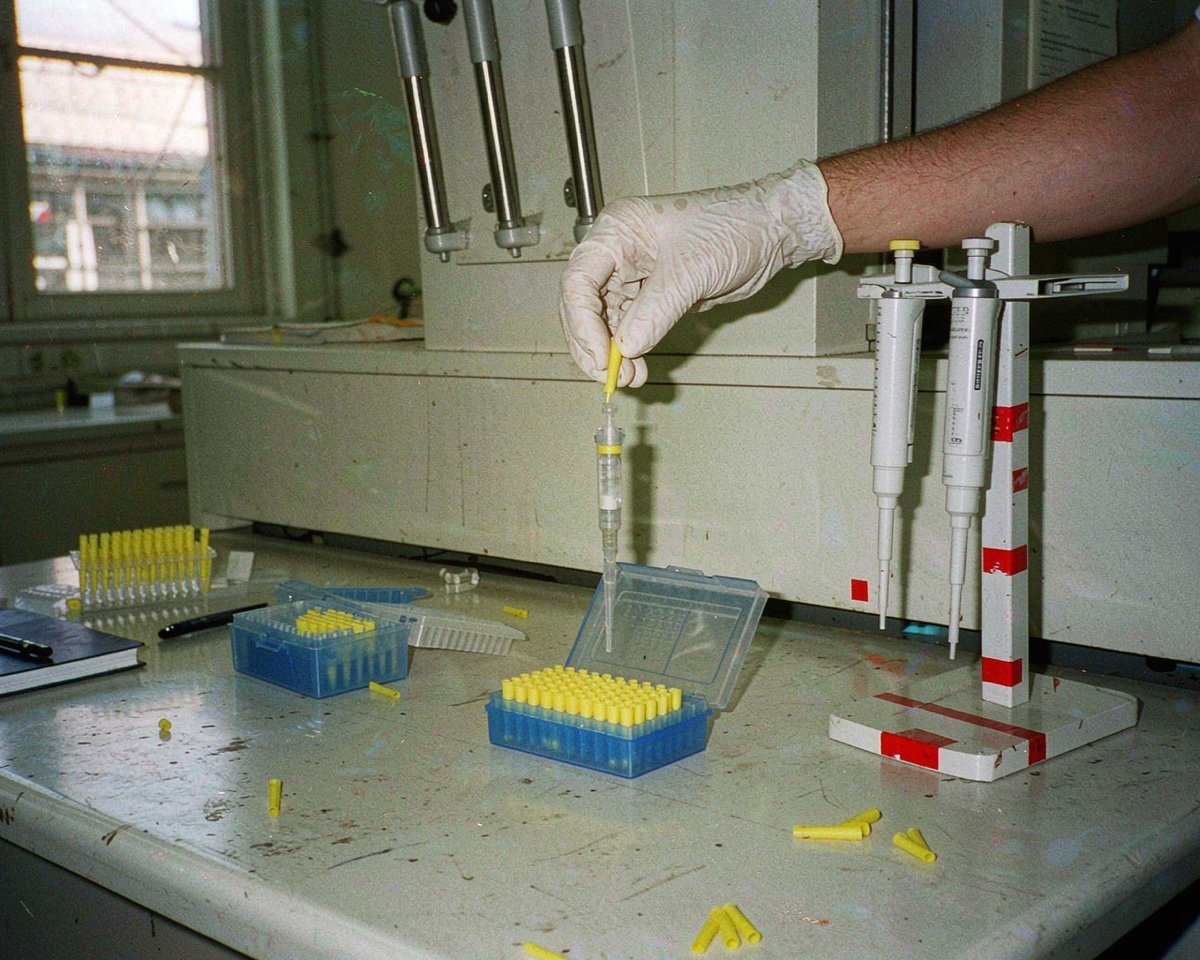
Consumables per run: sample cups or autosampler cups, reagent bottles matched to the reagent’s shelf life, persulfate digestion tubes or autoclave-safe vessels for total P, and pipette tips in the 1 to 10 mL range for aliquoting. Nutrient blanks matter because ammonia is everywhere. Laboratory air, unfiltered deionized water, and even some brands of plasticware carry enough background nitrogen to creep into a low-level result. If your effluent permit reports ammonia at 1 mg/L or lower, treat nutrient consumables as part of the analytical system, not packaging.
pH and Conductivity: Small Tests, Real Consumables
pH and conductivity are read in seconds, but they run on consumables: certified buffer solutions (pH 4, 7, and 10), conductivity standards at defined µS/cm values, electrode storage solution, and cleaning solutions for fouled probes. Effluent is a dirty matrix, and probes foul constantly. Most labs get away with stretching buffer life until a calibration check fails mid-run, then they lose a morning. Stock buffers in single-use sachets if your sample volume is low, or in 500 mL bottles dispensed into small beakers, never poured back.
Metals by ICP-MS and ICP-OES
Metals analysis is where consumable purity stops being a preference. EPA’s approved ICP-MS and ICP-OES methods in 40 CFR Part 136 expect total recoverable metals, which means an acid digestion (hot block or microwave) before the instrument sees the sample.
The consumable chain: digestion vessels (PFA for the lowest blanks, polypropylene or borosilicate for less demanding work), 15 and 50 mL acid-cleaned centrifuge tubes for final dilution, trace-metal-grade nitric acid, pipette tips with low metal leachables, and autosampler tubes or racks that fit your instrument. A questionable tube can add trace iron, zinc, or copper from the plasticizers or mold release agents. At drinking-water-level detection limits that noise is invisible; at the sub-µg/L levels some permits demand, it is the whole story. If you run metals daily, acid-wash and rinse your reusable digestion vessels on a schedule, and verify a new lot of tubes against your old one before switching.
For a focused checklist, see our guide to ICP-MS sample preparation consumables.
VOCs and Semi-Volatiles: The Purge-Trap and Extraction Workflows
Volatile organics by EPA Method 8260 (purge-trap GC-MS) are the reason 40 mL VOA vials exist. The method requires zero headspace, so the vial is filled until it domes, capped with a PTFE-lined septum, and preserved with hydrochloric acid to pH below 2 (unless free chlorine or other analytes dictate otherwise). Samples for volatiles that need dechlorination get ascorbic acid first, then the acid.
Semi-volatile organics run a longer chain: liquid-liquid extraction in separatory funnels or solid phase extraction through disks and cartridges, solvent evaporation, then injection from 2 mL amber vials with PTFE/silicone septa. Every septa piercing is a potential loss of analyte or a gain of background, which is why low-bleed septa and pre-screened vial lots matter for low-level work.
PFAS: The Workflow That Changed the Rules
PFAS testing flipped several consumable conventions. EPA’s clean water methods for PFAS (including Method 1633, now approved under 40 CFR Part 136) prohibit fluoropolymer materials such as PTFE in the sample contact path, because PTFE lines, septa, and filters can leach PFAS into your blank. Sample bottles are HDPE or polypropylene, not glass, since longer-chain PFAS can adsorb to glass surfaces. Field reagent blanks travel with every sampling event.
The practical translation for the stockroom: you need certified PFAS-free HDPE bottles, polypropylene caps and centrifuge tubes, PFAS-compatible (non-PTFE) syringe filters or centrifuge filtration, and polypropylene autosampler vials with caps free of fluoropolymer liners. One wrong septum in the autosampler can contaminate an entire sequence. We cover this in depth in what consumables does PFAS analysis need, and EPA maintains a running list of approved CWA analytical methods for PFAS on its methods hub (CWA analytical methods for PFAS).
Microbiology: Sterile Everything
Effluent microbiology (fecal coliforms, E. coli, enterococci) runs on sterile consumables: 100 mL sterile sampling bags or bottles with sodium thiosulfate to neutralize residual chlorine, sterile dilution blanks, Quanti-Tray or membrane filtration consumables, and media. The holding clock is brutal, generally six to eight hours from collection to analysis, so a missing sterile bag at the plant outfall is not a small delay, it is a failed sample. Sterile bags come in write-on versions and with ties or sealed tabs; buy the ones your sealing iron actually accepts.
Consumables by Workflow, From Outfall to Report
Method lists tell you what to test. Workflows tell you what to buy. Here is the same lab viewed from the stockroom door.
Sample Collection Bottles and Vials
Collection is where sampling errors compound, so match the container to the analyte:
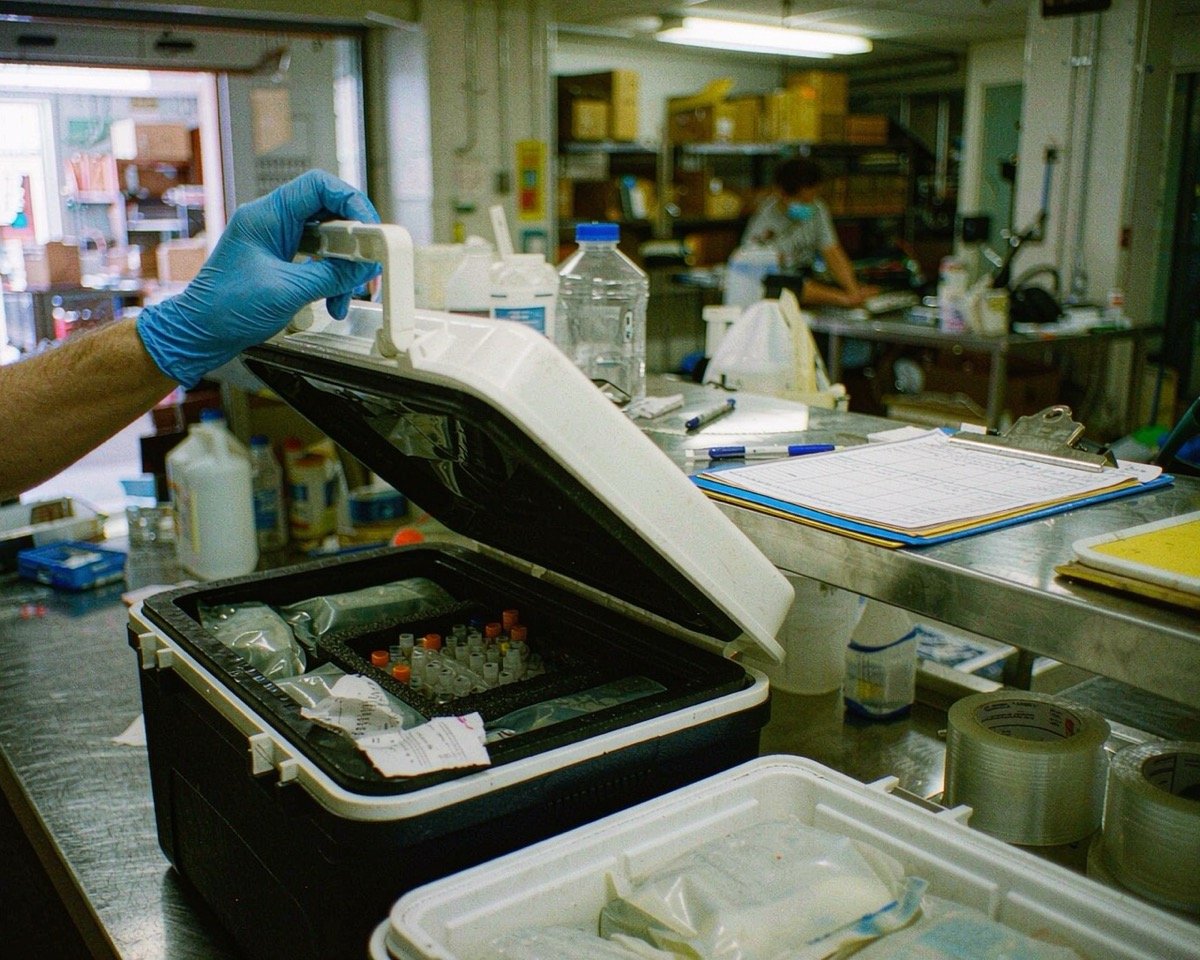
• 40 mL VOA vials, clear pre-cleaned and pre-preserved (HCl) for VOCs, amber for some SVOC and gasoline-range work. Zero headspace is non-negotiable. These are the third thing you reach for at 6:45 a.m., right after the ice packs and the chain-of-custody form, and running out of them ends the sampling day. For the full spec rundown, see what is an EPA VOA vial.
• HDPE and polypropylene bottles (500 mL, 1 L) for nutrients, metals, TSS, and general chemistry. Metals bottles for total recoverable work should be pre-cleaned to method requirements.
• Amber glass bottles (250 mL, 1 L) with PTFE-lined caps for oil and grease, semi-volatiles, and other organics that degrade in light or react with plastic.
• Sterile bags with thiosulfate for microbiology.
• Autosampler composite bottles: 24-position compositors commonly run 350 mL to 1 L PE or glass bottles. Stock spares, because composites that miss a bottle destroy your flow-weighted record for that day.
The details that trip people up: ascorbic acid versus sodium thiosulfate for dechlorination, acid volume per liter, and which analytes share a bottle. A composite intended for both nutrients and metals needs split logic at the lab, not a compromise bottle.
Filtration Consumables
Filtration shows up twice in a wastewater lab, with different rules each time.
The first role is regulatory fractionation. Dissolved metals and dissolved nutrient fractions pass a 0.45 µm membrane, and TSS uses a glass fiber filter in the 1 to 1.5 µm range. These are method-defined consumables: substituting a tighter or looser filter gives you a different result definition, whatever the throughput. Stock 47 mm membranes (mixed cellulose ester is the default) and glass fiber discs in the volumes your sample count supports.
The second role is instrument protection. Before an HPLC, IC, or colorimetric run, samples get a 0.45 µm or 0.22 µm syringe filter to keep particulates off the column and the flow cell. Here substitution is allowed, and choosing between PTFE, PVDF, nylon, PES, or regenerated cellulose is a compatibility decision about your matrix and analytes. Effluent samples clog aggressively, so keep both a coarse glass fiber prefilter and a fine second-stage filter on hand. A vacuum filtration manifold with disposable filter funnels earns its keep on TSS-heavy days.
Digestion Vessels and Tubes
Digestion sits between the bottle and the instrument, and each digestion style has its own consumable set. Block digestion for metals uses 50 mL borosilicate or polypropylene tubes with reflux caps. Microwave digestion for stubborn matrices uses PFA or PTFE vessels with pressure-rated caps. COD runs its own sealed dichromate tubes, and TKN and total phosphorus run persulfate or sulfuric digests in heat-resistant tubes. Add trace-metal-grade acids, digestion blanks, and lab fortified blanks to the consumable count, because every digestion batch carries its own QA set.
Reusable vessels save money until they don’t. Scratched PFA holds memory of previous samples, and an acid wash program (with a documented rinse and a blank check per vessel batch) is the only way reusing stays defensible.
Vials for GC-MS, LC-MS, and IC
Instrument vials are the most standardized consumable you own: 12 x 32 mm, 2 mL, amber or clear, 9 mm screw thread with PTFE/silicone septa is the de facto default for GC-MS. Low-volume inserts or high-recovery vials matter for extracts you cannot dilute. LC-MS work, including PFAS, prefers polypropylene vials to avoid adsorption and fluoropolymer leachables. Ion chromatography typically runs 5 mL vials with filters built into the cap, and those filter caps are a consumable worth buying by the case.
Reagent and Media Bottles
Reagent bottles are boring until they fail. Stock borosilicate bottles in 100 mL to 1 L with GL45 or equivalent threads for buffer and carrier solutions, amber glass for light-sensitive reagents, and dedicated bottles for acids so nothing cross-contaminates. Label everything with contents, preparation date, and expiry; an unlabeled carrier bottle is an audit finding waiting to happen. Media bottles for microbiology need autoclave compatibility and clear graduation marks.
Autosampler and Instrument Consumables
Autosamplers consume quietly: syringes and needles (GC), probe wash stations, sample trays, wash solvents, and the waste containers everyone forgets until they overflow. Put autosampler syringes on a replacement schedule based on injection count, keep a spare tray for your compositor, and treat the waste bottle on your IC or colorimeter as a real stock item. A stopped sequence because a waste container is full is a preventable Saturday.
Waste Handling Consumables
What comes off the bench needs a home: amber glass solvent waste cans for GC extracts, labeled carboys for acidic digests, and segregated containers for mercury-containing COD waste if your reagent variant uses it. Secondary containment, hazard labels, and closure caps are consumables in the compliance sense. Disposal costs are part of the real price of every extraction and digestion, so factor them when you compare reagent systems.
The Regulatory Backdrop You Cannot Ignore
In the US, wastewater compliance testing is defined from the top down, and your consumables inherit those definitions.
40 CFR Part 136 Decides What “Approved” Means
The Clean Water Act’s approved analytical methods live in 40 CFR Part 136, and EPA maintains the clean water methods hub with the current list of approved methods, revisions, and guidance. The practical consequence for consumables is this: an approved method names its container, preservation, filtration, and digestion steps. Substitute a 0.22 µm filter where the method says 0.45 µm, and your result is no longer the method-defined parameter. Labs can request method modifications and alternative test procedures, but that is paperwork, not a stockroom decision.
NPDES Permits Set the Deadlines
Every permitted discharge point carries a NPDES permit with monitoring frequencies, reporting dates (DMRs), and limits. The permit is why holding times and blank discipline are commercial issues: a compromised sample cannot be re-taken after the fact for a compliance date, so a failed vial seal on the last day of a monitoring period becomes a permit deviation. Consumables are the cheapest insurance against that outcome.
ISO 5667 Governs Sampling Design Outside the US Framework
Labs working to international standards, or serving global industrial clients, sample under the ISO 5667 series. ISO 5667-1:2023 sets the general principles for designing sampling programmes and techniques for waters including wastewaters and effluents, and later parts cover specific matrices and techniques. The consumable connection is direct: ISO 5667 speaks to container materials, cleaning, and preservation, so your bottle inventory should map to the sampling plan, not the other way around.
Holding Times Turn Consumables Into Deadlines
Every method carries maximum holding times: volatiles generally 14 days from collection, BOD 48 hours, fecal coliform around 6 to 8 hours, nutrients often 28 days preserved (shorter unpreserved), and metals 6 months after proper preservation. Holding time starts at collection, so every consumable failure in the field or the cooler burns clock. Print the table, laminate it, and put it where the bottles are packed.
QA and Blank Discipline: Where Consumables Go on Trial
Blanks are how your consumables get audited, retroactively, by regulators and by your own data reviewer. A contaminated blank fails its own QC check and flags every associated sample, and it can force re-sampling that may no longer be possible.
The blank family, briefly: a field blank is reagent water carried to the sampling site, opened there, and treated like a sample, catching contamination from bottles, preservatives, and ambient air. A trip blank travels with the shipment unopened, catching cross-contamination in transit, and is standard for VOC work. An equipment blank rinses the sampling gear, catching the composite sampler’s tubing. A container blank checks the bottle lot itself. Most labs get away with running fewer blanks than they should, until a permit limit drops or an auditor asks.
Why do blanks fail more often than instruments do? Because blanks are the only QC that touches every consumable at once: the bottle, the water, the preservative, the septum, the gloved hand, and the cooler. When a trip blank comes back with measurable methylene chloride, The investigation usually ends at a cap liner or a reused cooler, rarely at the GC-MS.
A story with stakes, from a lab I know well: one quarter, their VOC trip blanks started showing low-level chloroform, consistently, at about 0.4 µg/L. Every associated sample got qualified, a batch of compliance data became reportable-only-with-flags, and the client’s consultant started asking pointed questions. The culprit, after two expensive weeks of investigation, was a new lot of vial septa from a secondary supplier. The lot tested fine for leaks and wrong for background. The fix cost pennies (requalify lots against the previous lot before use); the cost of not catching it was a very uncomfortable quarterly call.
Practical QA shopping list: buy VOA vials and blanks certified to method requirements (EPA-level pre-cleaned and batch-certified), demand lot-specific certificates of analysis, keep reserved samples from each lot, and requalify any new supplier or lot against your incumbent before it touches a compliance sample. This is also the cheapest possible blank-discipline upgrade: certified, lot-documented consumables, checked before use.
Buying, Storage, and Practical Tips
A few procurement habits that separate calm labs from scrambling ones.
Buy certified where compliance rides on it. For VOA vials, PFAS bottles, sterile bags, and digestion blanks, the certificate is part of the product. For buffer sachets and pipette tips, ordinary quality grades are fine, and paying certification premiums there is money wasted.
Keep a two-lot rule. Never let a single consumable lot be the only one in the building. When a lot fails QC (and eventually one will), a shelf with the previous qualified lot keeps the lab running while you sort it out.
Store like the method assumes. Acid-preserved vials and standards stay cool and dark; sterile media respect their expiry; syringe filters live sealed in their packaging until use; PTFE septa are fine for years while some plastic consumables embrittle. First in, first out on shelves, and date everything you open.
Sample before you commit. Any reputable supplier will provide evaluation samples for critical consumables. Test a new vial lot against your incumbent on a real method, not on paper specs.
Match pack sizes to burn rate. Buying 1,000 COD tubes is smart for a busy lab and a shelf-space mistake for a small one. The reorder point matters more than the unit price; a cheap box that arrives after the sampling deadline is not cheap.
A Worked Order List for a Mid-Size Effluent Lab
Here is a starting template, sized roughly for a lab running a few hundred compliance samples per month. Adjust quantities to your monitoring schedule, and treat the monthly burn column as an order-of-magnitude guide, not gospel.
| Consumable | Typical spec | Est. monthly burn | Notes |
|---|---|---|---|
| 40 mL VOA vials, pre-preserved | Clear, HCl, EPA-certified lot | 400 to 800 | Zero headspace; spares for breakage |
| 40 mL VOA vials, unpreserved | Clear, certified | 100 to 200 | For analytes incompatible with acid |
| HDPE sample bottles | 500 mL and 1 L, method-cleaned | 300 to 600 | Nutrients, metals, TSS |
| Amber glass bottles | 250 mL and 1 L, PTFE cap | 100 to 200 | Oil and grease, SVOCs |
| Sterile sample bags | 100 mL+ with thiosulfate | 150 to 300 | Microbiology, matches your sealer |
| Glass fiber filters for TSS | 47 mm, ~1.5 µm retention | 200 to 400 | Method-defined, do not substitute |
| 0.45 µm membranes | 47 mm MCE | 200 to 400 | Dissolved fractions |
| Syringe filters | 0.45 µm and 0.22 µm, matrix-matched | 500 to 1,000 | Instrument prep; keep prefilter stock |
| COD reactor tubes | Sealed, 16 x 100 mm | 300 to 600 | Plus reagent ampoules/standards |
| Digestion tubes/vessels | 50 mL block digestion; PFA microwave | 100 to 300 | Acid-wash program for reusable vessels |
| GC-MS vials and caps | 2 mL amber, 9 mm PTFE/silicone | 500 to 1,000 | Plus inserts for low-volume extracts |
| PFAS bottles and vials | Certified PFAS-free HDPE/PP | Per program | No PTFE anywhere in the path |
| Buffer and conductivity standards | pH 4/7/10, µS/cm standards | 5 to 10 L | Sachets or bottles, never pour back |
| Blanks (field, trip, container) | Certified blank water and kits | 20 to 40 | One trip blank per VOC cooler |
| Pipette tips | 1 to 10 mL and microliter, low-retention | 2 to 5 boxes | Trace-metal grades for metals work |
| Autosampler syringes/septa | Instrument-specific | Per schedule | Track by injection count |
Common Mistakes (and What They Cost)
Preservative mismatch. HCl-preserved vials sent for analytes that react with acid, or no acid where the method requires it. The sample is invalid on arrival, and the sampling day is gone.
Headspace in VOA vials. A visible bubble means volatiles have already started leaving the water. Most auditors will reject it; the polite ones just flag your data forever.
PTFE anywhere near a PFAS run. A single PTFE-lined cap can contaminate a sequence and force you to prove, blank by blank, that the results stand. Buy the non-fluoropolymer consumables as a set, not one at a time.
Substituting filters on method-defined steps. TSS on a 0.7 µm filter instead of the specified glass fiber disc is a different measurement with a similar name. Your DMR signature says otherwise.
Ignoring holding times for convenience. Running Monday’s BOD on Wednesday’s sample is a violation even if the number looks fine. The consumable link: stock enough BOD bottles and DO consumables so the weekend never forces the choice.
Skipping lot requalification. The chloroform-in-the-trip-blank story above cost weeks. A one-day requalification against the old lot would have caught it.
Treating waste handling as optional. Unlabeled, overflowing waste containers fail audits and, worse, put benzene extracts next to your coffee cup. Containment is a consumable line item like any other.
Conclusion
A wastewater lab’s data quality is decided long before the instrument injects anything, and most of that decision happens in your stockroom. Match containers to methods, keep certified lots for anything a blank can see, requalify every new lot against the last one, and put holding times on the wall where samples get packed. Do those four things consistently and the consumable failures that sink compliance work become rare events instead of recurring ones. If you are building out a broader program, our complete guide to water quality testing lab consumables covers the adjacent surface water and drinking water workflows, and if volatile organics are your pain point, start with the anatomy of an EPA VOA vial so the most method-sensitive container in your cooler is the one you understand best.
Frequently Asked Questions
How long do I have to analyze a wastewater sample after collection?
It depends entirely on the parameter: fecal coliform needs analysis within about 6 to 8 hours, BOD within 48 hours, VOCs within 14 days, and properly preserved metals within 6 months. The clock starts at collection, not at the lab door, which is why preservation consumables in the field matter as much as bench readiness.
What preservation does a 40 mL VOA vial need for VOCs in wastewater?
Most EPA volatile methods call for hydrochloric acid to bring the sample below pH 2, with ascorbic acid added first if free chlorine is present, and the vial filled with zero headspace. Samples are kept at or below 6 °C (above freezing) until analysis.
Why can’t I use PTFE consumables for PFAS testing?
PTFE and other fluoropolymers can leach PFAS compounds into the sample, which is why EPA’s PFAS methods require polypropylene or HDPE materials in the sample contact path. Even a single PTFE-lined septum in the autosampler can contaminate an entire analytical sequence.
What is the difference between a field blank and a trip blank?
A field blank is reagent water opened and poured at the sampling site, testing for contamination from bottles, preservatives, and ambient conditions. A trip blank stays sealed in the cooler for the whole trip and only reveals cross-contamination during transport, which is why it is standard practice for VOC sampling.
Which filter pore size do I need for dissolved metals, 0.45 or 0.22?
For regulatory dissolved metals fractions under the clean water methods, 0.45 µm is the method-defined cutoff, and substituting 0.22 µm changes the operational definition of “dissolved.” The 0.22 µm size belongs to instrument protection and sterilizing filtration, not compliance fractionation.