
The Short Answer
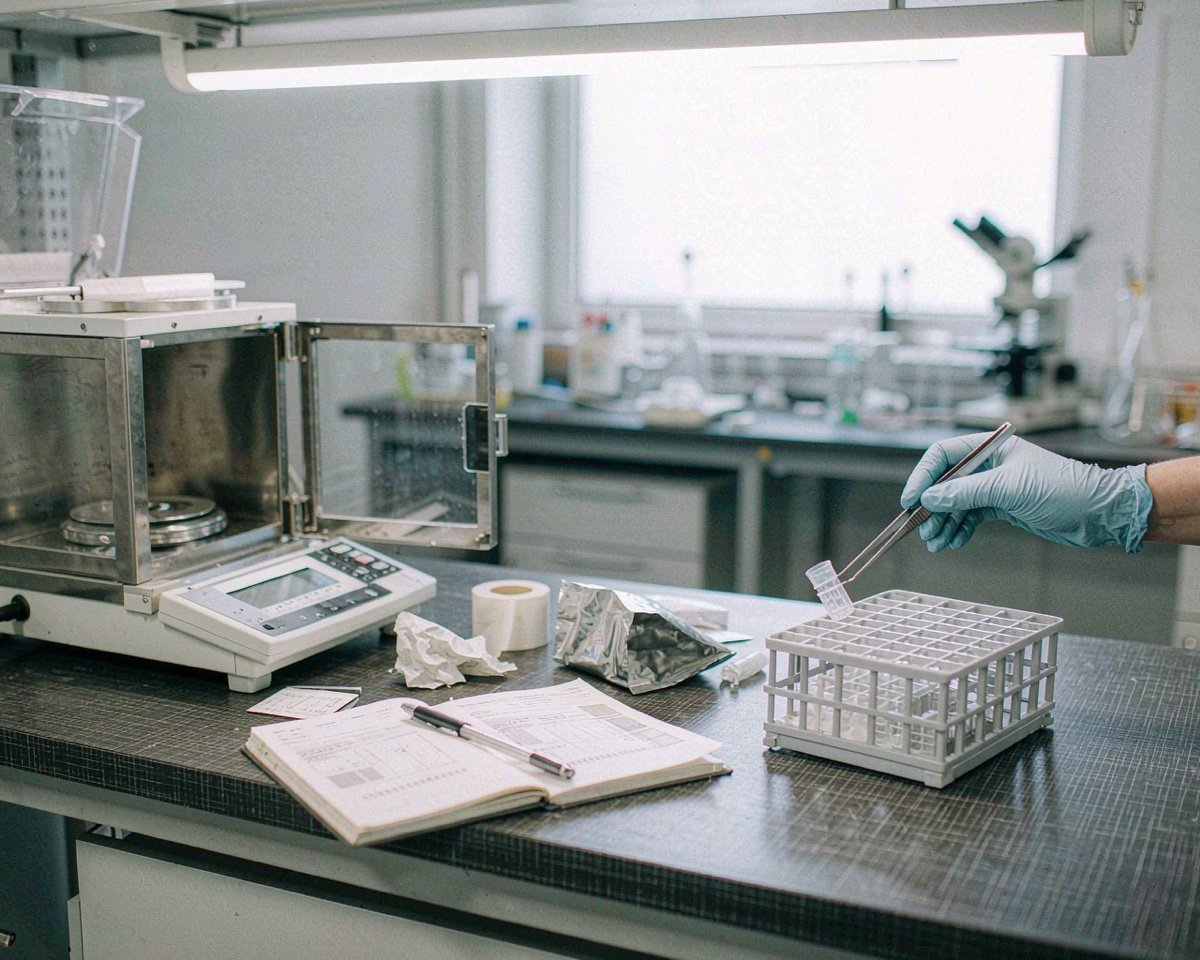
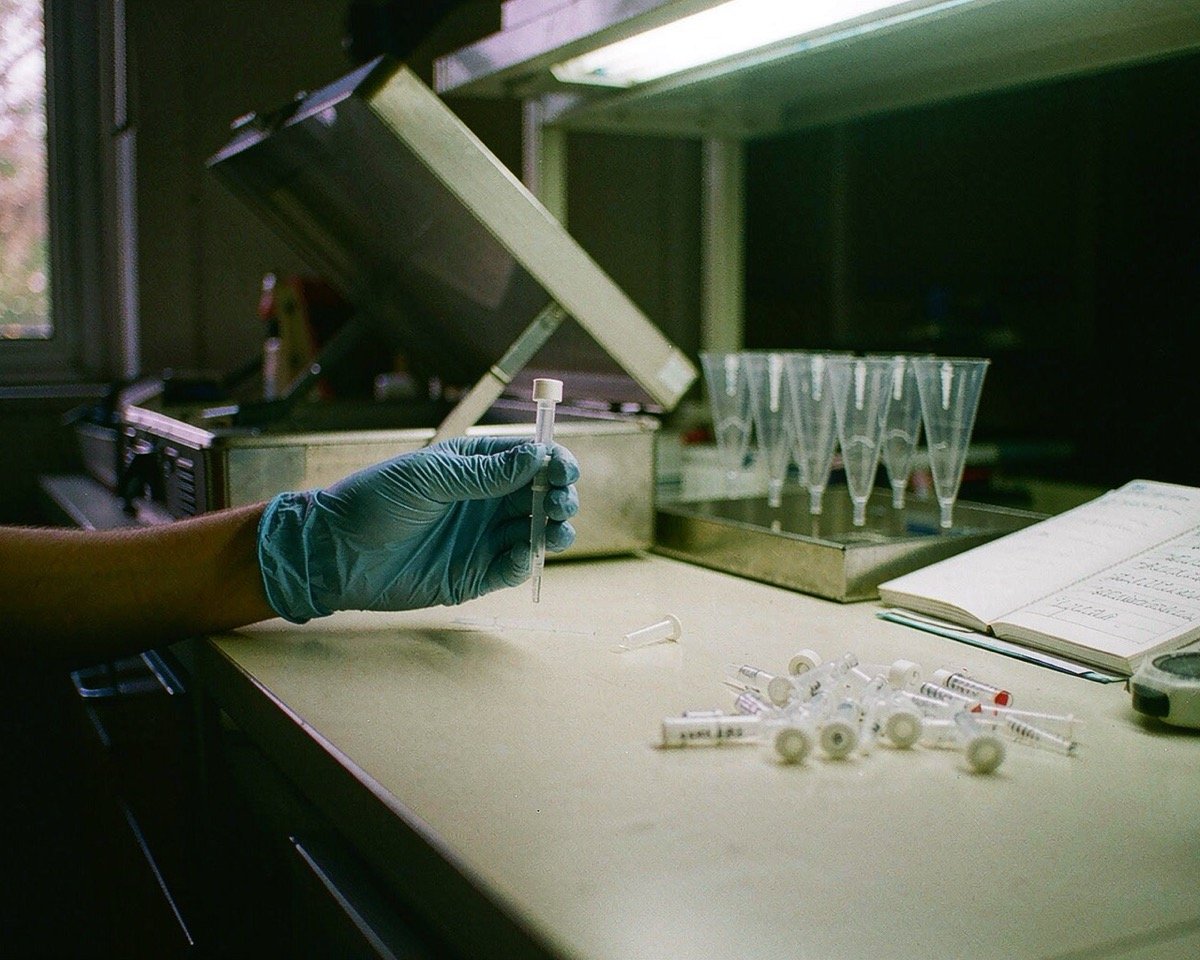
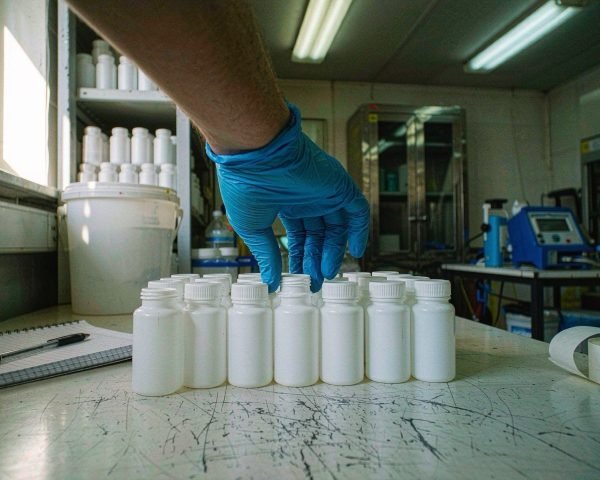
For PFAS work, your containers and consumables must be polypropylene or HDPE with unlined plastic caps, and every single item that touches the sample should be certified PFAS-free. PTFE-lined caps, glass vials with fluoropolymer parts, LDPE tubing and most “standard” lab plastics are either a contamination source or a reportable risk.
Read on, because the details matter more here than in almost any other assay you run.
I learned this the hard way during a drinking-water project a few years back. Our lab kept chasing a stubborn PFOA background of about 4 ng/L that showed up in every batch blank. Two days of reagent swaps later, someone finally looked at the new bottle caps we had switched to. PTFE liners. The contamination source was screwed onto the top of every sample we owned.
Why Consumable Choice Is Different in PFAS Work
Most assays forgive a mediocre vial. PFAS analysis does not, for one uncomfortable reason: the fluoropolymer family includes PTFE, and PTFE is everywhere in a normal lab. Cap liners, filter membranes, plunger tips, tubing, even the coating on some spatulas.
That means the very materials labs trust for inertness become the contamination route. A MassDEP field sampling guide used by Massachusetts programs puts it bluntly: no Teflon or PTFE-containing materials, no LDPE equipment, and containers must be HDPE or polypropylene with unlined caps.
There’s a second problem too. Glass, which we usually treat as the gold standard, can adsorb anionic PFAS compounds at trace levels. At ng/L reporting limits, that adsorption quietly biases your results low. So the usual instinct of “use glass for purity” is backwards in this particular workflow.
Sample Containers: What the Methods Actually Specify
EPA Method 537.1 and Method 533 are the two approved drinking-water methods, and both are built around SPE followed by LC-MS/MS. The EPA PFAS drinking water laboratory methods page summarizes what each covers: 537.1 quantitates 18 PFAS compounds, Method 533 adds isotope dilution and covers short-chain compounds for 29 total.
The container requirements are consistent across state implementations:
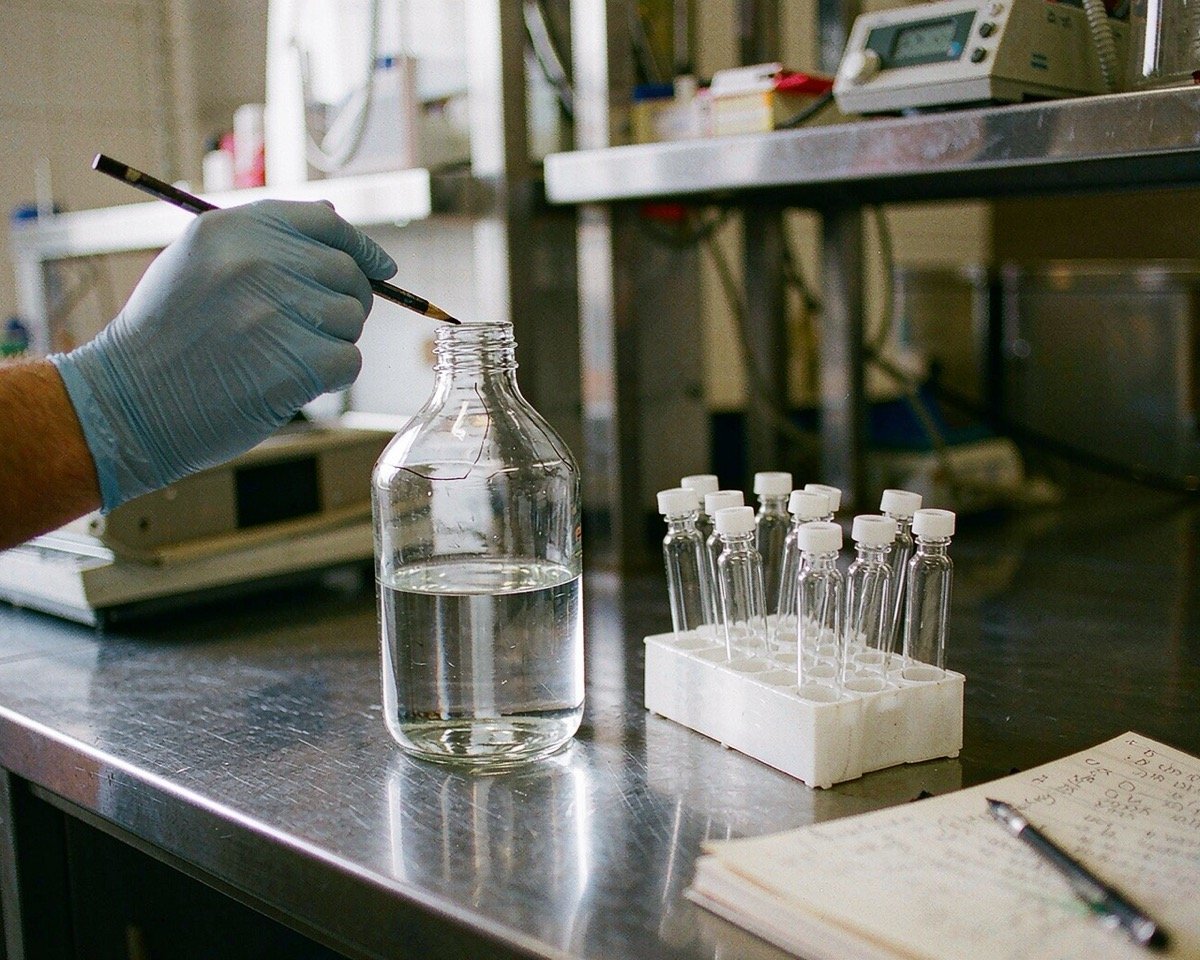
- Polypropylene or HDPE bottles, typically 250 mL for drinking water
- Unlined polypropylene or HDPE screw caps, never PTFE-lined
- No glass containers, no LDPE
- Trizma preservative (1.25 g per 250 mL bottle) where residual chlorine is present
New Mexico’s PFAS sampling SOP adds a useful nuance: HDPE works for EPA Method 1633 and 1621 matrices, while Method 537.1 and 533 call for polypropylene or HDPE. If your lab runs several PFAS methods, label the bottle types by method. Grabbing the wrong one wastes the whole sampling run.
One practical tip from my own bench: order extra bottles. State SOPs recommend it too, because a dropped 250 mL bottle at a wellhead ends a sampling day.
Filters and SPE Cartridges
This is where most labs get burned, because filtration feels routine.
PTFE membrane filters are the workhorse for organic solvents everywhere else in the lab. In PFAS work they are a fluoropolymer sitting directly in your sample path. Syringe filter housings can also carry extractables that include fluorinated compounds.
Your options:
- Skip filtration where the method allows it. EPA drinking-water methods go through SPE, and the SPE step itself cleans up particulates.
- Use filtration materials certified PFAS-free by the supplier, with documentation in the box.
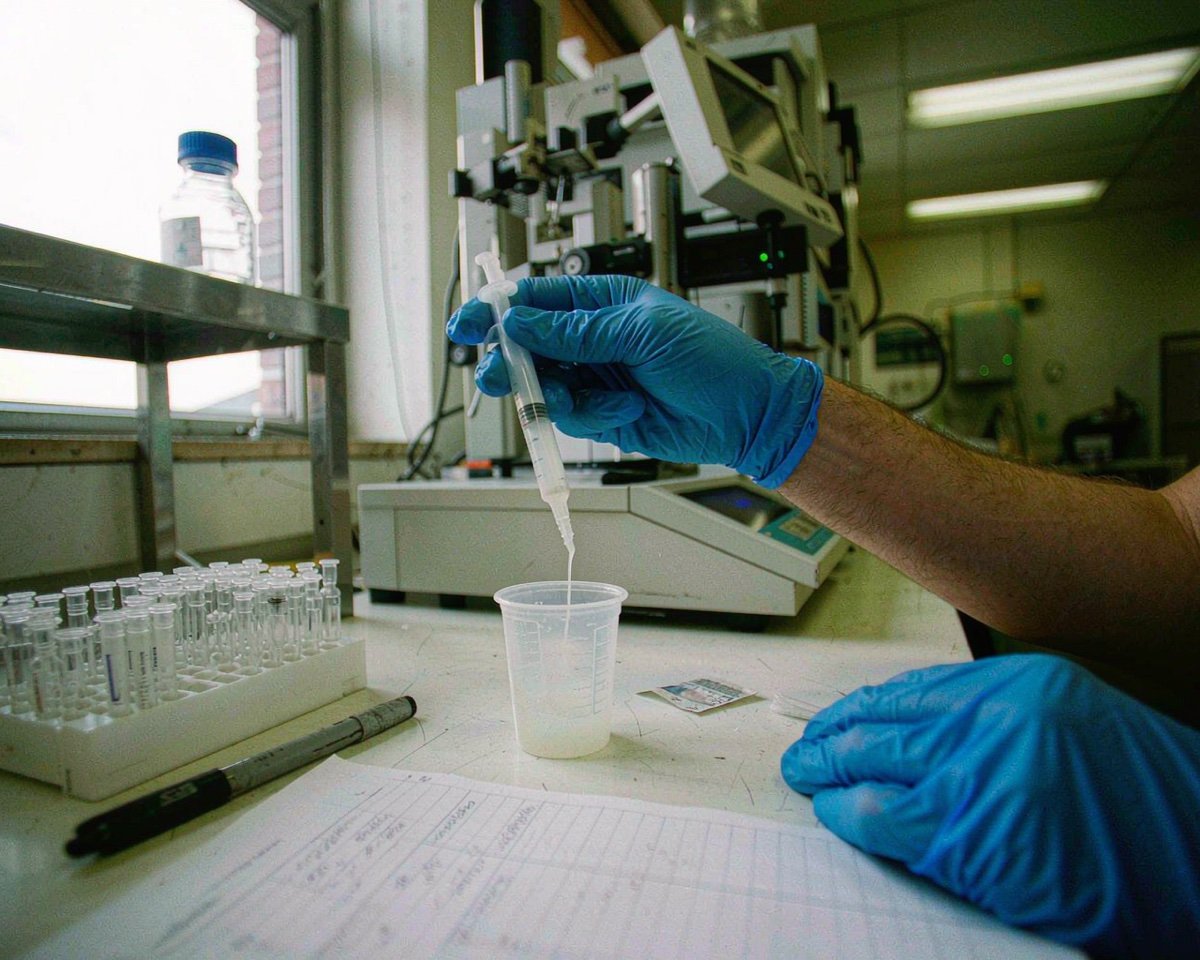
- If you must filter, run a filter blank first. Push PFAS-free reagent water through the exact filter lot and check it before you trust it with real samples.
For the SPE cartridges themselves, follow the method. Method 537.1 specifies a specific weak anion-exchange sorbent, and swapping sorbents is a method modification, not a shopping decision. The EPA CWA analytical methods page for PFAS tracks the approved non-drinking-water methods (1633 and friends) if your lab handles wastewater or biosolids matrices.
If you want a deeper refresher on the SPE step itself, our SPE consumables guide walks through cartridge selection and why flow rate matters for recovery.
The Rest of the Bench: Gloves, Notebooks, and Clothes
Here’s the part nobody believes until they see a field blank come back dirty.
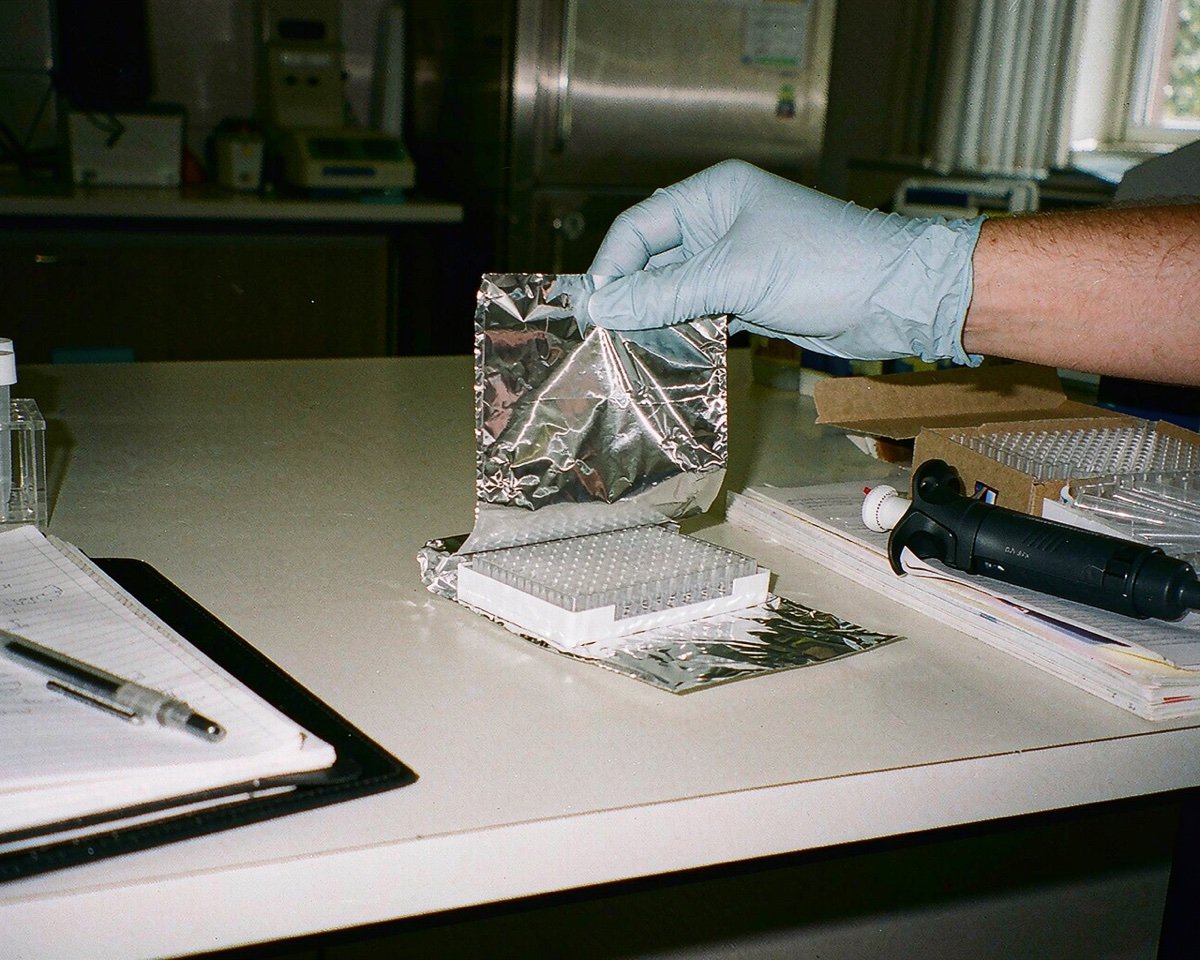
- Gloves: powder-free nitrile only, changed often. The “clean hands / dirty hands” protocol in state SOPs exists because one glove touched a waterproof field book and the next touched a bottle cap.
- Notebooks: no waterproof paper, no plastic clipboards, no spiral bindings with PFAS-containing coatings.
- Pens: ballpoint yes, Sharpies no. Permanent marker solvents can carry fluorochemicals.
- Clothing: no Gore-Tex, no fabric softener on sampling day, no cosmetics that morning.
I once watched a field team lose a full sampling run because someone wore a rain jacket with a PTFE membrane into the wellhouse. Every sample came back with a background signature. Nobody did anything wrong except get dressed.
Blanks Are Your Consumable QC
PFAS methods live or die on blanks. Build these into your routine:
- Field blank: one per sampling event, poured from lab-supplied PFAS-free water at the site.
- Equipment blank: per day of sampling or one per 20 samples, run through decontaminated gear.
- Filter blank and SPE blank: every new lot, no exceptions.
Maine’s guidance requires duplicates and matrix spikes at one per 20 samples too, so budget consumables for QC at roughly 30% on top of your raw sample count. Labs that order containers “one per sample” always run short.
A Quick Buying Checklist
Before your next PFAS order, check every line item:
| Item | Required | Avoid |
|---|---|---|
| Sample bottles | PP or HDPE, certified PFAS-free | Glass, LDPE |
| Caps | Unlined PP/HDPE | PTFE or PTFE-liner caps |
| Filters | Certified PFAS-free, non-fluoropolymer membrane | Standard PTFE membranes |
| Tubing | Silicone, HDPE, PP | PTFE, LDPE |
| Gloves | Powder-free nitrile | Latex with powder |
| Field gear | Polyurethane/PVC rain gear | Gore-Tex, Tyvek |
If a supplier can’t produce a PFAS-free certificate for a container lot, that lot doesn’t enter the workflow. For a broader view of how container material choices affect trace work generally, see our guide to clear and amber glass vials, which covers where glass still wins.
One more angle worth reading: our extractables and leachables overview explains the testing behind supplier purity claims, which is exactly the evidence you want from a PFAS consumables vendor.
Conclusion
Frequently Asked Questions
Can I use glass vials for PFAS samples?
Why are PTFE-lined caps banned in PFAS testing?
What filter can I use for PFAS samples?
How long do I have before PFAS samples must be extracted?
Do I need special bottles for EPA Method 1633?
Method 1633 covers non-potable matrices like wastewater, soil and tissue, and state guidance generally allows HDPE bottles with HDPE caps for those samples. Always confirm with the receiving laboratory, because container requirements can differ between drinking-water and environmental programs.