
# What Consumables Does Chemical Oxygen Demand Testing Need?
Chemical oxygen demand (COD) is the workhorse parameter for judging organic pollution in wastewater, and it burns through consumables faster than almost any other water test. If you manage procurement for an environmental lab, a stockout on the wrong item can stall a whole reporting batch. Here is the full list, item by item.
Short answer: COD testing consumes sealed dichromate digestion vials (low, high, and ultra-high range), mercuric sulfate and silver sulfate, digestion block adapters, sample cups, 0.45 µm filters, blender cups or homogenizer probes, pipette tips, and PPE.
Read on for the details that actually affect your ordering quantities, your waste bills, and your data quality.
The Detailed Answer: What You Use Up in Every COD Run
Sealed digestion vials and reagent kits
The vial is the core consumable. In the closed-reflux colorimetric method, your sample goes into a glass tube preloaded with potassium dichromate and sulfuric acid, then gets digested and read photometrically. EPA Method 410.4 describes the classic workflow: sealed tubes heated at 150 °C for two hours, then measured at 600 nm, with an applicable range of 3 to 900 mg/L (source: EPA Method 410.4).
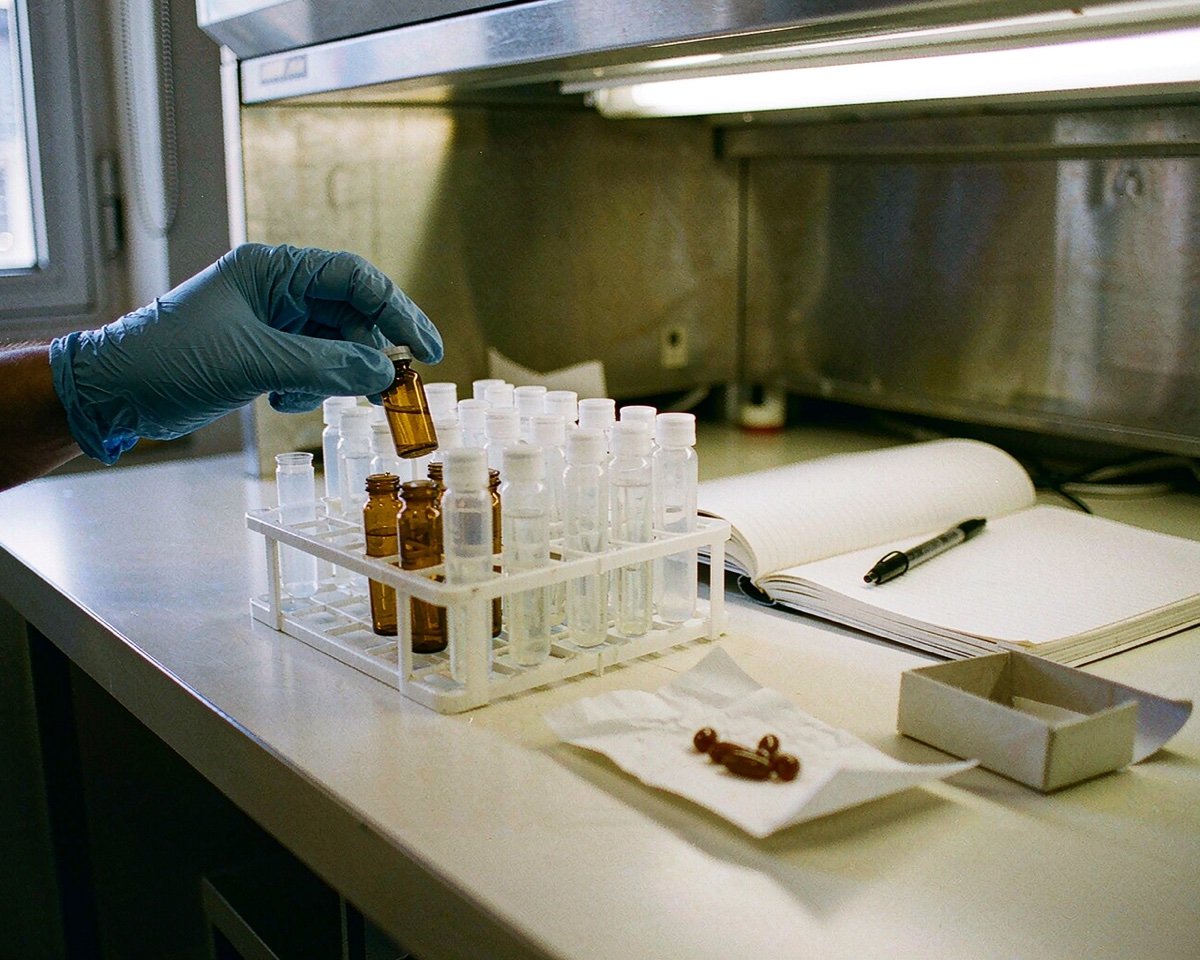
Most labs today buy premeasured vial kits rather than mixing reagents. Hach’s TNTplus line is the pattern most suppliers follow: barcoded 13 mm vials with lot-specific calibration built in. The Hach COD vial test for the high range covers 20 to 1,500 mg/L COD in 25-test boxes. If your lab runs 50 samples a week, that math is easy: two boxes per week, 100 boxes a year. Order accordingly.
For the international side, ISO 15705 specifies the small-scale sealed-tube method (ST-COD) and is the reference many European labs report under. ASTM D1252 covers the same chemistry for US buyers who cite ASTM methods. Your vial supplier should state which of these the kit supports.
Mercuric sulfate and silver sulfate
Two reagents sit behind nearly every dichromate vial. Silver sulfate acts as the catalyst that lets dichromate oxidize straight-chain organics completely. Mercuric sulfate complexes chloride ions, which would otherwise be oxidized by dichromate and inflate your results. EPA’s method documentation lists chloride as a positive interference and mercuric sulfate as the standard fix (source: EPA Method 410.4).
If you buy vials preloaded with reagent, these come inside. If you run classical reflux glassware, you buy them as raw salts, and both are hazardous chemicals with strict storage rules. Either way, your SDS binder and your waste manifest both need to account for mercury.
Digestion blocks and reactor consumables
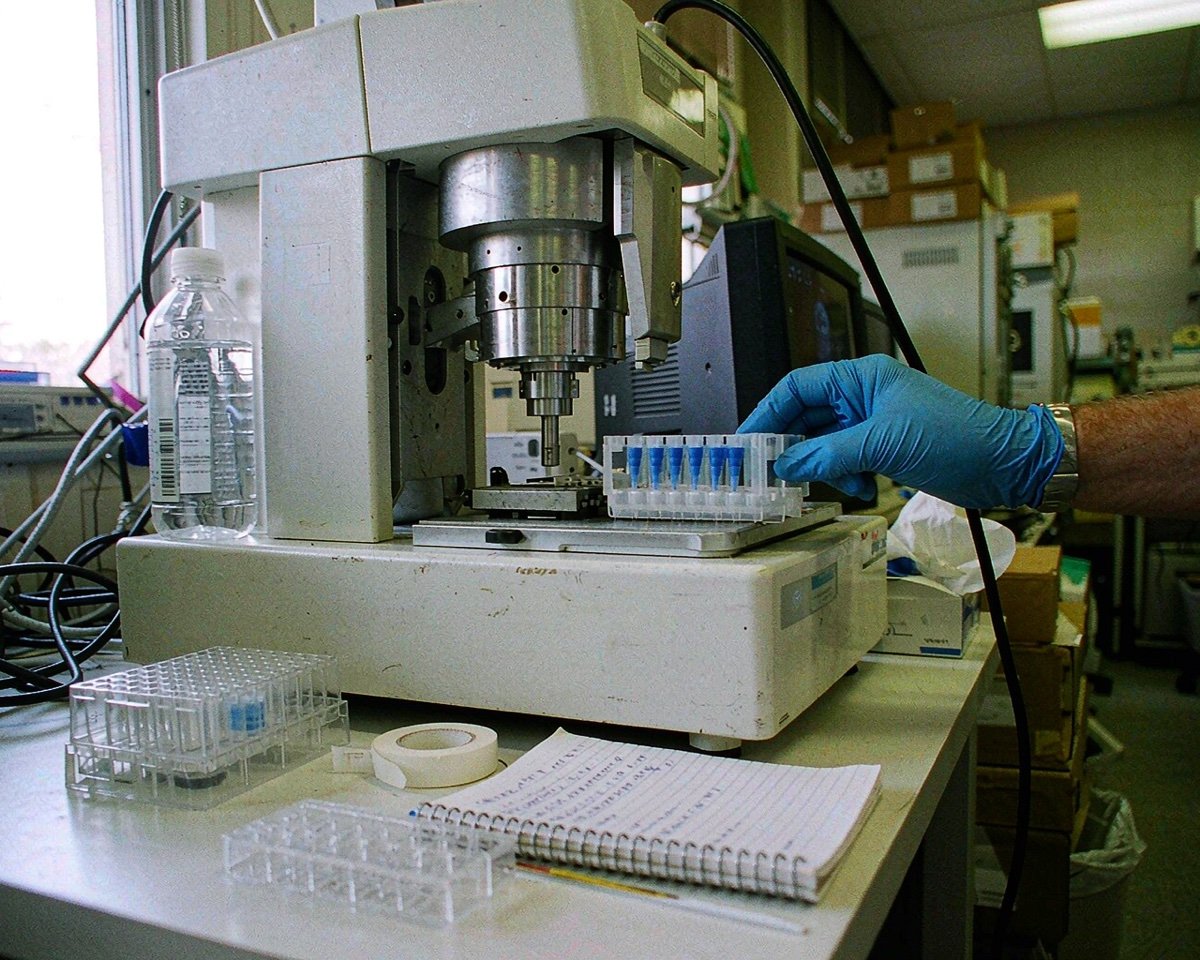
The digester itself is capital equipment, but it eats consumables at the edges. Block reactors like Hach’s DRB200 use 13 mm wells, and the official Hach procedure notes that 16 mm wells need adapter sleeves. Those sleeves crack. Thermoblocks with aluminum well inserts pit and corrode over years of sulfuric acid fumes. Budget for replacement sleeves, vial racks that survive 150 °C, and the occasional thermometer or temperature-reference block. I once saw a chloride-heavy wastewater sample pop a digestion vial in a crowded block, and the spattered reagent ate the anodized finish off two neighboring wells. Protective well inserts paid for themselves that day.
Glassware, cuvettes, and sample cells
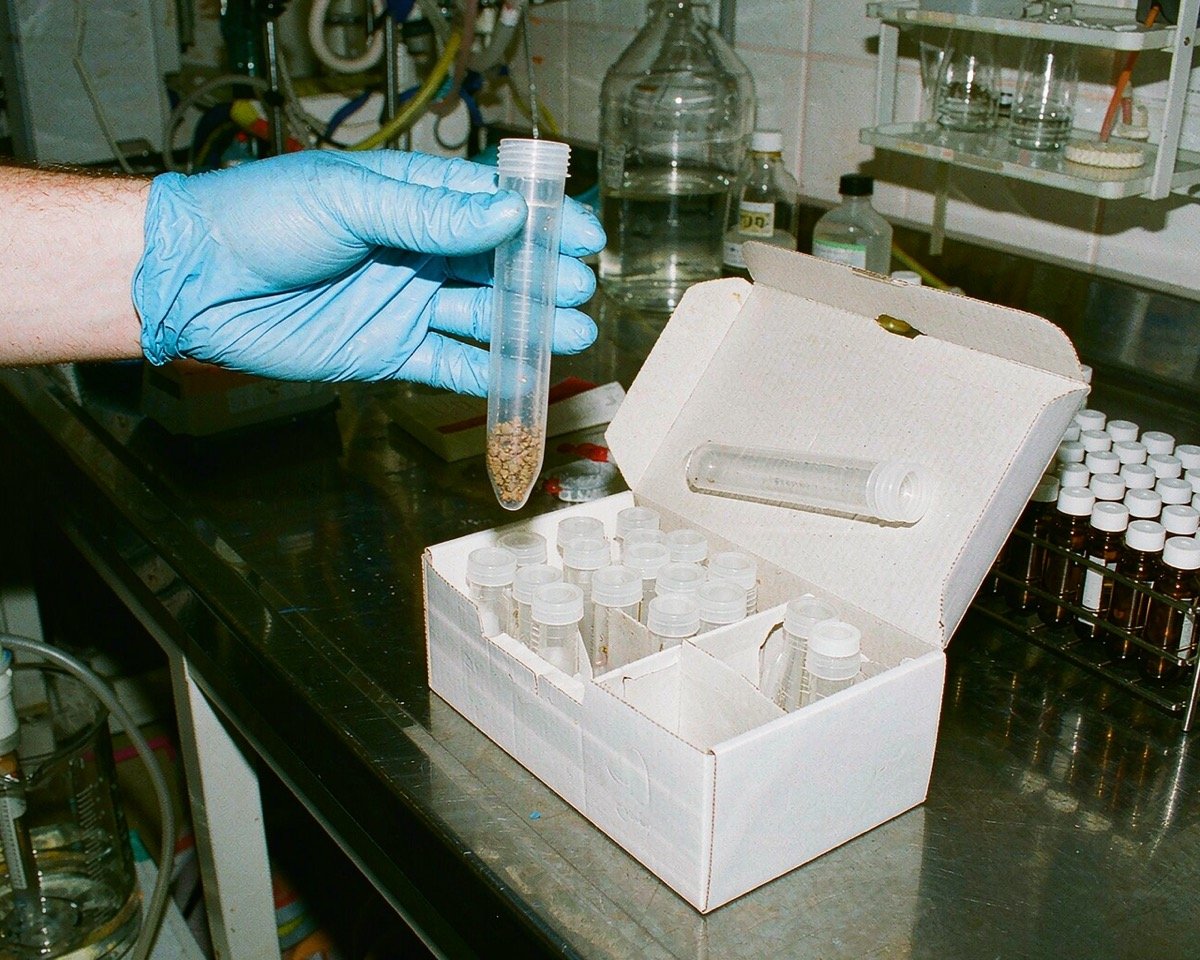
Colorimetric reading happens in the same vial you digested in, which is why vial quality matters twice over. Scratched or warped glass skews absorbance. If your photometer uses separate sample cells for classical methods, keep matched pairs and replace them when they cloud. Collection bottles matter too: EPA guidance for COD samples calls for clean glass or known-organic-free plastic, preserved to pH < 2 with sulfuric acid (source: EPA Method 410.4). Reusing sample bottles is fine if your cleaning routine is verified.
Sample prep consumables
Wastewater is not a clean liquid. Solids in the bottle mean a non-representative aliquot, so the method calls for homogenizing samples that contain suspended matter (source: Hach COD procedure). That means disposable blender cups or a homogenizer probe you clean between samples. A two-speed laboratory blender appears right on the “items to collect” list in the standard procedure.
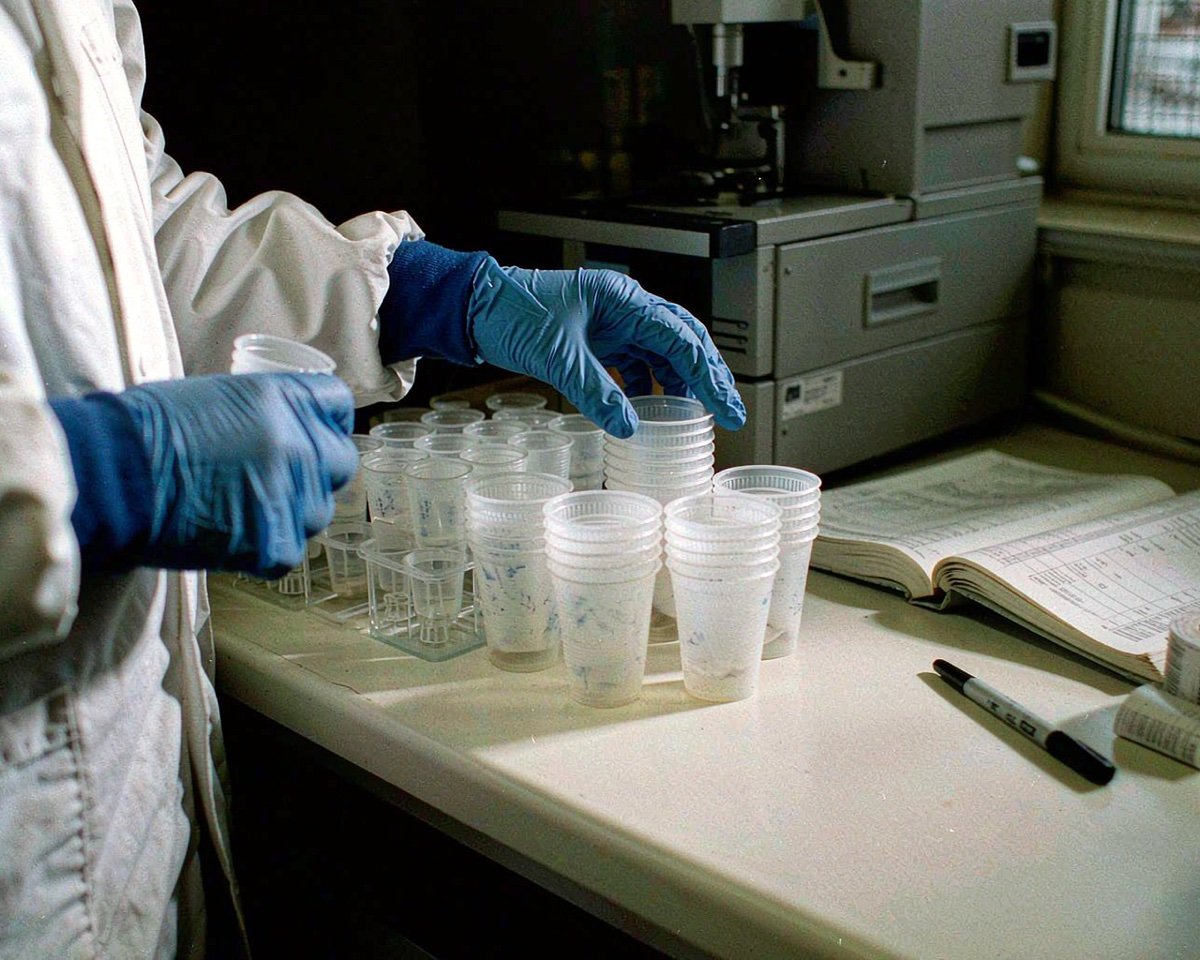
For dissolved COD fractions, filtration through 0.45 µm membranes is the usual cutoff for “dissolved” in water analysis. If you filter, pore size consistency matters more than brand; our guide to 0.45 vs 0.22 micron syringe filters covers the choice. Add adjustable pipettes with compatible tips (1.0 to 5.0 mL for the 2 mL sample addition), test tube racks, and sample cups if your autosampler or analyzer takes aliquots from cups.
PPE
The reagent is corrosive and toxic, hot vials are under pressure, and the standard procedure explicitly says to hold hot vials only by the screw cap. Nitrile gloves, face protection, and a lab coat are consumables in the practical sense because you will ruin them. Stock spares near the digester.
High-Range vs Low-Range Vials, and When to Dilute
Vial ranges are not interchangeable. Hach’s LR vials cover 3 to 150 mg/L, HR covers 20 to 1,500, and ultra-high-range formulations reach 250 to 15,000 mg/L; the Hach vial family page lists the full spread including mercury-free variants. Pick the range where your sample lands mid-scale. A 5,000 mg/L leachate run through an LR vial saturates the color system before digestion even finishes.
When a sample exceeds your top range, dilute before digesting. ISO 15705 states the sealed-tube method applies to undiluted samples up to 1,000 mg/L ST-COD, with predilution above that (source: ISO 15705:2002). Dilution also helps with chloride, but it amplifies pipetting error, so use Class A glassware or quality pipette tips and run the diluted check in duplicate.
One habit worth adopting: keep one box of each range open, and log which samples needed which range. After a quarter, you will know your real consumption mix instead of guessing.
Chloride Interference and Mercury-Free Alternatives
Chloride is the classic COD headache. Landfill leachate and seawater carry chloride far above the level mercuric sulfate can mask in a standard vial. The standard sealed-tube method tolerates only about 1,000 mg/L chloride undiluted (source: ISO 15705:2002). Beyond that, you either dilute, switch to a high-chloride formulation with extra HgSO4, or go mercury-free.
Mercury-free vials swap the chloride-masking chemistry for alternatives, and Hach now lists mercury-free COD kits alongside the classic ones (source: Hach COD vials). The trade-off: mercury-free ranges are usually narrower, so check that your typical samples fit before switching your whole workflow. Labs under pressure to cut hazardous waste love these kits, and the reduction in mercury disposal fees is real. Just validate against your current method on a few real samples first, because matrix behavior can shift results slightly.
Waste Handling and Smart Buying Tips
Every reacted COD vial contains hexavalent chromium, trivalent chromium, strong acid, and usually mercury. That is hazardous waste in most jurisdictions, and it accumulates at roughly one vial per test plus blanks. Collect reacted vials in dedicated labeled containers, and treat the full vial as the waste unit; do not decant unless your waste procedure says so. This is also the argument for mercury-free kits where your method allows them.
On the buying side, a few things separate a good consumables supplier from a cheap one. Lot traceability comes first: insist on certificates of analysis and consistent lot labeling, because COD is a compliance method and auditors ask. Compatibility matters just as much; vials must match your photometer’s wavelength and calibration approach, whether you run Hach Method 8000, an ISO 15705 workflow, or an ASTM D1252 method. Packaging and shelf life deserve a question too, since reagent vials are light- and heat-sensitive. Ask how they are shipped in summer.
Conclusion
COD testing looks like a one-consumable test from the outside, but a working bench consumes vials in three ranges, blender cups, filters, pipette tips, sample cups, racks, reactor sleeves, and PPE, all governed by method rules from EPA, ISO, and ASTM. The labs that run smoothly are the ones that stock the full list, not just the vials. Match your vial range to your sample population, know your chloride exposure before you order, and decide your mercury position deliberately rather than by default, because it drives both your reagent choice and your waste bill. If you are building out a broader bench, our water quality testing consumables guide and the environmental testing lab consumables guide map the rest of the parameter list. When you are ready to quote volumes, send us your monthly sample count and matrix list, and we will size the order with you.
Frequently Asked Questions
What vial range should I use for municipal wastewater?
Influent usually needs HR (20 to 1,500 mg/L); treated effluent often fits LR (3 to 150 mg/L). Check a few representative samples first, then buy in the ratio your data shows.
Can I reuse COD digestion vials?
No. Vials are sealed, contain hazardous reagent, and their optical quality degrades after digestion. Treat every vial as single-use and budget for it.
Why does my COD result read high?
Excess chloride is the usual culprit, since dichromate oxidizes it and mercuric sulfate can only mask so much. Dilute the sample, or move to a high-chloride or mercury-free formulation designed for saline matrices.
Do mercury-free COD vials work as well as classic ones?
For most matrices, yes, and they eliminate mercury from your waste stream. Ranges are typically narrower, so verify your sample concentrations fit before switching your reporting method.
How many vials should I keep in stock?
Work from your weekly sample count plus 10 to 20% for QC work like blanks and duplicates. Many labs also keep one box of the adjacent range for surprise samples.