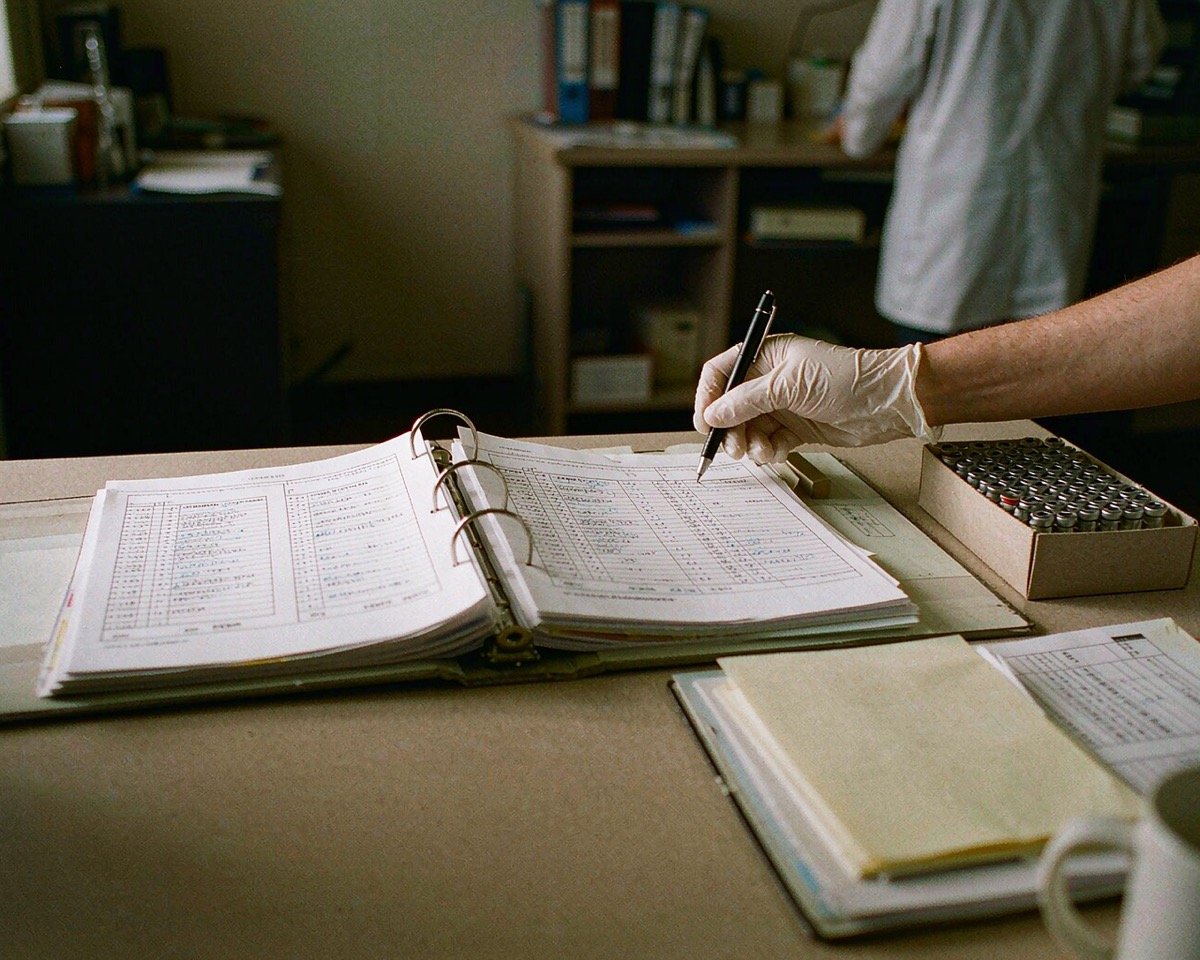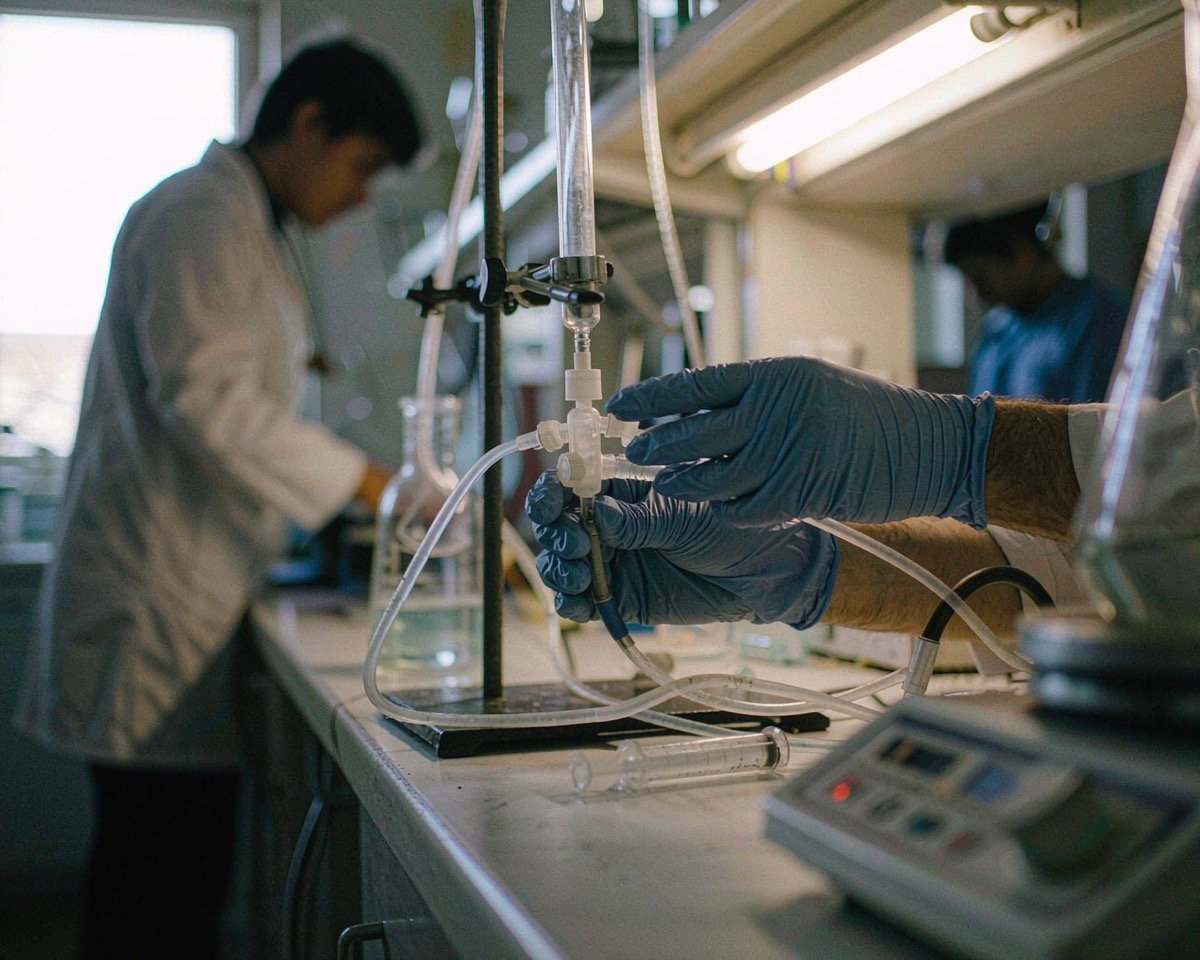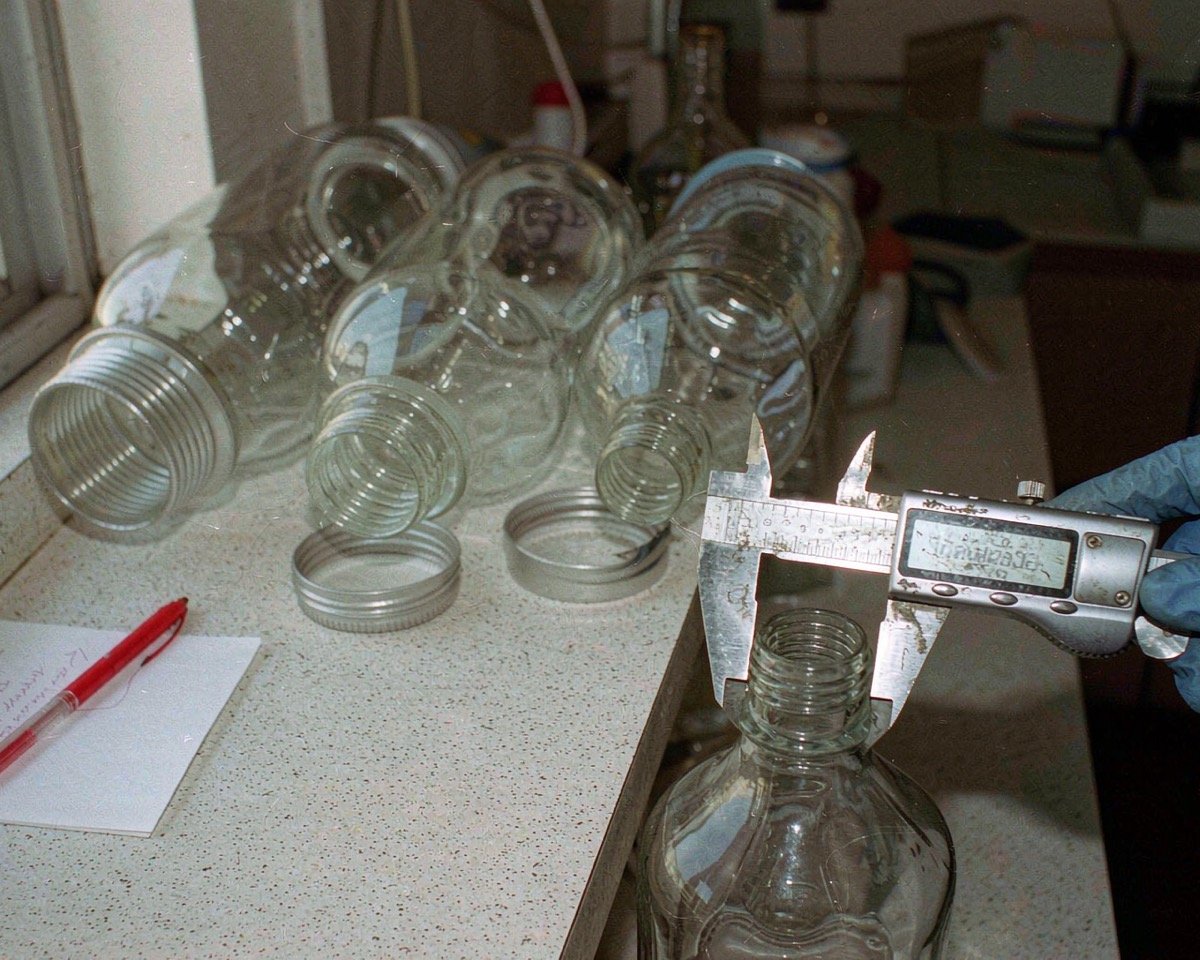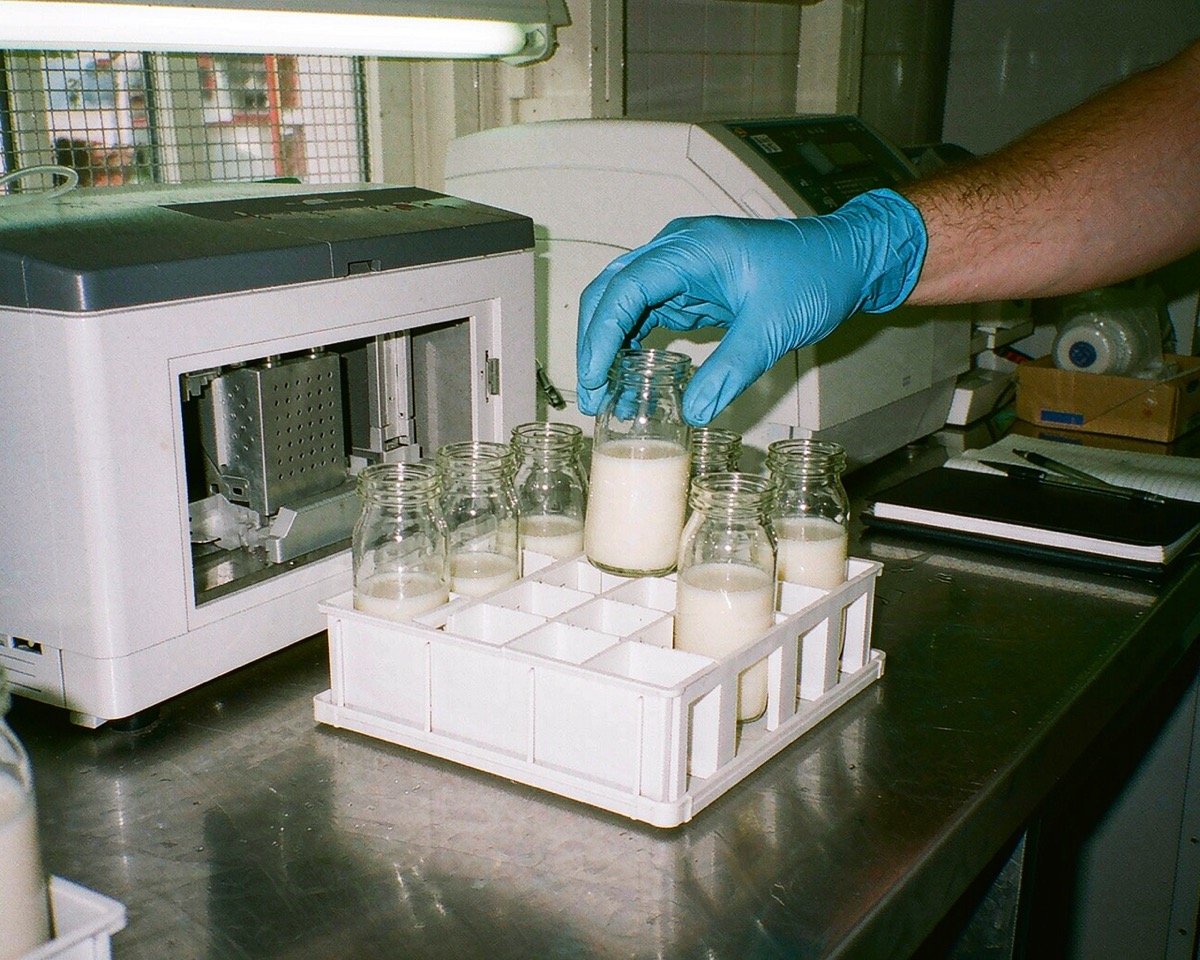
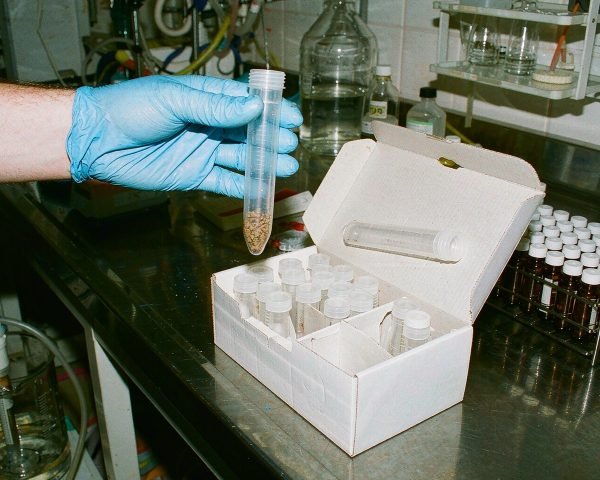

A lab down the road from me runs vet residue screens on everything from milk truck composites to imported shrimp, and the first thing you notice is how little of the work happens in the instrument. Most of it happens in sample bags and extraction tubes long before anything reaches the LC-MS/MS. Get those consumables wrong and no amount of instrument time saves your data.
The Short Answer
You need sterile sampling containers, homogenization tools, QuEChERS extraction salts and tubes, SPE cartridges for cleanup, centrifuge tubes, and LC-MS/MS-ready vials with low-adsorption and amber options for trace or light-sensitive analytes.
What These Labs Actually Test, and Why
Food safety labs screen animal-derived products for four main groups of compounds: antibiotics (sulfonamides, tetracyclines, beta-lactams, quinolones), antiparasitics (avermectins, benzimidazoles, nitroimidazoles), anti-inflammatory drugs, and hormones or growth promoters. The matrices span meat, milk, eggs, honey, and aquaculture products, and each one drags a different mess of fat, protein, and sugar into your extract.
The rules behind the work are strict. In the EU, Commission Regulation (EU) No 37/2010 sets the pharmacologically active substances and their maximum residue limits (MRLs) for all food of animal origin. Codex Alimentarius maintains its own database of veterinary drug MRLs that governs international trade. And in the US, USDA FSIS runs the National Residue Program, where its veterinary drug method screens and confirms over 100 analytes in meat and poultry.
Some substances have no MRL at all. Chloramphenicol, for example, carries a reference point for action of 0.3 µg/kg in the EU. That’s the sort of number that decides whether a lab can even see the problem, let alone report it. A review of screening platforms by Nestlé researchers describes exactly this challenge: streamlining LC-MS/MS workflows to catch over 150 residues at once across wildly different matrices, as covered in this PubMed-indexed review.
None of that works without decent sample prep consumables.
Sampling Consumables: Where Chain of Custody Starts
Residue work usually starts at the farm, the milk silo, the honey drum, or the fish pond, not in the lab. Whatever collects the sample has to be sterile, leak-proof, and chemically inert, because a contaminated bag can plant a false positive in the very compound class you’re screening for.
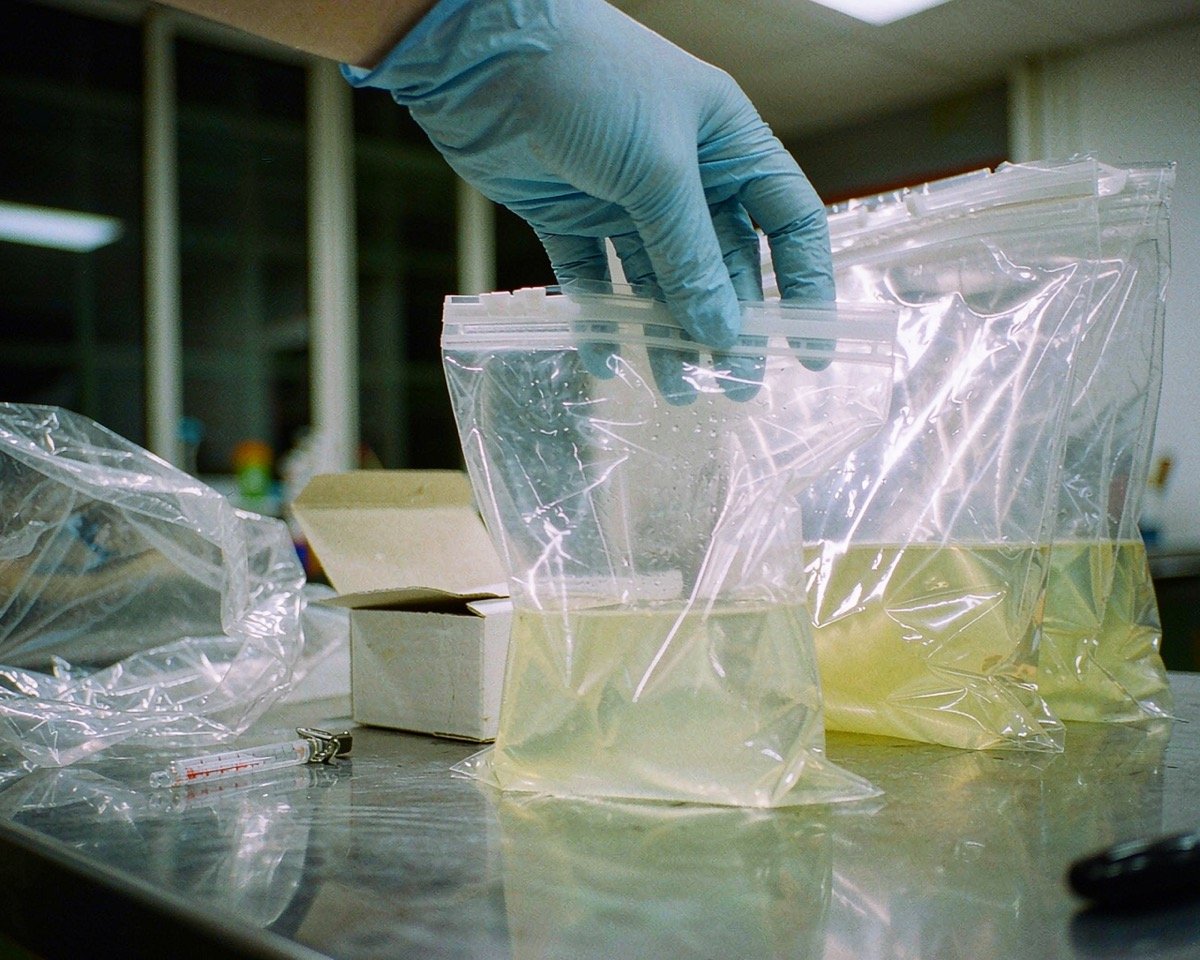
For tissue and fish, that means sterile sample bags, often the write-on type with an integrated homogenization pouch. Milk and honey go into sterile bottles; honey is easiest in wide-mouth PET or glass because it pours like cold syrup. Producers shipping samples to remote labs freeze them, so the containers need to survive freeze-thaw without cracking. FSIS field instructions even tell inspectors to freeze samples overnight when shipping lags, precisely because residues in tissue degrade over time.
Homogenization is the other half of sampling. A hand blender on a frozen pork chop gives you garbage recoveries; everything has to be uniformly minced before the subsample that goes into the extraction tube is representative.
Extraction and Cleanup Consumables
Most modern multiresidue methods run on some flavor of QuEChERS: acetonitrile extraction with salt partitioning, then dispersive SPE cleanup. For meat, milk, and egg screens, labs buy pre-weighed salt packets and 50 mL centrifuge tubes as kits. If you want the full breakdown of what the method needs, we covered it in our QuEChERS consumables guide.
Fatty matrices are where it gets interesting. Muscle extracts cleaned with a lipid-removal sorbent are the current industry standard; Agilent’s workflow for 210 veterinary drugs in chicken, beef, and pork uses Captiva EMR-Lipid cartridges before LC-MS/MS. Honey and milk often need extra help, which is where classic SPE cartridges come in. If your method calls for MIP (molecularly imprinted polymer) cleanup for aminoglycosides or C18 cleanup for aquaculture samples, our SPE consumables overview walks through the cartridge types.
Around all of that: 15 and 50 mL polypropylene centrifuge tubes rated for acetonitrile, pipette tips that don’t bind analytes, and syringe filters for the final polish before injection. I once watched a lab burn a full week rerunning a shrimp batch because a new filter lot was quietly adsorbing chloramphenicol; recovery drifted low, the blanks looked fine, and the CCV kept failing until someone swapped the membrane.
Analysis Consumables: The Vial Decision
By the time your extract reaches the autosampler, you’ve usually got 100 µL to 1 mL of cleaned liquid representing a whole kilogram of honey. Losing any of it to the container hurts.
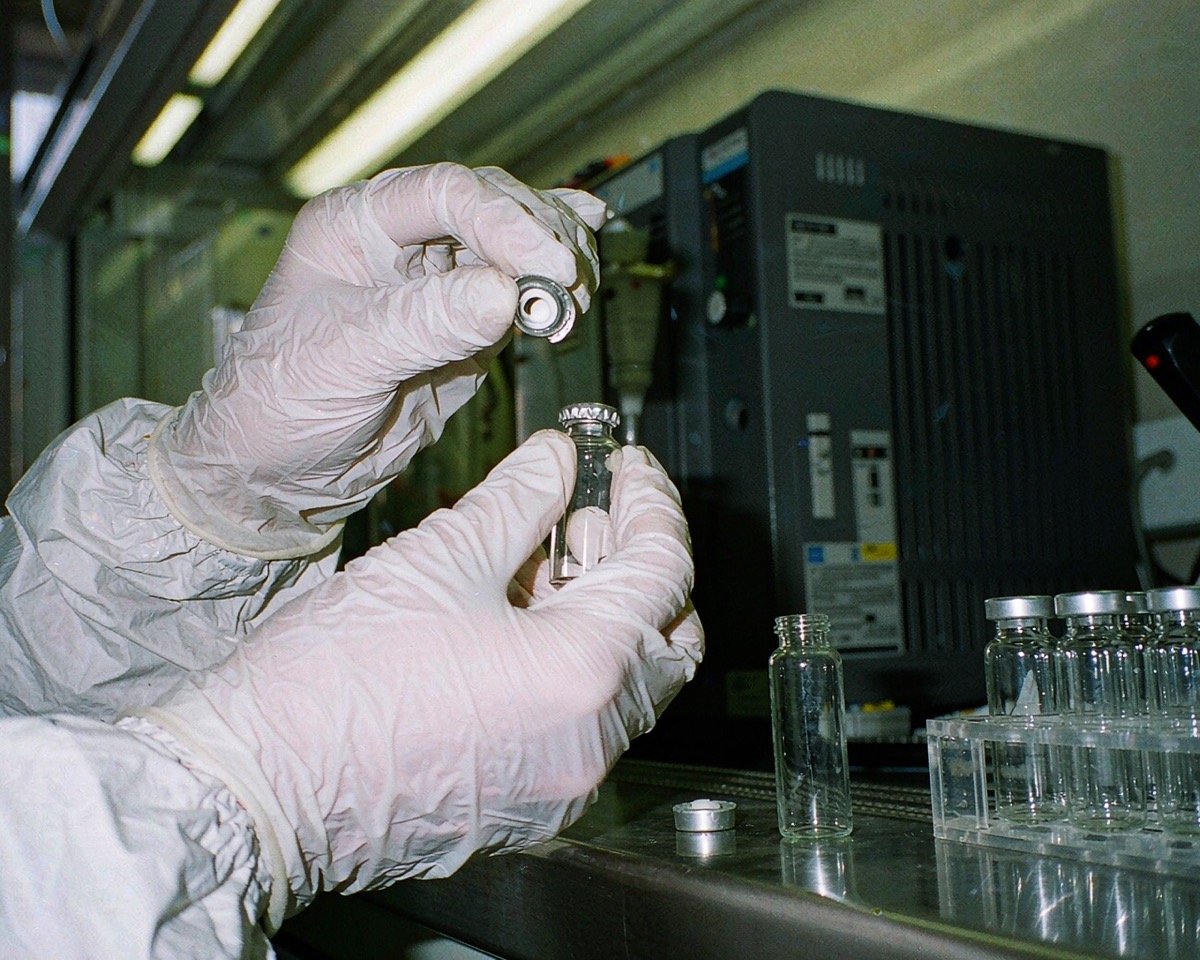
For routine screens at MRL-level concentrations, a standard clear 2 mL screw vial does the job. Things change at trace work. When your reporting limit is 0.3 µg/kg, adsorption to glass walls and plastic caps becomes measurable, so labs move to low-adsorption or MS-certified vials. We explain what those certifications actually guarantee in our MS-certified vials guide.
Amber vials earn their keep here too. Some analytes, including several nitroimidazoles and certain steroids, are light-sensitive, and an extract sitting in a tray overnight in clear glass can degrade between runs. If you’ve ever chased a 30% signal drop that only showed up in the last twenty vials, that’s usually the answer.
A few practical habits: use inserts or conical vials when extract volume is tight. Keep cap liner chemistry compatible with acetonitrile-rich extracts, and avoid pre-filling a full tray of extracts that will wait hours in the autosampler.
QA and Compliance Considerations
Residue labs validate methods against EU SANTE analytical quality control guidance or Codex CAC/GL-71, run proficiency tests, and face audits. The consumables angle shows up in three places.
Lot consistency matters most. If your QuEChERS salt batch or SPE sorbent lot changes mid-validation, you re-validate. Incoming QC on critical lots is cheaper than re-running a 40-sample batch.
Carryover control between high and low samples is the second pain point. Running a 100 µg/kg calibration standard and then a 0.5 µg/kg sample in the same tray means your consumables, from needle seat to vial septum, are part of the carryover chain.
And blanks are non-negotiable. Every blank, from solvent to procedural, needs the same consumable lots as the samples, or your blank proves nothing.
Buying Tips for High-Throughput Screening Labs
Labs running hundreds of samples a week have different economics than research labs. Volume is your leverage. Standardize on one vial, one cap, one tube, and one filter across methods where possible, then buy those four items in case quantities with scheduled deliveries. Random small-batch purchasing is how labs end up paying premium freight for salt packets.
Ask suppliers for lot-specific certificates of analysis and extractables data on filters and vials, not just generic spec sheets. For the vials, sample-test two or three lots against your current brand on a worst-case analyte before committing.
Conclusion
Vet residue testing rewards labs that treat consumables as part of the method, not an afterthought. The sterile bag that touches the sample, the salt packet that partitions it, the SPE cartridge that cleans it, and the vial that holds it for injection all shape whether your numbers hold up under audit. Pick consumables with your validation data in mind, lock in reliable lots, and your LC-MS/MS will spend its time producing results instead of reruns. If you’re building out the rest of a food lab, our food testing lab consumables guide is the natural next read, and the QuEChERS guide linked above covers the extraction side in depth.
Frequently Asked Questions
Do I always need amber vials for residue testing?
Only for light-sensitive analytes like some nitroimidazoles and steroids. If your method doesn’t include those, clear vials are fine and cheaper. Many labs keep amber stocked for the specific methods that need it.
What pore size syringe filter should I use before LC-MS/MS?
Most residue labs use 0.22 µm PTFE or regenerated cellulose for LC-MS/MS work. The key is matching the membrane to your extraction solvent: PTFE and regenerated cellulose tolerate the acetonitrile-rich extracts typical of QuEChERS, while cellulose acetate does not.
Can I reuse SPE cartridges between samples?
No, not in regulated residue work. SPE cartridges accumulate matrix residue that biases your next sample, and there’s no reliable way to prove a cartridge is clean. Buy them as single-use consumables.
Are MS-certified vials worth the extra cost?
For MRL-level routine work, probably not. For trace-level confirmation work below 1 µg/kg, where background noise from vial extractables can bury a small peak, they pay for themselves in fewer reruns.
How many samples does one QuEChERS kit cover?
A standard 50-count box of salt packets matches 50 extraction tubes, so one kit covers 50 samples including your batch QC. Budget roughly one kit per 40 real samples once blanks and spikes are counted.