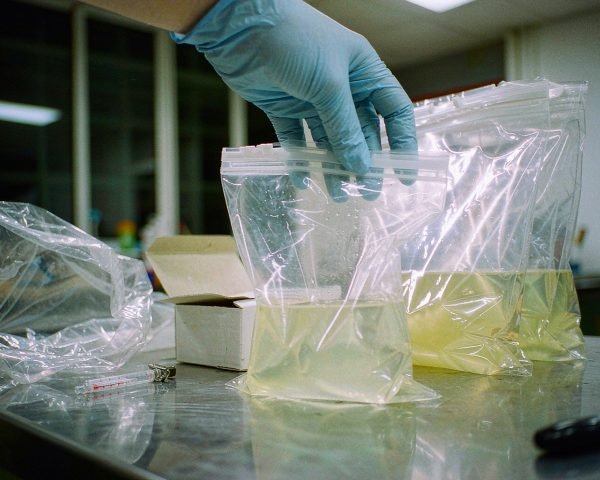

Somewhere between the sampling site and your bench, a sample can pick up a whole second life of microbes that were never in the original material. Sterile sampling bags exist to stop that. They’re one of the least glamorous consumables in the lab, and one of the few where a 30-cent failure can invalidate an entire day of fieldwork.
The Short Answer
A sterile sampling bag is a single-use polyethylene pouch, gamma-irradiated or gas-sterilized, that collects and carries samples contamination-free. They show up in dairy plants, water plants, and pharma facilities, anywhere a sample’s microbial story has to survive the trip to the lab.
Why care about a plastic bag? Because sampling is the one step you can’t repeat cheaply. If a vial breaks, you rerun the injection. If a field sample gets contaminated, you’re driving back to the site, and sometimes the site won’t let you. A discharge permit, a product release, a regulatory result all ride on that bag doing its job.
So What Exactly Is a Sterile Sampling Bag?
Picture a tough, flat pouch made of clear polyethylene film, usually 2 to 4 mil thick (that’s roughly 0.05 to 0.1 mm). It comes sealed and sterile, most often with a built-in closure: a tape-and-wire tab you fold over tightly to seal the top, like the classic Whirl-Pak design that has been around since the 1960s. Some versions use a screw-cap spout molded into the corner instead, which makes pouring into a beaker or bottle a lot less messy.
The sterility comes from the factory, not from you. Bags are sterilized by gamma irradiation or ethylene oxide and shipped sealed, often individually wrapped so a full pack stays sterile after you pull one out in the field. Most carry a write-on strip with a paper-like finish so a regular pen won’t smear, and volumes run from about 90 mL up to several liters for bulk or blended samples. The temperature window is wider than people expect: good bags handle freezing down to cryogenic temperatures but shouldn’t be used above roughly 80°C, so they’re never an autoclave substitute. If you want to see a typical spec sheet, Fisher Scientific lists a Whirl-Pak stand-up sample bag with the full breakdown: 4 mil film, 2 L capacity, gas sterilized.
Where Labs Actually Use Them
Food and dairy sampling
This is the classic use case. Quality teams pull raw milk, meat, produce, and finished product samples into sterile bags, then the bag goes straight into a stomacher or blender at the lab, homogenizing the sample inside the bag itself. No transfer step, no extra vessel to wash and sterilize. FDA’s own lab methods, including the Bacteriological Analytical Manual, are built around this collect-and-blend workflow.
Environmental water sampling
Field techs collecting surface water, wastewater effluent, or drinking water use sterile bags constantly, and many come pre-dosed with sodium thiosulfate to neutralize chlorine so the microbiology doesn’t keep dying after collection. The bags are also approved containers for many of the analytical methods under the Clean Water Act, which matters when your result ends up in a compliance report. For a broader look at the consumables this kind of work pulls in, we’ve written a full environmental testing lab consumables guide.
Pharma, veterinary, and surface sampling
In pharma and food plants, sterile bags hold the swabs used in surface monitoring: a technician swabs a piece of equipment, drops the swab into the bag with diluent, and the lab plates it or runs it through a rinse. The same pattern shows up in veterinary and agricultural work, from feed sampling to carcass rinses. Even ISO sample-prep guidance for microbiology, like ISO 6887-1, assumes samples arrive in clean, sterile primary containers.
The Features That Actually Matter
Not every sterile bag is equal, and the differences show up at the worst times:
- Film thickness. Thin 2 mil film is fine for liquids; sharp or frozen samples (frozen berries, meat trim, ice cores) want 4 mil or a double-wall bag.
- Leak resistance. Look for puncture-proof tabs that keep the wire closure from poking through the film. A bag that leaks in a cooler ruins everything it touches.
- Closure style. Tape-and-wire tabs seal fast but need the right technique; screw-cap spouts cost more and are far easier to pour from without dripping down the outside.
- Write-on area. A proper write-on strip survives coolers, condensation, and gloved hands better than a sticky label slapped on wet film.
- Volume and format. Standard bags run from roughly 90 mL to 2 L, with stand-up and filtered homogenizer variants for specific workflows.
- Tamper evidence. For chain-of-custody samples, some bags include numbered seals or security tape, so you can prove nobody opened them in transit.
One detail people miss: how you close the bag matters as much as the bag itself. Manufacturers instruct users to fold the wire tab over tightly four to five times, and I’ve seen samples soak a shipping cooler because someone folded it twice and called it good.
Sterile, Low-Bioburden, or Clean: What Each Claim Means
Bags get sold with three levels of “cleanliness,” and the price gaps between them are large. A clean bag is just manufactured under decent hygiene with no sterilization step. A low-bioburden bag has a reduced but unverified microbial load. A sterile bag carries a validated sterility assurance level, typically SAL 10⁻⁶, meaning less than a one-in-a-million chance of a viable organism surviving. For any sample where the microbiology result matters, only the last one qualifies. We break down exactly what each term guarantees in our sterile vs low-bioburden explainer, and if you’re curious how sterilization methods differ, our gamma-irradiated vs autoclaved comparison covers the underlying science.
Using Them Right in the Field
The bag is sterile. Your hands, the sampling tap, and the inside of your truck are not. Good technique is mostly about not undoing the manufacturer’s work:
- Open the bag at the tear line or pouch without touching the inside, and never let the closure tab contact the sample or the source.
- Grab bags labeled for the job: thio-treated bags for chlorinated water, filtered bags when the lab will homogenize, stand-up bags when you need both hands free.
- Double-bag anything sharp, frozen, or legally sensitive. The outer bag takes the abuse so the sterile inner bag doesn’t have to.
- Mind holding time and temperature. Most microbiological samples want cooling to 2 to 8°C and analysis within 24 hours; some analytes have much tighter windows.
That last point is where field programs live or die. Years ago I watched a routine compliance sample ride back from a rural site in a closed van on a summer afternoon, no cooler, because the ice packs were left at the office. The bag itself performed perfectly. The sample didn’t: the lab flagged temperature abuse, the result couldn’t be defended, and the plant spent a week re-sampling under regulatory scrutiny. The consumable did its job; the process around it failed. Transport planning is its own skill, and our guide on shipping lab samples safely walks through it.
What to Check Before You Buy
If you’re sourcing sterile bags, a short checklist keeps you out of trouble:
- Sterility documentation. Ask for certificates showing the SAL and sterilization method, plus lot numbers you can trace.
- Material and additive specs. Food-contact and water sampling call for compliant polyethylene; chlorinated water sampling wants thio treatment built in.
- Packaging format. Individually wrapped bags cost more per unit and pay for themselves the first time a field kit sits in a damp truck for a month.
- Closure and volume range. Match the closure to who’s actually sampling. Techs who pour samples daily will fight you over wire tabs.
- Minimums and lead times. Bags are cheap and bulky; realistic storage space matters more than a slightly better unit price at container quantities.
Conclusion
Sterile sampling bags are about as simple as lab consumables get, and that’s exactly why they’re easy to under-specify. The film thickness, the closure, the sterility claim, and the way your team actually closes and transports the bag decide whether a sample arrives as evidence or as garbage. Pick bags matched to your matrix and workflow, insist on real sterility documentation, and train the field technique with the same care you train bench methods. When you’re ready to look at the wider kit that supports field and lab sampling, our environmental testing consumables guide and the sample shipping guide are both good next stops.
Frequently Asked Questions
Are sterile sampling bags really sterile all the way to the lab?
They’re sterile as manufactured, with a validated SAL (typically 10⁻⁶), but only until the packaging is opened or the seal is compromised. Store them sealed, check the expiry date, and discard any bag with damaged packaging.
Can I reuse a sterile sampling bag?
No. They’re single-use by design: the film and wire closure deform after one sealing cycle, and any residue from the first sample contaminates the next. Reuse also voids the sterility claim that justified using the bag in the first place.
What’s the difference between a standard bag and a filtered homogenizer bag?
A standard bag just holds the sample. A filtered (or “full-page filter”) bag has a built-in perforated layer that catches solids when the sample is blended, so the lab can pipette a clear suspension without a separate straining step.
Do I need a thio bag for every water sample?
Only for chlorinated sources, like treated drinking water or wastewater effluent. The sodium thiosulfate neutralizes residual chlorine, which would otherwise keep killing bacteria after collection and bias your microbial count low. For untreated surface water, a standard sterile bag is fine.
How full can I fill a sampling bag?
Leave headroom, usually filling to about three-quarters of the rated volume. Overfilled bags stress the wire closure and the corner seals, and a full bag has no room to expand if it’s frozen in transport.