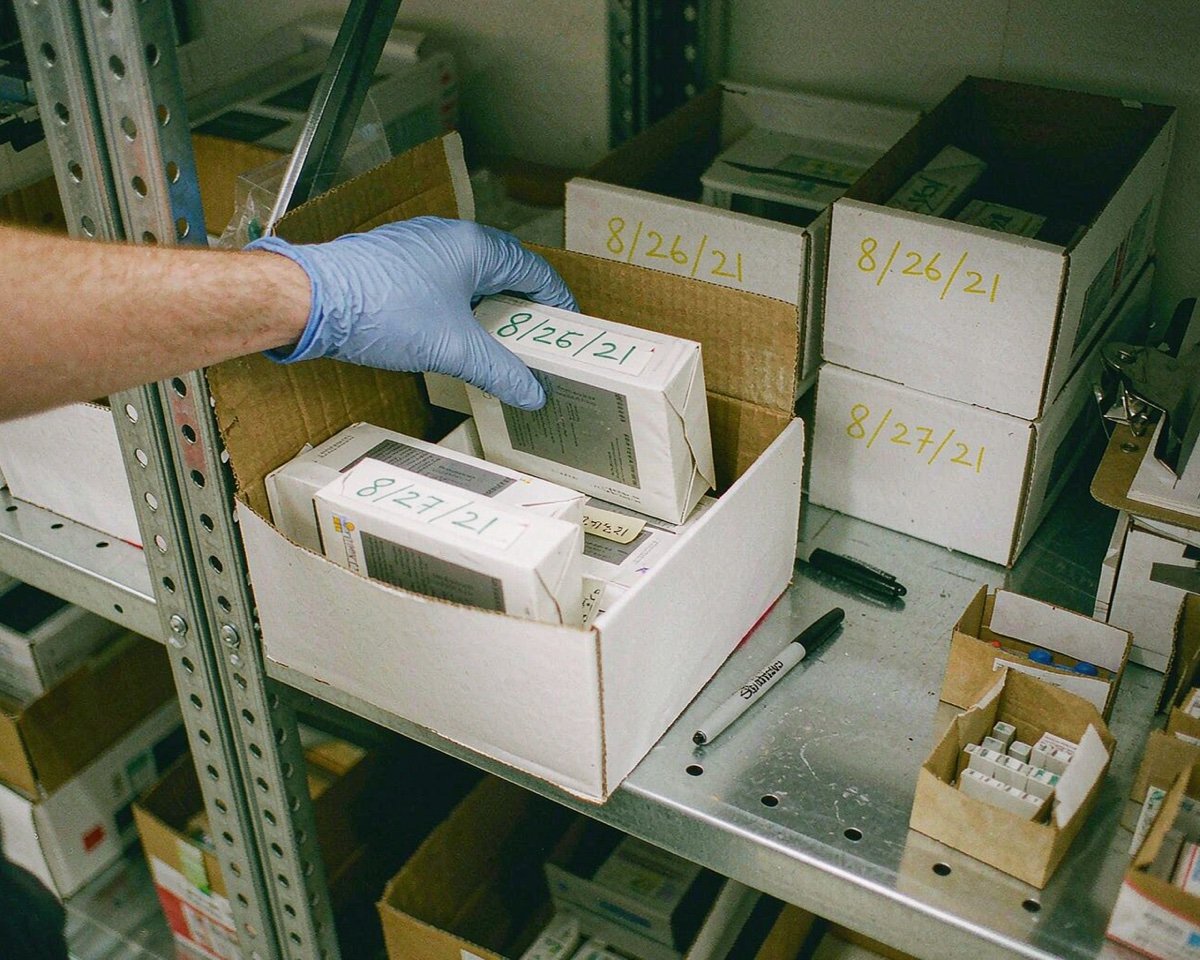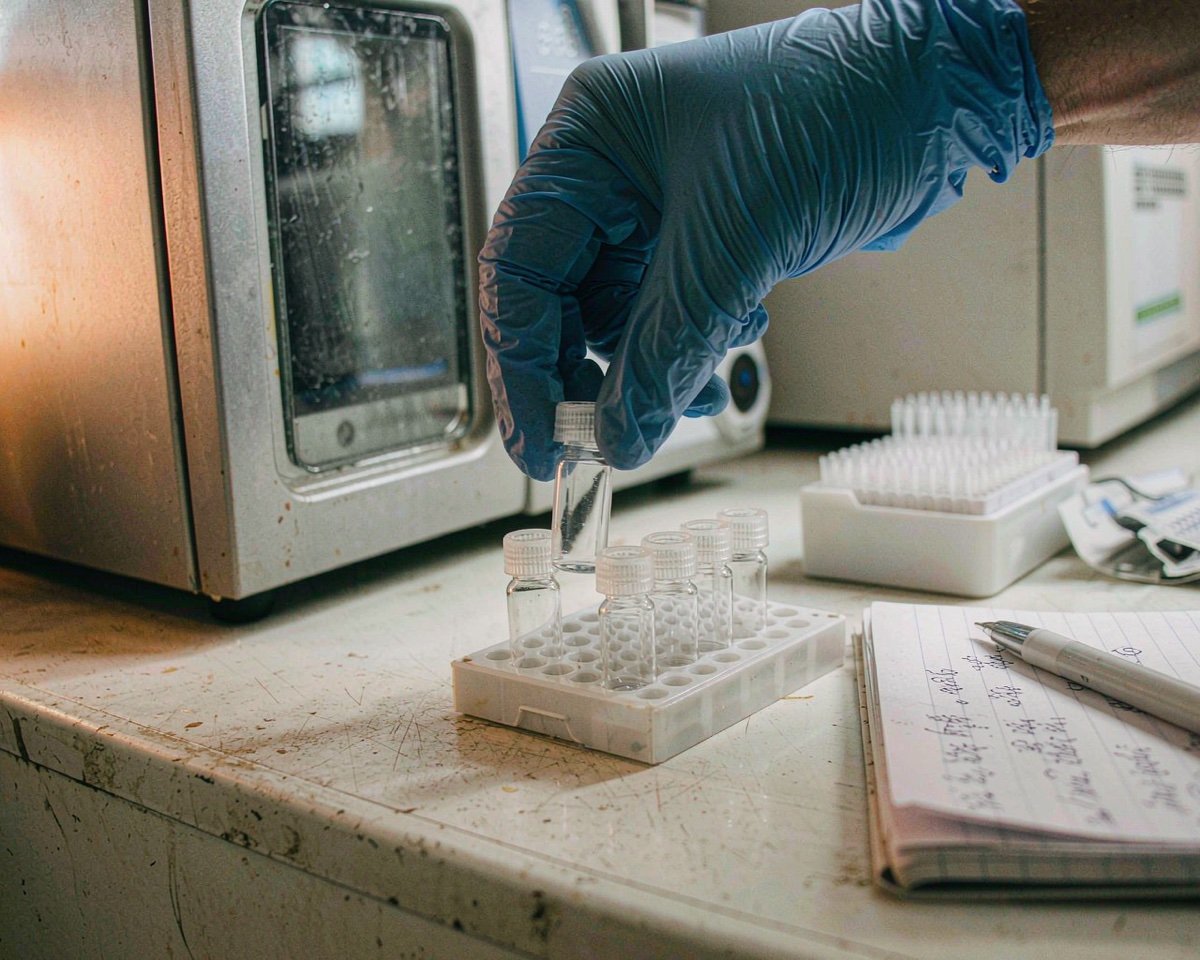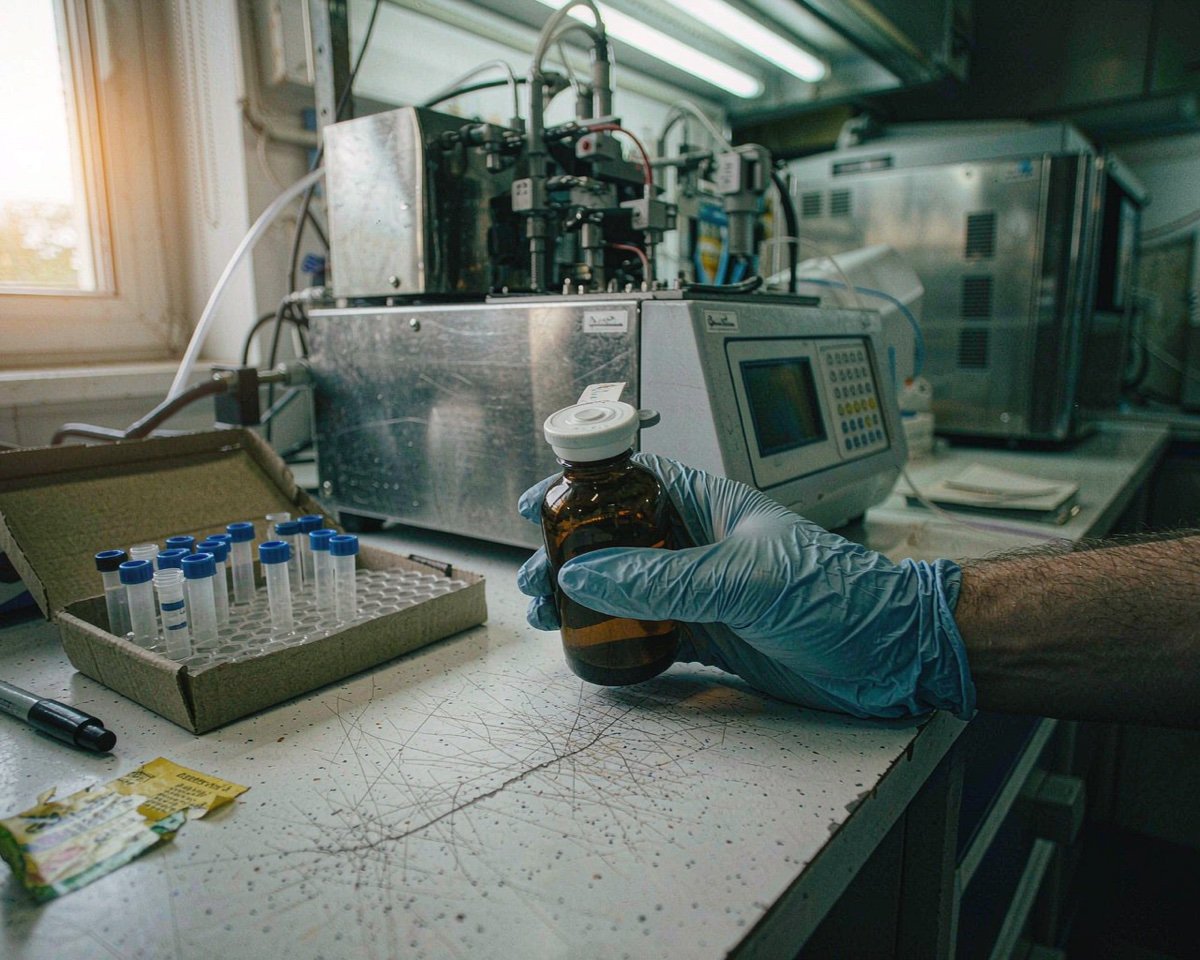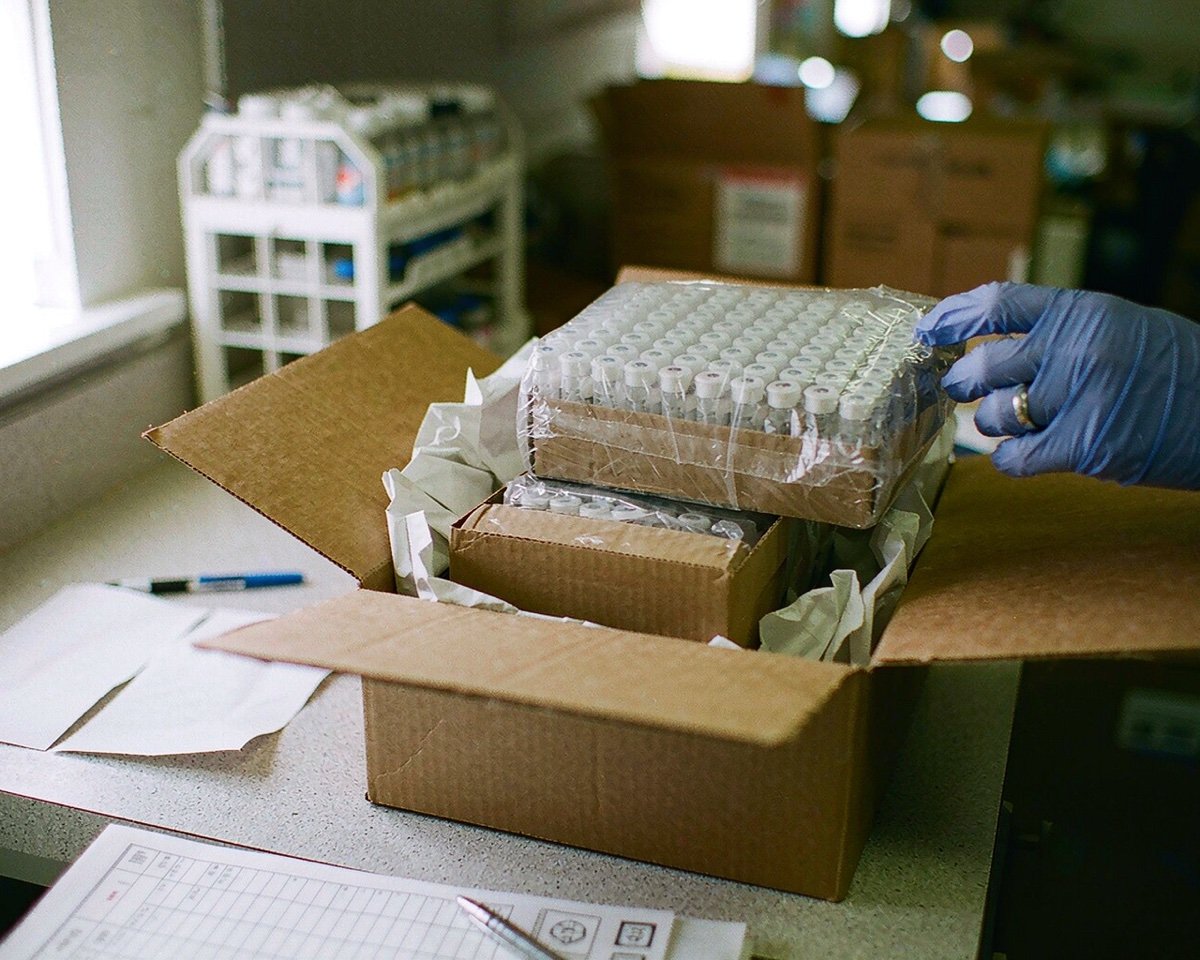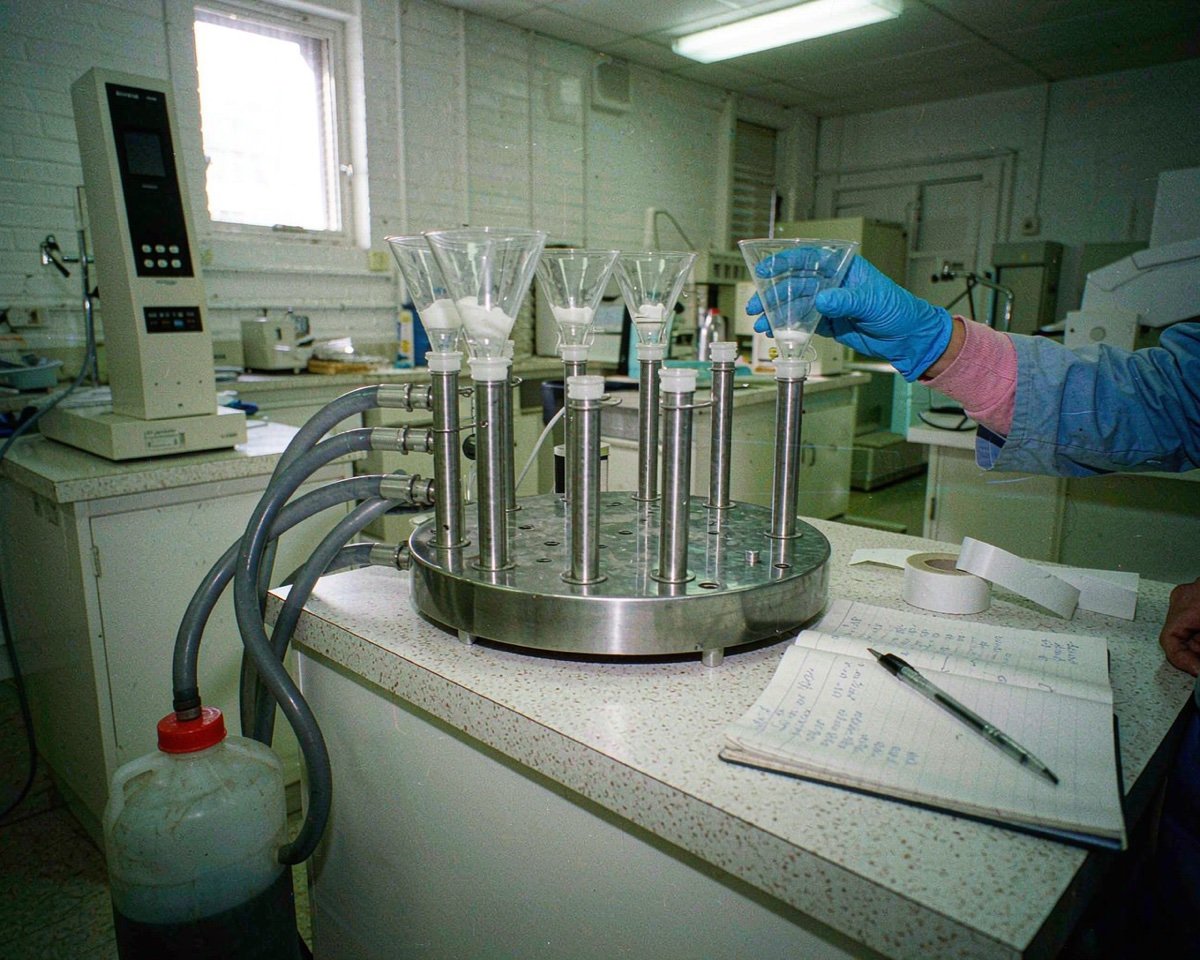
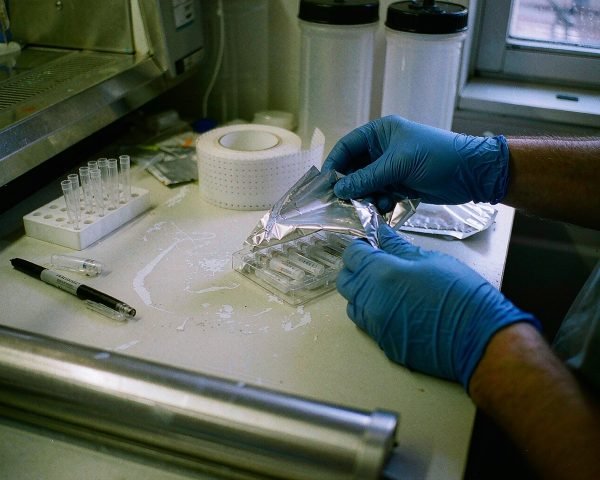

Walk down a consumables aisle and you’ll see three overlapping labels: sterile, non-sterile, and low-bioburden. They sound like three grades of the same promise. They’re not, and buying the wrong one either wastes money or leaves a gap in your process.
Short answer: “sterile” means the item passed a validated sterilization process and is free of viable organisms as tested; “non-sterile” means no microbiological claim at all; “low-bioburden” means the manufacturer minimized the organism count before your own sterilization step, but the item is not itself sterile.
Read on for what each claim is actually backed by, and how to match it to your workflow.
What “Sterile” Actually Certifies
Sterile is the strongest of the three claims, and it’s defined by absence of viable microorganisms after a validated process, usually gamma irradiation, ethylene oxide, or autoclaving by the manufacturer.
The release testing typically follows USP <71> Sterility Tests, which samples a defined number of units per lot and incubates them in culture media. Here’s the nuance most people miss: a sterility test is destructive and statistical. The lab tests a sample of the lot, not every vial. Sterility assurance really comes from the validated process itself, and the test confirms the process held.
Practical consequences for buyers:
- The claim applies to the unopened package. The moment you open it in a non-aseptic environment, you own the contamination risk.
- Sterile products have a defined shelf life tied to the packaging, because the barrier is what maintains the claim.
- Certificates should state the sterilization method and, for irradiated products, the dose.
I once watched a cell culture tech pre-wet a “sterile” 0.22 µm filter with tap water to speed things up. The filter was sterile. The tap water was not. The claim survived shipping and sat at 99.999% until the first human touched it.
What “Non-Sterile” Means (and Doesn’t)
Non-sterile is not a claim; it’s the absence of one. The manufacturer is not asserting anything about microbial load.
That’s not a defect. For HPLC vials, most caps, spatulas, and general glassware, nobody needs sterility. Your mobile phase isn’t sterile either, and your samples have been sitting in a fridge full of microbes all week. Sterility costs money in packaging, validation, and shelf-life management, so paying for it where the method doesn’t require it is just waste.
The failure mode is ordering non-sterile by accident for a use that needs the claim. It usually happens when someone reuses an old part number or assumes “lab grade” includes sterility. Check the line item, not the category photo.
What “Low-Bioburden” Actually Guarantees
Low-bioburden (sometimes “bioburden-reduced” or “low particulate”) sits between the two. The manufacturer has minimized the microbial and often particulate load, but stopped short of a sterility claim.
Who needs it? Labs that run their own terminal sterilization or aseptic processing downstream:
- Media and buffer prep where the bottle will go through your autoclave anyway.
- Aseptic filling operations that rely on their own validated process.
- Workflows feeding into microbial limits testing, where incoming bioburden would inflate your background counts.
For pharma component testing, the incoming material controls in 21 CFR 211.84 are a useful mental model: you either test materials against your use or control them by specification. Low-bioburden is a specification that says “small enough starting load that my downstream control works.”
The claim is usually expressed as a CFU limit per unit or per surface area. If the datasheet doesn’t give a number or a method, it’s a marketing word, not a specification. Ask for the bioburden test data.
Matching the Claim to the Workflow
The decision is simpler than the labels suggest. Ask one question: does anything after this consumable kill or exclude microbes?
- If yes, and your process is validated to do it: low-bioburden or even non-sterile is fine. Your autoclave or 0.22 µm filtration is the control.
- If no, and the consumable touches the sample, cell culture, or a patient-facing product: sterile, no substitutions.
- Analytical-only work on chemically preserved samples: non-sterile, and don’t overthink it.
The gray zone is filtration itself. A sterile versus non-sterile syringe filter choice depends on whether the filtrate needs to remain microbe-free, not whether the sample was dirty going in. Filtration of a dirty sample through a sterile filter gives you a particle-free, microbe-free filtrate. Filtration through a non-sterile filter only guarantees the first part.
There’s also a durability question: how the sterilization was done affects what you can do with the product later. Our comparison of gamma-irradiated versus autoclaved consumables covers why a gamma-sterilized PP tube behaves differently from one you re-autoclave at home.
The Paperwork Behind Each Claim
When a certificate backs these claims, it should say more than “sterile.” For sterile products, look for the sterilization method, the release test reference, and the expiration or retest date of the sterile barrier. For low-bioburden products, look for the CFU limit and the enumeration method.
Two adjacent claims people often lump in here are worth separating. DNase- and RNase-free consumables carry a nuclease claim, which has nothing to do with sterility; an irradiated tube can still harbor active RNase if the manufacturing didn’t control for it. And endotoxin is another axis entirely: FDA’s endotoxin testing Q&A exists largely because people conflate the two claims. Sterile does not mean endotoxin-free, because dead organisms leave their endotoxin behind. Our low-endotoxin claims guide covers that axis in depth. Four axes, four separate claims.
Where Labs Get This Wrong
The two common mistakes are mirrors of each other.
Labs under-buy: someone in a cell culture or sterility-testing workflow grabs non-sterile consumables because they were in stock, and the contamination shows up days later as growth in a blank. Labs over-buy: a routine HPLC lab pays a 30-50% premium for sterile vials and then stores them open on the bench, which erases the claim anyway while shrinking the shelf life budget.
A quick audit I’ve suggested to a few labs: pull your last three consumable POs and write next to each line item whether anything downstream of it controls microbes. If the answer is “nothing” and the item says sterile, you’ve found budget. If the answer is “my assay result” and the item says nothing, you’ve found risk.
Conclusion
Sterile, non-sterile, and low-bioburden answer three different questions: certified organism-free, no claim, and controlled starting load. Match the claim to whether your own process, not the vendor, is the contamination control, and make the certificate state the method and the numbers rather than the adjective. Sterile products deserve shelf-life tracking the moment they arrive; low-bioburden products deserve a datasheet with an actual CFU limit; non-sterile products deserve to be priced accordingly. Run the PO audit described above and you’ll usually find both waste and one genuine gap. Next, read our breakdown of sterile vs non-sterile syringe filters for the most common decision point, and the gamma vs autoclave comparison to understand what your sterilization method does to the plastic underneath the claim.
Frequently Asked Questions
Does sterile mean endotoxin-free?
No. Sterility means no viable organisms; endotoxin is a heat-stable fragment of dead Gram-negative bacteria that sterilization doesn’t remove. Products that need both claims must be tested and certified for each separately.
Can I autoclave a non-sterile consumable to make it sterile?
Sometimes, but only if the material survives the cycle and the manufacturer’s instructions permit it. Polypropylene generally tolerates autoclaving; many caps, septa, and filters do not. Autoclaving an unsuitable item gives you a deformed product, not a sterile one.
What does low-bioburden actually specify?
It should specify a maximum microbial count (in CFU) per unit or area, verified by a defined enumeration method. If a product is only labeled “low-bioburden” with no number and no method, treat it as marketing language and ask for data.
Do sterile consumables expire?
Yes, in the sense that the sterile barrier packaging has a validated shelf life. The contents don’t spoil, but the guarantee of sterility is only as good as the seal, so vendors date the packaging and you should respect the date.
Which claim do HPLC vials need?
Almost always non-sterile. HPLC samples are preserved or will pass through a column and detector where microbial content doesn’t affect the result. Reserve sterile vials for workflows where the vial itself must not seed contamination, such as sterility testing support.