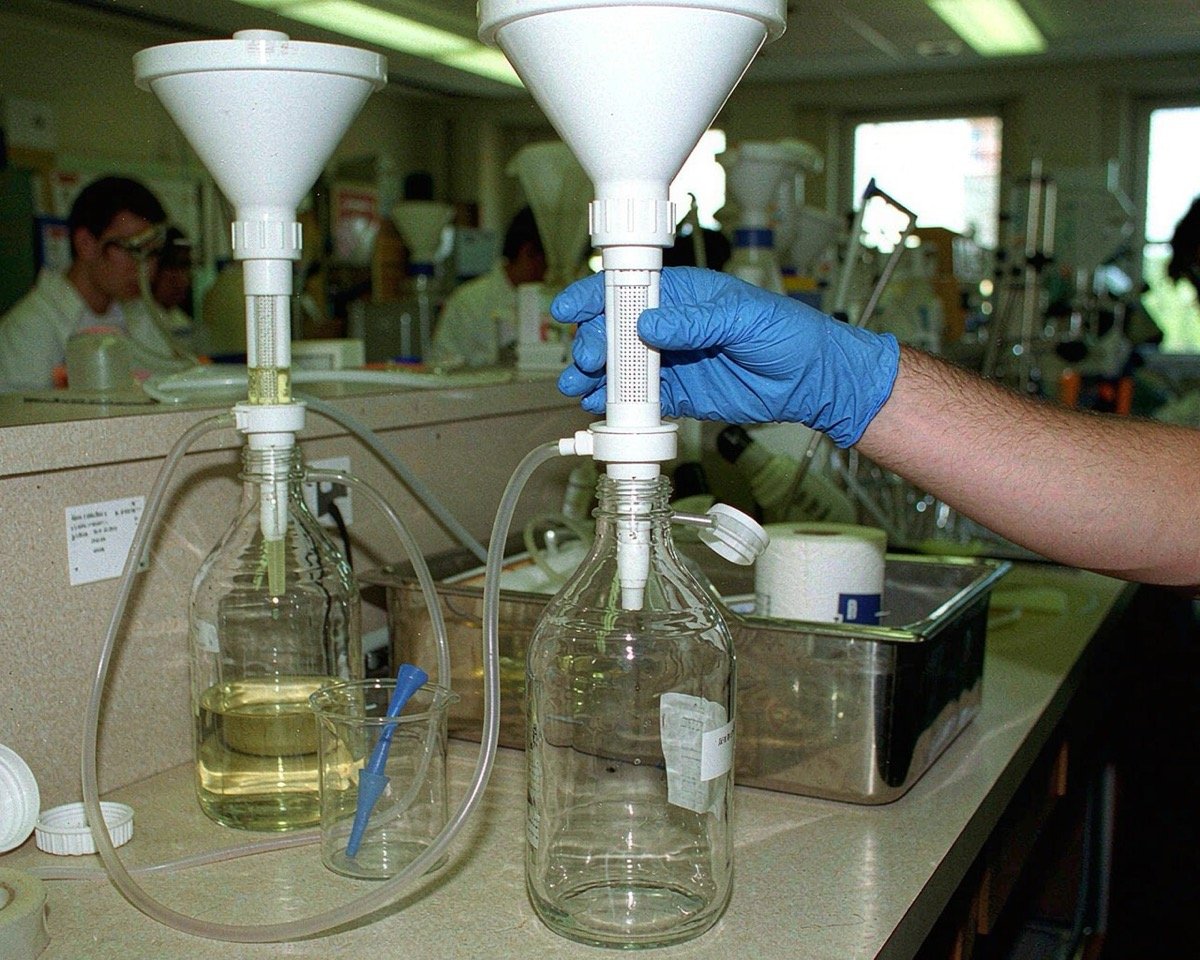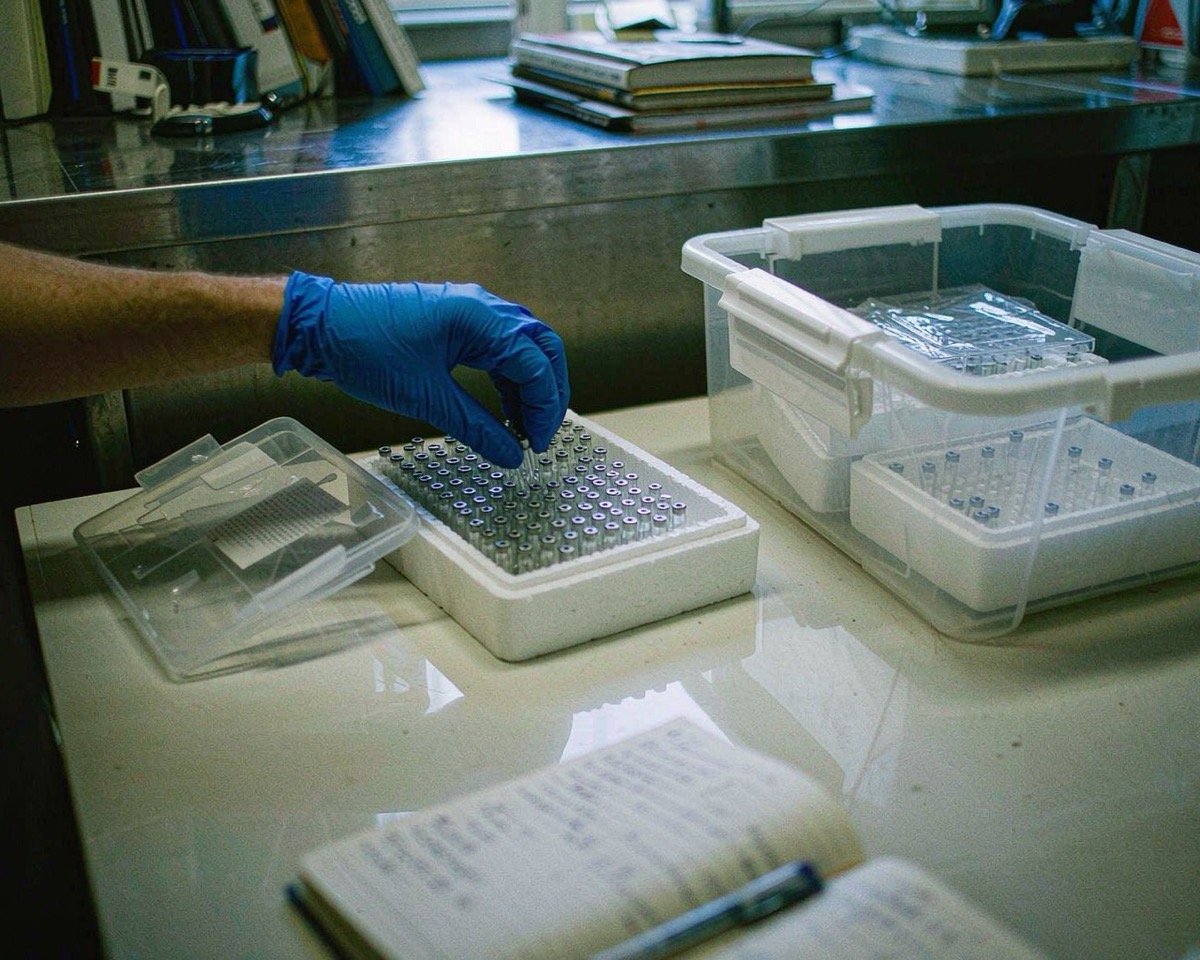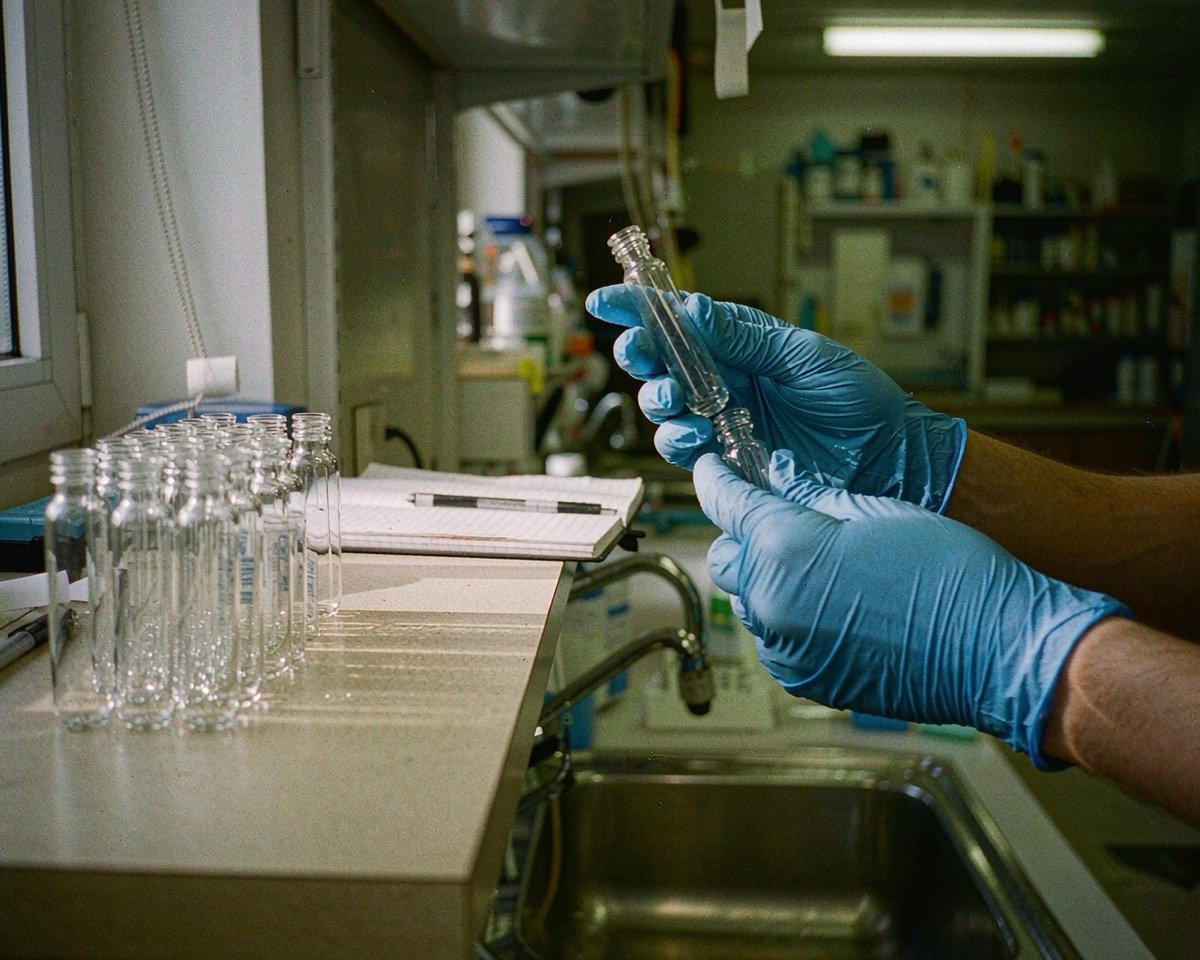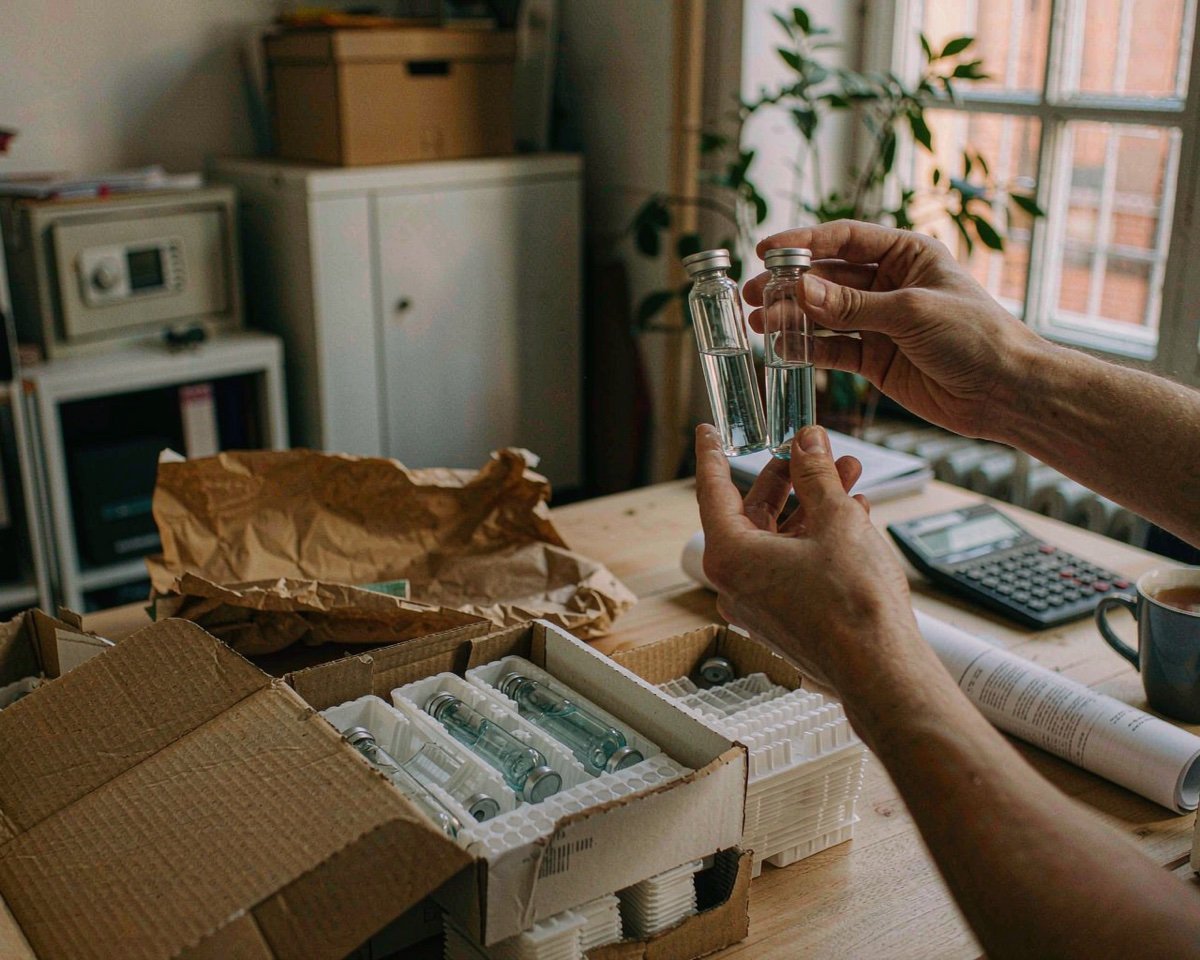
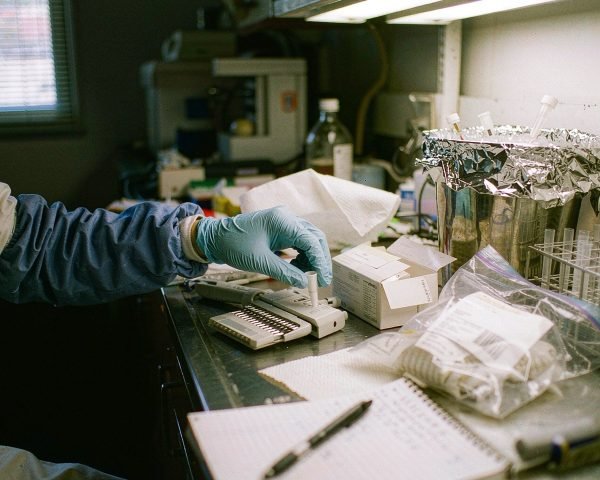

In my second year at the bench, an entire plate of qPCR runs came back with curves that looked like static. The enzyme kits were fine. The thermal cycler was fine. Someone had repacked a box of pipette tips from an open sleeve, and RNase from bare hands rode those tips straight into every RNA prep on the deck. One box of tips, three days of repeats.
That experience is why I read the DNase/RNase-free line on a box more carefully than most people read price tags.
The short answer: DNase- and RNase-free consumables are single-use plastics tested to confirm they carry no detectable nuclease activity. They matter most for RNA work, low-copy DNA assays, and any workflow where a trace of enzyme could degrade your sample before analysis. For routine protein chemistry or general HPLC sample prep, the claim is nice to have rather than necessary.
What the Labels Actually Mean
Three phrases get used loosely, so it helps to pin them down.
DNase-free means the item was tested for deoxyribonuclease activity, the enzymes that chop DNA. RNase-free means the same for ribonucleases, the enzymes that chop RNA. “Nuclease-free” usually covers both. “PCR-clean” is a different and weaker claim: it generally means tested for DNA contamination and PCR inhibitors, not necessarily nuclease-free.
Testing matters because the enzymes are not equally fragile. As the Ambion technical article on RNase sources puts it, RNases are highly stable, do not require cofactors, and survive conditions that would denature most proteins. Autoclaving, which kills nearly everything else in a lab, does not reliably destroy RNase activity. That single fact is why “we autoclave our tubes” is not an argument.
Where the Contamination Comes From
The uncomfortable truth is that your own hands are a primary source. Skin, perspiration, and hair all carry nucleases, which is why gloved technique and frequent glove changes are standard in RNA work. Bench surfaces, pipettors, and door handles harbor the enzymes too.
Plasticware adds its own pathways. Tips repacked from bulk into open racks in the lab pick up whatever is in the air and on the bench. Tubes manufactured without cleanroom controls can carry nuclease residue from the molding environment. And anything stored uncovered in an open lab accumulates contamination over weeks.
The economics are worth noticing. A certified box of tips costs maybe twenty percent more than uncertified. A ruined RNA extraction costs the sample, the reagents, the instrument time, and usually a second sample you do not have.
Who Genuinely Needs the Certification
Some of this is workflow-dependent, so here is the split as I see it after years of watching labs spend money in both directions.
Certification earns its keep when:
- You work with RNA in any form: RT-PCR, RNA-seq, transcriptomics, in vitro transcription. RNA degrades fast, and the practical guidance on RNase-free labware treats certified consumables as baseline survival equipment, not optimization.
- Your assays detect low-copy targets, where a small amount of degradation moves the Ct value or kills the signal entirely.
- Samples are precious or irreplaceable: biopsies, forensic material, rare cell lines, clinical trial aliquots.
- You run automated liquid handling at volume, where one contaminated box of tips can propagate across hundreds of wells before anyone notices.
You can usually skip the premium when:
- Your workflow is protein chemistry, general HPLC, or GC, none of which involve nucleic acids.
- Your PCR targets are abundant and the assay tolerates minor degradation.
- Work is at teaching-lab scale, where the learning objective survives an occasional failed run.
Testing depth varies between suppliers too. Some brands validate each lot with activity assays and human DNA background checks, as the consumable QC breakdown from Ace Biomedical describes, while others rely on process controls alone. Read the certificate before you trust the box. One nuance: molecular biology labs often need different certifications for different items. Filter tips and tubes for the RNA bench, ordinary autoclaved tubes everywhere else. Blanket-claiming the whole lab is how budgets die.
Certification Is Necessary but Not Sufficient
Here is where I see labs get burned. They buy certified consumables and then handle them in ways that undo the certification.
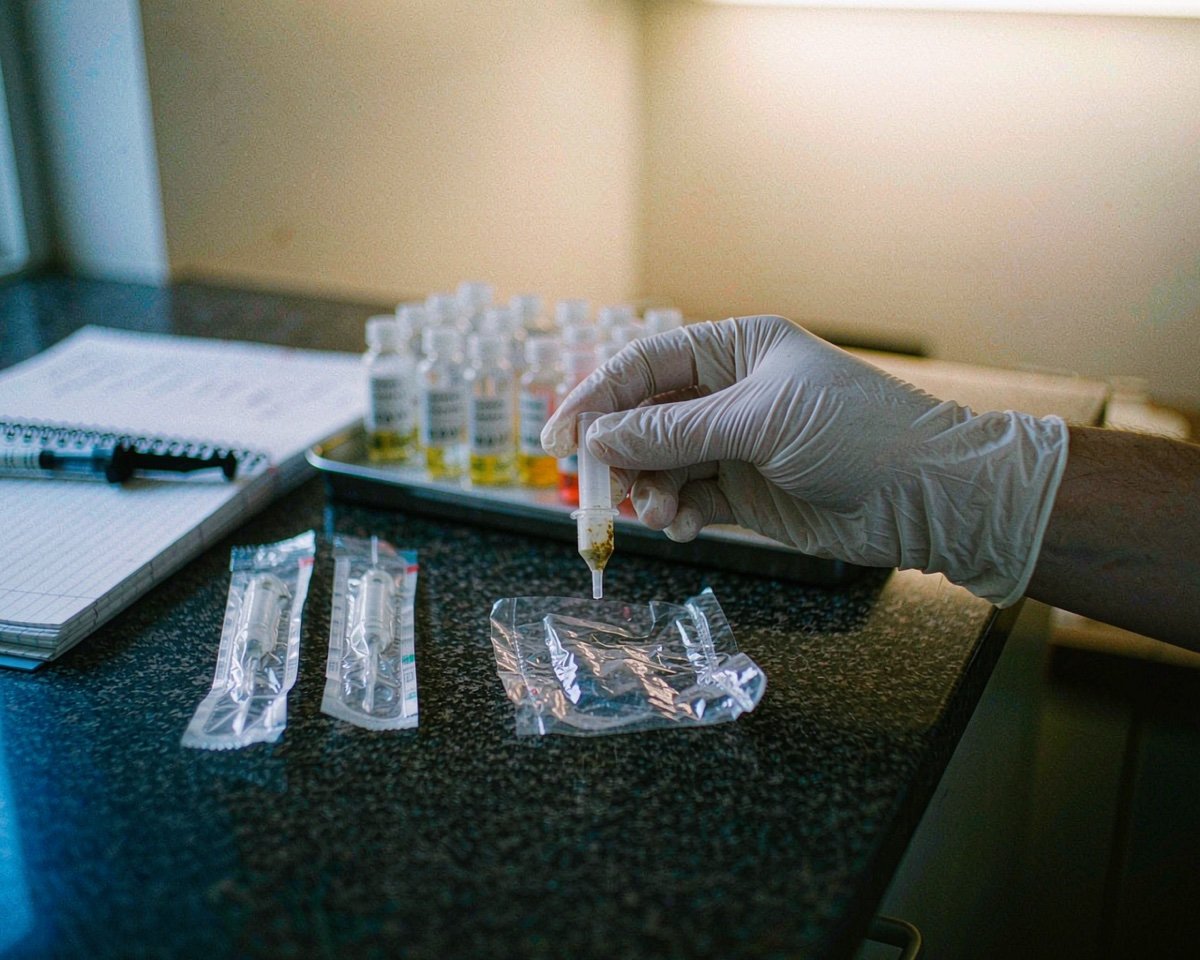
Opening a sleeve of tips and standing it open on the bench for a week is one classic. Reaching into a bag of tubes with gloves you wore at the bench is another. Certified does not mean armored; it means clean up to the moment you opened it. Keep containers closed, use clean technique when dispensing, and never let repacked tips into a nucleic-acid workflow.
Also keep the certification in proportion. The same logic applies to other cleanliness claims, and our guide to low-endotoxin consumables covers a parallel claim where the testing method and the workflow both determine whether the label means anything for you.
For consumables that touch cell culture before downstream nucleic-acid analysis, the media bottle selection guide covers the adjacent question of what clean means for culture work.
The Autoclaving Trap
Because autoclaving deserves its own warning, let me give it one.
Autoclaving sterilizes, and sterilization is not deactivation of RNase. Labs that sterilize their own tubes and assume they are RNase-free have made a category error. The Thermo Fisher’s RNase control guidance recommends dedicated RNase deactivation chemistries or certified disposables instead, and our piece on autoclaving HPLC vials and septa walks the same distinction for analytical consumables.
If budget forces a choice, buy certified where RNA touches plastic, and decontaminate surfaces and non-disposable equipment with commercial RNase-deactivating solutions.
Conclusion
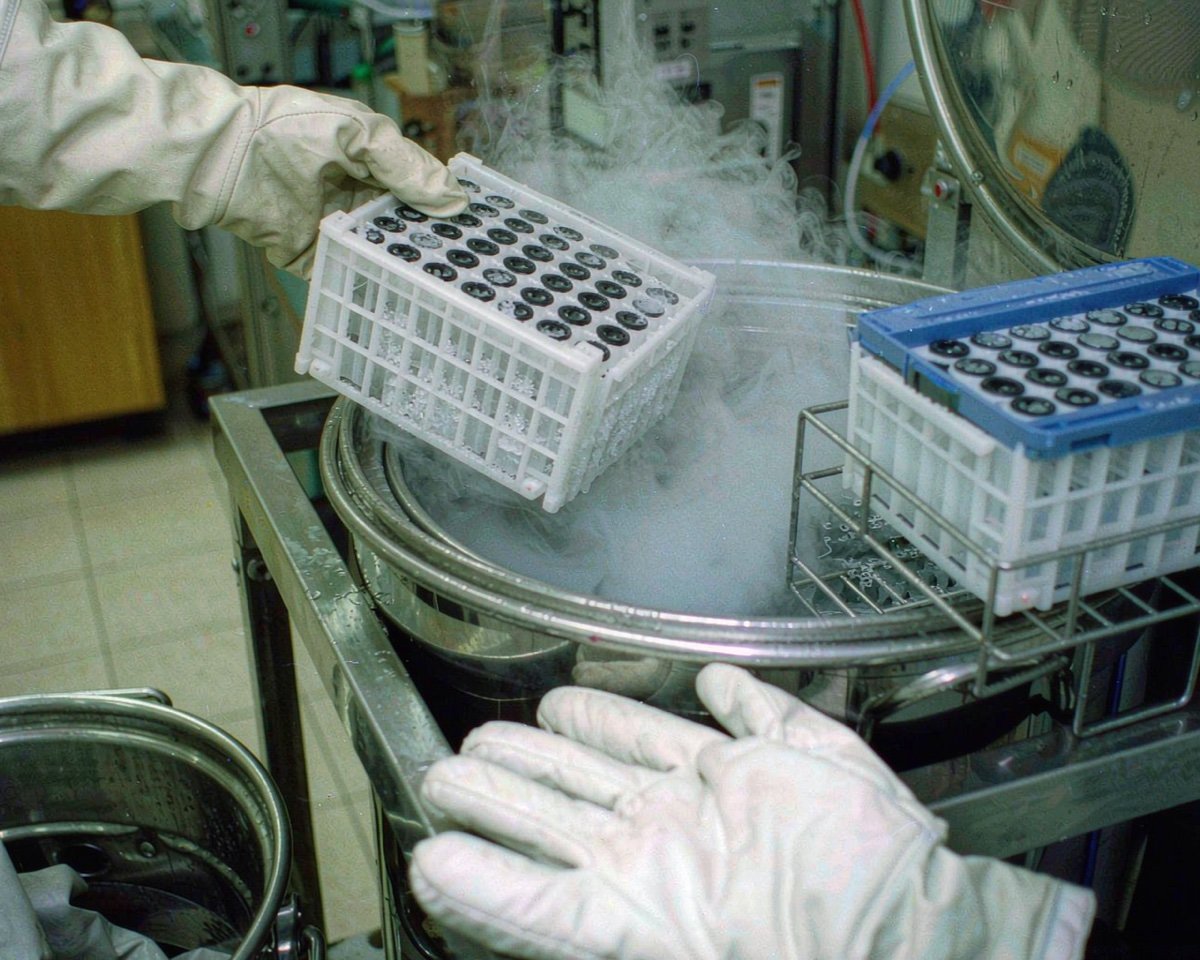
DNase- and RNase-free consumables are single-use plastics tested to carry no nuclease activity, and they are genuinely necessary for RNA work, low-copy nucleic-acid assays, and precious samples. The enzymes are too stable and the failure mode too expensive to leave to chance. Everywhere else, autoclaved ordinary plastic does the job fine, and spending the premium there is money that could buy certified boxes for the RNA bench. Match the claim to the workflow, keep the certified stock closed and handled cleanly, and never let anyone tell you that autoclaving substitutes for the certification. The same skepticism applies to how you store precious aliquots, where our cryogenic storage guide covers the container side of long-term sample care. If you audit your own lab against this list, you will usually find one drawer where the wrong kind of plastic is living next to an RNA kit. That drawer is your next experiment’s failure, found early.
Frequently Asked Questions
What does DNase/RNase-free mean on a box of tubes?
It means the manufacturer tested the product lot and found no detectable deoxyribonuclease or ribonuclease activity. The claim is lot-specific and documented, which distinguishes it from generic “sterile” labeling.
Does autoclaving make consumables RNase-free?
No. Autoclaving sterilizes by heat and pressure, but RNases are remarkably heat-stable and can refold after treatment. Certified RNase-free products or chemical decontamination are the reliable routes.
Are RNase-free and nuclease-free the same thing?
Nuclease-free usually covers both DNase and RNase, so it is the broader claim. RNase-free alone only guarantees the absence of ribonuclease. Check which claim your workflow actually requires before ordering.
Do filter tips need to be DNase/RNase-free for RNA work?
If the tips contact RNA or RNA-containing reagents, yes. The filter barrier protects against aerosol carryover, but the plastic itself still needs the nuclease-free certification for RNA workflows.