
# What Consumables Does Allergen Testing Need?
A missed allergen doesn’t announce itself. It shows up as a recall notice, and by then the only question left is whether your lab could have caught it sooner. This page walks through the consumables an allergen testing program actually depends on, from plate kits to the humble swab.
Allergen testing needs validated ELISA kits or lateral flow strips for each allergen you must control, plus extraction buffers, environmental swabs, pipette tips, sample containers, and ATP monitors for line clearance. Use consumables tied to an AOAC-validated method where one exists.
Below I break down each category, the regulations that shape your test list, and the small habits that keep cross-contact results believable.
The Detailed Answer
In a food lab, allergen testing is mostly protein testing. The analyte is the allergenic protein itself, so the workhorse methods are immunoassays: ELISA for quantitative results on finished product, lateral flow devices for fast qualitative checks on the line. That single fact drives most of your consumables list, because every immunoassay method drags a small fleet of supporting supplies behind it.
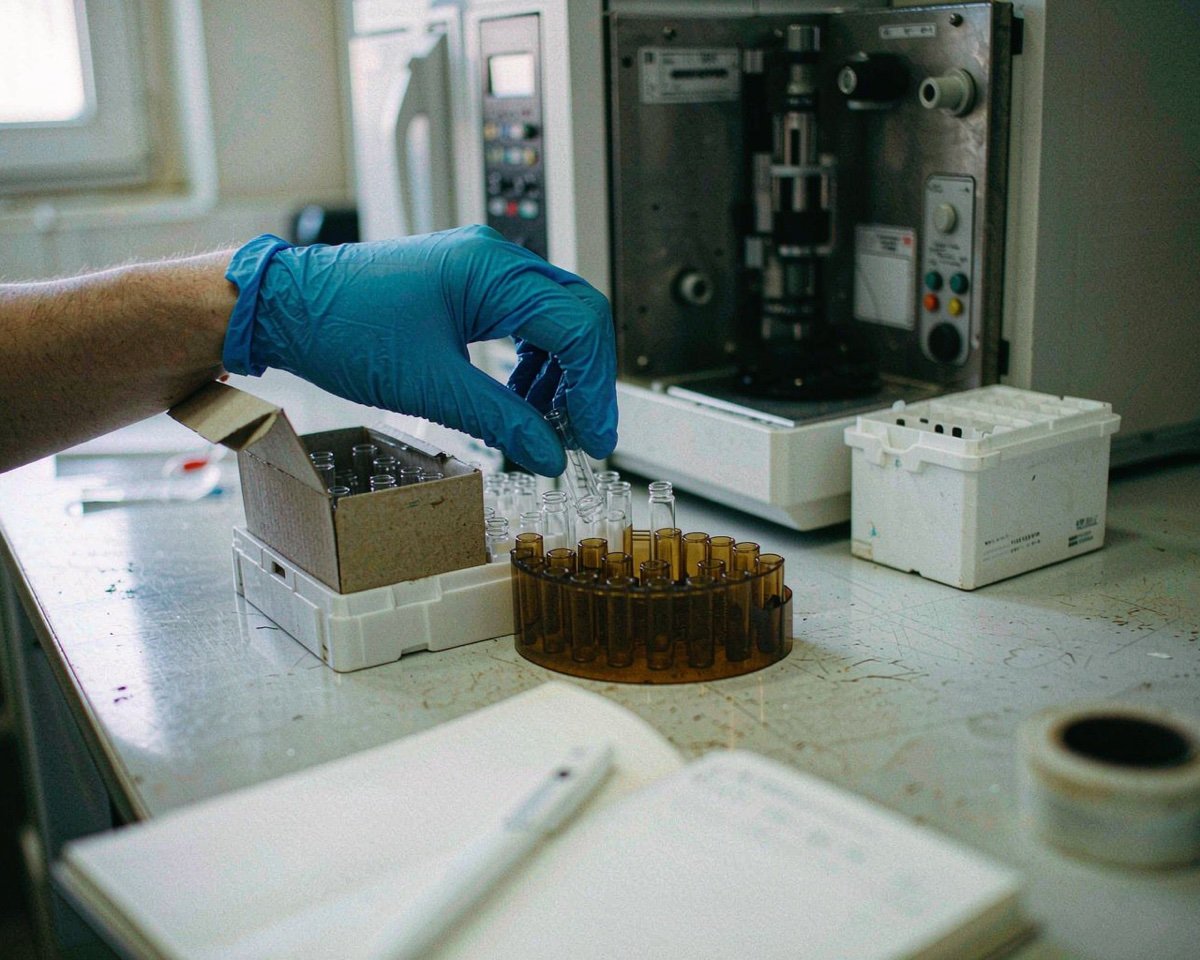
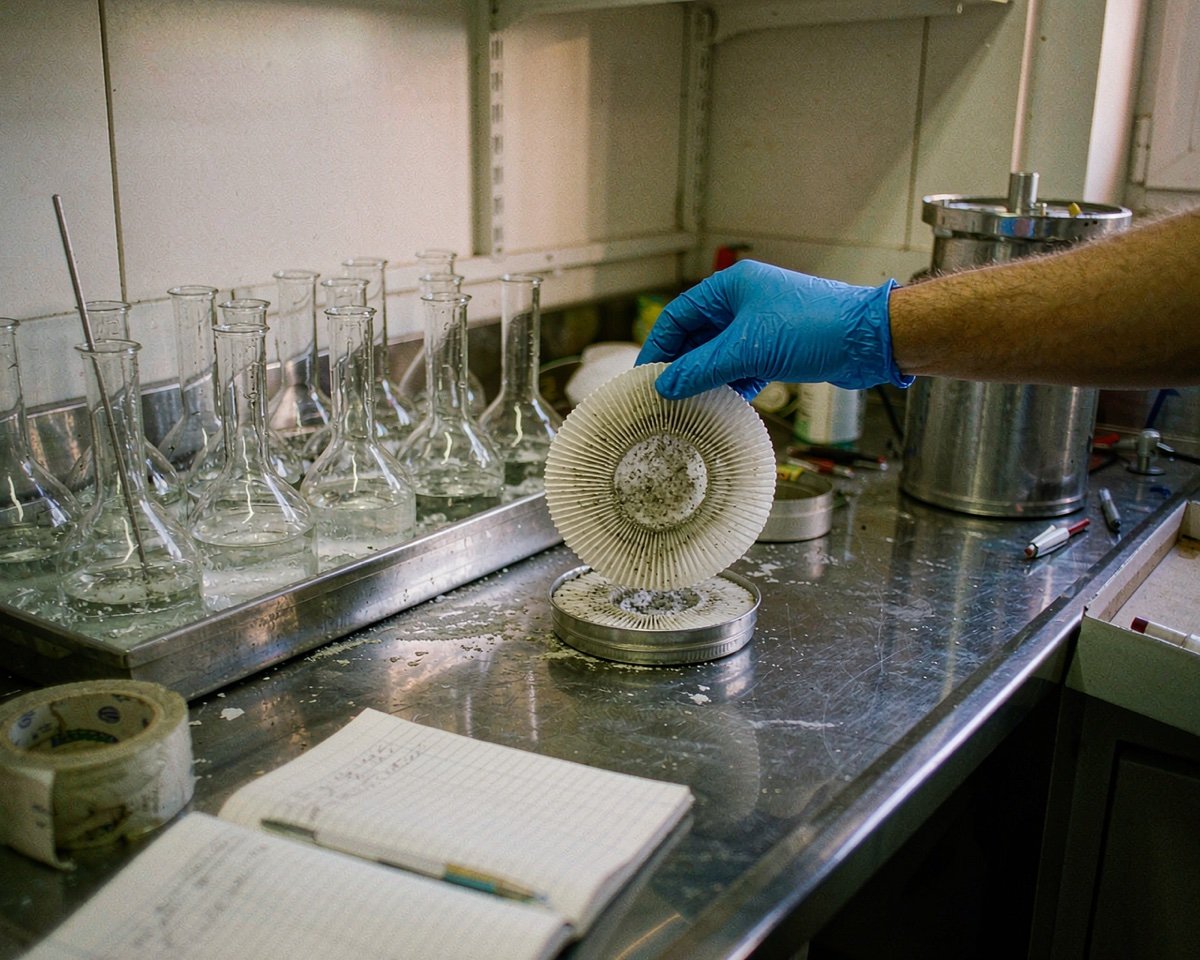
The raw materials are familiar. Coated microplates or test strips, antibody conjugates, substrates, wash and extraction buffers, controls. Around them sit the consumables that rarely get a second thought until one fails: pre-moistened environmental swabs, swabbing templates so two technicians sample the same area, polypropylene extraction tubes, filter tips, labeled sample containers, and sterile bags for bulk product. Rinse water testing after cleaning adds bottles and collection tubes to the pile.
None of this is exotic. But each item has a version that quietly ruins results, and the sections below point out which versions those are.
The Allergen List Shapes Your Kit Shopping
Your consumables list starts with a legal list, not a scientific one. In the United States, the FDA’s major food allergen rules cover nine allergens: milk, eggs, fish, crustacean shellfish, tree nuts, peanuts, wheat, soybeans, and sesame, with sesame added under the FASTER Act effective January 1, 2023. The EU is broader. Annex II of Regulation (EU) No 1169/2011 adds celery, mustard, lupin, molluscs, and sulphur dioxide above 10 mg/kg.
If your products ship to both markets, your kit freezer looks different from a US-only lab’s. Lupin and mustard ELISA kits sit next to the peanut and gluten boxes, and sesame kits became a purchase rather than a maybe. I’d map your shipping destinations against the label law first, then buy kits. Buying kits first is how labs end up with a drawer of plates they never run.
ELISA Kits and What Comes With Them
A commercial allergen ELISA kit is nearly self-contained. Thermo Scientific’s ELISA Systems peanut residue kit, for example, ships with 20X extraction solution concentrate, 20X wash buffer, enzyme conjugate, positive and negative controls, stop solution, substrate, and the coated test strips. You add lab water, tubes, tips, and a microplate reader.
Two consumable decisions matter more than the rest. The first is extraction buffer. High-polyphenol matrices like chocolate and red wine need a separate polyphenol-compatible extraction solution, or the protein binds up and your result reads falsely low. The second is validation status. Wherever an AOAC-validated kit exists, use it, and keep the certificate number in your method file. The AOAC Research Institute’s Performance Tested Methods program validates proprietary kit-based methods, and a multi-laboratory study published in the Journal of AOAC INTERNATIONAL (PubMed record here) verified three commercial peanut ELISA kits, including spiked samples at 5 µg/g, across breakfast cereal, cookies, ice cream, and milk chocolate.
One warning from the bench: treat every kit as presumptive until confirmed, because the kit insert says so and so does the fine print in every HACCP plan worth reading. If you need help stocking the non-kit side of an ELISA bench, our guide to what ELISA work needs covers plates, sealers, and reservoirs in detail.
Environmental Swabs and Swabbing Templates
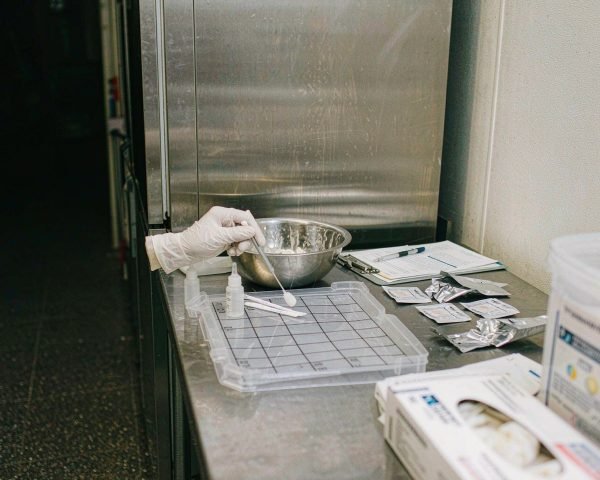
Cross-contact, not finished-product failure, causes most undeclared allergen recalls, which is why environmental swabbing is the heart of any allergen program. You need pre-moistened swabs (the kit makers sell matched swabs, and using them removes one argument from an audit), swabbing templates, usually a 10 x 10 cm stencil, and sterile sample bags for anything bulk.
The templates matter more than people expect. I once watched a “negative” line-clearance swab get repeated three times because two technicians swabbed different areas of the same conveyor, one a 10 cm square and one a freehand sweep about half a meter long. Three tests, three numbers, zero comparability, and a production window bleeding away while the QA manager decided who was right. A plastic stencil costs a few dollars and ends that argument permanently.
Swab the zones where residue actually hides: transfer points, gaskets, and anything two meters downstream of a depositor. If your swabbing practice overlaps with equipment cleaning checks, our article on cleaning validation sampling shows how the two programs share supplies.
Lateral Flow Devices for Line Clearance
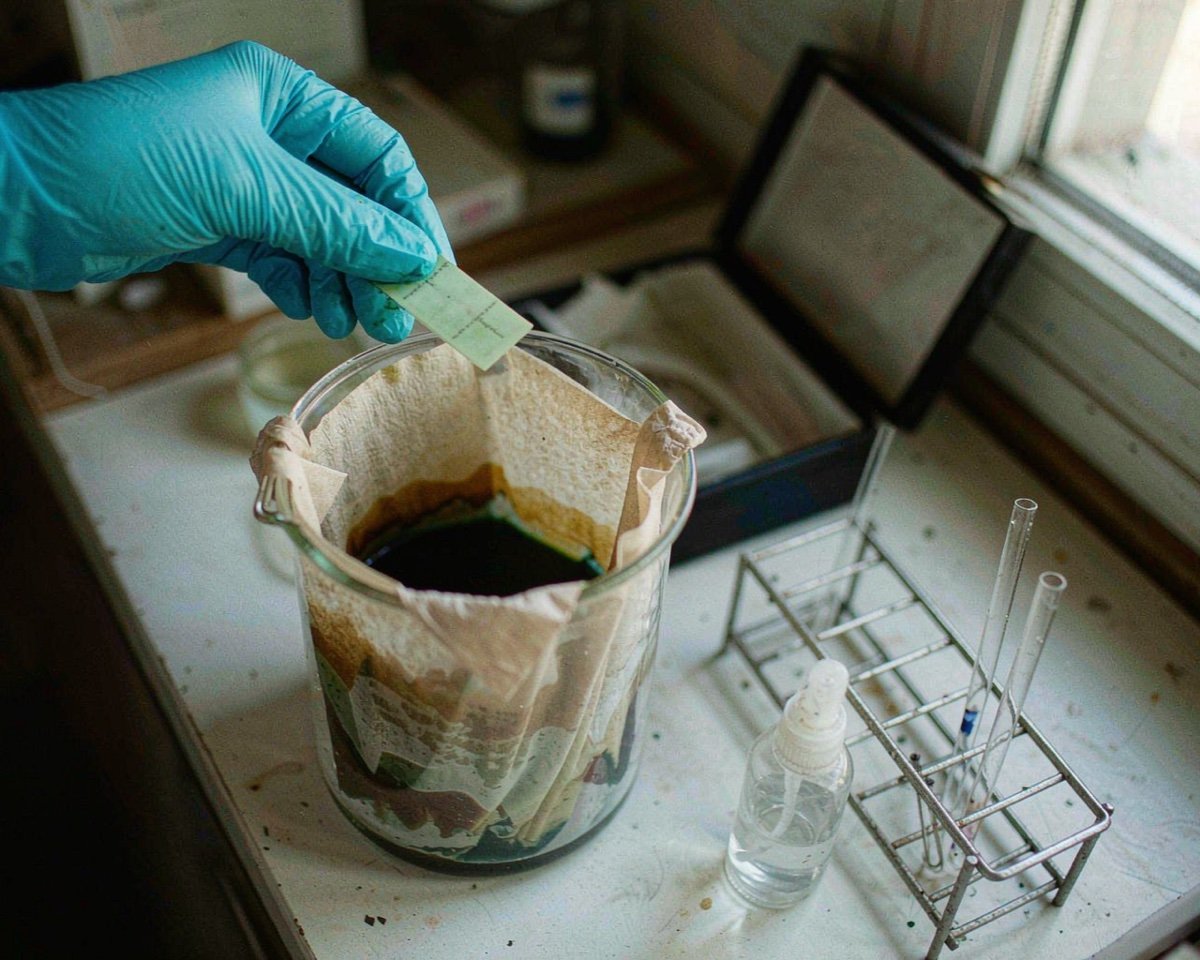
Waiting a full ELISA run before releasing a line is often impractical, so most plants pair the lab method with lateral flow devices (LFDs). These are antibody-based dipstick or cassette tests that give a visual positive or negative in minutes, run on a swab extract or a rinse water sample. They’re less sensitive than plate ELISA, so their job is screening: catch gross residue before the allergen-free run starts, then let the lab confirm anything suspicious.
LFDs consume their own small pile of supplies: swabs, extraction buffer dropper bottles, and timed development, which is why a simple kitchen timer belongs on the consumables list too. The same format logic applies to other food-safety immunoassays; our mycotoxin testing consumables guide covers a method that runs on nearly identical bench supplies.
For general cleanliness before sanitation sign-off, ATP hygiene monitors earn their keep. ATP (adenosine triphosphate) swabs light up for any organic residue, allergen or not. My default position: ATP tells you whether the cleaning happened, lateral flow tells you whether the allergen left, and only ELISA gives you a number you can defend. Keep all three if the budget allows; if you only buy one beyond the kits, buy the lateral flow strips.
The Bench Basics: Tips, Tubes, and Bottles
The everyday consumables decide whether a good kit performs well. Filter tips for the conjugate and substrate steps, fresh tips for every standard and well (carryover from a positive control is the classic false-positive generator), polypropylene centrifuge tubes for extraction, and labeled sample containers that survive the fridge without smearing. Bulk production samples need sterile sampling bags with write-on panels.
Pipette tip quality is not a place to experiment mid-season. A tip with poor sealing or inconsistent seating skews small-volume dispensing, and allergen ELISA lives on 100 µL steps. Filtered, low-retention tips from a brand you’ve validated on the plate reader are worth the small premium here. If you only change one habit this month, make it this one: dedicate one tip box to positive controls and never let it touch anything else.
Program Tips: Swab Frequency, Rinse Water, and Paperwork
Consumables are only half the program; cadence is the other half. Swab for line clearance after every changeover from an allergen-containing to an allergen-free run, and add scheduled zone swabs, weekly is common, on shared equipment even when no changeover happened. Rinse water testing after sanitation catches residue that swabbing misses, especially inside pipework a swab can’t reach.
Paperwork closes the loop. Log kit and swab lot numbers, expiry dates, and the positive and negative control results for every run, because an auditor will ask for them and “we usually get negatives” is not an answer. If you’re building out the whole program rather than just the allergen corner, our food testing lab consumables guide is the broader reference.
Conclusion
An allergen testing program stands on unglamorous supplies. Validated ELISA kits give you quantitative, defensible numbers; lateral flow strips give the production floor a fast screen; ATP monitors confirm the cleaning actually happened. Around those, matched environmental swabs and templates, the right extraction buffers, clean polypropylene tubes, quality pipette tips, and labeled sample containers are what turn a kit’s promise into results you can hand an auditor without flinching. My advice is to buy against your label-law list first, favor AOAC-validated kits second, and treat the small consumables as part of the method rather than an afterthought, because that’s exactly how auditors and recalls treat them. Start with the swabbing program if you start anywhere: it’s the cheapest part of the list, and it catches the cross-contact problems that finished-product testing finds far too late. When you’re ready to stock up, our ELISA and food testing guides above map every category to specific supplies.
Frequently Asked Questions
What is the best method for allergen testing in food?
ELISA is the standard for quantitative allergen testing of finished products, and validated lateral flow devices work well for quick line-clearance screening. Use an AOAC-validated kit where one exists for your allergen and matrix, and confirm any presumptive positive with a second method.
How often should you swab for allergen residues?
Swab after every changeover between allergen-containing and allergen-free production, and add scheduled zone swabs on shared equipment, commonly weekly. High-risk zones like transfer points and gaskets deserve more frequent attention than open flat surfaces.
Can ATP swabs detect allergens?
No. ATP swabs detect adenosine triphosphate from any organic residue, so they measure general cleaning quality, not specific allergens. Use ATP to verify sanitation happened, then use allergen-specific lateral flow or ELISA tests to confirm residue removal.
What consumables do I need to start an allergen testing program?
Begin with validated kits for the allergens in your market’s labeling list, matched extraction buffers and swabs, swabbing templates, pipette tips, extraction tubes, sample containers, and rinse water bottles. Add an ATP monitor and lateral flow strips once the core lab routine is running.