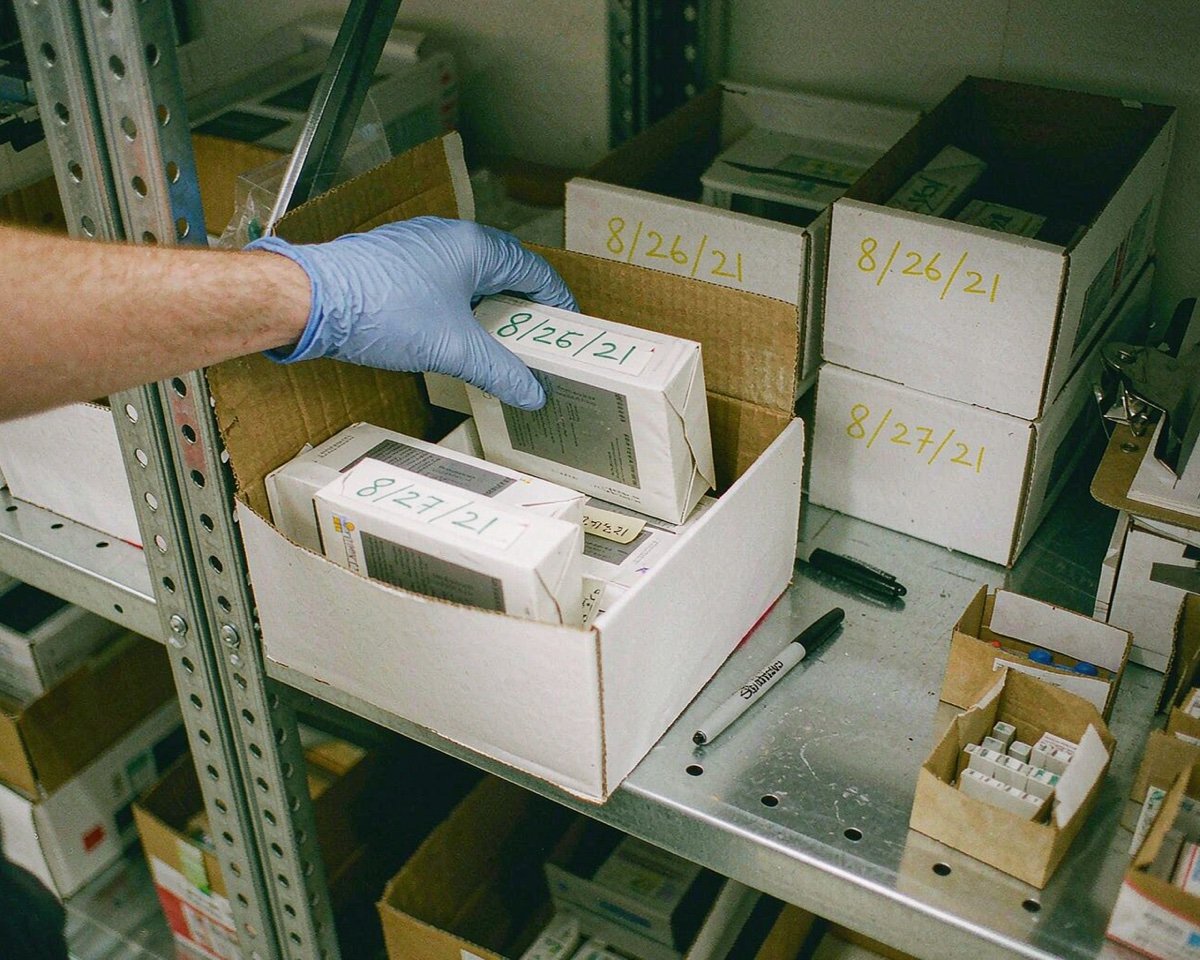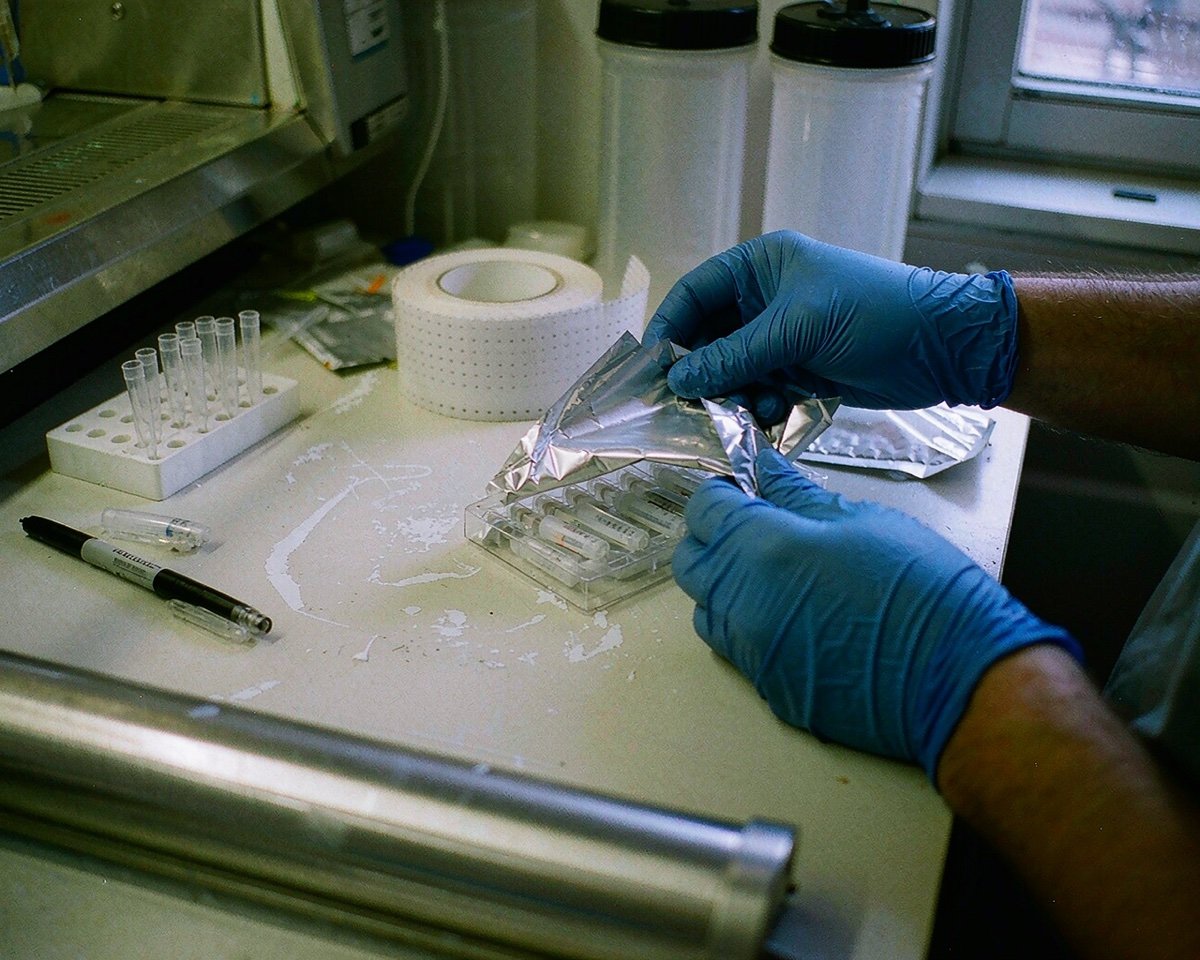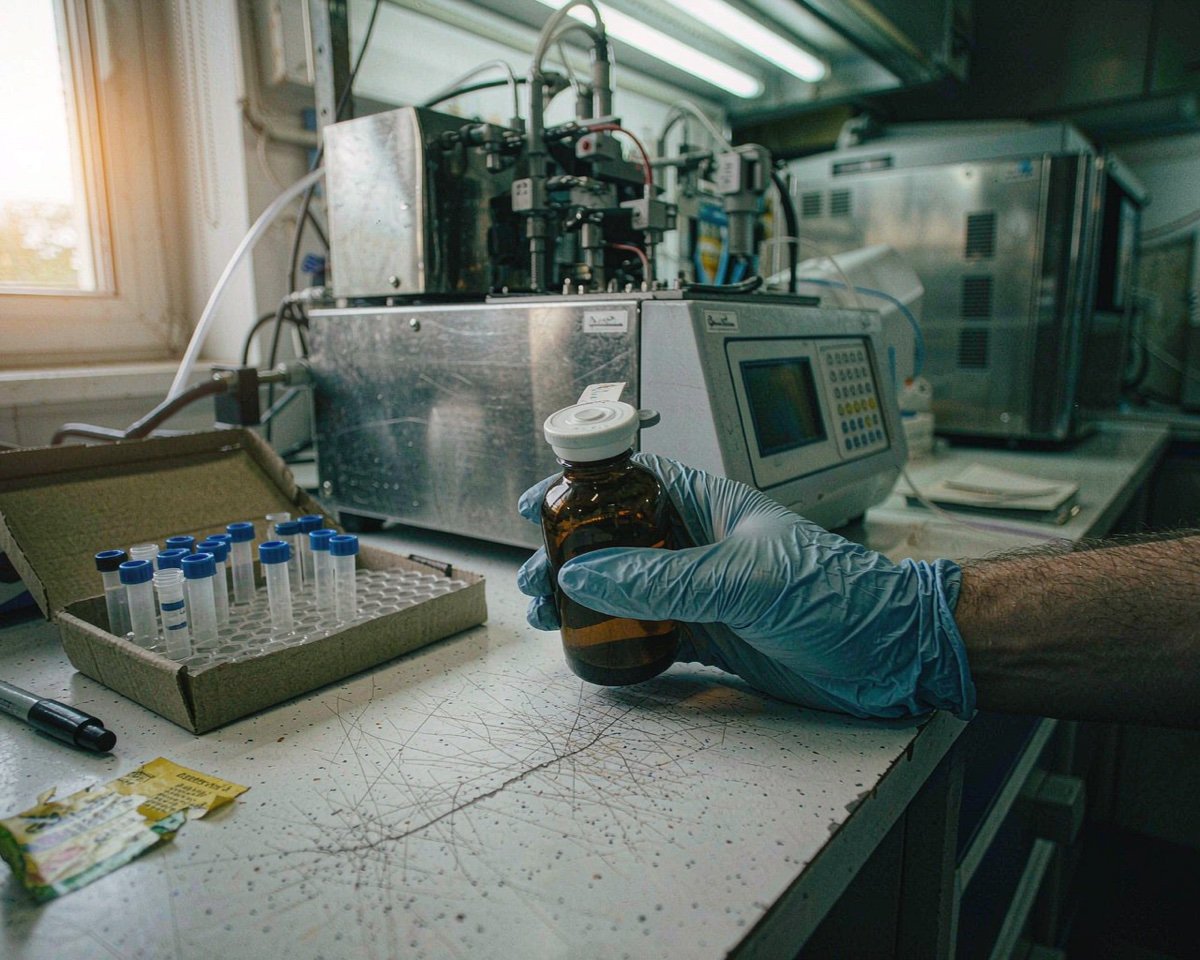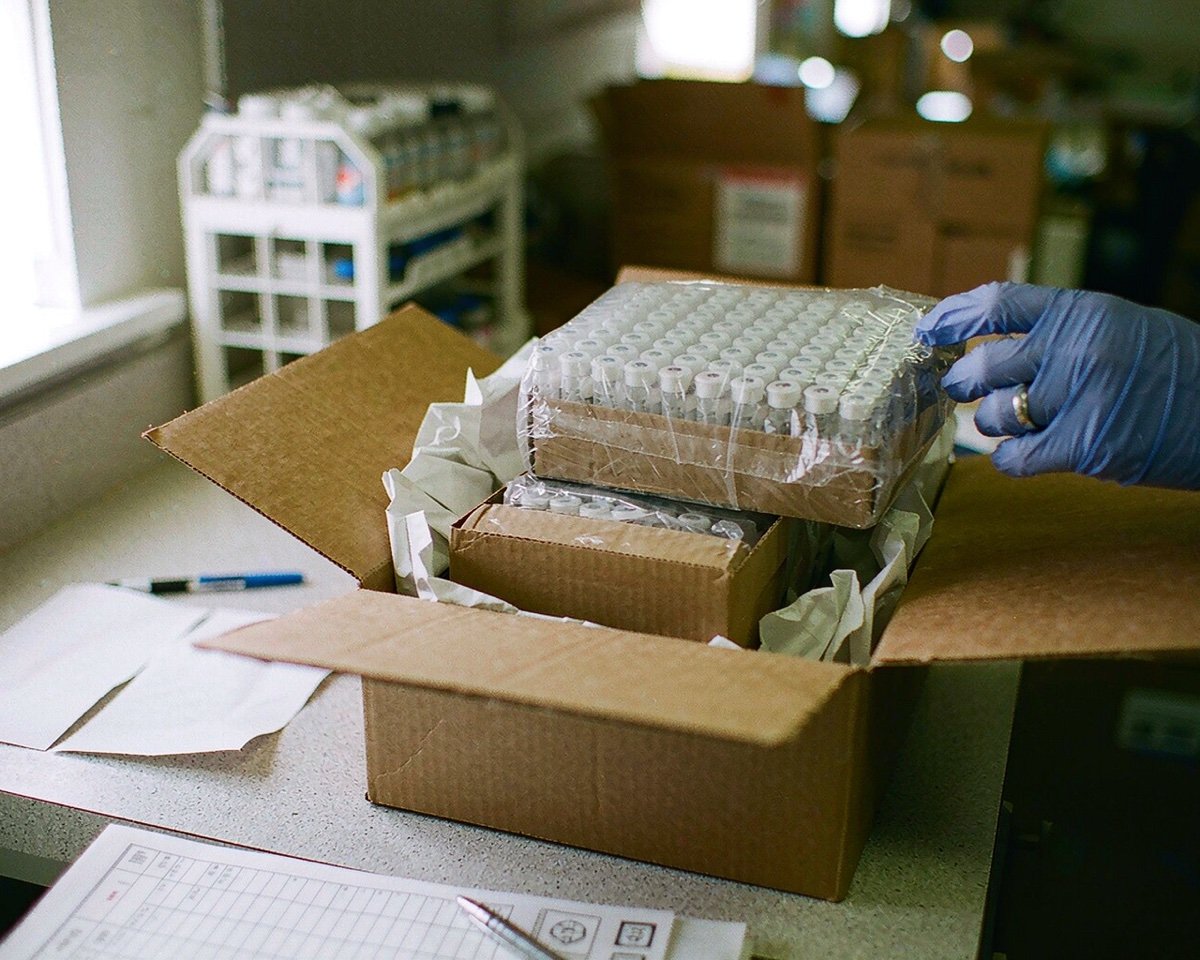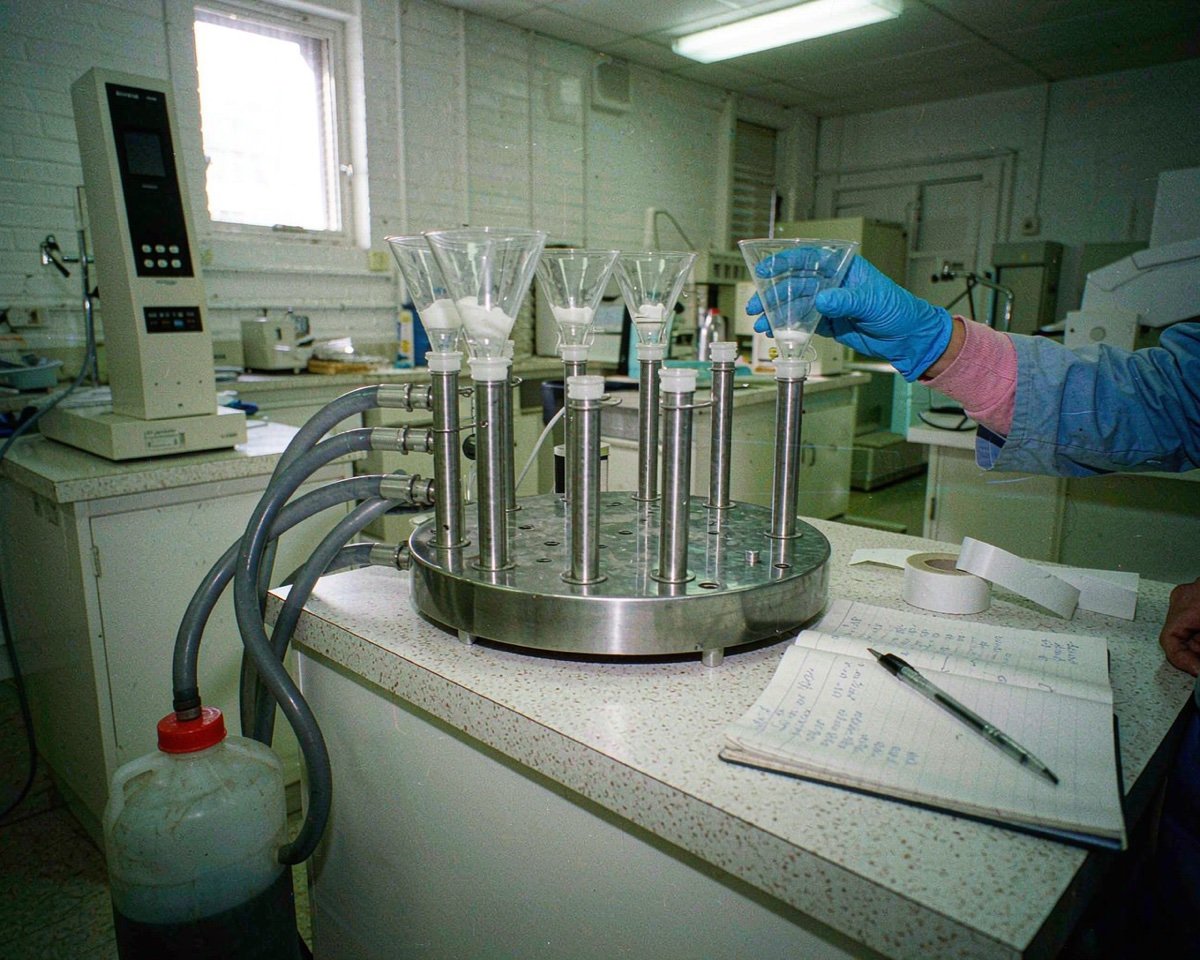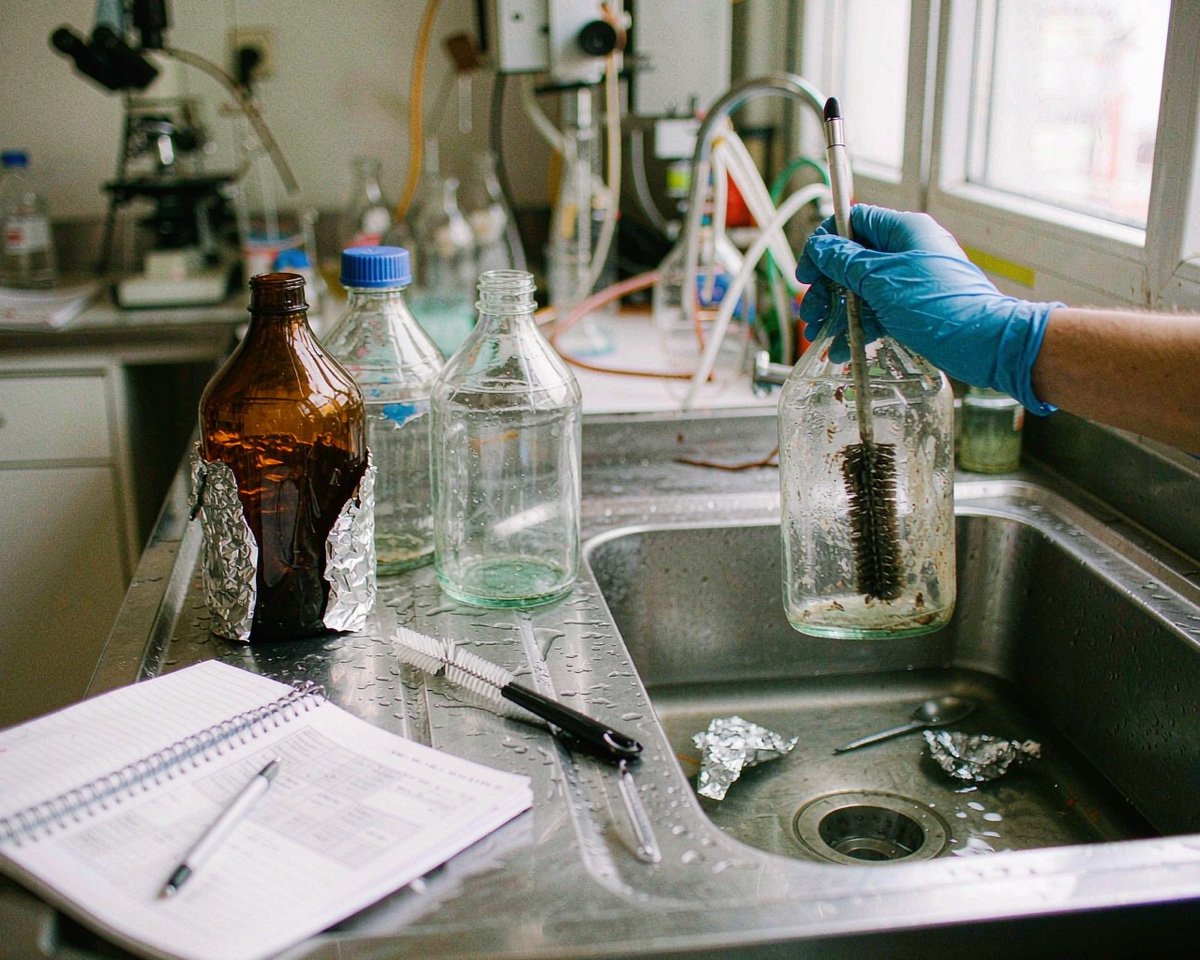
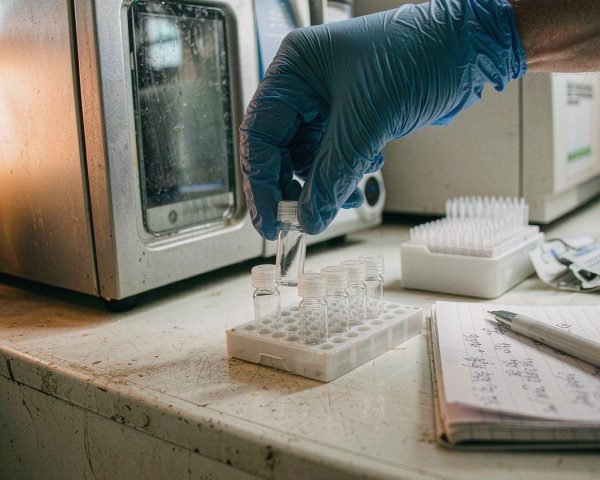

Bioanalytical labs quantify drugs and their metabolites in plasma, serum, and urine, usually by LC-MS/MS, and the data ends up in regulatory submissions. At that level of scrutiny, “any vial will do” stops being true. The consumables on your bench are part of your method.
Short answer: pick consumables that are certified and documented, not just cheap and available. That means low-extractable vials, filters verified not to shed contaminants, low-bind plastics for protein work, and a lot-specific certificate of analysis for everything that touches the sample.
Read on for how each of those choices plays out on a real bioanalytical bench, and where the cheap option quietly costs you a re-run.
Why Bioanalysis Is Harder on Consumables
A regular QC lab measures a tablet that contains 10 mg of drug. A bioanalytical lab measures the same drug in plasma at 0.5 ng/mL, suspended in a matrix full of phospholipids, salts, and proteins that all want to reach the detector first.
Two things follow from that. First, matrix effects can suppress or enhance your signal by double-digit percentages, so anything that adds background is magnified. Second, the data has to survive an audit, which is why ICH M10 lays out expectations for how these methods are validated and run.
Consumables sit right in the middle of both problems. A vial that leaches plasticizers, or a filter that releases surfactant, shows up as background noise or a mysterious extra peak. And if you can’t document which lot touched which sample, your method transfer review gets awkward.
I learned the practical version of this during a method handoff from R&D to a GLP tox study. The R&D bench ran fine on standard amber vials. The moment the method moved to the regulated lab, the late-eluting metabolite drifted about 12% over a 60-injection sequence. Nothing in the method had changed except the consumables lot. We swapped in certified low-extractable vials and the drift dropped under 2%. Two days of head-scratching for a $40 box of vials.
Vials: Low Adsorption and Low Background
For LC-MS/MS work, the vial matters more than most people expect, because at ng/mL concentrations every surface contact is an extraction step.
Three things to check:
- Glass quality. Type 1 borosilicate is the baseline, and hydrolytic resistance is what keeps silanol activity from binding your analyte. If your compounds are basic amines or lipophilic, they’ll find the active sites.
- Certified low-extractable claims. Some vendors offer vials certified for MS applications, where the glass and caps are tested to confirm minimal extractables. It costs a bit more per vial and it saves you from becoming the person who proves a negative in an investigation. Our own write-up on LC-MS grade consumables and which claims matter breaks down which of those claims are backed by real testing.
- Consistent caps and septa. A septum that cores or a cap that doesn’t seal properly gives you evaporation, and evaporation at 200 µL volumes is a concentration change you will see in your QC samples.
One practical note: if you run analytes that stick to glass, test a silanized or polypropylene option during development, and document the choice. “We tried it and recovery improved” is a fine justification, but only if you wrote it down.
Filters and Plates: The Invisible Contamination Source
Sample prep is where most bioanalytical consumables get consumed, and it’s where cheap parts hurt the most.
Protein precipitation creates a nasty supernatant that will clog a 0.22 µm membrane fast, so most labs either centrifuge first or use a filter built for the load. Whatever you choose, the filter membrane and housing are now in contact with your extract, which means their extractables are your background.
This is the classic trade-off with extractables and leachables in syringe filters: nylon is cheap and convenient but can leach; PVDF and PES tend to be cleaner for LC-MS work. Whichever you pick, condition the filter with a few drops of sample and discard them before collecting. The first milliliter through a fresh filter carries most of the preservatives and wetting agents.
For 96-well plates and collection plates, look for low-bind polypropylene if your panel includes peptides or any protein biomarker. Adsorption to well walls is a recovery problem you can’t filter your way out of.
Documentation: The Part Auditors Care About
Here’s the part that separates consumables shopping for bioanalysis from ordinary lab buying.
Under M10 and general GMP expectations, you need traceability from the sample to the box it came in. That means:
- A lot-specific certificate of analysis for vials, caps, filters, and plates used in regulated runs.
- Incoming inspection records, even if the record is just “verified lot number and certificate against PO.”
- A defined change-control step when you switch consumable vendor or lot mid-study, because technically that’s a method variable.
None of this is glamorous. All of it is the first thing an inspector asks when a QC sample fails. I’ve sat through that conversation. It’s much shorter when the box and the certificate agree.
Sample Handling: Between Prep and Injection
Bioanalytical samples usually take more abuse than QC samples: they get frozen, thawed, vortexed, centrifuged, and pipetted before they ever see the column.
Two consumable choices matter here. First, storage tubes and cryogenic vials need to survive the freezer without cracking, and their caps need to survive repeated thaw cycles without weeping. Second, if your stability protocol includes freeze-thaw cycles, the container surface is part of that stability story, especially for peptides. If you’re building that protocol, our guide to freezing samples in HPLC vials covers which containers tolerate it.
Auto-sampler time is the other hidden variable. A 48-hour queue at 10°C behaves differently from an overnight run at 4°C, and the vial closure is what controls evaporation the whole time.
What I’d Order First for a New Bioanalytical Bench
If I were setting up a small bioanalytical lab tomorrow, my first order would look like this:
- Certified low-extractable 2 mL vials and matching caps with PTFE/silicone septa, enough for the first two studies plus method development.
- PVDF or PES 0.22 µm filters, 13 mm, in a volume that matches your typical extract (250 µL extracts don’t need 25 mm filters).
- Low-bind 96-well plates if peptides or biomarkers are in scope, standard PP if not.
- Low-retention tips, because pipetting 20 µL of plasma extract with a regular tip is a recovery lottery.
- A filing habit: one folder per consumable lot, certificate inside, dated on receipt.
The theme is deliberate: everything certified, everything documented, nothing exotic. Agilent’s biopharma analysis resources and Thermo Fisher’s sample prep portfolio are both good references when you want to see how the major vendors frame these product tiers for regulated work.
Conclusion
Choosing consumables for a bioanalytical lab is really about managing two risks at once: analytical risk from contamination and adsorption, and compliance risk from missing documentation. Certified low-extractable vials, LC-MS-clean filters, low-bind plates, and lot-tracked certificates cover both without adding much cost per sample. Start with the vials and filters your method touches most, document every lot, and treat a vendor switch like the method change it is. If you take one step this week, pull the certificates for the consumables in your current validation run and check they match what’s on the bench. From there, our breakdown of LC-MS grade consumables and the CoA vs CoC explainer are the two next reads that pay off fastest.
Frequently Asked Questions
Do bioanalytical labs need special vials?
Not always, but at ng/mL concentrations, extractables from ordinary vials can create background peaks or adsorb your analyte. Certified low-extractable vials remove that variable, and the certificate doubles as audit documentation.
Which filter membrane is best for LC-MS/MS samples?
PVDF and PES are the usual choices because they shed fewer extractables than nylon. Whatever you pick, condition it with the first few drops of sample and discard that volume before collecting.
Why do consumable lot changes matter in validated methods?
A new lot is a new physical variable in the method: different glass surface, different septum, different membrane. M10 and GMP expectations treat that as something to document and, ideally, bridge with a few comparative QC injections.
Are low-bind plates necessary?
If your panel includes peptides, proteins, or other sticky biomarkers, yes. Otherwise standard polypropylene is fine and cheaper. The way to decide is a simple recovery comparison during method development, written down.
What should a consumable certificate of analysis include?
At minimum: product name, lot number, manufacturing date, the tested specifications with results, and the issuing company’s details. For sterile or certified products, it should state the specific claim tested.