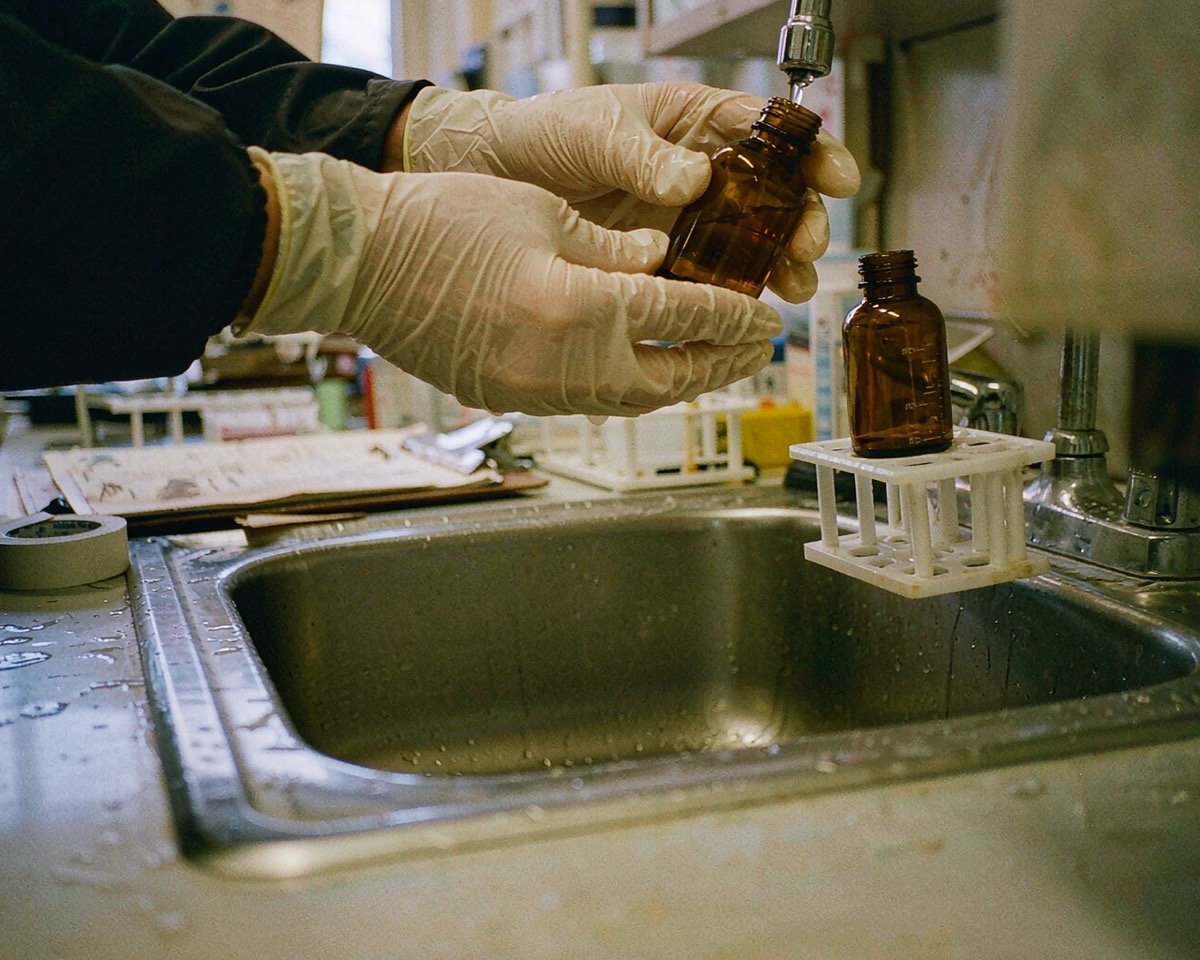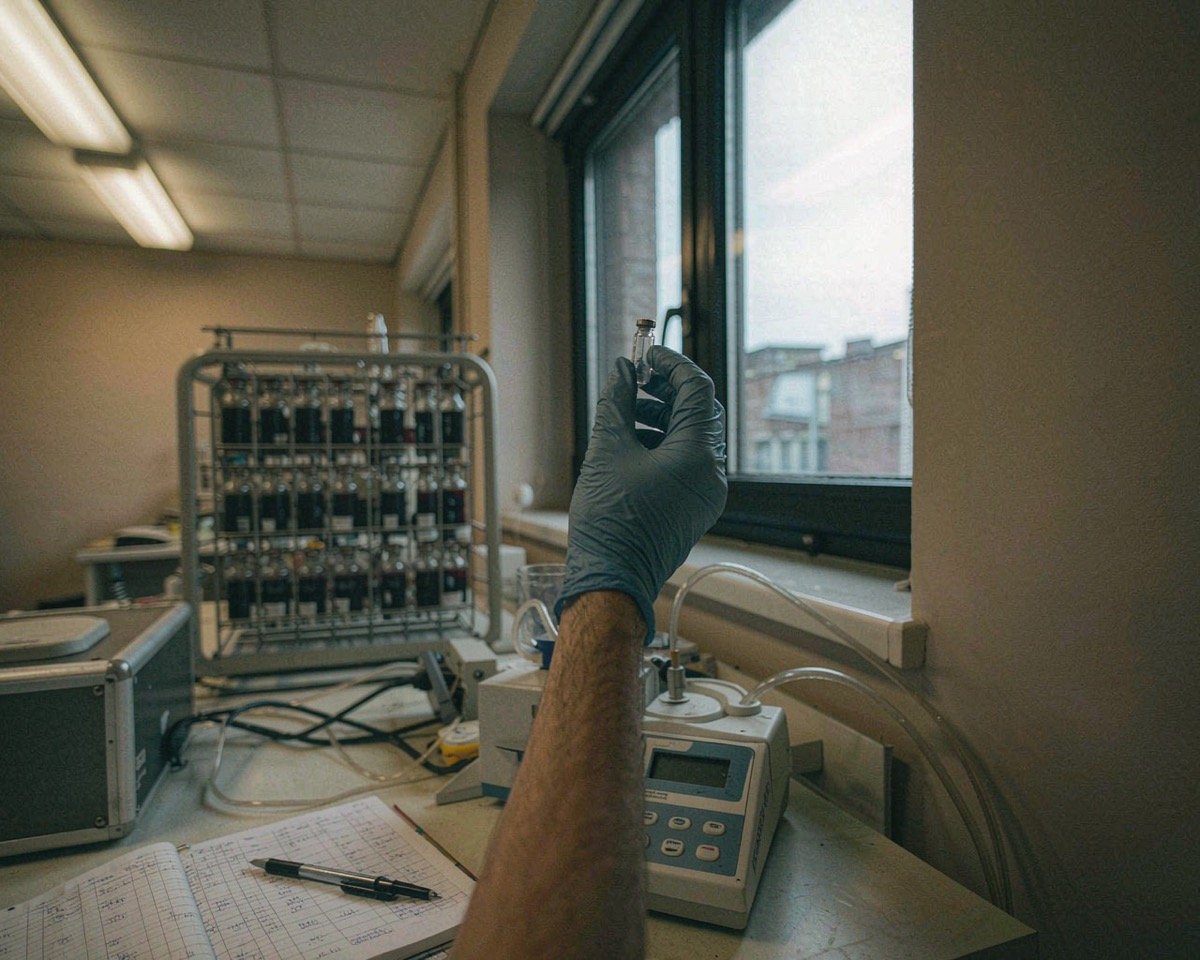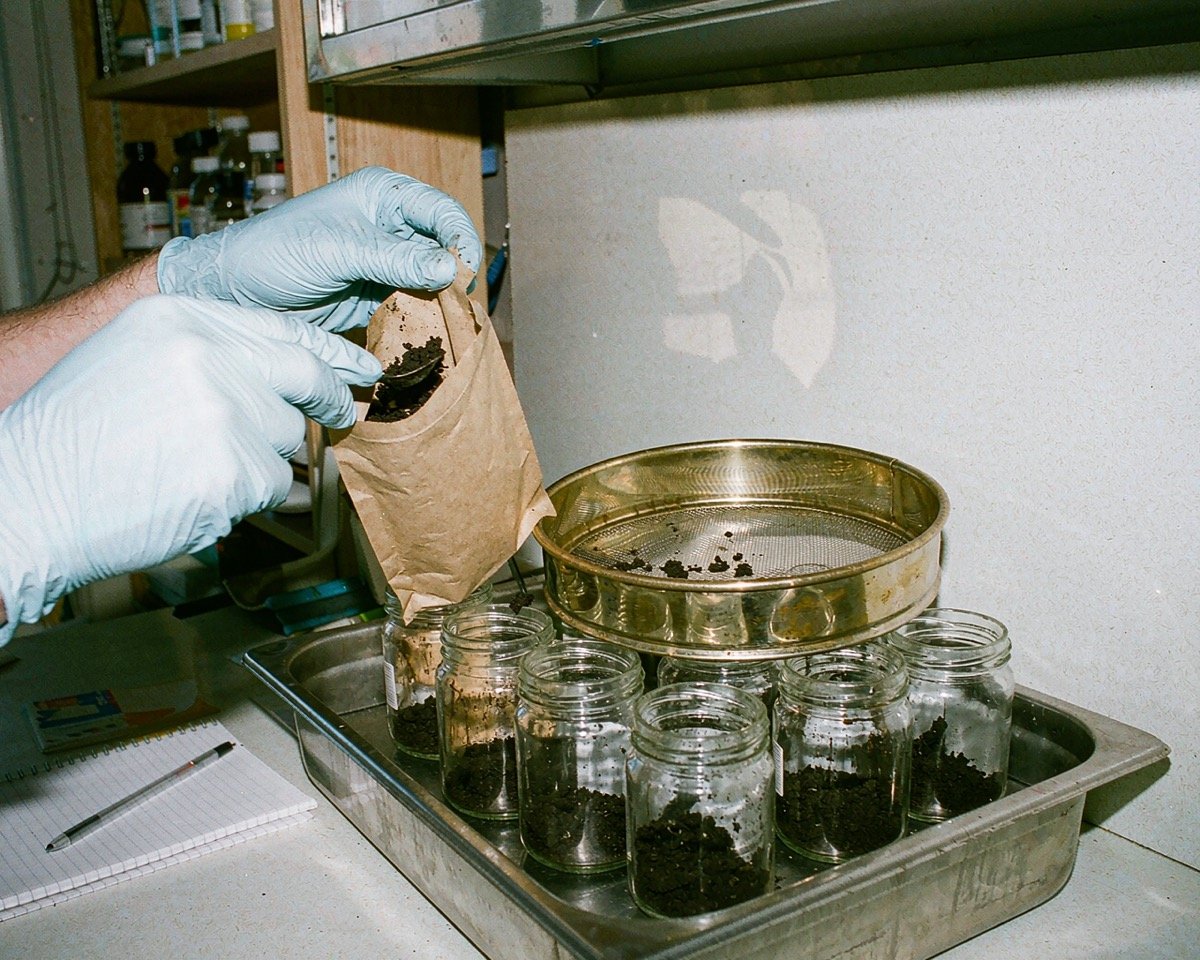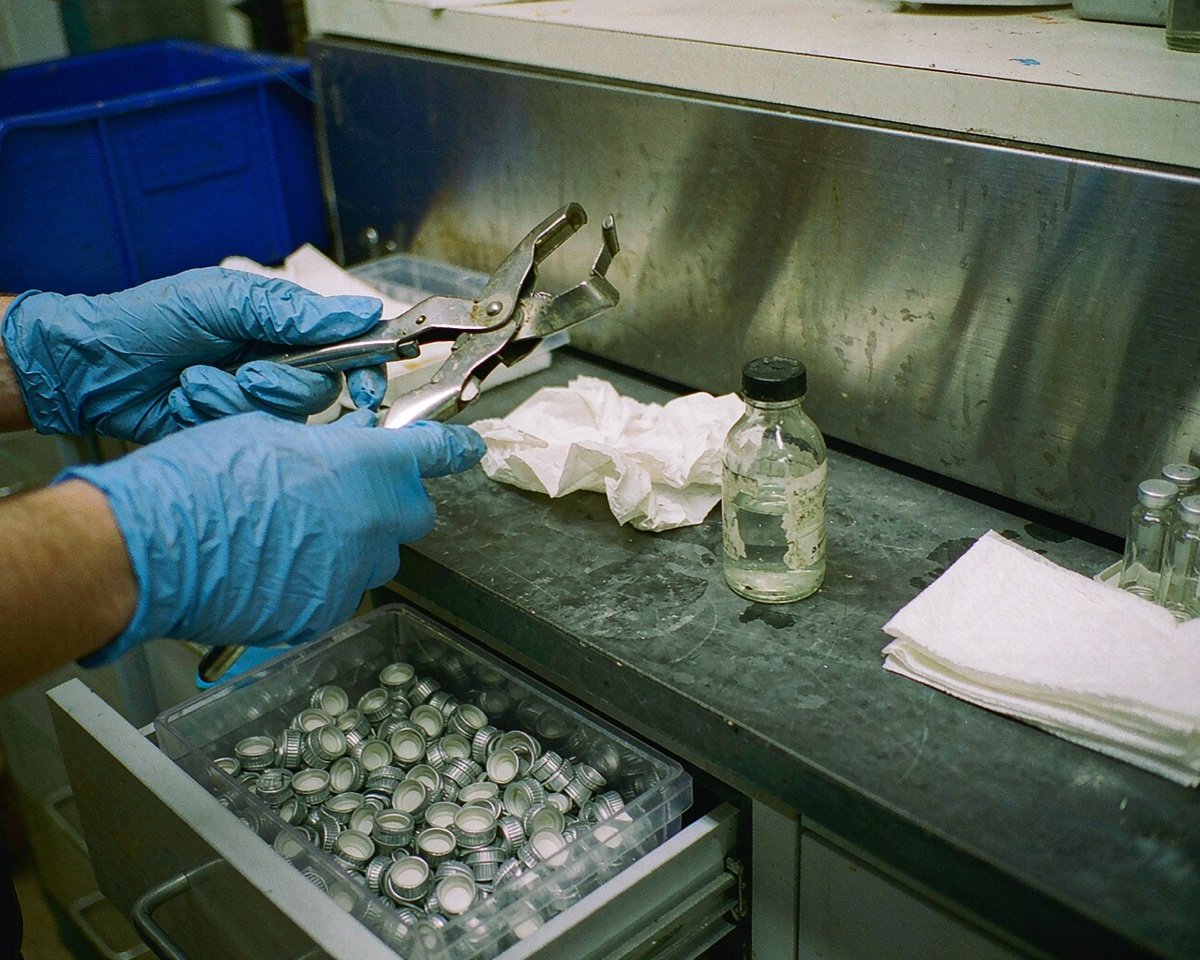
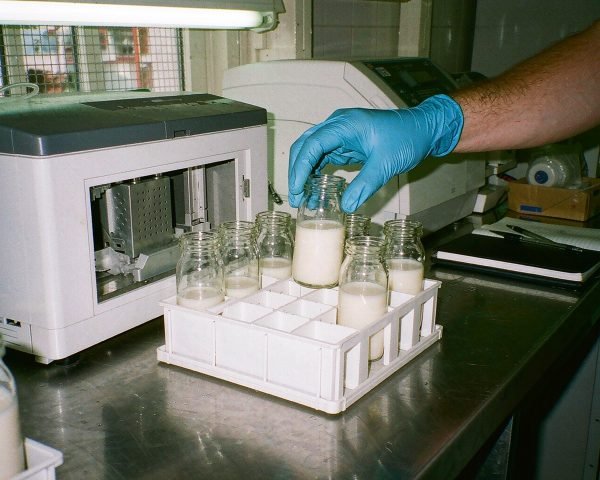

I’ve spent years supplying consumables to food labs, and dairy labs are some of the busiest ones I know. A single tanker of raw milk can trigger composition checks, micro plating, and a residue screen before it’s allowed anywhere near a pasteurizer. That volume means the consumables list matters, and it matters more than most people expect.
The Short Answer
A dairy lab runs on sterile sampling gear, syringe filters and centrifuge tubes for prep, HPLC vials for aflatoxin M1 and vitamins, GC vials for flavor work, and media plus dilution bottles for micro. Spec depends on your test menu.
So let’s walk through it the way a bench tech would, test by test, because each test drags its own little pile of plastic and glass behind it.
What Dairy Labs Actually Test
Milk looks simple. Analytically it isn’t, because every payment contract and every regulation hangs on numbers pulled from it.
Composition testing covers fat and protein, usually by mid-infrared analyzers that need little beyond clean sample cups and calibration standards. But when an IR result gets disputed, the lab falls back on reference methods: Gerber or Röse Gottlieb for fat, Kjeldahl for protein. Those need digestion tubes, filter papers, and reagent bottles that can survive sulfuric acid.
Somatic cell count (SCC) is the classic marker for udder health, and it’s counted with fluoro-opto-electronic counters under methods like ISO 13366-2. The consumable burden here is small but strict: clean sample cups and preservative tablets or fixative, dosed consistently, because a mis-preserved sample quietly skews the count.
Antibiotic residues get screened on every tanker before processing, usually with rapid test kits or microbial inhibition tests. Confirmatory work goes to LC-MS/MS, which pulls the lab into the world of clean extracts and low-adsorption plastics. One thing I learned the hard way: beta-lactam screening is cheap, false positives are not, because a blocked tanker stops a plant.
Then there’s microbiology, the total plate count, coliforms, and pathogen testing (think Listeria and Salmonella) that fills the micro bench. This is where dilution bottles, buffered peptone water, and pre-poured media plates get consumed by the case. Thermo Fisher’s overview of food pathogen and contaminant testing gives a good sense of the workflow these supplies feed into (Thermo Fisher).
Freezing point checks catch added water, since dilution depresses the freezing point of milk. Thermistor cryoscopes run it on incoming tankers, and the consumables are modest: calibration standards and clean sample tubes, used daily.
Mycotoxins round out the menu. When cows eat feed contaminated with aflatoxin B1, they metabolize it into aflatoxin M1, which shows up in their milk. A 2025 umbrella review of meta-analyses put the overall prevalence of AFM1 in dairy products at 66.2% worldwide, which is exactly why so many labs test for it (PubMed). Limits are brutal, as low as 0.5 µg/kg in milk under FDA action levels and 0.025 µg/kg in infant formula in Europe.
Sampling Consumables: Where Contamination Starts
Everything downstream inherits the quality of the sample, so this is the last place to economize.
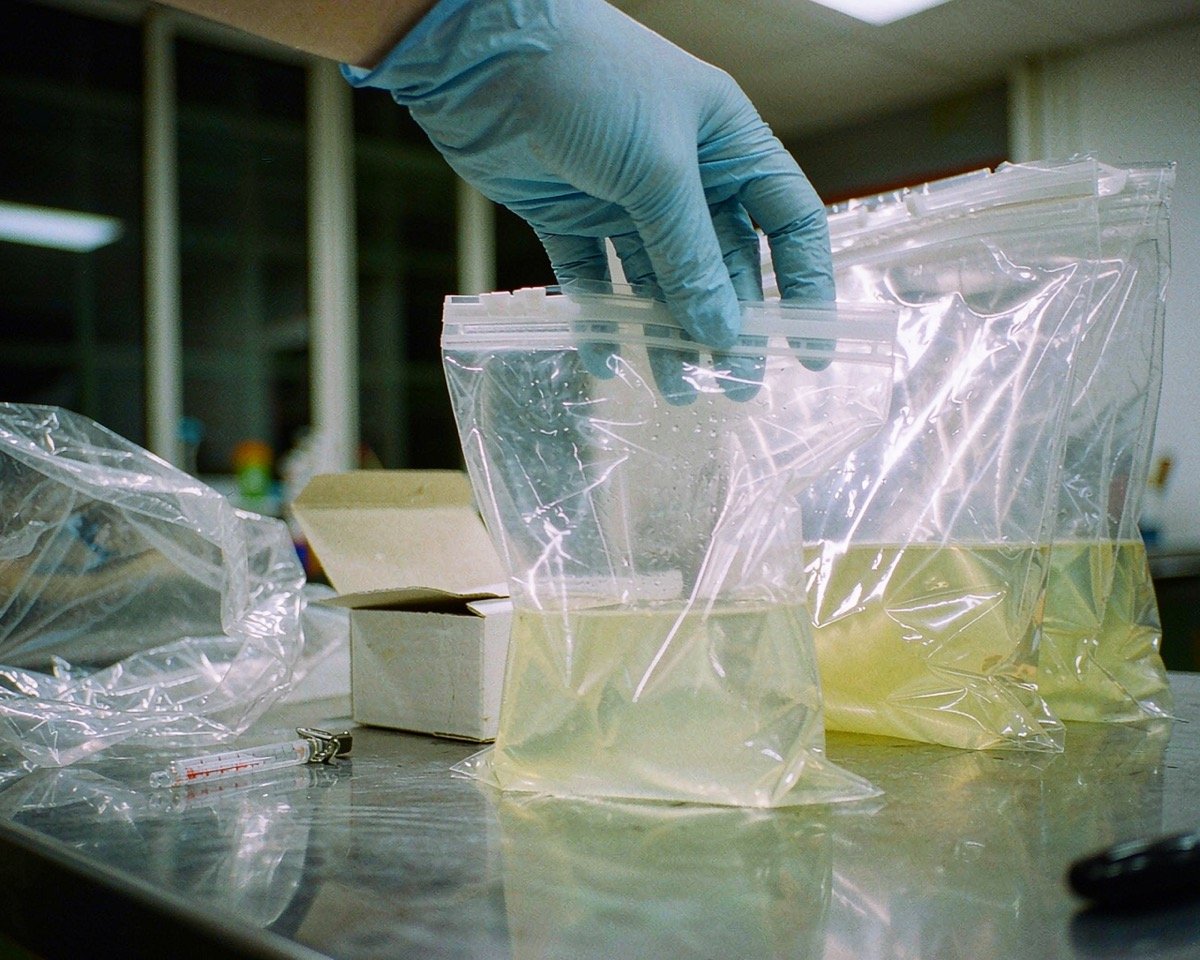
You need sterile sampling bags and bottles for farm and tanker samples, Whirl-Pak style bags for milk specifically, and sterile swabs for equipment surfaces. For anything being shipped, insulated transport boxes with cool packs keep the micro profile honest, because a sample that warms up on the road tells you about the courier’s van instead of the farm.
My first dairy lab job included a sampling route, and one August I watched an entire week of antibiotic screens get voided because the cooler packs hadn’t been frozen overnight. The samples arrived warm, the inhibitors grew, and we resampled six farms in 40°C heat. The bags cost cents. That lesson did not.
Sample Prep Consumables
Dairy is fat and protein suspended in water, which is a politely hostile matrix for most instruments.
Syringe filters are the workhorse. For HPLC work on aflatoxin M1 or vitamins, a 0.45 µm PVDF or PTFE filter clears fat and casein fragments out of the injectable, and a glass fiber prefilter helps when the load clogs fast. If your filters clog constantly, that’s the matrix talking, and the usual fixes are a bigger pore size, a prefilter, or more dilution.
Centrifuge tubes matter for fat separation and for extraction cleanups. Conical 15 mL and 50 mL PP tubes handle most of it, and you want decent g-force ratings because dairy prep leans on them. Pipette tips, ideally low-retention, round it out, since milk extracts are exactly the kind of sticky liquid that clings to cheap tips and wrecks pipetting precision.
For residue and toxin work, QuEChERS extraction kits are increasingly common. If that’s your route, we break down the plastics and salts in our QuEChERS consumables guide.
Analysis Consumables: Vials, Plates, and Bottles
This is the part procurement usually asks me about first.
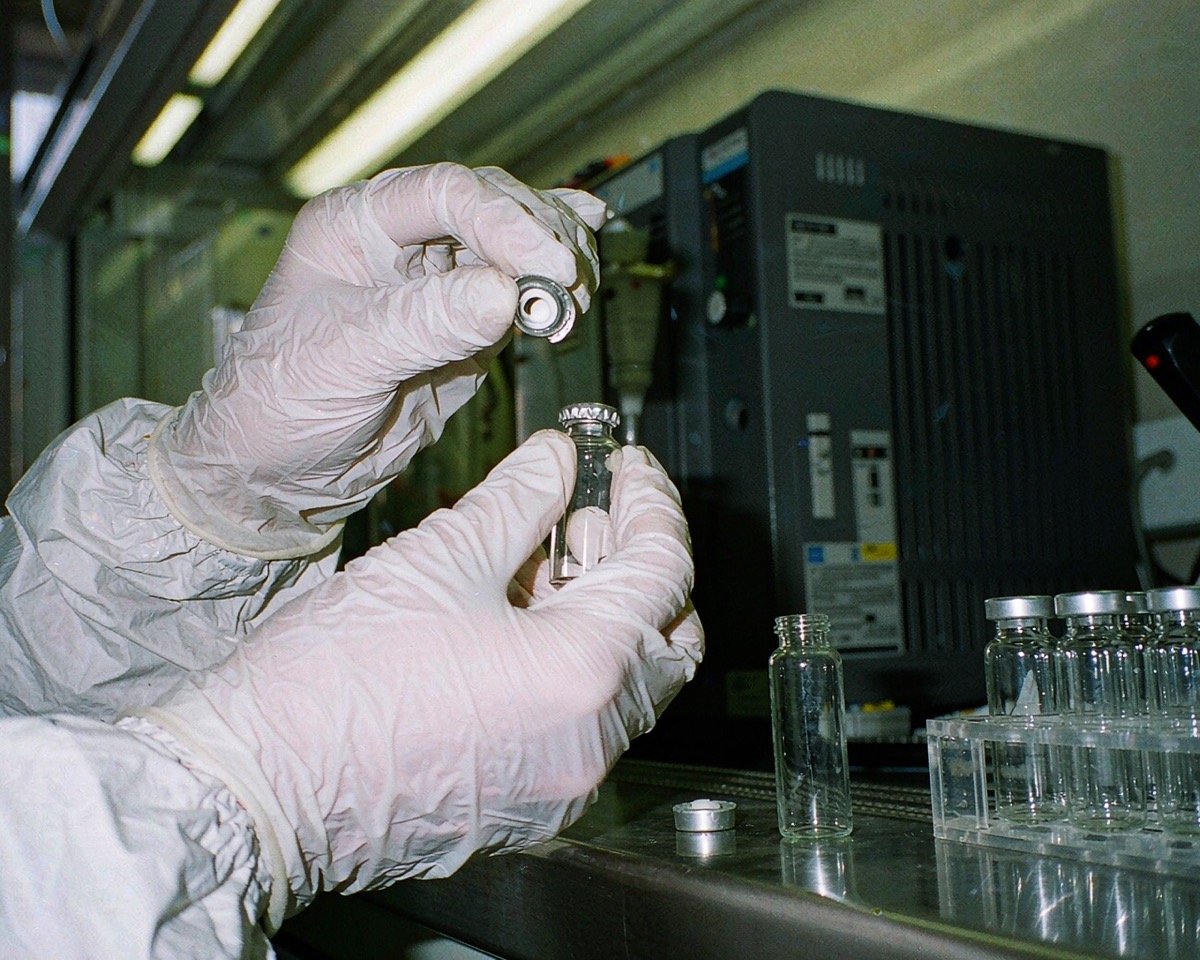
HPLC vials carry the high-stakes work. Aflatoxin M1 runs by HPLC with fluorescence detection or LC-MS/MS, and Agilent’s application note on aflatoxins in infant formula shows how low those limits go and how clean the extract has to be (Agilent). At concentrations near 0.025 µg/kg, adsorption to the glass is a real loss mechanism, so amber low-adsorption vials with PTFE/silicone septa are the sane default for light-sensitive aflatoxin work. The same vials serve vitamin analysis; our vitamin analysis consumables guide covers the specifics.
GC vials show up for flavor and fatty acid work. Dairy flavor chemistry and FAME analysis of milk fat run on GC or GC-MS, typically 2 mL screw vials with 9 mm caps, or headspace vials if you’re profiling volatile off-flavors.
Micro supplies are the volume driver. Media plates, dilution bottles with buffered peptone water, sterile pipettes, and filtration units for coliform counts get burned through daily. Buy these sterile, certified, and from a lot you’ve validated once, then stick with it.
QC, Compliance, and What Regulators Expect
Dairy doesn’t get the “test it if you feel like it” option.
In the US, the Grade “A” Pasteurized Milk Ordinance is the rulebook for fluid milk, maintained by FDA and the NCIMS, and it specifies lab procedures and certification requirements (FDA). Internationally, ISO/IDF joint methods govern most composition and micro testing, and EU regulations set the aflatoxin and residue limits. Practical upshot for buyers: your consumables need lot traceability and certificates of analysis, because an auditor will ask for them. Keep the CoAs filed with the lot numbers.
Practical Buying Tips
A few things I’d tell any dairy lab manager over coffee.
Standardize on one filter type and one vial per method, then validate a new lot against the old one before you switch. Buy micro consumables by the case and chromatography consumables by the quarter, because their failure modes are completely different. And check sterility claims carefully; “sterile” and “low-bioburden” are not the same promise, and micro work only accepts the first one.
Conclusion
Dairy product testing runs on an unglamorous stack of consumables: sterile bags and bottles at the front end, filters and centrifuge tubes in the middle, HPLC and GC vials at the instrument, and media by the case on the micro bench. None of these items is expensive alone, yet any one of them can invalidate a result that a plant, a farmer, or a regulator is waiting on. Match the spec to the test, verify new lots before you commit, and keep certificates on file. If you’re building out a broader food testing operation, start with our food testing lab consumables guide, and for the toxin work specifically, our mycotoxin testing consumables guide goes deeper on the vials and cleanup consumables that aflatoxin methods demand.
Frequently Asked Questions
What vials are best for aflatoxin M1 testing in milk?
Amber 2 mL glass vials with PTFE/silicone septa are the standard choice, because aflatoxin M1 is light-sensitive and typically measured by HPLC-FLD or LC-MS/MS. Amber glass also limits photodegradation during autosampler waits.
Do I need sterile or just clean consumables for dairy testing?
Microbiology and anything touching raw milk samples before testing needs genuinely sterile consumables. Chemical analysis consumables like HPLC vials can be non-sterile, but they must be clean and low in extractables.
Which syringe filter should I use for milk samples?
For HPLC sample prep, a 0.45 µm PVDF or PTFE filter is the usual starting point for milk extracts, with a glass fiber prefilter when fat and protein load is high. Always filter your standards and samples the same way.
How often do dairy labs replace consumables like filters and vials?
Filters are single-use by design, and HPLC vials should never be reused for compliance work. Micro media and dilution bottles are consumed per test session, so most labs hold a week to a month of stock depending on sample volume.
What certificates should I ask for when buying dairy testing consumables?
Ask for a certificate of analysis per lot, sterility documentation for micro consumables, and material declarations where relevant. Auditors under the PMO or ISO/IDF methods expect lot traceability from sample bag to final vial.