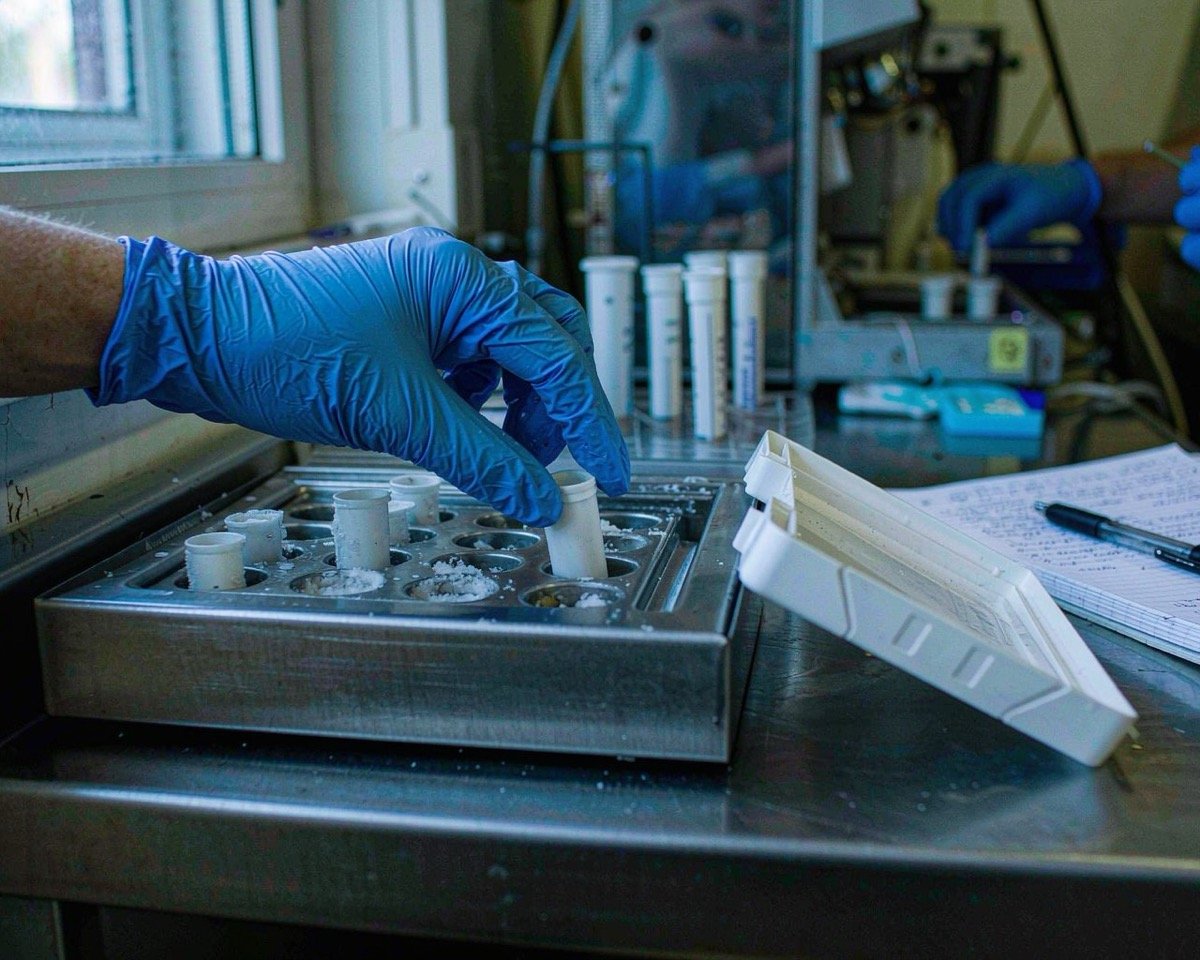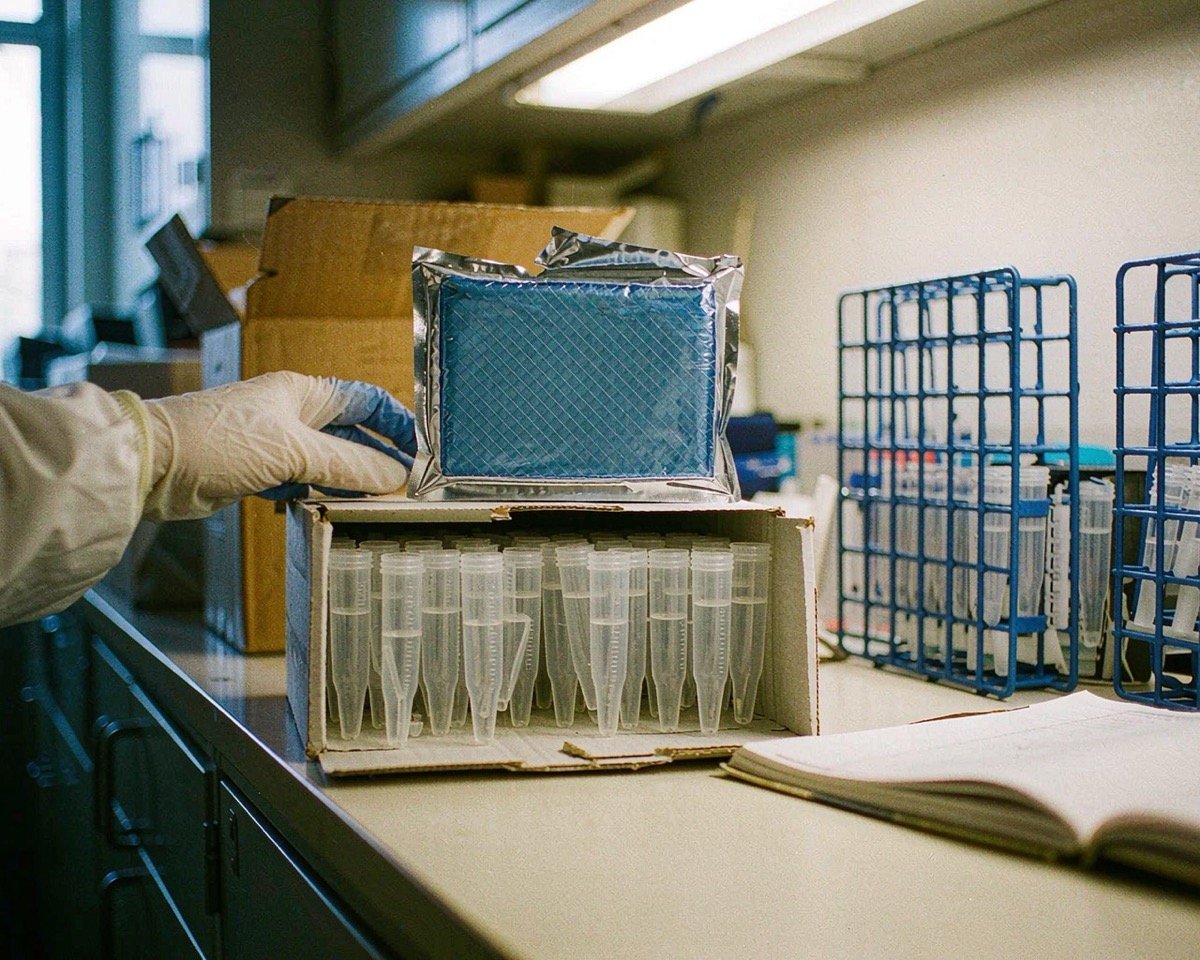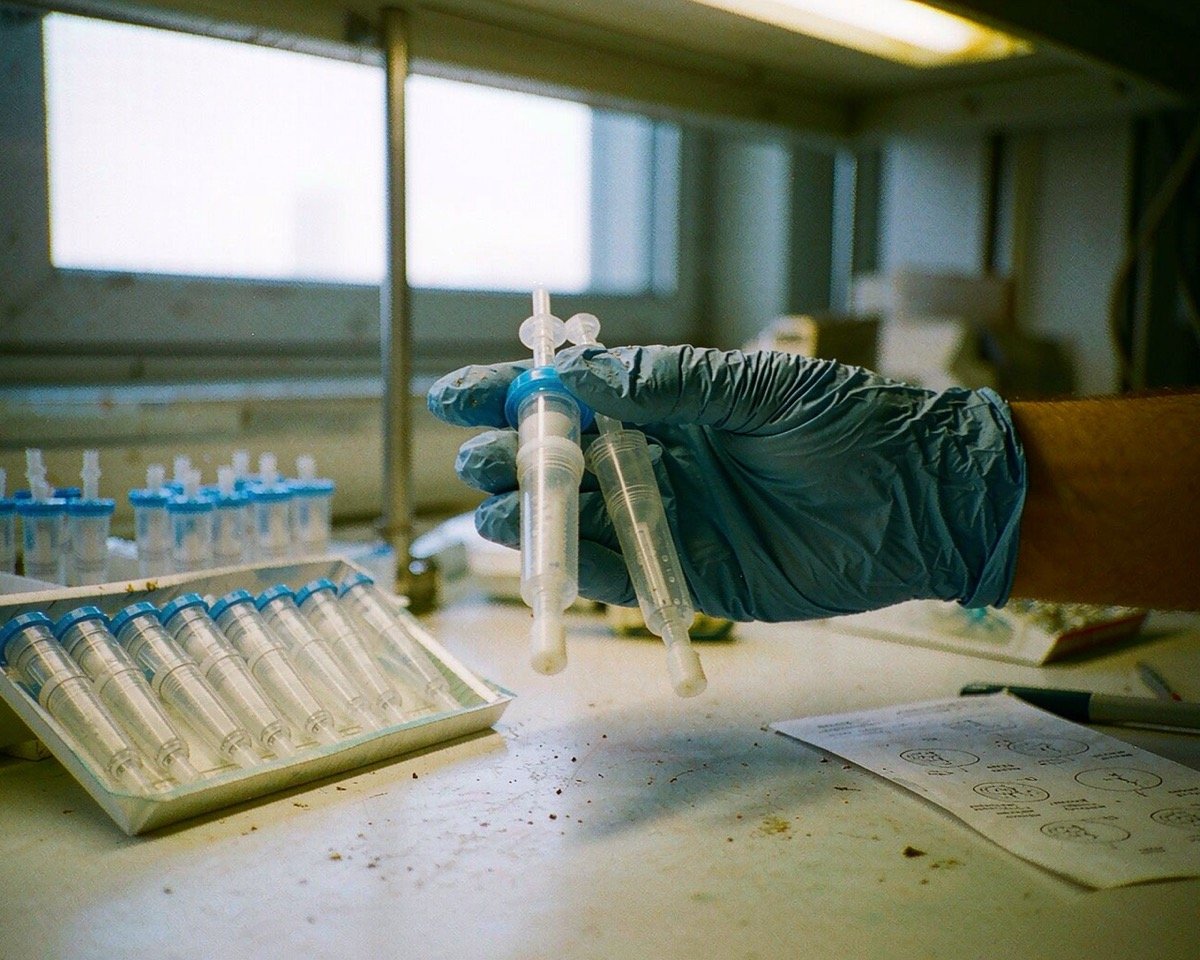
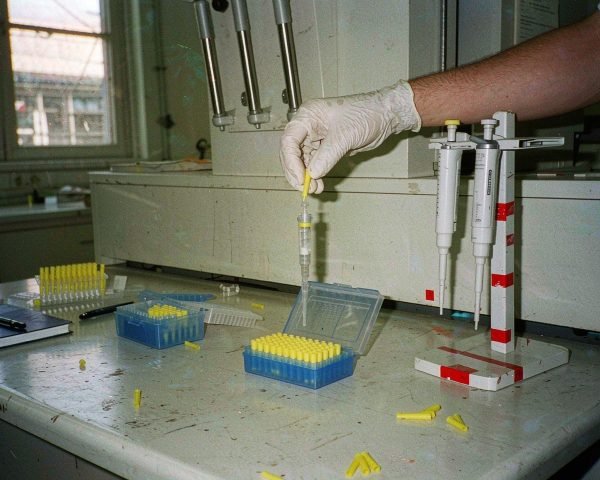

Pipette tips are single-use polypropylene cones that mount onto an air-displacement pipette and actually touch your liquid. Most labs stock 10, 200, 1000 and 1250 µL sizes in standard, low-retention and filtered versions, sterile or non-sterile, with a fit matched to the pipette.
READ ON: the cone itself is simple. The expensive part is everything you can’t see: the mold tolerance, the fit, the filter, the purity claims. Get one of those wrong and your pipette can be perfectly calibrated while your volumes are still off. Here’s what to know before you buy.
What a Pipette Tip Actually Is
A pipette tip is the disposable plastic cone that snaps onto the shaft of a micropipette. The pipette’s piston moves air; the air cushion pushes the liquid. The tip is the only part of that system that ever contacts your sample, which makes it both a consumable and a precision component.
Almost all tips are polypropylene, molded in one shot. The quality difference between a cheap tip and a good one is measured in hundredths of a millimeter at the sealing ring and the orifice. You can’t see it. Your data can.
The Volume Classes: 10, 200, 1000 and 1250 µL
Tips follow pipette sizes, and four sizes cover most bench work:
| Tip size | Typical pipette | Common use |
|---|---|---|
| 10 µL | 2–20 µL pipette | PCR setups, small dilutions |
| 200 µL | 20–200 µL pipette | General reagent handling |
| 1000 µL | 100–1000 µL pipette | Buffers, media, sample transfers |
| 1250 µL | 1250 µL pipette | Extended-range dispensing |
The rule that matters: a tip only delivers accurately near its rated volume. Pull 20 µL with a 1000 µL system and you’re asking the worst possible precision from the best-calibrated pipette. Match the tip to the volume.
Color coding helps at a glance: yellow racks usually mean 200 µL, blue means 1000 µL. Most benches rely on it anyway.
Standard vs Low-Retention vs Filter Tips
Three families, three jobs.
Standard tips are the workhorse. For aqueous buffers, most media, and general reagent work, a good standard tip is all you need. Buying anything fancier here is wasted budget.
Low-retention tips have a more hydrophobic inner surface, so viscous or protein-rich liquids release instead of clinging to the wall. I once watched a colleague’s ELISA standards read 8% low across a whole plate because her 200 µL tips left roughly 3 µL of serum standard stuck inside after every dispense. She switched to low-retention tips and the problem vanished. If you pipette serum, glycerol solutions or detergents, this upgrade pays for itself in saved sample.
Filter tips (also called aerosol-barrier tips) carry a hydrophobic membrane inside the cone. The membrane stops aerosols and splashes from reaching the pipette shaft; Eppendorf’s dual-layer filters add a second barrier for labs that want belt and braces. More on when you need them below.
Graduations, Sterility, and the Purity Claims
A few spec-sheet terms worth decoding:
Graduated tips carry molded volume marks near the orifice. Handy for rough visual checks. Never use those marks as a measurement; the pipette does the measuring.
Sterile vs non-sterile is a workflow decision. Cell culture, microbiology and molecular work want sterile (usually gamma-irradiated) tips. Aqueous chemistry and HPLC sample prep often don’t care, and non-sterile bulk tips cost meaningfully less. Buying sterile tips to filter samples into vials is wasted money.
DNase/RNase-free, PCR-clean, pyrogen-free: these purity grades certify what the tip was manufactured away from, not what it will protect in your hands. If you work with RNA or low-copy qPCR, they’re not optional. I go deeper on who genuinely needs these claims in my DNase- and RNase-free consumables guide, including the workflow steps a certificate alone can’t cover.
Universal Fit vs Proprietary Fit
Two ecosystems exist, and mixing them is the source of most “my pipette feels loose” complaints.
Universal tips have a standard cone geometry that fits most pipette brands, though the seal quality varies by pipette. Rainin broke from this with its LTS (LiteTouch System) shaft, which uses a thinner, longer cone with an O-ring seal. An LTS pipette will not seal properly with a standard universal tip, and an LTS tip won’t seat on a conventional pipette. Eppendorf, Gilson and the rest have their own tolerances too, which is why manufacturers publish fit charts. Check fit first.
My default: single-brand fleet, buy that brand’s fit or a supplier who certifies compatibility in writing. Mixed-brand bench, universal tips from a supplier who states which models they’ve tested are the pragmatic choice.
Why Tip Quality Shows Up in Your Accuracy Numbers
Pipettes get calibrated. Tips, somehow, get treated as anonymous plastic. That asymmetry costs labs real money.
The governing standard is ISO 8655, which sets the error limits for piston-operated volumetric apparatus. Note what it actually measures: the performance of the pipette with its tips. A warped orifice or a poorly seated sealing ring changes the air cushion, and the volume drifts, with a perfectly valid calibration sticker on the pipette. Reviewers of pipetting practice have documented how much operator and equipment variation hides inside “acceptable” routine work even in trained labs.
Rainin’s Good Pipetting Practice framework treats the tip as part of the measurement system, and I think that’s the right mental model. If you’re chasing unexplained CVs on an assay, cheap tips are one of the first suspects worth eliminating.
When Filter Tips Are Worth the Price
Filter tips cost two to four times a standard tip. They’re worth it in exactly three situations:
• PCR and qPCR setup, where one aerosol event can contaminate a whole workspace. My PCR and qPCR consumables checklist covers the rest of the kit.
• Radioactive or biohazardous samples, where the filter protects the pipette, not the sample. Decontaminating an internally contaminated pipette can take it offline for days.
• Corrosive or volatile liquids. Over-aspiration drags aggressive vapor into the shaft and quietly eats the piston and seals.
For everything else, standard tips are fine; labs that filter-tip everything are over-insuring against a fear rather than a frequency.
Bulk, Racked, or Reload
Same tips, three packages, very different cost per box.
Bulk tips come loose in a bag. Cheapest option, and fine for non-sterile general work, but someone has to handle them, which defeats sterility claims.
Racked tips arrive in reusable boxes, sterile where needed. Most convenient at the bench, most expensive per tip.
Reload systems (Eppendorf’s is the best known) ship stacks of tips you drop into a reusable rack. Typically 20–30% cheaper than racked, and far less plastic waste. In my experience, once a lab crosses a couple of boxes a week, reload pays back the small learning curve within a month. Fisher Scientific’s tip catalog shows how the three formats sit side by side on price.
Common Mistakes That Quietly Skew Your Volumes
Four bench habits account for most tip-related error I see:
Shallow immersion. The tip should sit 2–3 mm below the surface for micro volumes, deeper for large ones. Too shallow and you aspirate air; too deep and hydrostatic pressure inflates the volume.
Skipping the pre-wet. A dry tip leaves a film behind on the first aspirate, so the delivered volume runs low. Aspirate and dispense once or twice before your first real transfer, especially with organic solvents or viscous samples.
Foaming is its own trap. Ejecting against the liquid surface whips air into protein solutions, and foam is volume you can’t pipette. Dispense down the vessel wall instead.
And the classic: reusing a tip “just once more.” One carryover event has ruined more replicate precision than any instrument fault I can name.
The same immersion-depth logic that protects pipette accuracy shows up all over sample prep, which I lay out in my sample prep bottleneck guide.
Where Tips Fit in HPLC Sample Prep
Most HPLC workflows touch a tip dozens of times before the vial reaches the autosampler: adding internal standard, diluting, pulling a filtered aliquot. Low-retention tips help most here, because transfer losses in the low-µL range (internal standard spikes, for example) read directly as recovery errors downstream. If your recoveries look fine but your precision wanders, audit the tips before the method.
Conclusion
A pipette tip is a precision component wearing the costume of a commodity. The decisions that matter are unglamorous: match the volume class to your pipettes, buy the fit your shafts actually need, reserve filter tips for PCR, radiochem and corrosives, and pay for low-retention only where your liquids cling. Standardize the format (bulk, racked or reload) around your real weekly volume, and put tip quality on the same footing as pipette calibration, because ISO 8655 treats them as one system anyway. Do that, and the tip stops being a variable you have to think about. If you’re automating liquid handling, my liquid handling automation decisions guide picks up where the manual bench leaves off.
Frequently Asked Questions
Can I use 200 µL tips on a 1000 µL pipette?
No, and the reverse is worse. The cone won’t seal, so the air cushion leaks and delivered volumes become meaningless. Always match the tip to the pipette’s rated range.
What’s the difference between filter tips and low-retention tips?
A filter tip has a hydrophobic membrane that blocks aerosols from reaching the pipette shaft. A low-retention tip has a treated inner surface that sheds viscous liquids. Some products combine both, but they solve different problems.
Are expensive pipette tips really more accurate?
Quality tips hold tighter mold tolerances at the sealing ring and orifice, which protects the air cushion the pipette depends on. Within reputable brands the differences are small, but between no-name and certified tips, accuracy drift is measurable and real.
Do I need sterile tips for HPLC sample prep?
Usually not. Sterility matters for cell culture, microbiology and molecular biology, not for filtered chemistry samples heading into a vial. Buy sterile where the workflow demands it and save on bulk elsewhere.
How should I store unopened boxes of pipette tips?
Keep them sealed, dry, and out of direct sunlight at room temperature. Polypropylene is stable for years, but UV exposure and repeated temperature swings can warp racks and compromise sterile packaging.