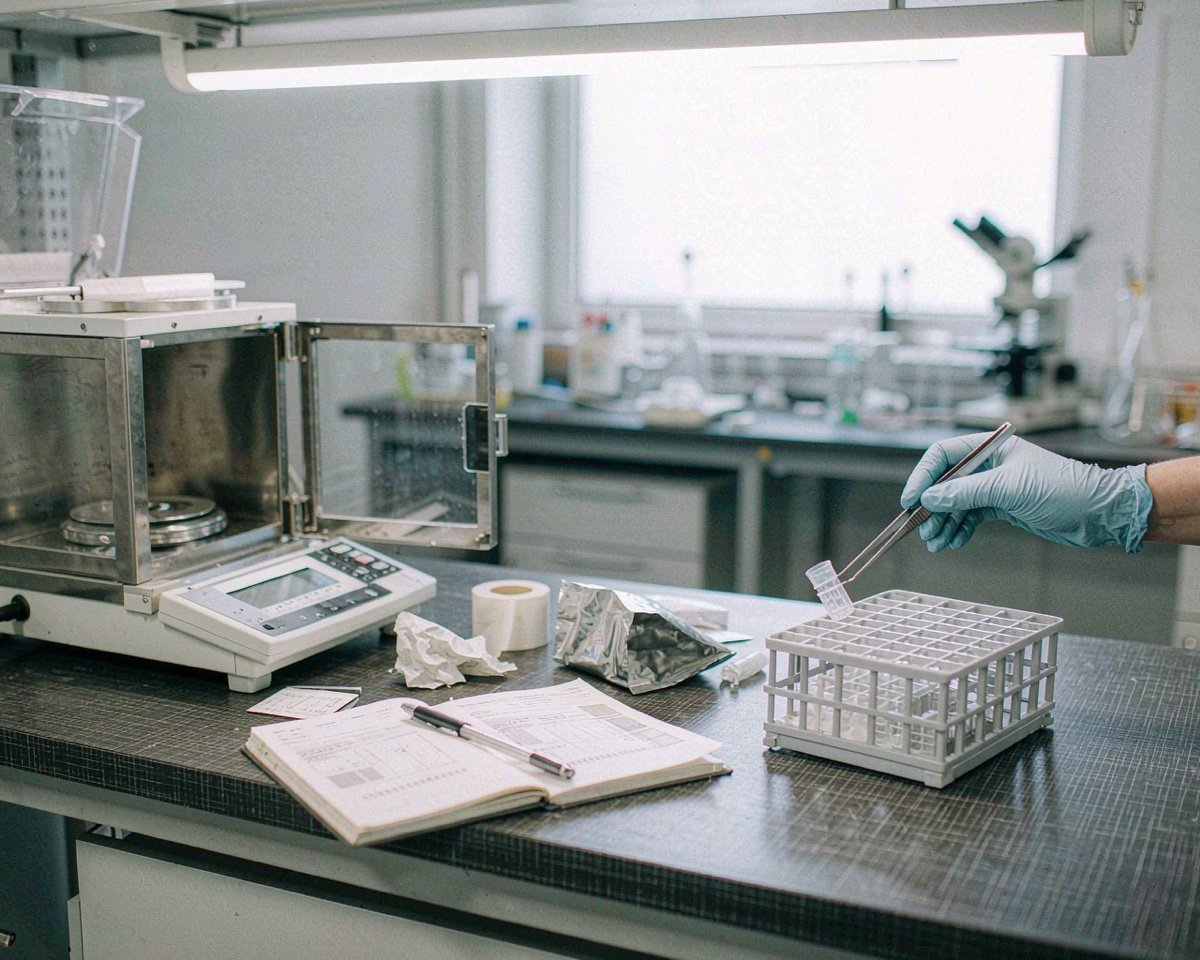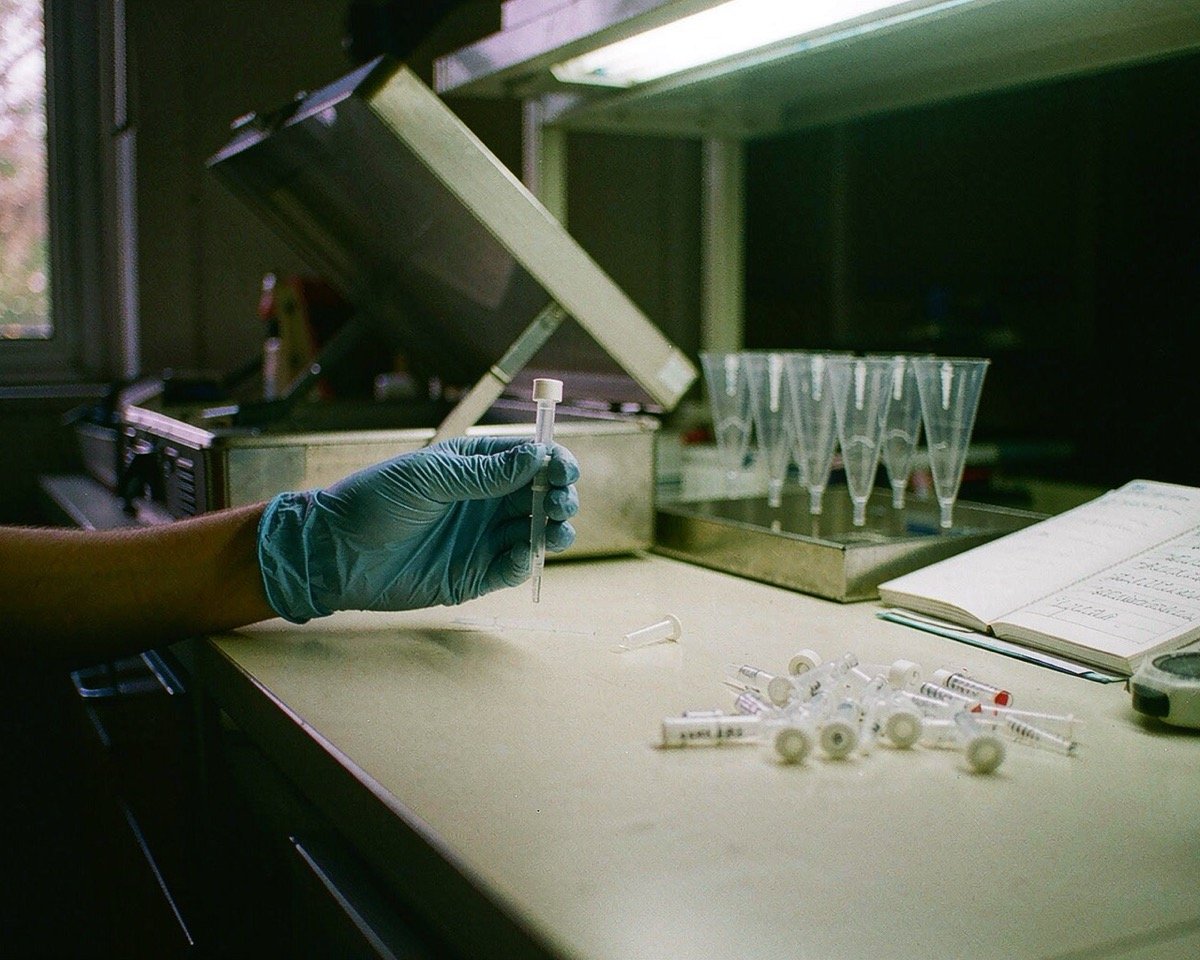

I set up my first qPCR run with whatever tubes were in the drawer, and I got away with it for about three weeks. Then the Cts started drifting, and the problem was not the master mix. It was a cheap plate with a rim that sat a half-millimeter too proud of the block, so one corner of the adhesive seal never quite bonded. If you are stocking a molecular bench, the plastics deserve more thought than they usually get.
PCR and qPCR consumables come down to five things: reaction vessels (tubes, strip tubes, or plates), seals, pipette tips, certified-clean claims, and the storage consumables that keep primers and master mixes alive. Get those five right and the chemistry usually behaves.
The Short Answer
For routine PCR you need thin-walled 0.2 mL polypropylene tubes or strips matched to your cycler block, an appropriate seal (domed or flat caps, foil, or adhesive film), low-retention filter tips, and DNase/RNase-free certification on everything that touches nucleic acid. qPCR adds one requirement: optical clarity where the instrument reads fluorescence.
Tubes, Strips, and Plates: Match the Cycler, Not the Catalog
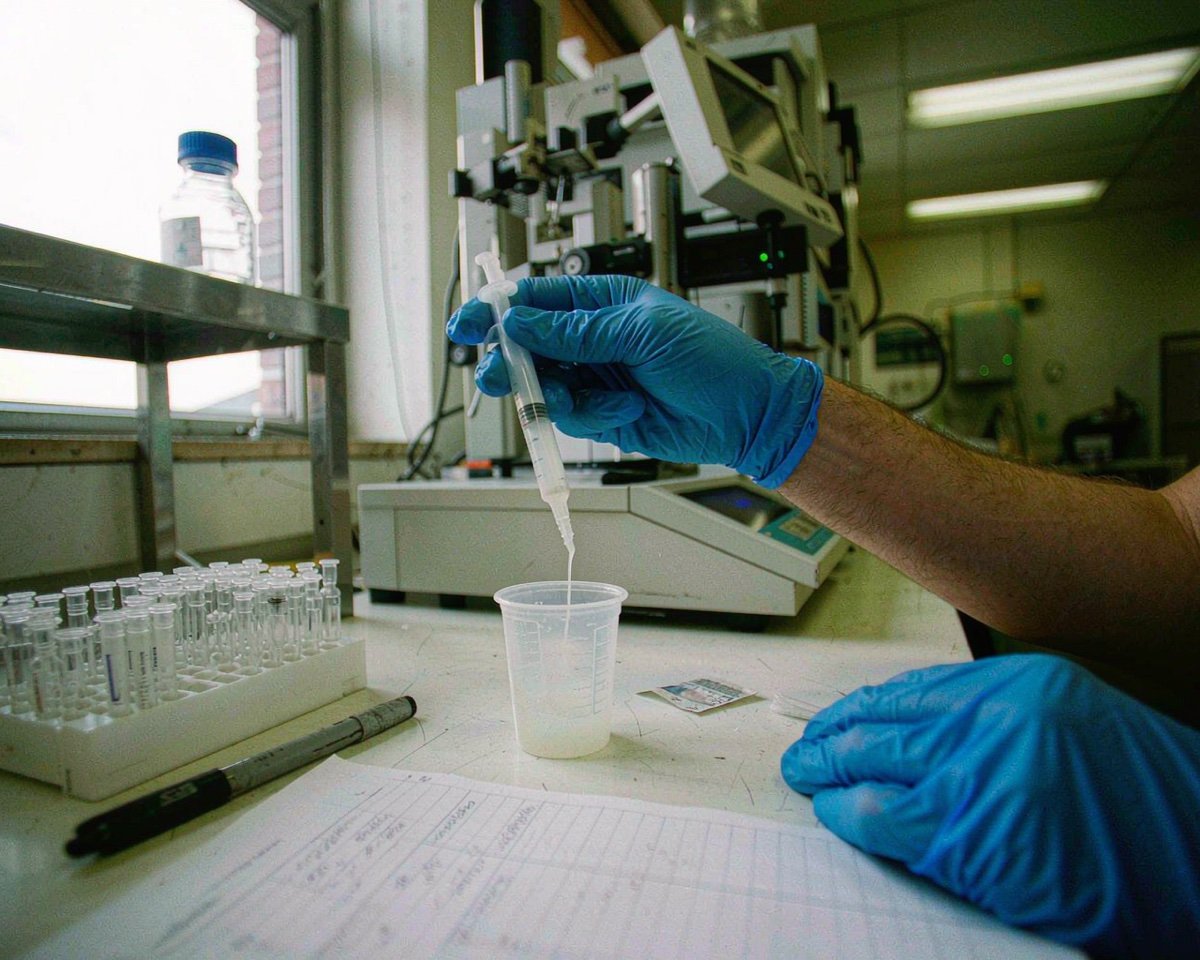
The reaction vessel is the one consumable you should never buy blind. Thermal cycler blocks come in standard 0.2 mL and 0.1 mL formats, and a plate that fits a Bio-Rad block is not guaranteed to seat properly in an Applied Biosystems instrument. Wall thickness matters too, because thin-wall polypropylene transfers heat faster and shortens the time your sample spends outside the optimal temperature. Instrument makers publish compatibility lists for a reason, and Thermo Fisher’s PCR plastics selection tool exists precisely so you can pick plastics validated for your exact cycler model instead of guessing from product photos.
Volume is the second trap. A standard-profile 0.2 mL tube holds 0.25 mL when capped, which leaves a large air gap above a 10 µL reaction. That gap is where condensation forms. For low-volume qPCR, low-profile tubes exist precisely because the shorter well reduces the dead space under the heated lid; Thermo Scientific’s own product documentation recommends low-profile plastics for reaction volumes below 20 µL, noting that the design eliminates sidewall condensation that would otherwise reduce reaction volume.
My rule after too many drifted runs: below 15 µL reactions, low-profile every time. Above 25 µL, standard profile is fine and cheaper.
Seals: Where Most qPCR Evaporation Problems Start
A well-sealed plate is the difference between clean amplification curves and a row of wells that dried out at cycle 30. You have three options, and each has a personality.
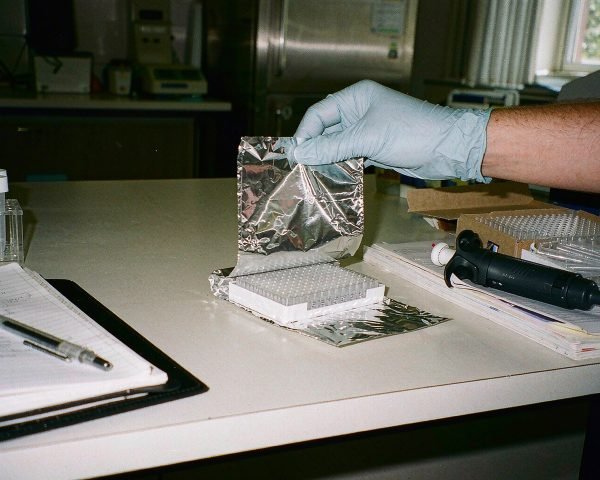
Flat caps and domed cap strips are the most forgiving for manual work. Foil seals give the best optical performance for qPCR and survive thermal cycling without peeling, but they demand a proper sealing tool; pressing one down with your thumb gives you a plate that looks sealed and leaks at well H1. Adhesive films are convenient for room-temperature steps but are the weakest choice across 40 cycles at 95°C.
Whatever you choose, inspect the seal edge-to-edge before the run starts. It takes ten seconds and it is the cheapest insurance in molecular biology.
The Certifications That Actually Matter
Molecular biology plastics carry a wall of claims, and not all of them mean something. The ones that do:
DNase- and RNase-free is the baseline. Nuclease contamination degrades your template or your RNA before the first cycle even starts. Human DNA-free matters in forensics and any human-identity work, because manufacturing can leave trace DNA on plastics. Manufactured in a cleanroom is what separates controlled production from a regular molding shop; Thermo Scientific states its PCR plastics are made from medical-grade virgin polypropylene in a Class 100,000 cleanroom under ISO 9001 guidelines and certified free from RNase, DNase, and human DNA.
Here is the nuance most people miss: sterile and nuclease-free are not the same claim. Sterilization kills organisms but does not remove dust or DNA fragments, and those fragments can still act as templates. So “sterile” alone tells you little for PCR. If you want a deeper comparison of what each purity claim actually guarantees, our sterile vs low-bioburden explainer breaks the hierarchy down, and we have a separate piece on who really needs DNase- and RNase-free consumables.
Pipette Tips: Filter Tips and Low Retention
Two tip decisions affect PCR more than any other consumable choice after the vessel.
Filtered tips stop aerosols from traveling back into the pipette body, which is how one high-copy sample contaminates every sample you run afterward. They cost a bit more. Buy them anyway. The same logic applies at the storage vessel level, which Eppendorf covers in its vessel material guide: material choice is a contamination decision before it is a strength or cost decision.
Low-retention tips matter when you work with small volumes of viscous or dilute master mixes. Standard polypropylene holds onto liquid film, and at 2 µL dispensing volumes that film can be 5-10% of your intended transfer. Nobody notices that on a 50 µL reaction; everyone notices it on triplicate Ct values that refuse to line up.
Storage Consumables: Keeping Primers and Master Mixes Alive
PCR does not end at the thermal cycler. Primers arrive as dry pellets, master mixes live at -20°C, and extracted nucleic acid sits in a freezer waiting for its turn. The consumables around that cold chain are unglamorous and unforgiving.
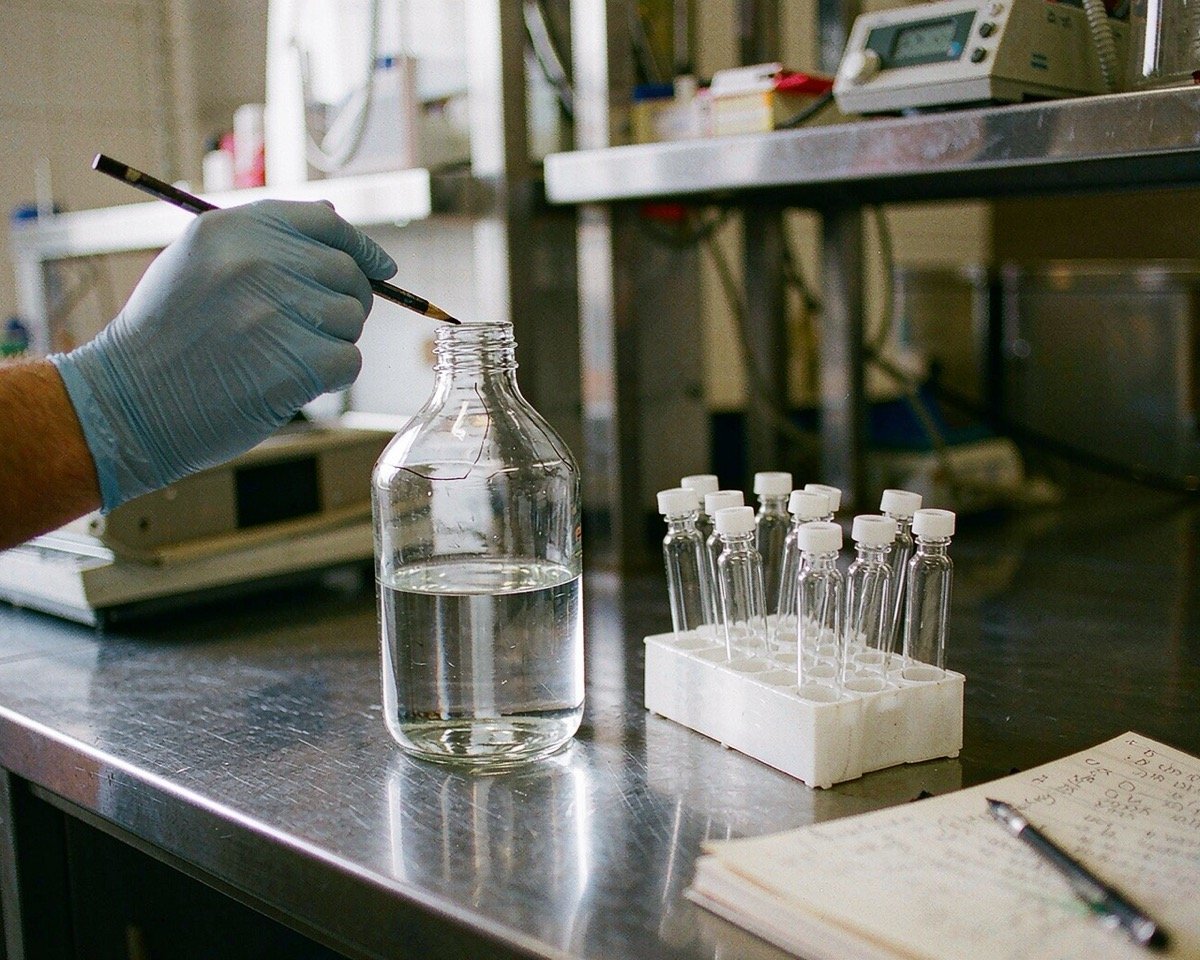
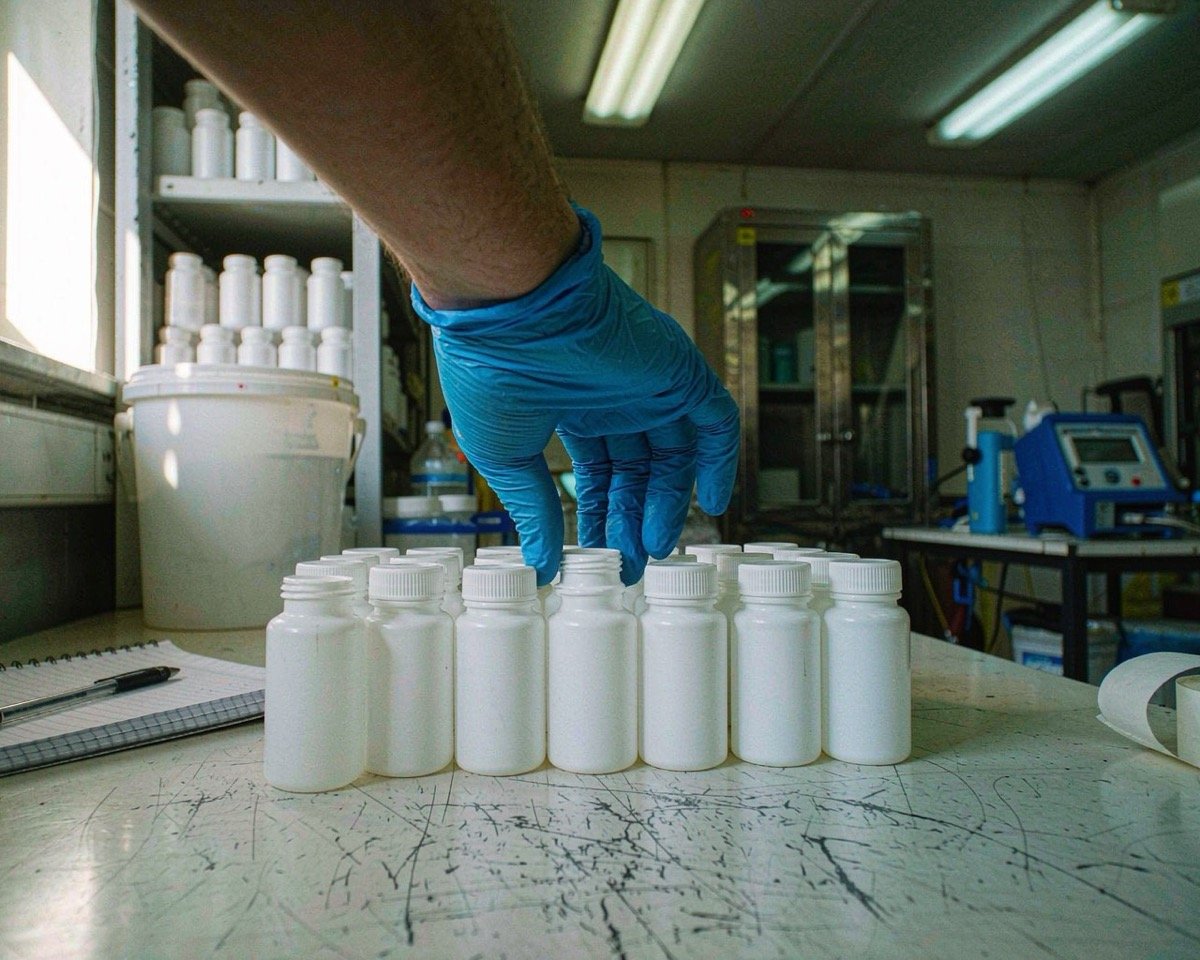
Primer aliquots belong in small-volume polypropylene tubes or cryogenic vials rated for -80°C, not in one big tube that gets thawed weekly. Working aliquots of master mix do the same. Buffer and nuclease-free water for larger volumes go in borosilicate media bottles that can be autoclaved and resealed without leaching anything into the solution; if you are choosing those bottles, our guide to glass versus plastic reagent bottles covers the trade-offs.
Label everything with lot and date. A primer strip that has been through six freeze-thaw cycles behaves differently from a fresh aliquot, and you will only know which one you used if the box says so.
What I Would Buy First on a New Molecular Bench
If I were stocking from zero, my order would be: matched plates or tubes for the exact cycler in the room, foil seals and a proper sealing tool, filtered low-retention tips, then aliquot tubes and a couple of media bottles for buffers. Everything else can wait a week.
The through-line is that PCR reproducibility is mostly a consumables problem. Chemistry kits get the blame, but in my experience the plastics and the seals decide whether triplicates agree.
Conclusion
PCR and qPCR consumables look interchangeable on a supplier website and behave very differently on a thermal cycler. Match the vessel to your cycler block and your reaction volume, seal plates properly, insist on DNase/RNase-free certification rather than “sterile” alone, use filtered low-retention tips, and give primers and master mixes a real cold-chain setup with aliquot tubes and clean media bottles. None of these items is expensive relative to the cost of a rerun, which is exactly why they deserve deliberate choices rather than drawer-stock decisions. Start with the seal and the vessel, because those two fix most drifted runs, then work outward. When you are ready to build out the rest of the bench, our guide to shelf-life and storage for lab consumables is the natural next read.
Frequently Asked Questions
Are PCR tubes and regular microcentrifuge tubes interchangeable?
No. PCR tubes are thin-walled to transfer heat quickly during cycling; standard microcentrifuge tubes have thicker walls that slow thermal transfer and can reduce amplification efficiency. Use them only as storage vessels, not reaction vessels.
Do I need low-profile tubes for qPCR?
If your reaction volumes are below 20 µL, low-profile tubes reduce the air gap under the heated lid, which limits condensation and improves efficiency. At standard volumes of 25 µL or more, regular-profile tubes work fine.
What does “PCR clean” actually guarantee?
It means the plastic is certified free of DNase, RNase, human DNA, and PCR inhibitors, typically from cleanroom manufacturing. It is a stronger and more relevant claim than “sterile” for amplification work.
Why did my qPCR wells evaporate even though the plate looked sealed?
Adhesive films and thumb-pressed foil seals frequently fail at the plate edges, especially at well H1, and the leak only shows after 40 thermal cycles. Use a sealing tool with foil, or verified cap strips, and inspect the full seal line before loading.