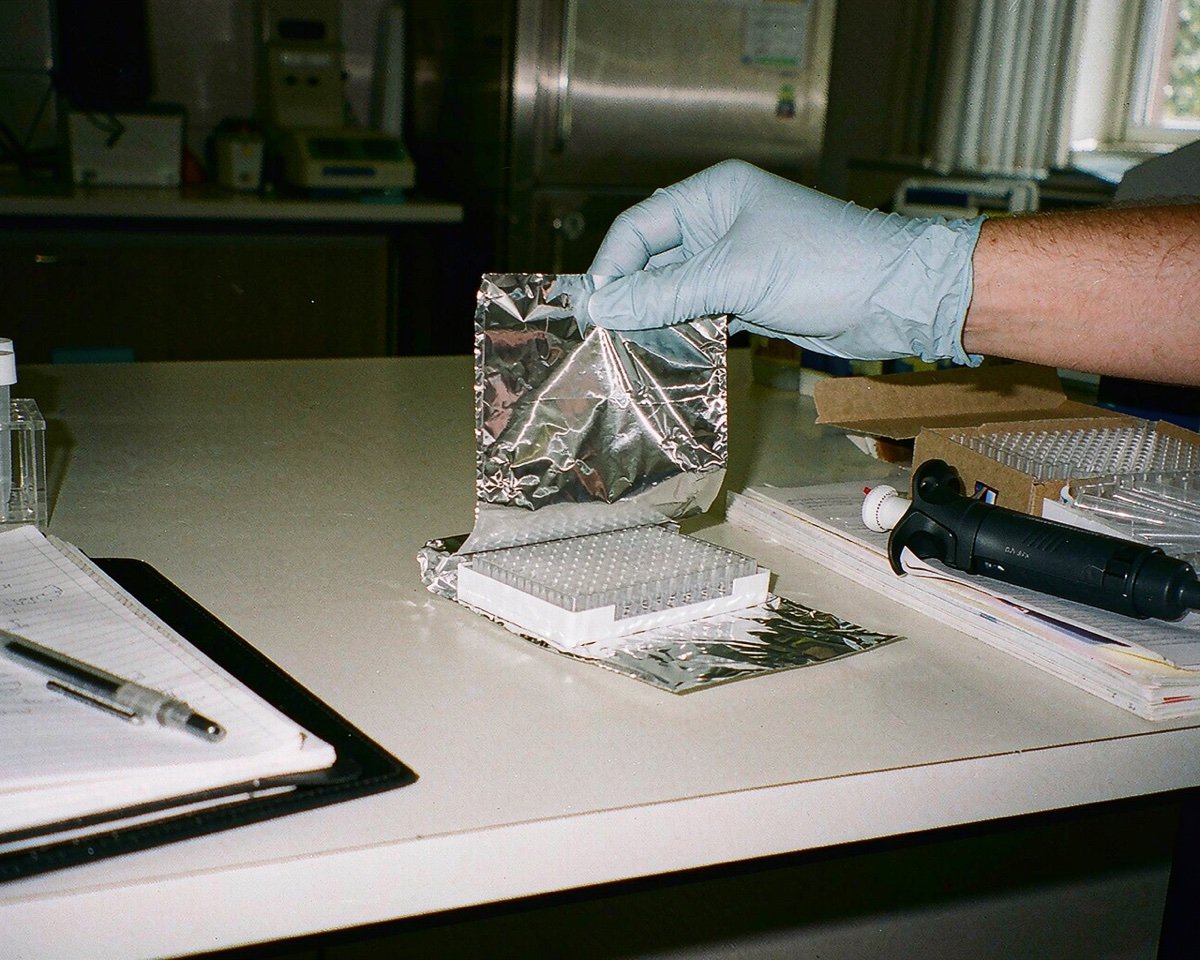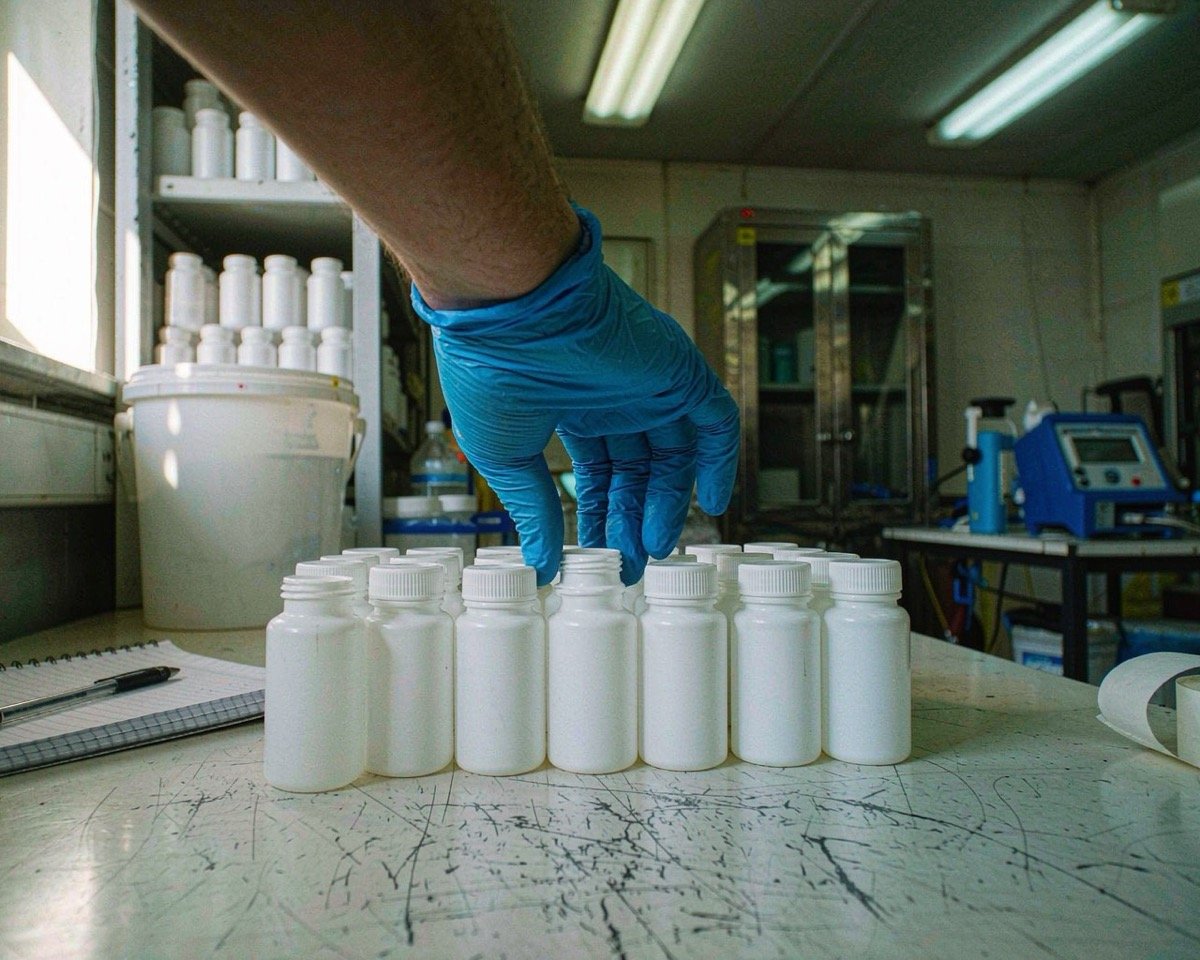
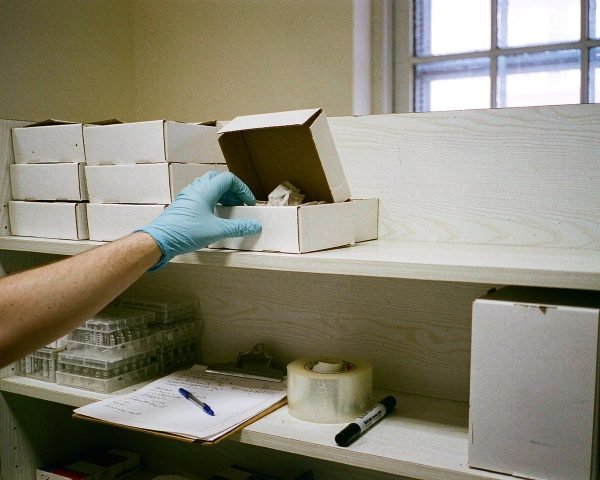

I inherited my first lab stockroom on a Tuesday and ran out of 0.22 µm syringe filters that Thursday. Not the following week. Thursday. Nobody hands you a manual for the supply side of lab management. Your job description mentions budgets and ordering once, in passing, and then the first delivery failure makes it half your week. The ten questions below are the ones I wished someone had answered for me in month one, with the answers I eventually worked out the slow way.
Lab inventory management is really about answering ten questions honestly: what to stock, how much, from whom, at what quality, and how to keep it all alive on a budget without getting burned. If you can answer all ten for your lab, you are ahead of most first-year managers.
1. What Should I Actually Stock First?
Start from your methods, not from a catalog. List every assay your lab runs, walk through the consumables each one touches end to end, and count weekly usage. The first order should cover six to eight weeks of the high-frequency items: vials, caps and septa, filters, tips, gloves, and the bottles your buffers live in.
The mistake I made was stocking what was visibly empty rather than what would run out invisibly. Reagent bottles do not look urgent until someone needs 500 mL of buffer on a deadline. Map the bench first, order second.
There is a walking version of this exercise that works better than any spreadsheet. Follow one sample through the lab from receipt to disposal, carrying a notepad, and write down every consumable it touches. A water sample alone will touch sample bottles, filters, vials, caps, wipes, gloves, and waste containers. Do it for three methods and you will have a starter list that no catalog category view will give you. Lab Manager’s buying guidance suggests asking what is needed, how much, and what alternatives exist for each item, which is a good filter to run that list through before it becomes a purchase order.
2. How Much Is Enough, and How Much Is Hoarding?
Enough is the usage rate multiplied by your replenishment lead time, plus a safety buffer. If your supplier delivers in two weeks and you use 200 filters a week, 600 on the shelf is a sensible reorder point. Hoarding is buying a year of anything with an expiry date.
Perishables (septa, filters, pre-coated plates, sterile items) should turn over every few months. Durable consumables like glass vials and media bottles can sit longer, though even glass has practical limits. The Lab Manager inventory guide recommends recording lot numbers and expiry dates at the baseline count, and I second it: those two data points decide everything downstream.
Sort your stock into three expiry classes and stop worrying about the durable stuff. Class one expires: filters, septa, sterile items, anything with a claim that degrades. Class two degrades slowly: adhesives on seals, rubber components, pre-coated plates. Class three effectively does not age: glass vials, racks, ceramic and metal items. Spending your audit time on class one and ignoring class three is where the return on your fifteen minutes lives.
3. One Supplier or Several?
One supplier for 80% of volume, a qualified backup for the critical 20%. Single-sourcing gets you better pricing and consistent lots. It also means one shipping delay becomes your lab’s delay, which is exactly what happened to half the world in 2021.
Lab Manager’s purchasing guidance suggests arranging two or three suppliers for key materials so sourcing hiccups do not shut the lab down. Qualify the backup with a small trial order, not with a panic order during a shortage. Our guide to switching consumables suppliers walks through that qualification process step by step.
Also decide early whether you are buying from the manufacturer or through a distributor, because the answer changes your risk profile. A manufacturer gives you shorter feedback loops on quality problems and better pricing at volume. A distributor consolidates freight and absorbs small-order chaos, which matters more than it sounds when your lab orders forty different things a month. Neither is wrong. What is wrong is assuming the two models behave the same when a lot goes bad.
4. How Do I Compare Two Quotes That Look Nothing Alike?
Normalize everything to a per-unit, landed price. Quote A is $0.42 per vial plus $90 freight; quote B is $0.51 with free freight and 5,000 units. Do the arithmetic before the salesperson does it for you.
Then check what the price includes: certificates, lot traceability, packaging, and lead time. A quick five-line comparison table per quote (unit price, freight per unit, certificate cost, lead time, minimum order) takes ten minutes and prevents the spreadsheet-free arguments that procurement meetings run on. I once compared two quotes on 13 mm 0.22 µm nylon filters where the per-unit price differed by 40%, and the product codes were three characters apart. One was nylon, one was PTFE. Cheap lessons like that are still lessons. Our spec sheet vocabulary guide decodes the terms that hide inside those differences.
5. Which Certifications Do I Actually Need?
Match the claim to the application, not to the fanciest certificate on the market. Regulated pharma QC needs documented material specs and change control. Academic research needs consistency more than paperwork. Food and environmental labs need contamination-free claims relevant to their detection limits.
ISO 9001 certification of the manufacturer is a reasonable baseline for any supplier relationship because it tells you processes exist and audits happen. ISO 9001:2015 is the current edition, and any serious consumables manufacturer will send you their certificate without a fight. If a vendor gets cagey about a certificate request, that is information too.
One practical tiering that survives contact with reality: full documentation for anything that enters a reported result, standard documentation for anything that touches the sample on its way to a result, and none for the stuff that only protects the bench. Over-documenting slow consumables is a real cost. A pair of nitrile gloves does not need the same pedigree as the vial your injectable standard came in, and pretending otherwise burns budget that the critical items need.
6. How Do I Set Reorder Points That Work?
A reorder point is not a feeling. It is: average weekly usage times lead time in weeks, plus safety stock. Track actual usage for a month, because estimates from the bench are usually wrong by a factor of two in either direction.
Then automate the trigger. A whiteboard column that someone updates is better than nothing, but a simple spreadsheet with a minimum-quantity flag beats both memory and the whiteboard.
The spreadsheet needs three columns and nothing fancy: item, current quantity, reorder point. Conditional formatting turns the row red when quantity drops below the point, and whoever opens the file on Monday morning sees the order list already written. Labs that graduate to inventory software later will import the same three columns, so nothing is wasted by starting there. Our signs you need to reorder guide lists the practical warning signals, including the most reliable one: the second person this week asking where the spare filters went.
7. Bulk or Just-in-Time?
Bulk wins on unit price and loses on cash, storage, and expiry. The honest answer is to split by category. Glass vials, caps, and racks: bulk, since they do not expire and freight dominates their cost. Septa, filters, sterile items, and anything with a shelf life: smaller orders, more often.
There is also a middle path with most suppliers: blanket purchase orders with scheduled deliveries. You commit to volume, get the bulk price, and take delivery quarterly. Worth asking about once your usage data is real and not a guess.
A concrete example of why the split matters. Suppose filters cost $1.20 each in boxes of 100 and $0.85 each in cases of 1,000. At 150 per week, the case saves you roughly $2,700 a year, but the filters expire in three years, so the risk is low and bulk wins. Now run the same logic on pre-slit septa with an eighteen-month shelf life at 40 per week: a case lasts nearly five years of nominal usage, which means the back half of the case ages out in storage and the bulk price is fiction. Same math, opposite answers, and only usage data tells you which.
8. How Do I Keep Consumables From Dying on the Shelf?
Storage is where quietly good inventories die. Septa and filters age with heat, light, and humidity. Adhesives on seals creep. Sterile packaging degrades. And every one of those failures is invisible until the item is in use, which is what makes storage problems expensive: you pay full price for a consumable and receive a degraded one. So store consumables in a cool, dry cabinet away from the window, use oldest stock first, and keep originals sealed until use. First in, first out, written on the box, checked quarterly. A 15-minute shelf audit each quarter catches more problems than any software.
9. What Should a Consumables Budget Line Look Like?
Budget by category and by burn rate, not as one blob. Vials and caps, filters, tips and tubes, bottles and glassware, PPE, and a contingency line of about 10%. Track monthly spend against it for two or three quarters and the forecast becomes genuinely useful. The first quarter will be wrong in interesting ways, and that is fine, because the point of the categories is to see which one is wrong. A filters line that doubles tells you a method changed or someone is filtering samples twice; either way, you want to know that from the ledger before it appears in the monthly invoice surprise.
The trap is under-budgeting because last year’s number looked fine. New instruments, new methods, and staff growth all move consumable spend, and none of them show up in last year’s ledger. When costs need trimming, negotiate before you degrade: freight terms, blanket-order pricing, and payment terms usually give back more than swapping to a worse product ever will.
10. How Do I Audit a Supplier Without Making It a War?
Ask for documents the polite way: certificate of analysis per lot, material certifications, and their ISO certificate. Then test them with one real problem. Send a complaint about a cracked vial shipment and see how they respond. The speed and honesty of that response tells you more than any audit checklist.
Keep records of every lot received, because when something drifts analytically, the question “which consumable lot was in use?” must have an answer. An afternoon with a supplier’s documentation, run once a year, turns that question from a panic into a five-minute lookup.
The audit conversation gets easier when you treat it as two-sided. Suppliers audit their own processes constantly under ISO frameworks; asking for the summary of their last internal audit or their corrective action log is a reasonable, professional request that most will answer. What you are testing is not perfection. Every manufacturer has deviations. What you are testing is whether they find them, record them, and close them.
A 30-Day Starter Plan
If all of this lands as a wall, here is the compressed version I would run in my first month on the job.
| Week | Action | Output |
|---|---|---|
| 1 | Full count, lot and expiry recorded | Baseline inventory with expiry classes |
| 2 | Track usage on the top 20 items | Real burn rates, first reorder points |
| 3 | Compare last two quotes per-unit landed | Normalized cost view, first savings |
| 4 | Request certificates from key suppliers | Documentation file, backup supplier shortlist |
The plan is deliberately unimpressive. No software, no procurement committee, nothing that needs sign-off beyond a budget line for the first orders. What it produces is the raw material for every decision in the ten questions above: numbers where guesses used to be. Month two is when you set reorder points properly, and month three is when the first quiet week on the supply side usually arrives. That quiet week is the goal, and it is closer than it looks from inside week one.
Conclusion
Most consumables mistakes new lab managers make trace back to one of these ten questions going unanswered: no usage data behind reorder points, quotes compared on price alone, certifications bought instead of matched, or a single supplier with no backup. The good news is that none of this requires software or a procurement department. A spreadsheet, a quarterly shelf audit, one honest conversation with each supplier, and the discipline to record lot numbers will carry you a long way. Start with questions 1 and 2, because stocking decisions drive everything else, and let the calendar in our buying calendar guide shape the rhythm. A month of data makes every other decision here easier, and your future self, the one not improvising a filter order at 4 pm on a Thursday, will be grateful.
Frequently Asked Questions
What is the first thing a new lab manager should do about consumables?
Run a full physical count with lot numbers and expiry dates, then track real usage for a month. Every stocking, budgeting, and supplier decision improves once usage data replaces guesswork.
How much safety stock should a lab keep?
A common starting point is two to four weeks of average usage on critical items, adjusted for supplier lead time. Items with expiry dates need tighter buffers than durable consumables like glassware.
Should I always choose the cheapest consumables quote?
No. Compare landed per-unit cost including freight, certificates, and lead time, then weigh quality risk. A 20% saving on a consumable that fails incoming inspection is a loss.
How often should I review my consumables suppliers?
Annually is enough for most labs, plus an immediate review after any quality failure or repeated delivery problem. Keep a qualified backup warm with an occasional small order.