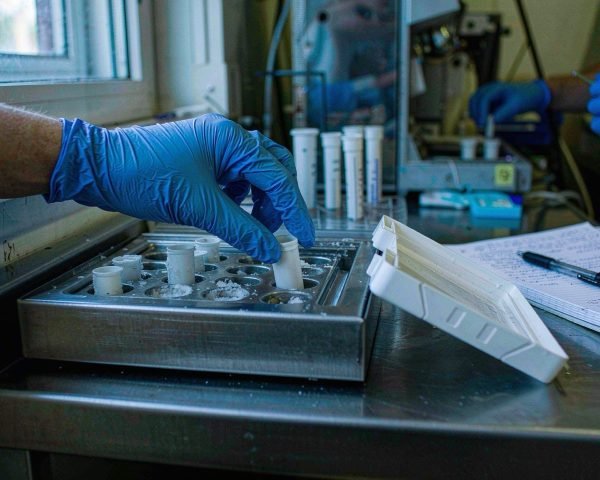

# What Consumables Does mRNA and Vaccine QC Need?
mRNA and vaccine QC runs on small glass and plastic as much as it runs on instruments. Pick the wrong tube or vial and your RT-qPCR, LAL, or HPLC result can drift before the assay even starts. So it pays to know what the bench actually uses, and why the spec on the box matters as much as the method on paper.
A modern mRNA or vaccine QC lab needs RNase-free, low-endotoxin consumables above all: certified 2 mL HPLC vials for ion-pair reverse phase methods, low-bind polypropylene tubes and filter tips for RT-qPCR, 0.22 µm sterile filters, and depyrogenated glassware for endotoxin and sterility testing.
Read on, because the details matter. A vial that performs beautifully for lipid analysis can quietly wreck an RNA integrity run the same afternoon.
The Test Panel Decides the Consumable List
A quick reality check first. mRNA vaccine QC is a stacked panel of very different assays. Recent reviews of mRNA drug substance and drug product describe identity by sequencing, content by RT-qPCR and UV spectroscopy, purity by ion-pair reverse phase HPLC and capillary gel electrophoresis, LNP size by dynamic light scattering, lipid content by LC-CAD, plus endotoxin, bioburden, sterility, pH, and osmolality on top. That package is laid out in detail in this review of mRNA vaccine QC methods and in the analytical methods table of this stability review.
That list is your shopping list in disguise. Every assay on it has a consumable that can either protect the result or poison it. So the first thing I’d do with a new QC setup is map each test to its consumable risk, then buy against that map instead of against a generic “molecular biology supplies” catalog entry.
Even the official methods make the dependence obvious. RT-qPCR identity tests are run with nuclease-free water as the negative control, RNA is cleaned up on spin columns, and ion-pair HPLC purity runs separate full-length transcript from fragments at 260 nm. Every one of those steps touches a tube, a tip, a filter, or a vial that had to be RNase-free or the whole result collapses.
RNA Work: Nuclease-Free and Low-Bind Everything
RNA is fragile in a way most small-molecule chemists never have to think about. A single fingerprint on a vial rim carries enough RNase to chew through a transcript while you’re pipetting the next row. In my experience this is the consumable category where saving money hurts most. I once watched a two-week stability study die because someone stored the sampling tubes on an open bench shelf next to a shared thermocycler; the cleanup and re-run cost the team three weeks and a missed CMC milestone.
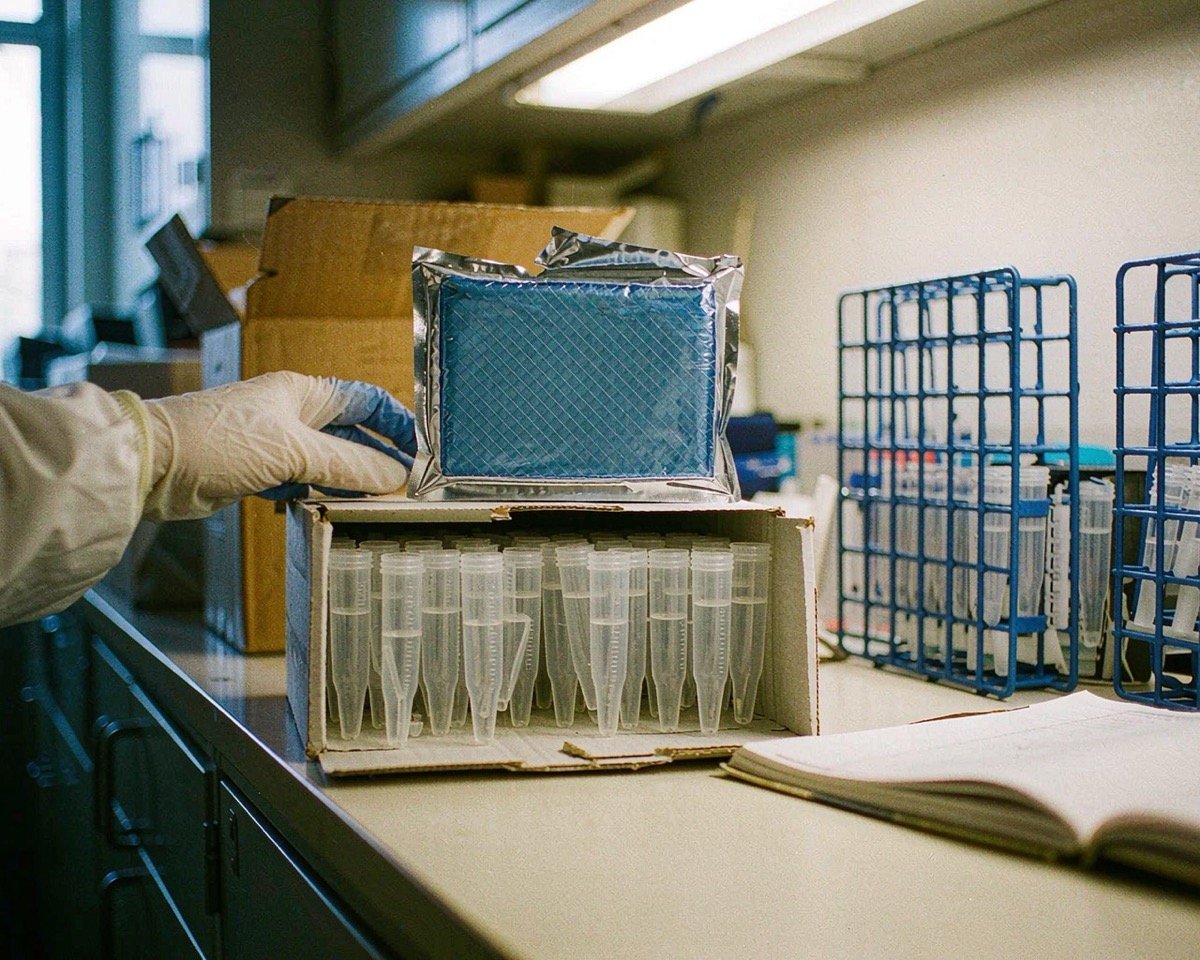
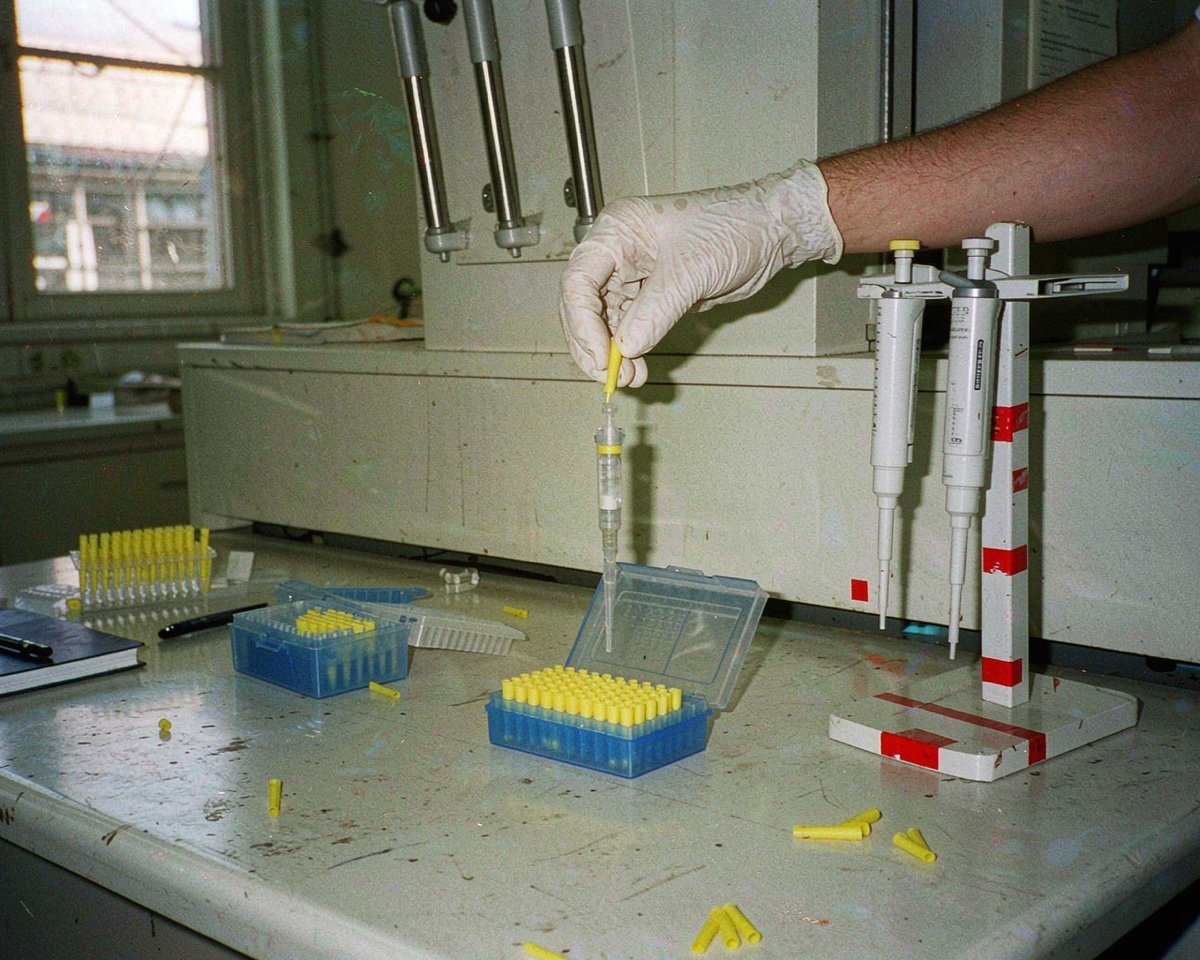
So for anything that touches RNA: certified DNase- and RNase-free low-bind polypropylene tubes, filter tips, nuclease-free water in sealed single-use bottles, and gloves you actually change when you leave the room. We cover who genuinely needs these claims in our RNase-free consumables guide, and the short version is that mRNA QC labs are the textbook case, not the exception.
One decision to make this week if you’re setting up: separate the RNA consumables physically from the rest of the store, even if your budget only allows one dedicated drawer. Contamination control starts with storage, not with the assay.
Chromatography Consumables for Purity, Capping, and Lipid Tests
The chromatography side is friendlier to ordinary good practice, but it has its own traps. Ion-pair reverse phase HPLC for mRNA purity, 5′ cap analysis, and poly(A) tail length typically uses mobile phases with ion-pair reagents such as HFIP and TEA, and Agilent’s application work shows large-pore polymeric PLRP-S columns handling the separation well across mRNA lengths, as their mRNA and LNP characterization pages document. Those mobile phases are hard on cheap hardware, so vial and septum material matters more here than in a plain aqueous method.
For mRNA and lipid work I’d spec:
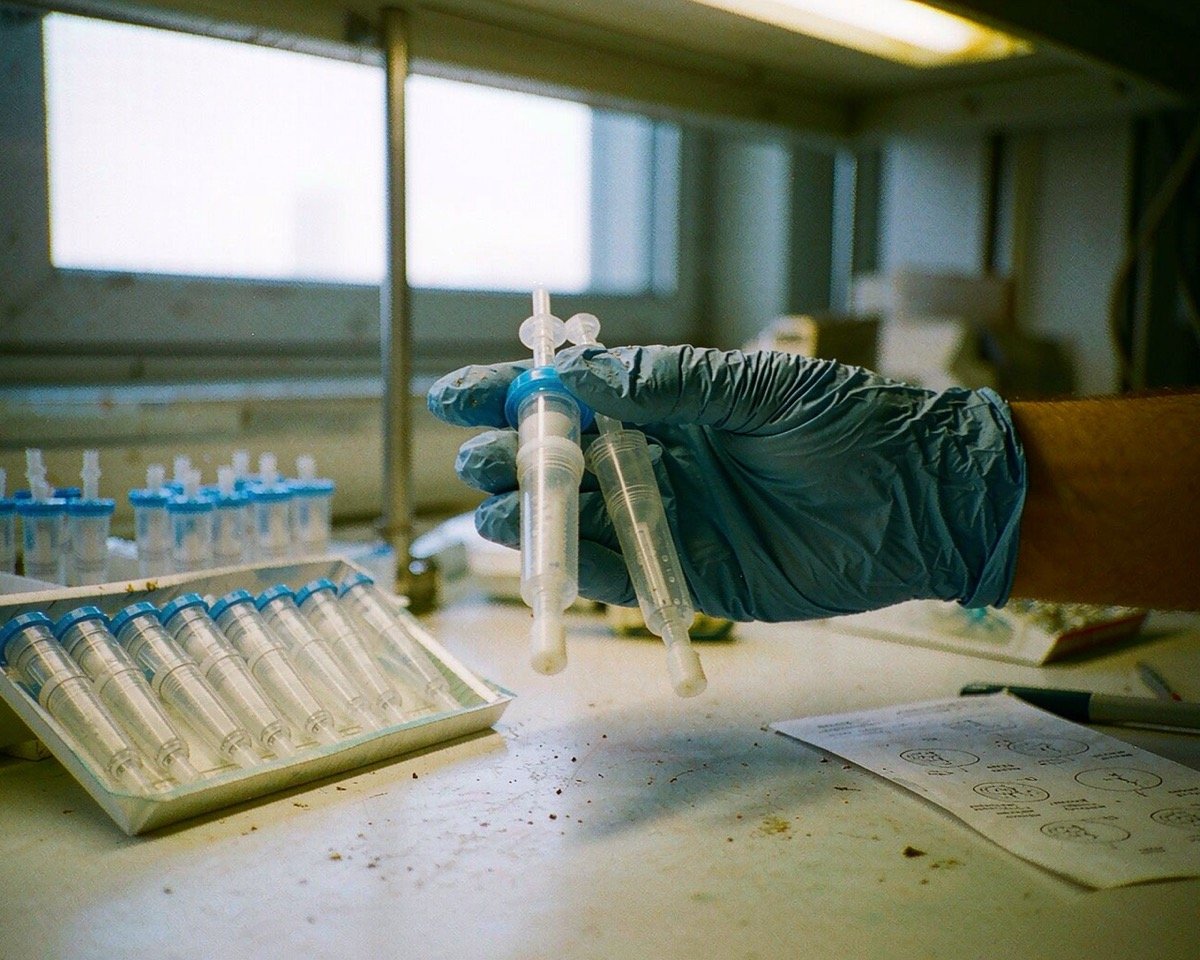
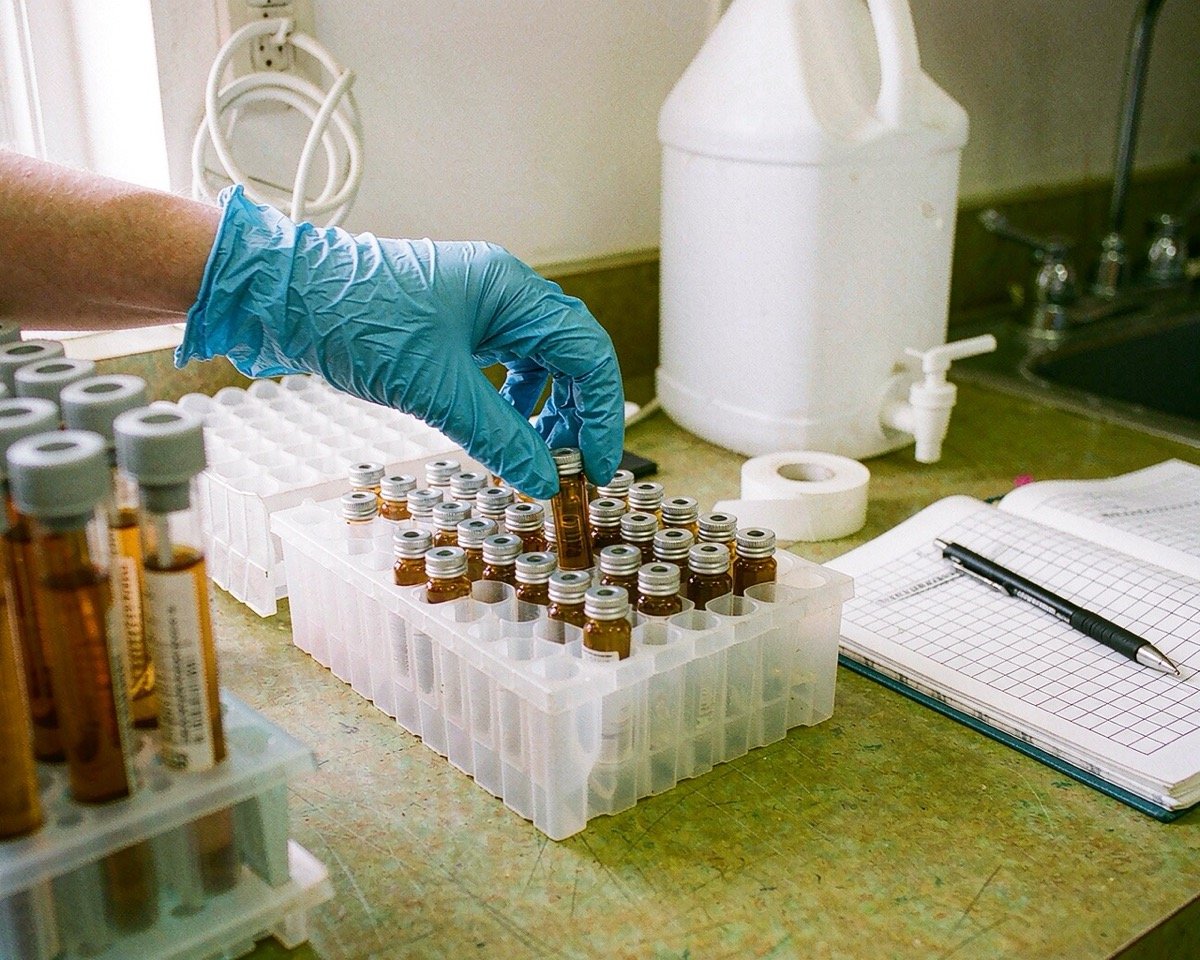
• 2 mL amber glass vials, 9 mm thread, with PTFE or PTFE/silicone septa for anything organic
• Low-adsorption vials or vial inserts when you’re running dilute oligonucleotide standards, because full-length mRNA and synthetic oligos both adsorb to bare glass over a weekend in the autosampler
• Polypropylene or PTFE vessels for sample prep; avoid polystyrene anywhere near organic mobile phases
Lipid content and impurity testing by LC-CAD and LC-MS adds its own quirk: charged aerosol detection hates non-volatile residue, so never reuse a vial type that isn’t specified low-extractable for this method. Run your capping efficiency standard in the third vial of the tray rather than the first, too, because the first injection after a fresh sequence start tends to carry system residue, and that’s exactly where you can’t afford a sloppy peak.
Endotoxin, Sterility, and Bioburden: The Depyrogenation Side
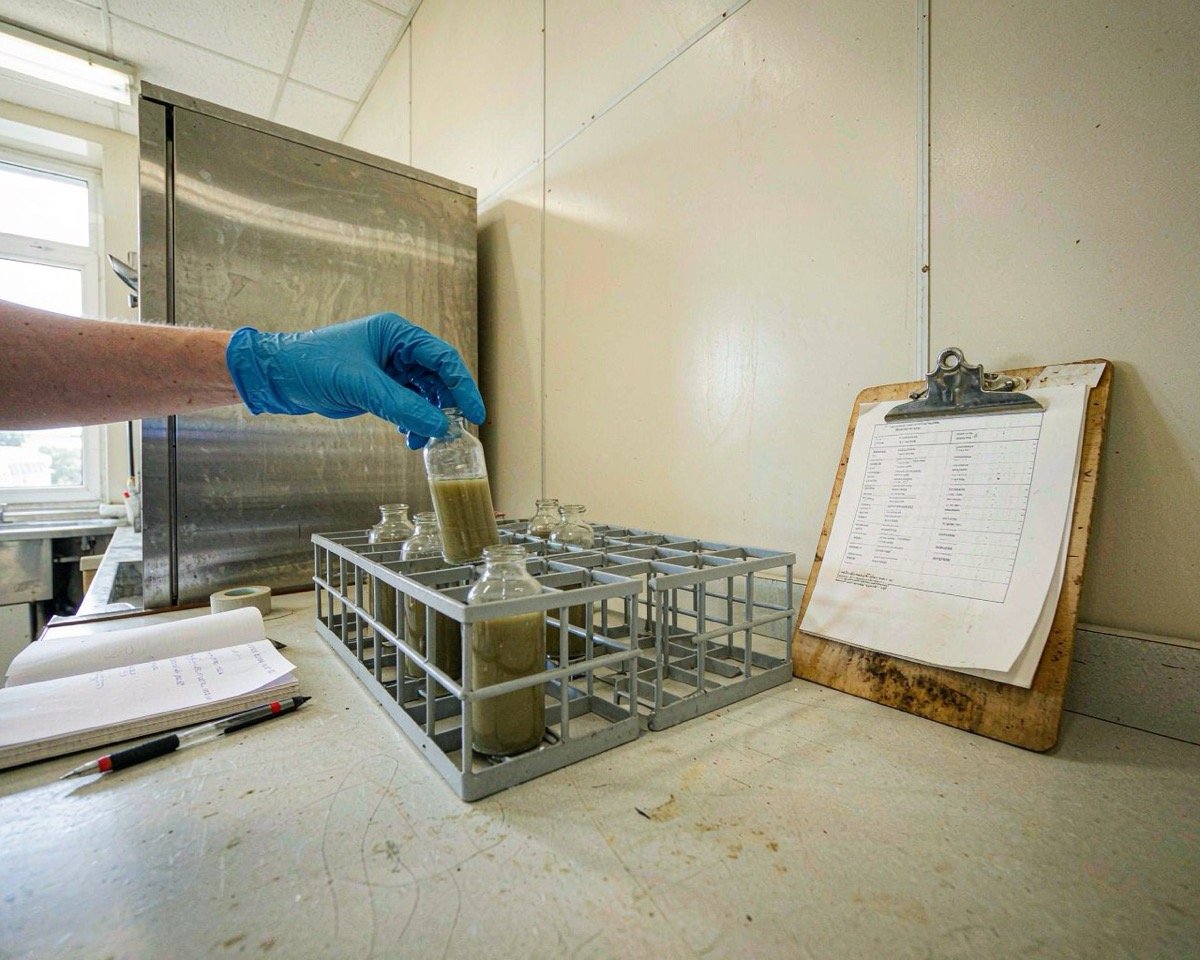
Vaccine release testing is ultimately a parenteral product test, so the compendial microbiology panel applies: bacterial endotoxin by LAL, bioburden, and sterility by membrane filtration. The LAL assay is exquisitely sensitive, with detection limits well below a nanogram of endotoxin per milliliter, and FDA’s guidance on pyrogen and endotoxins testing spells out what regulators expect from the test.
That sensitivity is the whole problem. An ordinary disposable tube can carry more endotoxin than your entire specification allows. This is the one area where I tell labs to stop negotiating on price: any consumable that contacts the sample for an LAL or sterility test needs a documented low-endotoxin claim, ideally with a certificate in the box. We explain what those claims mean in our endotoxin consumables explainer, and our cell and gene therapy QC checklist covers the overlap for advanced therapies running the same panel.
Glass depyrogenation at the bench (dry heat, typically 250 °C for 30 minutes or a validated equivalent) is still worth knowing even in a disposable era, because someone will always need a container the sterile pack doesn’t cover.
Storage Consumables and the Cold Chain
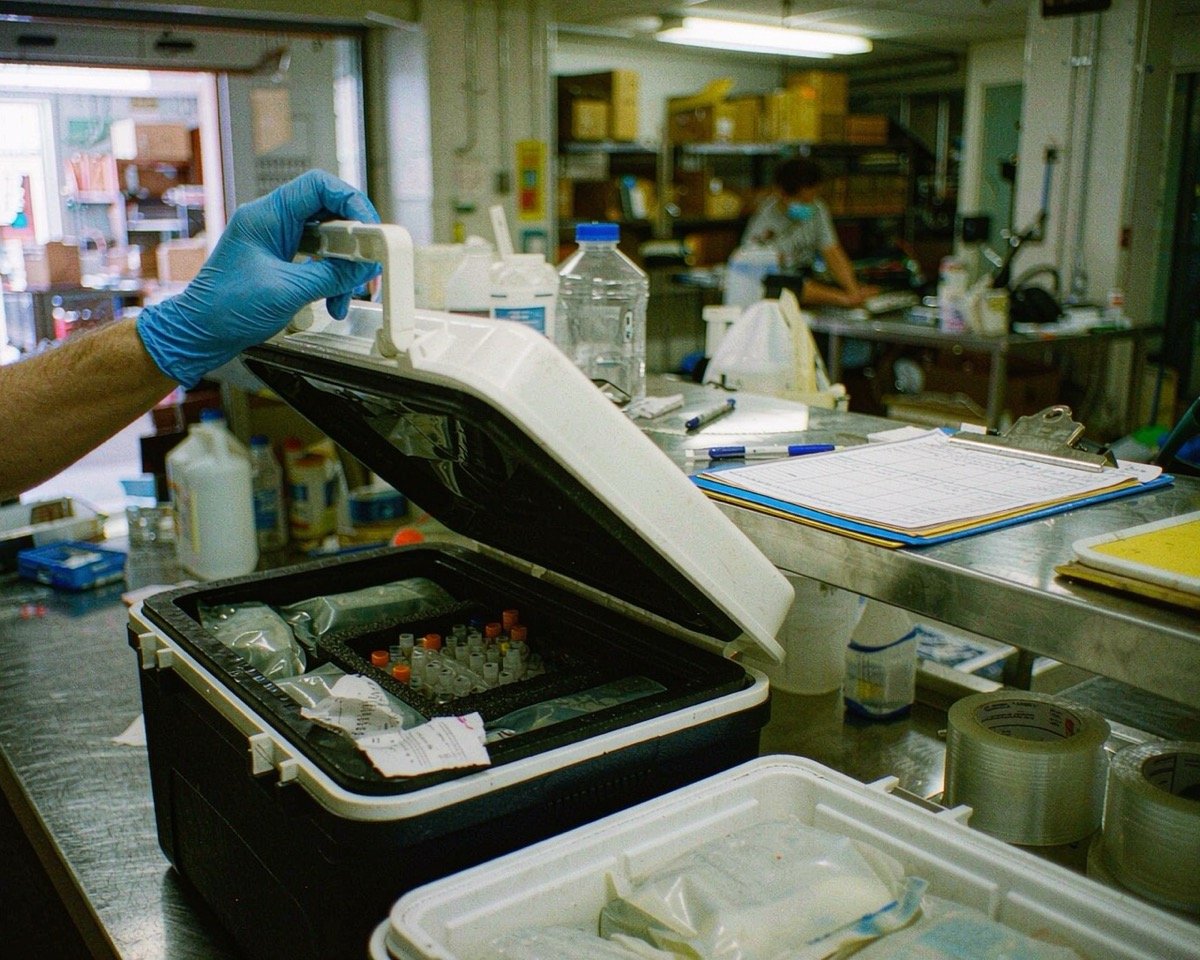
A last, unglamorous category: freezing and storage. mRNA drug products live at -20 to -80 °C, and stability programs pull time points at intervals for months. That means cryogenic vials with silicone O-rings, labels that survive frost and solvent, and boxes that track position rather than hope.
If you only fix one thing in your storage workflow, fix the labeling. I have seen more lost time points to unidentified frozen tubes than to any assay failure.
Conclusion
mRNA and vaccine QC doesn’t need exotic consumables; it needs ordinary consumables with the right claims and the discipline to keep them that way. Nuclease-free, low-bind plastic protects the RNA work. Certified low-extractable vials and PTFE septa protect the chromatography. Documented low-endotoxin consumables protect the LAL and sterility results, because the assay will find contamination your eyes never will. The common thread is that every claim on the box should be traceable to a certificate, and every consumable should be chosen against the specific test panel, not the catalog category. Start with the assay that scares your team most, spec its consumables properly, then work down the list. If you’re tightening up the microbiology side next, our sterile vs. low-bioburden comparison is a good place to check that the claims you’re buying match the release tests you run.
Frequently Asked Questions
Do HPLC vials need to be RNase-free for mRNA purity testing?
For ion-pair RP-HPLC purity methods, RNase contamination mainly matters if the sample sits before injection, since degraded RNA changes the peak profile. Most labs use certified RNase-free vials for mRNA work as cheap insurance, because the price difference is small next to a repeated sequence.
What pore size filter is standard for vaccine sample prep?
A 0.22 µm sterile filter is the default for sterile filtration and for clarifying samples before chromatography or microbiology testing. For protein and LNP samples, labs often move to 0.45 µm or low-protein-binding membranes to avoid losing product to the filter itself.
Can regular microcentrifuge tubes be used for endotoxin testing?
No. Ordinary tubes can carry background endotoxin above typical release limits. LAL and rFC testing requires certified low-endotoxin tubes and tips, and the certificate should be kept with the batch record.
Why do mRNA QC labs prefer amber vials?
Full-length mRNA and many lipids are photosensitive, and autosampler sequences can run for 24 hours or more. Amber glass blocks most of the UV and visible wavelengths that drive degradation, protecting both standards and samples across the run.
Are low-bind tubes necessary if samples are analyzed same-day?
Often not, if the hold time is short and concentrations are high. But RT-qPCR standards, dilute RNA, and any sample stored overnight or frozen benefit from low-bind surfaces, and most mRNA labs standardize on them to remove one more variable from the method.