
# What Consumables Does Cell and Gene Therapy QC Need?
If you run cell and gene therapy QC, your consumables list looks nothing like a small-molecule lab’s. Every release assay runs on living cells that can’t be filtered, polished, or reworked after the fact. That changes what you buy, and it changes what each box has to prove.
Short answer: CGT QC runs on sterile, DNase/RNase-free, low-endotoxin plastics: cryovials and boxes for -196°C LN2 storage, high-g centrifuge tubes, pipettes, media bottles, flow cytometry tubes, qPCR plates with optical seals, 0.22 µm sterile filters, plus full lot documentation.
Below, I break the list down family by family, with the specs that actually matter and a few mistakes I’ve watched cost labs their schedule.
Why CGT QC Is Held to a Higher Bar
A small-molecule batch that fails a test gets scrapped. A failed CAR-T lot means a patient who is already through lymphodepletion, sitting in a chair, waiting. The product is alive, it can’t be re-sterilized, and in most cases it can’t be made again before the release window closes.
The strictness follows from the product itself. CGT shelf lives are short, sometimes a few hours for fresh cell therapies. Adventitious agents, meaning bacteria, mycoplasma, and viruses that arrive through raw materials or contact surfaces, are a standing threat. And release testing has to finish before that window closes.
Regulators treat the risk accordingly. The FDA’s cell and gene therapy guidance library lays out CMC and potency expectations, and ISO 20399:2022 sets requirements for ancillary materials used during production. Plastics sit just outside ISO 20399’s formal scope, but the supplier-qualification mindset behind it is exactly how you should buy your tubes and pipettes.
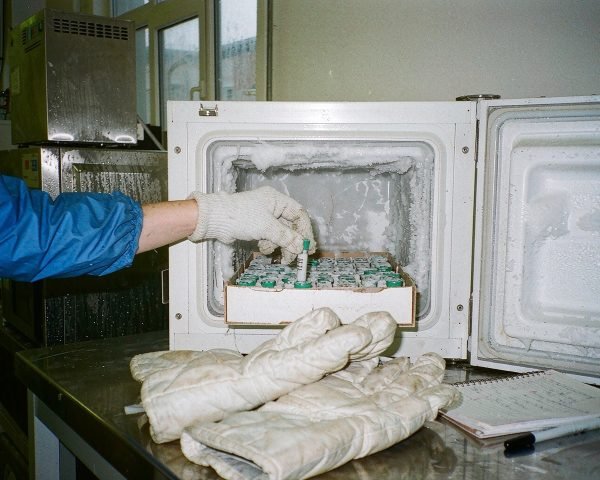
Cryovials and Freezer Boxes: Where One Crack Ends a Study
I once spent two days rebuilding a cell bank inventory because a single cryovial in the third rack of our vapor-phase dewar came out cracked. The cells inside were lost, and we quarantined the neighboring boxes until we could rule out cross-contamination. Nobody could say when it had cracked, which was the part that bothered me most.
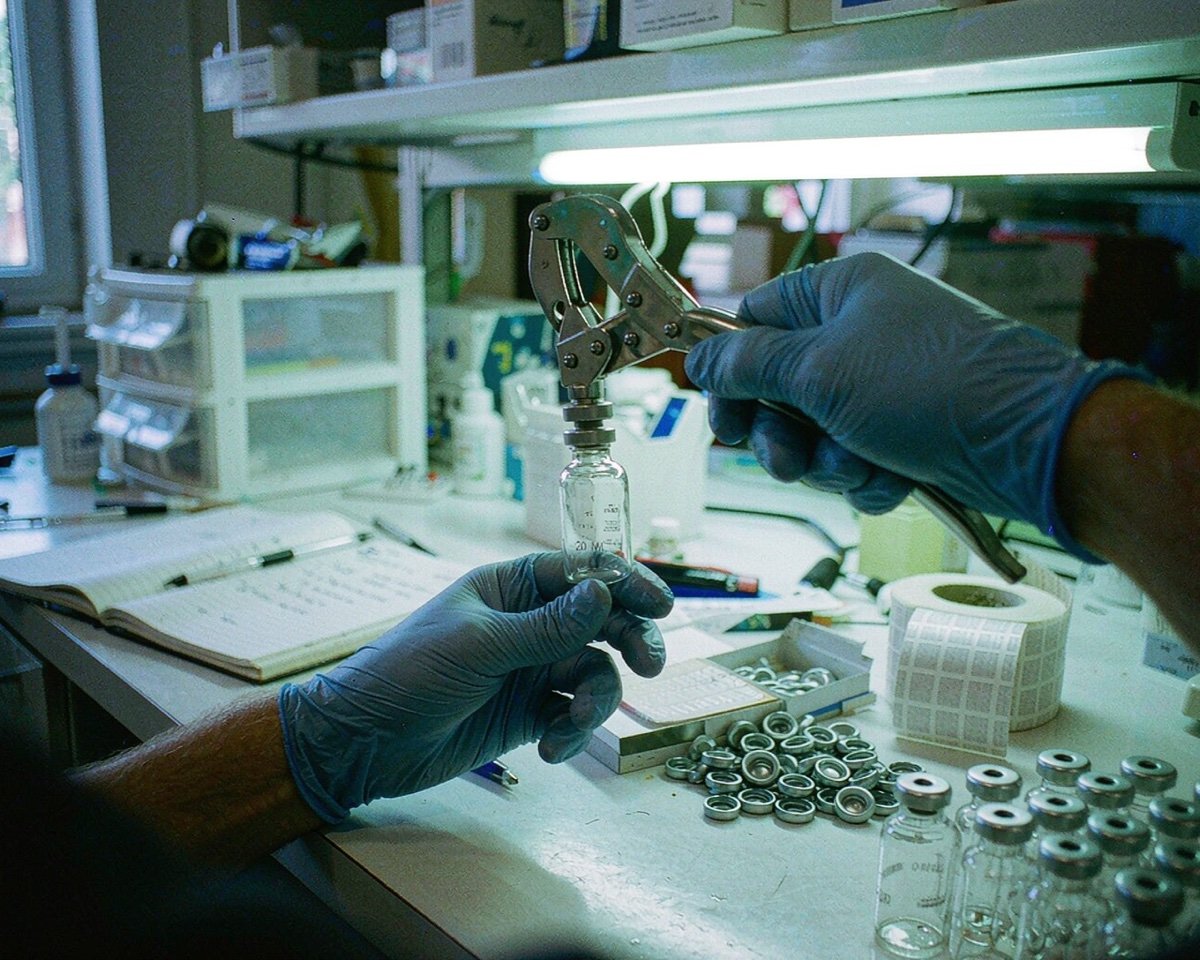
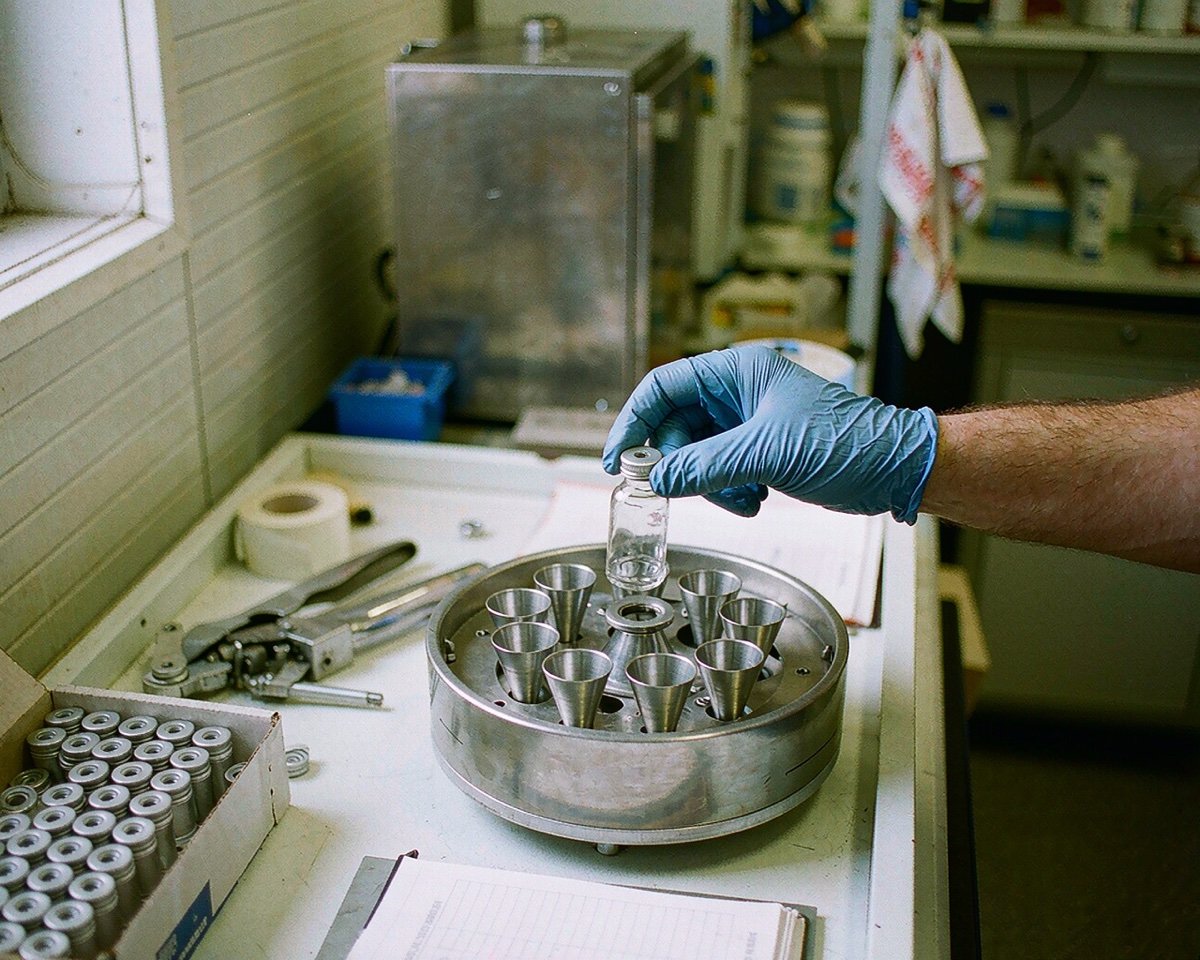
That story is why I default to 1.2 or 2.0 mL internally threaded cryovials with silicone washers for anything that matters. Polypropylene rated to -196°C is the baseline, and the certificate should carry the gamma irradiation record plus certified nonpyrogenic and DNase/RNase-free status. Corning’s internal thread cryogenic vials show what a complete per-lot claim set looks like. One rule worth keeping: store in the vapor phase only, because vials that wick liquid nitrogen can rupture on thawing.
If you’re building or reorganizing a bank, our cryogenic vials and storage boxes starter guide covers vial types and racking in more depth.
Centrifuge Tubes Rated for the G-Force You Actually Run
Harvest steps and vector concentration push tubes well past what a generic tube tolerates. A tube rated to 5,000×g that meets a 15,000×g spin doesn’t leak politely; it shreds. Check the printed g-rating and the cap type, then match both to the rotor you run. Our centrifuge tube materials and volume ratings guide walks through polypropylene vs. polycarbonate if you’re choosing between them.
Pipettes and Media Bottles for Culture-Based Release Testing
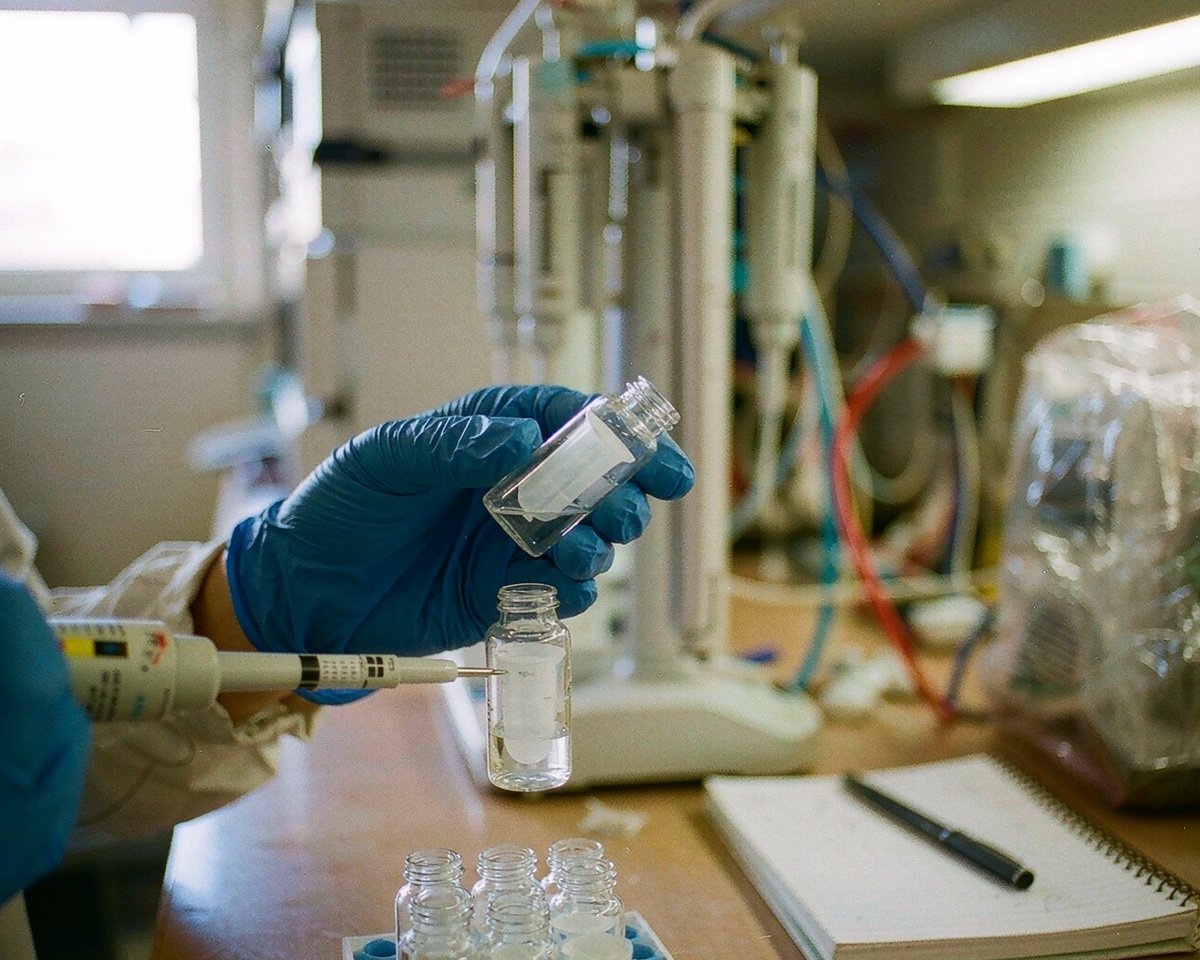
Most of your daily consumable volume goes here. Viability work alone moves through pipettes fast: 500,000 cells per viability count, counted twice, per sample, per time point. Every tip, pipette, and tube touching those cells needs sterile, DNase/RNase-free, low-endotoxin status.
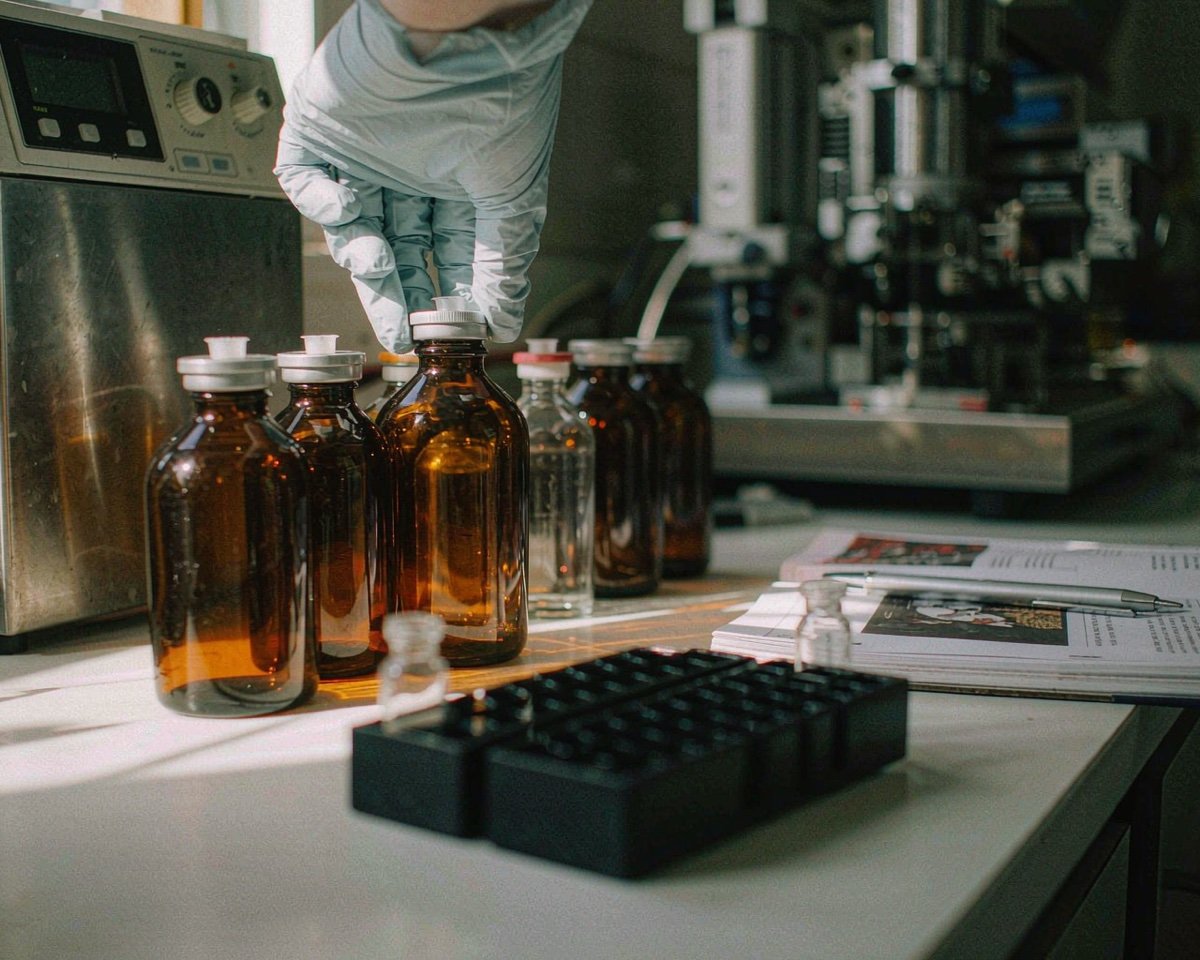
Sterility testing under USP <71> demands a 14-day incubation, so your media bottles and culture vessels hold that burden for two full weeks. Mycoplasma is the other standing risk. Regulatory guidance requires testing for products from mammalian cultures, and rapid qPCR options such as Thermo Fisher’s MycoSEQ assays reach 10 CFU/mL sensitivity with same-day results. Serological pipettes should come individually wrapped and gamma sterilized, with the claims printed right on the wrapper. For media bottles, pick borosilicate or PETG suited to your workflow and gamma sterilized with lot-controlled certification on every case. If you change one thing, look at the closure first; a bad cap seal undoes everything else.
Flow Cytometry Tubes and qPCR Plates
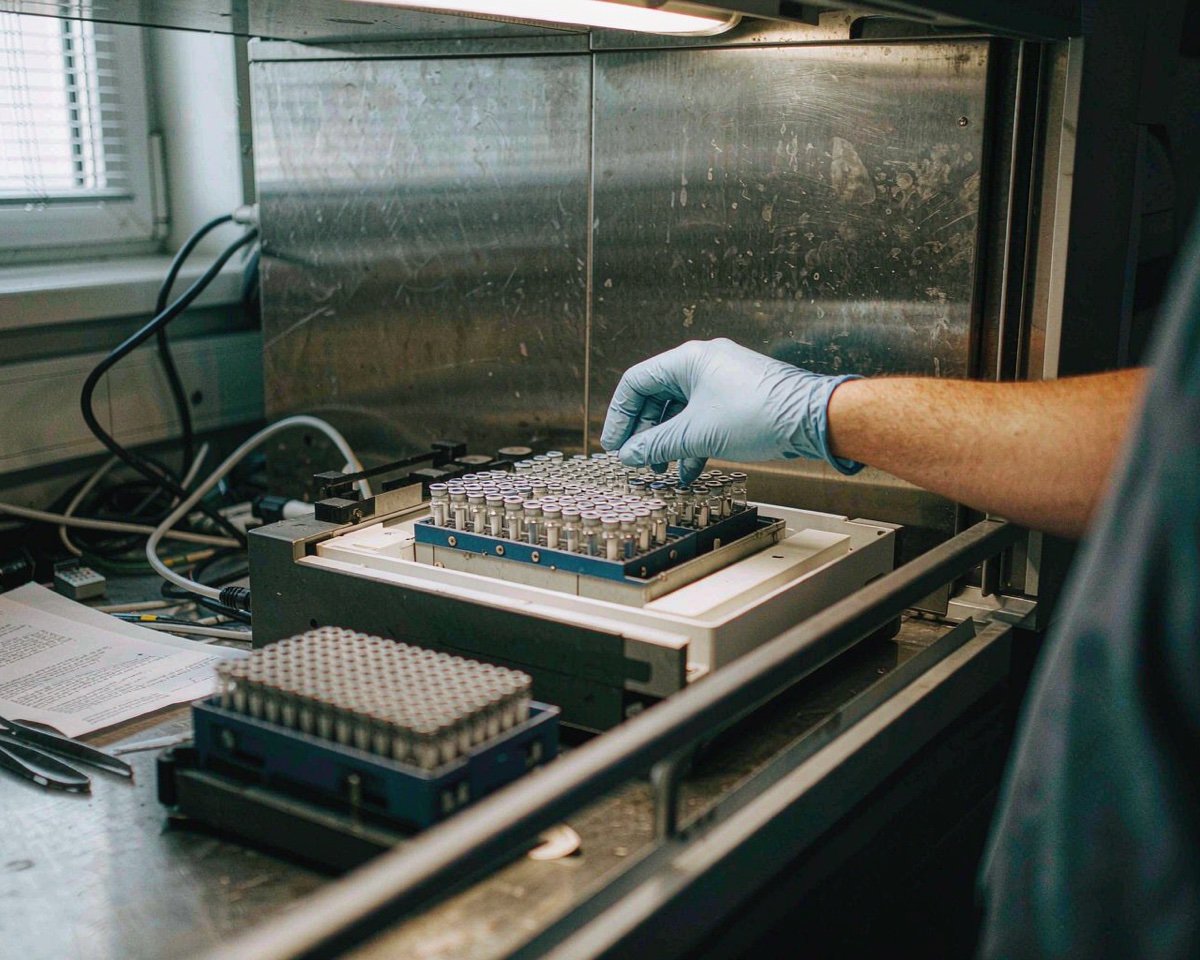
Immunophenotyping and potency assays lean on flow cytometry, and the consumables matter more than vendors admit. Use 5 mL round-bottom polystyrene tubes from a single lot for comparability across runs, and pick low-autofluorescence stock when your markers run dim.
Vector genome titers run on qPCR, which punishes sloppy plastic. Thin-wall clear plates transfer heat evenly, and an optical seal that lifts at 95°C ruins the whole run. Since you’re amplifying DNA, DNase- and RNase-free certification is non-negotiable; a stray nuclease can shave your titer result without any visible sign.
Sterile Filters, Filter Plates, and Sampling Bags
Media, buffers, and in-process solutions pass through 0.22 µm sterile filters on their way into your assays. The sterilizing claim is validated by the manufacturer for specific solutions, so match the filter to what you’re pushing through it. Filter plates support high-throughput release workflows, and single-use sampling bags let you pull in-process samples under closed conditions. Each of these carries the same certificate expectations as everything else on this list.
The Documentation Is Part of the Consumable
A box of tubes without its certificate is just a box of tubes. Expect a certificate of analysis for every lot, showing sterility and endotoxin results, plus DNase/RNase-free certification where claimed, along with gamma irradiation records showing dose and date. Auditors ask for the lot you used on a specific date, not the product family in general. Store certificates so you can pull one in under a minute; you’ll thank yourself during the inspection.
Where CGT QC Labs Get Burned
The endotoxin excursion is the classic. A lab buys “general purpose” tubes, runs what looks like a clean assay, and fails the product’s endotoxin release test. Weeks later the investigation traces back to non-certified plasticware that picked up endotoxin from the water used in its manufacture.
Other repeat offenders: mixing external-thread caps with internal-thread vials, autoclaving plastics that were never rated for it, opening sterile packs in uncontrolled areas, and assuming a box stays sterile once opened. Each one is cheap to prevent and expensive to discover. And remember that “sterile” says nothing about endotoxin; those are separate claims with separate testing behind them.
Conclusion
Consumables for CGT QC are not a shopping list you copy from a small-molecule lab. Build a simple matrix instead: for each release assay, note the consumables it touches, then assign the specification each one needs, whether that’s sterile, DNase/RNase-free, low-endotoxin, or nonpyrogenic. Buy against those specifications and file the certificates with lot numbers attached. If you want my defaults: internally threaded cryovials with silicone washers for every bank, and certified low-endotoxin plasticware for anything that contacts cells or lysates. When you’re ready to tighten the purchasing language itself, start with what endotoxin is and which consumables need low-endotoxin claims, then pair it with sterile vs. low-bioburden labeling so your specs use the right words.
Frequently Asked Questions
Do cryovials really need to be DNase and RNase free?
If the vials hold cells or nucleic acids from a release sample, yes. DNase or RNase carried on plastic can degrade sample DNA and RNA before you assay it. Certified cryovials usually cost little more than uncertified ones, so there’s no good reason to skip the claim.
What endotoxin level should CGT QC consumables meet?
Most suppliers certify consumables to less than 0.25 EU/mL or a similar per-lot limit. For anything touching cells or final product, ask for the actual test result on the certificate of analysis. A “nonpyrogenic” label should be backed by an LAL or equivalent test.
Can I autoclave centrifuge tubes and media bottles?
Only if the manufacturer rates them for autoclaving, typically 121°C. Autoclaving unrated polypropylene can warp the tube or drive out leachables. When in doubt, buy gamma-irradiated sterile stock instead.
Internal or external thread cryovials: which is better for LN2 storage?
Internal-thread vials with a silicone washer or O-ring give the more reliable seal for vapor-phase LN2 storage, which is why most CGT banks use them. External-thread styles are easier to fill one-handed but expose the thread to contamination. Either way, stay in the vapor phase.
Do I need certificates for consumables that never touch the product?
Assay consumables don’t contact the product directly, but they do contact your sample. Auditors generally expect the same traceability for QC testing materials as for production materials. Keep certificates for everything inside the QC suite.