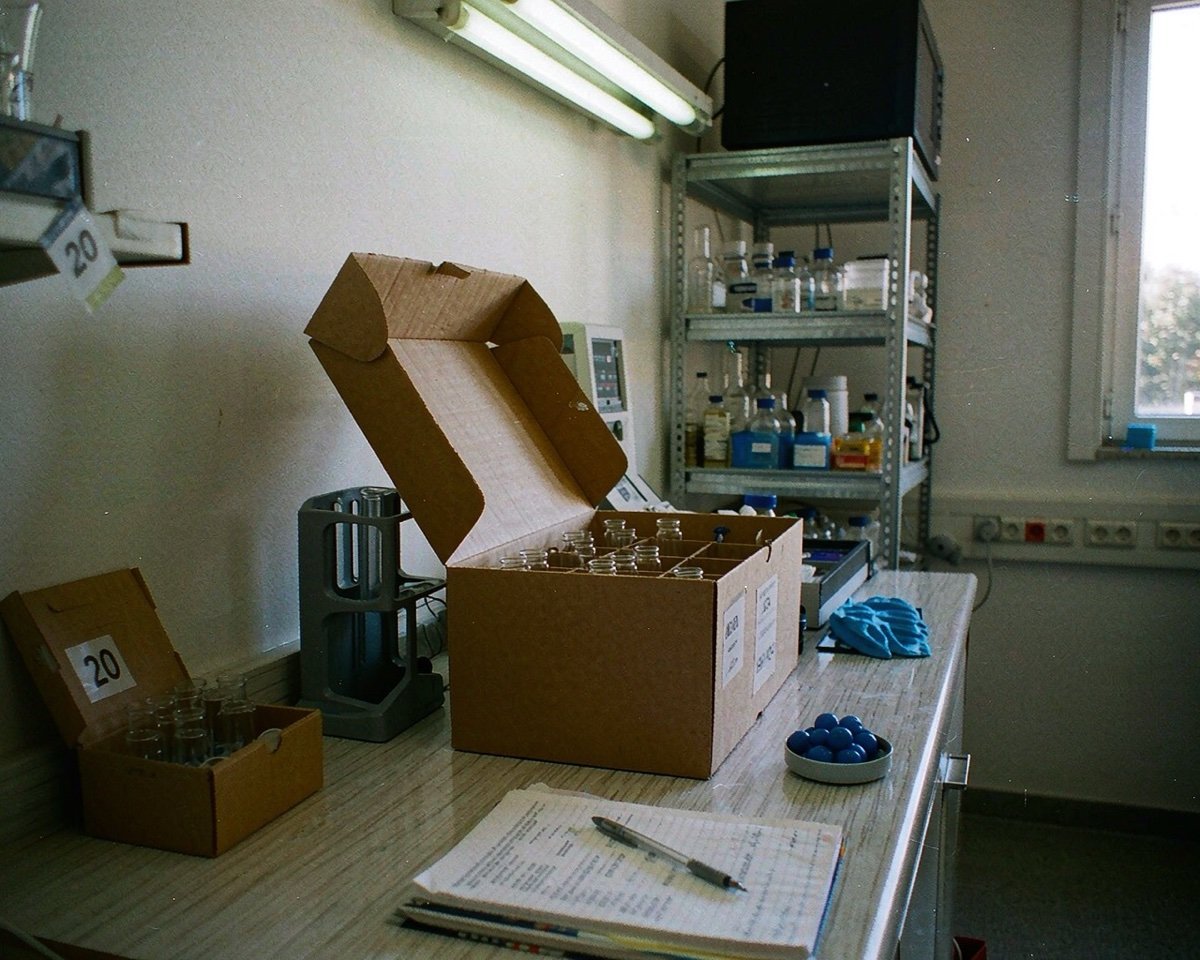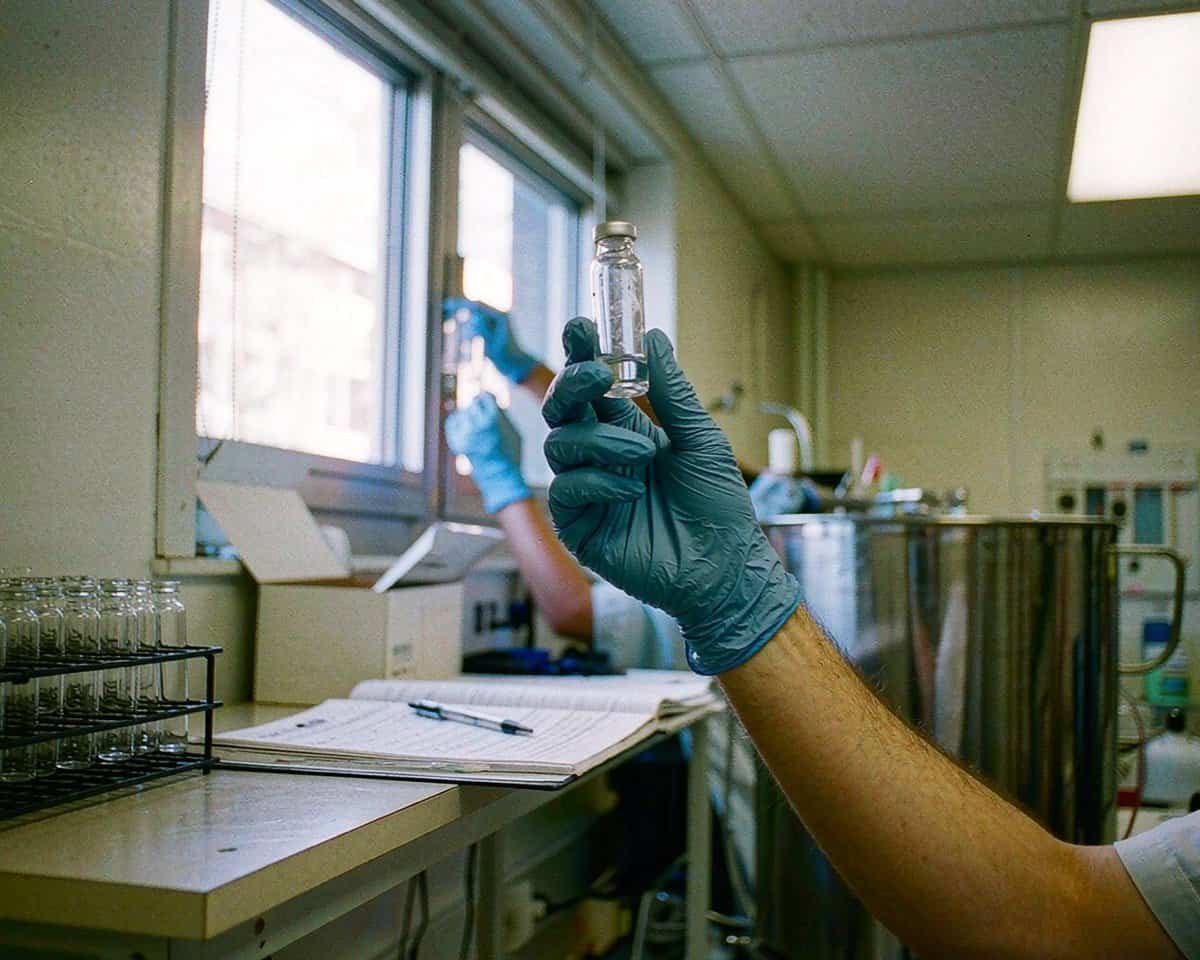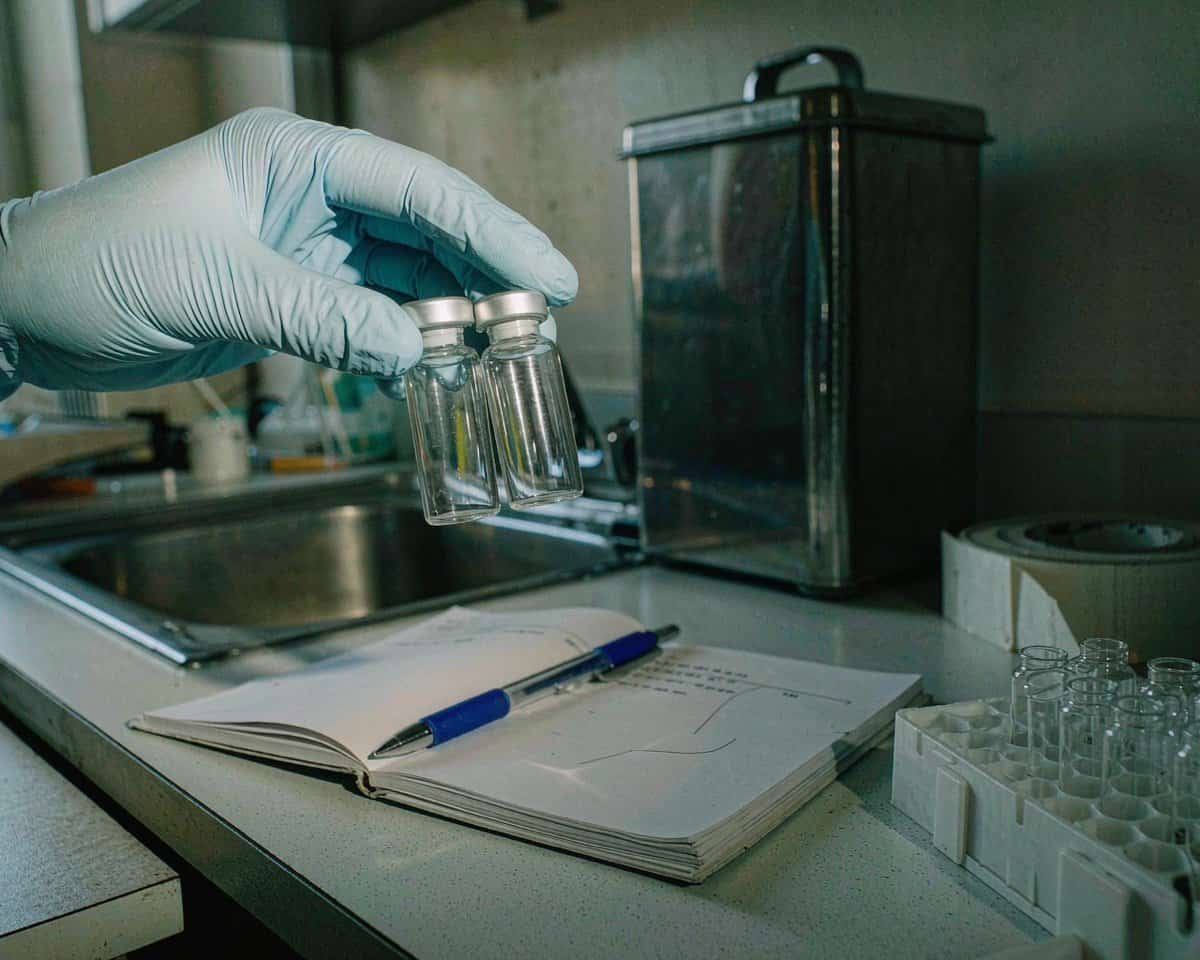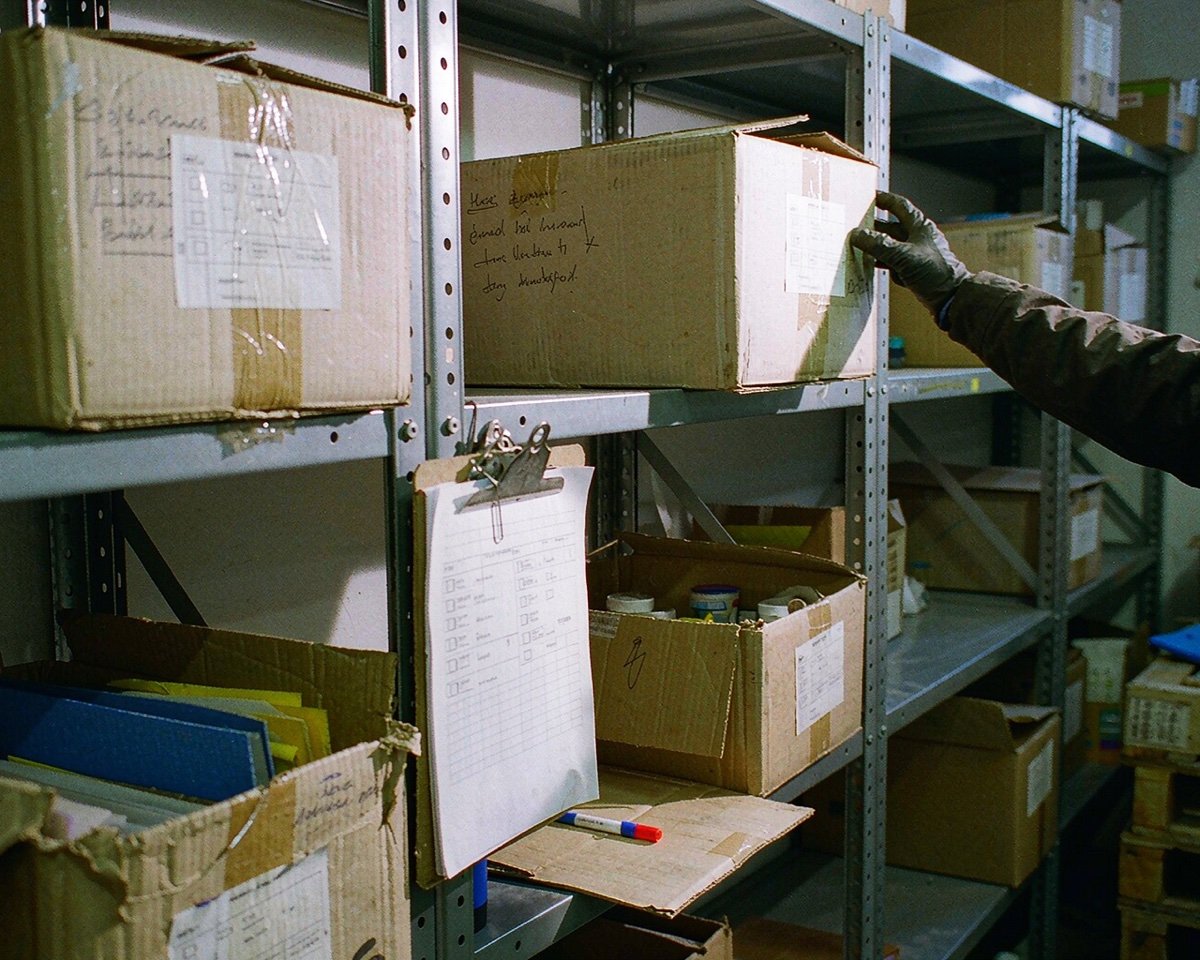
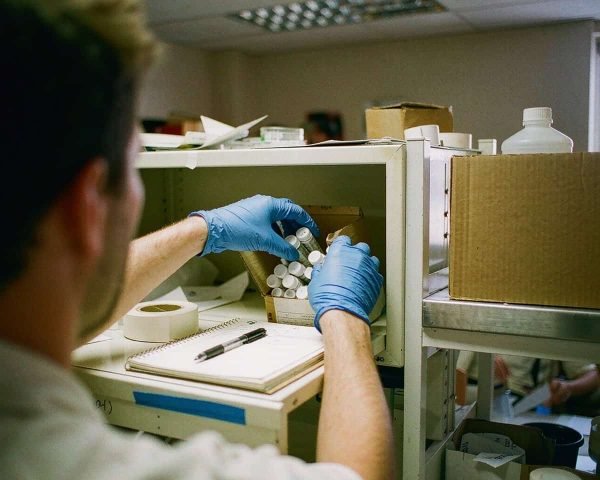

Audit week has a way of finding the drawer nobody organized. I sat through one prep where the auditor pulled exactly one box of syringe filters from a shelf of hundreds, asked for its CoA, and waited. The answer existed, somewhere, but it took two days and a very quiet lab manager to find it.
Most audit findings about consumables repeat year after year, which is good news: you can fix them before the auditor arrives. Here are the seven I see most often, why they matter, and the fix for each.
The short version: audits punish consumables that can’t be traced to a spec, a lot, a certificate, and a storage condition. Paperwork gaps hurt as much as physical ones. The fixes are habits, not capital projects.
1. Using Consumables Past Their Expiry or Requalification Date
Expired reagents are the classic finding, but expired consumables land in the same category, and the logic is identical: whatever touches your samples needs a valid, documented shelf life.
Regulators treat this seriously. FDA’s lab controls under 21 CFR 211.194 require lab records to show that testing used scientifically sound procedures with properly identified materials, and GMP guidance sites regularly cite expired standards and reagents as top deficiencies. One GMP summary of reference standard findings puts expired standards at the top of the list, ahead of record-keeping gaps.
Consumables are subtler. A septa pack doesn’t have a hard expiry, but a sterile filter with a lapsed sterilization date, or a pre-washed vial lot past its certified window, is a finding waiting to happen.
The fix: one shelf-life register covering everything that touches a sample, including consumables, with a monthly sweep for anything within 90 days of its date. Color-code the labels so anyone walking the aisle sees what’s aging out.
There’s a distinction auditors appreciate: the manufacturer’s expiry date versus a requalification date you assigned yourself. Plenty of consumables ship without a hard expiry at all. Septa packs, plastic vials, and crimp caps usually carry a manufacture date and nothing else. The labs that pass this question cleanly assign their own open-box and use-by windows (two years from receipt for sealed septa is a common choice, shorter once a pack is opened), write them into a procedure, and mark the date on the box when it first gets opened. The auditor isn’t checking whether your number is right. They’re checking that a number exists and someone owns it.
2. Storing Consumables Like Office Supplies
Vials stacked in their boxes next to the window, filters in a drawer above the solvent cabinet, septa in the original shipping plastic on a shelf that hits 30°C in summer. I’ve seen all three in the same lab, and none of them looked wrong to the people working there.
Storage conditions change consumables. High humidity degrades PTFE membrane hydrophobicity over years. Heat ages silicone septa. UV through a window yellows plastic ware and can embrittle packaging seals. None of it is instant, which is exactly why it goes unnoticed until an auditor asks what the storage conditions were for a lot you used in March.
The fix: map your consumable storage areas once, note the actual temperature and humidity range (a $20 logger beats a guess), and store heat- and moisture-sensitive items away from solvents and sunlight. One habit beats every storage argument: FIFO, first in first out, enforced by where things sit rather than by memory. New deliveries go behind or above existing stock, and the oldest box sits where a hand reaches first. It costs nothing, and it quietly fixes the half-expired-cases-hidden-behind-new-ones problem that turns up in more audits than any other storage finding. The second habit: put a cheap temperature logger in the consumable cabinet and glance at it monthly. Nobody needs a validated monitoring system for crimp caps. But when an auditor asks what conditions a septa lot was stored at for the past year, “the room, probably around 22 degrees, there’s a log” is a completely different answer from a shrug. If you need a baseline layout, our consumables shelf-life storage guide covers the practical setup.
3. Traceability Gaps: Unlabeled Samples and Lost Lot Numbers
An auditor’s favorite question is “show me where this result came from.” The chain runs: result, sequence, injection, vial, lot number, CoA. Every broken link in that chain becomes a finding.
The physical part fails most often. Vials labeled in fading marker, racks written on paper that lives next to the solvent bath, or the classic: a tray of prepared samples where only the analyst knows what’s what. And the paperwork part fails quietly. If you can’t say which lot of vials ran in a given sequence, your traceability stops at the bench.
The fix: label at the moment of filling, with a system that survives solvents (cryo or solvent-resistant labels, not masking tape), and record the consumable lot numbers in the sequence log. It adds thirty seconds per run. The paperwork side deserves the same care. Add three columns to your sequence log and the problem mostly disappears: vial lot, septa or cap lot, and filter lot used for that batch. Analysts grumble for a week, then it becomes as automatic as noting the column serial number. Retention matters too: those log lines are part of the record for every result in the run, so they live as long as the data does. Our guide on labeling and tracking samples has the operational details that make the habit stick.
4. Trusting the CoA Without Any Incoming Check
A certificate of analysis is a claim, not a measurement you performed. Auditors in regulated environments know this, and so should you: supplier CoAs describe the lot the factory tested, not necessarily the lot you’re holding.
That’s not an accusation of bad faith. Transit damage, mixed pallets, and documentation swaps happen without anyone lying. The gap is that labs which never verify anything have no defense when a bad lot slips through, and no data to show the auditor they control the risk.
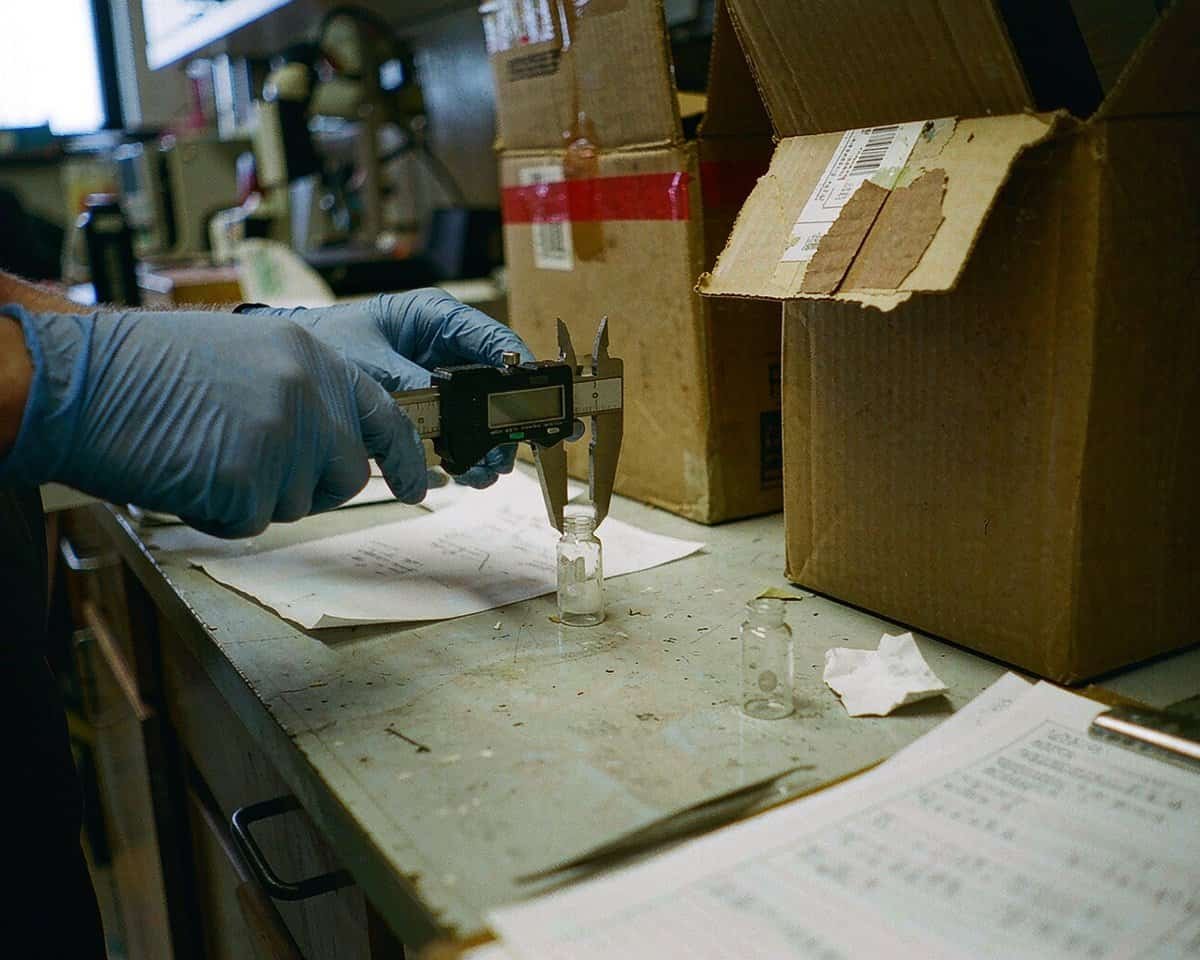
The fix: risk-tier your incoming checks. Full functional checks on critical items (certified vials, sterile filters), dimensional spot checks per lot on routine vials and caps, and a documented rationale for whatever level you choose. The point is the documented decision, because “we inspect everything” that you can’t demonstrate is worse than a modest, written, followed plan. A practical middle ground that survives audits: check a handful of parts from each delivery, pulled from more than one case, measured against the spec with real tools. Caliper the vial height on five units, flex-test a cap liner, inject water through one filter and look at the filtrate. Ten minutes per delivery, recorded on a one-line form. That record demonstrates a functioning incoming control the moment an auditor asks, without pretending you tested the whole pallet. If a failure does surface, our walkthrough of handling a failed incoming lot gives you the containment sequence.
5. Material Mismatches: Wrong Plastic, Wrong Membrane, Wrong Vial
This one isn’t paperwork at all. It’s the polypropylene vial in a dichloromethane method, the cellulose acetate filter on a strong base, the nylon membrane leaching into your LC-MS mobile phase. Mismatches rarely announce themselves; they show up as ghost peaks, drifting baselines, and recovery numbers that never quite close.
The audit angle is different from the chemistry angle, but they meet: when an auditor sees unexplained extra peaks in your system suitability chromatograms, the follow-up question is whether material compatibility was assessed at all. “We always used these” is not an assessment.
The fix: a one-page compatibility matrix for the solvents and analytes your lab actually runs, and a rule that any new method starts with a membrane and vial material review. Write the matrix on one page, tape it inside the solvent cabinet, and update it whenever a new solvent joins the method list. Unwritten knowledge fails audits; a laminated page passes them. A story that stuck with me: a colleague chased ghost peaks in an LC-MS method for two weeks, suspecting the mobile phase, the column, even the lab’s water system. The cause was a nylon syringe filter contributing a background extractable that matched nothing in the spectral library. One membrane swap, and the peaks vanished. The audit lesson wasn’t about nylon. It was that the lab had no record of why that membrane was chosen, so the investigation had to rediscover the answer from scratch. Manufacturers publish selection guidance for exactly this; the Thermo autosampler vial reference library is a reasonable starting point for vial-side materials.
6. Septa Practices That Coring Made Worse
Septa are consumables with a usage clock, and labs routinely ignore it. A PTFE/silicone septum rated for a few dozen punctures gets used for hundreds. Cores of silicone fall into your sample. Seals weep solvent in the autosampler. The data degrades slowly enough that nobody files a complaint.
The audit risk compounds in regulated labs, where a failed seal or a cored septum can trigger an out-of-specification investigation. And OOS investigations are exactly where labs get hurt when their process is weak: FDA’s guidance on OOS results expects a documented, systematic investigation, and “the septum was old, probably” is not an investigation finding, it’s the absence of one. A Divi’s Laboratories FDA warning letter shows how quickly chromatography control gaps escalate into facility-level findings.
The fix: set a puncture limit per septum type, track injections per tray position where you can, and switch septa on schedule rather than on failure. Cheap insurance, honestly.
If you want one more layer, note the injection count on the rack or tray position. A small card taped to the tray that says “42 injections since last change” does more for septa discipline than any SOP, because whoever loads the tray sees it at the exact moment of decision. The card costs nothing and takes ten seconds to update. Pre-slit septa reduce coring force if your method tolerates them, but they don’t extend the puncture limit, so the counting habit stays necessary either way.
7. Buying Outside the Approved Supplier List
The emergency order is the root of this one. Column down, samples waiting, a familiar brand out of stock, and someone orders fifty cases from a website nobody vetted. The lab survives the week. The audit doesn’t go as well.
Unqualified suppliers show up in audits as findings about purchasing control: no evaluation record, no re-evaluation, no way to demonstrate the consumables in your methods came from a controlled source. In certified labs this maps directly onto ISO 9001 supplier control requirements, and the same logic applies informally in every lab that cares about defensibility.
The fix: a real approved supplier list with evidence attached (certifications, samples evaluated, performance history), plus an emergency-buy procedure that gets retroactively assessed instead of retroactively forgotten. The retro assessment matters more than the ban, because bans without a pressure valve get bypassed, always.
What does qualification evidence look like in practice? For a vial supplier: the dimensional spec sheet, glass type documentation, a sample order run head-to-head against your incumbent brand, and the performance history that accumulates from your incoming checks. For a distributor or reseller, add a question about their own supplier qualification, since you’re inheriting someone else’s vetting. None of this needs a formal audit visit for commodity consumables. It needs a folder, a dated evaluation note, and a decision somebody signed.
How to Fix All Seven Without a Project Plan
Picture how an auditor actually works, because the mistakes above get found in a pattern. Most start with a walk-through: shelves read at a glance, a box opened at random, a date checked on whatever gets picked up. Then comes the trace, where one result gets followed backward through the sequence log to the vial lot and the certificate. Neither move is sophisticated. That’s the whole point. Findings about consumables rarely come from deep document review; they come from a visitor with ten minutes and full authority to open drawer four. If your lab can survive the random box and the backward trace, the rest of the audit is usually paperwork review that you already anticipated.
Notice that none of these fixes requires new equipment or a consulting contract. They’re habits layered onto workflows you already run: a register here, a label there, a spot check at receiving, a puncture limit taped inside the autosampler door.
Start with the two that bite hardest in most labs: traceability (mistake 3) and supplier qualification (mistake 7). Those two findings spread into nearly every other conversation an auditor will have with your team. The rest you can phase in over a quarter.
A workable quarter looks like this. Month one: the shelf-life register and the quarantine habit, which cost a day of labor combined. Month two: the sequence-log columns and the incoming spot-check form, which add a few minutes per run and per delivery. Month three: the compatibility matrix and the supplier file, which are mostly writing things down that three people already know from memory. By the time the next assessment lands, none of it will feel like audit prep, because it isn’t. It’s just how the lab runs.
Conclusion
Audit findings about consumables are rarely about the consumables. They’re about whether your lab can trace, verify, and defend the things that touched its samples, which is why the same seven mistakes show up everywhere: expired items, sloppy storage, broken traceability, unverified certificates, material mismatches, worn septa, and unqualified suppliers. Every fix above is a documented decision plus a small recurring habit, and every one of them makes day-to-day work smoother even when no auditor is watching. If you take on one thing this month, take the shelf-life register, since expiry is the finding auditors detect fastest and defend against least. Clean shelves, clean lots, clean paperwork: that’s the whole audit strategy, and it fits on one page.
Frequently Asked Questions
Do non-GMP labs need to worry about consumables in audits?
Yes, in a different frame. ISO 17025 testing labs, university core facilities, and CROs all face assessments that trace results to materials. The findings look softer, but lost lot numbers and unverified suppliers weaken your data in exactly the same way.
What’s the single most common consumables finding?
Expired or untraceable materials. Auditors can check an expiry date in ten seconds, which makes it the fastest finding to verify, and traceability gaps surface the moment they ask you to follow one sample backward through the process.
How far back should consumables records go?
Match your data retention policy. If results from a method must be defensible for five years, the lot numbers, CoAs, and storage records for the consumables in those results should survive the same five years.
Do we need incoming inspection if the supplier is ISO certified?
Yes, though you can sample less. Supplier certification reduces your risk; it doesn’t transfer it. A documented, risk-based incoming check is what auditors expect from any purchaser, regardless of the supplier’s own certificates.