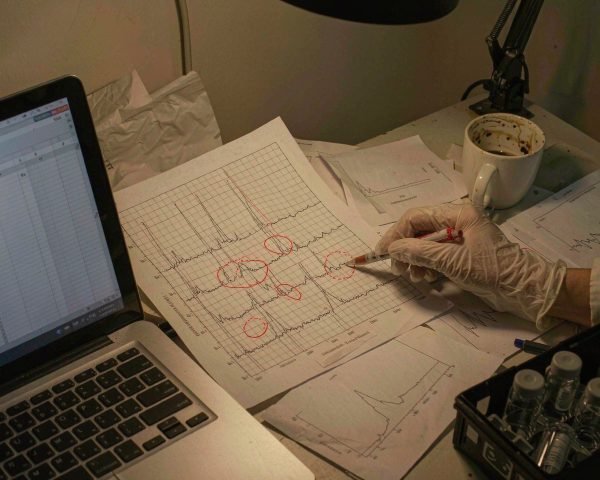

System suitability fails at the worst times: five minutes before a release run, or at the start of a 120-injection sequence. The reflex is to blame the instrument, then the method, then the column. In my experience, a meaningful share of SST failures trace back to something you threw away after using it: a vial, a septum, a filter, a cap.
This article is a triage guide. When suitability fails, here’s how to check whether a consumable caused it, quickly, before you start re-equilibrating and reinjecting your afternoon away.
The Failure Patterns That Point at Consumables
Not all SST failures look the same, and the pattern is the diagnosis.
• Retention time drift across the sequence, worsening with position. Classic evaporation signature. Vials sitting in the autosampler lose solvent through a poor seal, and early-eluting compounds move first. My sample evaporation prevention guide covers the seal physics; the short version is that capped-but-not-sealed vials evaporate, and injection order betrays it.
• Carryover or ghost peaks in blanks. Either the needle is holding sample or something is bleeding into the flow path. A worn rotor seal or a contaminated wash vial are consumables-adjacent causes; a degraded septum shedding into the inlet fits here too. My ghost peaks guide walks that hunt.
• Tailoring peaks that weren’t tailing yesterday. A chemically active surface entered the flow path. Fresh vials from a different glass lot, a new filter chemistry, or degraded inlet components can all add silanol-like activity. See whether the failure reproduces with the previous lot; my vial brand mixing guide explains why lot changes count.
• Pressure rising over the run. Particles are lodging somewhere: a filter shedding, a septum coring into the flow path, or precipitated sample. The debris left in the flow path usually tells the story once you know where to look.
• Low or variable response for one analyte only. Suspect adsorption: a membrane change in sample prep, a new vial glass surface, or a filter extractable suppressing ionization in MS work.
The 15-Minute Consumables Triage
When SST fails, run this sequence before touching the method:
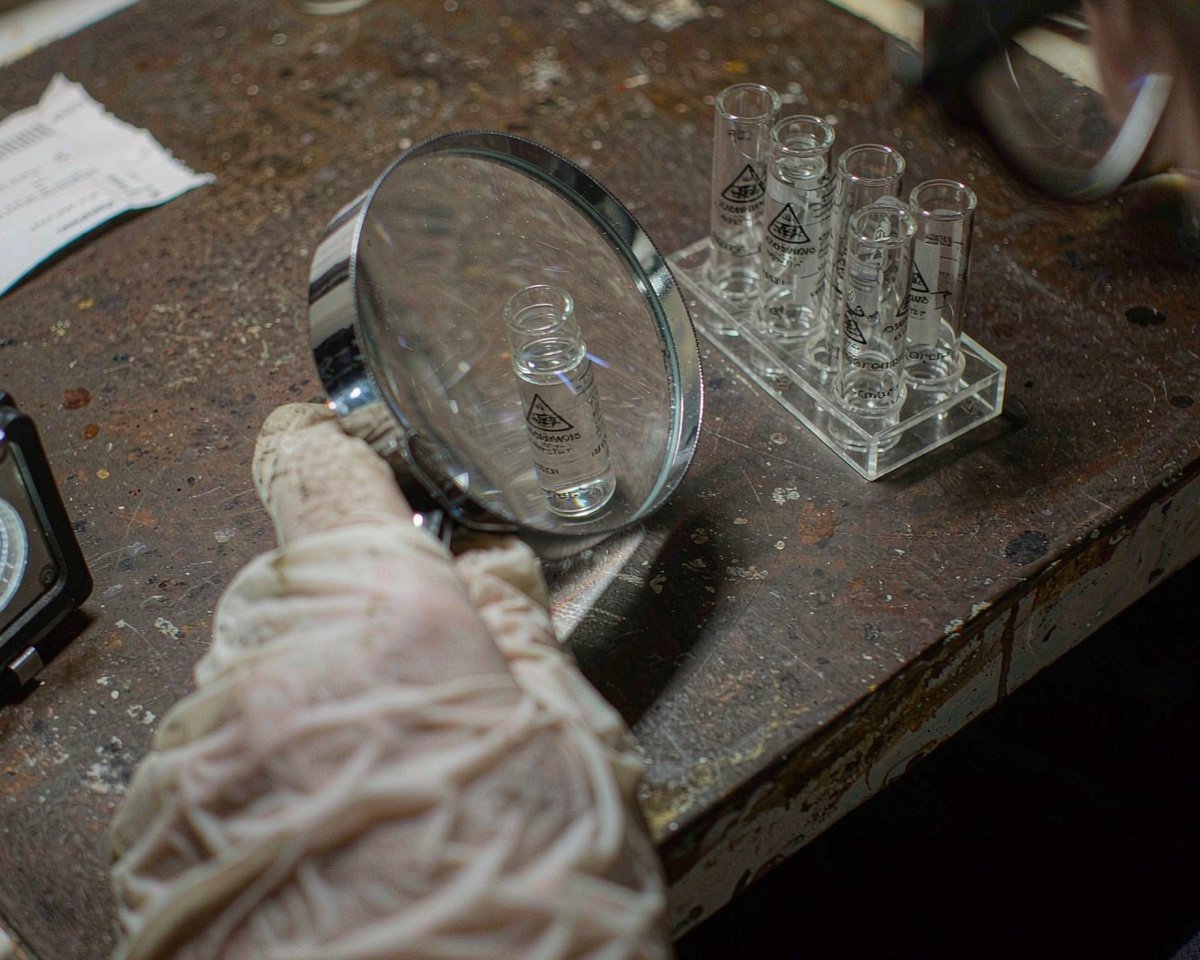
1. Check the physical vials. Look at each standard vial: fill level consistent? Septum intact? Cap seated? One leaky standard vial can fail the whole resolution criterion through evaporation.
2. Confirm the consumable lots. Did anything change between the last passing run and this one? Vial box, filter lot, cap brand? If yes, that’s your first suspect, not the column.
3. Reinject from a different vial of the same standard. If the problem follows the vial, it’s prep or container. If it stays with the system, keep digging.
4. Bypass the filter for one prep (where the method allows): if response recovers, you’ve found an adsorption or extractable issue in filtration.
5. Inspect the septa you’ve been piercing. Count the punctures against your replacement schedule and honor the timing rules you set.
Fifteen minutes, and in most consumable-caused failures you’ll have the culprit before the instrument even warms up again.
What the Regulators Expect You to Check
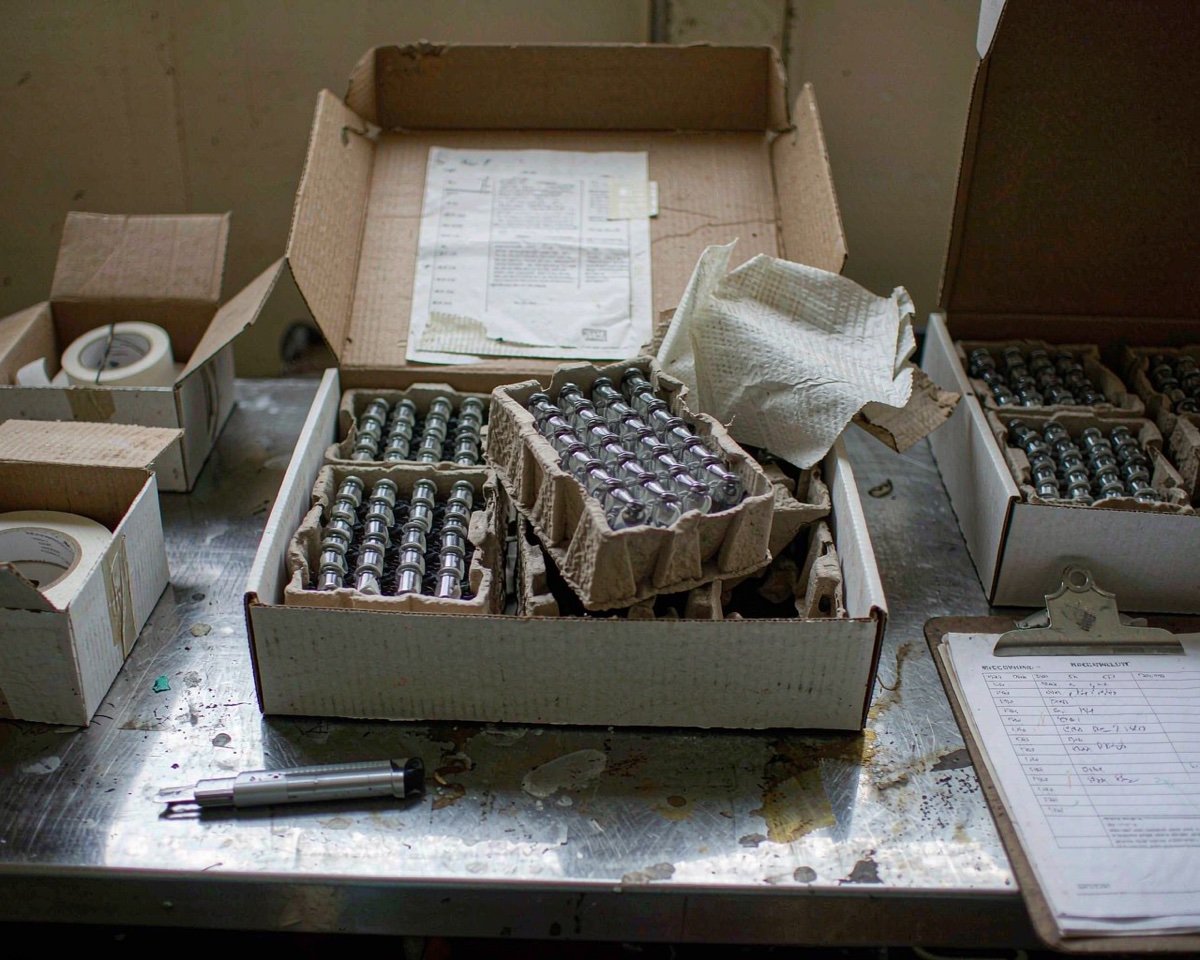
Suitability failures in regulated labs become documented investigations, and the record expectations are explicit: under 21 CFR 211.194, lab records must allow reconstruction of the testing, which includes what consumables and lots were in play. This is exactly why the habit of logging lot numbers when you open a box pays off; reconstructing “which vial lot” three weeks later is archaeology without it.
There’s a proactive angle too. 21 CFR 211.160 requires written specifications with scientific justification, and the sharpest labs I’ve worked with pin consumable acceptance criteria into those specifications. When suitability fails, you can then show the investigator that the vials, caps, and filters feeding the method were themselves specified, sourced against a standard, and verified on receipt. That turns a vague hunt into a short, documentable checklist, and it is the difference between a two-day investigation and a two-week one.
Instrument makers structure their guidance the same way: Agilent’s vial and cap selection guide frames consumable choice as part of method performance, not an afterthought. When suitability fails, the investigation form asks about changes; consumables are a legitimate and checkable answer.
When the Consumables Check Out
If the triage clears the consumables, the failure lives elsewhere, and the escalation order I follow is: mobile phase (fresh? degassed? correct?), then the column (temperature stable? plate count trend?), then the instrument (pump ripple, oven control, detector lamp). The point of the consumables triage isn’t that consumables are always guilty. It’s that they’re the cheapest and fastest suspects to eliminate, and checking them first takes fifteen minutes instead of a day.
Document the negative result too. An investigation note that says “consumables lots unchanged, vials visually intact, filter lot verified” closes a branch of the tree and looks exactly as professional as finding the culprit.
Preventing the Recurrence
Once a consumable cause is confirmed, prevention is procedural:
• Pin consumables to the method. Write the vial, cap, septum, and filter part numbers into the method document, so nobody “helpfully” substitutes during a shortage.
• Keep lot continuity within sequences. Don’t open a new box mid-sequence unless you must, and if you must, note it.
• Qualify substitutes before they’re needed. A shortage is the wrong time to discover your backup filter adsorbs your analyte. My supplier switching guide covers running the parallel test properly.
• Maintain the small parts. Rotor seals, needle seats, and wash station lines all wear on schedules, and the waste path is the one component nobody checks until it drips.
Conclusion
System suitability failures feel like instrument problems, but a surprising number are consumable problems wearing an instrument’s clothes: evaporating standards from imperfect seals, coring septa shedding particles, filter lot changes shifting recoveries, and mixed vial lots adding active surfaces. The pattern of the failure points to the part, and a fifteen-minute triage of vials, lots, and filters settles most cases before anyone touches the column. Prevent the recurrence by pinning consumable part numbers to the method, keeping lot continuity, and qualifying substitutes in calm weather rather than during a shortage. Build the habit of logging lot numbers as boxes open, and future investigations become five-minute lookups instead of archaeology. Your column will thank you, and so will the version of you who isn’t re-running suitability at six in the evening.
Frequently Asked Questions
Can a new box of vials really fail system suitability?
Yes. Glass surface chemistry and residual processing residues vary slightly between lots, and active analytes notice. If SST failed right after a vial lot change, switch back to the prior lot for one injection set and see if the failure follows.
What’s the most common consumable cause of retention time drift?
Evaporation through an inadequate seal, especially in long sequences with early time points. Weigh a vial before and after a few hours in the autosampler; measurable weight loss confirms the seal is the problem.
How do I prove a filter caused a response drop?
Prep the same standard twice, once through the suspect filter and once through the previous lot or a centrifuged no-filter control, then compare response and recovery. A consistent gap isolates the membrane.