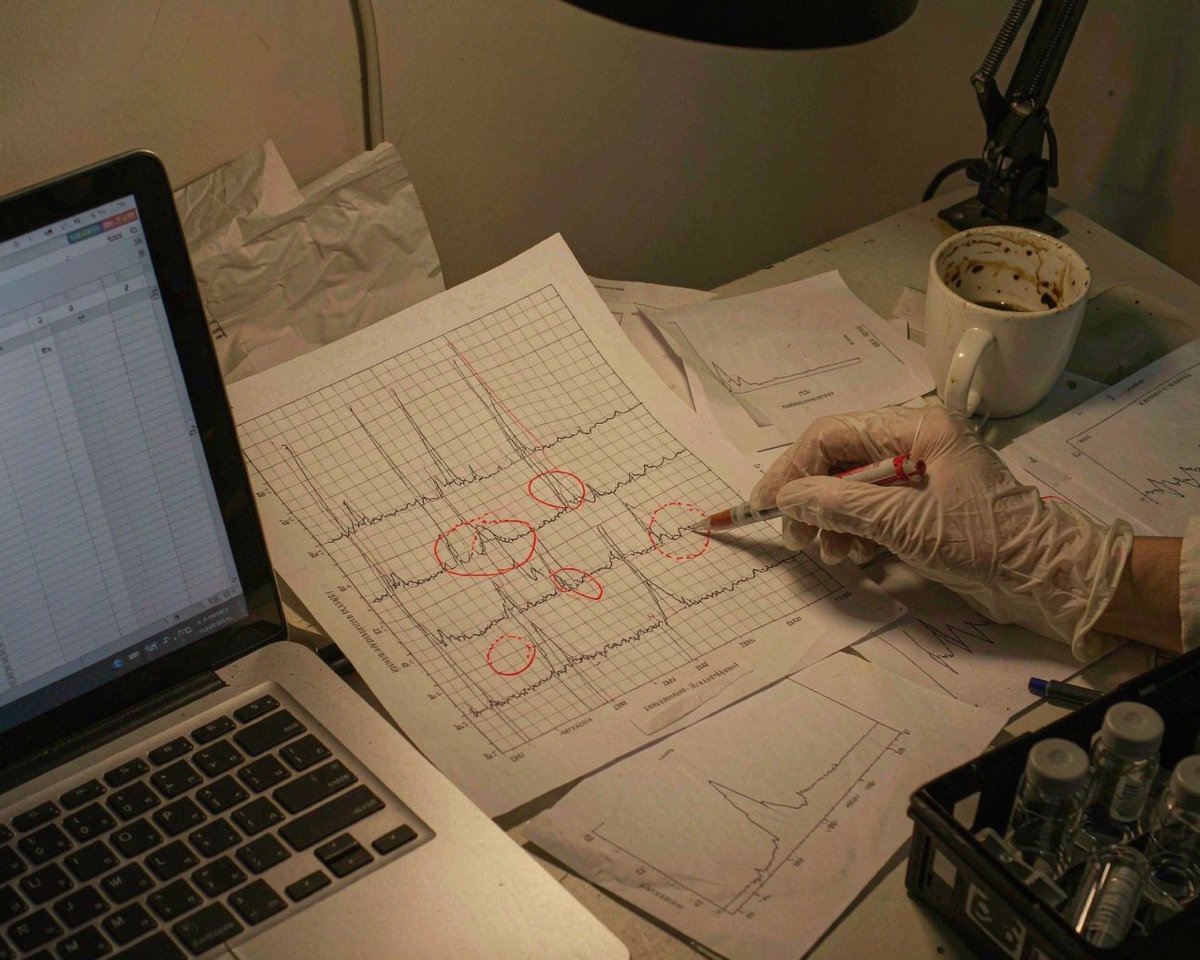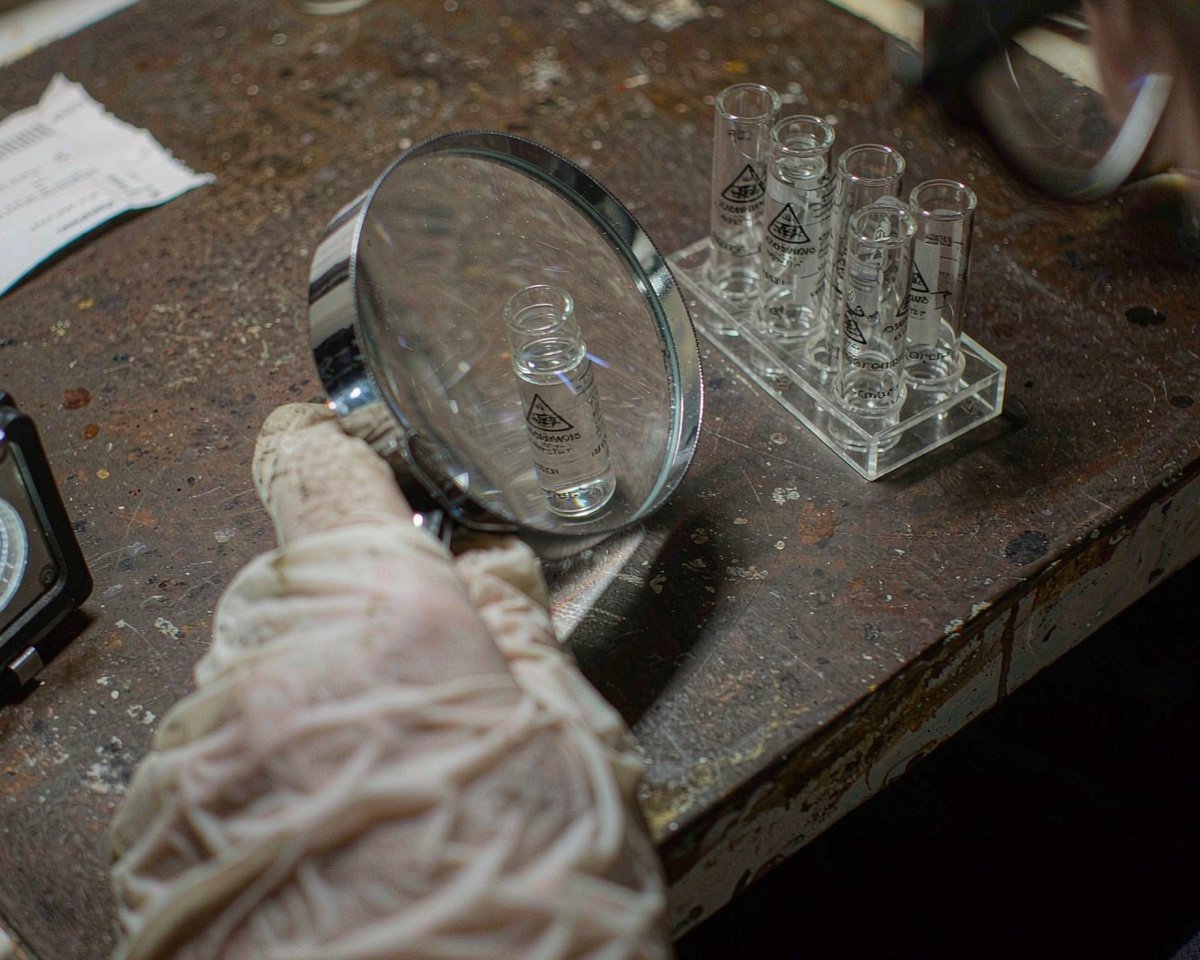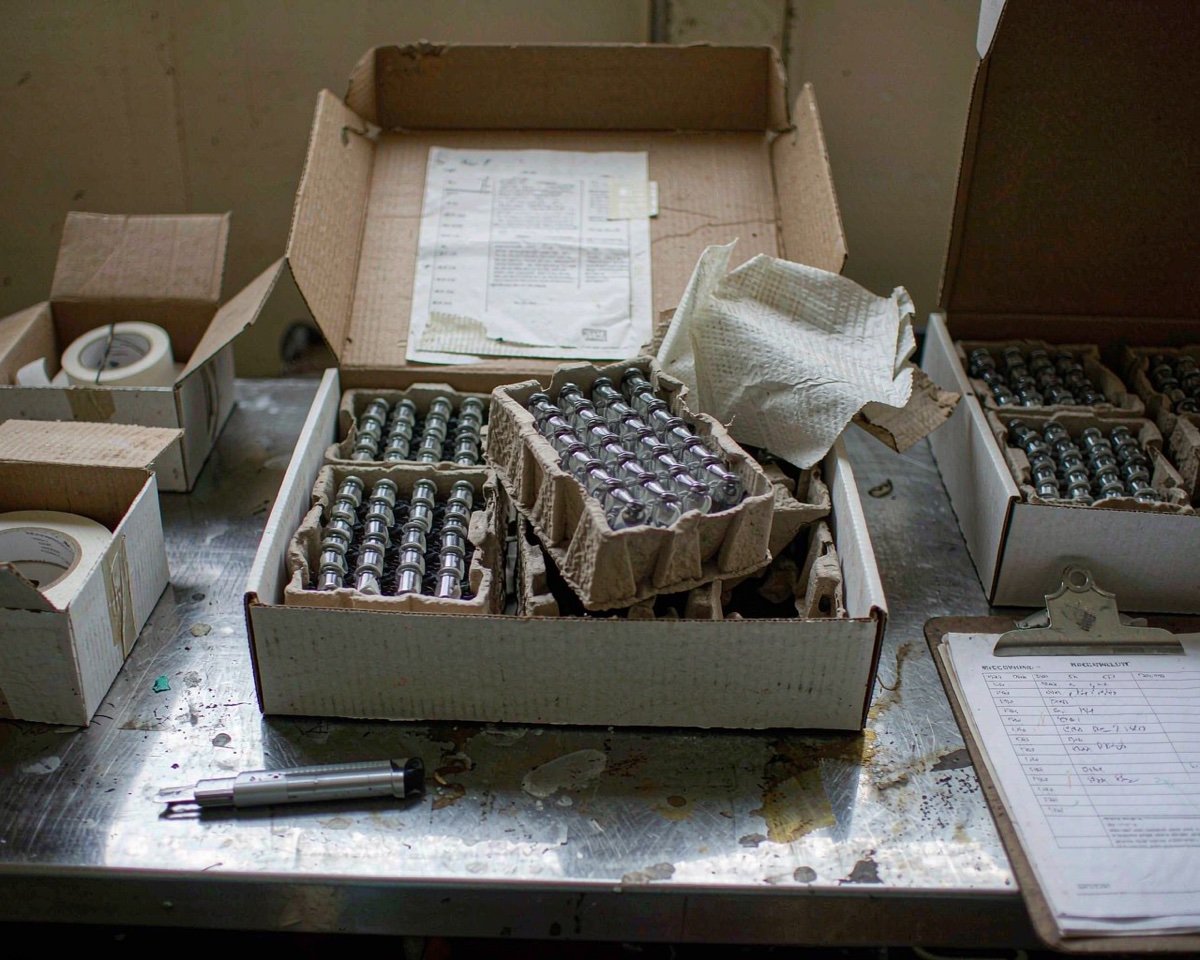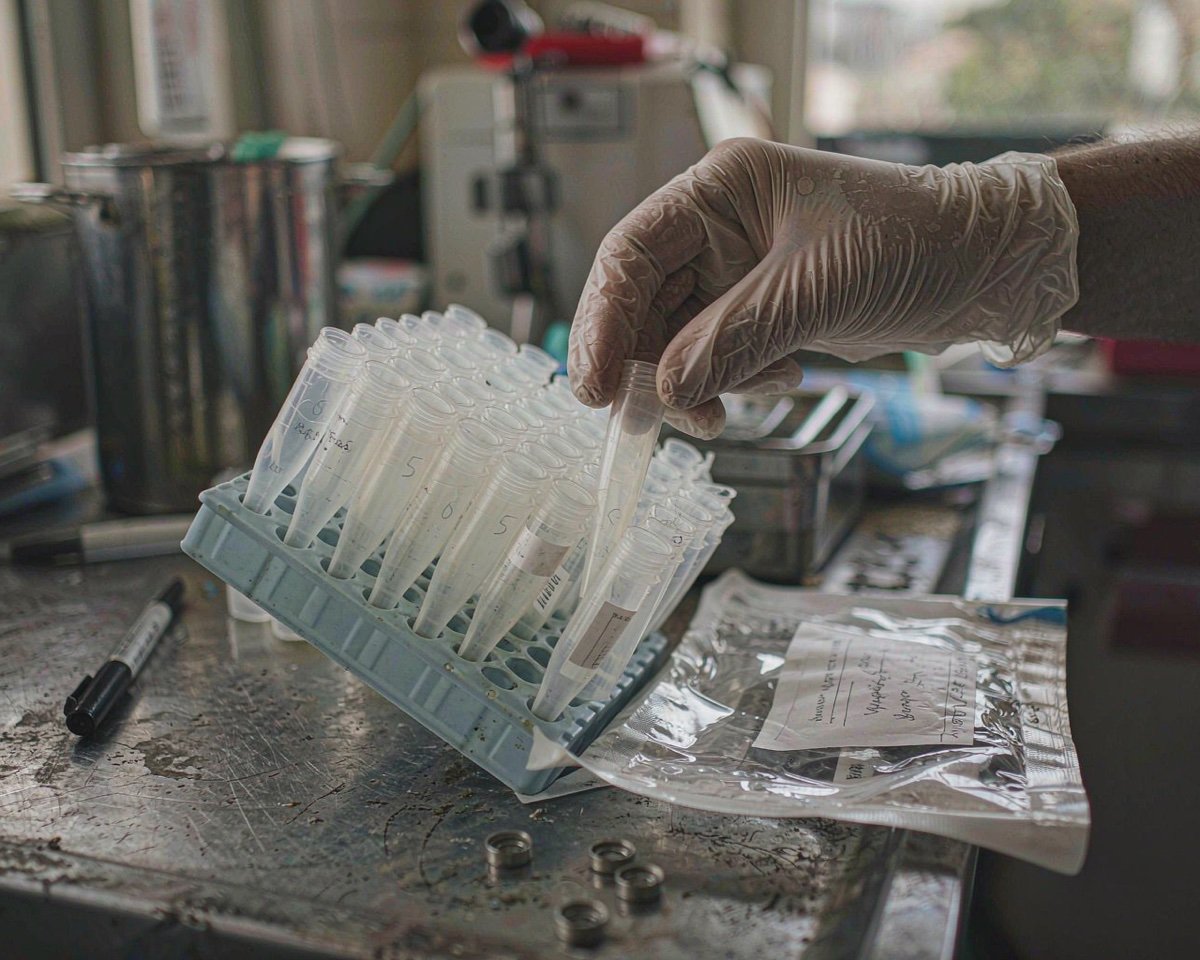
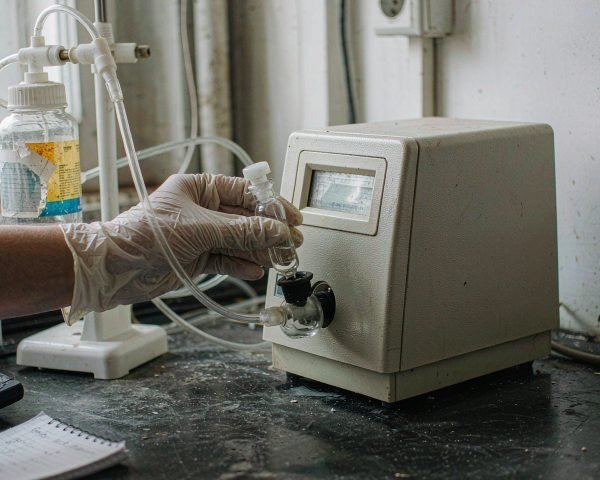

Karl Fischer titration is the reference method for water content, and it is unforgiving about consumables in a way HPLC people find surprising. The method measures water. Your consumables either keep atmospheric moisture out or let it in. There is no middle ground where results are “mostly fine.”
A KF setup consumes a specific list: KF reagent and working medium, drying tube desiccant, the septum on the titration cell’s sample port, sealed sample vials for oven-method work, and clean glassware for sample handling. Each one has a failure mode that shows up as drift, and drift is the KF analyst’s nemesis.
How the Method Shapes Its Consumables
Volumetric KF titration reacts water in your sample with iodine and sulfur dioxide in an anhydrous medium. USP general chapter 〈921〉 Water Determination describes the chemistry and stresses that precision depends largely on how well atmospheric moisture is excluded. Coulometric KF works the same way at trace levels, where a single fingerprint’s worth of moisture is measurable.
That’s the design brief for every consumable in the chain: be a moisture barrier.
The Consumables, One by One
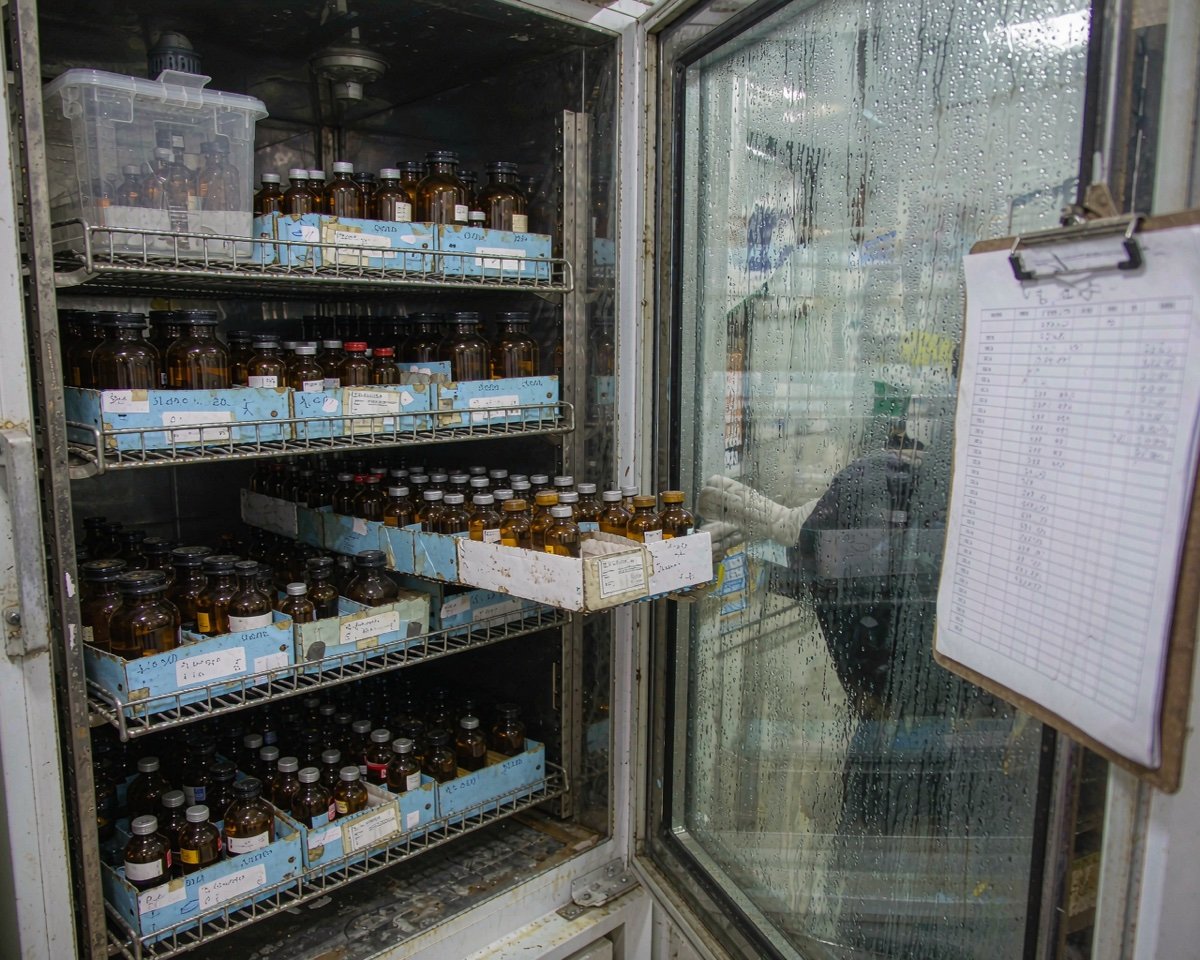
• KF reagent and working medium. The titrant and the methanol-based medium are consumables with shelf lives. Reagent standardization is required close to use, and the medium exhausts as it absorbs water from samples and (inevitably) from tiny leaks. Change the medium when titration times lengthen or recoveries drift low. Store bulk reagent tightly sealed, protected from light, and refrigerated per the USP guidance.
• Drying tube desiccant. The drying tube on the titration cell admits pressure-equalizing air only through desiccant. Spent desiccant is, in my experience, the single most common cause of unexplained high drift. Replace it on color change, not on schedule, and keep a spare bottle at the bench.
• The septum on the sample port. Every sample goes in through a septum, and every needle puncture damages it. A cored or leaking septum admits humid air continuously, and the endpoint never quite settles. Replace it at the first sign of drifting endpoints, and again whenever you see visible coring. My headspace septum selection guide covers septa materials under heat and pressure, and the same PTFE-faced laminates serve KF cells well.
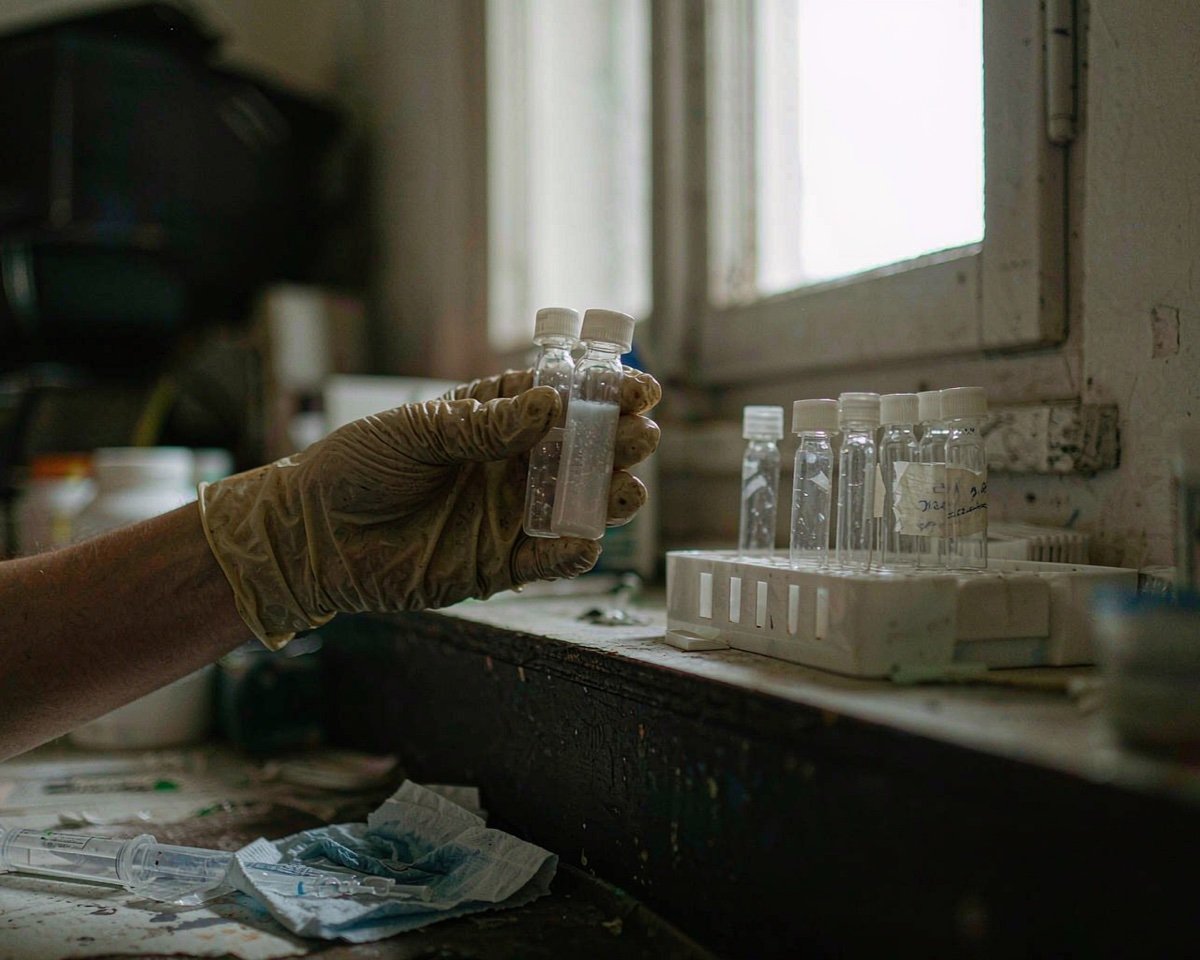
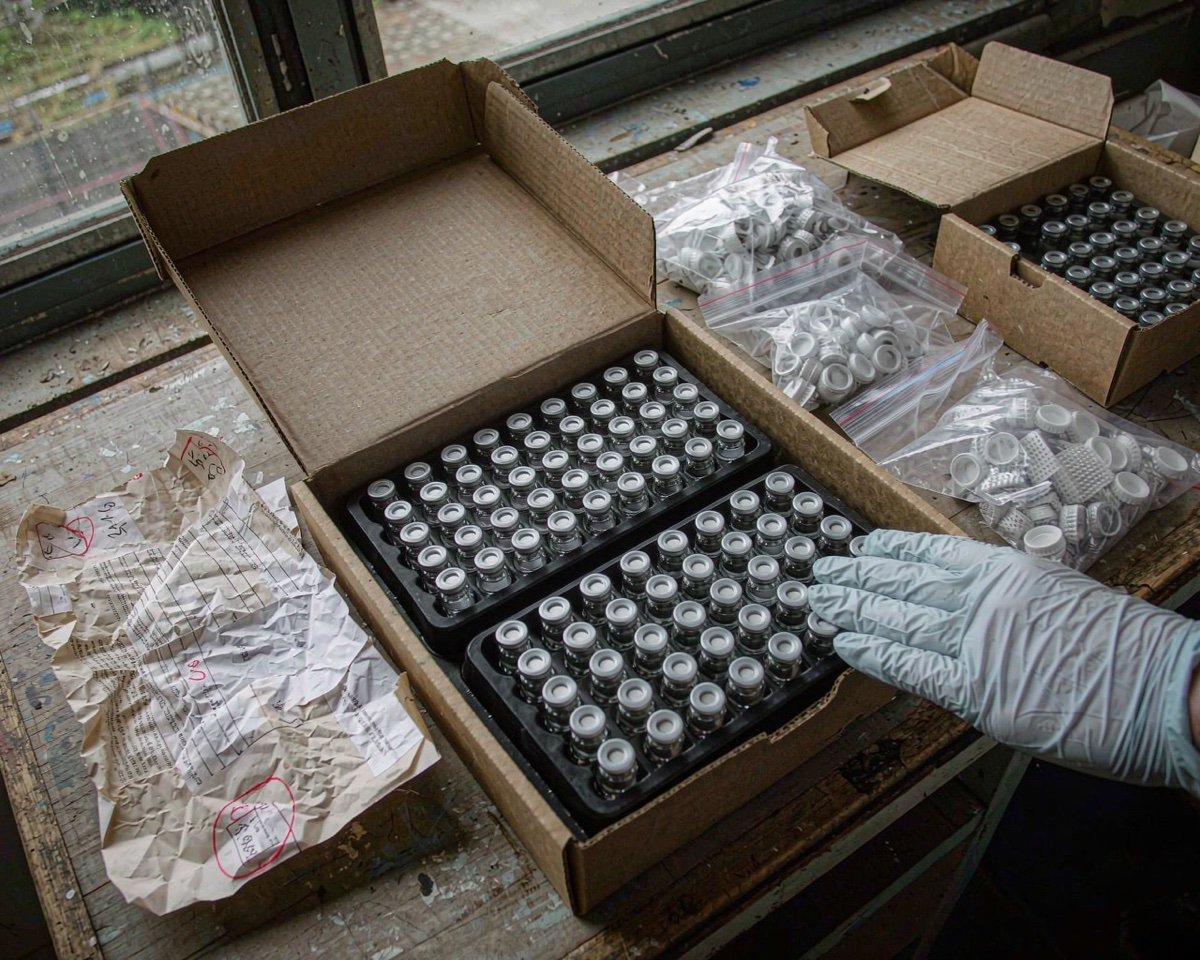
• Sealed sample vials for the oven method. Solid and pasty samples often run through a KF oven: the sample is sealed in a vial, the vial is pierced inside the oven, and a dry carrier gas sweeps the liberated water into the cell. Those vials must be truly moisture-tight, since the water you measure may be micrograms. Crimp or high-quality screw vials, stored dry, and capped properly. For sealing technique, my crimping and leak prevention guide applies directly.
• Sample handling glassware and tools. Syringes for liquid samples, spatulas and weighing boats for solids, and dry, airtight weighing bottles. Anything that sits open on the bench picks up ambient moisture, which in humid summers can exceed the water content you’re trying to measure.
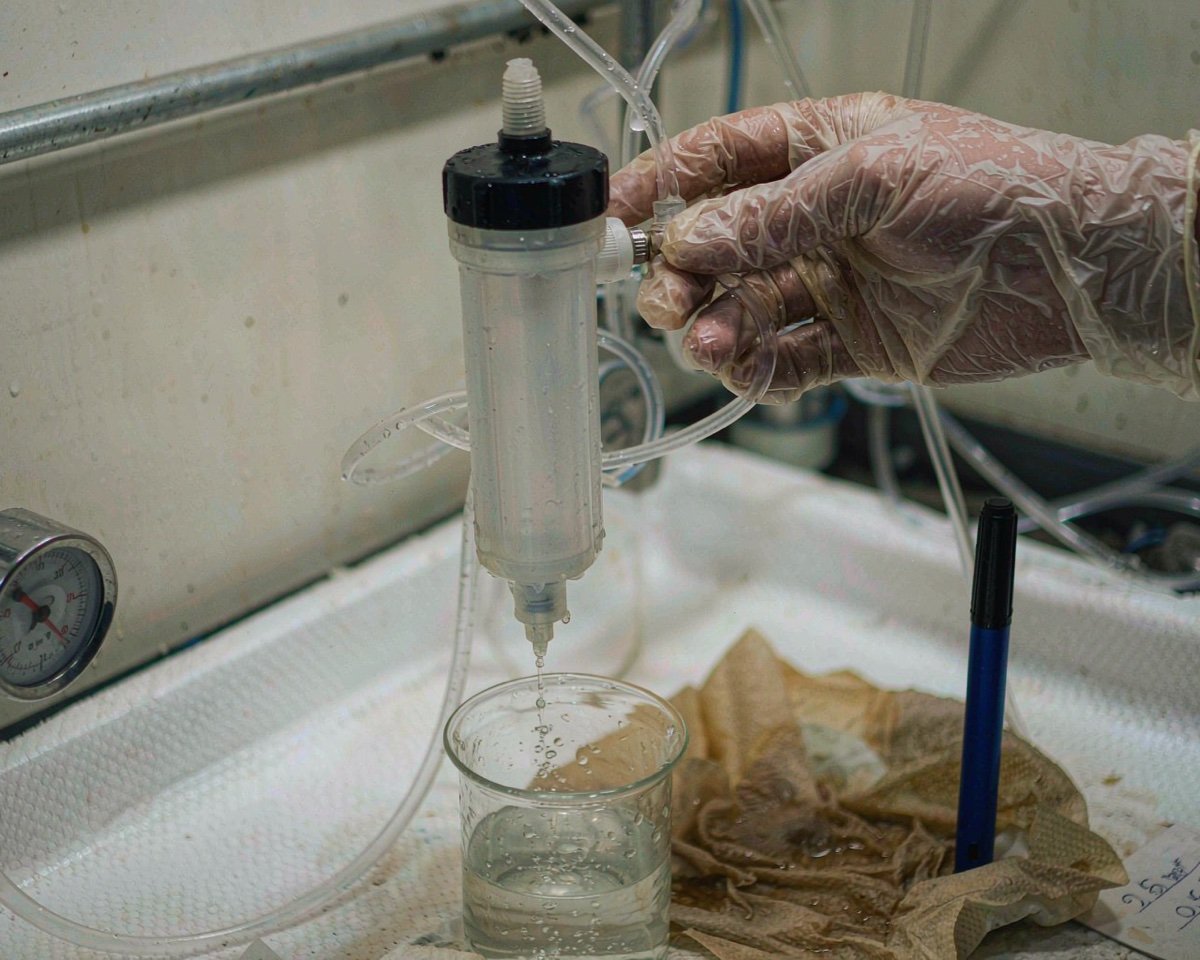
• Solvent-resistant tubing and fittings. Reagent lines, drain tubing, and seals on the titration cell age and crack. They’re consumables too, replaced on inspection rather than failure. Suppliers like JM Science maintain full KF parts ranges precisely because these small parts fail regularly.
A Replacement Rhythm That Works
Everything above can be summarized into a bench rhythm: desiccant on color change, septum at the first drift or roughly every 50 to 100 punctures, medium when titration times stretch past their normal length, reagent standardized before each session, tubing and seals on visual inspection monthly. None of it is calendar-driven, and that’s the point. KF consumables wear according to moisture exposure and punctures, not dates.
If you want one printed sheet, a small table taped inside the instrument door with those five triggers beats any maintenance software I’ve tried for a single-titrator lab.
A Real-World Drift Story
A food lab I advised chased an afternoon of drifting endpoints that wouldn’t pass system suitability. Reagent was fresh. Sample prep was clean. The culprit was the drying tube: someone had topped off the desiccant with indicating silica from a jar that had been open since spring. Half an hour of repackaging a fresh, sealed portion fixed what two reagent changes hadn’t. Moisture control is a chain, and the weakest link decides. If you want the component-level view, this KF titration cell walkthrough maps every seal, tube, and electrode to its most common failure, and it matches what we see in support tickets almost one to one.
Storage and Handling Rules That Actually Matter
• Store KF vials and sample vials in a dry cabinet or desiccator, not on the open bench
• Keep desiccant stocks sealed; decant small working portions
• Cap reagent bottles immediately after use, with the original closure, not a loose cap
• Write opened dates on reagent and desiccant; my consumables shelf-life guide covers the general system
• Keep a small stock of spare septa, drying tubes, and desiccant at the instrument so replacements happen the same hour drift appears
If you make up your own media or buffer solutions for sample prep, the media bottle handling guide covers keeping those moisture- and CO2-tight as well.
Conclusion
Karl Fischer titration consumes a compact set of consumables, and every one of them participates in the same job: keeping atmospheric moisture away from a measurement that counts individual micrograms. The reagent and working medium need fresh standardization and tight storage, the drying tube’s desiccant needs replacement on color change, the cell septum needs replacement at the first hint of drift, and oven-method sample vials need to be genuinely sealed and dry. None of these items is expensive, and all of their failure modes announce themselves as drifting endpoints and long titrations. Stock spares at the instrument, log opened dates, and treat any drift first as a consumables question before touching the method. That order of operations will solve most KF problems before they become investigations. If you’re building out the wider moisture-control picture in your lab, start with storage, because everything else inherits its dryness from there.
Frequently Asked Questions
How often should I replace the septum on a KF titration cell?
Replace it at the first sign of drifting endpoints or visible coring, and proactively after roughly 50 to 100 punctures depending on needle gauge. KF cells are small, so each puncture takes a bigger share of the septum than on an autosampler.
Why does my KF drift keep rising even with fresh reagent?
Rising drift means moisture is entering somewhere: a spent drying tube, a leaking or cored septum, a cracked cell seal, or ambient humidity entering during sample transfer. Work through the moisture path in that order.
Can I use regular HPLC vials for the KF oven method?
Only if they seal adequately for your water levels. For low-microgram work, use vials specified for KF ovens, stored in a desiccator, and cap them with proper crimping torque. The vial is a moisture barrier, not just a container.
What’s the difference between volumetric and coulometric KF consumables?
Volumetric KF uses titrant of known concentration and consumes more reagent per run; coulometric KF generates iodine in situ and runs at trace levels, so its cell, reagent, and septa demand even stricter moisture discipline than volumetric work.