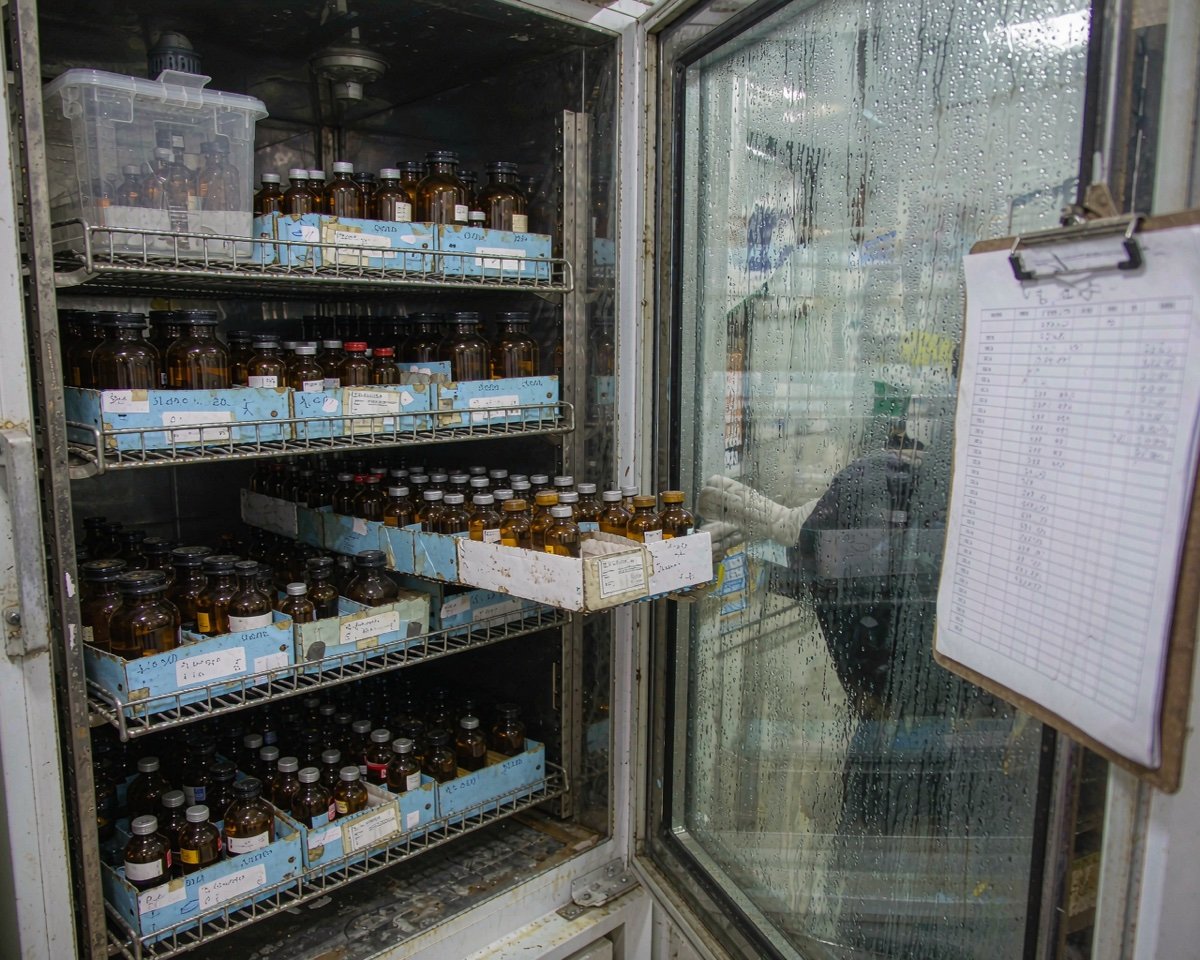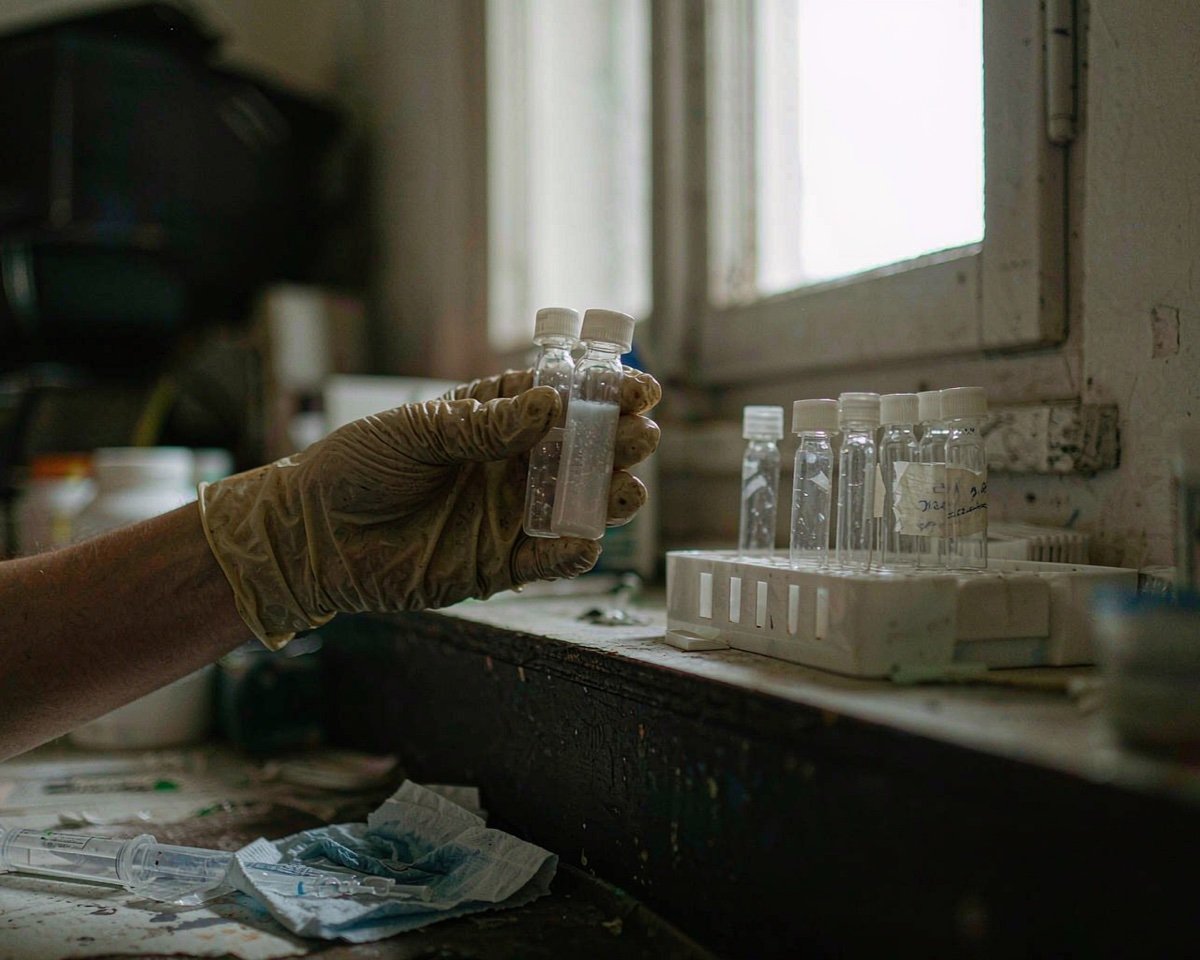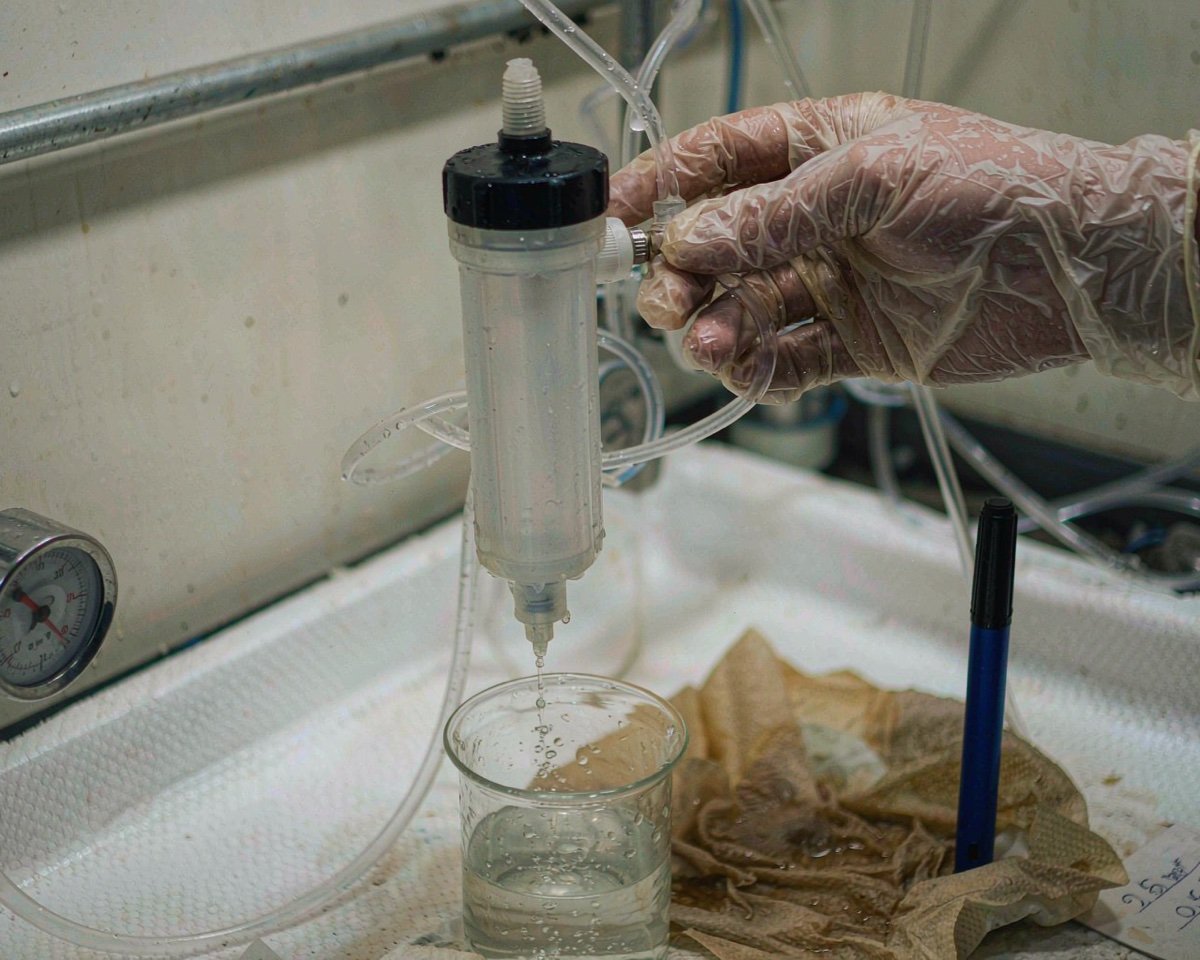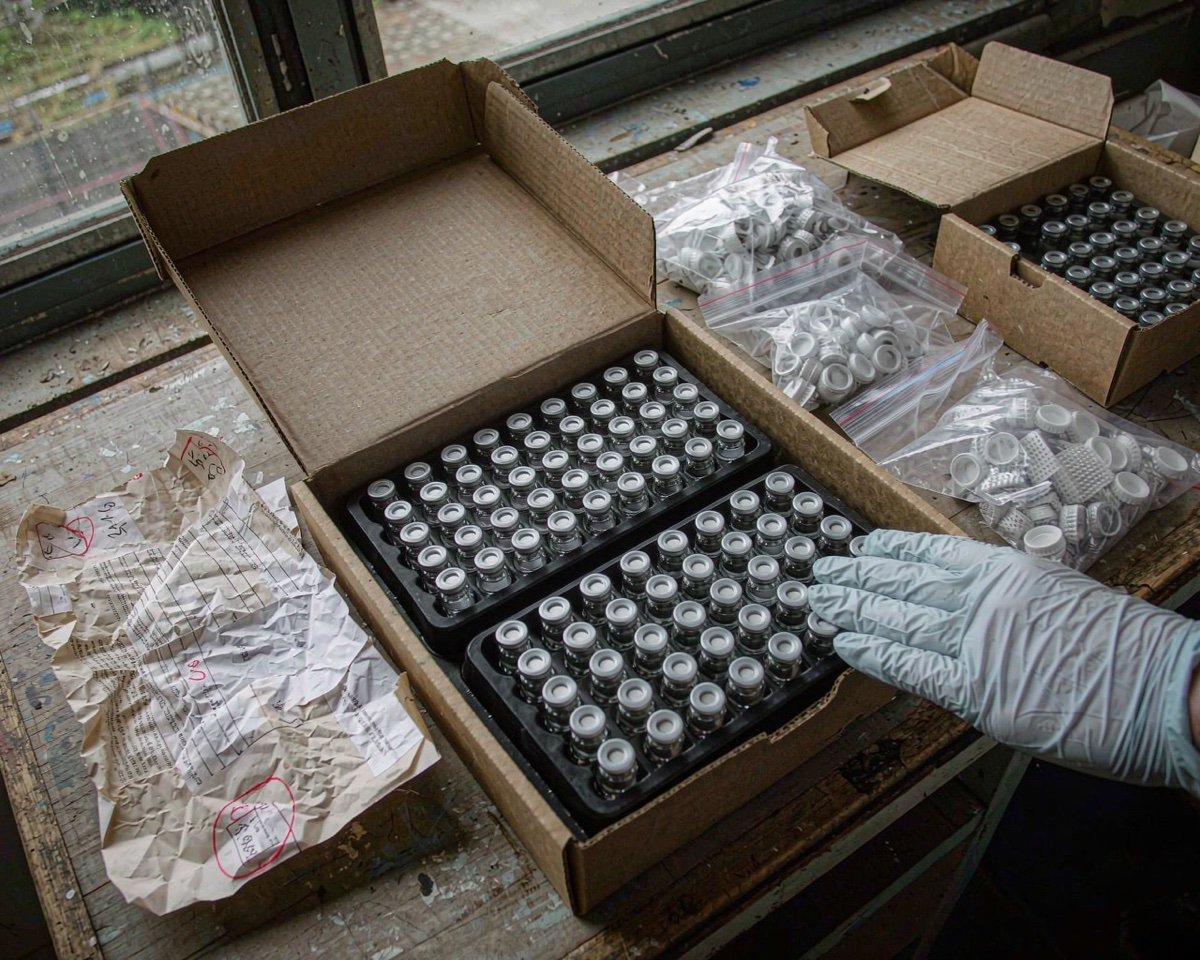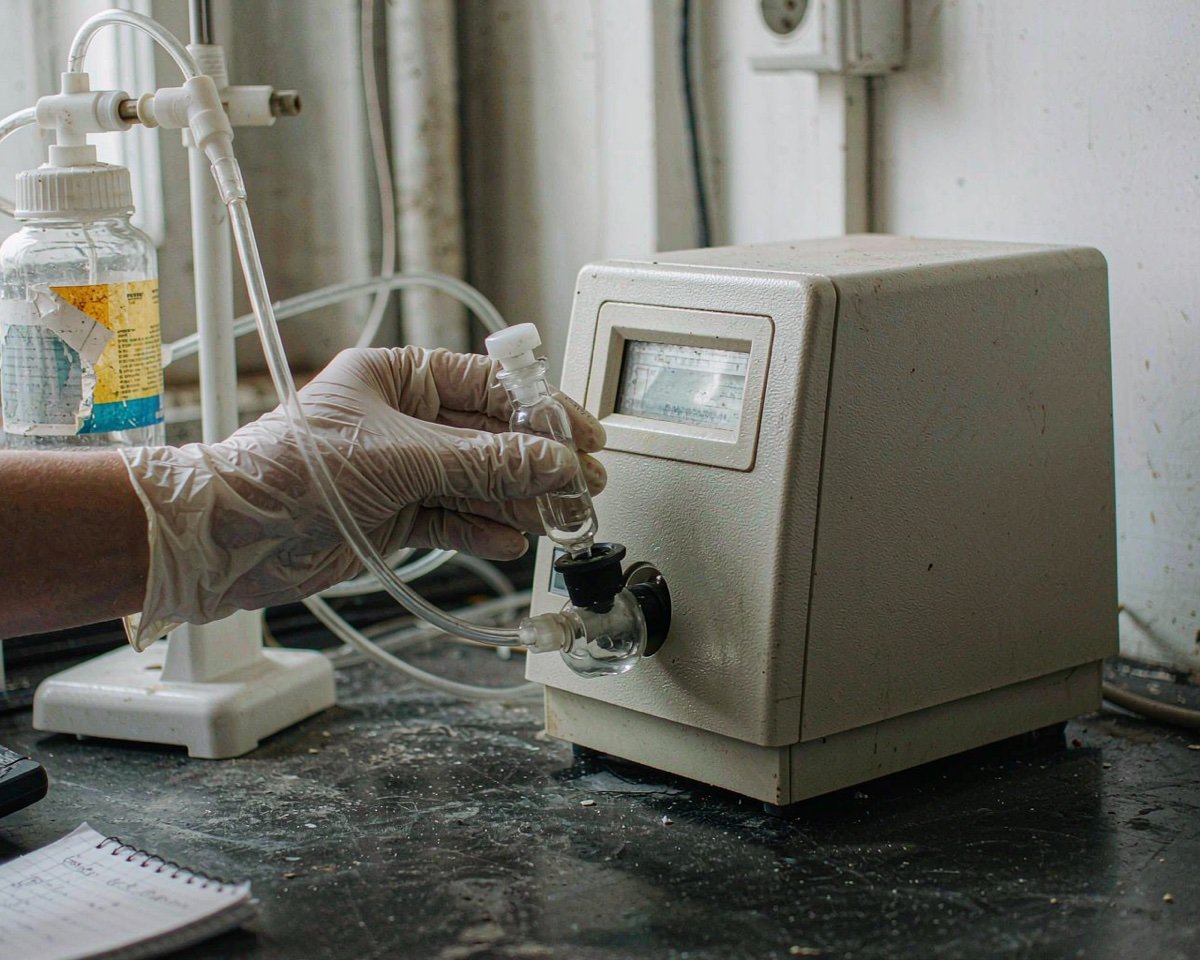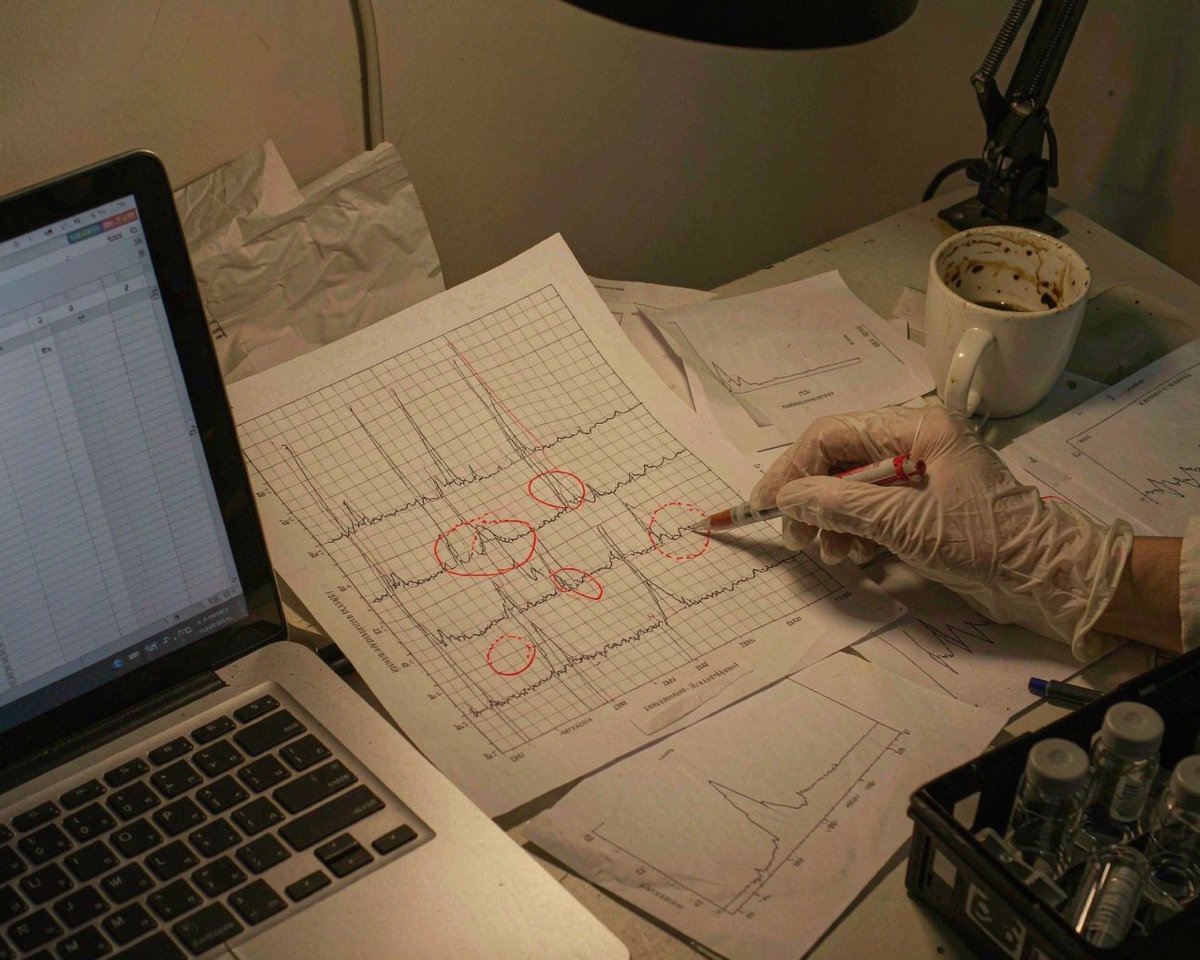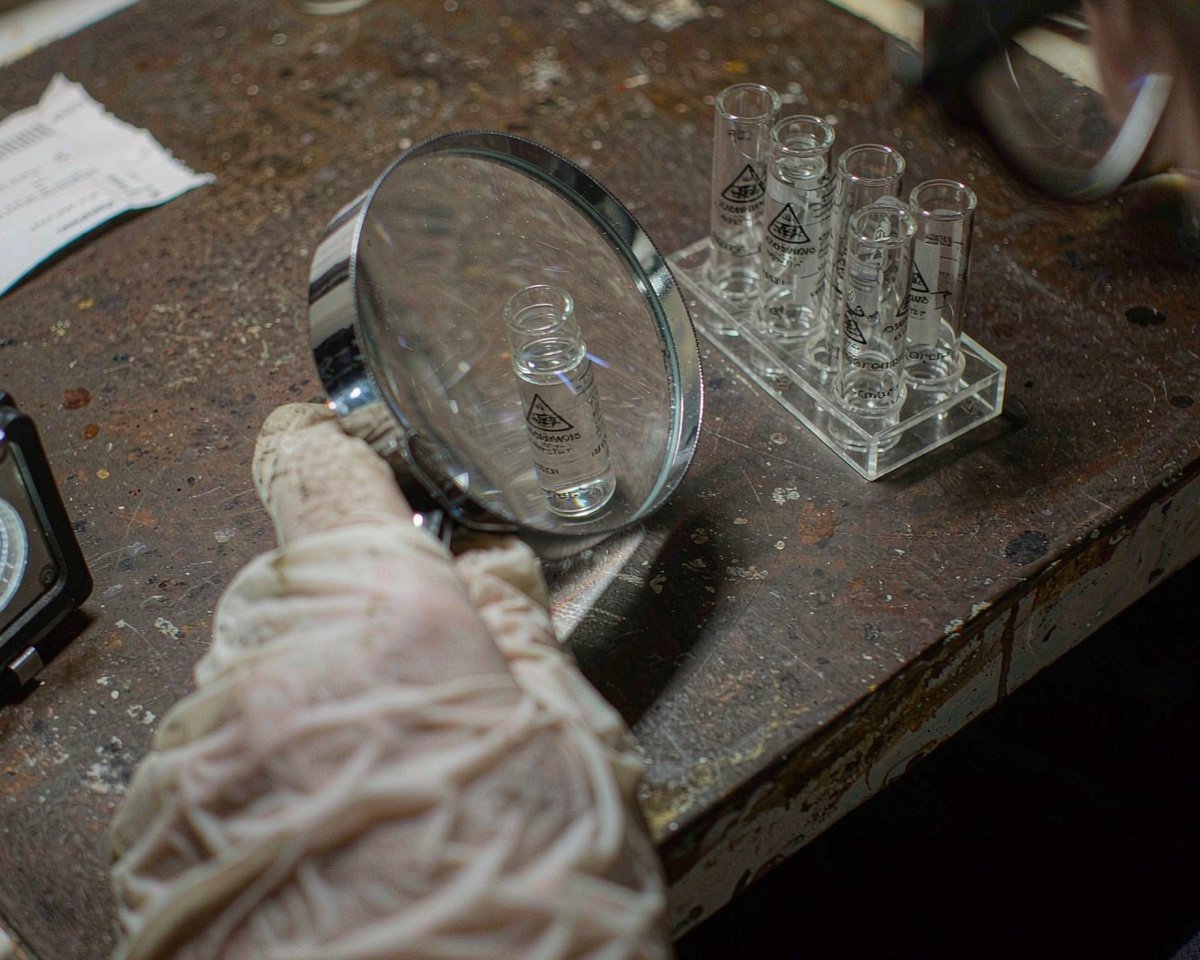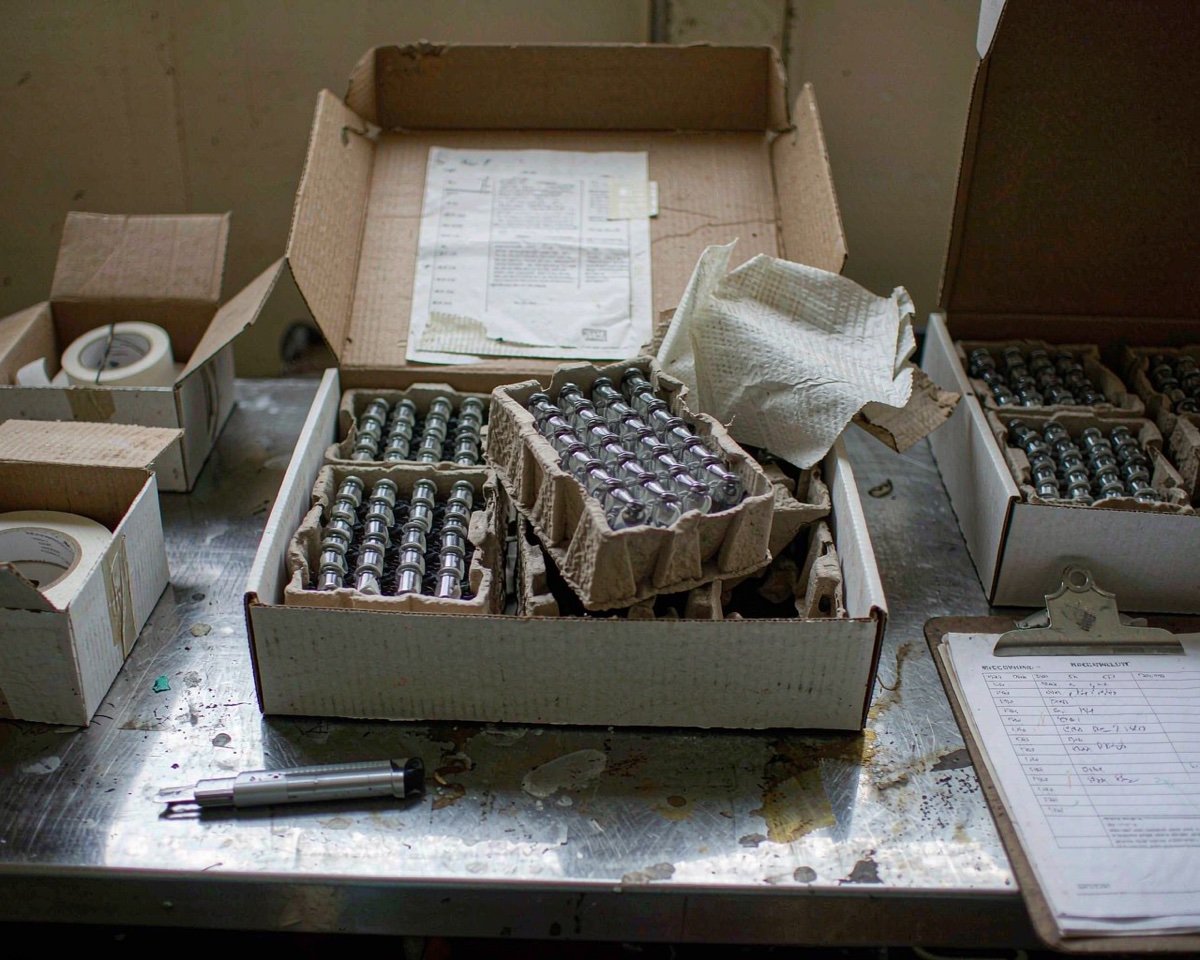
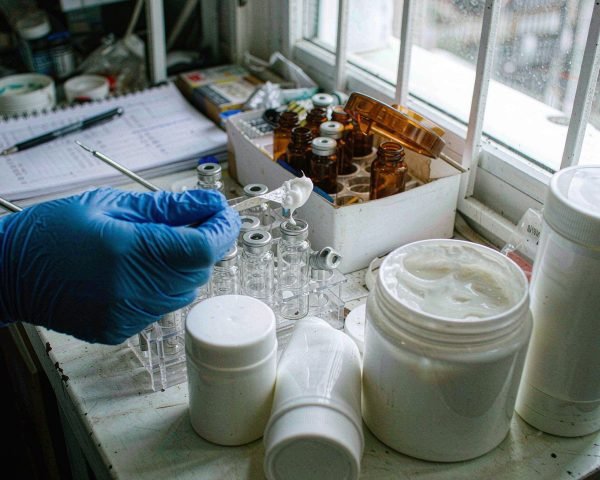

A cosmetics lab is a strange hybrid. One bench runs HPLC methods for preservatives and UV filters. The next bench plates samples on agar for microbial limits. A third bench hammers away at stability chambers and packaging integrity. Each of those benches consumes a different set of disposables, and a lab that buys only “chemistry consumables” finds out the hard way when the microbiology side runs dry.
This guide covers what cosmetics and personal care testing labs actually consume: chromatography and spectroscopy sample consumables, filtration supplies, sterile sampling tools, microbial testing materials, stability and packaging test consumables, and the documentation that ties it all together for audits.
What Cosmetics Labs Test (and Why It Drives Consumables)
Cosmetic testing clusters into five workloads, and each one pulls different consumables through the door:
• Chemical assay: active ingredients, preservatives (phenoxyethanol, parabens), UV filters, allergens by HPLC, GC, or LC-MS
• Heavy metals: lead, arsenic, mercury, cadmium by ICP-MS or AAS
• Microbial limits and pathogen screening: aerobic plate count, yeast and mold, Staphylococcus aureus, Pseudomonas aeruginosa
• Preservative efficacy (challenge testing): inoculated samples held over 28 days
• Stability, packaging, and compatibility testing
The mix matters because a consumables budget built only around chromatography underfunds the sterile side, and vice versa. I helped a skincare brand’s lab set up in 2023 and their first order was all vials and filters. By week two they were improvising sterile sampling with whatever they could autoclave. Plan for both worlds from day one.
The Regulatory Backdrop: Why Documentation Now Comes First
Two regulatory currents shape this niche. In the United States, the Modernization of Cosmetics Regulation Act (MoCRA) gave FDA real enforcement teeth for safety substantiation, testing records, and facility registration. In the EU, Regulation 1223/2009 has long required a Product Information File with safety assessment and, for many claims, supporting test data.
The FDA’s cosmetics laws and regulations hub is worth bookmarking because MoCRA’s implementing rules keep arriving. Safety substantiation under MoCRA leans on test data or a justified rationale, and records must be retrievable for inspection, which in practice means lot-traceable consumables with retained certificates. What this means at the bench level: the certificate that ships with your consumables is no longer a formality. Auditors can ask why a batch of sample containers is fit for its purpose, and “the box looked clean” is not an answer.
GMP frameworks apply here too. ISO 22716 is the cosmetics GMP standard, and it expects controlled materials, traceability, and documented supplier qualification, which overlaps heavily with what pharma labs already do. If you know pharma QC, you already know most of what ISO 22716 asks of consumables handling.
Chromatography Consumables: The Chemical Bench
The workhorse consumables here are the same family as pharma QC, with cosmetic-specific twists.
• Vials. Most preservative and UV filter assays run on standard 2 mL autosampler vials, 8-425 or 9mm threaded. Two considerations specific to cosmetics: matrices are oily or emulsive, so low-residual vials and clean glass matter more than usual; and some labs prefer amber glass for photosensitive actives like retinoids and UV filters, trading visible contents for photoprotection.
• Syringe filters. Creams and lotions wreck columns without filtration. Emulsions need either dilution into a compatible solvent, centrifugation, or both before they’ll even pass a 0.45 µm membrane. PVDF and PTFE are my defaults for cosmetic extracts; nylon binds some cationic actives, so verify recovery. The complete syringe filter buyer’s guide covers membrane chemistry by solvent.
• Headspace vials. Volatile impurities, residual monomers, and fragrance allergens by GC push labs into 10 and 20 mL headspace vials with the right septa for oven temperatures. Alcohol-containing products (perfumes, toners) also run GC-heavy, which keeps crimp and screw cap headspace consumables in steady rotation.
• Certification level. For assays feeding a safety file, certified vials with documented extractables profiles reduce audit friction. I break down what the certificates actually guarantee in the certified HPLC vials guide.
A note on sample prep volume: cosmetic matrices often demand dilution factors of 100 or more before injection, which means your solvent consumption (and therefore your solvent bottles and reservoirs) runs higher than a typical pharma QC bench. Keep solvent-safe glassware and a clean stock of solvent bottles in rotation, and label dilution series clearly, because a cosmetic dilution chain written on a scratch sheet is where most injection errors are born.
Emulsion Sample Prep, Step by Step
Since filtration is where cosmetics labs burn through consumables fastest, it deserves a worked example. Here is the prep sequence that held up across several cream and lotion methods I have supplied into:
1. Dilute first. A 1:5 or 1:10 dilution of the emulsion into the extraction solvent (often acetonitrile or alcohol mixes) drops the viscosity enough for everything downstream.
2. Centrifuge the diluted sample. Ten minutes at 4,000 g throws most of the emulsion phase down and leaves a clearer middle layer to draw from.
3. Filter the middle layer through 0.45 µm first, and move to 0.22 µm only if the method demands it. Skipping straight to 0.22 on a cream extract is how a single sample kills a filter.
4. Discard the first milliliter or two of filtrate. Membrane wetting and extractables run highest in the early fractions.
Labs that skip steps 2 and 3 consume filters at three to five times the rate, and the cloudy filtrates they collect are usually suspended emulsion droplets rather than contamination. That misread sends teams troubleshooting their membrane supplier when the membrane is doing its job and the prep is not. Track filter consumption per matrix for a month and the economics become obvious: one customer moved from 0.22 µm-only preps to the staged sequence and cut membrane spend by more than half while improving injection precision. Nothing changed except respect for the emulsion.
Fragrance Allergens and Volatiles: The GC Bench
Fragrance allergen testing deserves its own section because the consumables are deceptively specific. Declarable fragrance allergens are typically quantified by GC-MS, often after extraction or headspace sampling, and the consumable choices differ from the HPLC bench in small ways that matter.
Headspace vials for volatile work need low-bleed septa rated for the oven program. I watched a lab lose a week to ghost peaks that traced back to a septum bleeding plasticizer into every chromatogram at 80°C. The vials were fine. The septa were the wrong polymer for the method temperature, and the swap cost forty dollars once someone thought to look there.
For liquid injection of fragrance compounds, the same 2 mL vials serve, but adsorption is the hidden enemy. Some allergens interact with active glass surfaces, so silanized glass earns its premium on this bench. Recovery checks with a standard prepared in matrix, rather than neat solvent, catch the problem before it eats a calibration curve.
One more note: fragrance concentrates are aggressive solvents in their own right. Polypropylene tubes can swell or leach when they hold neat fragrance oil, so glass dilution tubes are worth stocking for this bench even if the rest of the lab runs plastic everywhere else.
Heavy Metals Consumables: The Trace Side
Metals analysis by ICP-MS or AAS inverts the usual priorities. Here the enemy is contamination from your consumables, not your sample matrix.
The rules of the trace metals bench:
• Acid-washed or certified-clean sample containers, because background lead or arsenic from a dusty plastic tube ruins a low-limit assay
• High-purity acids and water, stored in clean glass or PFA bottles
• Powder-free gloves and lint-free wipes, since regular gloves shed zinc
• Dedicated digestion vessels and tubes that never touch uncontrolled bench dust
A cosmetic sample usually gets digested in acid before metals analysis, and every container between the cream and the instrument is a contamination opportunity. Labs that run trace work keep a separate, cleaner storage zone for metals consumables. A shelf, a lidded bin, and a rule about who opens what is all it takes, and it costs almost nothing to maintain.
Blanks tell you whether your consumables discipline is working. If your procedural blank runs at the same level as your calibration blank, your containers and acids are clean. When a blank spikes, the investigation order I use is: newest reagent lot, then newest container lot, then the digestion vessel itself. Nine times out of ten it’s the most recently opened item.
Microbial and Challenge Testing Consumables
Microbiology consumes differently. The sterile side of a cosmetics lab goes through:
• Sterile sampling bags, scoops, and containers for pulling product from production lines
• Dilution blanks and buffered peptone water in pre-portioned bottles
• Membrane filters and sterile filtration units for the membrane filtration method used on preserved products, where neutralization of the preservative is part of the method
• Sterile spreaders, loops, and pipettes
• Neutralizer chemicals (like Tween and lecithin blends) that inactivate preservatives during plating
Preserved products are the interesting case. Preservative efficacy testing per USP 〈51〉-style methods inoculates the product with challenge organisms and counts survivors over 28 days, so every time point needs sterile sampling consumables plus neutralization. An under-neutralized plate reads as a passing challenge test that isn’t. Laboratories running this work should also care about low-bioburden consumables generally, which is where low-bioburden claims on consumables start to matter.
A note on gamma-irradiated versus autoclaved items: for single-use sampling tools, gamma-irradiated, individually wrapped items save enormous autoclave time, and the tradeoffs boil down to convenience and per-unit cost.
Incubation adds quiet consumption too. Agar plates, contact slides, and environmental monitoring supplies such as settle plates and swabs get consumed continuously in labs that monitor their own clean areas, and each dilution series consumes tubes at a rate that surprises people who have only run chemistry benches. My rule of thumb after watching several micro benches: the micro side consumes more units and fewer dollars than the chemistry side. Both facts matter when you negotiate supplier minimums, because unit count is what runs you dry mid-test.
Consumption volumes surprise new lab managers here. A single aerobic plate count on a preserved product can consume a sampling bag, two dilution blanks, a membrane filter unit or several plates, pipettes, and spreaders. Multiply by a production batch with composites and retentions, and the sterile side of a modest cosmetics lab can out-consume the chromatography side within a quarter. Track it for a month before setting par levels.
Stability and Packaging Consumables
Stability programs for cosmetics run months and consume steadily. Accelerated and real-time studies pull samples at 0, 1, 2, 3, and 6 month points, and every pull needs the same consumables as a fresh assay: vials, filters, microbial supplies.
Packaging compatibility testing adds its own list. Labs test product against the actual packaging (the pump, the jar, the tube), which means storing filled units at temperature and humidity, then analyzing extracts for migrants from the plastic. That analysis uses the same HPLC vials and filters as routine work, but the samples are extracts, so low-residue, low-background consumables matter more than the product itself.
SPF testing, where the lab does it in-house, adds specialized consumables (PMMA plates for spreading), but those are niche. The bulk of stability consumption is just disciplined repetition of the routine kit.
Photostability studies, when the lab runs them per ICH Q1B-style exposure protocols, add their own twist: the same vial may be tested after exposure in a light cabinet and again as a protected control, so consumable counts double and the foil-wrapped controls need their own labeling convention. A lab I know marks protected controls with a diagonal slash across the label, which has survived three audits without a single mix-up. Small conventions like that cost nothing and prevent exactly the kind of confusion that rewritten chromatograms invite.
Retention Samples and Reference Archives
Stability chapters usually discuss the pulls. Almost nobody budgets for the keeps.
Good practice and inspector expectations both push labs to retain reference samples of each batch, which in practice means a storage program running in parallel with the analytical one. Retention archives live for years, so they need containers with long-seal integrity, amber glass where light is a factor, and labels that survive a warm humid room. I have seen retention libraries written on thermal printer labels fade to blank inside a stability chamber within a year. Cryogenic-grade tape and a solvent-resistant pen cost almost nothing and still read fine a decade later.
There is a second archive worth planning: the consumable lot file. When an investigation asks what lot of vial served a method in March of two years ago, the lab that kept empty boxes with certificates stapled to them answers in ten minutes. The lab that did not answers with a week of purchasing emails. A banker’s box per year, labeled by lot, is the entire system.
Supplier Qualification and Documentation
Cosmetics labs in the MoCRA era should qualify consumables suppliers the way pharma QC does:
1. Ask for ISO 9001 certification and, for sterile items, documented sterilization validation
2. Request certificates of analysis or conformity per lot, and check that lot numbers on the box match the certificate
3. Trial critical items (filters, certified vials) against a known incumbent before switching
4. Keep a supplier file: certificates, trial data, and any corrective actions
A structured supplier audit covers the full process, and knowing which certificate proves what is half of it.
One procurement reality worth stating: cosmetic lab volumes are usually smaller than pharma QC volumes, so minimum order quantities bite harder. The MOQ and lead times guide sets realistic expectations for mixed-size orders.
A Starter Inventory, Bench by Bench
If you’re stocking a new lab, this is the order I’d buy in, with the volumes that kept my customers from running dry in month one:
| Bench | First order | Monthly consumption profile |
|---|---|---|
| Chemical assay | 2 mL vials (8-425, clear + amber, 1,000 ea), PTFE/silicone caps, 13 mm PVDF filters (500), solvent bottles | Steady; vials ~400-600/month |
| GC/headspace | 10 and 20 mL headspace vials (500), matching crimp and screw caps, high-temp septa | Spiky; tracks fragrance/volatile work |
| Trace metals | Certified-clean digestion tubes (250), acid-washed containers, powder-free gloves | Low volume, high spec |
| Microbiology | Sterile sampling bags (500), dilution blanks (500), membrane filter units, sterile pipettes | Highest burn rate of the four |
| Stability | Amber vials and bottles per protocol, PTFE-lined caps, one-lot purchase | Front-loaded at study start |
The table is deliberately conservative. Running out mid-assay costs more than any of these quantities, and excess of stable items (glass especially) simply waits on the shelf. The one category to buy carefully is sterile microbiology: check expiry dates on sterilized items, because they do have them, and an expired sterile pouch is waste no discount can rescue.
Physical, SPF, and Packaging-Adjacent Testing
Beyond wet chemistry and micro, many cosmetics labs run physical tests, and their consumable footprint is small but real. SPF and water-resistance testing uses PMMA plates and dedicated applicators; viscosity needs cleaning solvents and wipes per run; pH needs buffer sachets and electrode storage solution; centrifuge-based emulsion stability needs a stock of solvent-appropriate centrifuge tubes.
Packaging compatibility work leans on the same HPLC consumables as routine assay but at extract-grade cleanliness, since you’re looking for migrants from the package at low levels. If your lab inherits this workload, budget more vials than you think: compatibility studies sample aggressively at early time points to catch fast migrants.
Scaling: Three Benches Versus a Contract Lab
Consumables strategy changes with scale. A three-bench brand lab can buy everything from one or two distributors on small orders, trade price for flexibility, and hold a month of stock. The math flips at contract lab volume: at that point, direct-from-manufacturer pricing, custom kit SKUs, and negotiated lead times start mattering more than convenience, and minimum order quantities start working in your favor instead of against you.
The scaling mistake I see is buying like a big lab while running like a small one: pallet quantities of items the lab uses twice a quarter, financed by understocking the items it uses daily. Audit your last quarter of actual consumption before copying anyone’s purchasing playbook, including mine.
Training Bench Staff on Consumable Care
Consumables fail in labs mostly through handling, not manufacturing. A one-hour onboarding module pays for itself fast, and mine covers five things: how to open a tray without touching rims, why filters get wetted and the first fraction discarded, how to read a certificate, how to cap without overtightening, and where lot numbers get recorded. Add a laminated one-pager at each bench and a five-minute refresher when a new consumable type arrives.
The staff who benefit most from training are usually the experienced ones, by the way. Analysts who moved from pharma QC carry habits (impeccable ones) that don’t always transfer, and analysts from academic labs often never handled certified consumables at all. Train to the checklist, not to seniority.
Where Cutting Corners Costs You
I’ll close the buying advice with the corners that genuinely cost more than they save. Ultra-cheap vials with dimensional variance cause autosampler errors that cost more in reruns than the savings. Unverified filters shift recoveries and can void months of method work. Certificates that “come later” delay your own documentation and signal weak quality systems. And sterile consumables that weren’t bought with expiry dates in mind quietly time out on your shelf, which turns a bargain into waste, a trap that only shows up when someone finally opens the box.
A useful annual exercise, by the way, is walking the benches with last year’s reorder list and crossing off anything nobody can explain. None of this argues for the most expensive option. It argues for buying from suppliers whose quality claims you can check, at quantities your bench actually consumes, with documentation that survives an audit. That balance point differs by lab, which is why supplier qualification matters more than any single purchase decision.
A Stocking Story, Annotated
The 2023 setup I mentioned earlier taught me more about this niche than any checklist, so here is how it played out with names changed. The lab had three analysts, one HPLC, one GC, and an incubator, serving a skincare brand moving from contract testing to in-house QC. Their founder ordered consumables off a pharma QC list, which got them vials, caps, filters, and media bottles. All reasonable, as far as it went.
Week two exposed the gaps. The first microbial limit test stalled because nobody had sterile sampling bags sized for a 500 g cream jar. The challenge test nearly failed on paper because the neutralizer on hand targeted a different preservative system, and the Tween-lecithin blend they actually needed was on nobody’s list. Then their retinoid assay drifted, and the cause was afternoon sunlight through a south-facing window hitting clear vials on the autosampler tray.
The fix list was short and instructive: amber vials and an opaque tray cover, the correct neutralizer, and sampling bags matched to the product containers. Total cost was under two hundred dollars. The lesson I carry from that project is that in cosmetics labs, the consumables that hurt you rarely appear on a standard chromatography list. They live where the product meets biology, or light.
Cleanliness Levels: Matching the Consumable to the Claim
Cosmetics labs buy the same vial in three cleanliness grades, and the differences are real even when the boxes look identical. Standard-clean vials are fine for R&D screening and method scouting. Certified-clean or certified vials carry lot documentation of extractables and particulates, which is what you want behind a safety substantiation claim. And for the trace-metals bench, “clean” means acid-washed or certified metal-free, a different supply chain entirely.
The mistake is buying one grade for everything, usually the cheap one, then wondering why a preservative assay shows a mystery peak at 12 minutes. Extractables from a marginal glass lot show up exactly there. The fix is not buying everything certified; it is deciding per workload which results feed a claim or a filing, and buying documentation for those lots.
Write the decision down. A one-line policy like “routine assay: standard; safety-file methods: certified lots, certificate retained” takes five minutes to draft and settles every future argument at the ordering desk. Without it, each analyst buys their own comfort level, and your budget and your data both get noisy.
I visited a lab that had quietly drifted into buying certified vials for everything, at roughly triple the price, because one auditor once asked about them. Nobody could say which methods actually required the certificate. The policy note would have saved them about two thousand dollars a quarter. That is real money for a certificate that most methods never needed.
Documentation That Survives an Audit
For a cosmetics lab, the documentation chain for consumables has three links, and auditors increasingly pull all three. The certificate that ships with the lot proves what the vendor tested. Your receiving record proves what arrived, when, and in which lot. And your bench logbook proves which lot touched which samples on which day.
The middle link is where labs are weakest. Boxes arrive, get opened, and nobody writes anything down because the certificate is “in the box somewhere.” Six months later, an investigator asks which lot of filters ran the stability time point at month three, and the answer is a shrug. I keep a simple receiving log: date, item, vendor lot, our internal lot, and the location where the certificate got filed. One line per box. It has answered more audit questions than any quality manual I have written.
For MoCRA-era inspections in the US and PIF reviews in the EU, this chain is not gold-plating. It is the minimum that lets a reviewer connect a result to the materials that produced it. The good news is that the chain costs minutes per week once the habit exists, and suppliers who ship consistent certificates make it nearly automatic. Suppliers whose certificates arrive late, incomplete, or with lot numbers that do not match the box are telling you something; listen, and qualify accordingly.
Ordering Rhythms for a Two-Stream Lab
Chromatography consumables and sterile microbiology consumables deplete on different clocks, and that mismatch is what quietly breaks most cosmetics lab budgets. Vials and filters burn steadily with assay volume. Sterile items burn in bursts that track production sampling, and a single challenge test can consume two months of ordinary micro stock in eight days.
My practical rhythm: run the chromatography side on a par-level system reviewed monthly, and run the sterile side on a calendar check tied to the study schedule. Before any preservative efficacy or microbial limits study starts, physically count the sterile stock. Do not trust the system number, because sterile items have expiry dates, and a shelf can read fully stocked while half the inventory has quietly aged out.
Buy the boring items deep. Glass vials, bottles, and caps do not expire, so overstocking them costs only cash and shelf space, both cheaper than a stopped assay. Buy sterile and certified items shallow, in lots you will genuinely consume before expiry, and re-order small but often. This split sounds obvious written down; almost no lab I visit actually runs it, because the two streams get ordered in one monthly purchase ritual by whoever has time that day.
When to Push Back on a Supplier
A short note on the conversation nobody enjoys. When a consumable arrives with a certificate that does not match the lot on the box, or sterile items with no expiry printed, or caps whose septa smell strongly of solvent, the temptation is to let it slide because the production schedule is tight. Push back, in writing, every time.
The pattern matters more than any single incident. A vendor that ships mismatched paperwork once may have had a bad week. A vendor that answers slowly, offers a discount instead of a root cause, and keeps shipping is building your next quality problem. Consumables are the inputs to every result your lab will produce this year, and the leverage you have is strongest before the purchase order becomes routine.
I have dropped suppliers over exactly this, and each time the replacement was easier to work with than the fear predicted. Good suppliers treat a documentation complaint as free consulting. Bad ones treat it as an accusation. That reaction tells you more in one email than any audit questionnaire ever will.
Common Pitfalls (and How to Avoid Them)
• Underestimating the sterile side. The chemistry bench gets stocked; the micro bench improvises. Budget both.
• Skipping filter recovery checks. Cosmetic actives are surfactant-adjacent molecules that bind membranes in unexpected ways. One recovery study per new method prevents silent data loss.
• Ignoring emulsion prep. A 0.22 µm filter clogs in seconds on undiluted lotion. Dilute, centrifuge, then filter, or you’ll burn through filters three times faster and still get cloudy filtrate.
• Mixed lots mid-study. Stability and challenge studies span months. Change filter or vial lots mid-study and you add a variable your reviewer will ask about. Order enough of one lot or document the change deliberately.
• Buying “certified” without reading the certificate. The word certified means the vendor tested something. Read what. Learn the vocabulary once and the certificates start reading like plain language.
Conclusion
A cosmetics and personal care testing lab consumes two parallel streams of consumables: the chromatography and spectroscopy side (vials, filters, headspace consumables, certified glass) and the sterile microbial side (sampling tools, dilution bottles, membrane filtration supplies), with a trace-metals stream in between that demands its own cleanliness discipline. MoCRA in the US and Regulation 1223/2009 in the EU have turned documentation into part of the product, so supplier qualification, lot traceability, and certificates are no longer optional extras. Build your inventory around the five testing workloads, keep filter and vial lots consistent across studies, and qualify suppliers once instead of firefighting repeatedly. Start with the chromatography essentials, add the sterile program as your microbial workload grows, and revisit the syringe filter guide linked earlier whenever a new matrix pushes your filtration outside its comfort zone.
Frequently Asked Questions
Do cosmetics labs need certified HPLC vials?
For routine in-process checks, standard vials are usually fine. For assays that feed a safety substantiation file or a claim, certified vials with documented extractables reduce audit questions. The choice is risk-based, not mandatory.
What filter membrane works best for emulsions and creams?
Dilute the sample into a compatible solvent first; no membrane survives raw lotion. Then PVDF or PTFE at 0.45 µm handles most diluted cosmetic extracts. Verify analyte recovery, since surfactant-like actives can bind membranes.
Are sterile consumables required for microbial limit testing?
The materials contacting the sample after neutralization must be sterile, or your counts reflect your consumables rather than your product. Pre-sterilized, individually wrapped sampling tools are the simplest path to compliance.
How do MoCRA testing requirements affect consumables purchasing?
MoCRA requires safety substantiation and recordkeeping, so labs keep certificates, lot records, and supplier qualifications on file. Practically, that favors suppliers who ship consistent documentation with every lot.
Is ISO 22716 certification needed for a testing lab?
ISO 22716 is a GMP standard aimed at production, but labs serving certified manufacturers are often asked to align with it. Consumables traceability and supplier qualification are the parts that reach the bench, and both are cheap to implement early.