
# What Consumables Does Vape and E-Liquid Testing Need?
E-liquid looks like a simple sample until you run it. Propylene glycol and vegetable glycerin are viscous, nicotine degrades in light, and the flavoring chemistry is a zoo. The labs that test vape products well are the ones that matched their consumables to that matrix early.
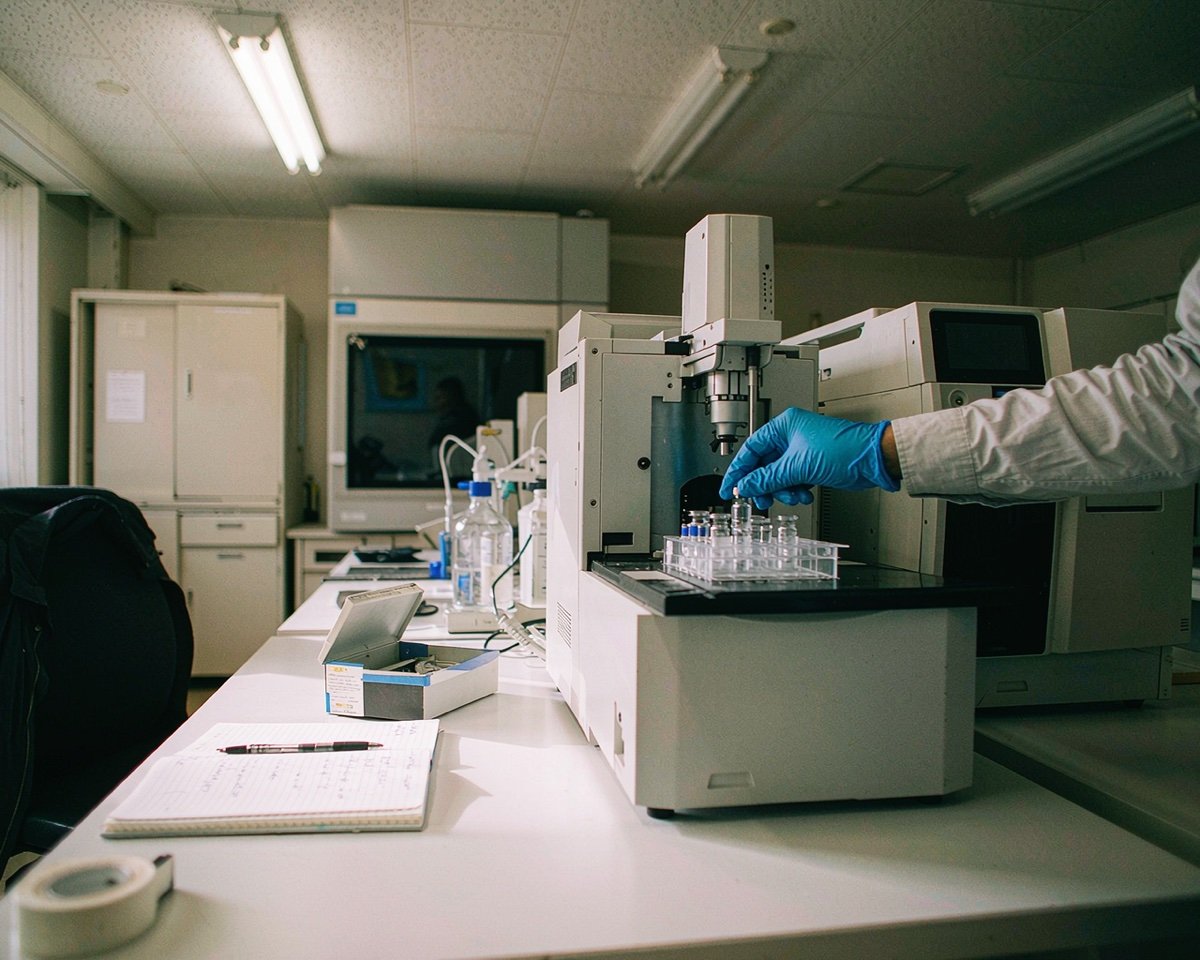
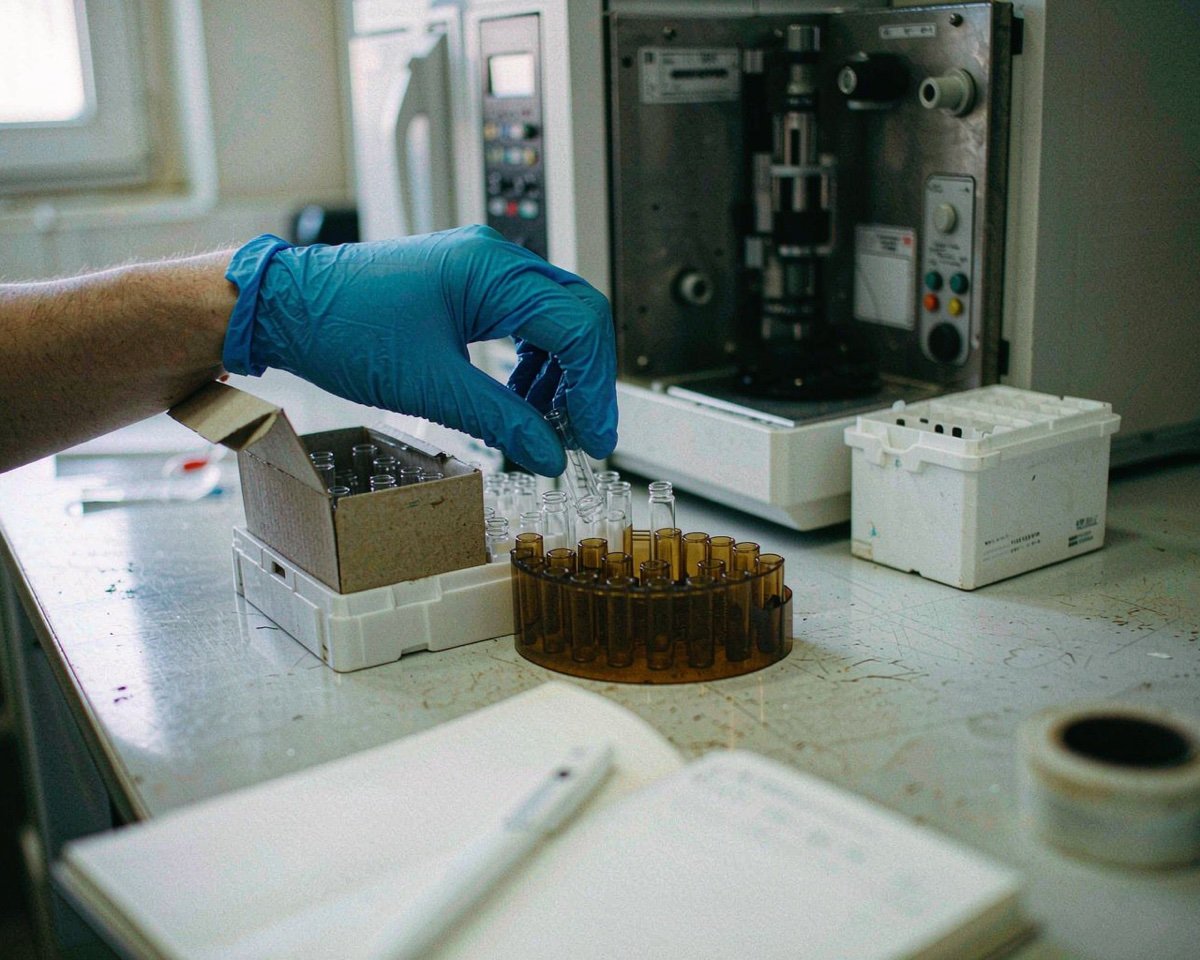
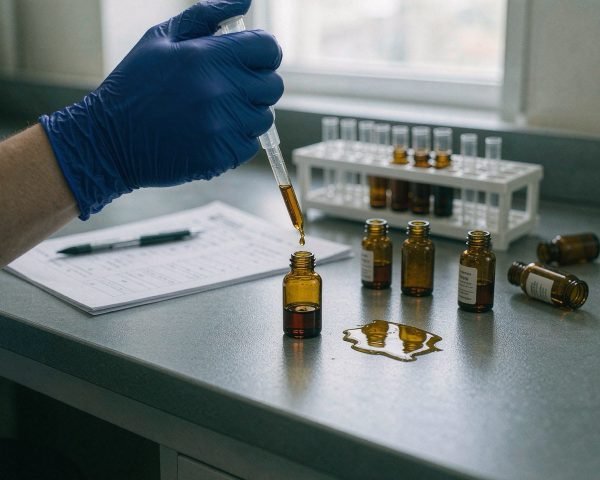
E-liquid testing labs need amber 2 mL glass HPLC vials with PTFE-lined caps, 0.22 µm PTFE syringe filters (the glycol matrix dissolves most other membranes), ICP-MS-grade digestion tubes for metals, and GC or HPLC vials with low-extractable septa for carbonyl and tobacco-specific nitrosamine work.
Read on, because the details change by test. The filter that works for nicotine HPLC is the wrong filter for a carbonyl method, and the wrong membrane can add phantom peaks to a regulatory submission.
The Core Menu: Vials and Filters for Nicotine HPLC
Nicotine quantification is the workhorse test. A validated HPLC method with diode-array detection covers e-liquids from 1 to over 50 mg/mL nicotine, and studies have shown label claims can be off by 25 percent or more in real products. ISO 20714:2019 is the reference standard for nicotine, propylene glycol, and glycerol in e-liquids, using gas chromatography, and labs running either method need consumables that survive the matrix.
The matrix is the catch. PG and VG are solvents with a taste for plastics: polystyrene, acrylic, and many polymer membranes will cloud, swell, or leach into an e-liquid sample. So the core kit I’d spec:
• Amber 2 mL glass vials, 9 mm or 8 mm thread, with PTFE or PTFE/silicone septa (amber, because nicotine and many flavor compounds are photosensitive)
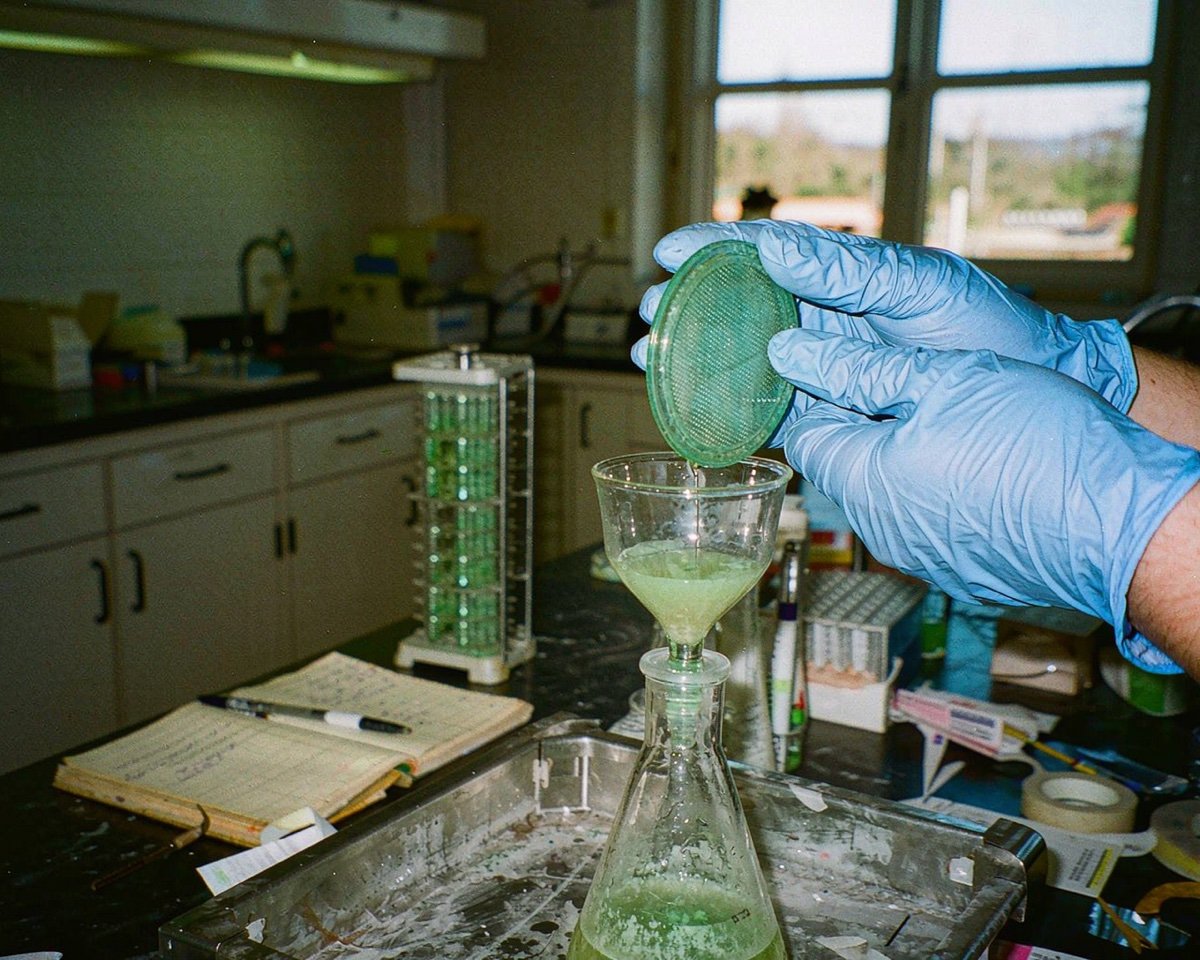
• 0.22 µm or 0.45 µm PTFE syringe filters for clarification before injection
• Glass vials for any dilution or extraction step; skip plastic whenever the sample sees organic solvent
PTFE is the default membrane for a reason: it’s chemically compatible with the glycols and the acetonitrile-rich mobile phases these methods use. Our nylon vs. PTFE vs. PVDF vs. PES filter comparison covers why nylon and PVDF, which work fine for aqueous samples, are the wrong call here.
Pore size matters more than most new labs expect, too. High-VG liquids (80 percent glycerin and up) are thick enough that a 0.22 µm filter clogs after a milliliter; a 0.45 µm first stage or a glass fiber prefilter saves filters and thumbs. We explain the tradeoffs in our 0.22 vs. 0.45 µm pore size guide.
If you change only one thing in your e-liquid workflow this month, make it the filter membrane. It’s the single consumable with the most direct line to phantom peaks.
Metals Testing Needs Its Own Prep Track
Heavy metals in e-liquids (lead, chromium, nickel, arsenic, cadmium, mercury) come from the heating coil, the wick, and the device hardware, and regulators increasingly lean on ICH Q3D permitted daily exposure limits to judge them. One study of seized products quantified nicotine by HPLC-DAD and metals by ICP-MS after digesting 0.3 g of sample with nitric acid and hydrogen peroxide in a closed-vessel microwave system, and found chromium and mercury exposures above ICH limits in some samples.
That prep track needs consumables most HPLC benches don’t stock: microwave digestion vessels, trace-metal-grade acids, and metal-free sample tubes. Polypropylene is fine for the digested aqueous solution, but for the digestion itself you’re in PTFE or quartz vessel territory. Our ICP-MS sample prep guide covers the vessel and acid choices in more depth.
One honest note from experience: labs sometimes assume the amber glass vial used for HPLC can carry the digest too. It can, but only after the acid is diluted, because concentrated nitric acid will attack cheap adhesive labels and some septa. I once watched a metals lab lose a tray of digests to labels that slid off in the autosampler; the samples were fine, the chain of custody wasn’t.
Carbonyls, Nitrosamines, and the Vitamin E Acetate Lesson
Beyond nicotine and metals, the panel usually includes carbonyl compounds (formaldehyde, acetaldehyde, acrolein, typically by DNPH derivatization followed by HPLC) and tobacco-specific nitrosamines by LC-MS/MS or GC-MS/MS. Each of these methods has consumable sensitivities: DNPH solutions are light-sensitive and need amber handling, and nitrosamine work at low-ng levels demands clean, low-extractable vials or your blanks will light up.
The EVALI outbreak of 2019 is the case study for why this testing exists. Analysis of vaping products recovered from lung injury patients found vitamin E acetate, a thickening agent never intended for inhalation, in 65 percent of the cannabis-oil cartridges tested, sometimes at up to two-thirds of the total oil mass, according to the published Wadsworth Center analysis. That incident came out of exactly the untargeted GC-MS and LC-HRMS work this article is about, run in ordinary labs with ordinary consumables, and it’s why regulators now expect flavor and additive screening as standard.
For the GC side of the panel, vials and liners follow the usual rules; our GC-MS vials guide covers what’s different about them versus standard HPLC vials.
Regulated Products, Regulated Documentation
One more thing separates vape testing from academic work: the products are regulated. FDA treats e-cigarettes and e-liquids as tobacco products and maintains guidance covering manufacturers and vape shops that mix or modify liquids. In practice that means your consumable choices end up in the record: which filter lot, which vial certificate, which blanks. Buy consumables with certificates of analysis you can file, and your auditor conversations get shorter.
Conclusion
Vape and e-liquid testing rewards labs that respect the matrix. Amber borosilicate vials with PTFE-lined closures protect nicotine and flavor chemistry from light and from plastic contamination. PTFE membranes, sized for the viscosity of the sample, keep glycols and acetonitrile from dissolving your filter into your chromatogram. Metals work runs on its own track of digestion vessels and trace-metal-grade consumables, and the carbonyl and nitrosamine methods demand low-extractable vials and light-protected handling. None of it is exotic, but all of it is unforgiving: an incompatible membrane or an unfiled certificate shows up exactly when a submission is due. If you’re building this panel from scratch, start with the nicotine HPLC consumables, get them right, then add the metals and carbonyl tracks as volume grows. The filter material comparison is the best next read if you only follow up on one decision.
Frequently Asked Questions
Can I use nylon syringe filters for e-liquid samples?
Not recommended. E-liquids are mostly propylene glycol and glycerin, and nylon membranes can leach or extract into that matrix, adding background peaks to your chromatogram. PTFE is the standard membrane for e-liquid filtration because of its solvent resistance.
Do e-liquid samples need amber vials?
Nicotine and many flavor compounds are photosensitive, so amber glass is the safer default, especially for samples that wait in an autosampler tray. Clear glass works for immediate analysis, but most labs standardize on amber to avoid degradation artifacts between preparation and injection.
What filter pore size should I use for high-VG e-liquids?
Start with 0.45 µm for high-VG samples, since the viscosity clogs 0.22 µm membranes quickly. If your method requires 0.22 µm sterile-grade clarification, use a 0.45 µm or glass fiber prefilter first and expect to change filters more often.
How do labs test e-liquids for heavy metals?
Typically by ICP-MS after microwave digestion of the e-liquid in nitric acid and hydrogen peroxide. The digestion uses PTFE or quartz vessels and trace-metal-grade reagents, and the digested solution is transferred to metal-free tubes for analysis.
Is vitamin E acetate still something labs screen for?
After the EVALI outbreak, most cannabis-vape and additive screening panels include vitamin E acetate by GC-MS or HPLC. For nicotine e-liquids it’s less common today, but diluent screening remains good practice for products of unknown origin.