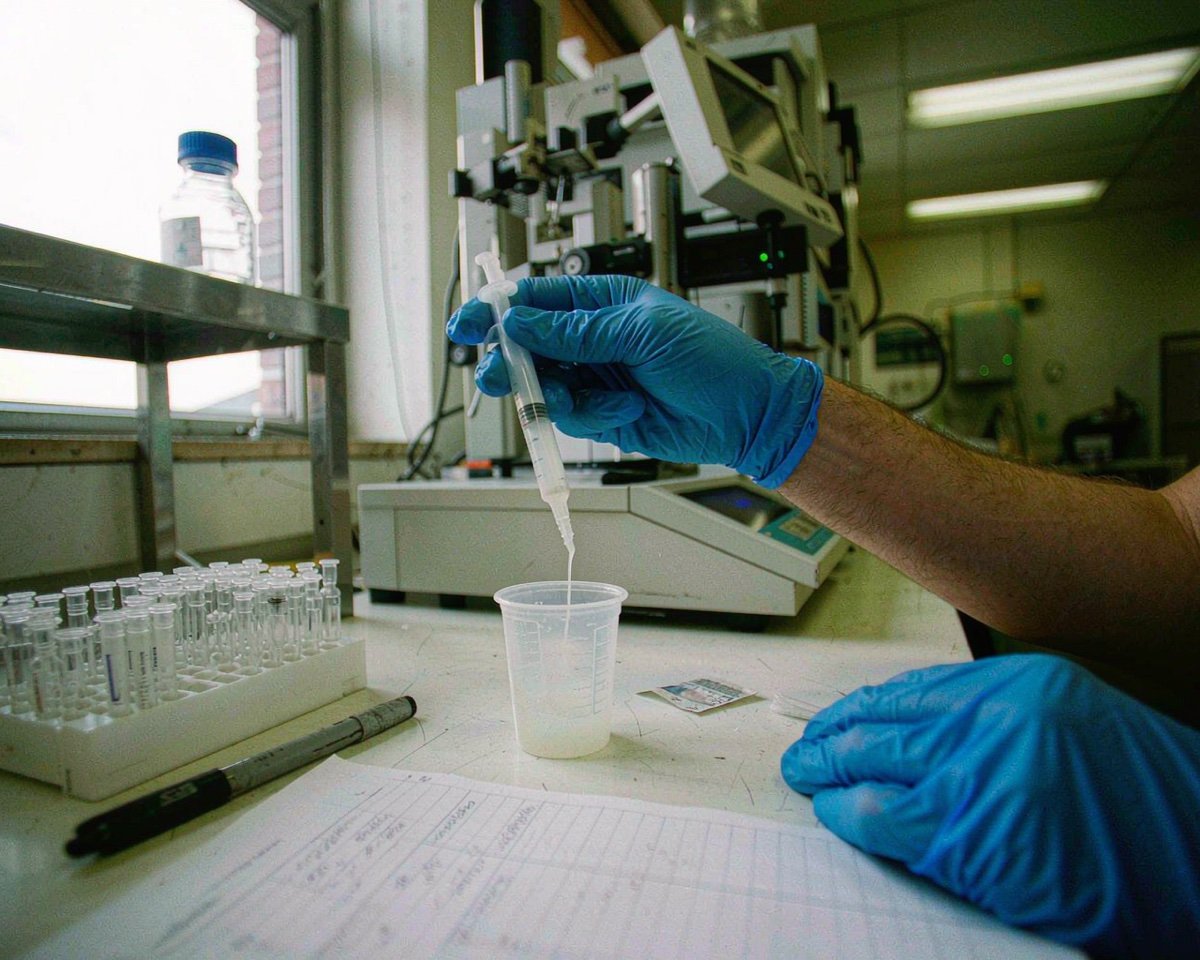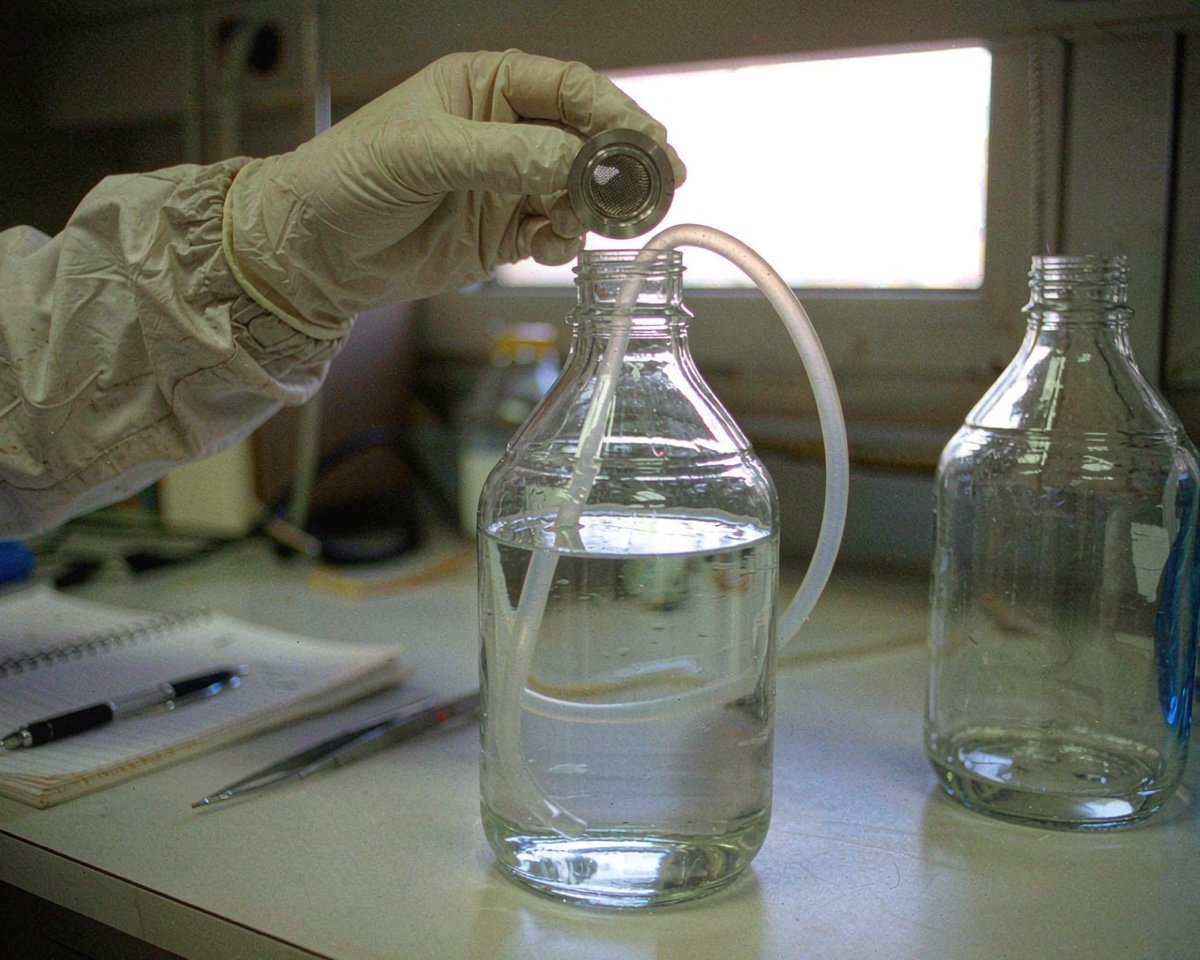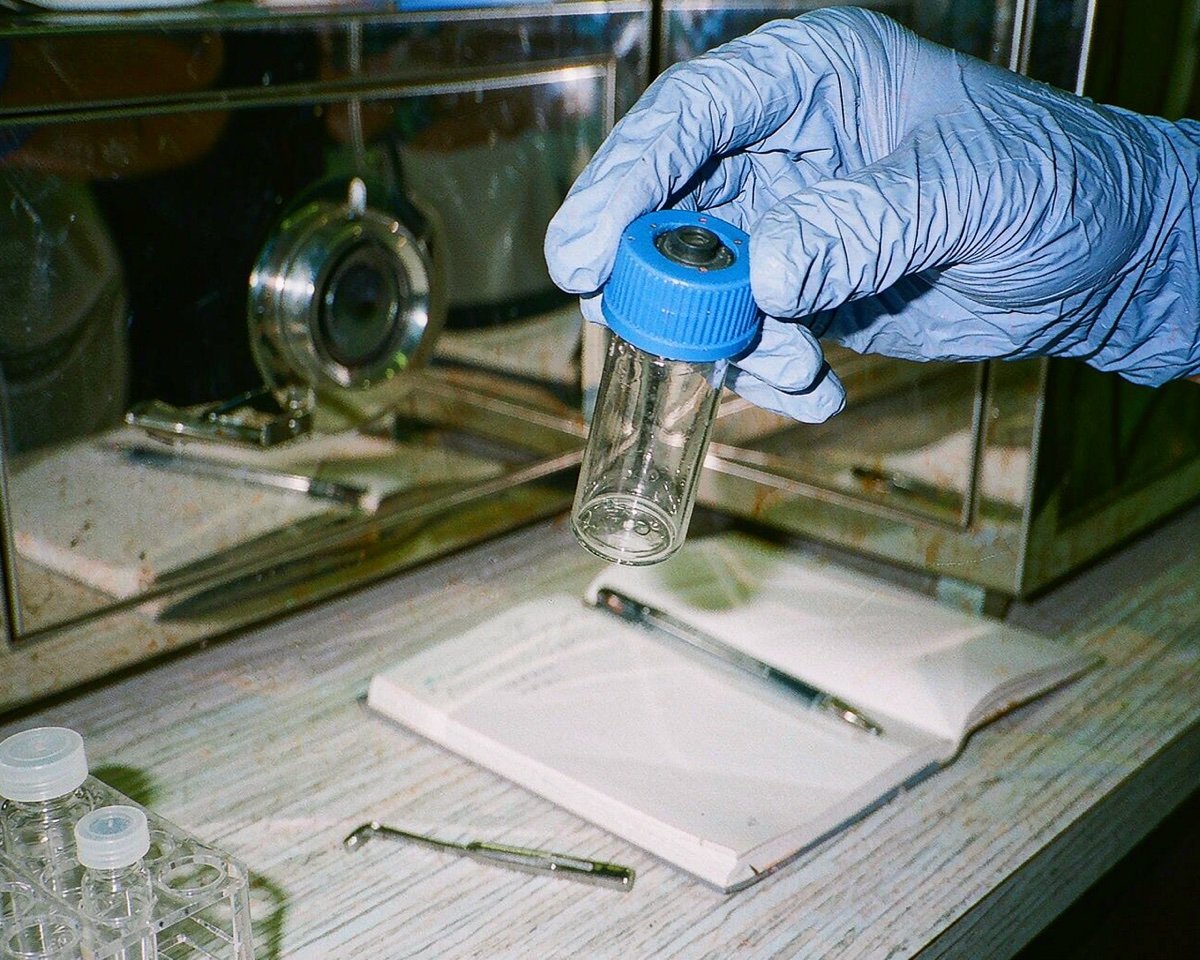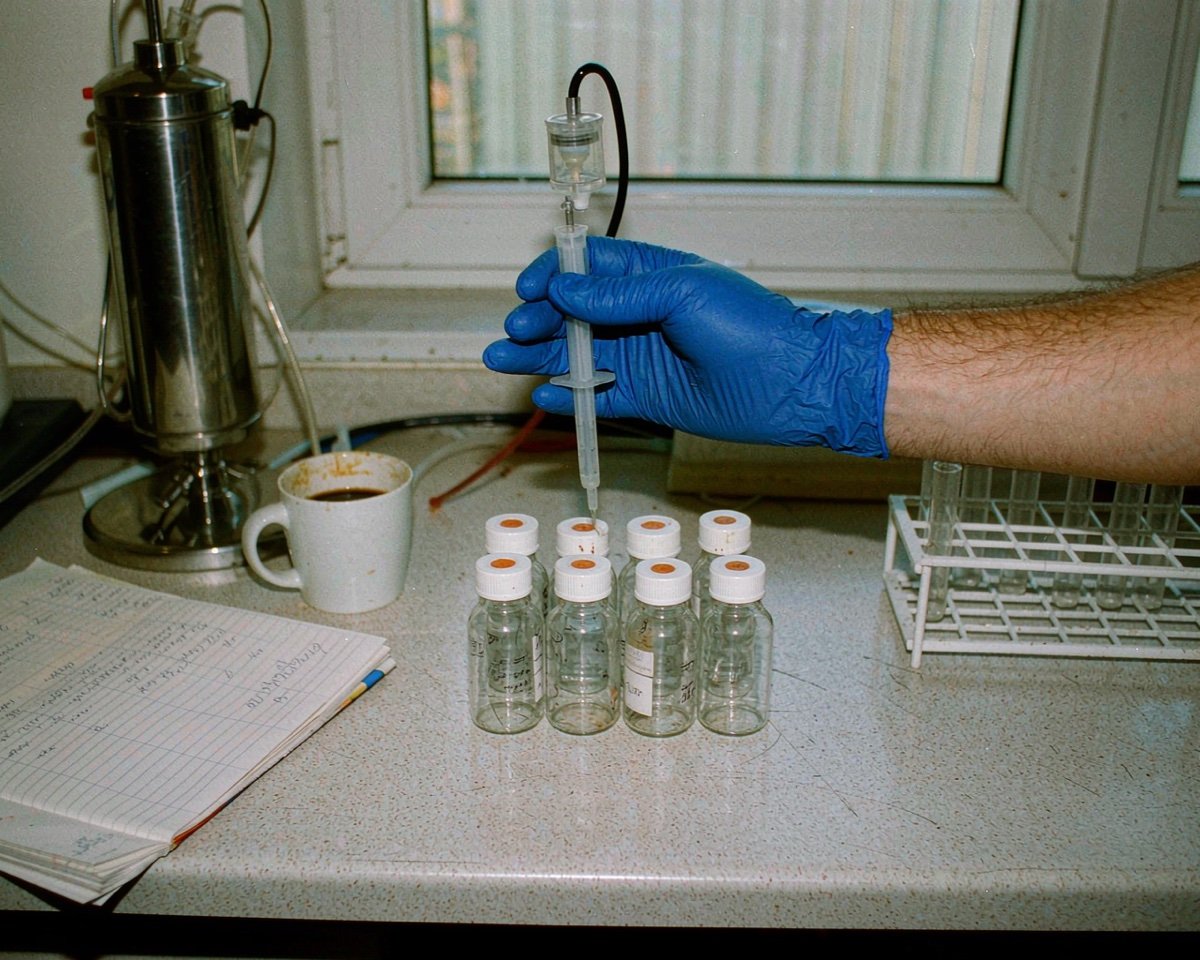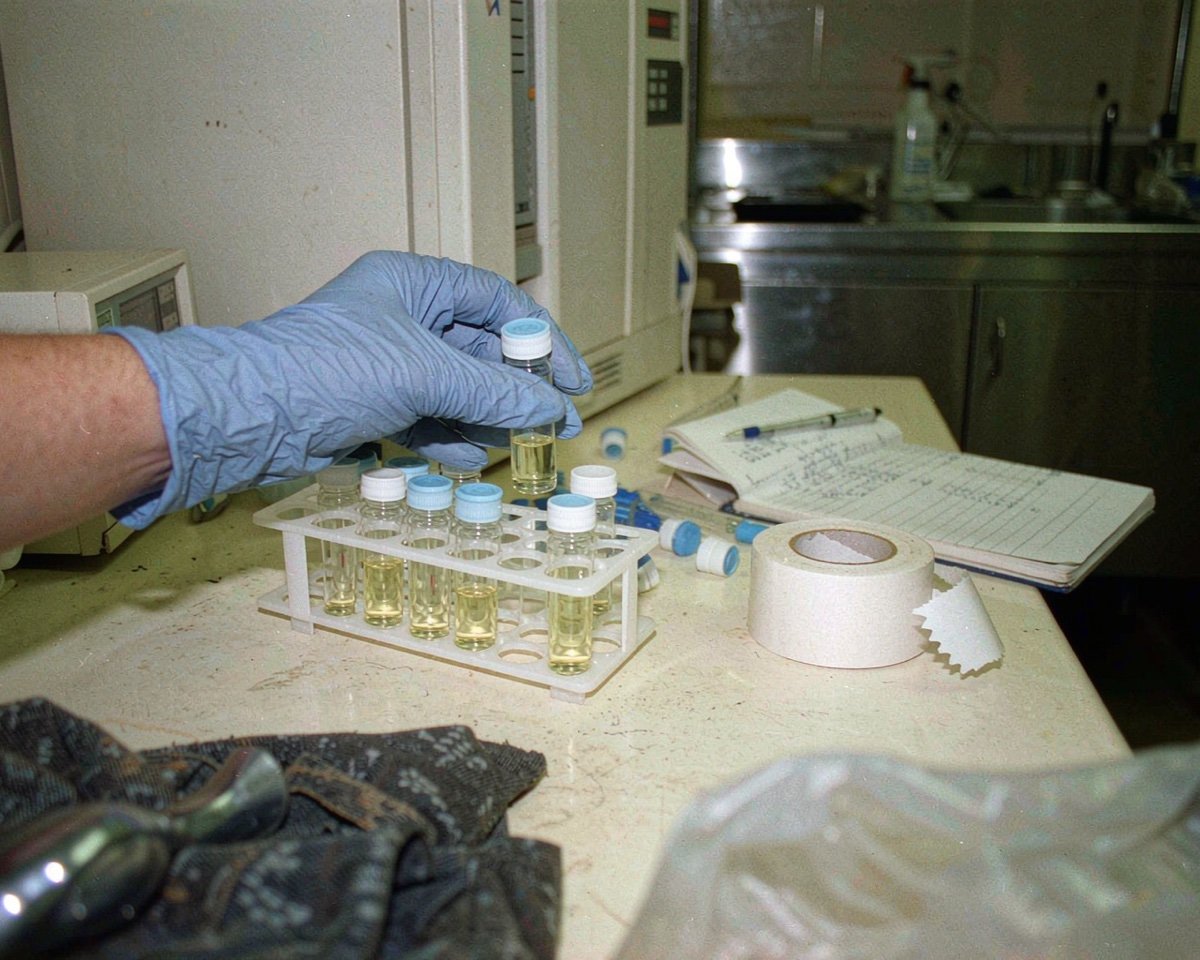
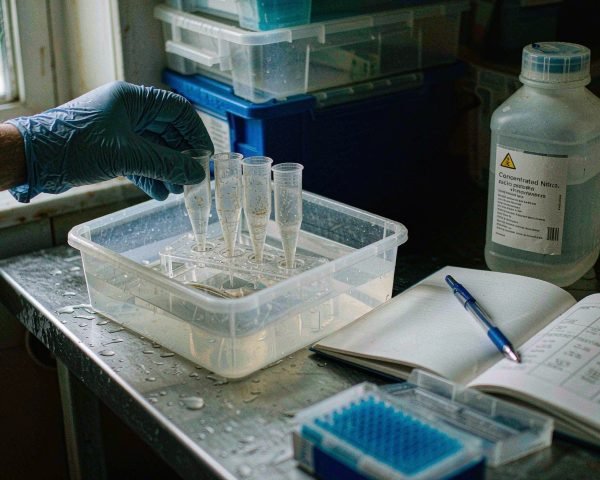

ICP-MS measures parts per trillion, which means your blank is a sample. A fingerprint on a vial, a mold-release residue in a centrifuge tube, or a glass bottle quietly leaching boron can put more metal into a prep than the sample itself contains. The instrument rarely gets the blame it deserves to dodge.
Answer: ICP-MS sample preparation needs four consumable categories: clean plastic labware (PP, LDPE, PFA) instead of glass, acid-handling supplies rated for concentrated HNO3 and HF, precleaned or acid-soaked tubes and vials, and lot-traceable packaging with certificates that document metal background. Every category exists to keep the blank low and the result believable.
Read on for why glass is the first thing that leaves the bench, and what replaces it.
Why Glass Leaves the Bench First
For organic work, glass is the gold standard. For trace metals, it is a contamination source with a nice shape. Acids extract metal ions from the glass matrix itself, and alkaline solutions like TMAH do the same. The contamination control guide from Spectroscopy is blunt about it: acidic and alkaline solutions should not be prepared or stored in glassware, even after precleaning.
The exceptions are few, and mercury is the famous one. Mercury sticks to glass silicate surfaces in ways that sometimes make glass the better container. For everything else on the periodic table, plastic wins.
What replaces glass:
Polypropylene (PP) for everyday work. Sample tubes, 15 and 50 mL centrifuge tubes, autosampler tubes. It is cheap, clean, and Class A graduated versions support volumetric prep.
For diluents and rinse solutions, LDPE wash bottles are the bench standard.
PFA and FEP for the hard jobs: concentrated acids, HF work, and anything where even PP background is too high. PFA costs more per bottle, and for ultratrace geochemistry or semiconductor work it is simply the price of a usable blank.
If your ICP-MS bench still has volumetric flasks in active rotation, they should be reserved for aqueous standards at unremarkable concentrations, and the trace methods should route around them.
The Consumables List, Category by Category
Sample and standard containers
Acid-cleaned PP tubes for routine environmental and clinical work, PFA vials for ultratrace methods. Vendors like Savillex build entire clean sample prep lines around this material hierarchy: PFA vials, acid purification, and PFA-coated hotplates for digestion. Keep dilute-acid stocks in their original PFA bottles or repurposed, well-rinsed acid bottles, which the Spectroscopy guide notes make excellent metal-free storage.
Centrifuge tubes and digestion vessels
Microwave digestion uses its own rated vessels, obviously. The often-missed item is what holds the digest afterward: a clean PP or PFA tube, never the glass tube that was convenient.
Pipette tips
Standard clear tips in covered boxes are usually clean enough. For ultralow work, tips get the same acid soak treatment as tubes. One habit from the same guide worth stealing: never lay a loaded pipette on its side, because acid in the tip corrodes the piston and the next sample pays for it.
Acid handling supplies
Sub-boiled or high-purity acids, PFA or FEP bottles, and bottle-top dispensers with an all-fluoropolymer liquid path. That last detail matters more than it sounds. A second article in the same series, on contamination control during trace element sample prep, describes a dispenser with a platinum-coated valve ball that quietly ruined analyses with metal leachables until someone caught it.
Cleaning baths and storage boxes
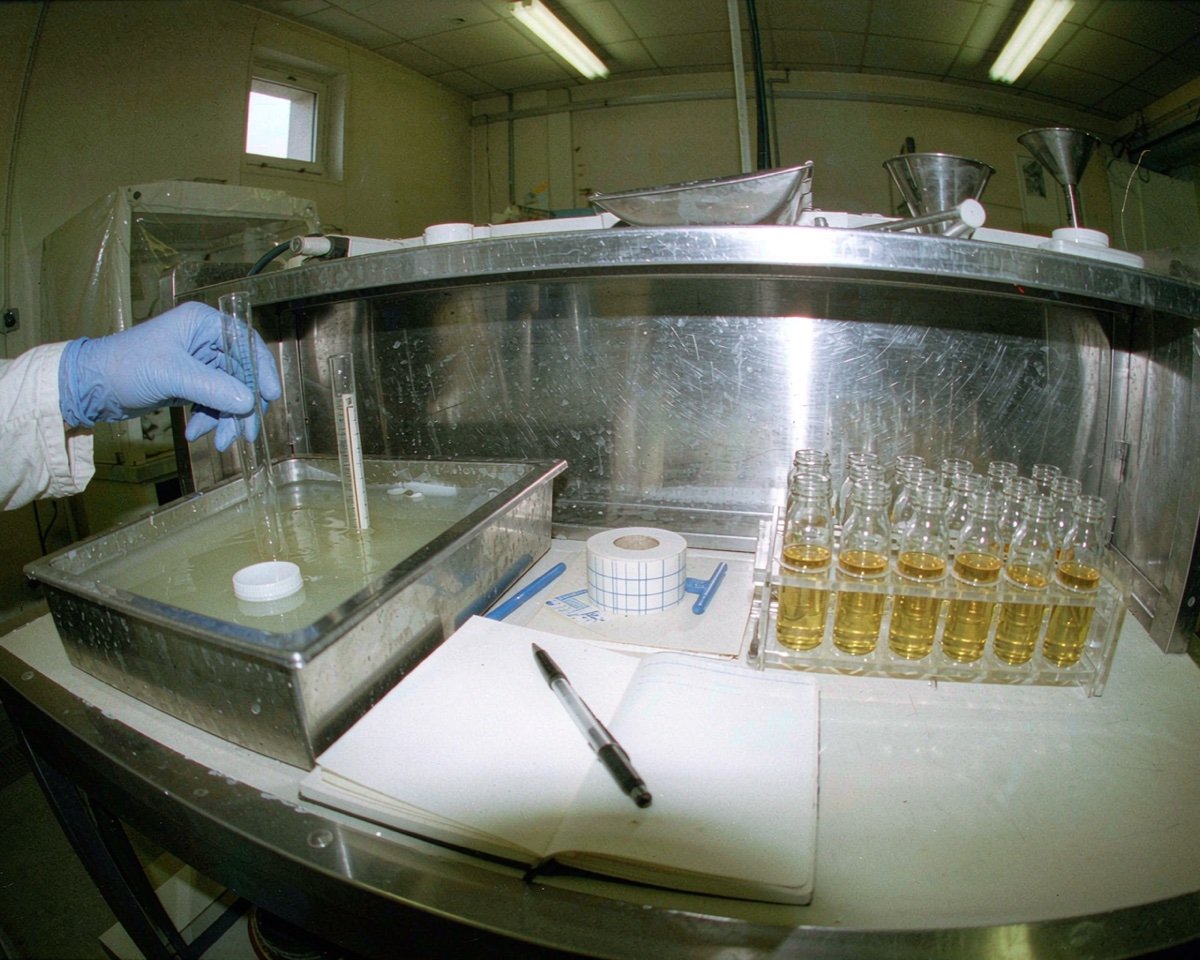
Plain clear plastic tanks for soaking tubes in dilute acid or ultrapure water. Costs almost nothing. Rinse baths stay good for a year or more if you top them up.
The Cleaning Routine That Keeps Blanks Low
New labware carries manufacturing residue, and mold release agents are a documented metal source (aluminum and zinc among them). The standard bench routine:
- Soak new tubes and vials in 0.1% HNO3 or ultrapure water, covered, before first use.
- Rinse three times in ultrapure water (18 MΩ·cm).
- Store wet in clean, covered containers, not open on the bench.
For ultratrace methods, the soak gets longer and the acid gets stronger, and some labs buy precleaned, certified labware instead of running their own bath program. That is a defensible trade: you pay per tube instead of paying in bench time and qualification paperwork.
Our writeup on cleaning and decontaminating reagent bottles covers the storage-bottle side of the same discipline, and most of it transfers directly to plastics.
Water, Reagents, and the Quiet Contamination Sources
Ultrapure water is a consumable. When backgrounds for sodium, aluminum, or iron creep up, the water system is a suspect before the samples are. The same guide points at boron and silicon as the diagnostic pair: ion exchange cartridges struggle with both, and rising B and Si backgrounds usually mean the cartridge is tired.
A few more quiet sources I have seen bite labs:
Glove powder and glove coatings, which is why powder-free nitrile is table stakes in a metals lab. Bench paper that sheds. The underside of lids, which staff touch and then touch tubes with. And the autosampler itself: an open tray in dusty lab air collects particulate on every uncapped tube, which is why autosampler covers exist and why busy labs use them even when the air seems fine.
Filtration in ICP-MS Work: Rare, but Specific
Most digests go straight to the instrument; filtering a digest through an unvetted membrane is a new contamination path, not a cleanup step. Filtration earns its place in specific cases: suspended particulate in water samples where you want the dissolved fraction, HPLC-ICP-MS coupling, and any speciation work where particles damage the nebulizer.
When you do filter, choose membrane chemistry deliberately and run a filtered blank at your working detection limits. The sample filtration SOP guide covers how to document the choice so an auditor accepts it.
Certificates and Paperwork: The Consumable You Cannot Hold
Trace-metal work is background-claim work. When you buy labware for ICP-MS prep, the certificate is part of the product:
- Lot-numbered packaging so you can tie a bad blank to a bad box.
- Background data per lot for certified lines, even a simple statement of tested elements.
- Clean manufacturing claims you can put in a method file: molded in a cleanroom, individually sealed, no post-molding washing.
This is the same logic as any CoA discipline, and our CoA versus CoC explainer sorts out which document proves what. If a supplier cannot tell you what the background of their PP tube is, that is an answer too.
Conclusion
ICP-MS sample preparation is contamination management with an instrument attached. Glass leaves the bench, plastics take over, PFA handles the acids, and everything gets soaked, rinsed, and stored like the blank depends on it, because it does. The consumables list is short: clean containers, rated acid-handling gear, a cleaning bath, ultrapure water, and certificates that document what the manufacturer did and did not test. What makes the difference is consistency. A lab that acid-soaks its tubes in January and skips it in July has two different detection limits wearing the same method number. Build the routine, write it down, buy from suppliers who can back the cleanliness claim with paper, and your instrument will spend its time measuring samples instead of memorizing your bench.
Frequently Asked Questions
Why can’t I use glass vials for ICP-MS samples?
Acids and alkaline solutions leach metal ions out of the glass matrix, which puts background contamination straight into your sample at trace concentrations. Plastic (PP, LDPE, PFA) replaces glass for nearly everything; mercury work is the classic exception where glass can be preferred.
Do syringe filters need to be certified for ICP-MS sample prep?
If you filter samples for trace metals, yes. Membranes and housings can contribute metal background, so run a filtered blank at your detection limits and choose filters with documented low extractables. Unfiltered digests avoid the problem entirely, which is why most ICP-MS workflows skip filtration.
How do I clean plastic labware before trace-metal work?
Soak new tubes and vials in dilute nitric acid (around 0.1%) or ultrapure water in a covered container, then rinse three times with 18 MΩ·cm water. Store them wet in clean, covered boxes. For ultratrace methods, use stronger acid soaks or buy precleaned, certified labware.
What is PFA and when is it worth the cost?
PFA (perfluoroalkoxy) is a fully fluorinated polymer with extremely low metal background and near-total chemical inertness, including resistance to HF. It is worth the cost for concentrated acid storage, ultratrace geochemistry, semiconductor work, and any method where ordinary PP background is above your detection requirements.