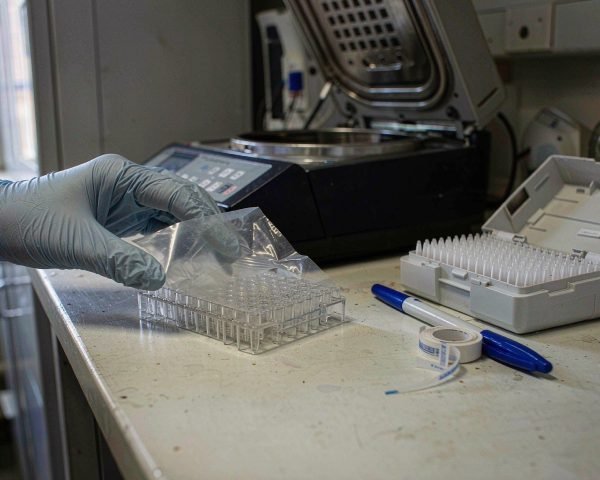

# What Consumables Does GMO Testing Need?
GMO testing looks simple from the outside: weigh some flour, run a PCR, report a number. Anyone who has worked a routine soy or maize screening knows better. Somewhere between the sample bag and the amplification curve sits a cheap plastic item that can turn a clean negative into a false positive, and a false positive near a labeling threshold can hold up an entire shipment.
GMO testing labs need four consumable groups: sterile sampling bags and disposable grinding vessels, DNA extraction columns and tubes, filter tips plus PCR plates and optical caps, and control materials. The common thread: nothing that touches a sample gets reused between samples.
Below I break the list down stage by stage, with the contamination-control habits and buying tips that keep a screening report standing when a customer challenges it.
What GMO Testing Actually Measures
Most routine work follows a three-step scheme: screen for common transgenic elements like the 35S promoter and the nopaline synthase terminator, identify the specific event with targeted assays, then quantify against an endogenous reference gene. A review of GMO detection methods describes the scheme and the markers behind it. The targets are short DNA fragments, often under 100 base pairs in processed food, which is exactly why the assays also pick up the faintest traces of carryover DNA.
The standards behind these methods assume clean, single-use plastics. ISO 21570 defines the quantitative real-time PCR framework for GMO detection, and ISO 21571 covers nucleic acid extraction, which is where most of the consumable budget goes. There is a legal edge to all of this too: in the EU, food with more than 0.9% unintentional GMO content must be labeled, so a screening result sits close to a regulatory line. The plastics are cheap. The dispute a bad result triggers is not.
Sampling and Grinding: Where Cross-Contamination Starts
A test can only speak for the sample it received. Take each lot in its own sterile bag with a written code and date, and never combine lots in one bag, because the report can only describe the portion inside it. If your sampling supplies need a refresh, our sterile sampling bags guide covers the options.
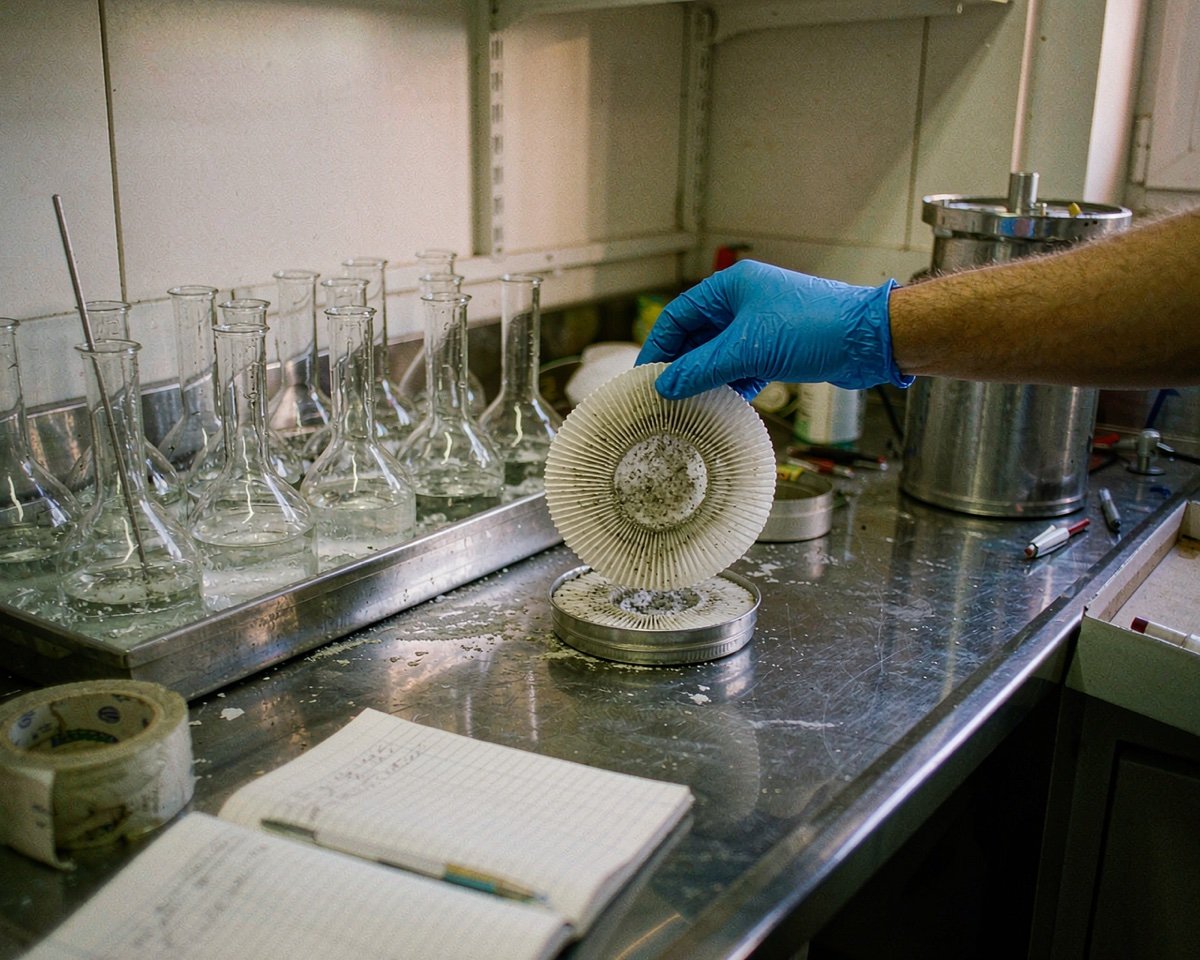
Grinding is the messy stage, and the EU reference laboratory is blunt about it: grind roughly 1 kg until no coarse particles remain, and clean the equipment rigorously between samples so nothing carries over. The JRC Bt10 detection protocol even suggests a plausibility check: after cleaning, grind a known-negative maize sample and screen it for the 35S promoter. It must come back negative.
Dust is the enemy here. A pinch of powder from a GM-positive kernel settles on a bench, a scoop, or the outside of the next bag, and the PCR will find it every single time.
Disposable Vessels or a Scrubbed Grinder?
My opinion, and I’ll own it: go disposable wherever the matrix allows. Thermo Fisher’s GMO detection kit manual suggests crushing samples between two disposable plastic weigh boats and using single-use equipment wherever possible. For tough matrices that need a ball mill, single-use grinding jars and vessels exist for exactly this reason.
If budget forces reuse, treat the cleaning as a validated step, not a rinse. I once watched a non-GMO maize lot fail three screenings in a row because a shared blender blade had been rinsed, not washed, between bags two and three. The follow-up run, done with a properly cleaned jar and fresh disposables, came back clean. One afternoon of rework, and a client who spent a week doubting our first report. That’s the stake you’re playing for.
DNA Extraction Consumables
Extraction is where ISO 21571 does its work, setting the general requirements for DNA extraction, purification, and quantification from food matrices. On the bench, the working set looks like this:
• Silica-membrane spin columns with collection tubes, in quantities matched to your daily throughput.
• 50 mL polypropylene centrifuge tubes for bulk lysis; the JRC protocol starts from 10 g of ground sample in exactly these.
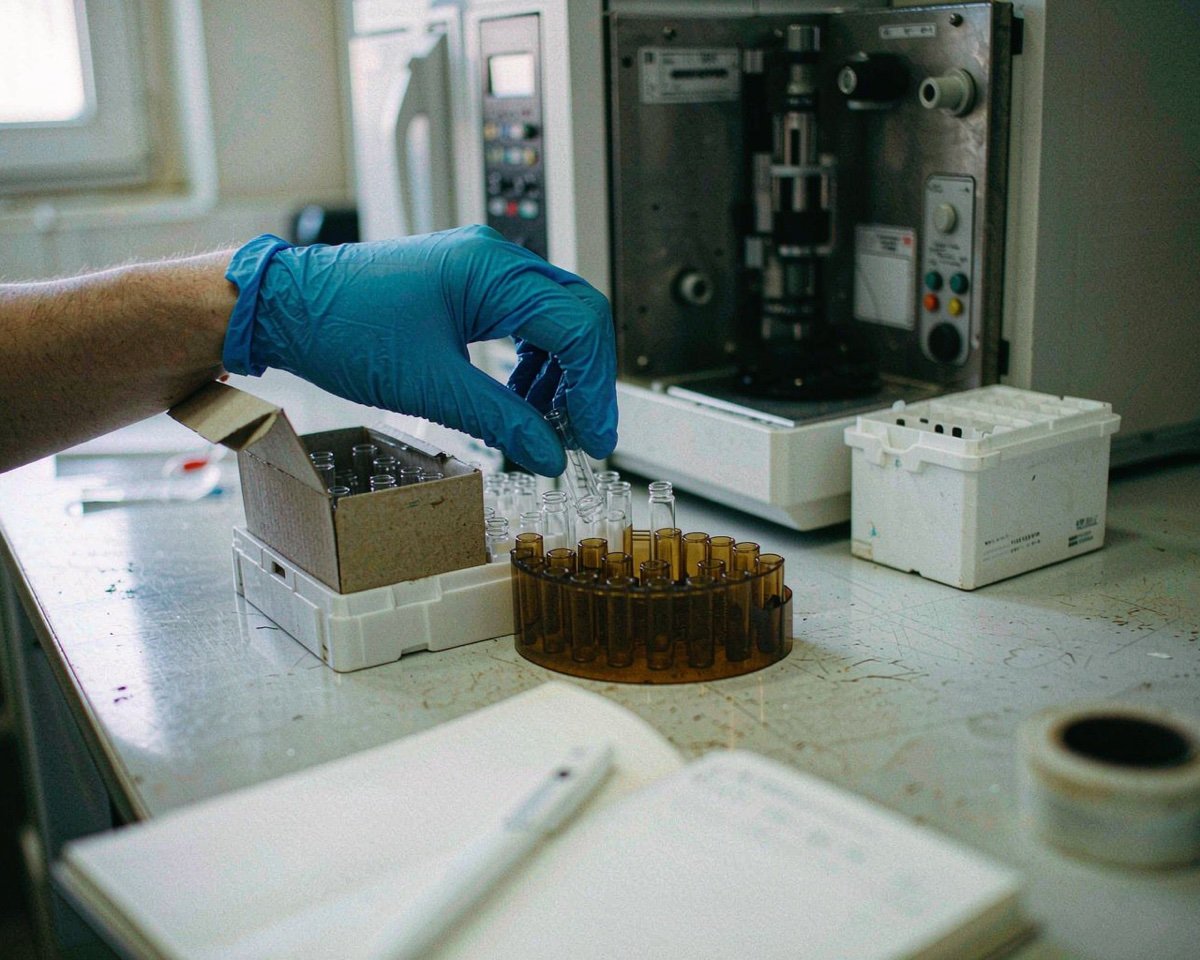
• Screw-cap 1.5 mL microcentrifuge tubes. Screw caps, not snap caps: snap lids can pop open during a hot lysis or bead beating, and a popped lid means a lost sample.
Everything at this stage should carry a DNase-free claim. If a nuclease chews your template mid-prep, the internal reference gene usually flags the failure, so a bad tube announces itself. It just announces itself after you have lost half a day.
What the DNase-Free Claim Actually Guarantees
The claim only means something if the packaging and lot documentation back it up, so read what the certificate states before committing to a brand. Our DNase- and RNase-free consumables guide explains who really needs the claim and how to verify it.
PCR Setup: Tips, Plates, and Caps
Filter tips are the cheapest insurance in a GMO lab. The JRC protocol lists disposable tips with aerosol filters among its required precautions, alongside physically separated work areas, so the room where you grind never sees a pipette that touched amplified DNA. If you change one habit this week, make it this one: aerosol-resistant tips from extraction onward, every pipetting step, no exceptions. Not sure which tip types fit which job? Our pipette tips guide sorts them out.
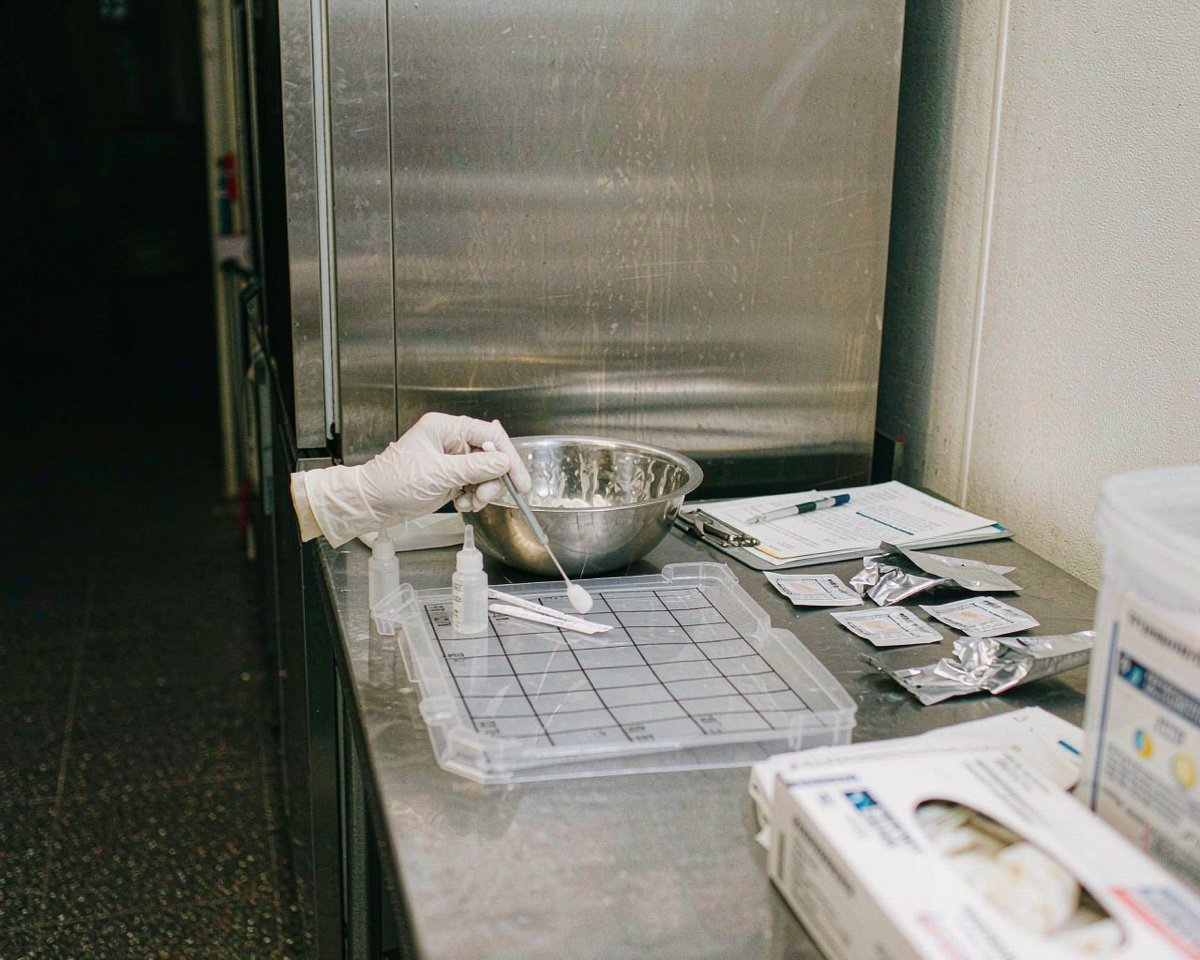
For the plates themselves: qPCR lives on 96-well plates sealed with optical caps or films, and screening panels have grown to fill whole plates. A system reported in the PMC literature spots 39 event-specific assays onto a single pre-spotted 96-well plate. Buy low-profile plates matched to your cycler’s block and film rated for its thermal profile; if you want the wider picture, our PCR and qPCR consumables guide goes deeper.
Controls are consumables too. Every plate should carry a no-template blank, a positive control, and an internal reference gene for each sample. Store the positive-control aliquots away from the setup bench, because the control that proves your assay works can also seed the bench with target DNA if it lives next to the master mix.
Control Materials and the Paper Trail
Quantification needs something to quantify against: certified reference materials, plasmid standards, or matrix powders with a known GMO fraction. Track their lot numbers the way you track consumable lots, and record which consumable lots touched each run. When a customer disputes a result six months later, that paperwork lets you answer with facts instead of apologies.
Buying Tips for GMO Testing Consumables
A few purchase patterns that hold up in practice:
• Put your money where contamination risk lives. Filter tips and extraction columns deserve brand loyalty; label tape does not.
• Ask for lot-specific certificates on anything claiming DNase-free or DNA-free, and check the wording, because “low bioburden” and “DNA-free” are not the same promise.
• Validate a new plate or film lot against your current one before switching the whole bench over. A Ct shift of half a cycle across hundreds of samples is expensive to explain.
• Order disposable bags and weigh boats in bulk. They don’t expire, and they’re the first thing a busy week runs out of.
One more thing worth saying out loud: cheaper is not automatically better here, but neither is the most expensive catalog. Match the claim to the assay. A screening lab grinding maize all day needs containment-grade disposables; a lab running event-specific confirmation on refined oil has different weak points.
Conclusion
A GMO testing lab needs nothing exotic. Ordinary plastics, used with discipline, carry the whole workflow: one bag per lot, one grinding vessel per sample, filtered tips from extraction onward, plates and films that match the cycler, and controls on every plate. Cross-contamination, not instrument failure, is what usually destroys a screening result, and most of it travels on shared surfaces and reused plastic. The consumables themselves cost a fraction of the retests, disputes, and held shipments they prevent. If you are building a shopping list this quarter, start at the sampling and grinding stage, because contamination enters the building there. When that part is settled, our PCR and qPCR consumables guide is the natural next read, and the pipette tips guide will settle any debate about which tips belong in which room.
Frequently Asked Questions
What consumables are essential for GMO testing?
At minimum: sterile sampling bags, disposable grinding vessels or a validated cleaning routine for shared mills, DNA extraction columns and tubes, aerosol-resistant filter tips, qPCR plates with optical caps or films, and positive, negative, and no-template control materials. Everything must be DNase-free where it contacts DNA.
Why do GMO labs use filter tips instead of regular tips?
PCR-grade assays amplify vanishingly small DNA fragments, so aerosols created during pipetting can carry target DNA into other samples or into the pipette itself. The EU reference laboratory lists aerosol-filter tips as a required precaution in its validated GMO detection protocols.
Which standards apply to GMO testing?
The ISO framework covers the main workflow: ISO 21569 for qualitative nucleic acid methods, ISO 21570 for quantitative real-time PCR methods, and ISO 21571 for nucleic acid extraction. Accredited labs also work under ISO/IEC 17025.
Can grinding equipment be reused between GMO samples?
Yes, if the cleaning is validated rather than assumed. The EU reference laboratory recommends rigorously cleaning equipment between samples and verifying the result by grinding a known-negative material afterward and screening it. Disposable vessels avoid the question entirely.
How much sample does GMO testing actually need?
It depends on the method, but DNA extraction protocols often work from as little as 20 to 50 mg of ground material per reaction prep. The hard part is homogenization: regulatory protocols start from roughly 1 kg of ground bulk sample so the small analytical portion truly represents the lot.