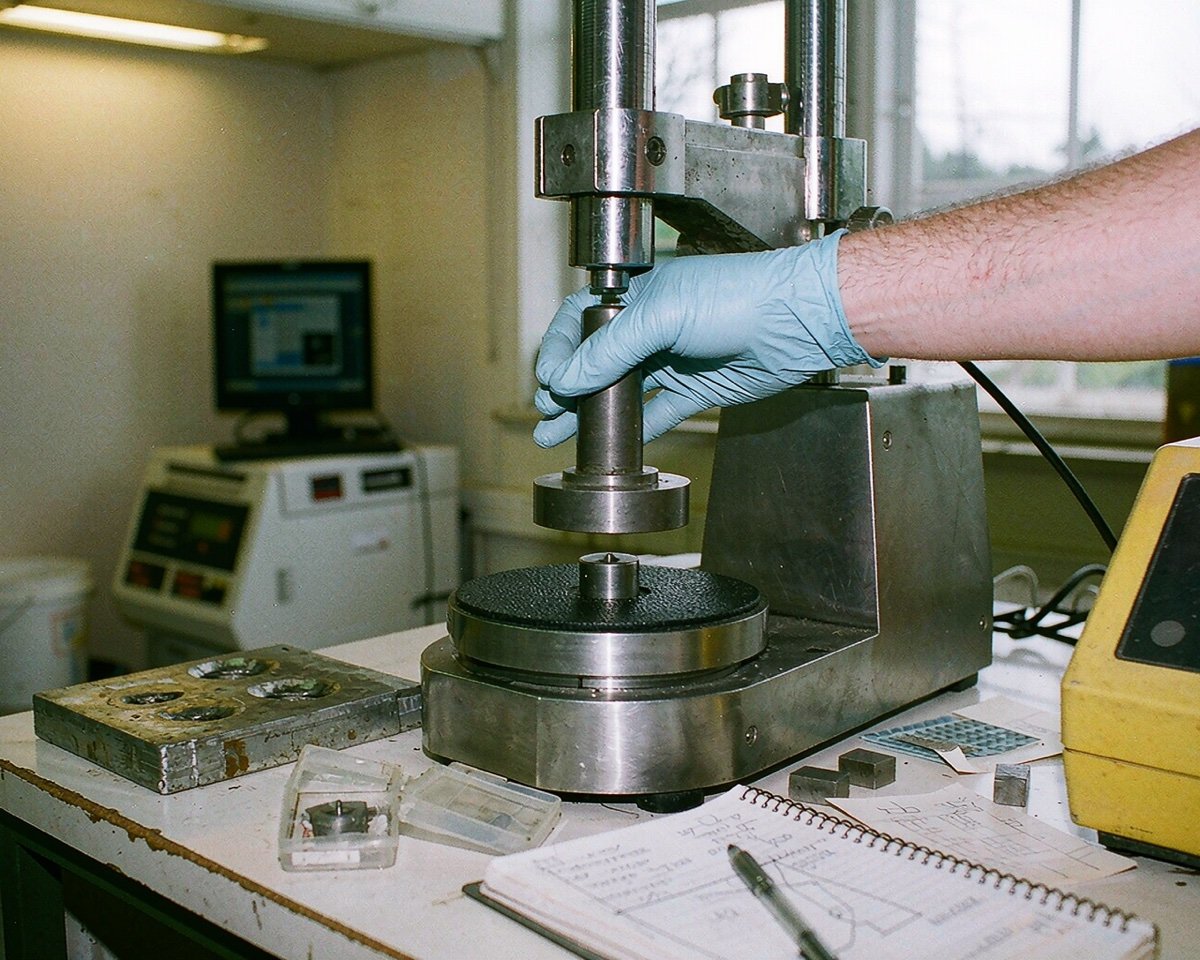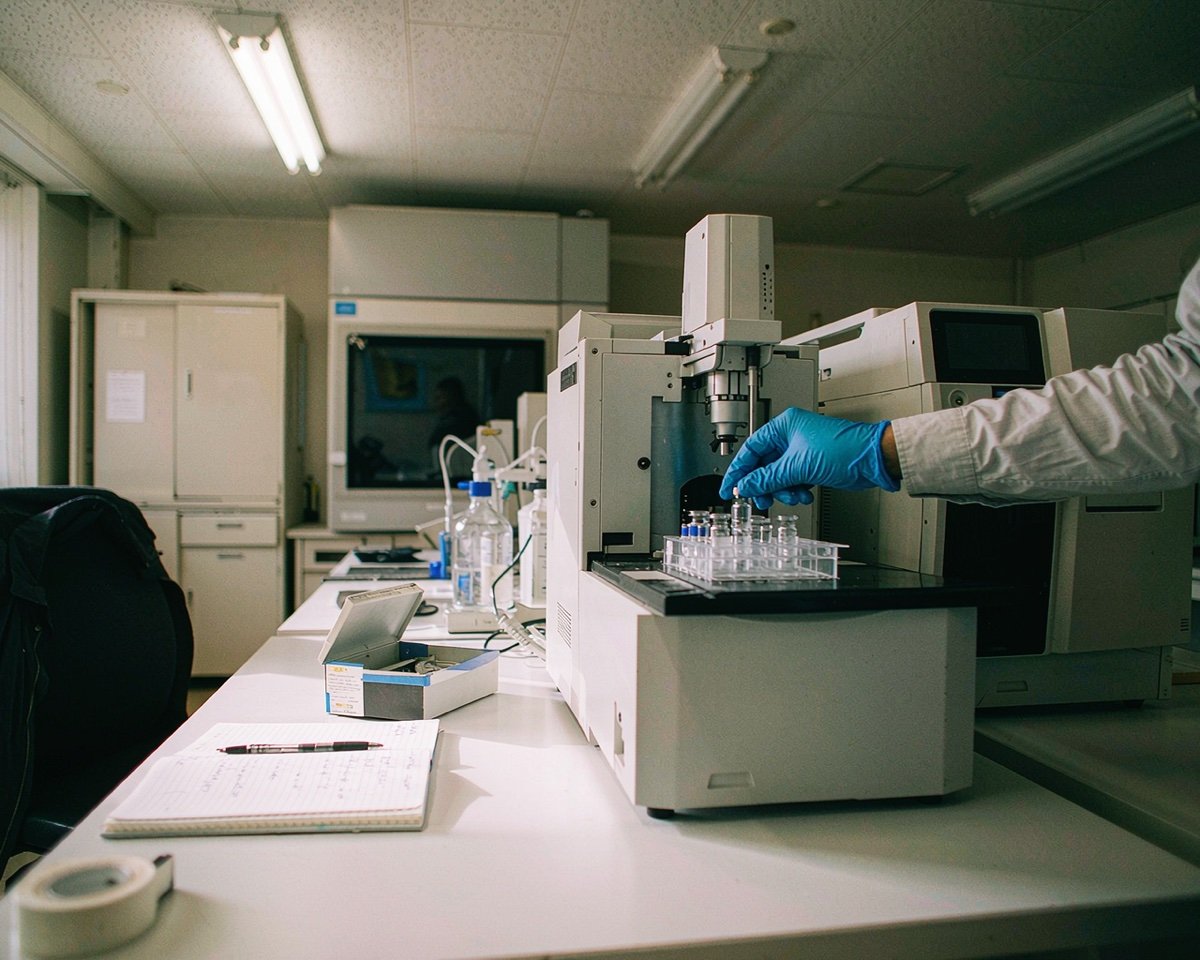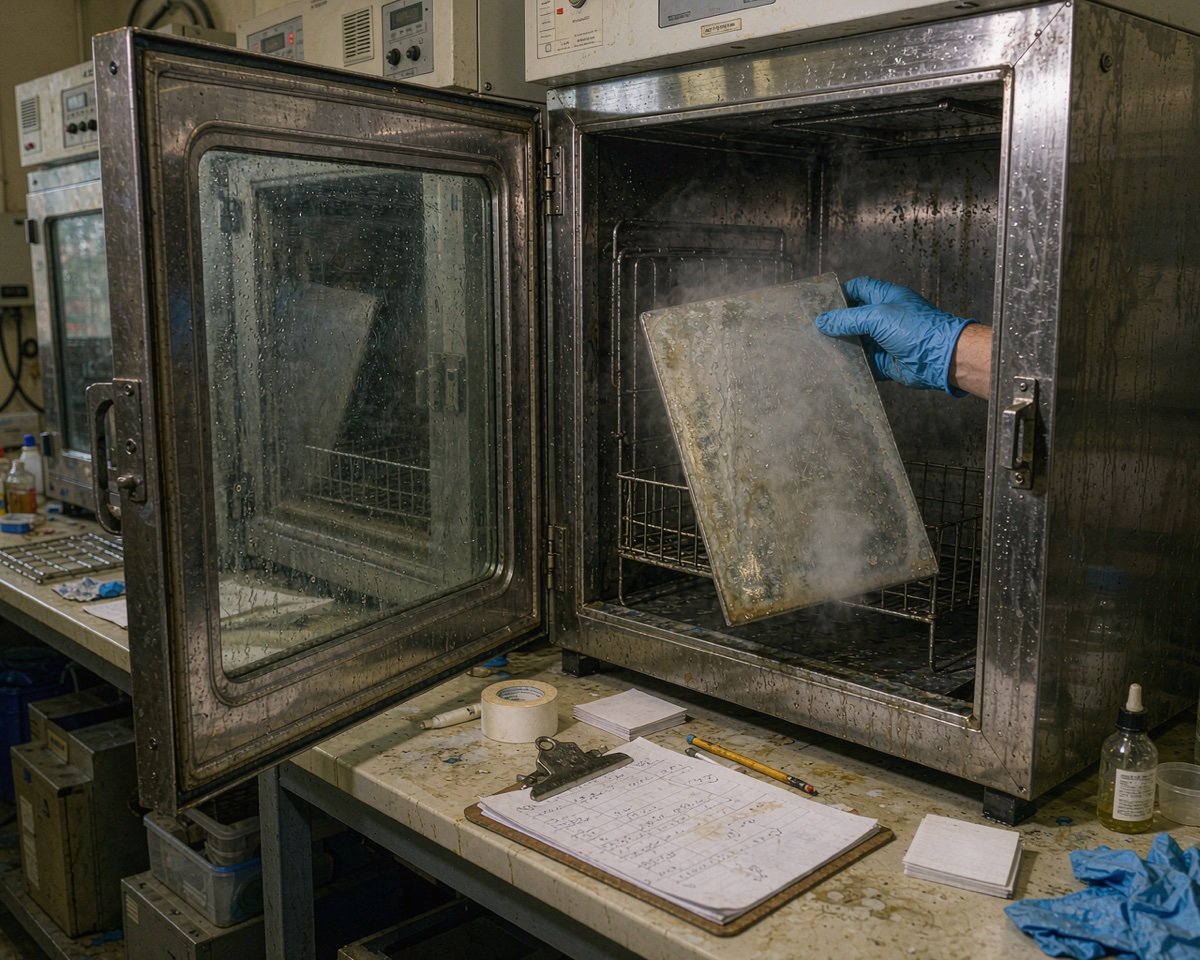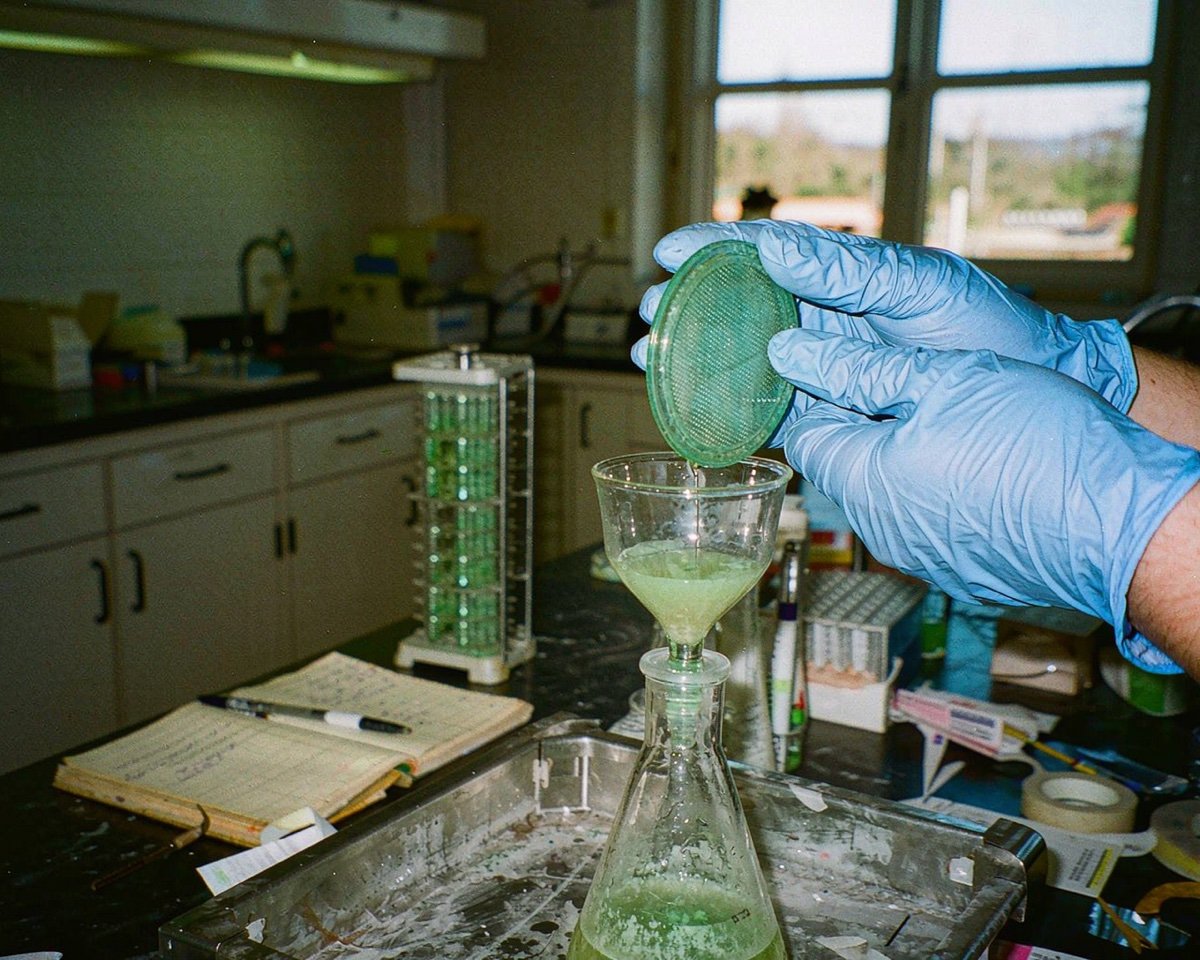
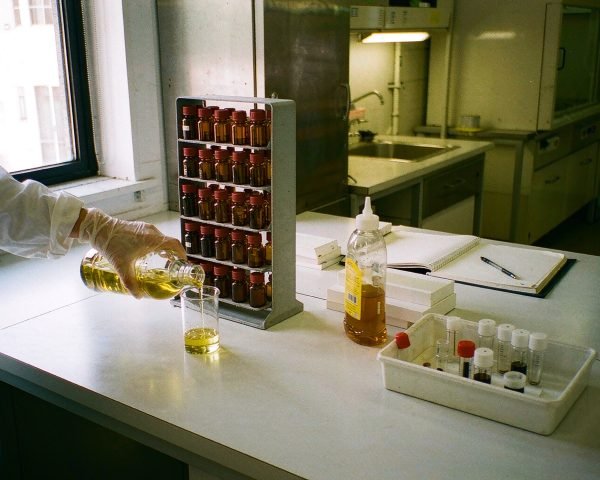

Food fraud is not a small problem. The FDA keeps a running list of economically motivated adulteration cases, from Sudan dyes in palm oil (found in about 16% of imported samples it tested in 2016 and 2017) to fish sold as a more expensive species, and it now leans on DNA barcode libraries to catch substitution FDA Economically Motivated Adulteration page. In Europe, honey is the poster child: the EU’s 2022 coordinated action “From the hives” triggered thousands of controls and pushed honey adulteration onto the political agenda EU Alert and Cooperation Network 2024 report.
I have sold lab consumables to food labs for years, and the question I get most often is deceptively simple: what do I actually need to stock for this work? The honest answer depends on which technique your lab runs.
Food authenticity testing spans five workflows: LC-MS, headspace GC-MS, sample prep, PCR, and isotope analysis. That means amber and low-adsorption vials, filters, headspace vials and septa, QuEChERS and SPE consumables, tubes, DNase-free PCR plastics, and tin capsules.
Here’s the catch: no single supplier covers all five. Below I break down what each workflow consumes, what a generalist like Mastelf can ship you, and what you should buy from a specialist.
LC-MS and HPLC: the chromatography core
Most adulterant screening runs through liquid chromatography. Olive oil fraud alone has an entire review literature built on LC and GC separations of sterols, phenolics, and pigments analytical techniques for olive oil fraud review. The consumables here are familiar, but the details matter more than in pharma QC.
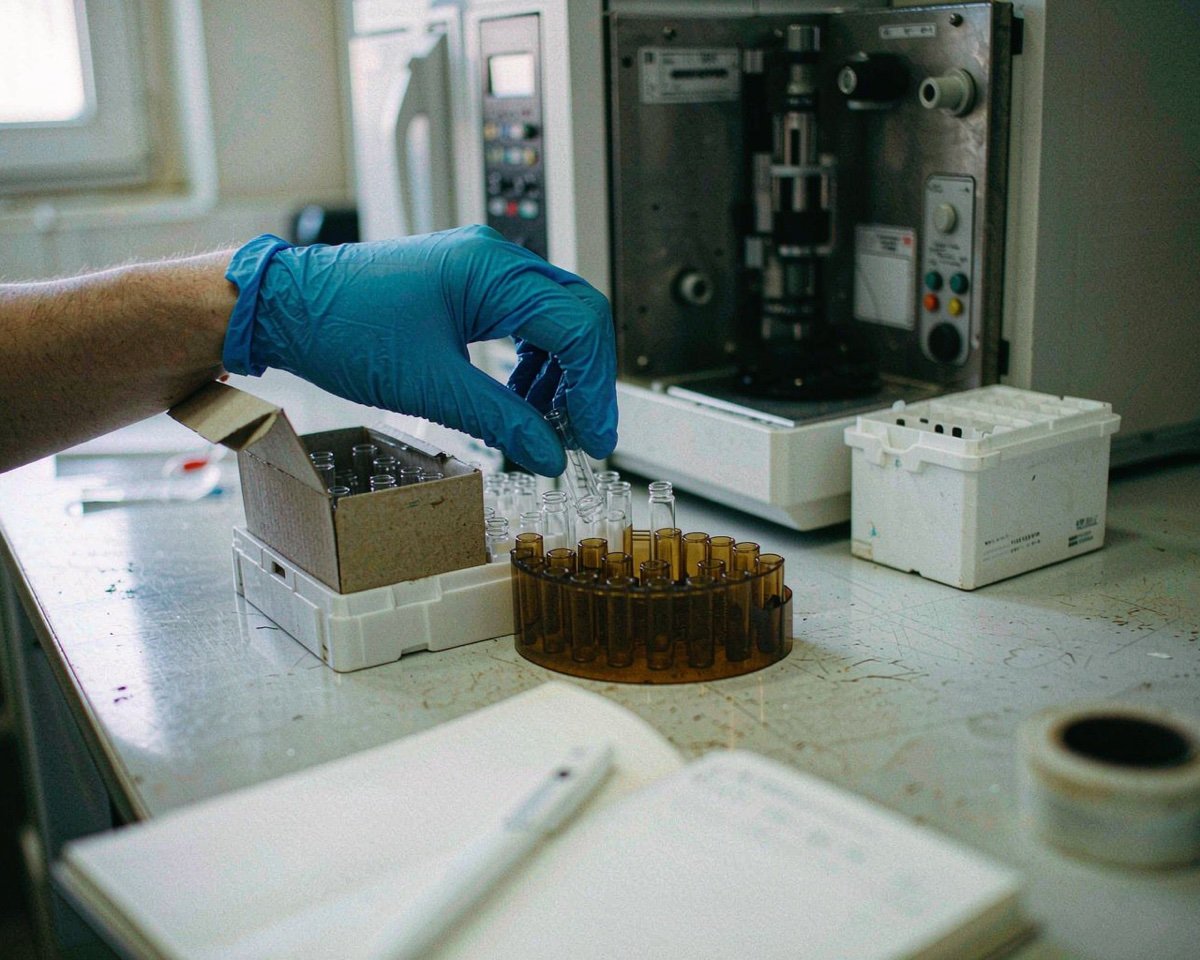
Start with the vial. Oils and extracts often carry light-sensitive analytes, so my default recommendation is a 2 mL amber screw-neck vial (9-425 thread) for anything oil-based. If you are unsure where the line falls between clear and amber glass, we have a full comparison of clear vs amber glass vials. Pigments like copper chlorophylls, which fraudsters use to re-color refined oil, degrade under bench light faster than people expect.
Low-adsorption vials earn their keep too. Adulteration methods chase trace markers, and phenolic compounds can stick to ordinary glass surfaces. If your peaks shrink between the first and last injection, that is a signal, not a coincidence. For the mobile phase, you need amber glass bottles with proper GL45-style caps, because solvents sitting on an autosampler shelf for a week should not be photodegrading while you blame the column.
Syringe filters round out the list. Honey and oil matrices are filthy, and a 0.22 µm PTFE filter before the vial saves both the column and your afternoon. If your lab is chasing low-level markers, the choice of LC-MS grade plastics matters more than the price difference suggests; certifications and lot consistency are what you are paying for.
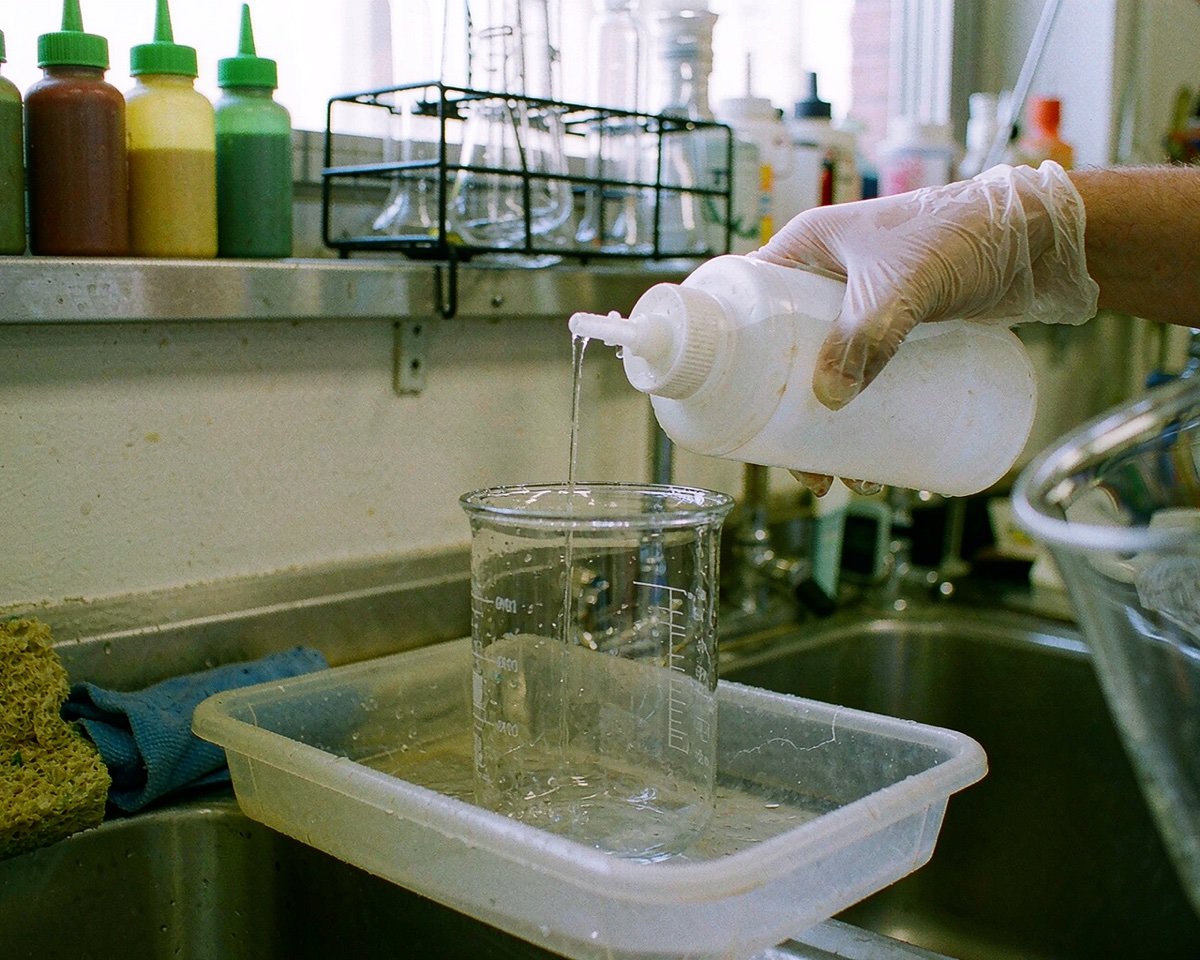
One habit from my own bench time: pour mobile phases fresh instead of topping off old bottles. Microbial growth in aqueous buffers builds up over a week on the shelf, and the resulting baseline bumps look uncomfortably like a marker peak from a cheap adulterant. I watched a colleague chase exactly that for a day before anyone checked the bottle’s birthday.
GC-MS and headspace: volatiles and fingerprints
Volatile fingerprinting is the fast lane of authenticity work. A headspace SPME-GC-MS method can flag saffron stretched with safflower or turmeric at adulteration levels as low as 2%, and researchers now pair the same workflow with machine learning models to classify plant-based milks by species. The consumables: a 20 mL headspace vial, a crimp cap, and a septum that survives the oven.
Headspace vials are not interchangeable with your 2 mL HPLC vials, a mistake I see more often than you would think. We wrote an entire guide to headspace vials covering 10 mL vs 20 mL and phase ratios, so I will keep it short here: match the vial to your autosampler, crimp consistently, and change septa batches deliberately rather than mid-study.
SPME fibers are the semi-consumable in this section. A fiber has a finite injection lifespan, and its coating (DVB/CAR/PDMS being the workhorse) slowly loses efficiency. Labs that track fiber age against batch acceptance criteria sleep better. If you only change one thing this week, document your fiber’s injection count.
The fingerprint logic extends past oils. Coffee, spices, and milk all carry volatile signatures shaped by origin and processing, and the same 20 mL vials do the work. A typical equilibration for oil volatiles sits around 60 to 80 °C in a 20 mL vial, and if you compare batches weeks apart, the septa lot matters as much as the method.
Sample prep: QuEChERS, SPE, and the humble centrifuge tube
Sample prep consumes more plastic than the instruments do. QuEChERS extraction, borrowed from pesticide residue work, shows up in authenticity workflows whenever you need clean extracts from complex matrices. Our article on QuEChERS consumables walks through salts, centrifuge tubes, and dSPE sorbents, so I will not repeat it.
SPE cartridges handle the selective cleanup: isolating sterols from oil, concentrating marker peptides from milk before you test for watering or whey substitution. If SPE is new to your lab, match the cartridge chemistry to your marker (C18 and silica are the usual suspects) and order the manifold accessories in the same purchase order.
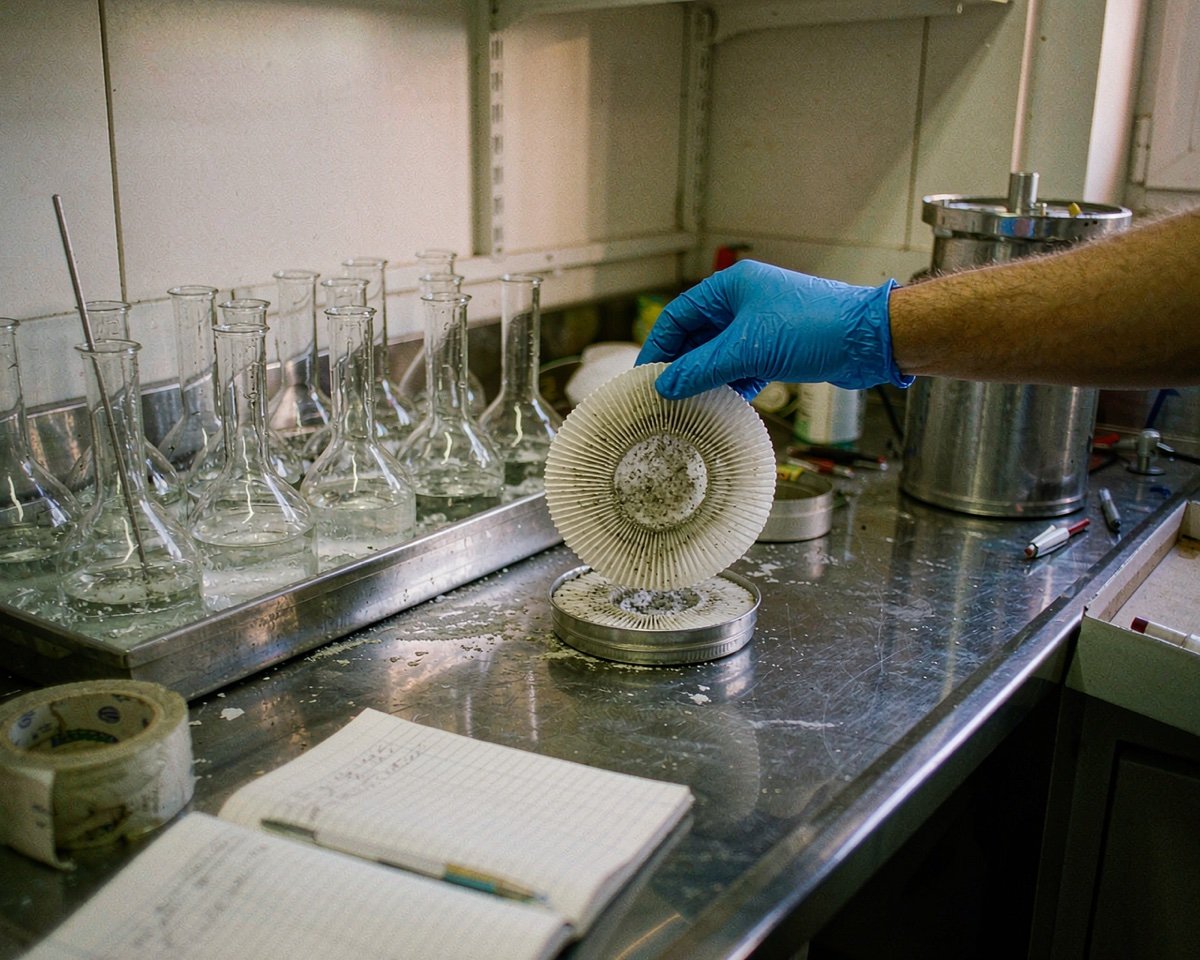
Then there is the unglamorous layer. Centrifuge tubes, pipette tips, solvent bottles, sample cups for the autosampler tray. The AOAC 998.12 honey method alone burns through 50 mL centrifuge tubes: you precipitate the honey protein with tungstic acid, spin at 1,500 × g, and wash the pellet five times in 50 mL of water. Multiply by triplicate samples and the tube count gets real.
Solvent and reagent bottles deserve a thought too. Extraction solvents sit on the bench for weeks, and amber glass bottles keep them from slowly changing under the lights; clear glass is fine for reagents that do not mind the light. Wide-mouth bottles also make the tungstic-acid precipitation in the honey method far less fiddly.
DNA-based testing: PCR consumables
Species substitution is a DNA question. Is that “parmesan” actually sheep milk? Is the tuna on the label the tuna in the tin? PCR and qPCR answer this, and FDA scientists use DNA barcoding for exactly this purpose in regulatory work.
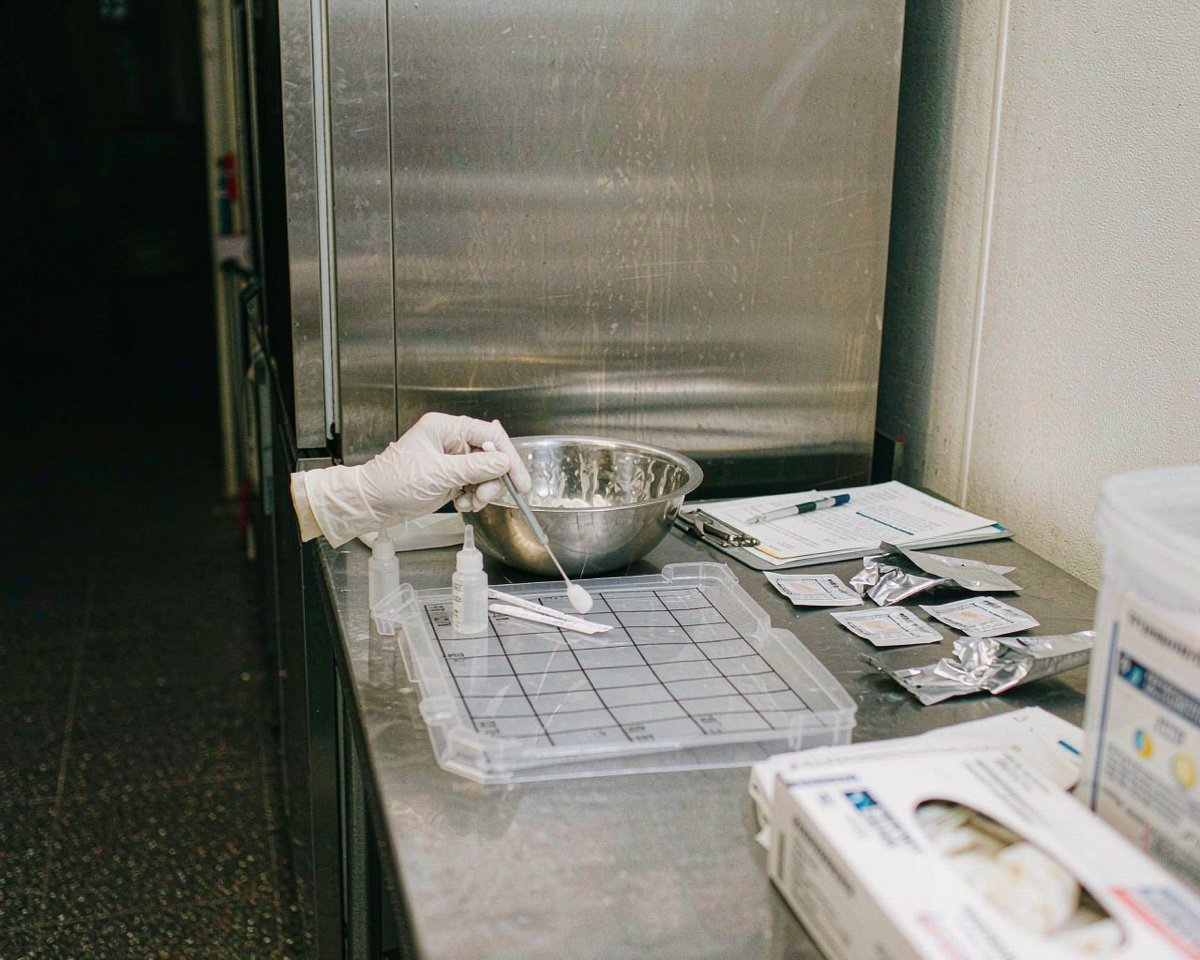
The consumable list reads like a molecular biology starter kit, but with stricter claims: 96-well PCR plates or individual tubes, filter tips with aerosol barriers, and certified DNase-free plastics. For food matrices, the centrifuge tubes you extract into should be low-bind when yields are marginal. Contamination control drives the shopping list here, because one amplified carryover can invalidate a batch of results.
Watering milk often travels with species substitution, since cheap powder from another species restores the solids. A qPCR assay tells cow from goat or sheep DNA in minutes. The plastics are small, but a rack of certified tubes is what stands between a clean result and a re-extraction on a Friday afternoon.
A word of honesty: a vial supplier like Mastelf does not sell certified PCR plastics, and I would rather tell you that than pretend otherwise. Buy those from a life-science specialist with lot documentation.
Isotope and elemental analysis: where consumables get niche
Stable isotope analysis is the gold standard for geographic origin and sugar adulteration. The classic method, AOAC Official Method 998.12, measures the carbon isotope ratio of honey against its own protein fraction using EA-IRMS AOAC Official Methods of Analysis. Honey adulterated with cane or corn syrup shows more than 7% C4 sugars. The newer LC-IRMS approach separates individual sugars and catches C4 syrup addition down to 1-2%, a level where the older method fails, and it was the first isotopic technique able to detect beet sugar LC-IRMS honey adulteration paper.
The consumables here are genuinely niche: pressed tin capsules (a 5 × 9 mm capsule holds a few milligrams of dried honey protein), sample cups for the autosampler zero-blank carousel, and the combustion reactor consumables that belong to the instrument vendor. I once watched a lab lose a week of honey isotope data because someone stored the pressed capsules in a reagent cabinet next to an open solvent bottle; ambient carbon exchange is not a theory, it shows up in your blanks.
Again, honest boundary: order your isotope consumables from the instrument maker or an isotope specialist. Consistency matters more than price when your δ13C differences are measured in tenths of a per mil.
Conclusion
Food authenticity testing is not one workflow, so the consumables list is really five lists. Chromatography labs live on amber and low-adsorption vials, syringe filters, and mobile phase bottles. Headspace work needs 20 mL vials with crimp caps and a SPME fiber you track like a reagent. Sample prep burns through QuEChERS kits, SPE cartridges, and centrifuge tubes faster than anything else on the bench. PCR testing adds DNase-free plastics and filter tips, while isotope analysis runs on tin capsules from a specialist. My advice: buy the chromatography and sample prep consumables from a supplier who can match your instruments and your budget, and buy the isotope and PCR items where the certification lives. If you want the wider context first, start with our complete guide to food testing lab consumables and build your authenticity workflow out from there.
Frequently Asked Questions
What is the most commonly adulterated food tested in labs?
Honey, olive oil, fish, and spices top most lists. The EU’s fraud network logged 52 honey notifications in 2024 alone, mostly for dilution with foreign sugars. Olive oil mislabeling (refined oil sold as extra virgin) is nearly as persistent.
Why do food labs use amber vials instead of clear ones?
Many authenticity markers, such as olive oil pigments and polyphenols, are photosensitive. Amber glass blocks most UV and short-wavelength visible light, protecting analytes between prep and injection. Clear vials remain fine for targets that are not light-sensitive.
Are SPME fibers consumables?
They are semi-consumable. A fiber survives dozens to a couple hundred injections depending on matrix and coating, then its extraction efficiency drops and the fiber needs replacing. Most labs log fiber age and retire it on a fixed injection count.
Can one supplier provide all food authenticity testing consumables?
No. Vials, filters, tubes, bottles, and QuEChERS-type consumables come from general chromatography suppliers. Tin capsules for EA-IRMS, SPME fibers, and certified PCR plastics are specialist items where lot documentation and consistency justify buying direct.
Which method detects honey adulteration most sensitively?
LC-IRMS currently detects C4 syrup addition down to 1-2%, where AOAC 998.12 needs 7% or more. LC-IRMS also catches some C3 sugar additions that EA-IRMS cannot see, though sensitivity varies by syrup type.