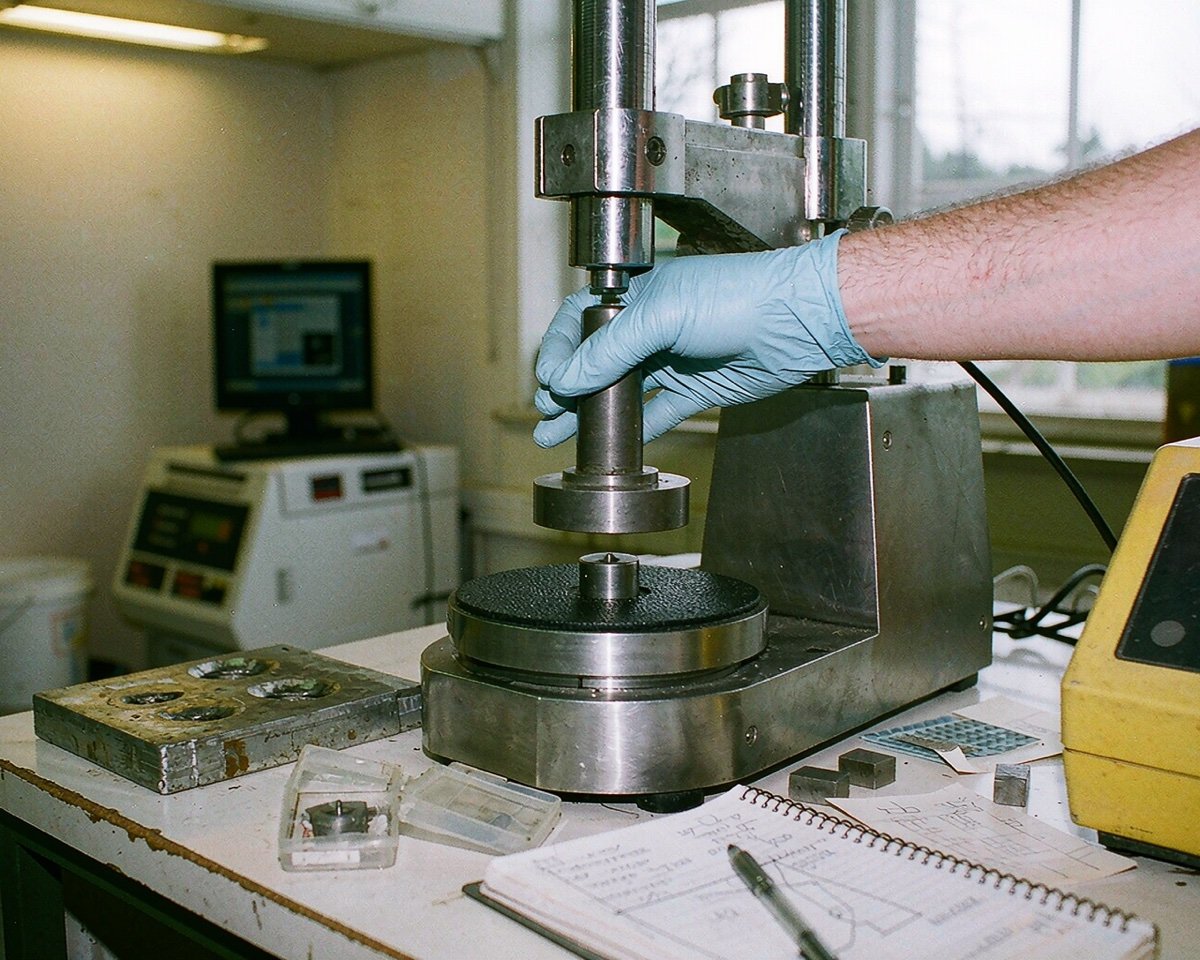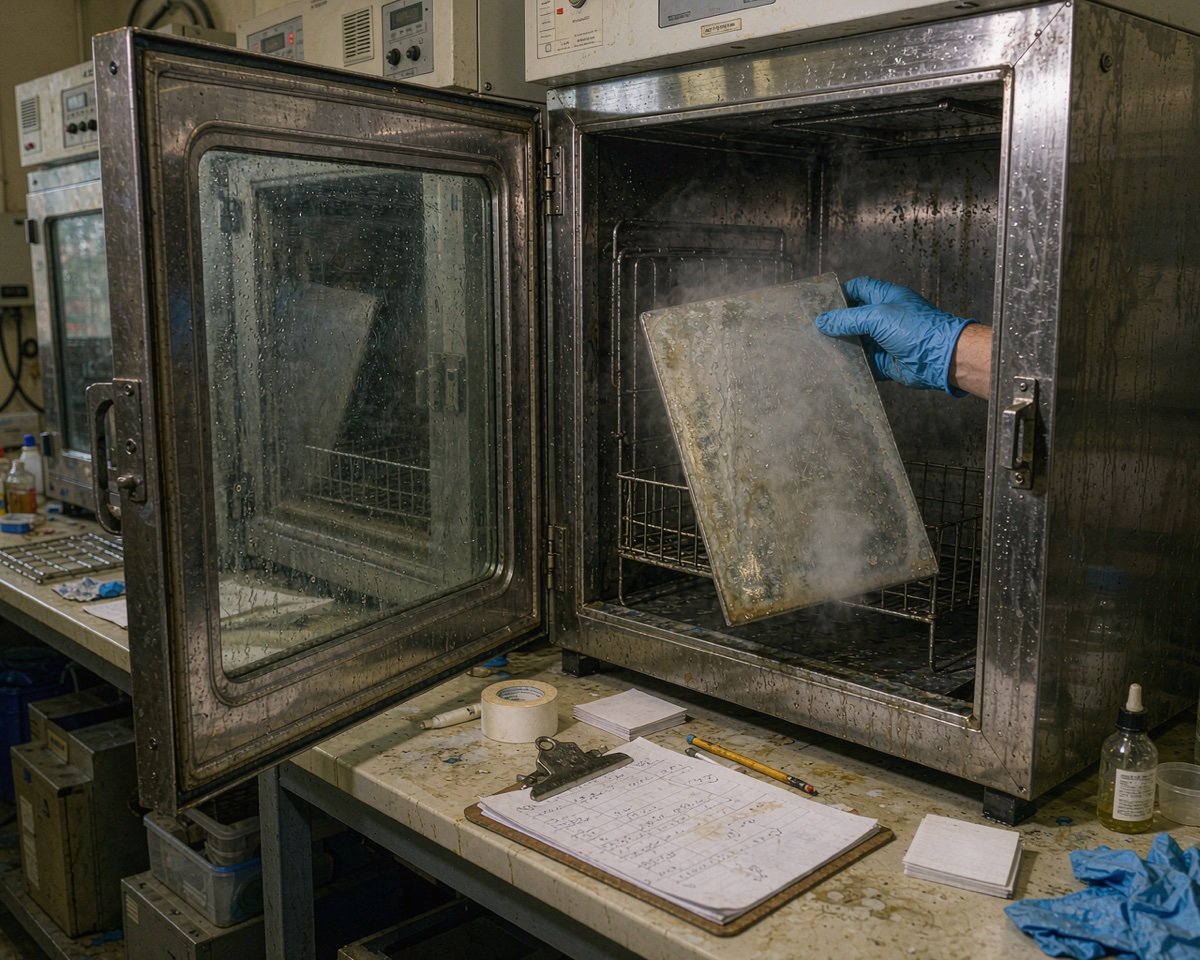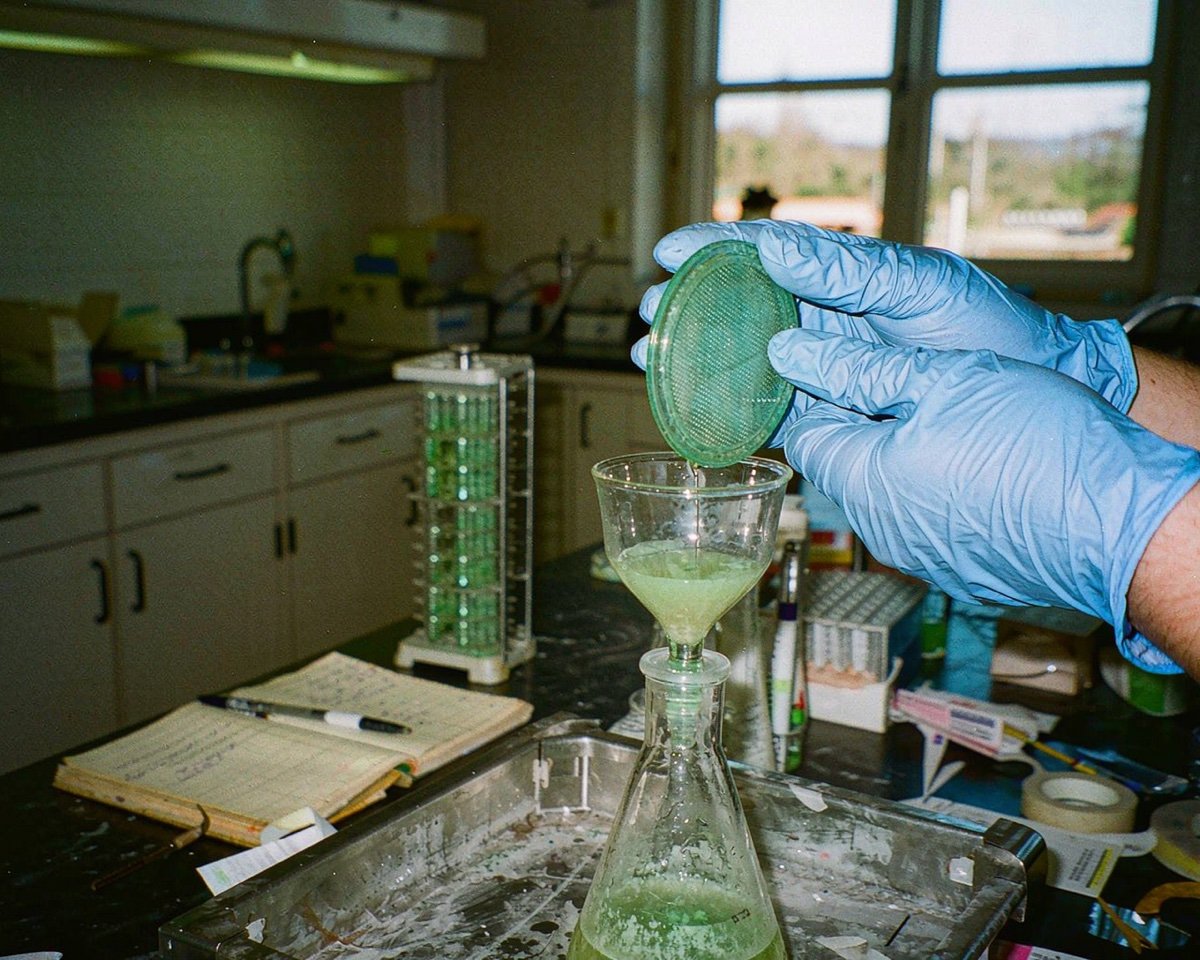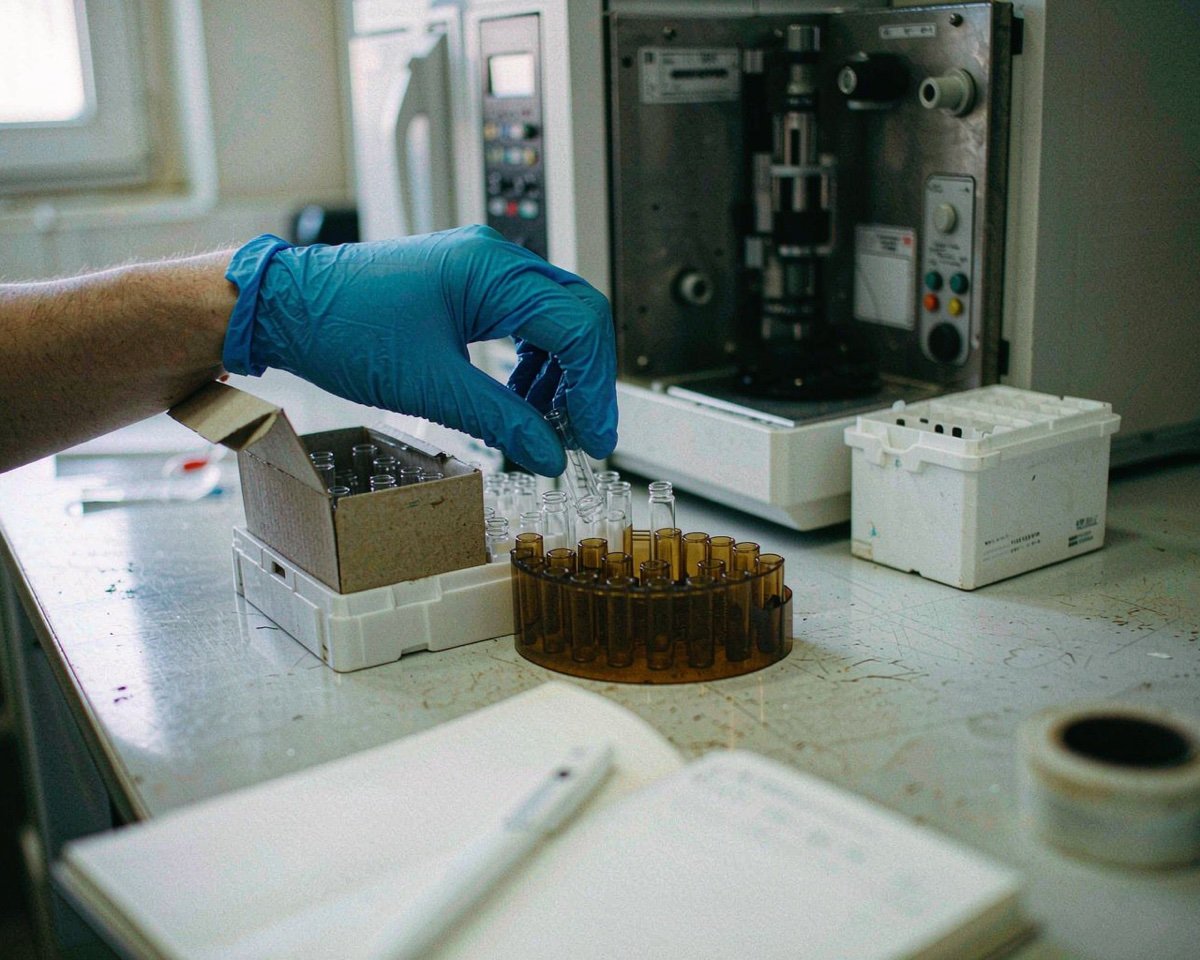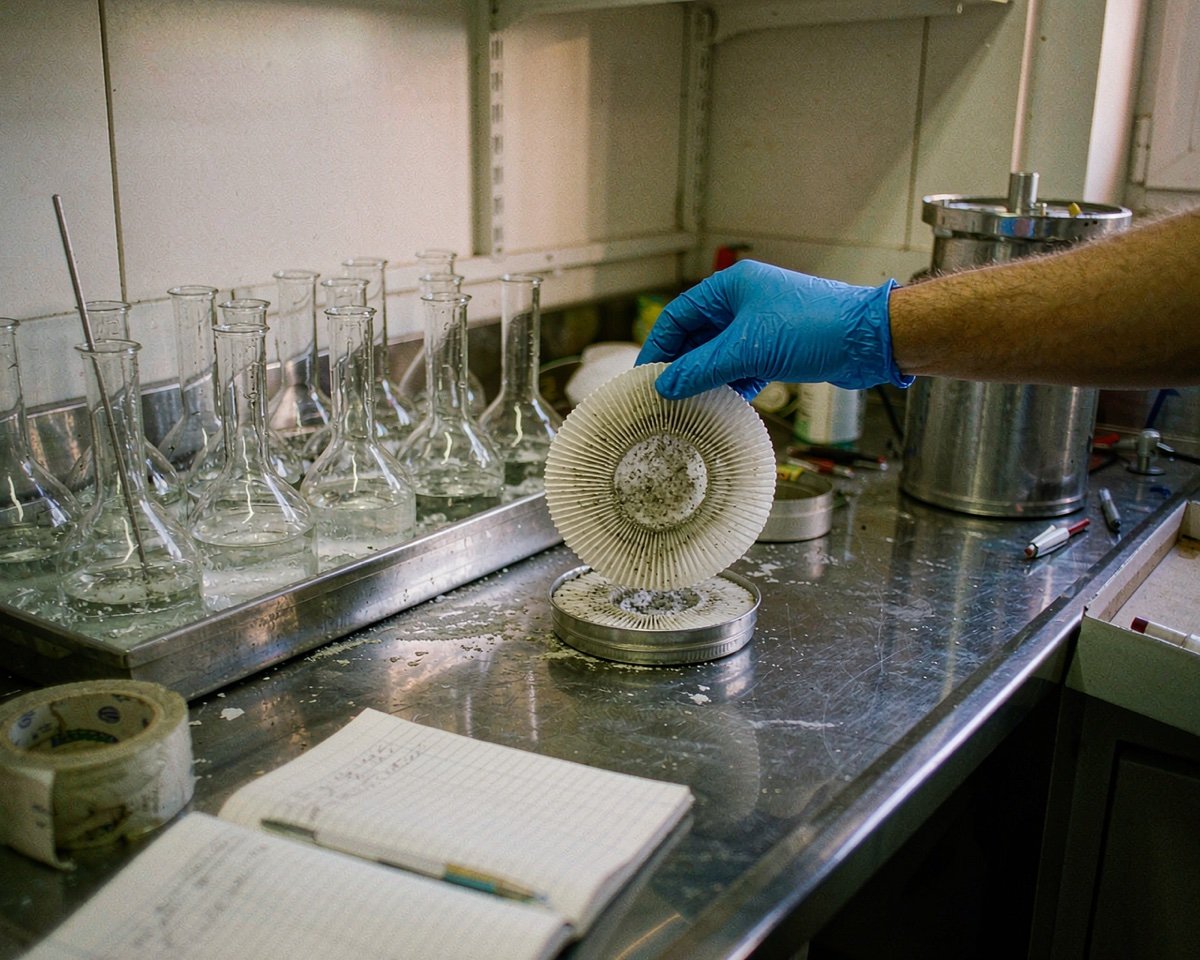
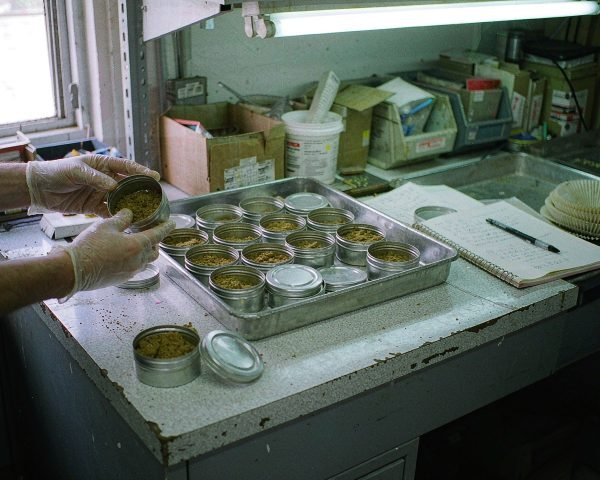

Concrete and soils labs look like equipment businesses. Load frames, ovens, sieve shakers, compression machines. But walk the stockroom and you find the real budget: bags, tins, molds, filter paper, wax, labels. This guide covers the geotechnical testing lab consumables you actually burn through.
The short answer: geotechnical testing lab consumables are the single-use and wear items a soils or concrete lab reorders constantly: sample bags, jars, moisture tins, cylinder molds, filter papers, sieve supplies, wax, labels, and core boxes. Machines last decades. The consumables decide whether the data holds up.
Below, I break it down test by test, with the standards behind each item, a few lessons I learned the hard way, and an honest note about what Mastelf does and does not sell.
Equipment or Consumable? The Honest Line
Most geotech catalogs blur this line on purpose, so let me draw it plainly. A compression machine is equipment. A cylinder mold you pour once and toss is a consumable. A brass sieve sits somewhere in between: the frame lasts, the cloth wears, and a torn No. 200 mesh quietly changes your gradation curve.
The rule of thumb I use: if it touches the sample once, wears with every use, or leaves the building with the sample, it belongs in the consumables budget.
A $30,000 load frame gets a maintenance contract. A $0.90 moisture tin gets a reorder point. Labs that treat both the same way end up either drowning in tins or scrimping on the things that protect the data. One of those budgets is loud. The other is where results go to die.
I’ve watched this go wrong up close. A lab I worked with ordered paper cylinder molds in batches of 500 and never leak-tested a single one. Two trays of 28-day cylinders came out of molds that had wept water for a full week, and every strength number from that batch went in the bin. Nobody saved money that month.
The distinction matters for a second reason too: auditors and quality managers care about verification. Equipment gets calibrated on a schedule. Consumables get inspected on arrival, or they don’t get inspected at all, and that gap is where the quiet failures live. Build the habit now and the audit season becomes boring, which is exactly what you want an audit to be.
Soil Sample Containers: From Zip Bags to Wax Seals
Disturbed samples are the easy case. A heavy-duty zip-top plastic bag, at least 3 mil thick, handles most classification and Proctor work, and it costs pennies. The Bureau of Reclamation’s field manual groups soils by the tests they face and spells out what each group needs. Group B samples, the ones headed for moisture or classification testing, plus compaction work, must travel in sealed, moisture-proof containers: waterproof plastic bags or pails, glass or plastic jars, thin-walled tubes, or liners. If a bag or jar lid isn’t airtight, the manual says seal it with wax or tape and wax. The USBR guidance on handling and transporting rock and soil samples is worth printing and taping inside your sample receiving area.
| Sample type | Container | Why it works |
|---|---|---|
| Disturbed soil (classification or Proctor work) | 3 mil+ plastic bag | Cheap and tough; you can squeeze the air out |
| Moisture-preservation pinch | Wide-mouth glass jar, rubber-ring lid | Airtight, cheap per unit, survives the oven bench |
| Undisturbed core | Tube or liner, waxed, then a core box | Protects both structure and water content |
| Jar sample from a core bottom | Small glass jar with coated seal | Opens for classification without breaking the main seal |
The jar matters more than people think. Before an undisturbed sample gets sealed into its long-term container, standard practice is to knock a small pinch of soil off the bottom, seal it in a wide-mouth glass jar with a rubber-ringed or coated lid, and use that jar for preliminary classification without ever breaking the main seal. It’s a small habit that saves you from opening a waxed core for a routine visual description.
For anything moisture-sensitive, wax is the honest seal. The USBR procedure wraps the sample in plastic film covered by a tight layer of foil, then finishes with at least 3 mm of wax over the whole surface, applied in two or more coats. Long storage gets 6 mm or more. I’ve sealed enough cores to respect that ritual. Skip the foil and the wax grabs the plastic instead of the sample. Pour it too hot and it soaks into the pores instead of capping them.
Cheap insurance, all of it.
Bag selection deserves more care than it usually gets, and the same logic applies whether the bag holds soil or a water sample. Our guide to sterile sampling bags covers what bag material and closure types actually guarantee, and which claims are just marketing.
Moisture Tins: The Cheapest Data Protection You Can Buy
Moisture content runs through nearly every soils test, and the reference method is humble. ASTM D2216 asks you to dry the soil at 110 ± 5 °C until it stops losing mass, then weigh again. The water that disappeared, divided by the dry soil mass, is the number half the lab depends on. The container in that equation is a metal moisture tin with a tight-fitting lid, and the lid stays on until the tin reaches the balance, because a wet clay sitting on the bench starts reabsorbing humidity within minutes.
Two details trip people up constantly. Tins should be numbered and matched to their lids, because a dented lid or a swapped partner changes the tare and nobody notices for weeks. And a warm tin on the balance drafts the pan and skews the reading, so everything cools before it gets weighed. I once watched a week of Proctor points get thrown out because a technician, in a hurry before a long weekend, weighed tins straight from the oven. The whole compaction curve leaned one direction for a reason no one could find until the weigh log came out.
Special soils need special handling. Gypsum-bearing and highly organic soils dehydrate or decompose at the standard temperature, so D2216 allows drying at around 60 °C instead, and the data sheet should say so in writing. Same container rules apply: tight lid, matched tare, cool before weighing.
My default: numbered aluminum tins with press-fit lids, one per oven slot, reordered in hundreds. They cost less than the office coffee budget and they anchor half the lab’s numbers.
Tight lid, matched tare, cool before weighing. That’s the whole job.
Concrete Testing Consumables: Molds, Capping Supplies, and What Wears Out
Concrete testing looks equipment-heavy, but the mold question decides most budgets. ASTM C470 governs molds for forming concrete test cylinders vertically, requires the inside height to be twice the inside diameter, and splits the world in two: reusable molds made of nonabsorptive material, and single-use molds of sheet metal, plastic, treated paper, or other materials. Single-use molds must pass water leakage, absorptivity, and elongation checks. Reusable molds get re-verified for leakage and dimensional stability every 50 uses or every six months, whichever comes first.
| Aspect | Single-use molds (paper, plastic, sheet metal) | Reusable molds (steel, brass, rigid plastic) |
|---|---|---|
| Upfront cost | Low, sold in cases | Higher per unit |
| Best for | Field casting, high-volume production labs | Bench work, frequent repeat runs |
| Verification | Leak and absorption check on arrival | Re-tested every 50 uses or 6 months |
| Failure mode | Soft walls, leaking bases, out-of-round bodies | Rust, dents, worn closure seams |
| Disposal | One pour, then recycle or discard | Years of service if maintained |
Field casting leans single-use for obvious reasons: nobody drives a steel mold back from the job site. The bench leans reusable. Either way, someone has to actually run the leak check, and that someone is usually the same person who skips it when the truck is loading. Write the check into the receiving procedure, not into good intentions.
Capping is a hidden consumable line. Sulfur capping needs a melting pot and fresh compound, and the mixture degrades with reuse. Unbonded neoprene pads are certified for a limited number of reuses, and Minnesota’s DOT lab manual, following ASTM C1231, retires a pad the moment a crack passes 3/8 of an inch, with stricter reuse limits for pads used at higher strength ranges. It also insists both ends of a cylinder get the same cap treatment. The MnDOT lab manual for ASTM C39 strength testing shows how deep these receiving and capping rules go, and it’s a good model for any lab writing its own.
Receiving burns supplies too: cylinder ID cards, marking crayons, damp towels to keep specimens moist from the curing tank to the machine. Cylinders must be tested wet, and the towel that keeps them wet is, functionally, a consumable.
My default for field work is single-use plastic molds with a molded base, not a glued one. Glued bases fail the leak test exactly when you have no spare within an hour’s drive.
None of this is optional. A cylinder that leaked or dried out, or one whose ID card you can’t read, is a dispute waiting for a lawyer.
Sample Prep and Splitting: Equipment vs Consumables, Again
Before any of the pretty tests happen, bulk samples get dried and crushed, then split down to test size. Almost all of that is equipment. Riffle splitters, jaw crushers, drying pans, and mechanical dividers are capital items, and no consumables supplier should pretend otherwise. I mention it because procurement spreadsheets keep asking for a “splitter consumables” line, and the honest answer is that there isn’t one.
What the prep bench does consume: mixing pans, sample pans of every diameter, scoop and spatula wear, dust masks when handling dried soils, and gloves by the box. Dried clay dust is nasty stuff, and the lab that stocks a proper glove and mask supply is the lab where techs actually follow the PPE SOP instead of working around it.
The other real consumable in prep is the drying oven’s load of pans and trays, which warp or wander off over time. Buy them in sets. A shelf of matched pans sounds trivial until you’ve watched a tech improvise with two pie tins and a foil tray at 4 p.m. on a Friday.
Sieve Analysis: The Consumables Hiding in Plain Sight
Sieves straddle the equipment-consumable line better than anything else in the lab. The shaker is equipment. The sieves are closer to consumables, because the cloth is the part that matters and the cloth wears. The workhorses are the No. 4 (4.75 mm) and the No. 200 (0.075 mm): the No. 4 opens most gradations, and everything finer than the No. 200 belongs to sedimentation rather than sieving.
Brushes are consumables. Soft nylon for fine meshes, stiff brass for coarse ones, and never the reverse. A brass brush on a No. 200 is how labs buy sieves they didn’t need to buy. Washing water, mild detergent, and a drying oven slot round out the cleaning kit, and the whole kit costs less than one replacement sieve.
Damage is the real budget event. A torn or distorted cloth fails calibration and takes the whole gradation with it, and gradation curves feed classification, Proctor corrections, and filter design. In my experience the No. 200 dies first, always. Keep spares of your two busiest meshes on the shelf at all times. When it goes mid-batch, and eventually it will, the replacement should be a walk to the cabinet, not a two-week freight wait.
Shaker accessories wear quietly too: rubber gaskets, clamp rods, and the pan and lid edges that no longer seat flush. A loose pan leaks fines, and leaked fines are unrecorded data. Cheap parts, silent errors.
One owned opinion: I’d rather see a lab buy two mid-price stainless-cloth sieves in heavy rotation than one premium frame used carefully. Usage kills sieves, not brand.
Filter Papers: Small Cost, Outsize Consequences
Filter paper shows up everywhere in soil mechanics, and most labs under-specify it. Consolidation cells need a paper disc between the porous stone and the specimen so the stone doesn’t clog or grip the clay. Triaxial tests use filter paper strips as side drains, where the paper’s permeability is part of the measurement chain. Permeability testing uses paper to prevent particle migration at the ends of the specimen. Hydrometer work leans on clean washing and dispersion.
That last one matters more since the method changed. ASTM D7928 is the current sedimentation (hydrometer) method after D422 was withdrawn, and it tightened dispersion and temperature control requirements. The soil gets mixed with a dispersant, washed, and then transferred to a sedimentation cylinder, where readings run from one minute out to 24 hours. Cheap paper that sheds fibers into that cylinder, or a wash that loses fines the test needs, skews the silt and clay split that the whole analysis exists to measure.
Paper grades matter where mass is measured. Ashless quantitative paper leaves almost no residue when burned off, which is what you want whenever the paper’s own mass could enter the calculation. Qualitative paper is fine for gravity filtering wash water and general cleanup. Matching the grade to the test is a five-minute decision that prevents re-runs, and the spec sheet for each grade states the ash content plainly, so the decision is on paper, literally.
In chromatography labs we obsess over filter lots and extractables. Soil labs should steal that habit for consolidation and triaxial paper at least.
If your lab touches both worlds, our guide to soil and agriculture testing lab consumables goes deeper on the chemistry side of soils work, from extraction vessels to the filters that pair with them.
Compaction Testing: Where Consumables Meet the 4.75 mm Sieve
The standard Proctor test, ASTM D698 is the heart of the earthwork lab, and it is a consumables machine. You dry roughly 3 kg of soil, pass it through the 4.75 mm sieve, compact it into a 4-inch mold in three layers of 25 blows each with a 2.5 kg rammer dropped 305 mm, then weigh and repeat the whole cycle at higher moisture until the density curve peaks. Method C permits a 6-inch mold with 56 blows per layer for coarser mixes. The modified version of the test simply piles on more energy with a heavier rammer for heavy pavement work.
Every one of those curve points eats supplies. A moisture tin per point, more if the spec asks for moisture samples through the depth of the compacted lift. A straightedge that dulls a little more with each trim. Collars and base plates that take the beatings and eventually go out of round. Labels that connect point four on Tuesday to point one from last Friday, because a compaction curve spread across a week is only as good as its paper trail.
And the moisture determination on each point is only as good as the tin it dried in, which is why I keep circling back to moisture tins in this guide. They’re the common denominator of the entire soils lab.
A full compaction curve is five points. That’s five tins and five labels, plus one very tired straightedge.
Asphalt and Field Testing Consumables
Asphalt labs bring their own container list. Loose mix travels in sealed metal cans or lined pails before it reaches the ignition oven or extractor, and binder samples go in small sealed tins with snug lids. None of it is glamorous. All of it protects numbers that settle disputes between a contractor and an owner months later.
Pocket penetrometers and similar field tools are equipment, but their accessories are worth stocking: replacement tips, scale cards, and the reference check blocks they get verified against. Same logic applies to the gauge transport case contents and test pads, plus the standard counting blocks that wear with every verification.
Field crews burn through the dull stuff too: sample tags, marking paint, duct tape, burlap for curing cylinders, plastic sheeting, and water jugs for curing. I’ve seen a pour day saved by a roll of duct tape and lost to a missing permanent marker in the same month. A well-run field kit is a box of consumables with a gauge in it.
The honest headline for this whole section: field consumables fail in pairs. The missing item always pairs with the moment you can’t buy a replacement, so the kit list should live on the truck, not in someone’s head.
Labels, Chain of Custody, and Core Storage
Geotech samples live longer than most. A Proctor sample might wait a week for its turn in the oven. A core from a landslide investigation might matter in a courtroom two years later. Labels and custody records are the consumables that make that possible: water-resistant tags, tally cards, cylinder ID cards, wax pencils, and clear tape over handwritten IDs on wet jars.
The geotech version of labeling has one extra rule: the label has to survive water and wax, plus the way rough hands treat a core box. A paper tag wired to a waxed core, or a directly-written jar ID under clear tape, beats a laser label on the lid, because lids come off. We wrote a full guide to labeling and tracking samples properly, and most of it transfers to soils with that one adjustment.
Storage is the last consumable category, and it’s where undisturbed samples get their pension. Core boxes with fitted lids, cushioning cut so samples fit snugly, wax for resealing, and small jars for the classification pinches. Storage rooms should stay cool and steady, out of the sun. The goal is simple: the sample you open in six months matches the sample you pulled from the ground.
Chain of custody paperwork deserves the same respect as the sample itself. Custody forms and evidence seals are consumables too, along with the tamper-evident tape that goes over them. They’re the cheapest thing between your data and a challenge to it.
Building the Reorder List That Actually Works
Walk your stockroom and count, don’t estimate. The reorder list that works comes from what the bench actually used last quarter, not from what the catalog says a lab should use. Moisture tins get counted in hundreds. Cylinder molds in cases. Filter paper in boxes by grade, with the grades that touch mass measurements tracked separately because running out of ashless paper mid-consolidation series is a special kind of pain.
Lot discipline matters for the paper and the wax. Record the lot number of filter paper lots against the tests they touch, so a suspicious result can be traced back to a box. Paraffin and microcrystalline wax keep well, but an open, dusty slab in a hot room is not the wax your SOP was written for.
Set par levels by failure cost, not by unit price. A No. 200 sieve spare costs two hundred dollars and saves a week. A moisture tin costs a dollar and anchors a Proctor curve. The cheap consumable often carries the expensive consequence, which is the whole thesis of this guide in one sentence.
Seasonality deserves a mention too. Construction materials labs don’t consume evenly across the year: paving season loads the asphalt bench, the spring slump loads soils and concrete, and the fiscal-year-end audit loads labels and custody forms. If your supplier ships from overseas, as many consumables buyers’ do, add four to eight weeks of lead time to every reorder point and hold a buffer for freight surprises. A container of moisture tins on a slow boat has killed more testing schedules than any broken machine.
One last habit from the chromatography side of my career: keep a small “quarantine shelf” for incoming consumable lots. New mold cases and paper boxes wait there, along with fresh tin cartons, until someone spot-checks them against the receiving checklist. Only then do they join the main stock. It takes ten minutes per delivery and it catches exactly the kind of defect, like the leaking paper molds I mentioned earlier, that otherwise surfaces as bad data months later.
What Mastelf Can (and Can’t) Supply
Honesty time, since this is our blog. Mastelf grew up supplying chromatography and analytical labs, so we won’t pretend to sell you a Proctor mold, a sulfur capper, or a riffle splitter. Those belong with the construction materials specialists, and a good geotech lab should buy them from people who service what they sell.
What we do supply, and ship daily: wide-mouth glass jars and sample bottles for soil and moisture-preservation storage, reagent bottles for dispersant solution and wash water, cellulose filter papers for routine and quantitative filtration, and the labeling and packaging supplies that keep a custody chain intact. If your lab also runs environmental water chemistry, and most municipal materials labs do, the same bottle and filter logic carries straight over.
And if the crossover goes further, toward ore grades and geochemistry, our mining and geochemical testing lab consumables guide covers that end of the business.
Conclusion
Geotech labs are consumables businesses that happen to own impressive machines. The bags, tins, molds, papers, and labels do the quiet work of keeping samples honest, and the standards are surprisingly explicit about what they demand from each one. If you take a single action from this guide, make it a stockroom walk: pull every moisture tin and cylinder mold off the shelf, along with each filter paper grade, and ask when each was last verified. Most labs find two or three quiet risks in one afternoon, and fixing them costs less than one re-test. When the crossover hits, whether toward soil chemistry and agronomy, or toward mining geochem, the container logic carries over, and we’ve written guides for both of those worlds too. Spend an hour on the small stuff. The load frame will thank you, and so will the engineer reading your numbers five years from now.
Frequently Asked Questions
What is a moisture tin and can I use any container instead?
A moisture tin is a small metal container with a tight-fitting lid, built to survive 110 °C drying without changing mass. ASTM D2216 expects exactly that, and the lid stays on until the tin reaches the balance. Random containers introduce tare errors and let moisture escape on the way to the scale.
How many times can a concrete cylinder mold be reused?
Single-use molds are designed for one pour and should never be reused. Reusable molds under ASTM C470 must be re-verified for water leakage and dimensional stability every 50 uses or every six months, whichever comes first.
Do soil labs really need special filter paper?
Yes, wherever the paper touches the measurement. Consolidation discs and triaxial side drains both depend on paper properties, and so does hydrometer washing. Ashless quantitative paper matters whenever mass enters the calculation. For general wash-water filtering, qualitative paper is fine.
Are sieves consumables or equipment?
The frame is durable equipment, but the cloth is the wearing part. A torn or distorted mesh fails calibration and changes gradation results, so labs that sieve daily should stock spares of their busiest meshes, especially the No. 4 and No. 200.
How should soil samples be stored before testing?
Sealed and cool, with labels that survive handling. For moisture-sensitive samples, the USBR method wraps the sample in plastic film covered by foil and finishes with at least 3 mm of wax, stepping up to 6 mm for long storage. Disturbed samples travel fine in thick, sealed bags for most classification and compaction work.