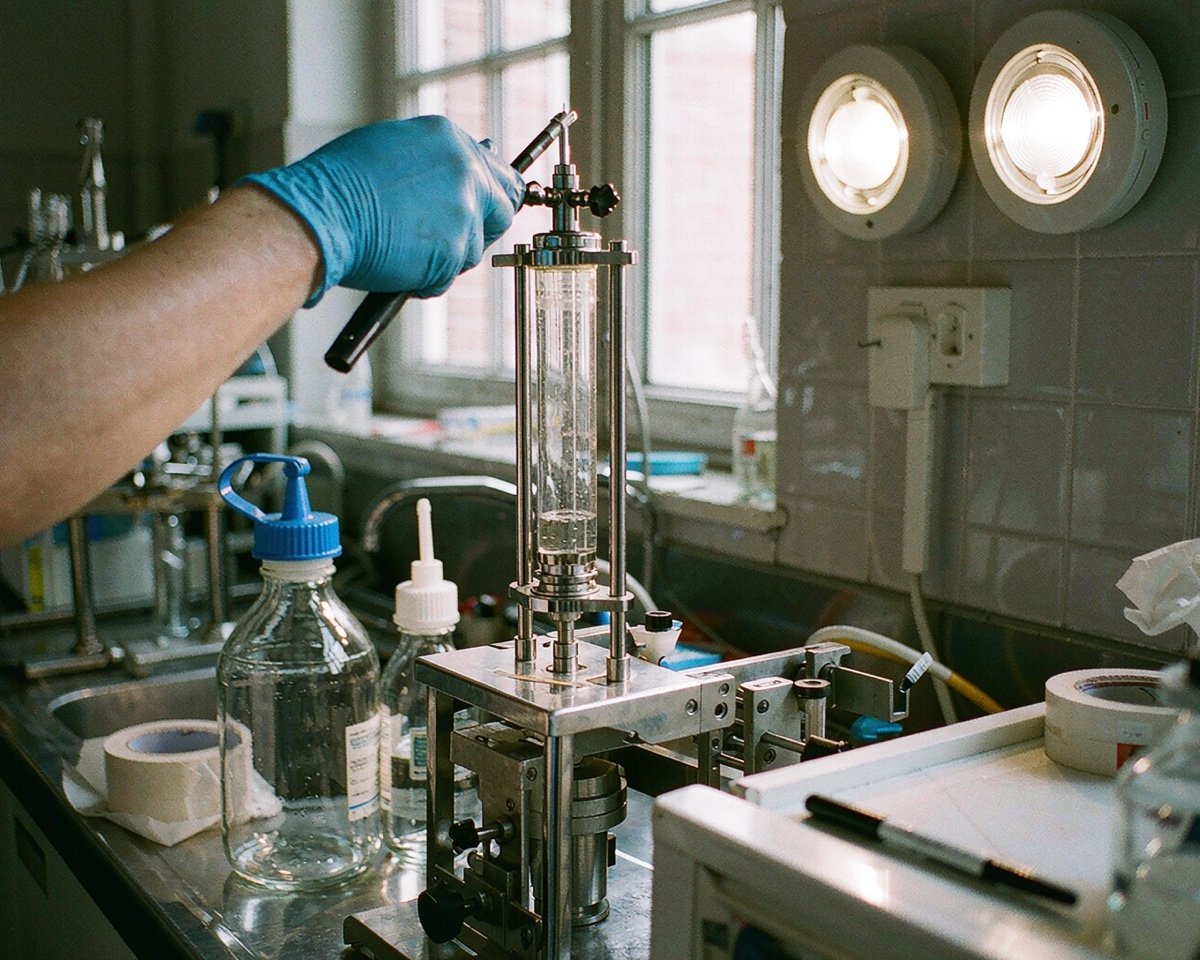
What Consumables Does Chiral Separation Work Need?
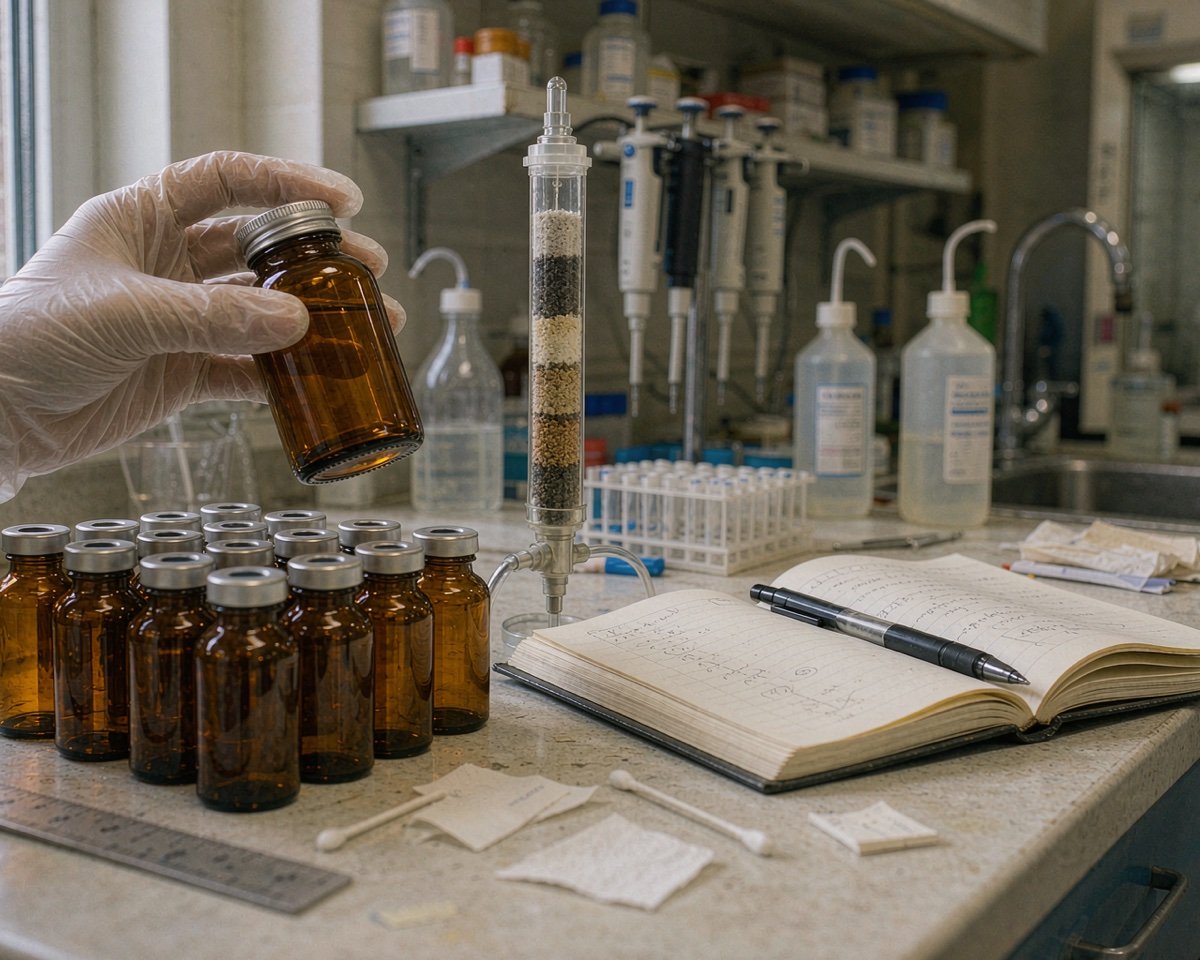
Chiral separation work demands the right vials, septa, and filters for hexane, SFC, and sensitive enantiomer standards. Here is what to specify and why.

Chiral separation work demands the right vials, septa, and filters for hexane, SFC, and sensitive enantiomer standards. Here is what to specify and why.
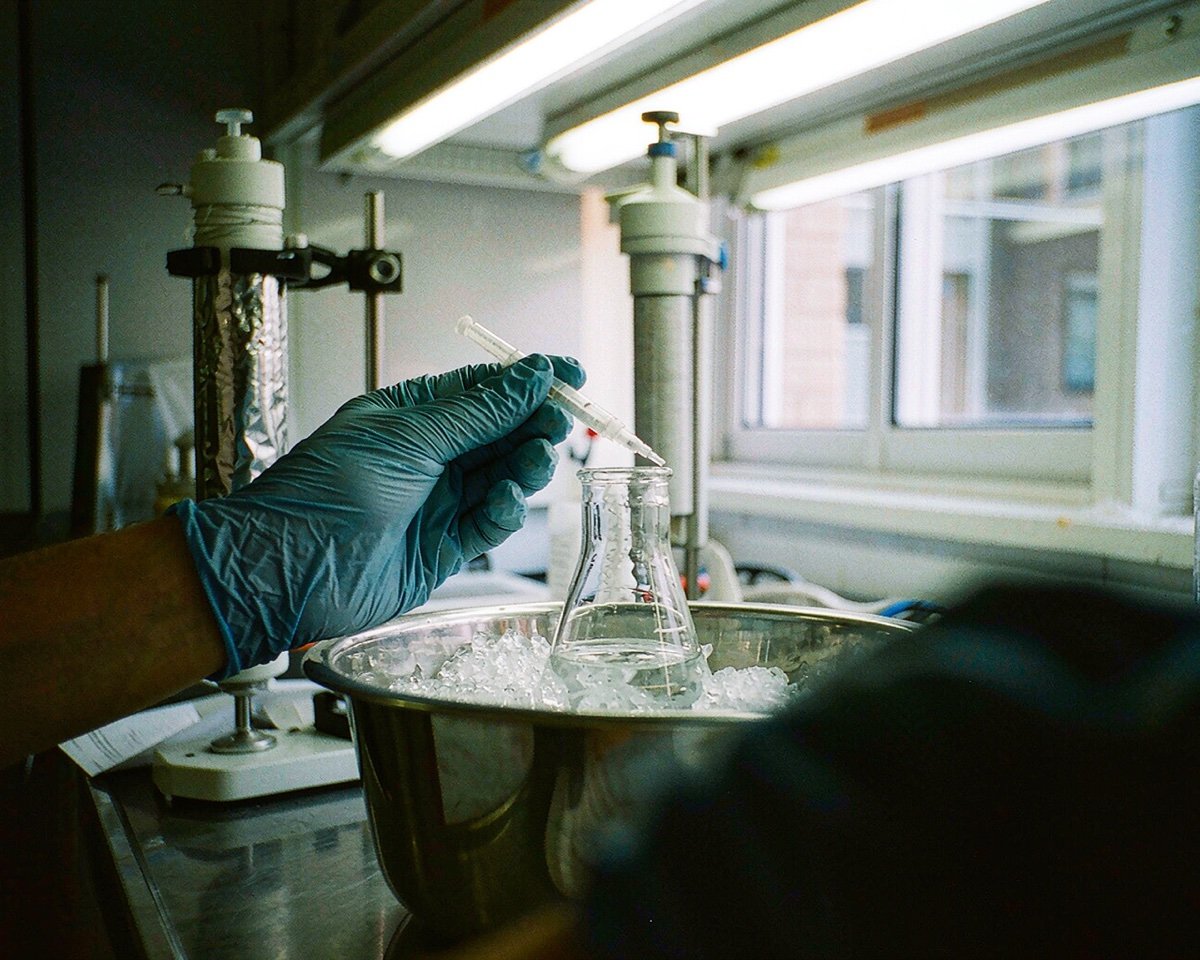
Size-exclusion chromatography runs on clean buffers, low-protein-binding filters, guarded columns, and vials that never adsorb your protein.
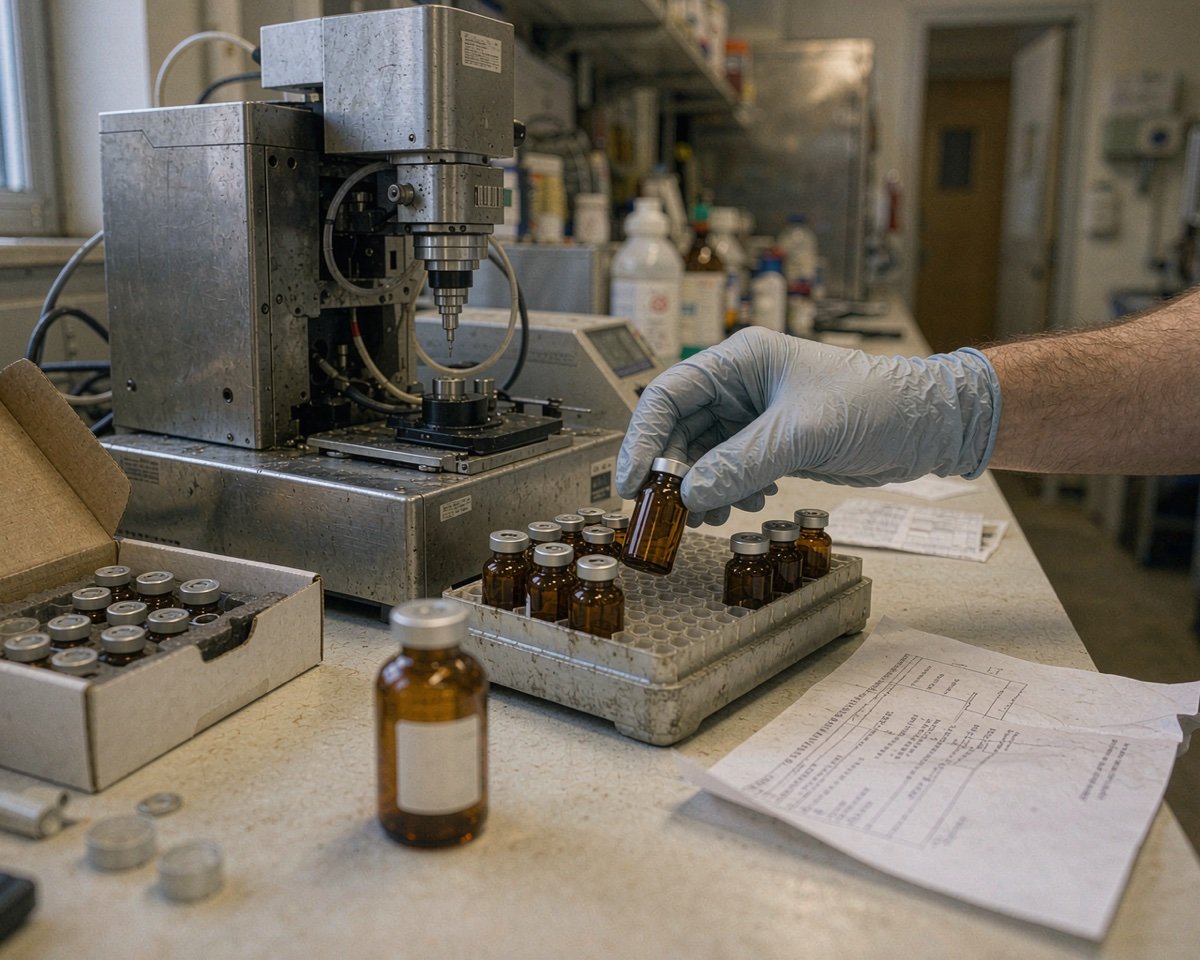
Nitrosamine testing runs on LC-MS/MS or GC-MS/MS, so your consumables decide whether you see 10 ng/g or miss it. Here is what to buy and why.
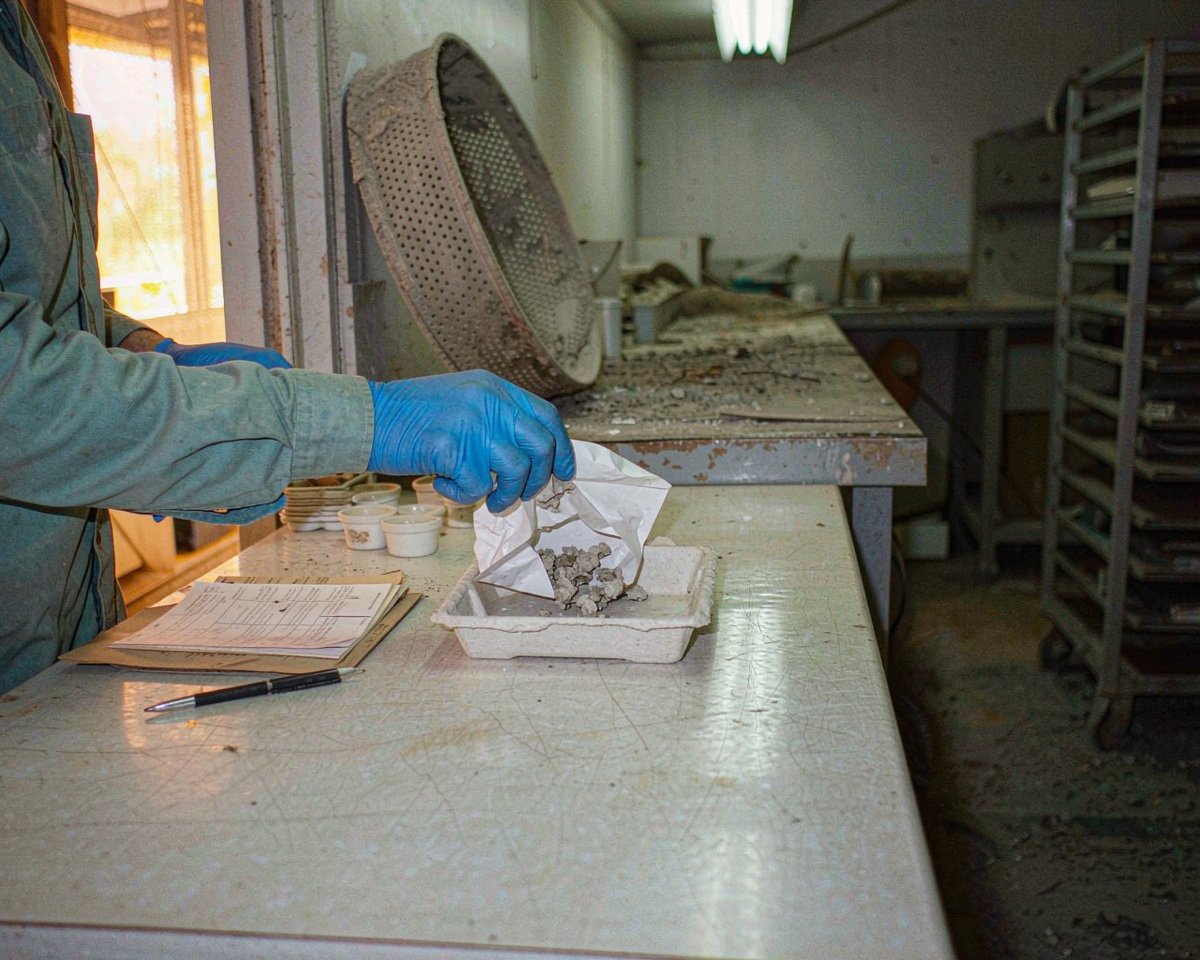
Mining and geochemical testing lab consumables explained, from jaw crusher parts and agate bowls to ICP-MS cones, cupels, and trace-metal sample bottles.
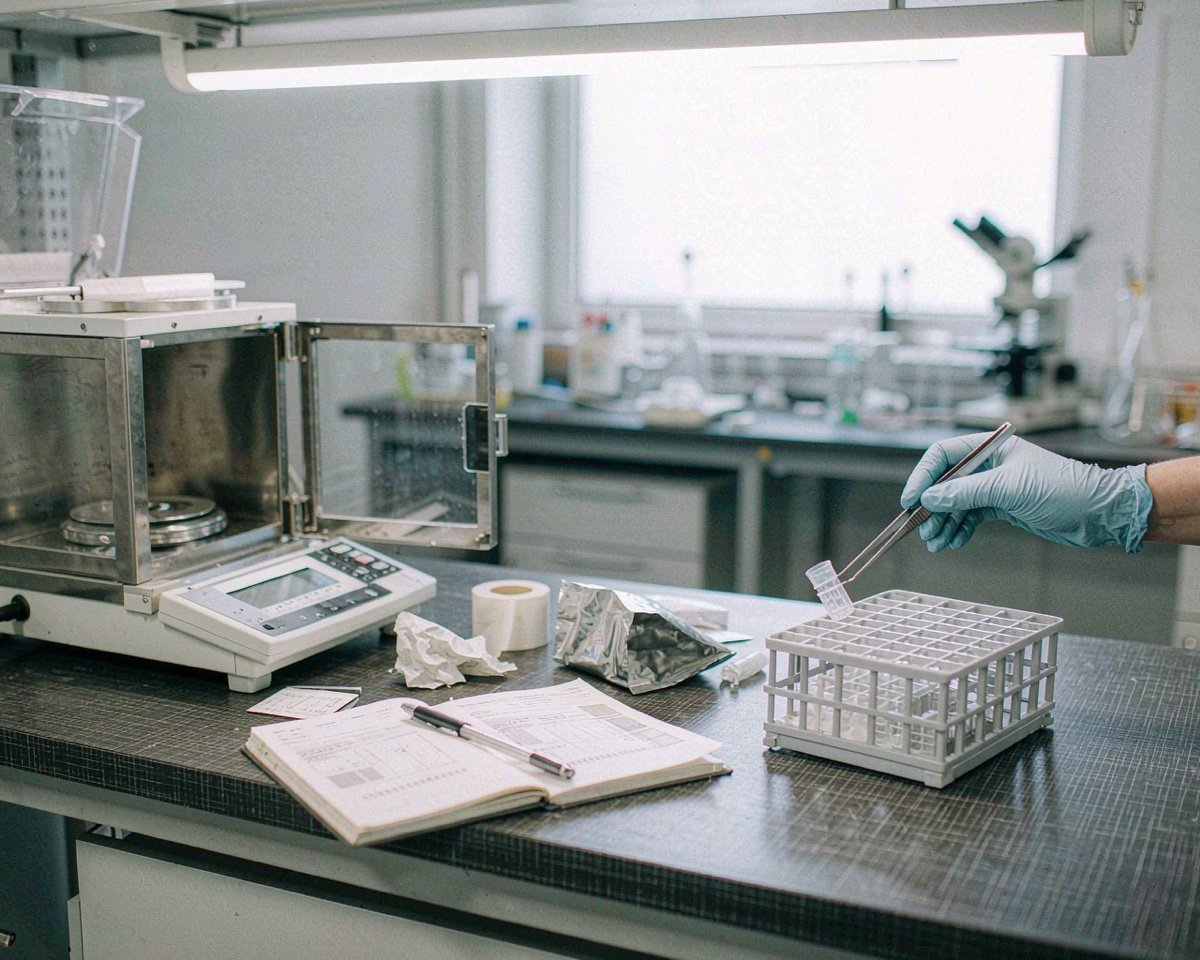
Plastic vials pick up static charge that skews weighing, attracts dust, and scatters powders. Here is when it matters and what fixes it.
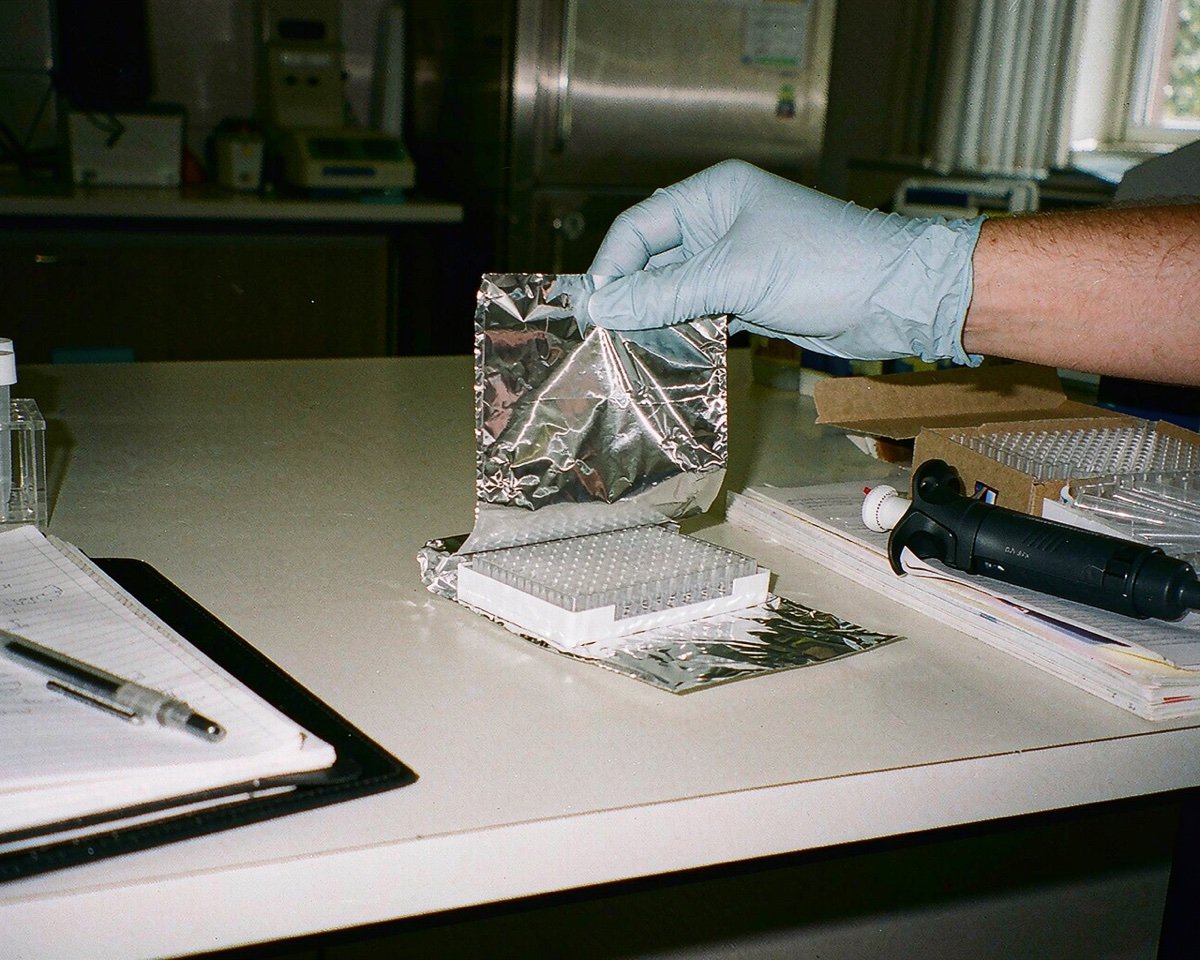
PCR and qPCR consumables decide reproducibility. Here is what tubes, plates, seals, and plastics a working bench actually needs, and why.