
Ask anyone outside a trace lab what dioxin and PCB testing needs and they’ll name a mass spectrometer. Anyone who runs these methods will start listing bottles instead. At picogram levels, the consumables matter as much as the instrument, and one dirty jar can sink a whole batch. So here’s the full consumable list, stage by stage, with the reasoning behind each pick.
Quick answer: Dioxin and PCB testing needs amber glass jars with PTFE-lined lids, solvent-rinsed glassware, pre-extracted Soxhlet thimbles, baked sodium sulfate, acid silica and carbon cleanup columns, 0.2 µm PTFE filters, and amber GC vials with low-bleed septa. All lot certified, all low background.
That list looks plain. The stakes behind it are not. Below I’ll walk the whole workflow, from the moment a soil sample leaves the field to the second it enters the inlet. Start with the methods, because the methods decide the consumables.
The Methods Behind the Consumables
Three methods cover most of this work.
For the 17 toxic dioxin and furan congeners, labs use EPA Method 1613B, an isotope dilution HRGC/HRMS method for water, soil, sediment, sludge, and tissue. For individual PCB congeners, including the dioxin-like ones, it’s EPA Method 1668C, also isotope dilution HRGC/HRMS. And for Aroclor mixtures on a budget, Method 8082A runs on GC-ECD with a dual-column confirmation setup.
Each method follows the same opening move: spike the sample with isotopically labeled standards before anything else happens. Every recovery correction downstream depends on that spike, so the very first consumable that touches the sample is already part of the measurement.
The methods also set container, preservation, and holding time rules. EPA 1613, for example, calls for amber containers, cooling to 4°C, and allows up to a year of storage for solids. Your consumable decisions start in the field, not at the bench.
Contamination Control Rules Everything Else
Both HRMS methods say the same uncomfortable thing in their own text: the detection limit depends on interferences and laboratory background, not on the instrument. EPA’s validation work for Method 1668C puts MDLs in water at roughly 7 to 30 pg/L. When your reporting level sits that low, a fingerprint of background OCDD in a consumable lands directly in your blank.
I’ve never forgotten a story a lab manager told me at a conference. Her lab failed an entire soil batch because the method blanks carried around 0.4 pg TEQ/g of background. Someone had subbed in a bulk sodium sulfate from the general reagent shelf instead of the baked, low-background grade. The instrument was fine. The week wasn’t. Rerunning 20 samples through cleanup cost more than a year’s supply of the proper grade.
If you’ve read our guide to what PFAS analysis needs, this discipline will sound familiar. Same mindset, different enemies: here the threats are phthalates, chlorinated wax carryover, and ambient dust that carries OCDD.
Practical rules that follow:
• Buy consumables specified for dioxin work, not general reagent grade.
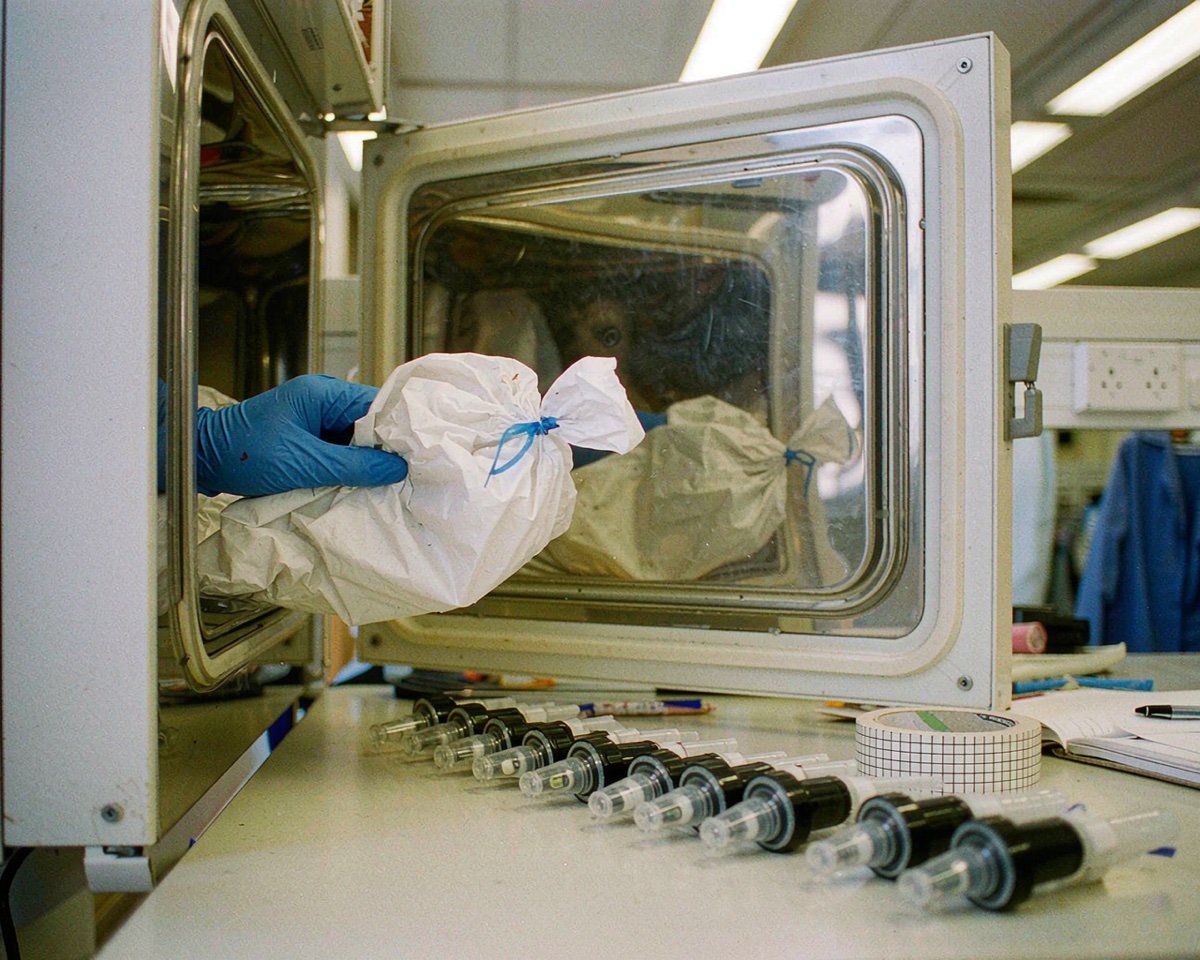
• Bake or solvent-rinse anything the extract touches, unless it arrives pre-cleaned with a certificate.
• Run a full method blank with every batch, no exceptions.
Sample Collection and Storage Consumables
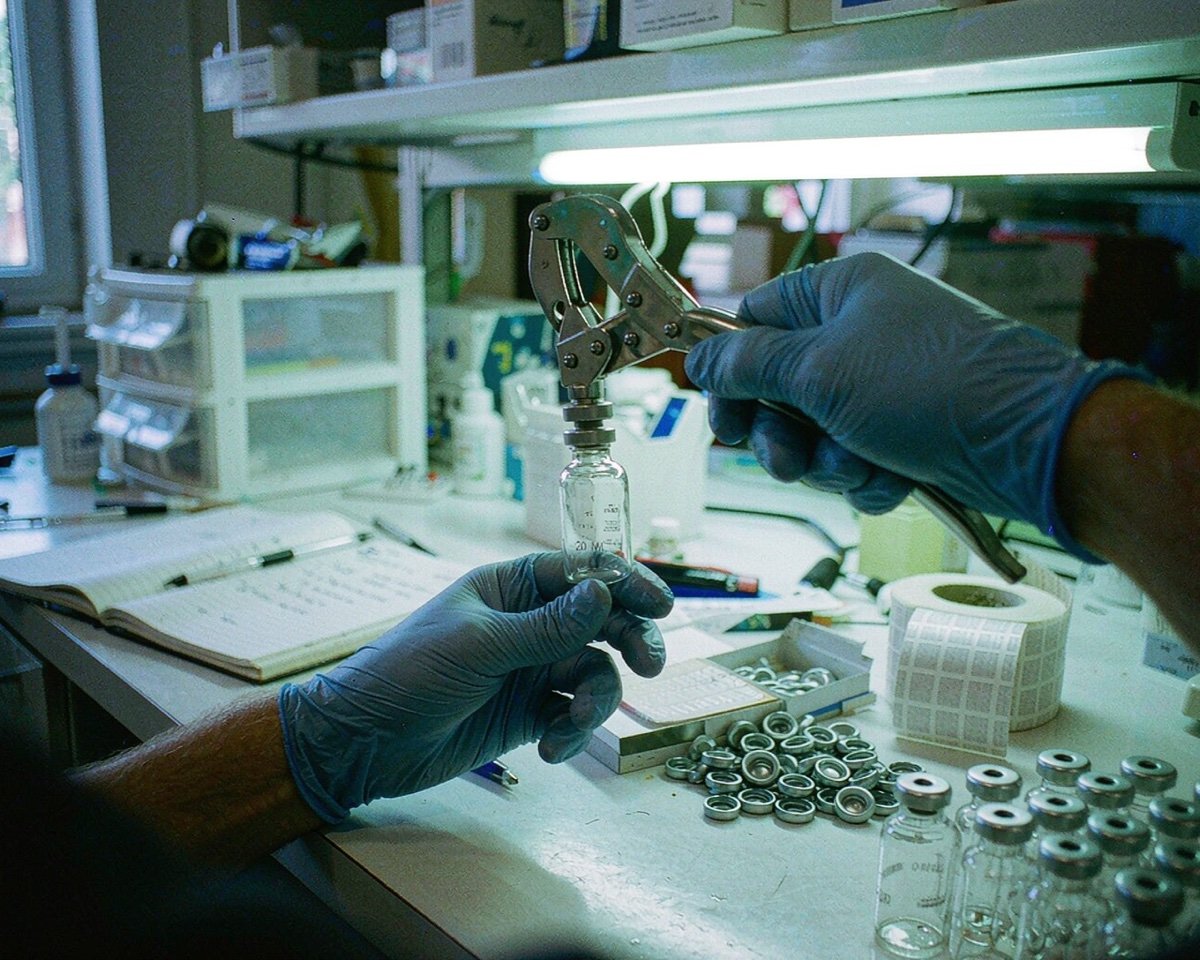
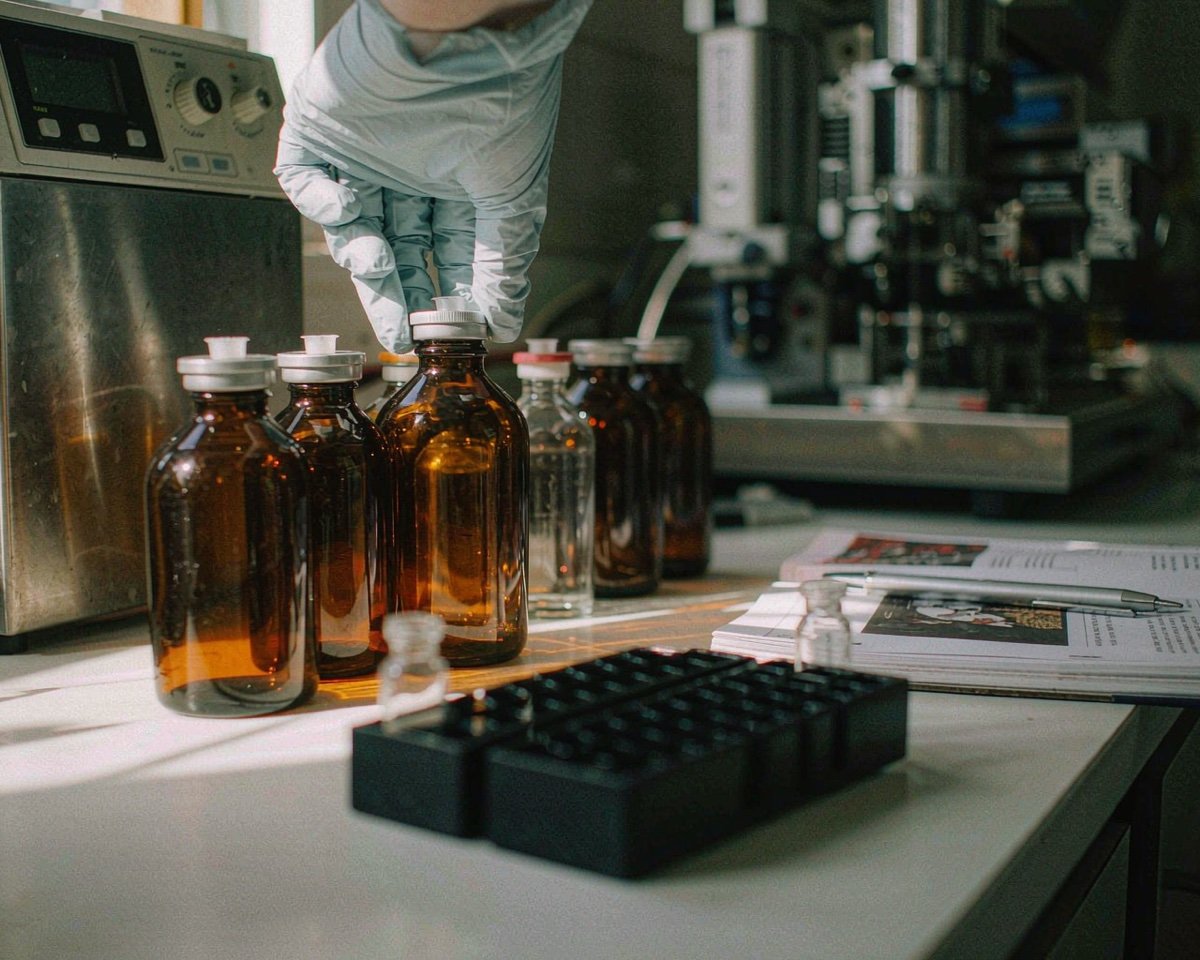
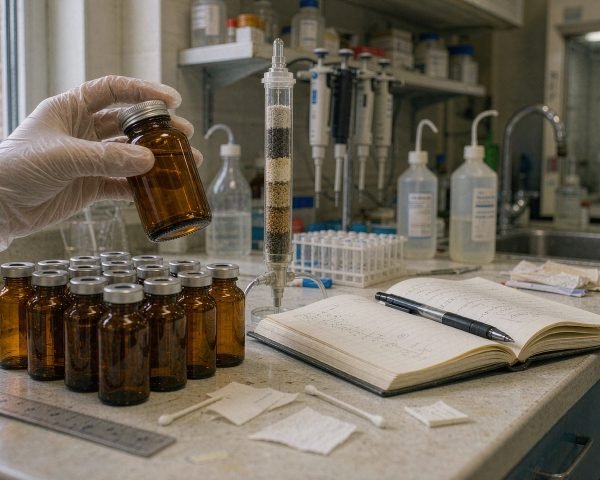
Field containers set the tone. The standard pick is a wide-mouth amber glass jar with a PTFE or foil-lined metal lid, solvent rinsed or baked before use. Amber glass blocks UV, and glass won’t adsorb hydrophobic compounds the way plastic will.
Why is plastic risky for PCB work? Two reasons. PCBs are lipophilic and will partition into plastic walls, quietly lowering your measured concentration. And plastics shed plasticizers and other additives that crowd the low end of a chromatogram. For water samples, the same logic applies: amber glass bottles with PTFE-lined caps.
Add the boring items that keep the chain of custody clean: solvent-washed stainless or PTFE-coated sampling tools, aluminum foil for wrapping, and labels that survive a cooler full of meltwater. Cool everything to 4°C on collection day. Holding time violations have nothing to do with consumables quality, but they fail batches just as fast.
Extraction Consumables
Solid matrices (soil, sediment, feed) go through Soxhlet extraction, so the workhorse is the cellulose extraction thimble. Get them pre-extracted, and match the size to your extractor so solvent flows through the sample evenly. Wet solids often run through a combined Soxhlet and Dean-Stark setup, which is a glassware question more than a consumable one, though you’ll need glass boiling granules that survive the run.
Water samples take a different path: liquid-liquid extraction in separatory funnels, or solid-phase extraction with C18 disks or cartridges. The second option saves solvent and bench time. Our explainer on what SPE is and which consumables it needs covers that gear in detail.
Around the extraction you’ll burn through a surprising amount of supporting material:
1. Baked anhydrous sodium sulfate to dry the organic extract.
2. Pre-cleaned glass wool to hold sorbent beds and break emulsions.
3. High-purity extraction solvent, and lots of it.
If your lab uses pressurized liquid extraction instead of Soxhlet, add extraction cells, PTFE end caps, and diatomaceous earth dispersant to the cart.
Cleanup and Concentration
Cleanup is where dioxin and PCB work earns its reputation. Extracts from soil or tissue carry fats, humics, and sulfur that would wreck an HRMS source, so the method routes the extract through multiple columns: acid silica gel to strip lipids, neutral and basic silica for polishing, alumina or Florisil for matrix removal, and activated carbon to separate planar congeners from the crowd. Fatty food and feed samples may need gel permeation first. A review of dioxin analysis in the food chain describes why this cleanup is mandatory for reliable HRGC-HRMS results at regulatory limits.
You can buy pre-packed multi-layer cleanup columns, and for trace work I’d argue you should. Each sorbent you weigh and pack yourself is a surface that can add background. If you pack in-house, pre-wash every sorbent with the elution solvents and keep the jars sealed.
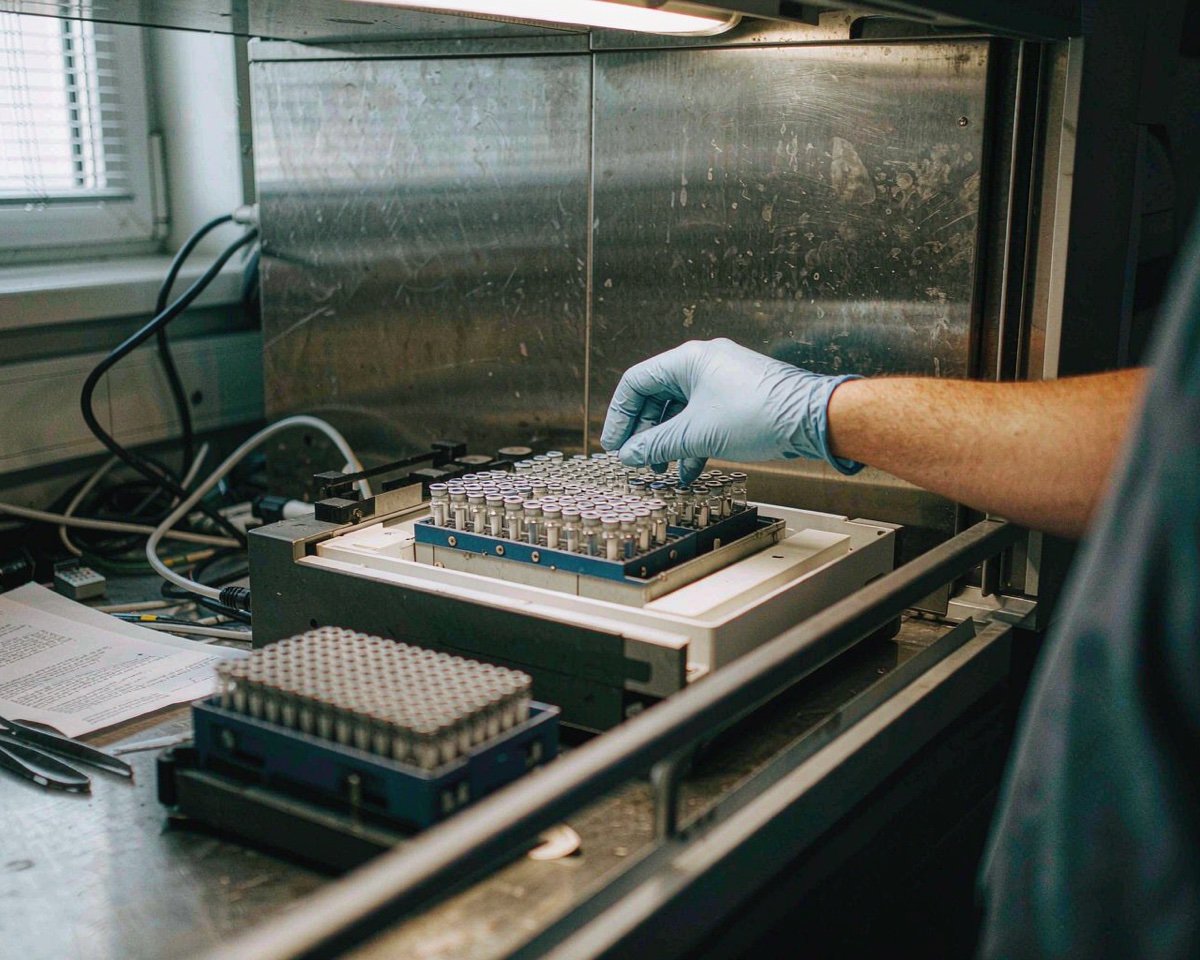
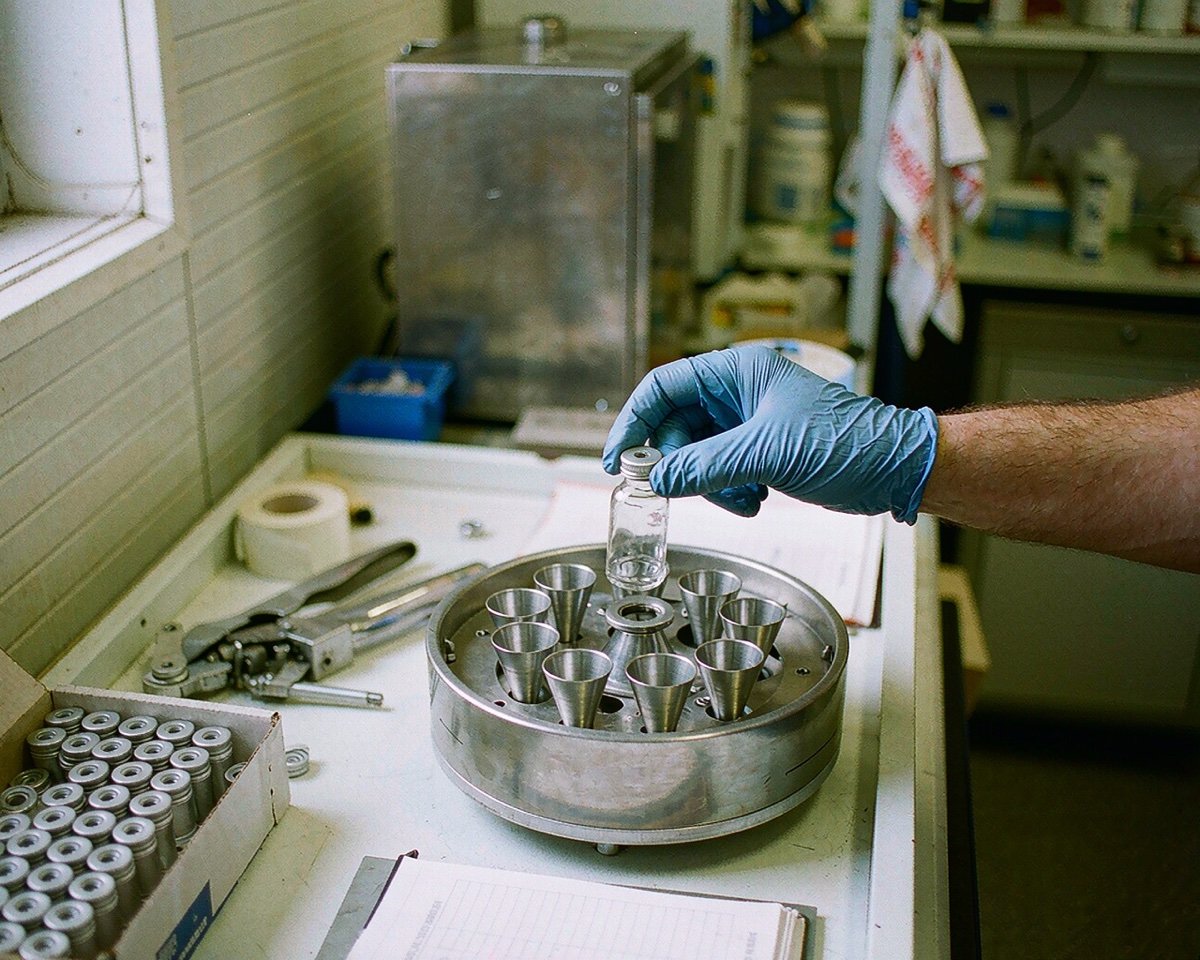
Concentration comes next, and it’s gentler than people expect. Baked rotary evaporation tubes or Kuderna-Danish concentrators bring the extract down, then a nitrogen evaporator with baked glass cones finishes it to near dryness before solvent exchange. Every transfer is a loss event, which is why the final extract often measures under 200 µL. Plan your vials around that number.
Filtration and Vials Before GC Injection
The last physical step before injection is getting the extract clean and into a vial without losing it.
For most extracts, a 0.2 µm PTFE syringe filter handles particulates before the GC. PTFE tolerates hexane and toluene without adding extractables. If the extract is visibly dirty after cleanup, put a glass fiber prefilter in front of it; that pairing saves your fine filter from clogging halfway through a precious sample.
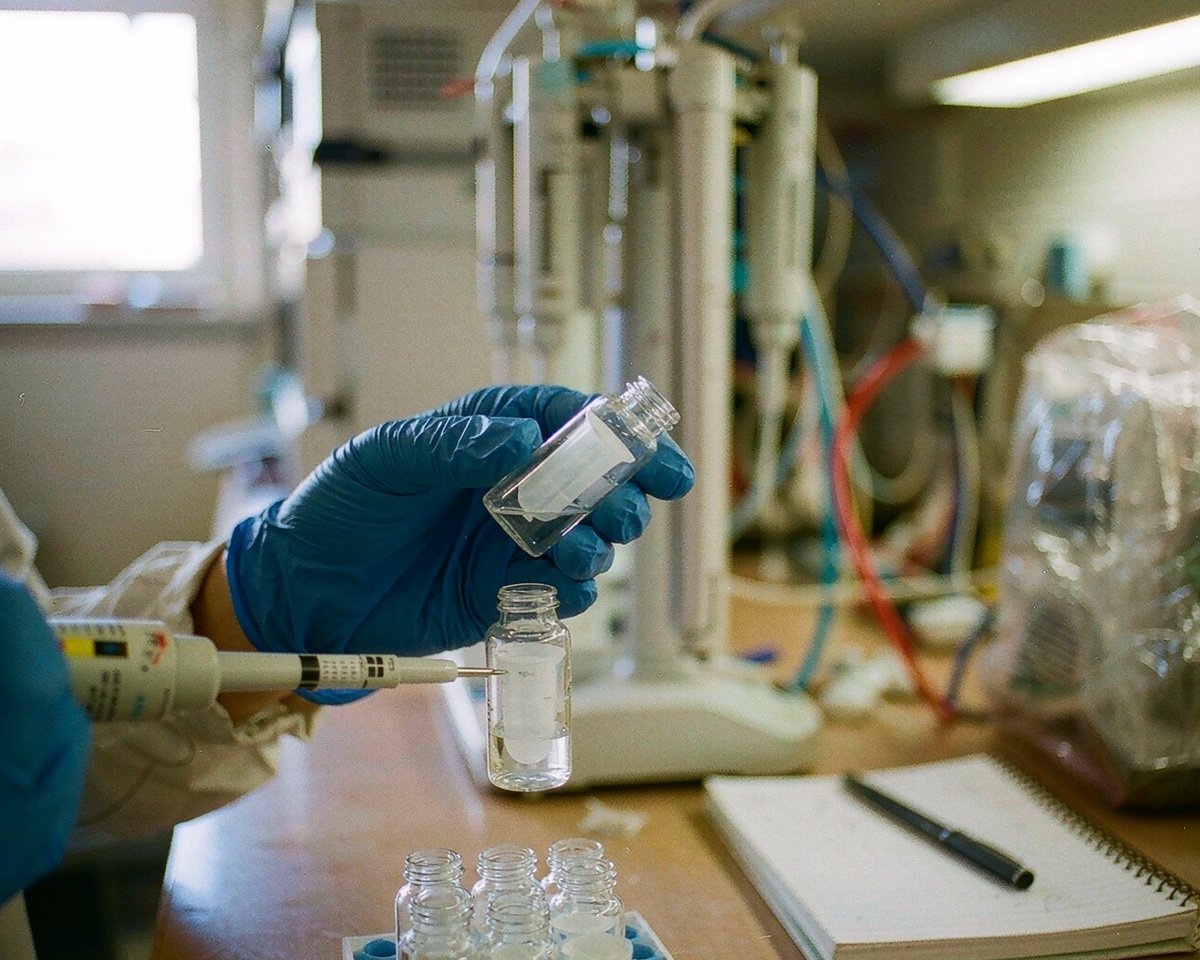
Then the vial. Amber 2 mL vials are standard, and for HRMS work you’ll almost always need a 100 or 300 µL insert, because nobody fills a full vial from a 200 µL extract. Pair them with low-bleed PTFE/silicone septa. A septum that sheds silicone at 300°C will put ghost peaks under your congeners, and you’ll chase them for days. Our guide to GC-MS vials walks through the septa and cap options in more depth.
One more habit worth stealing: if the lab freezes extracts between cleanup and injection, transfer them to vials rated for freezing rather than improvising. Cracked vials at 8 am are a bad way to learn this.
Buying for This Workflow: What to Ask Your Supplier
Low-background consumables cost more, and they’re worth it. Here’s the checklist I’d use when qualifying a supplier for dioxin and PCB work.
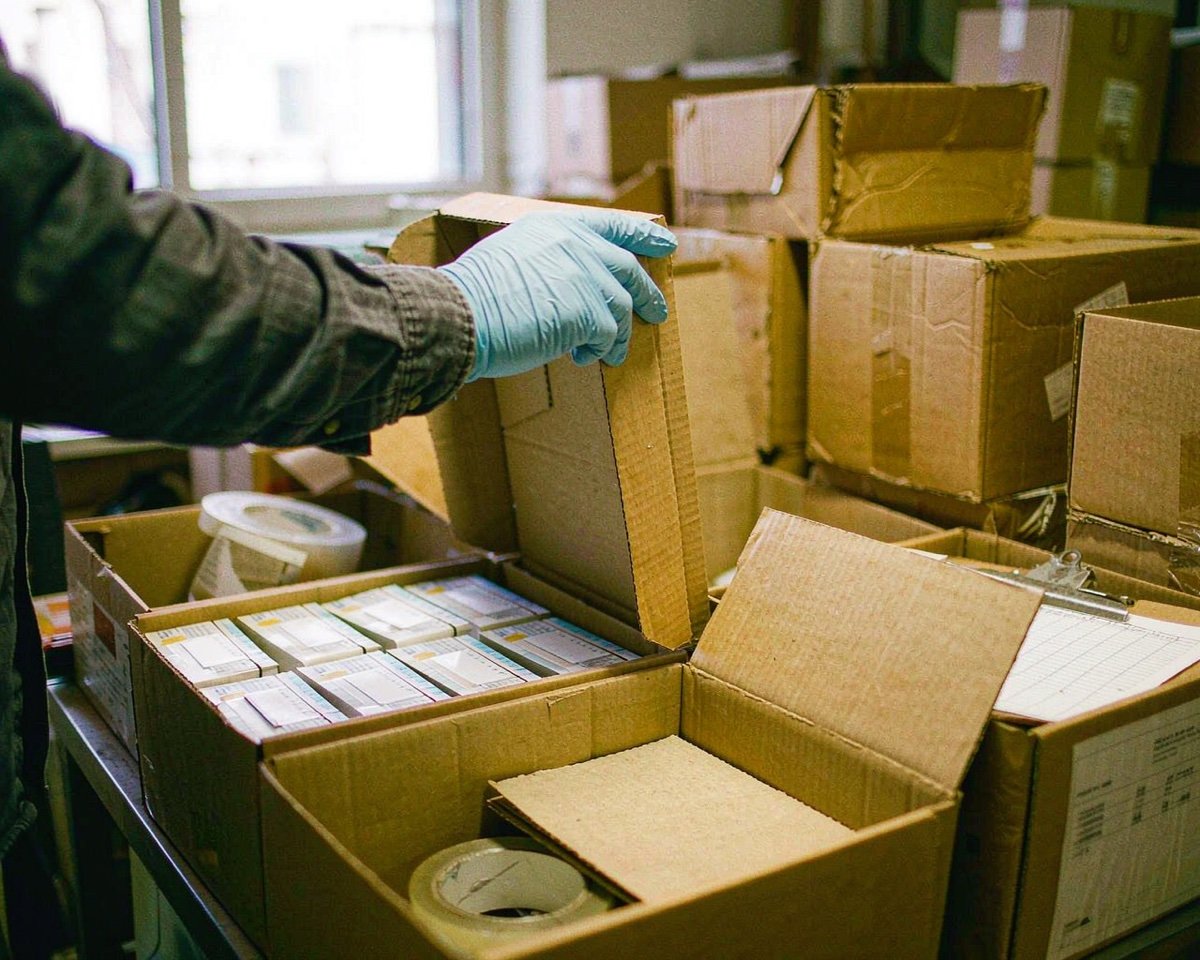
Ask for lot certification with actual blank test data, not a bare CoA that only says “meets specifications.” Thimbles and sodium sulfate should arrive pre-extracted or baked, sealed, and dated. Column sorbents should come with the cleanup solvent listed. And ask whether they can hold a single lot across your project, because mid-study consumable changes show up as step changes in your blanks.
The economics are simple. A certified thimble costs a few dollars more. A failed batch of dioxin samples costs weeks of rerun time and, on regulatory projects, real credibility. Buy once.
Conclusion
Dioxin and PCB testing is unforgiving by design. The methods push detection limits into picograms, which means every jar, thimble, sorbent, filter, and septum becomes part of your chemistry. Build your consumables list straight from the method requirements: amber glass for collection, pre-extracted thimbles and baked drying agents for extraction, certified cleanup columns for the hard part, and low-bleed vials for the finish. Qualify suppliers on documentation, not price. And when a blank comes back dirty, resist the urge to blame the instrument first. More often than not, the answer is sitting on the bench, in a container nobody thought to question. If you’re building out the wider environmental workflow, our complete guide to environmental testing lab consumables picks up where this list ends.
Frequently Asked Questions
What equipment detects dioxins?
The reference technique is high-resolution gas chromatography coupled to high-resolution mass spectrometry (HRGC/HRMS), which is what EPA Methods 1613 and 1668 specify. For Aroclor-level PCB screening, GC with an electron capture detector (GC-ECD) under Method 8082A is the common choice.
Why are PCB samples stored in glass?
PCBs are hydrophobic and will adsorb into plastic containers, lowering the measured concentration. Glass, especially amber glass with a PTFE-lined lid, is inert toward PCBs and won’t leach plasticizers into the sample.
Can you reuse SPE cartridges or cleanup columns for trace dioxin work?
No. Reusing them carries matrix breakthrough and background into the next sample, and at pg/g levels even small carryover distorts results. Single-use, lot-certified columns are the standard for dioxin and congener-specific PCB work.
What grade of consumables should you request from suppliers?
Ask for consumables certified low-background for dioxin work: pre-extracted thimbles, baked sodium sulfate, pre-washed sorbents, and lot-specific blank test documentation. Generic reagent grade rarely meets the blank requirements these methods enforce.