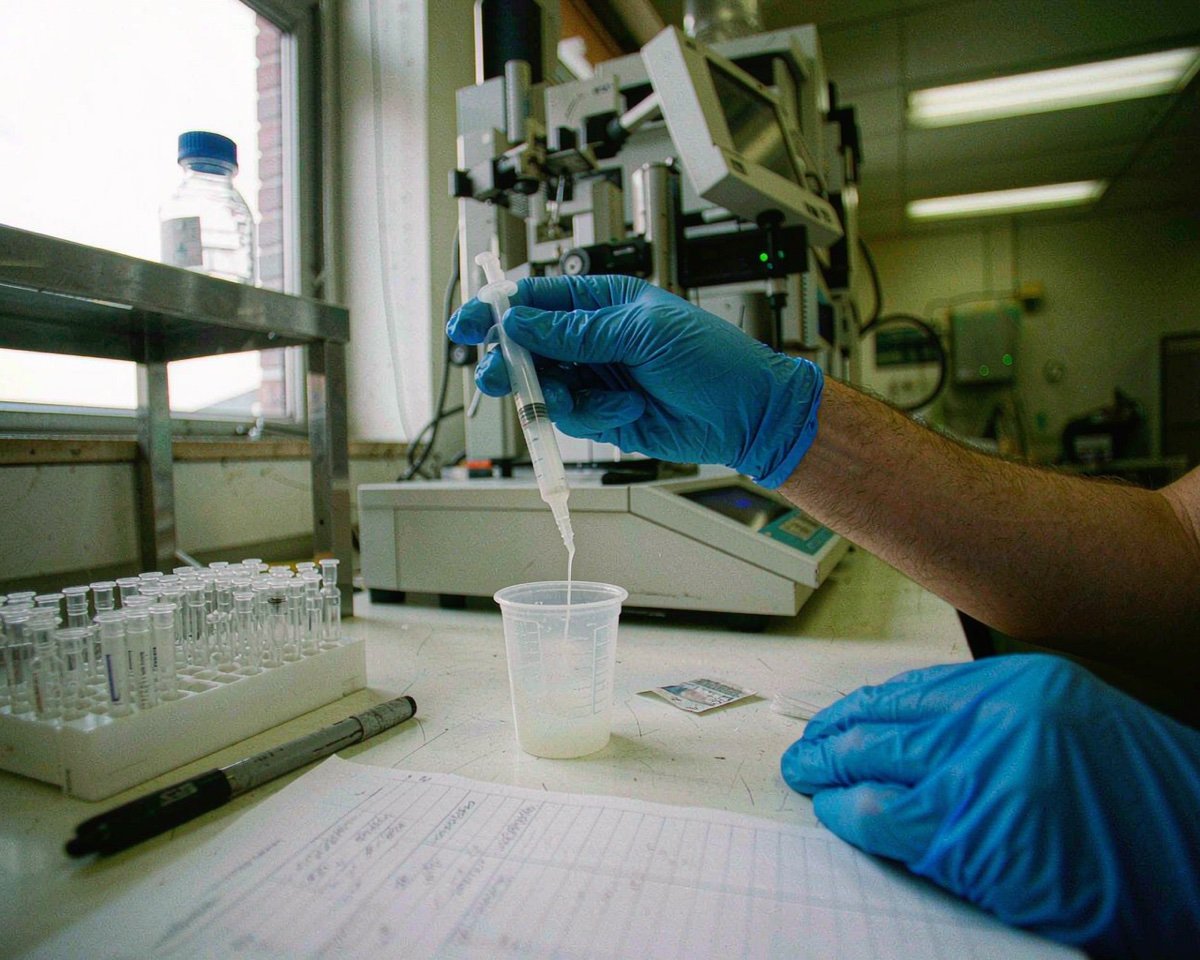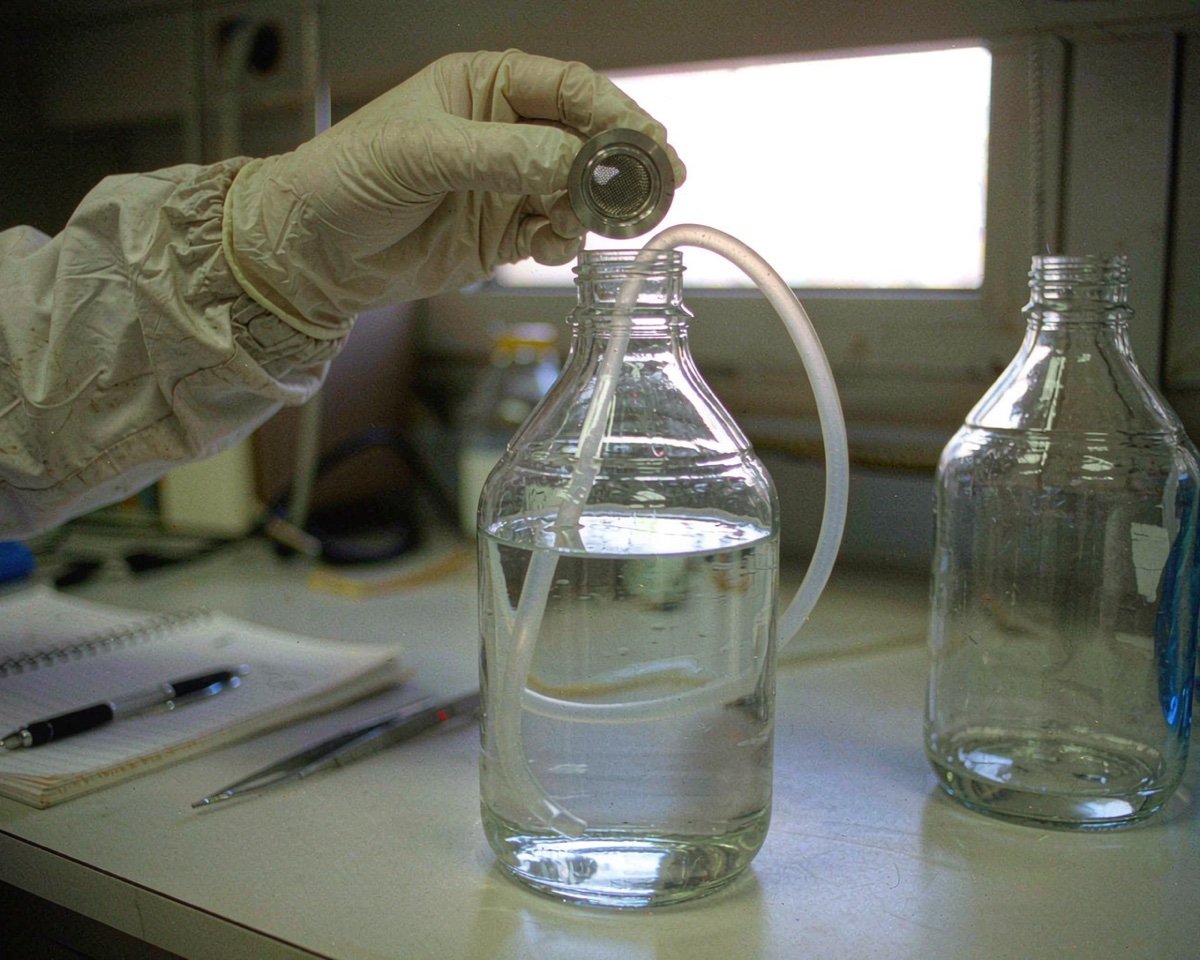
Do Cap Liner Materials Matter for Solvent Compatibility?
Cap liner chemistry decides whether your solvent stays clean. PTFE, silicone, and rubber behave very differently. Here’s how to match liner to solvent.

Cap liner chemistry decides whether your solvent stays clean. PTFE, silicone, and rubber behave very differently. Here’s how to match liner to solvent.

Low analyte recovery often traces back to the vial: glass adsorption, liner chemistry, evaporation, or leachables. Here’s how to isolate the culprit.
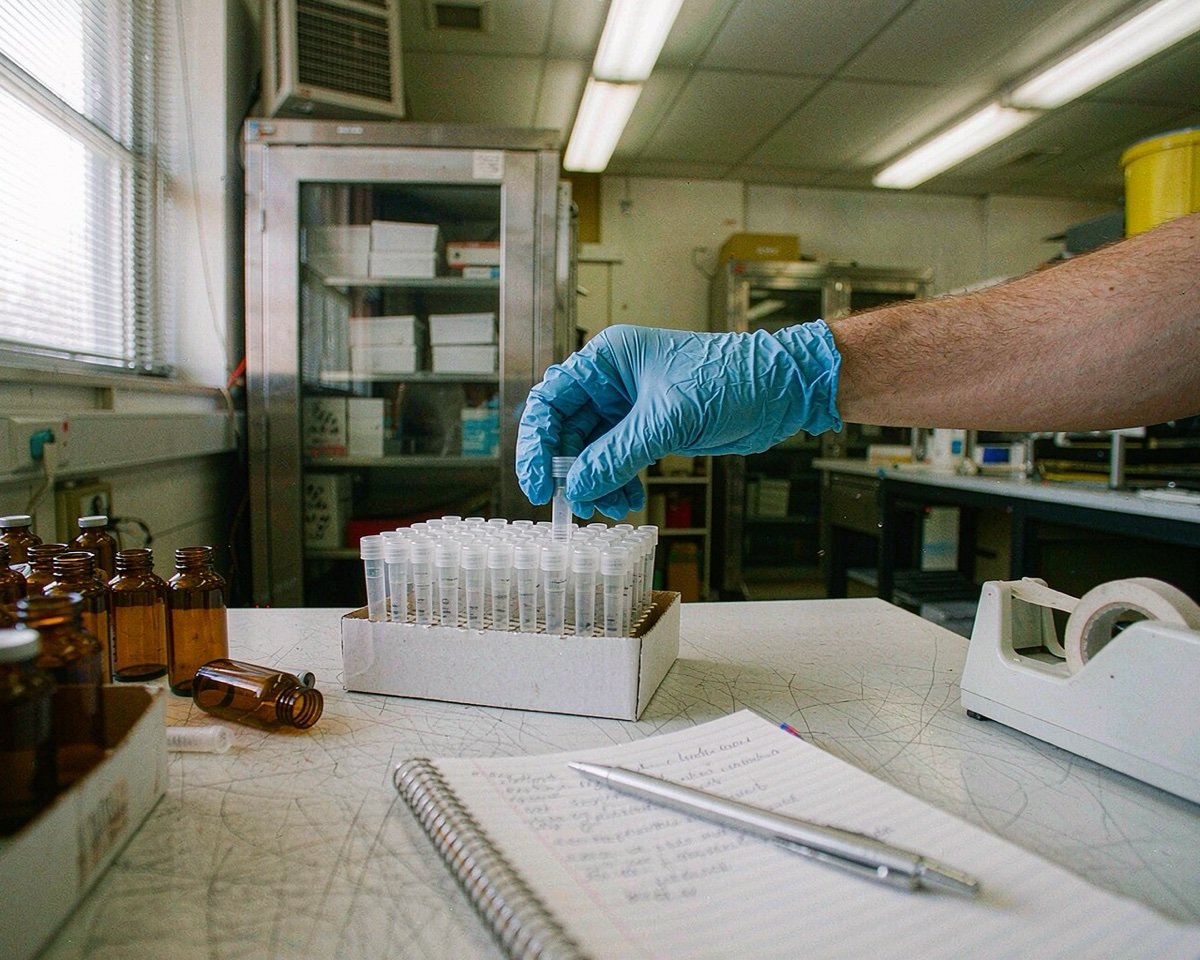
Storage vials and analysis vials look similar but differ in glass, closure, and certification. Can one vial do both jobs? Here’s an honest answer.
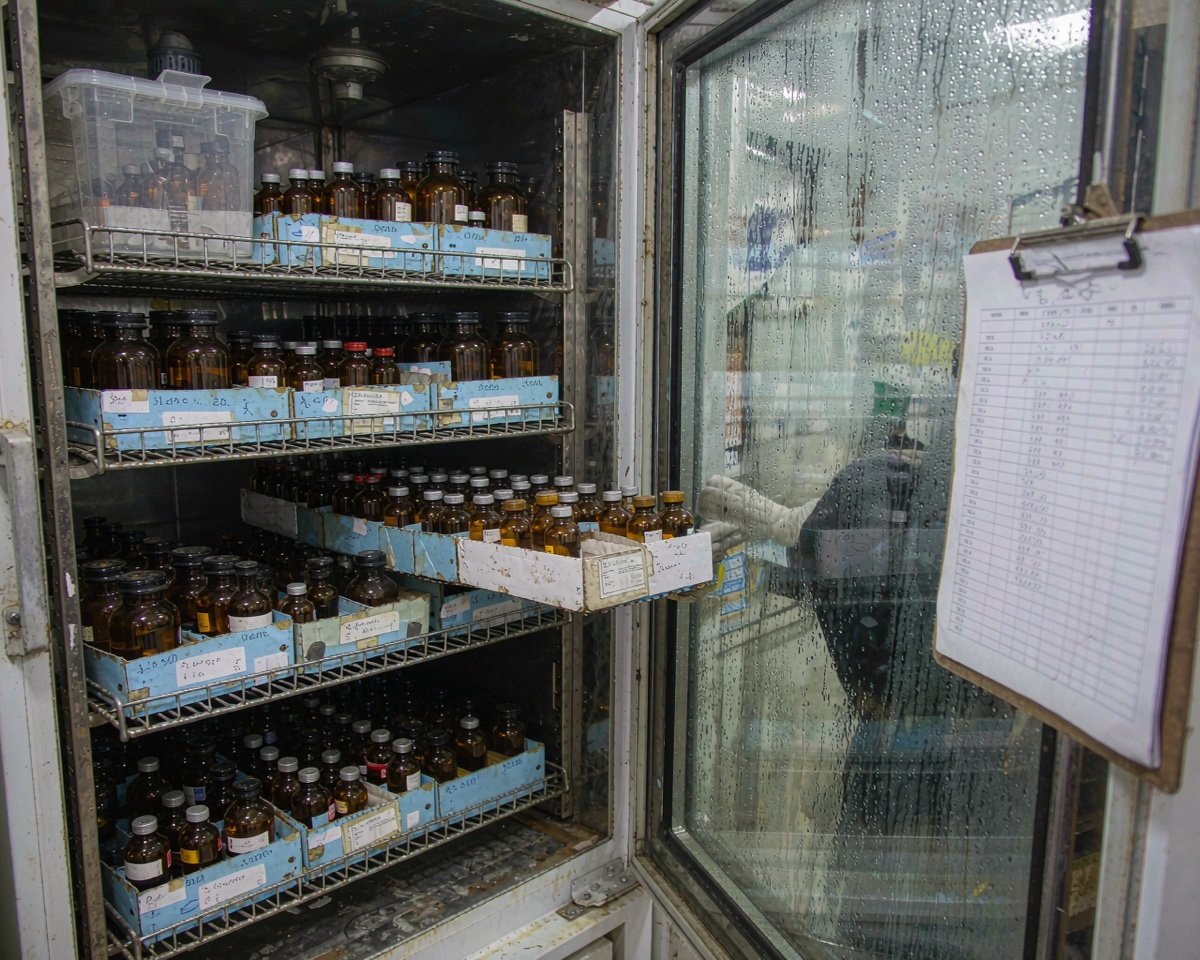
Dissolution, stability, and extraction baths all need the right vials and caps. What stability testing consumes, from amber vials to low-evaporation seals.

Cloudy filtrate usually means the wrong membrane, an overloaded filter, or precipitating analytes. A practical troubleshooting guide.
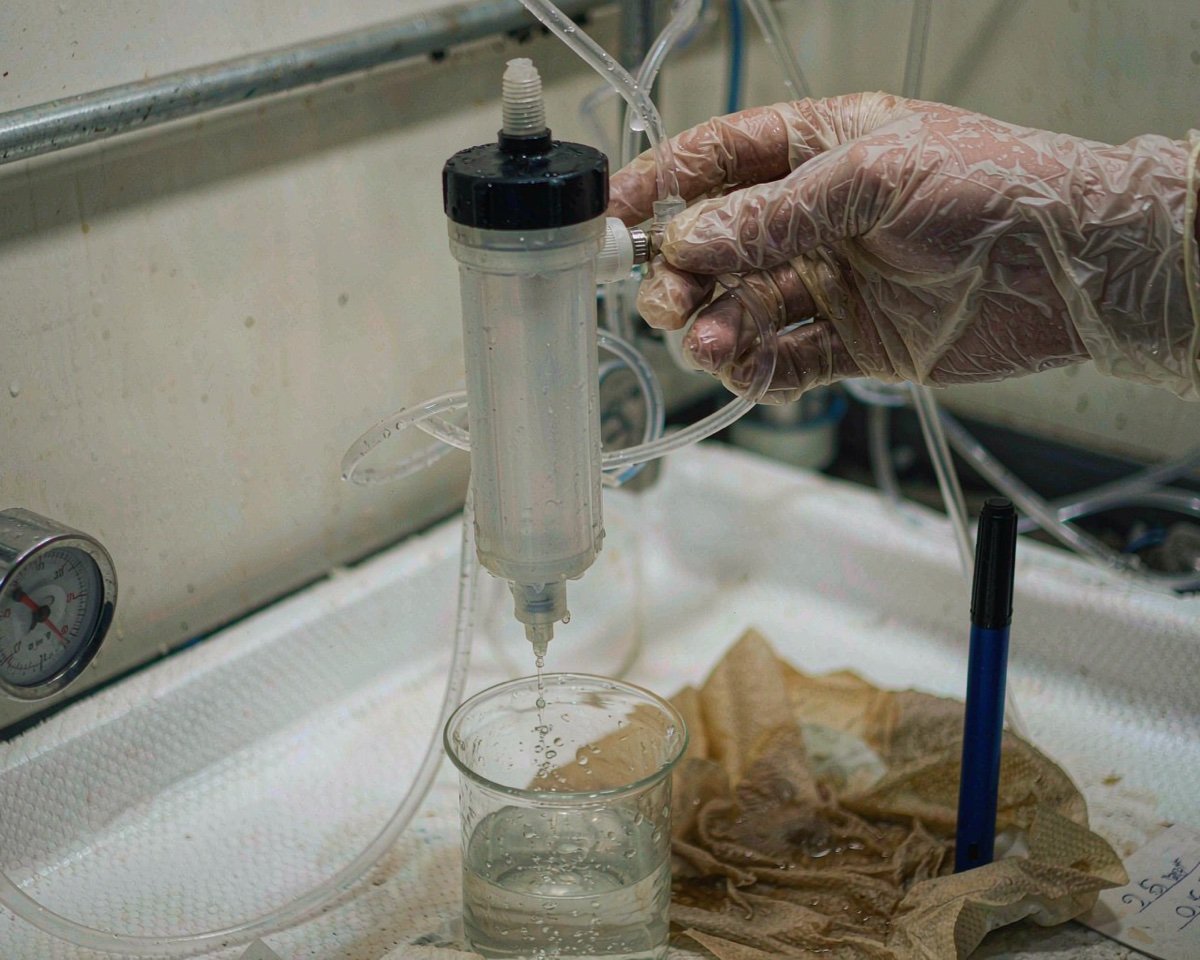
The bubble point test proves a filter membrane is intact and properly rated. Here’s what it measures, how it’s run, and why buyers should care about it.