
If you have ever stared at a chromatogram wishing your trace-level peak was just a little taller, large volume injection might be the most practical lever you have not pulled yet. Instead of injecting the standard 5 or 10 µL, you push 10 to 100 times more sample onto the column. More analyte means more signal, and you did not have to buy a new detector to get it.
Large volume injection (LVI) means loading 100 µL to 1 mL onto your column instead of the standard 2 to 20 µL. More analyte reaches the detector, so trace compounds become measurable without extra concentration steps.
Read on, because the technique only works if your consumables and method settings cooperate.
Why Labs Use Large Volume Injection
Sensitivity is the whole game here. When your analyte sits near the detection limit, you have two options: concentrate the sample upfront, or put more of it on the column at once. SPE and evaporation steps work, but they add time, cost, analyte loss, and more chances for error.
LVI skips much of that. A water lab monitoring hormones at ng/L levels can inject 1 mL directly and let the instrument do the concentrating. Shimadzu published exactly this approach, using large volume injection with triple quad MS detection to skip SPE cleanup entirely for trace hormones in drinking water in this application note.
The other big driver is cost. A more sensitive detector, or a newer MS system, is a five-figure purchase. A 500 µL injection loop or a pack of large-volume inserts is not. I watched a trace-level method finally hit its LOQ after the lab switched to 500 µL injections, and the total spend was a new sample loop and a re-validated filtration step. The math depends on your column dimensions, so it pays to work that out before you scale anything up.
The Catch: Solvent Mismatch and Peak Broadening
Now for the honest part. You cannot just crank the injection volume knob and call it a day.
Every injection deposits a plug of sample solvent at the head of the column. At 10 µL, that plug is a minor disruption. At 500 µL, it is a slug of solvent strong enough to carry your analytes deep into the column before they have had a chance to focus. If your sample solvent is stronger than the initial mobile phase, say pure acetonitrile going into a 5% acetonitrile gradient, early peaks front, broaden, or split.
Restek covers this well in their LC troubleshooting content on injection optimization, where the rule of thumb is keeping injection volume between roughly 1 and 5% of column volume unless you actively manage the solvent mismatch in this LC troubleshooting guide. On a 2.1 × 50 mm column, that 5% figure works out to under 10 µL, which tells you how far outside normal territory even a 100 µL injection sits.
So how does LVI avoid ruining the chromatography? Through band focusing. In gradient reversed-phase methods, analytes dissolved in a weak aqueous solvent pile up at the column head and refocus before elution. In GC, PTV inlets do the equivalent by venting solvent while trapping analytes. Agilent’s LC documentation describes manual injectors configured for large injection volumes, up to 5 mL with the right hardware, for exactly these applications in their LC injection documentation. Shimadzu’s preparative scaling notes also walk through matching injector and loop capacity to the volume you want in their preparative LC guide.
Which Consumables Support Large Volume Injection
This is where the technique succeeds or fails on the bench. LVI stresses every part of the sample path harder than a normal injection does, and the consumables below decide which way it goes.
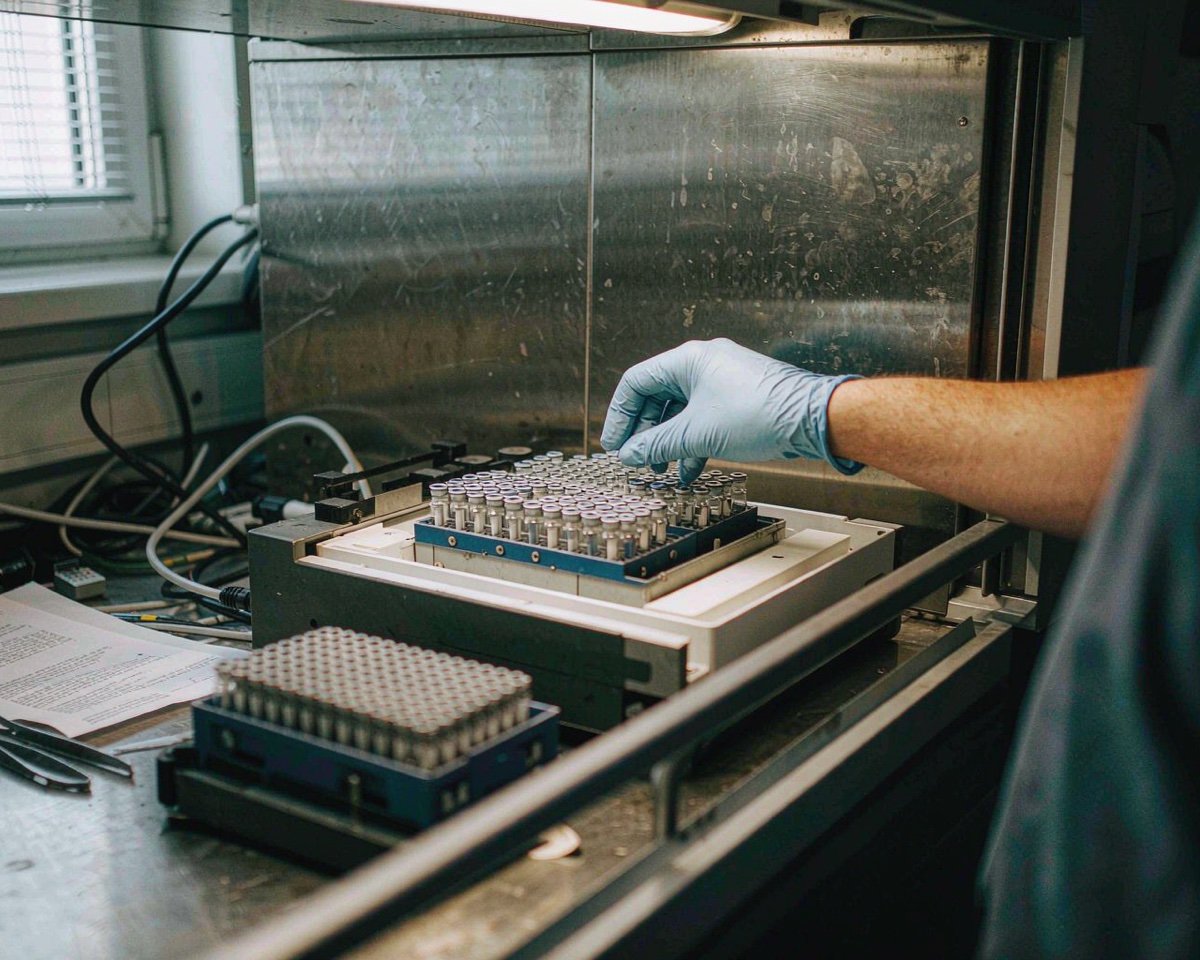
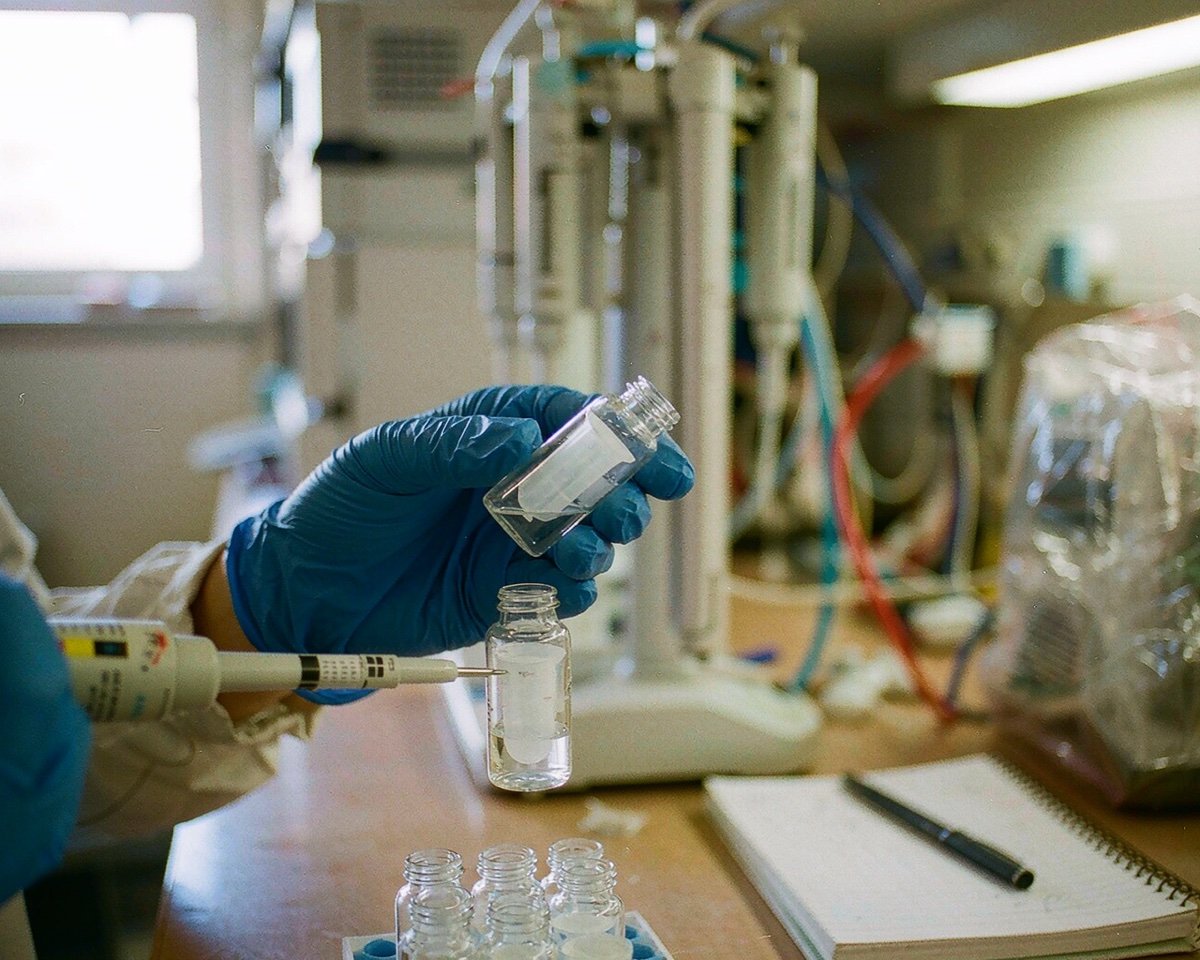
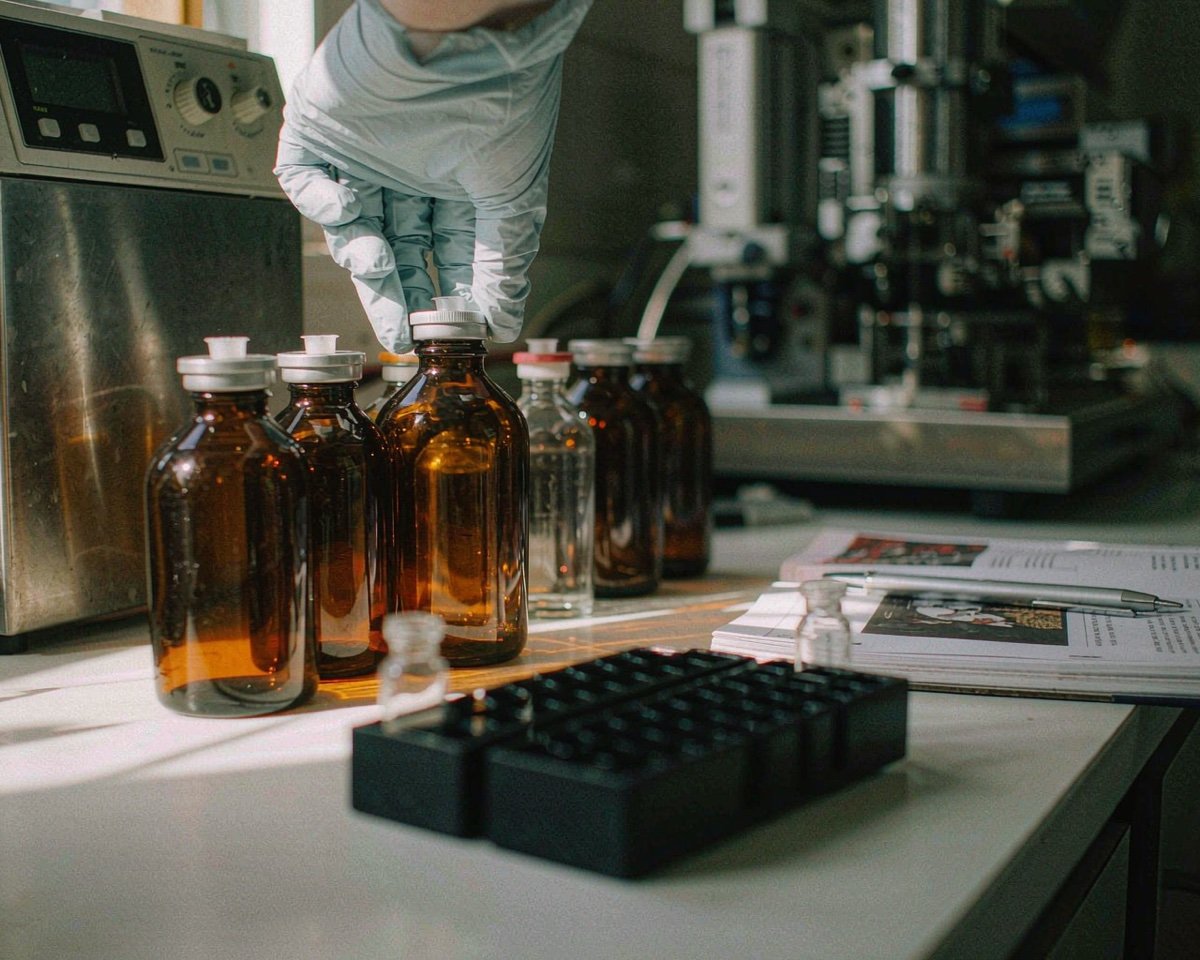
• Large-volume inserts. A standard 250 µL insert holds maybe 200 µL with usable volume far less. For LVI you need inserts rated for 500 µL to 1 mL, or you fill a standard insert five times, which nobody enjoys. Check that the insert geometry fits your vial and that your needle can actually reach the bottom at that volume.
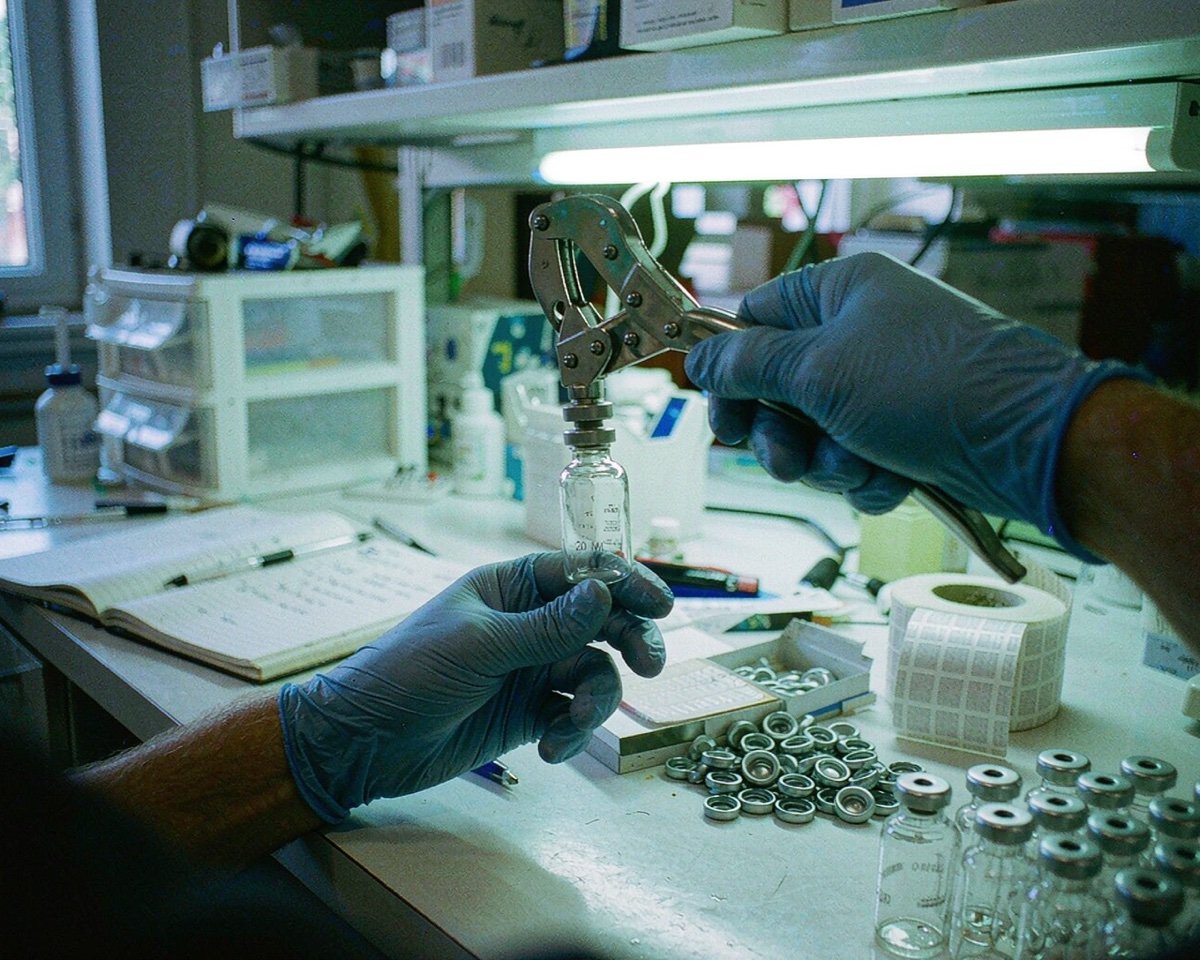
• 2 mL vials with low residual volume. When you are injecting large volumes, dead volume in the vial corner wastes sample you paid to prepare. Low-residual vials and conical bottoms let the needle sip closer to the last drop. Our vial insert guide covers the geometry details.
• Wide-bore and large-volume autosampler vials. Some autosamplers support 10 mL vials or wide-bore formats for big injections, common in prep and in direct water analysis. The consumable question is needle reach and vial height tolerance for your specific tray.
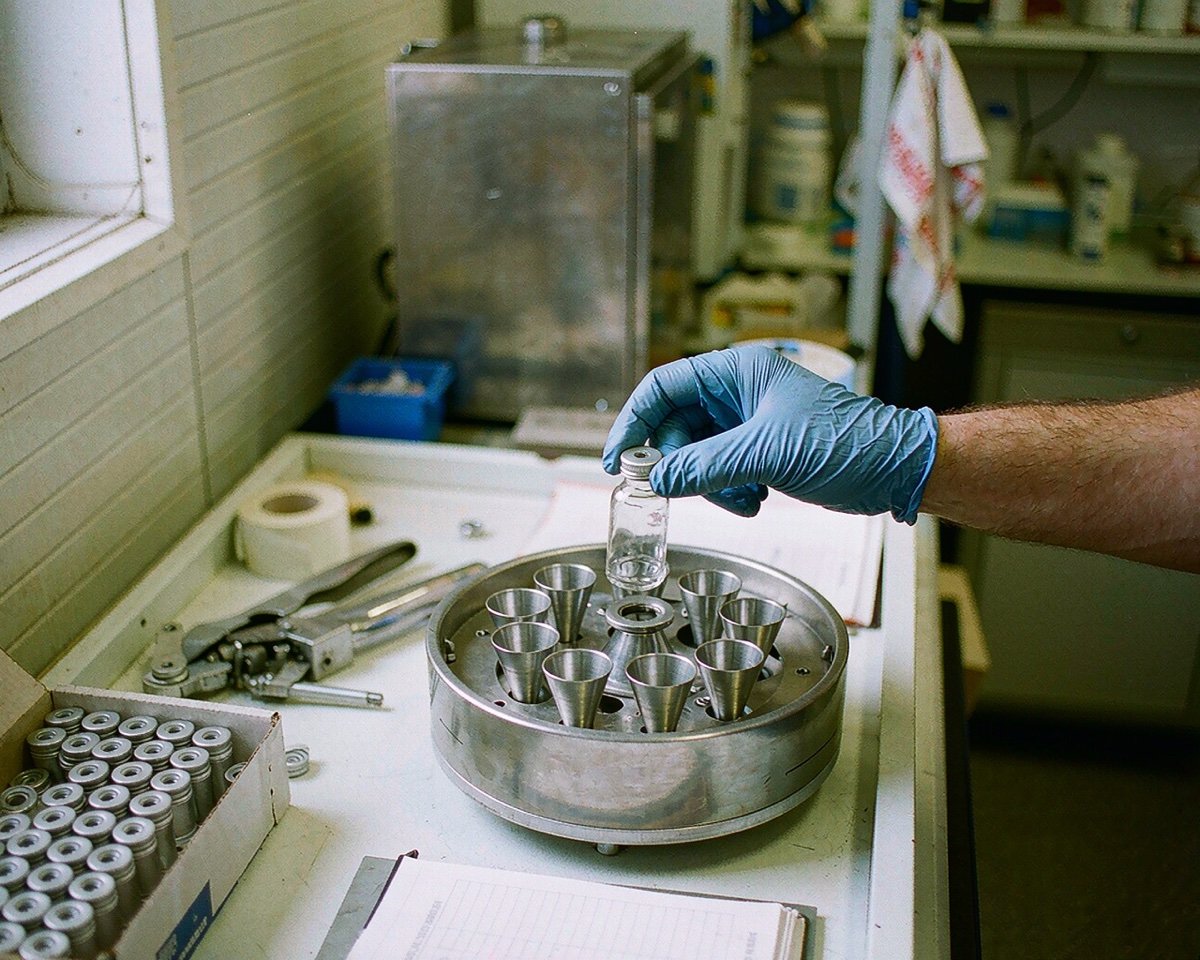
• Solvent-compatible septa. Bigger injections mean more needle punctures per vial in some workflows, and the vial contents are often aggressive solvents. PTFE/silicone laminated septa handle repeated punctures without coring or leaching into the sample. If your septa are shedding particles into a 1 mL injection, every contaminant lands on the column.
• High-capacity syringe filters. Filtering 1 mL through a 13 mm 0.22 µm filter is fine. Filtering 5 mL through the same filter means clogging halfway through, hold-up volume eating your recovery, or worse, breakthrough of unfiltered particulate. Larger 25 or 30 mm filters, or low hold-up designs, keep the volume you filtered usable. Our syringe filter hold-up volume guide explains how to keep more of what you filter. And if you are wondering whether filtering before a big injection is really necessary, see why you should filter your samples before injection. It matters more, not less, at these volumes.
• PTV and large-volume inlets. For GC work, programmable temperature vaporizing (PTV) inlets are the standard route to LVI. The inlet holds a cool temperature, vents the solvent, then ramps up to transfer focused analytes to the column. The consumables that matter here are inlet liners with enough capacity, often baffled or wool-packed, plus inlet seals rated for repeated thermal cycling.
Practical Tips for Making LVI Work
Match your solvent to the starting mobile phase. This is the single biggest lever. Dissolve or dilute your sample in the weak solvent, or in starting mobile phase itself, so the large plug focuses at the column head instead of sweeping analytes forward. If the sample will not dissolve, use a two-step approach: load a small strong-solvent slug, then follow with weak solvent, or use an at-column dilution mixing setup.
Use initial temperature focusing where you can. Starting a gradient well below your analytes’ elution strength, or starting a PTV inlet cool, lets the large solvent band pass while the analytes stack up. The focusing effect is why LVI works at all in gradient LC.
Control injection speed. Fast injections dump the whole solvent plug in at once. Slow or segmented injections, where the autosampler metered the load in portions, gave the column time to handle each slug. Modern autosamplers support injection rate settings or multiple draw cycles. I have seen a 250 µL injection go from a fronting mess to a clean peak just by dropping the injection rate, with no other change.
Validate the consumables as part of the method. Switching to LVI changes contact time between sample and every surface it touches. Run recovery checks with your actual vials, inserts, and filters, not just the standard in mobile phase.
A Quick Word on Buying
You do not need exotic parts for most LVI work. You need the right ratings. Large-volume inserts, low-residual vials, quality PTFE/silicone septa, and appropriately sized filters, sourced consistently so lot-to-lot drift does not sneak into a method that is already running near its limits.
Two buying mistakes I see often. Labs buy big inserts but standard caps, then wonder about evaporation losses during a 40-hour sequence. Or they order the cheapest available filter for 5 mL filtrations and spend the savings on repeat runs. Spec the parts for the actual volume you are moving, and the technique pays for itself quickly.
Conclusion
Large volume injection is one of the cheapest sensitivity upgrades in chromatography. By loading 100 µL to 1 mL instead of a few microliters, you put more analyte in front of the detector and push your LOQ down, often without buying any new hardware. The technique demands respect though: solvent mismatch will wreck your peak shapes, so dilute into a weak solvent, lean on gradient focusing, and slow the injection rate down. Just as important, your consumables need to keep up. Large-volume inserts, low-residual vials, compatible septa, and the right filter size all decide whether that big injection delivers signal or problems. If you are planning a change, start by checking your current settings against a proper HPLC injection volume guide, then confirm your filtration step is not eating your gains. Small changes, tested deliberately, beat big leaps every time.
Frequently Asked Questions
How much can you inject in HPLC?
A standard analytical injection runs 2 to 20 µL, and a safe rule of thumb keeps it under 5% of your column volume unless you manage the solvent mismatch. With band focusing, weak sample solvents, and suitable hardware, large volume injection of 100 µL to 1 mL is routine, and preparative systems handle multiple milliliters.
Does large volume injection damage peaks?
It can, if you ignore solvent strength. A large slug of strong solvent causes fronting, broadening, or split peaks. Dissolving the sample in the starting mobile phase, using gradient focusing, and slowing the injection rate let you inject large volumes with peaks nearly as sharp as a standard injection.
Do I need a special autosampler for large volume injection?
Often no. Many autosamplers accept larger loops, support multiple draw cycles, or offer programmable injection rates that make LVI possible on existing hardware. Check your maximum loop volume and needle stroke, and for volumes above a few hundred microliters confirm your vial format can hold the load.
What vial works best for large volume injection?
A low-residual 2 mL vial with a conical insert works well for injections up to roughly 500 µL, while dedicated large-volume or wide-bore vials suit bigger loads. The key specs are usable volume at needle-reach depth, low adsorption glass, and a septa that survives repeated punctures without coring.