
# What Is a Septum Punch and When Do You Use One?
I have spent more time around vials and caps than I ever expected to, and the septum punch is one of those tools that splits the lab world in two. If you run an HPLC queue all day, you will probably never touch one. If you synthesize compounds and rig your own glassware, it lives in your top drawer.
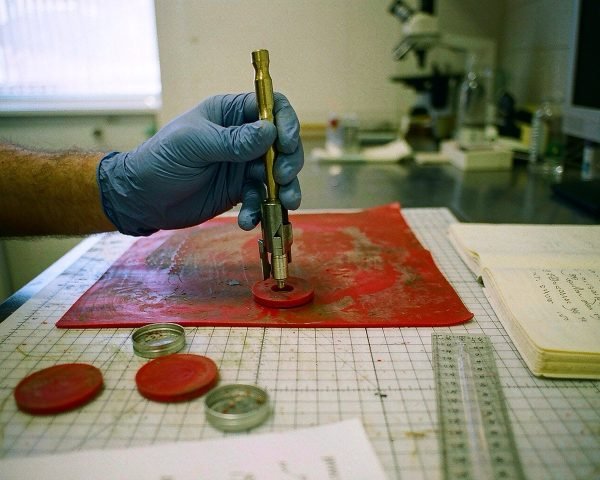
A septum punch is a hand tool that cuts clean, round holes in septa, rubber, PTFE sheet, or silicone matting, like a tiny cookie cutter on a plunger. Labs use it for custom septa in non-standard caps, degassing bottles, gas-tight jars, and vent holes when nothing off the shelf fits.
Want the honest version, including when punching your own septa is a waste of a good afternoon? Keep reading.
A Septum Punch in Plain Terms
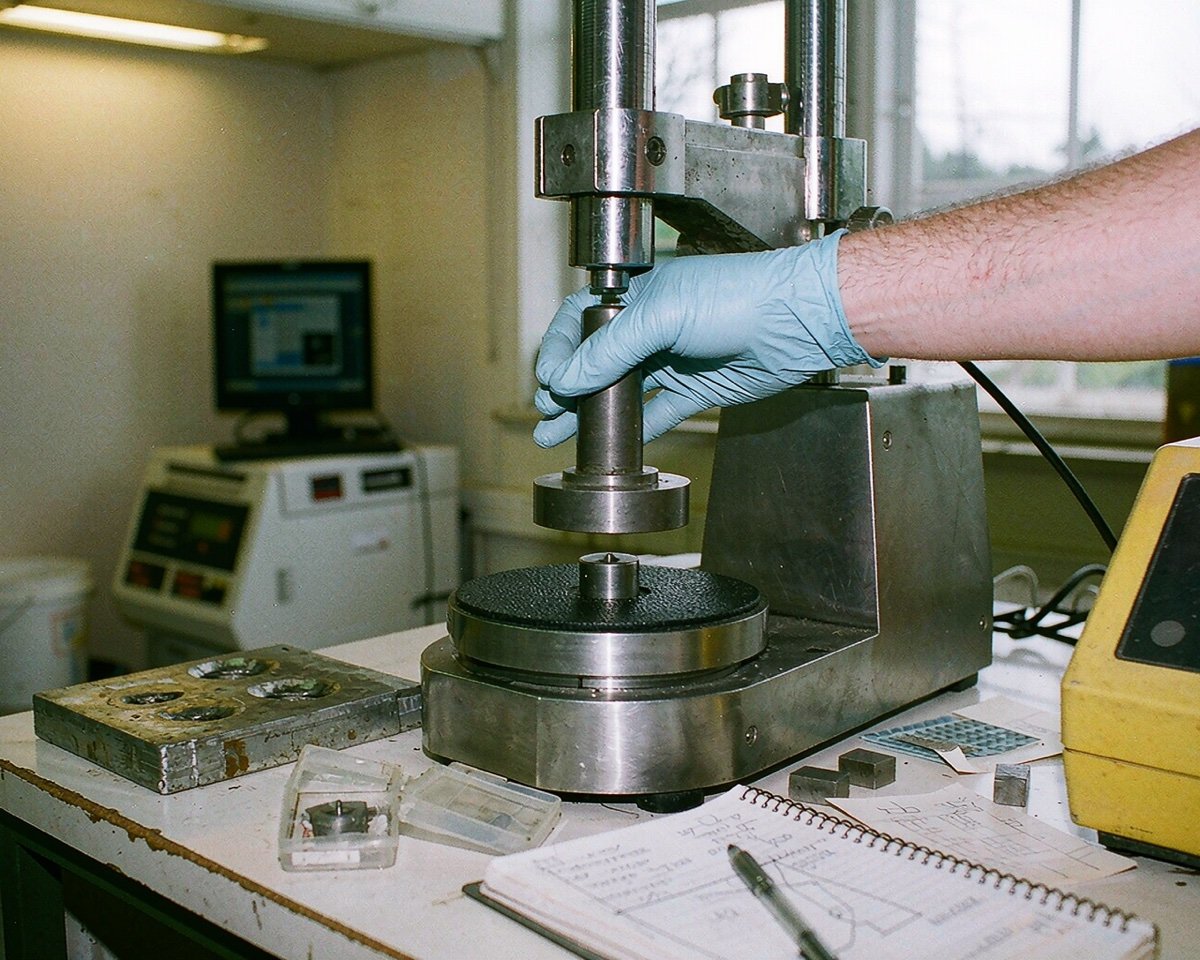
Picture a sharpened metal tube, usually stainless steel, mounted in a plastic or knurled metal handle. You press it through a sheet of septum material on a cutting board, and it shears out a perfect disc of rubber, leaving a clean hole in the sheet and a small plug stuck inside the tube. A plunger or a thin rod pushes the plug out. That is the whole tool. No electricity, no consumables, and a learning curve that fits in a sentence: press down hard and twist.
The hole it leaves is the point. A hole cut with scissors or a scalpel has ragged edges, and ragged edges tear, leak, and shed rubber particles into your sample. A punched hole has a smooth, compressed edge that seals tightly around a needle or a tube. That difference sounds trivial until you pull vacuum on a jar and hear the faint hiss that means your afternoon is gone.
Most punches are sold individually or in sets, and a decent one costs less than a nice lab notebook. Cheap ones from general tool suppliers exist, but the steel tends to dull fast, and I will explain later why a dull punch is worse than no punch at all.
Sizes and Edge Styles
Septum punches usually run from 5 mm to 12 mm in cutting diameter, which covers almost everything a bench chemist needs. An 8 mm punch is the one I would buy first, because it happens to match the vent hole in a standard GL45 cap septum, and an 8 mm hole in a GL45 cap septum is exactly what you need when you turn a media bottle into a sparging or degassing vessel. A 5 mm or 6 mm punch suits small injector septa, while 10 to 12 mm handles wide gas lines and larger fittings.
Edge style matters more than most listings admit. A straight-edge punch cuts square through thin PTFE sheet and works fine for occasional jobs. A bevel-edge punch, where the cutting face is ground at an angle, slices through thicker silicone and butyl rubber with far less force and leaves a cleaner edge. If you punch more than a few septa a month, my opinion is simple: buy the bevel edge and skip the argument.
One more spec worth checking is whether the handle accepts a replaceable cutting tube. On some sets the whole punch is disposable once it dulls, which is fine, as long as you know that before you buy.
When Labs Actually Use One
This is where I have to be fair to both camps. Chromatography labs buy septa pre-cut and pre-slit in factory caps, so a punch looks like a relic. Synthesis labs are a different story. Here is where the tool earns its drawer space.
Custom caps for non-standard vessels top the list. Schlenk lines, gas-tight jars for air-sensitive work, degassing bottles, and home-built reservoirs all need septa, and their threads and cap diameters rarely match anything in a catalog. You buy a sheet of PTFE/silicone material, punch the hole size you need, and cut the outer diameter with scissors. Thirty seconds per septum.
Replacement septa for odd-sized caps is the same story in reverse. An old round-bottom flask with a ground joint, a vintage pressure vessel, a bespoke reactor from a retired professor: nobody sells caps for these anymore, but a sheet of septum rubber plus a punch makes the problem disappear.
Vent holes are another common job. A bottle that needs to bubble nitrogen through its headspace, or a catch flask on a vacuum manifold, needs a septum with a small hole for a needle or Luer stub. Punching a clean 5 mm hole beats drilling, which grabs and tears rubber.
Older GC instruments round it out. Autosampler septa for discontinued inlets can be hard to source, and some labs punch their own from sheet material as a stopgap. If you go this route for anything analytical, read the manufacturer guidance on septa choice first, because injector septa materials are graded for bleed and temperature. The Restek GC inlet maintenance guide is a good reference on matching septa to inlets, and the Restek notes on preventing GC septum problems cover what happens when the wrong material ends up in a hot inlet.
I once spent two days in a synthesis lab rigging a degassing setup for an oxygen-sensitive catalyst, and the whole thing worked only after someone produced an 8 mm punch and a sheet of silicone/PTFE from the back of a drawer. The lesson stuck: the punch itself is trivial, but not having one can stall a project.
When You Should Not Use One
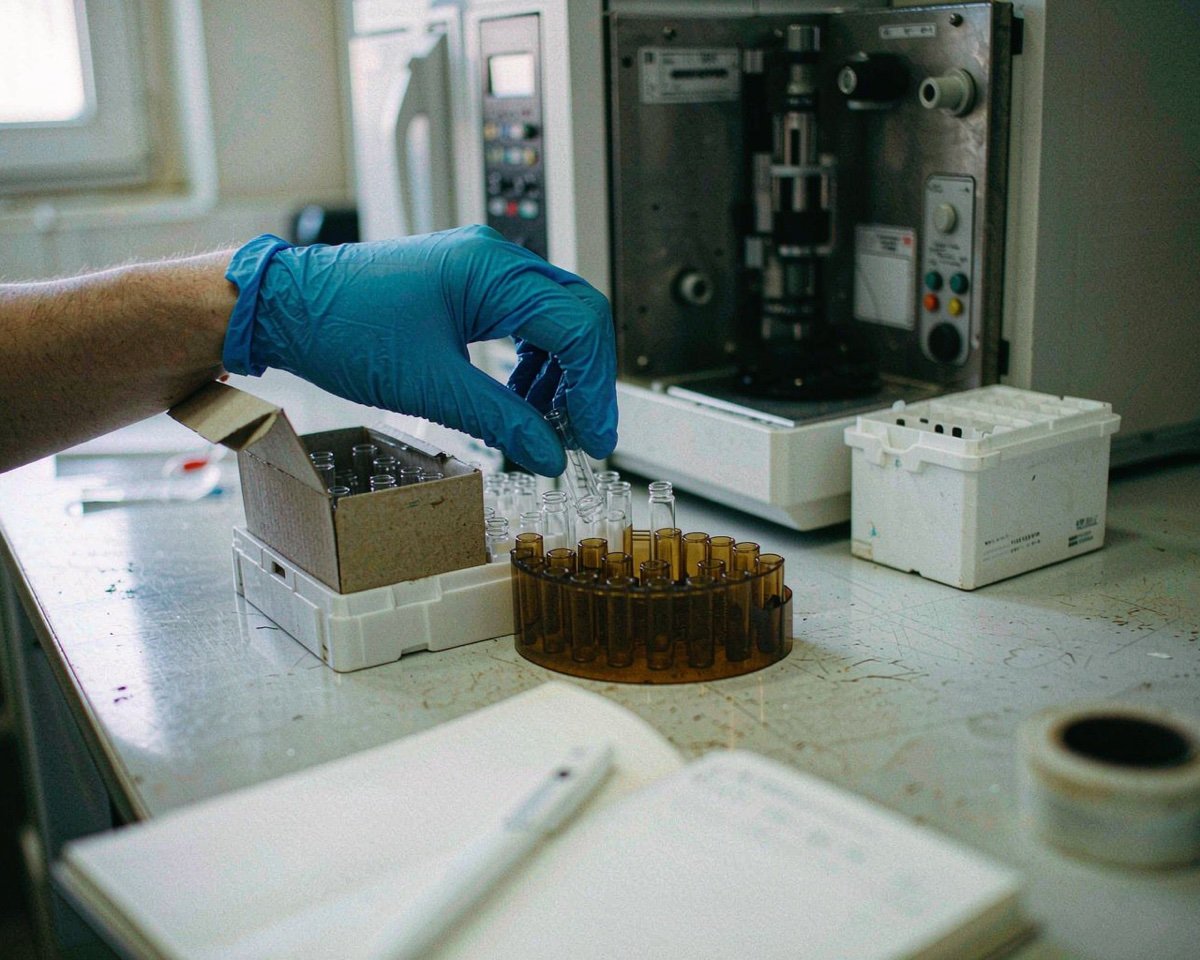
Honesty time. If your samples go into standard 2 mL autosampler vials, put the punch down. Ready-made caps cost cents, and they are die-cut and seated by people who do it millions of times a day. Punched septa in standard caps save almost nothing and introduce real risk.
The risk is quantitation. A hand-punched hole may sit slightly off-center or leave a ragged, tapered edge, and either flaw shows up as variable needle penetration or a poor reseal. For quantitative HPLC or GC work, where a repeated injection through the same septum has to behave identically, that variability can quietly inflate your RSDs. The material guides from major vendors exist for a reason; the Thermo Scientific septa selection guide lays out how materials differ in resealability and solvent resistance, and none of that engineering survives a sloppy edge.
There is also a cleanliness argument. Punched septa shed particles at the cut edge, and particles in a vial cap or an inlet liner mean ghost peaks and troubleshooting sessions. The molded low-bleed septa from Sigma-Aldrich show what molded tolerances look like, and they cost little enough that punching your own for routine runs makes no economic sense. My rule: punch for custom hardware, buy for anything that enters an autosampler.
Practical Tips for Cleaner Holes
Rotate the punch as you press. A quarter turn while pushing down shears the material instead of tearing it, and it is the single biggest upgrade to hole quality. Push through onto a proper cutting board or self-healing mat, not the benchtop, because a hard surface rolls the edge and kills the blade.
Dull punch symptoms are easy to spot. You need noticeably more force, the plug tears instead of shearing, and the hole edge looks white or fuzzy instead of glossy. That is your cue to replace or resharpen. Forcing a dull punch through silicone gives you a ragged hole and, eventually, a slipped punch and a cut thumb. Ask me how I know.
Keep one punch for septa and never use it on cork, cardboard, or gasket sheet. Contaminants transferred from other materials end up exactly where your sample goes. And handle finished septa with forceps or gloves; skin oils on a septum that later sees 300 °C is a recipe for background noise, as any GC troubleshooting guide will tell you.
Buying Considerations
Sets covering 5 to 12 mm cost more than a single punch but cover future odd jobs, and in my experience the odd jobs always come. Stainless steel bodies resist the solvents that splash around a synthesis bench. Look for a knurled grip, since a wet or gloved hand on a smooth handle is how punches go skittering under fume hoods.
Buy septum sheet material from a chromatography supplier rather than a generic rubber vendor. Sheet sold for vial closures is specified for thickness, purity, and extractables, which matters if anything you punch later contacts a sample. Pair the sheet with the right chemistry for your solvents, and the PTFE vs silicone vs PTFE/silicone septa guide is the fastest way to pick. A punch plus a sheet of material costs less than a single box of most certified caps, so the economics are rarely the blocker.
Conclusion
A septum punch is a simple tool with a narrow job: cutting clean, sealable holes in septum material for hardware that no factory cap fits. Synthesis and instrument-tinkering labs reach for theirs weekly, whether they are converting a media bottle into a degassing vessel or reviving an old GC inlet. Chromatography labs running standard vials should not bother, because certified caps are cheaper than the risk they replace. If your work sits closer to the bench glass than the autosampler queue, buy a bevel-edge punch around 8 mm with a cutting mat beside it, and replace it the day the plugs start tearing. And when a job does involve standard vials after all, make life easier by choosing the right closure from the start with the crimp vs screw vs snap cap comparison and by keeping an eye on wear with the septa replacement schedule guide. The right tool, used for the right job, is the whole trick.
Frequently Asked Questions
What sizes does a septum punch come in?
Most punches run from 5 mm to 12 mm in cutting diameter, sold singly or in sets. An 8 mm punch is the most versatile single size for bench work, since it matches common vent holes in GL45-style bottle caps.
Can I use a septum punch on PTFE sheet?
Yes, and thin PTFE sheet is one of the easiest materials to punch cleanly. Use a sharp bevel-edge punch on a cutting mat and rotate it as you press, with a firm surface underneath so the sheet does not stretch or tear.
Can punched septa be used for quantitative HPLC or GC analysis?
I would not recommend it. Certified caps cost cents and give repeatable needle penetration, while hand-punched edges vary enough to affect resealing and injection precision. Punch for custom hardware, and buy certified caps for anything that enters an autosampler.
How do I know my septum punch is dull?
The tell is force: a dull punch needs a hard push and tears the plug out instead of shearing it. When the cut edge looks fuzzy rather than glossy, it is time to replace or resharpen.
What material should I punch my own septa from?
Use chromatography-grade septum sheet, usually PTFE/silicone or silicone/butyl, bought from a lab supplier rather than a general rubber vendor. That way the thickness and purity are specified for sample contact, and you can match the chemistry to your solvents.