
You’ve got the samples, the method, and the instrument — and then you hit a surprisingly stubborn question at the bench: crimp, screw, or snap top vials? It doesn’t sound like a decision that should matter much, but the closure is the only thing standing between your sample and the outside world.
The short answer is that screw top vials are the best default for most HPLC and LC-MS work, crimp top vials win when you need the most airtight seal (GC, headspace, volatile compounds), and snap top vials make sense only for fast, low-risk workflows. Each closure trades sealing security against convenience, and your instrument and sample type decide which side of that trade you need.
Let me walk you through the real differences so you can pick the right one and stop second-guessing your vial drawer.
The Three Closures, Explained Simply
All three designs do the same job: squeeze a septum against the rim of the vial so the needle can pierce it without leaking or losing sample. They just achieve that squeeze differently.
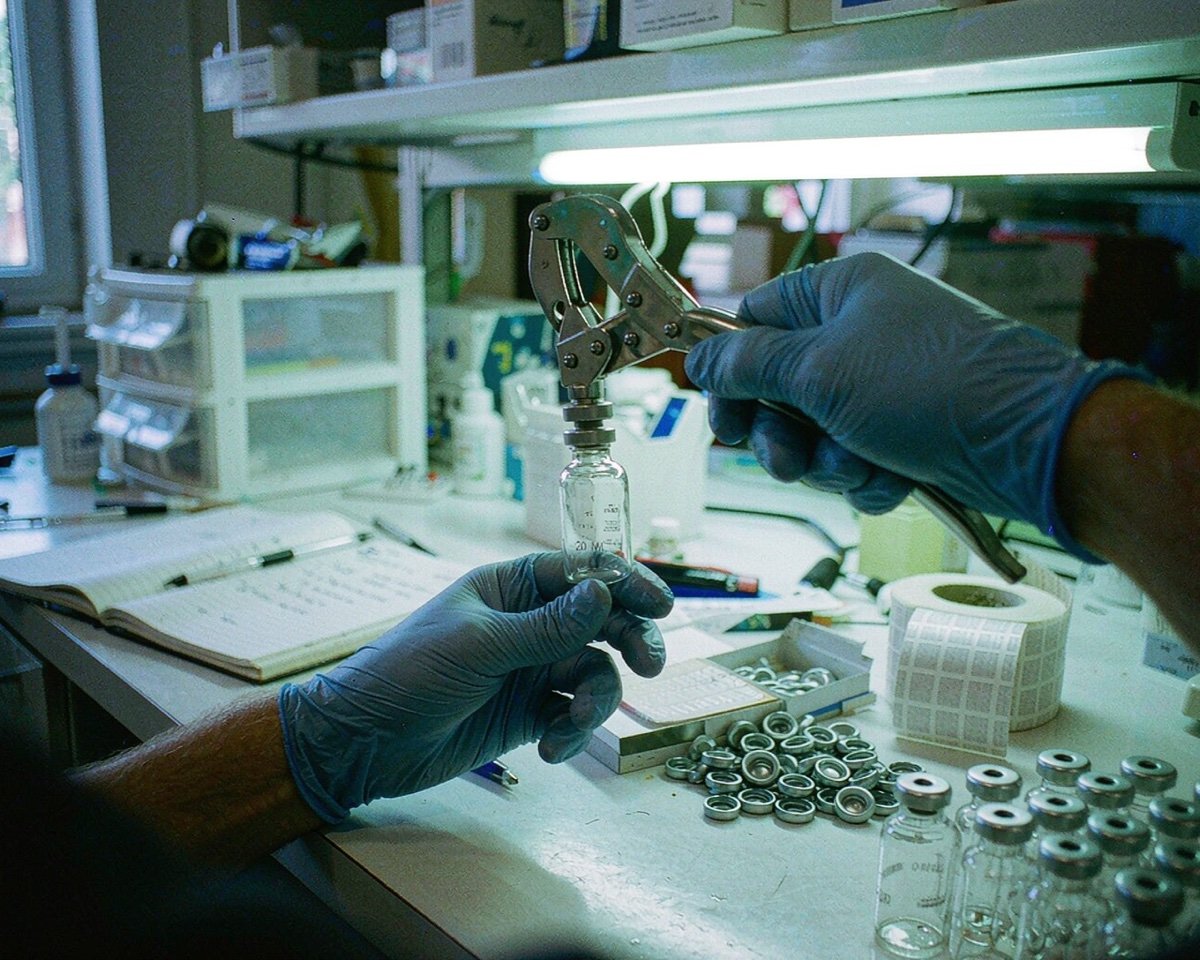
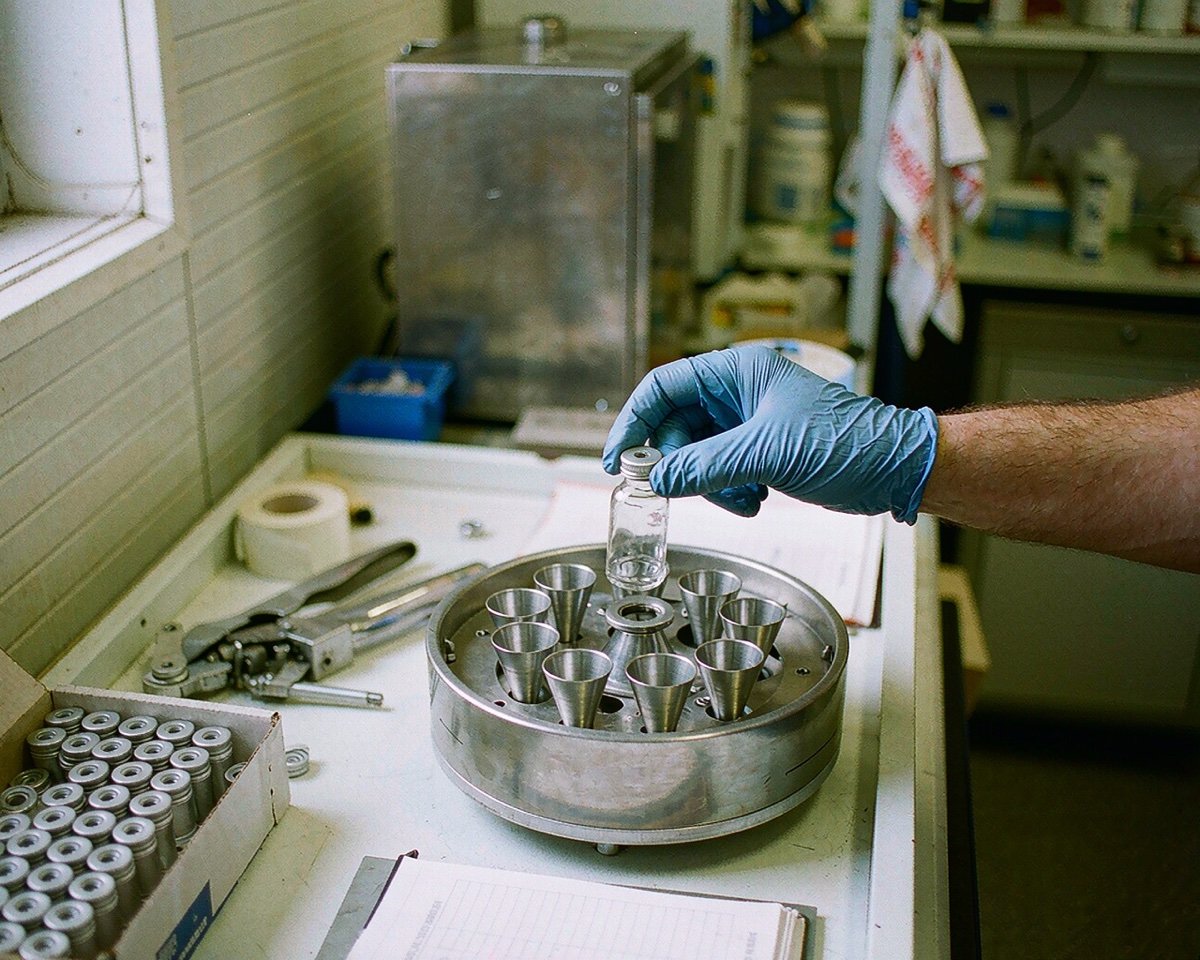
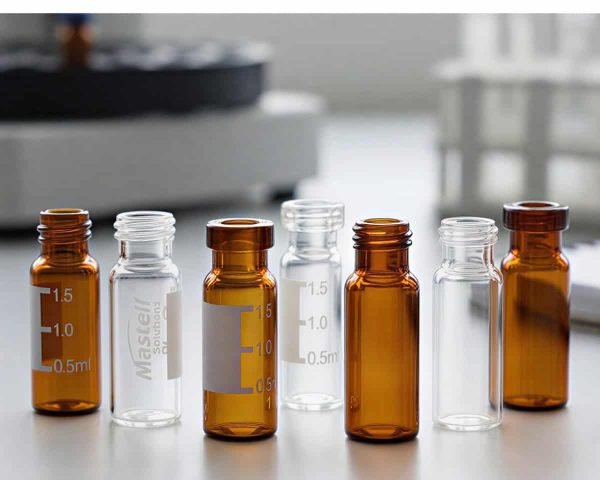
A crimp cap is a thin aluminum seal that a tool physically folds around the vial neck. A screw cap uses threads on the glass neck, so twisting the polypropylene cap pulls the septum down evenly. A snap cap is a plastic lid that you press onto a special snap-ring vial until it clicks into place.
Instrument vendors test and list compatible vials and caps for their autosamplers, and Agilent’s own autosampler vials and closures catalog shows all three styles side by side with part numbers — a handy reality check that the choice is about matching your instrument, not brand loyalty.
Screw Top Vials: The Versatile Workhorse
Screw top vials are the most common choice in modern labs, and for good reason. The threaded closure gives you a strong, reproducible seal that’s easy to apply by hand — no tools, no training, no failed crimps at 4:50 on a Friday.
Here’s what makes them the default for HPLC:
- Reusable seal. You can unscrew a cap to add solvent, re-tighten it, and keep going. That’s why they suit standards, stock solutions, and any workflow where the vial gets opened more than once.
- Consistent needle path. A properly tightened cap holds the septum flat, so the autosampler needle meets the same resistance every injection.
- Universal compatibility. Most modern HPLC and LC-MS autosamplers are designed around 9mm screw-thread vials.
One caution: seal quality depends on torque. Over-tightening cups the septum and can damage it, while under-tightening invites evaporation. The 9-425 thread designation you’ll see on these vials describes a 9mm major diameter with 425 threads per inch, and MicroSolv’s 9-425 specification primer explains why matching that thread pitch between vial and cap matters for a leak-resistant seal.
Crimp Top Vials: Maximum Seal Integrity
Crimp top vials are the gold standard when evaporation is your biggest enemy. The aluminum seal is mechanically folded around the neck, which produces the most airtight closure of the three styles.
This is why crimp vials dominate GC and headspace work: volatile analytes need a seal that simply won’t leak, and regulated testing often favors the tamper-evident, chain-of-custody feel of a crimped closure. The Chrom Tech guide to choosing an autosampler vial closure recommends crimp closures specifically for GC, headspace, and any method where evaporation control is the priority.
The downsides are real, though:
- You need a crimping tool — manual for low volumes, electronic for consistency at scale.
- The seal is single-use. Opening a crimped vial destroys the seal, so you commit to the sample in that vial.
- Crimping skill matters. A loose crimp leaks; an over-crimped one can crack the glass.
If you’re new to crimping or your seals keep failing, my guide on how to perfect your HPLC crimping walks through the technique in detail.
Snap Top Vials: Speed Over Everything
Snap top vials are the fastest option in the family. You press the plastic cap onto a snap-ring vial, it clicks into place, done. No threads to align, no tool to fetch.
That speed makes them appealing for high-throughput labs where analysts seal hundreds of vials an hour. But the seal is the weakest of the three. The closure relies on the tension of a stretched plastic cap, so it’s more prone to evaporation over time and less predictable under a piercing needle.
Treat snap top vials as the right answer only when you’re handling stable, non-volatile samples that get analyzed the same day. For anything that waits, the KNAUER-run crimp vs. screw vs. snap comparison makes a clear case that screw and crimp closures outperform snap caps on sealing performance.
Head-to-Head: Which Should You Reach For?
| Factor | Screw Top | Crimp Top | Snap Top |
|---|---|---|---|
| Seal strength | Strong | Strongest | Moderate |
| Evaporation control | Good | Excellent | Limited |
| Tool required | None | Crimper | None |
| Resealable | Yes | No | No |
| Best for | HPLC, LC-MS, routine | GC, headspace, volatiles | Same-day, stable samples |
| Typical cost | Low | Low | Moderate |
If your lab mostly runs HPLC and LC-MS — the bread and butter of most testing labs — screw top is the pragmatic choice. If you run GC or headspace with volatile analytes, keep a stock of crimp vials and the proper crimper. And if you need to know how a vial’s closure interacts with its whole design, the complete guide to HPLC vial neck types explains the thread and neck geometry behind these closures.
Common Mistakes That Cost Real Runs
I see a few recurring patterns when labs get closure selection wrong:
- Mixing closure styles with the wrong vial. A screw cap on a crimp-neck vial will never seal, no matter how hard you push.
- Buying “compatible” caps without checking the thread. A 9-425 cap from one vendor may differ subtly from another’s; keep vial and cap pairs matched.
- Using snap tops for overnight sequences. Evaporation over 12+ hours quietly changes concentrations, and your results drift.
- Forgetting the autosampler’s requirement. Some autosamplers prefer a specific cap height or shape; check the instrument manual before standardizing on one style. That’s also a good moment to read up on how to stop sample loss with the right vial cap.
Conclusion
The “best” vial closure doesn’t exist in the abstract — it exists relative to your instrument and your samples. Screw top vials are the right default for HPLC and LC-MS workflows because they combine a dependable seal with resealability and zero tooling. Crimp tops earn their place in GC, headspace, and volatile-sample work where the absolute strongest seal wins. Snap tops are a convenience play for fast, same-day, low-risk analysis. Before you commit, check what your autosampler actually accepts, match the closure to the volatility of your samples, and buy vial-and-cap pairs that are designed for each other. When in doubt, the 9mm screw thread format is the safest bet for modern HPLC labs — and if you’re still comparing options, my guide on how to choose the right HPLC vial covers the rest of the decision.
Frequently Asked Questions
Can I use crimp top vials on an HPLC autosampler?
Yes, many HPLC autosamplers accept crimp top vials, but you must confirm the vial dimensions and cap style match your instrument’s tray and gripper. Most modern autosamplers are built around 9mm screw thread vials, so check the manual or compatibility list before switching.
Why do GC methods prefer crimp top vials?
GC and headspace methods often analyze volatile compounds, where even tiny amounts of evaporation change the measured concentration. The mechanically crimped aluminum seal is the most airtight closure available, which is why regulated and volatile-sample methods favor it.
Are screw caps reusable?
Yes, that’s one of their biggest advantages. Screw caps can be opened, re-tightened, and reused as long as the septum stays intact and undamaged. Replace the cap if the septum is punctured, cupped, or shows signs of wear.
What does 9-425 mean on a vial?
9-425 refers to the thread specification: roughly a 9mm major diameter with 425 threads per inch. It’s the standard thread profile for 12×32mm autosampler vials, and matching the cap’s thread to the vial’s thread is essential for a leak-resistant seal.
Do snap top vials leak?
Snap top vials can leak slowly over time because their seal relies on plastic tension rather than mechanical force. They’re fine for stable samples analyzed quickly, but not recommended for volatile compounds, long storage, or overnight sequences.