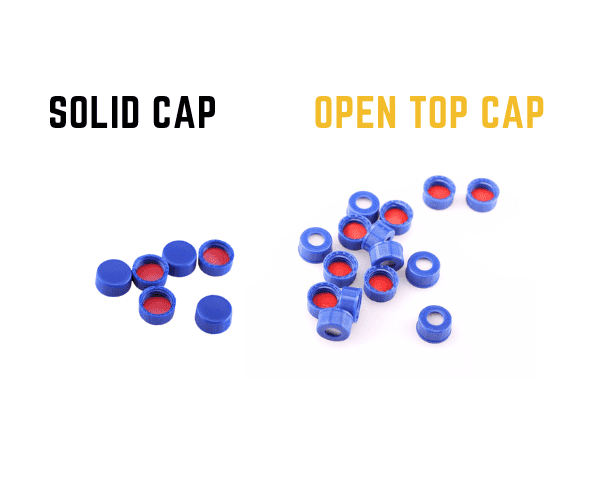

Every lab has that one box of caps sitting in a drawer, used and re-used until the septa looks like a pincushion. I’ve been guilty of it myself. But septa are the cheapest insurance in chromatography, and one worn septum can quietly ruin a whole batch of samples. So how often should you actually replace them?
The Short Answer
For GC inlet septa, replace them every 50–100 injections, or at least weekly on a busy instrument. For vial and cap septa, treat them as single-use per analytical sequence: if a septa has been pierced, don’t re-seal a fresh sample with it. And in every case, replace a septa immediately when you see coring, leakage, discoloration, or any loss of sealing integrity.
Why Septa Wear Out Faster Than You Think
A septum looks passive, but it does a brutal job. Every injection punches a needle through it, and each puncture leaves a micro-channel behind. Silicone reseals elastically, which is why it’s the backbone of most septa, but resealing isn’t perfect, and the material degrades with every hit.
Three things drive that degradation:
- Needle punctures. Each injection creates a tiny channel. After enough cycles, the channel stops closing, and you get evaporation or blow-by.
- Heat. In a hot GC inlet, septa outgas and harden over time. Temperature stress accelerates cracking.
- Solvent contact. Harsh samples can swell or extract the elastomer, which shortens its life and adds contamination risk.
The classic maintenance guidance for GC systems puts inlet septa on a strict clock: replace them every 50–100 injections, with inlet liners following at 100–200 injections. That’s the number most instrument service engineers work from, and it’s a sensible starting point for any lab.
Inlet Septa vs. Vial Septa: Two Different Schedules
This is the confusion I see most often. People ask “how often should I change my septa?” as if there’s one answer. There isn’t one. The job is different depending on where the septa lives.
GC or LC inlet septa sit between the syringe and the injector, sealing the inlet while the needle passes through. They take the full force of every injection, often at high temperature. That’s why the 50–100 injection rule applies. Instrument makers like Phenomenex recommend replacing inlet septa at roughly 100 injections depending on needle style, and to shorten that interval if your samples are dirty.
Vial and cap septa are the ones screwed onto your sample vials. They’re usually pierced only once per vial during a normal autosampler run, so they don’t rack up hundreds of punctures the way an inlet septa does. The risk here is different: evaporation and contamination over time. In regulated workflows, suppliers recommend treating vial septa as single-use consumables: one analytical sequence, then discard. If you re-inject from the same vial days later, or store the sample after piercing, replace the cap and septa before sealing it again.
The Signs That Say “Change Me Now”
You don’t need to count injections religiously if you watch for these failure signals:
- Coring. Tiny fragments of septa get punched out by a dull or burred needle and fall into the sample or inlet. If you see particles, the septa has to go. I explain the mechanics in my article on septum coring and how to stop it.
- Leaks or evaporation. Sample volume drops between runs, or you smell solvent around the cap. That’s a septa that stopped resealing.
- Ghost peaks or baseline drift. A degraded septa can release extractables that show up as extra peaks. If you’re chasing mystery peaks, contaminated septa belong on your suspect list; see what I covered in what causes ghost peaks.
- Discoloration, swelling, or brittleness. Visual changes mean the elastomer is breaking down.
- Push-through. The needle drags septa material into the vial or inlet. When the septa loses its grip, replace the cap immediately.
How to Build a Practical Replacement Routine
Counting injections by hand is miserable, so build the habit into your workflow instead:
- Log your runs. Most CDS and autosampler software tracks injections per inlet. Check the counter when you change a sample batch, and schedule septa swaps at the 100-injection mark for GC inlets.
- Tie replacement to a weekly rhythm. On a high-throughput instrument, change inlet septa every Monday morning regardless of the count. Consistent beats perfect.
- Use fresh caps for stored samples. If a sample is going back into cold storage after injection, recap it with a new cap and septa rather than trusting the pierced one.
- Match the septa to the job. A PTFE/silicone laminate is the right default for most HPLC work; a pre-slit septa reduces coring with robotic needles but reseals less effectively, so replace it sooner. My guide to PTFE vs silicone vs PTFE/silicone septa walks through the trade-offs.
Does Septa Choice Affect How Often You Replace Them?
Yes. Material and design directly change the interval. Harder septa resist coring but reseal less elastically. Softer silicone reseals beautifully but wears faster under heat. Bonded septa (where the septa is fused into the cap) prevent push-through and contamination, which is why they’re preferred for long unattended runs. And pre-slit septa intentionally sacrifice a little resealability to make needle penetration cleaner.
The practical takeaway: if you’re replacing septa more often than your neighbor lab, look at whether you’ve matched the septa type to your needles, your samples, and your injection temperature. Choosing the right septum for headspace work, for example, changes the math completely because those septa face pressure and temperature that an HPLC septa never sees.
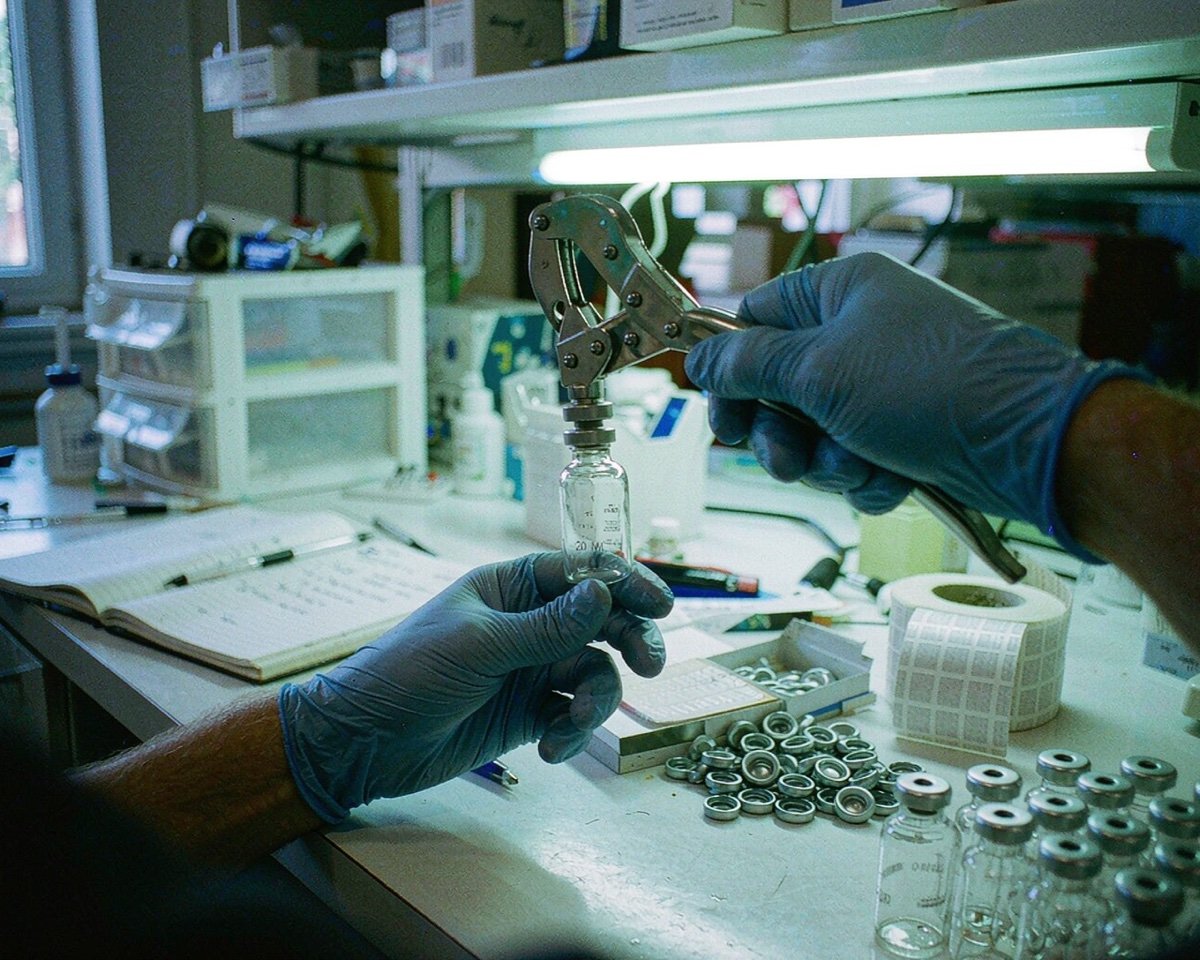
If you want to check your cap-and-septa technique end to end, my step-by-step septa tutorial covers installation, torque, and handling mistakes that shorten septa life.
A Practical Example: Protecting the Overnight Run
Let me make this concrete. Say you load a 200-vial sequence before you leave for the day. Your autosampler will pierce each vial septa once, and your inlet septa will take 200 hits over the run. If your inlet septa already has 80 injections on it from this morning, it’s going to pass 200 or 300 by the time the run finishes, well past the 100-injection guidance.
The fix is a two-minute habit: before you start any long or overnight batch, swap the inlet septa, check the syringe for leaks, and confirm the vials use fresh, undamaged caps. If a single septa fails at hour six of an overnight run, you don’t lose one injection — you lose the remaining 140 samples and the entire night of instrument time. That’s the difference between spending two minutes on prevention and losing a morning to reruns. It’s also why most labs I know tie septa replacement to the batch schedule rather than counting injections by hand.
Conclusion
Septa are small, cheap, and easy to ignore, which is exactly why they cause so many mysterious chromatography problems. The honest answer to “how often should I replace them?” is: replace GC inlet septa every 50–100 injections (or weekly on busy systems), treat pierced vial septa as single-use, and change any septa the moment it shows coring, leaks, ghost peaks, or visible wear. Build the habit into your schedule, log your injections, and let the failure signs override any calendar. It costs a few dollars a week to protect runs that can be worth thousands. Your column, your data, and your sanity will thank you, and if you want to dig deeper into coring or septa material choice, start with the septum coring guide or the PTFE/silicone comparison I linked above.
Frequently Asked Questions
How many injections does a GC inlet septum last?
Most maintenance guidance says 50–100 injections, and some manufacturers suggest replacing at around 100 injections depending on needle style and sample cleanliness. If you see leaks or baseline problems earlier, replace it sooner rather than waiting for the count.
Can I reuse vial septa after one injection?
For a single autosampler run, a pierced vial septa is usually fine because each vial is injected once. The problem is re-sealing a sample for storage or re-injection later; the puncture channel can leak and contaminate the sample. Treat pierced septa as single-use when sample integrity matters.
What happens if I don’t change the septa often enough?
A worn septa leaks sample, lets air in, sheds particles (coring), and releases extractables that show up as ghost peaks and baseline drift. In a hot GC inlet, an overused septa can also outgas and contaminate the whole run. Replacing septa on schedule is far cheaper than troubleshooting those failures.
Do pre-slit septa need to be replaced more often?
Generally yes. Pre-slit septa reduce coring and needle drag, but the slit gives up some resealability, so they seal less tightly after puncture. On autosamplers that’s an acceptable trade; just replace pre-slit septa sooner if you’re storing samples or dealing with volatile analytes.
How should I store spare septa so they last?
Keep them in their original sealed packaging, away from direct sunlight, ozone sources, and solvents. Most septa are silicone-based, and UV light plus ozone can harden or crack them over time. Store in a clean, dry drawer and rotate stock so old septa don’t sit unused for years.