
# What Consumables Does Water Activity Testing Need?
Water activity is one of those tests where the instrument gets all the attention and the consumables get none. That is backwards. The measurement is only as good as the sample cup, the calibration salts, and the temperature discipline around them, and QC labs in food, pharma, and cosmetics run through cups and standards constantly. I learned this the expensive way during a season when our cups were on backorder and half the bench started washing and reusing polystyrene ones. The data got noisy before anyone connected the two.
Water activity testing needs a calibrated water activity meter, disposable sample cups with lids, saturated salt calibration standards, and simple sample prep tools such as a grinder, spatula, and nitrile gloves. The measurement itself uses no reagents or solvents.
Here is what each of those does, and the decisions worth thinking about before you order.
The meter, and the cups it actually consumes
A water activity meter measures the relative humidity of the headspace above your sample in a sealed chamber, and reports it as aw, the ratio of the sample’s water vapor pressure to that of pure water. FDA’s technical guide on water activity in foods defines it the same way and notes that most foods sit above 0.95 aw, which is high enough to support bacterial growth. USP formalized all of this in general chapter <922>, which specifies how to qualify meters, calibrate them, and run samples. The instrument is a capital purchase; what you consume daily are the cups.
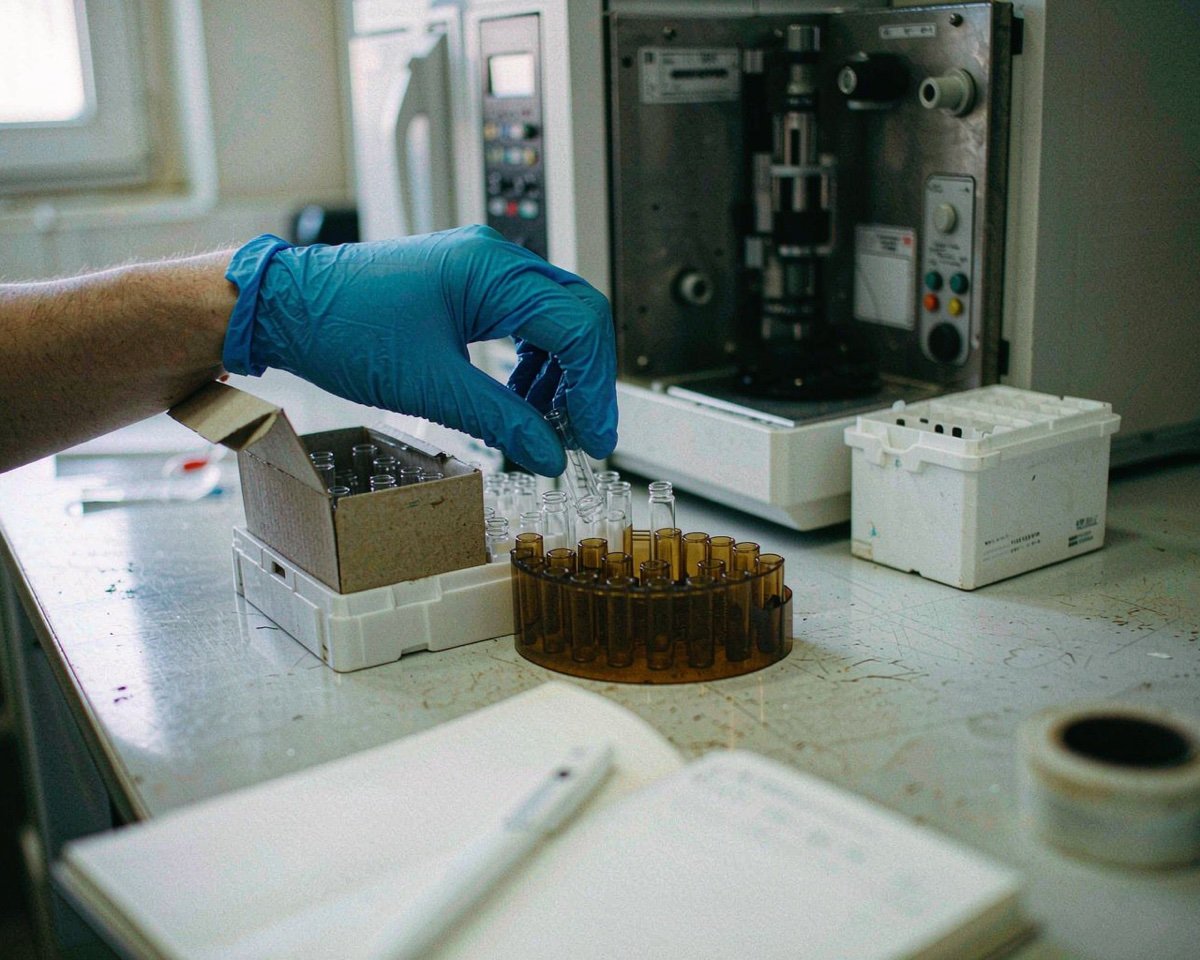
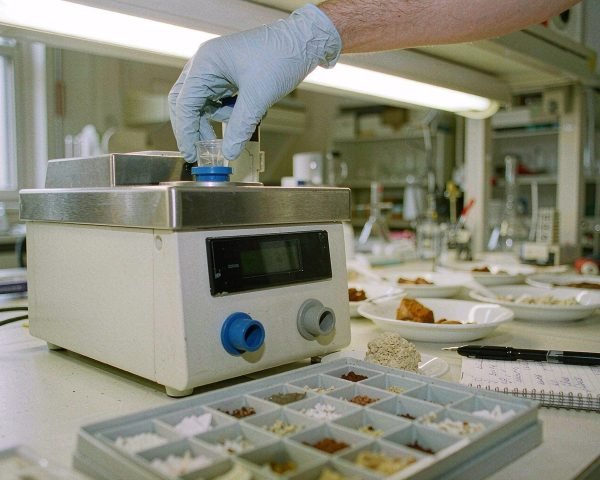
Cups are small, typically 15 mL capacity and about 40 mm across, sized to match the chamber so the headspace equilibrates quickly. You will see two material options:
• Disposable polystyrene cups are the default for high-throughput food QC. Cheap, clean out of the box, and discarded with the sample. The catch is that they are single-use by design; washing them leaves micro-scratches and residual moisture that shift readings.
• Reusable glass cups cost more up front and suit labs that run corrosive or solvent-bearing samples, or that simply prefer to wash. They need a validated cleaning step (we keep ours through a 60°C oven dry-down) or they quietly carry moisture from the last sample.
My honest opinion: buy disposable cups unless you have a specific solvent reason not to. At a few cents each, they are cheaper than one investigation into a drifting control chart.
Lids matter too. Samples wait their turn in the queue, and an uncovered or loosely lidded cup exchanges moisture with the room the whole time. Snap-on lids for the holding rack are a tiny purchase that prevents real errors.
Calibration standards: saturated salt solutions
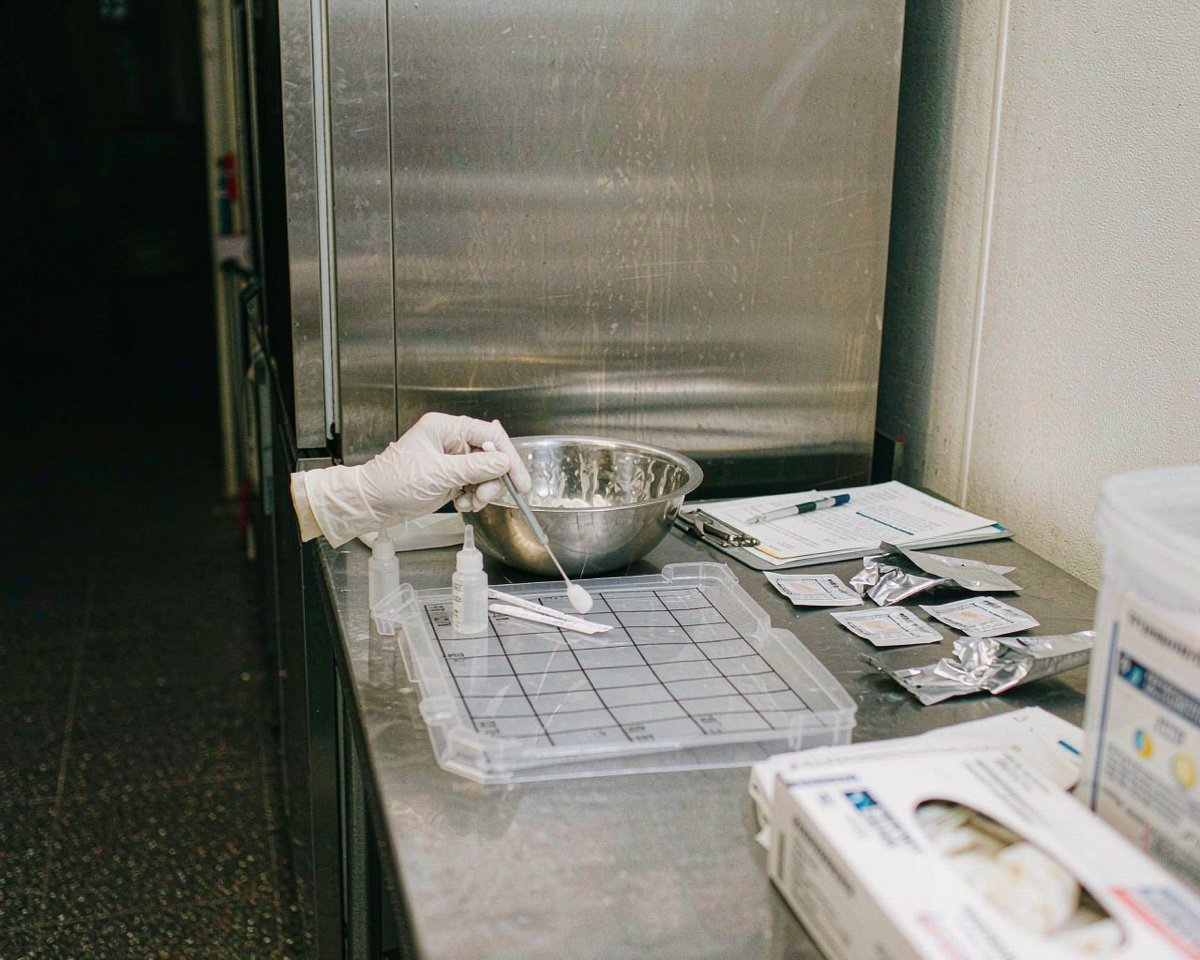
Every aw meter drifts, so you verify it with saturated salt solutions that hold a fixed aw at a given temperature. Common points include distilled water (about 0.984), saturated sodium chloride (about 0.753), saturated magnesium chloride (about 0.33), and saturated lithium chloride (about 0.113). Meters can be qualified with the same salt standards regardless of their sensing principle, which is exactly what USP <922> recommends.
Buy these as prepared single-use vials rather than mixing your own. A salt slurry you mixed in-house is only as good as its purity, its sealed storage, and your confidence that it is still saturated. I once chased a mysterious 0.02 aw shift across an afternoon of re-runs, and the culprit was a calibration vial someone had left unsealed on a warm windowsill for two days. The standard drifted, so every “corrected” sample after it drifted too.
One reader decision worth making this week: check where your calibration standards are stored. If they live next to the oven, move them.
Sample preparation consumables
The measurement assumes your sample is representative and at thermal equilibrium with the chamber. That makes prep tools part of the consumable list:
• A grinder or homogenizer for solids, so the sample equilibrates in minutes instead of hours. Uniform particle size matters; a chunk of raisin next to flour will not read the same as a blended one.
• Disposable spatulas or a dedicated metal one you clean between samples, because cross-contamination shows up in aw as well as in microbiology.
• Syringes or small pipettes for pastes, honeys, and oils.
• Powder-free nitrile gloves. Skin moisture transferred by bare fingers is enough to bias a low-aw sample.
Temperature is the hidden variable here. Water activity rises with temperature, so a sample pulled straight from a 4°C fridge and loaded into a 25°C chamber will condense moisture and read wrong until it equilibrates. Let samples sit sealed at room temperature for 30 minutes before reading. In my experience, this single habit fixes more “bad meter” complaints than recalibration does.
What water activity testing does not need
This is the part buyers appreciate. The measurement itself consumes no solvents, no columns, no membrane filters. That is the appeal compared to moisture determination by titration or oven drying: the sample is not destroyed, and the running cost is cups plus standards.
Do not confuse it with Karl Fischer titration, though. KF measures total water content, including chemically bound water, and it does need reagents and glassware. If you are deciding between the two methods (many labs run both), our Karl Fischer titration consumables guide shows what that workflow demands. For the regulatory side of food work, our food testing lab consumables guide covers where aw fits alongside the microbiology tests it supports.
The food safety logic matters for buyers: research on dried foods shows most bacteria cannot grow below roughly 0.87 aw, and the minimum for any microorganism is about 0.60 according to this review of drying and food microbiology. Reviews of foodborne pathogens reach the same conclusion from the other direction: growth limits track water activity, not total moisture as this updated review puts it. Regulators lean on these thresholds, with FDA noting that foods controlled at or below 0.85 aw fall outside certain canned and acidified food regulations.
A word on cosmetics and pharma use
Food labs dominate the conversation, but the same consumables serve cosmetics and pharma. ISO 29621 uses water activity to identify low-risk cosmetic products, and USP <1112> applies aw to justify reduced microbial testing for nonsterile pharmaceutical products. If that is your world, the cup and standard shopping list is identical. Our cosmetics testing consumables guide walks through the broader bench requirements.
Conclusion
Water activity testing has one of the shortest consumables lists in the lab, and that is precisely why the details deserve attention. Disposable cups with proper lids are the daily consumable and the most common source of quiet error when someone starts washing them to save money. Saturated salt standards are the only thing standing between your meter and slow drift, so buy them prepared, store them sealed, and replace them on a schedule rather than on suspicion. Sample prep tools and 30 minutes of equilibration time protect you from temperature artifacts that look exactly like instrument failure. Set the cup stock on par-level replenishment, keep two unopened boxes of standards in the cupboard, and log every calibration check. If you are setting up a food QC bench from scratch, pair this with our food testing consumables guide, and if your method comparison is still open, see how the consumables picture changes in Karl Fischer titration.
Frequently Asked Questions
Can I reuse disposable water activity sample cups?
You can, and some labs do, but I would not for release testing. Washing can leave residual moisture and scratches that bias readings, especially on low-aw samples. Reuse only makes sense with a validated cleaning and drying step, and even then reusable glass cups are the better tool for that job.
How often should I calibrate a water activity meter?
Check the meter with a saturated salt standard at the start of each testing day, and perform a full multi-point calibration when a check falls outside your acceptance limits or after any service. USP <922> frames this as daily verification plus periodic full qualification rather than a fixed calendar interval.
What is the difference between water activity and moisture content?
Moisture content measures the total water in a sample, including water chemically bound to sugars and proteins. Water activity measures only the free water available for microbial growth and chemical reactions, which is why aw predicts shelf life and safety while moisture content does not.
Why did my water activity reading drift during a batch of samples?
The most common causes are a sample still cold from storage condensing in the chamber, an uncovered cup losing or gaining moisture while queued, or a drifting calibration standard. Verify the meter with a fresh salt standard first, then check your equilibration and cup-lidding habits before suspecting the instrument.
What aw level stops microbial growth?
No microorganism of practical concern grows below about 0.60 aw, which is the minimum ever recorded for any microbe. Most spoilage bacteria need roughly 0.87 or higher, yeasts and molds tolerate lower levels, and food safety rules commonly use 0.85 as the threshold for pathogen control.