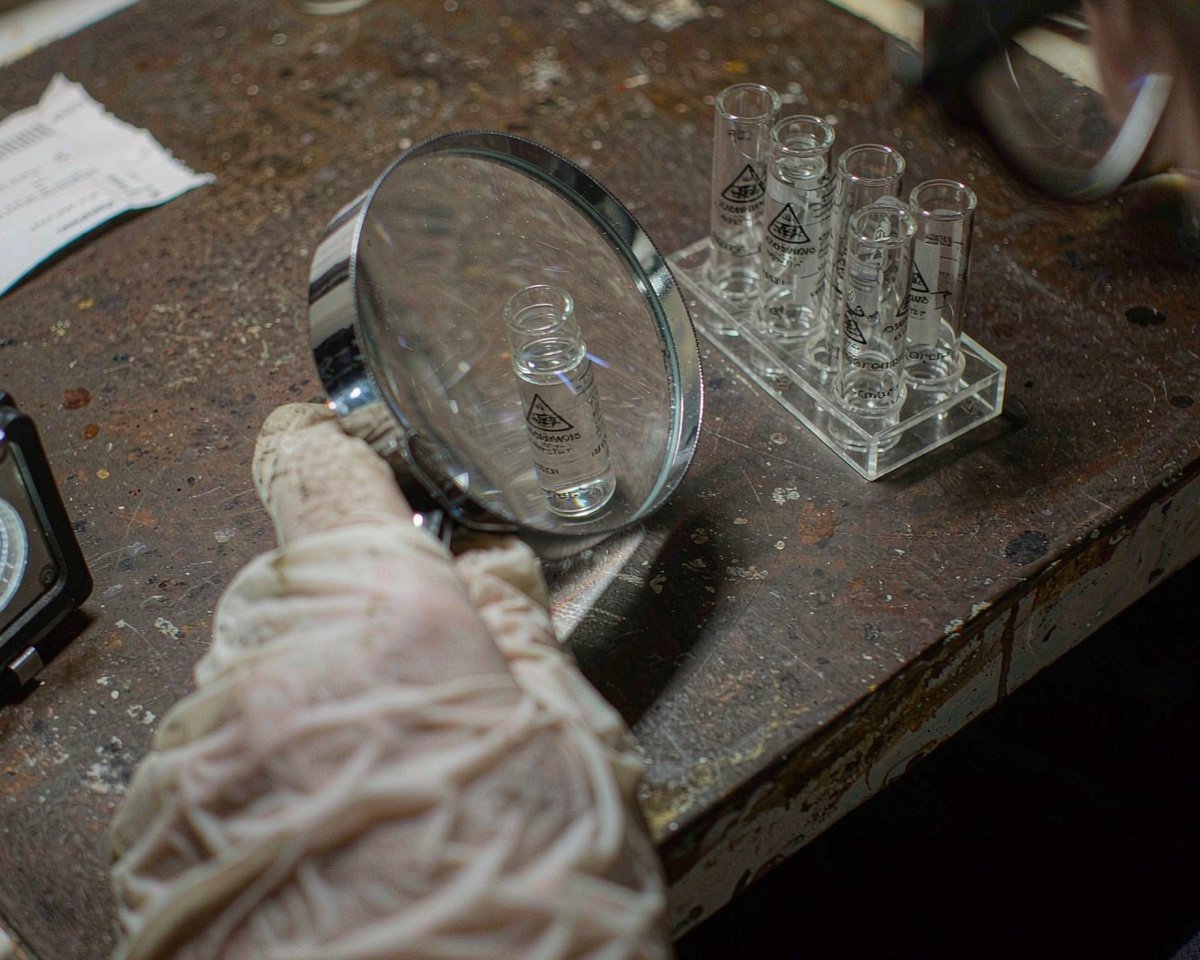


A buyer emailed me last year with a puzzle. He’d ordered 20 mL headspace vials with 18mm screw caps, and they fit his colleague’s autosampler perfectly but wobbled in his own PerkinElmer. Same cap size on the box, different seal quality. The answer was hiding in two letters: DIN.
DIN threads are a standardized 18mm screw-neck geometry for headspace vials, defined by the German industrial standard (DIN 168 style threading). Not every “18mm” thread is the same: a standard 18mm screw neck and a DIN 18 thread differ in pitch and profile, so caps and vials only seal properly when the two were made for each other.
If you run headspace, this matters more than any other thread detail, because headspace sealing lives or dies on cap engagement. Here’s the practical version.
Why Headspace Vials Are So Fussy About Threads
Headspace runs at high oven temperatures with pressure building inside the vial. The septum is the only thing standing between your volatiles and the atmosphere, so the thread must pull the cap down evenly and hold it there for the whole equilibrium time.
Headspace caps are usually aluminum, sometimes magnetic for robotic samplers, and the thread style determines how the crimp-less seal seats. Screw caps for headspace became popular with magnetic-arm autosamplers, and the headspace cap comparison study I often cite shows how much cap style affects volatile retention over a six-hour hold. Thread mismatch undoes all of that.
Where DIN Threads Show Up
You’ll meet the DIN 18 thread most often on 10 and 20 mL screw-neck headspace vials used with:
• PerkinElmer Turbomatrix and TurboMatrix-style samplers
• CTC/PAL-type autosamplers in their screw-cap configurations
• Various headspace samplers that specify “18mm screw (DIN)” in their consumable lists
Meanwhile other systems lean on the 20mm crimp standard, with caps like Agilent’s certified 20mm headspace crimp caps defining that ecosystem, or their own 18mm variants. Agilent’s headspace consumables, for example, lean on 20mm crimp caps and magnetic screw caps for the 7697A, as you can see in their autosampler vial and cap selection guide. The lesson is not that one is better. The lesson is that the sampler manual dictates the thread, and the vial must match the cap you can actually buy for that sampler.
That’s also where the wobble came from in my buyer’s case: a standard-thread vial under a DIN-threaded cap engages only partially. It looks sealed. It isn’t.
How to Check What You Need
Open your autosampler manual’s consumables section and find the exact wording. “18mm screw” alone is ambiguous. What you want is one of:
• 18mm DIN thread (sometimes written “18-DIN” or “DIN 168”): the fine, standardized pitch
• 18mm standard screw: a coarser, non-DIN profile used by some cap vendors
• 20mm crimp or magnetic 18mm: different sealing systems entirely
Then match cap and vial from the same specification, ideally from the same supplier. If you inherit a mixed fleet of vials and caps (as most labs do), run a simple leak check before trusting a new pairing: crimp or tighten, weigh the vial, hold it at your oven temperature for 30 minutes, weigh again. A weight drop means volatiles are escaping, and my headspace vial complete guide covers the full storage and sealing picture.
The Practical Consequences of Getting It Wrong
• Evaporative loss. A partially engaged thread lets light volatiles escape during equilibration. Your internal standard looks fine while your earliest-eluting compounds quietly shrink. In residual solvent work, that’s a bias you’ll never spot from one injection.
• Failed crimp-style seals. If your lab mixes crimp and screw headspace formats, the failure modes differ: crimp failures are visible (a bad crimp you can rotate), thread mismatches often aren’t. My crimp vs screw vs snap comparison covers the general tradeoffs.
• Autosampler handling issues. Some samplers use the vial’s neck geometry for lifting and alignment. A mismatched thread can sit a millimeter off, which is enough for a pickup error on a busy sequence.
• Septa life. An unevenly compressed septum takes needle damage faster, and coring follows. The septa replacement timing guide assumes a properly seated cap; a mismatched thread invalidates that schedule.
A 60-Second Thread Identification Trick
If the manual is missing and the box is unlabeled, try this. Take the cap in question and thread it onto the vial slowly by hand. A correct pairing engages smoothly for its full travel and stops firmly. A mismatch usually engages one or two turns, then binds or feels gritty, and if you force it, the cap sits crooked with visible metal above the glass lip. That crooked seat is your answer: wrong thread.
When in doubt, photograph the vial neck next to a ruler and send it to your supplier. A vendor who can’t identify a DIN 18 versus a standard 18mm from a photo is a vendor to be careful with, because the distinction lives in their own catalog.
Buying Tips from the Wholesale Side
Since Mastelf ships compatibility-focused consumables for a living, here’s what I tell buyers:
1. When requesting quotes for 10 or 20 mL headspace vials, state the thread explicitly: “18mm DIN screw” or “20mm crimp.” Vague “18mm” quotes are where mismatches are born.
2. Order caps and vials as a pair from one source when possible, then keep that pairing for the life of the method.
3. If you switch sampler brands, expect to switch headspace consumables too. The vials themselves are rarely cross-compatible at the neck.
The same logic applies to your septa choice at high temperatures, which I covered in the headspace septum selection guide.
Conclusion
DIN threads are the standardized 18mm screw neck used on many 10 and 20 mL headspace vials, and they matter because headspace sealing has no tolerance for thread mismatch. A standard 18mm cap on a DIN 18 vial (or the reverse) engages partially, seals imperfectly, and bleeds your most volatile analytes during equilibration, all without any visible warning. Check your sampler manual for the exact thread specification, pair vials and caps from the same specification and supplier, and leak-check any new pairing with a simple weigh-hold-weigh test before a real sequence. Headspace consumables are cheap; rerunning a residual solvents batch is not. When in doubt, state the thread name in the purchase order and make the supplier confirm it. If you’re sizing up headspace formats generally, compare vial volume against your sampler’s tray capacity before committing.
Frequently Asked Questions
Are DIN 18 and standard 18mm screw caps interchangeable?
Sometimes they thread on, but engagement is partial and sealing is unreliable. Treat them as different products and match cap to vial by the exact thread specification, not the mm figure alone.
Which autosamplers need DIN thread headspace vials?
DIN 18 screw threads are common on PerkinElmer Turbomatrix-style samplers and CTC/PAL-type autosamplers in screw-cap modes. Always confirm in your instrument’s consumables list, since vendors specify crimp or screw per configuration.
Do magnetic caps change the thread requirement?
Magnetic caps exist in screw formats for robotic handling, but the thread underneath still must match the vial. Magnet type affects how the sampler lifts the cap, not how the seal engages.
Can I use crimp vials if my sampler supports both?
Yes, if your sampler supports 20mm crimp. Crimp seals slightly outperformed screw caps in volatile retention testing, at the cost of needing a crimping tool and consistent technique.