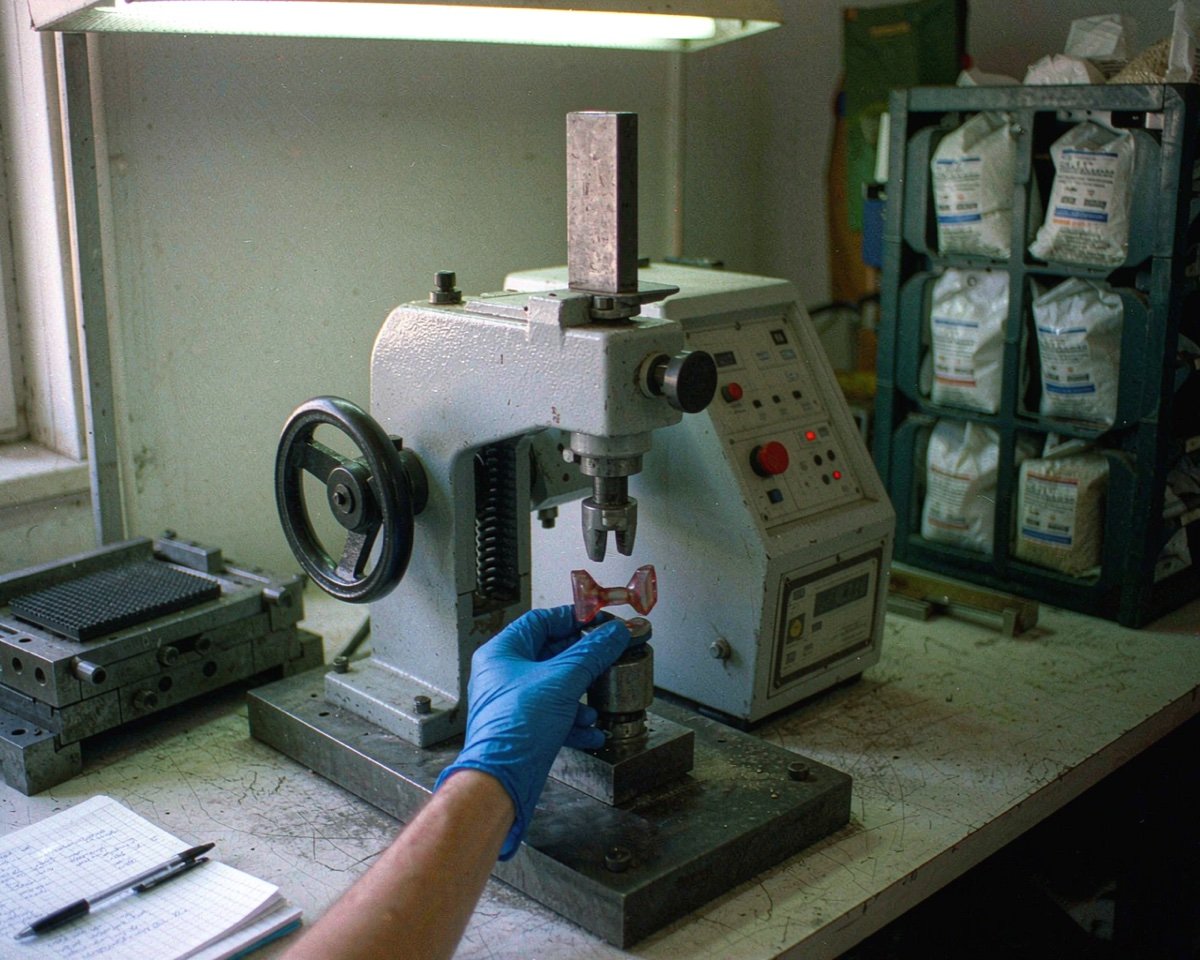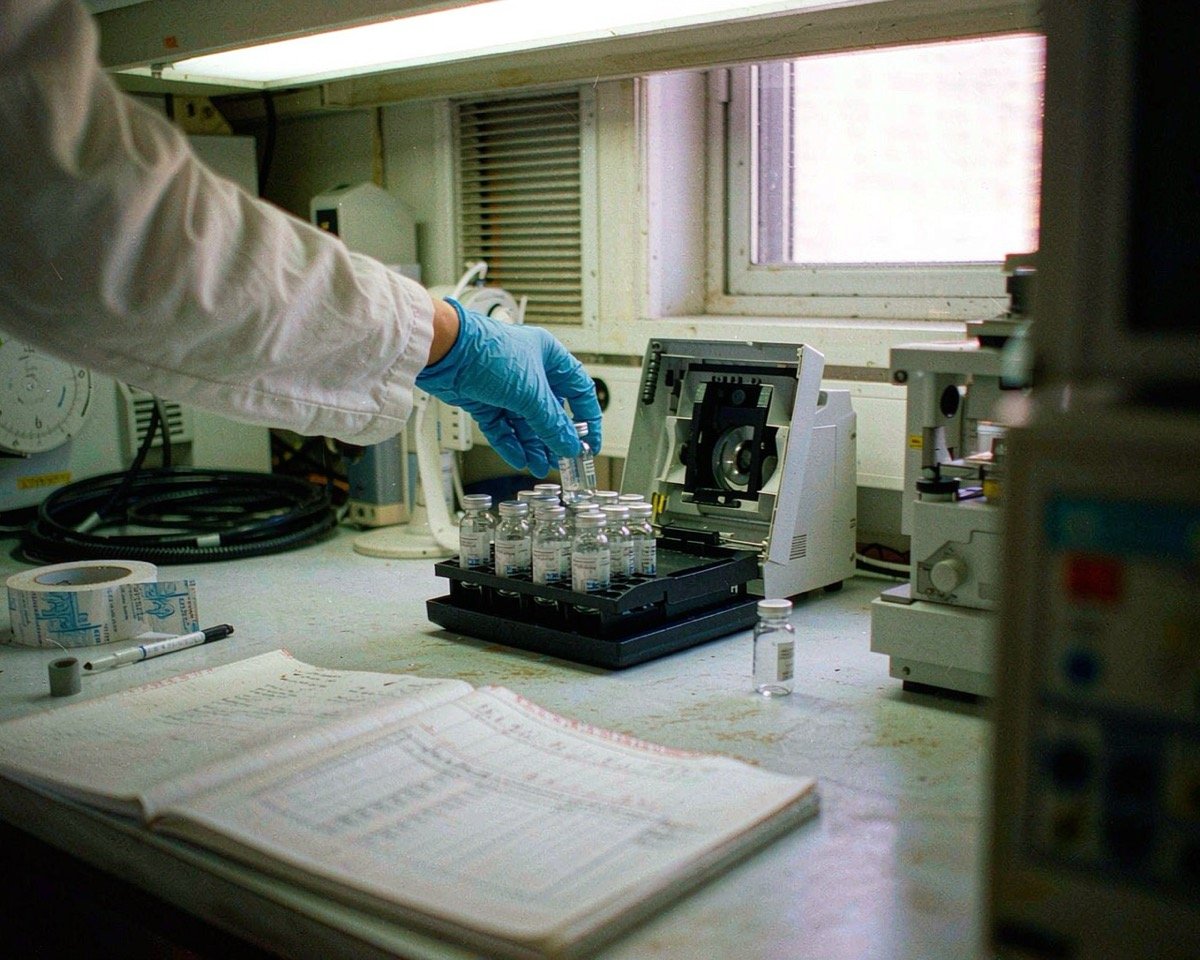
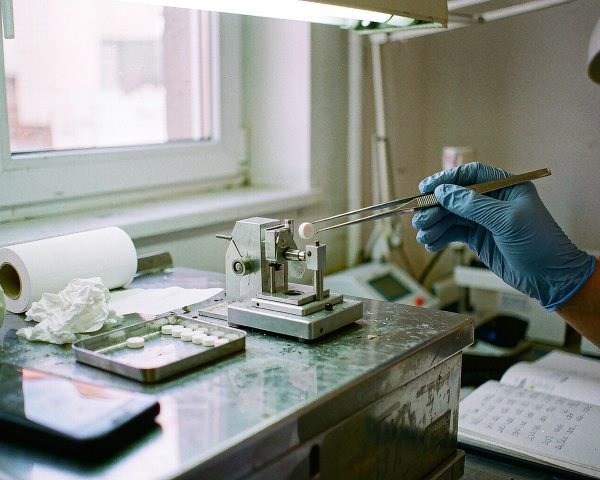

A tablet hardness tester looks like the lowest-maintenance instrument on the bench. No columns to condition, no mobile phase to degas, no autosampler vials. But the workflow around it, from daily calibration checks to the dedusting step before every friability run, quietly depends on a dozen small consumables that most procurement lists forget.
Tablet hardness and friability testing need a short list of consumables: certified check tablets for calibration, powder-free nitrile gloves and tweezers, lint-free wipes with 70% IPA, soft dedusting brushes, weighing boats, dust trays, labels, and printer rolls for traceability.
If you’re setting up a solid-dose QC bench for the first time, or rebuilding one after an audit finding, the details below should save you at least one emergency reorder.
What Tablet Hardness and Friability Testing Actually Involve
Pharmacopeial language is precise here, even if shop talk isn’t. USP <1217> Tablet Breaking Force calls the measurement breaking force and points out that “hardness”, the term everyone actually uses, belongs to material science, where it means resistance to indentation. The test places a tablet between two platens, drives one platen at constant speed until the tablet fractures, and records the maximum force in newtons or kiloponds. That number predicts whether a tablet survives coating, blistering, shipping, and a patient’s jacket pocket.
Friability is the companion test. USP <1216> Tablet Friability tumbles tablets in a drum with an internal diameter between 283 and 291 mm, rotated at 25 ±1 rpm for 100 revolutions, then reweighs them. For tablets at or under 650 mg you sample whole tablets totaling about 6.5 g; for heavier ones, 10 whole units. Most products pass with weight loss of no more than 1.0%, and any cracked or broken tablet fails outright. I like the 6.5 g rule because it shows how much of the method already lives in consumables: you need a balance, a boat, and a brush before the drum ever spins.
The Testers You’ll Find on the Bench
QC labs run hardness testers from Schleuniger Pharmatron, Copley, SOTAX, and Electrolab more often than any others. The Schleuniger 6D has been the de facto benchtop standard since 1989. On the friability side, the Copley FRVi friability testers and the SOTAX FT2 friability tester are the names I see most often, both USP and Ph. Eur. compliant.
The instruments themselves are capital equipment, not consumables. Each one, though, drags a small cloud of consumable items behind it, and those are what the rest of this article is about.
The Consumables, Stage by Stage
Reference and Calibration Tablets
This is the consumable category auditors care about most. Hardness testers drift, so labs verify them with mechanical check tablets, precision devices calibrated against NIST-traceable weights at fixed forces. Pharmatron makes them at 5, 10, 15, and 20 kiloponds, and you slot one into the jaws the way you would a real tablet. If the display reads 10.0 kp, the load cell is behaving. If it reads 9.4, you have a problem to investigate before the next batch release. Pharmatron mechanical check tablets are sold as function-checking devices for exactly this purpose.
Certified reference tablets, the kind that ship with a certificate of calibration, live a different life. They are sensitive to moisture, so labs keep them in desiccators or sealed vials, often in the original blister pack, and replace them when the certificate expires. Leave one loose in a drawer and its breaking force can shift, which quietly invalidates every check you ran with it.
Add a small set of OIML-class calibration weights for the analytical balance too, because friability is a weight-loss method. The balance does as much work as the tester.
Handling: Gloves, Tweezers, and Weighing Supplies
Powder-free nitrile gloves are the default here. Powdered gloves shed particles onto the sample, and at a friability limit of 1.0% you don’t want a film of powder or skin oil altering the tablet surface. Tweezers or forceps come next: fingers warm the tablet and can chip an edge, and a chipped edge is a false failure waiting for a retest. For small or static-clingy tablets, anti-static tweezers or an ionizing bar help, and hygroscopic tablets additionally want a humidity-controlled corner, something USP <1216> mentions explicitly.
Weighing happens twice per friability run, before and after tumbling. That means weighing boats or lint-free weighing paper, kept clean and dedicated to the method. I once watched an analyst reuse a boat that still held powder from the previous sample in its fold, and the extra 40 mg it contributed turned a clean pass into a retest and a deviation form. Small numbers matter at this scale.
Cleaning: Wipes, IPA, Brushes, and Dust Trays
Lint-free wipes and 70% IPA clean the platens, the friability drum, and the bench. Residue from a previous product inside the drum is a cross-contamination finding waiting to happen. Soft brushes, usually natural or anti-static bristle, dedust the tablets before the initial weighing and again after the 100 revolutions, exactly as the chapter requires. A stiff brush abrades the tablet surface and inflates your weight loss, which is the kind of error that shows up only after three unexplained failures.
A dust collection tray under the hardness tester catches fragments, and most modern units include a debris receptacle for good reason. Ten tablets a day, fifty a day, it adds up fast. A one-euro tray keeps the bench looking like the audit is tomorrow, because someday it will be.
Labels, Logbooks, and Printer Rolls
Traceability consumables round out the list. Sample bags or containers with writable labels keep the batch number with the tablets, because a rack of unlabeled white tablets is unidentifiable an hour later. Many hardness testers still print results on 40-column plain paper, so printer rolls belong on the standing order alongside logbooks. Those records capture instrument ID, calibration dates, and operator initials, which is exactly what an auditor flips to first.
How Often Should You Replace or Verify Each Item?
Check tablets run on a schedule, and the schedule matters. Schleuniger’s own documentation recommends recalibrating the 6D at least every six months, and a well-run lab verifies against the mechanical check tablets weekly or even daily. Certified reference tablets carry an expiry on the certificate; once it lapses, the tablet becomes a paperweight.
Gloves, wipes, and brushes are use-and-replace items: gloves per session, brushes when the bristles splay, wipes whenever they discolor. Labels and printer rolls you stock, and you stock them before the printer stops mid batch-release, not after.
Common Mistakes I Keep Seeing
One lab I visited failed a friability trend review because the dedusting brush had been swapped for a stiff nylon one “that cleaned better.” The extra abrasion between weighings triggered three OOS investigations before anyone thought to check the brush. A five-dollar consumable, three investigations.
Another recurring one: reference tablets stored open on the bench next to the balance. Humidity creeps into the compact, the breaking force drifts, and suddenly two months of daily checks never really happened, at least not on paper. A desiccator costs less than the requalification work that follows.
What Carries Over to Dissolution Testing
The same tablets usually march on to disintegration and dissolution, and the consumable overlap is real. You keep the gloves and tweezers, the lint-free wipes and IPA, and the labeling habit. Dissolution adds its own items: vessels cleaned to the same standard, sampling syringe filters with verified drug compatibility, and medium built on purified water whose quality you can document. We cover that last one in our pharmaceutical water testing consumables guide, and it matters more than the vessel list suggests, because a failed hardness or friability result usually predicts a failed dissolution result too.
Conclusion
Stocking a tablet hardness and friability bench rewards a checklist mentality more than a big budget. The instruments get the spending line; the check tablets, gloves, tweezers, wipes, brushes, boats, labels, and printer rolls get forgotten until a result looks strange or an auditor asks when the tester was last verified. My default advice to anyone building this station: buy the consumables in the order you use them, from calibration check tablets through dedusting brushes to the labeling tape, and keep the reference tablets somewhere drier than a desk drawer. If you’re mapping out the wider QC lab, our hardness testing consumables guide covers the non-pharma side of the bench, and our dissolution testing consumables guide is the natural next stop once your tablets head toward release testing.
Frequently Asked Questions
How often should hardness tester calibration tablets be replaced?
Mechanical check tablets don’t expire, but they should be used on the tester’s verification schedule, and most labs check against them weekly or daily. Schleuniger recommends full recalibration of testers like the 6D at least every six months. Certified reference tablets expire on their certificate date, typically one to two years, and need replacement once that lapses.
Why does the friability test use a 6.5 gram sample?
USP <1216> standardizes the sample so the drum load is comparable across products. For tablets weighing 650 mg or less, you take whole tablets totaling as close to 6.5 g as possible; above 650 mg, you take 10 whole tablets. A consistent load gives consistent tumbling, which makes results comparable between batches and labs.
Can I use regular paper towels to clean the friability drum?
I wouldn’t. Paper towels shed fibers that stick to damp surfaces and end up on your tablets or in your weighings. Lint-free wipes with 70% IPA are the safer default and cost very little more.
Do I need special gloves for tablet hardness testing?
Powder-free nitrile is the standard choice. The powder from powdered gloves transfers to tablet surfaces, and at a 1.0% friability limit any added film can skew the weights. Latex works in a pinch if nitrile isn’t available, but check it’s also powder-free.
Is tablet hardness the same as breaking force?
Technically no. USP <1217> prefers “breaking force” because hardness in material science means resistance to indentation, which is not what the test measures. Everyone says hardness anyway, so most testers and SOPs still carry the old name.