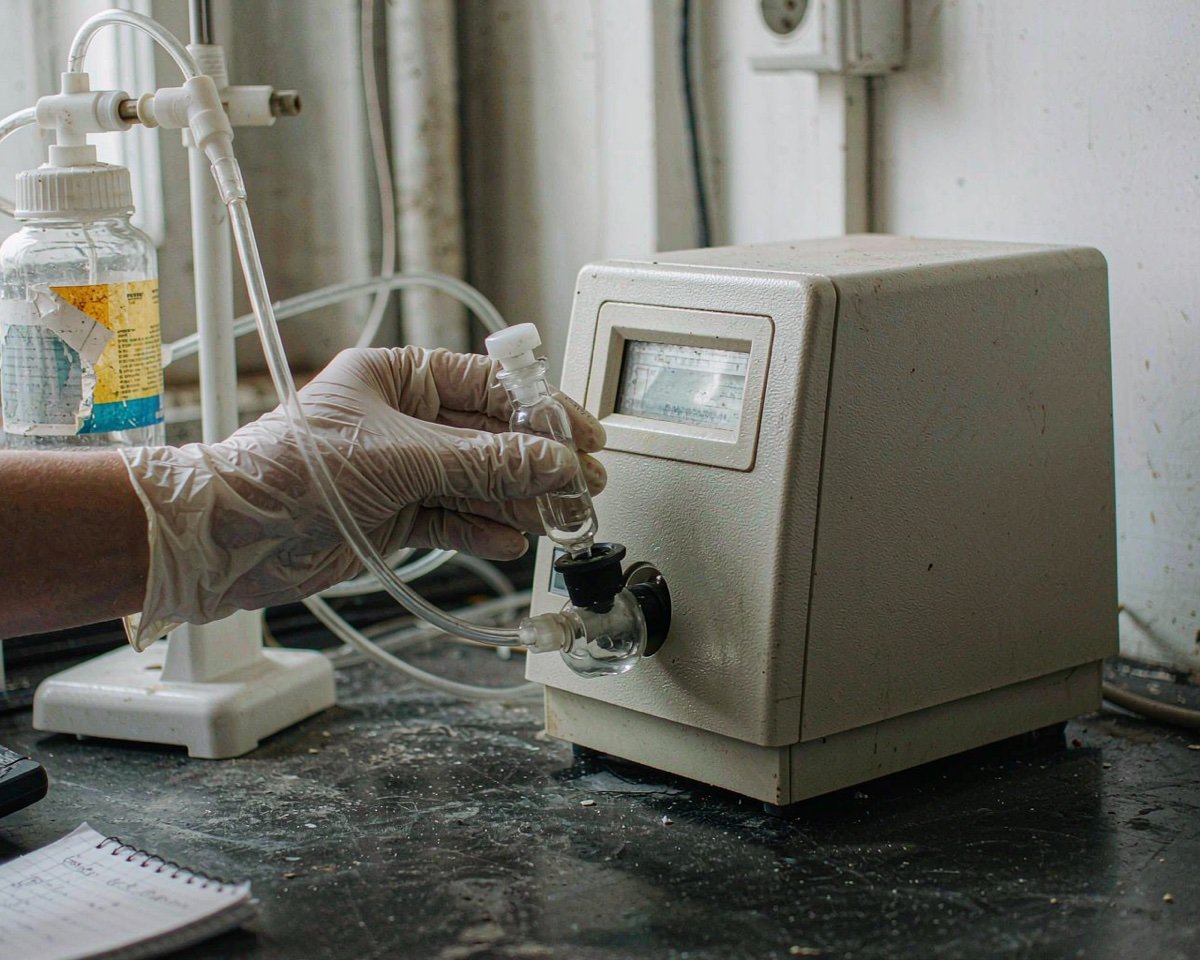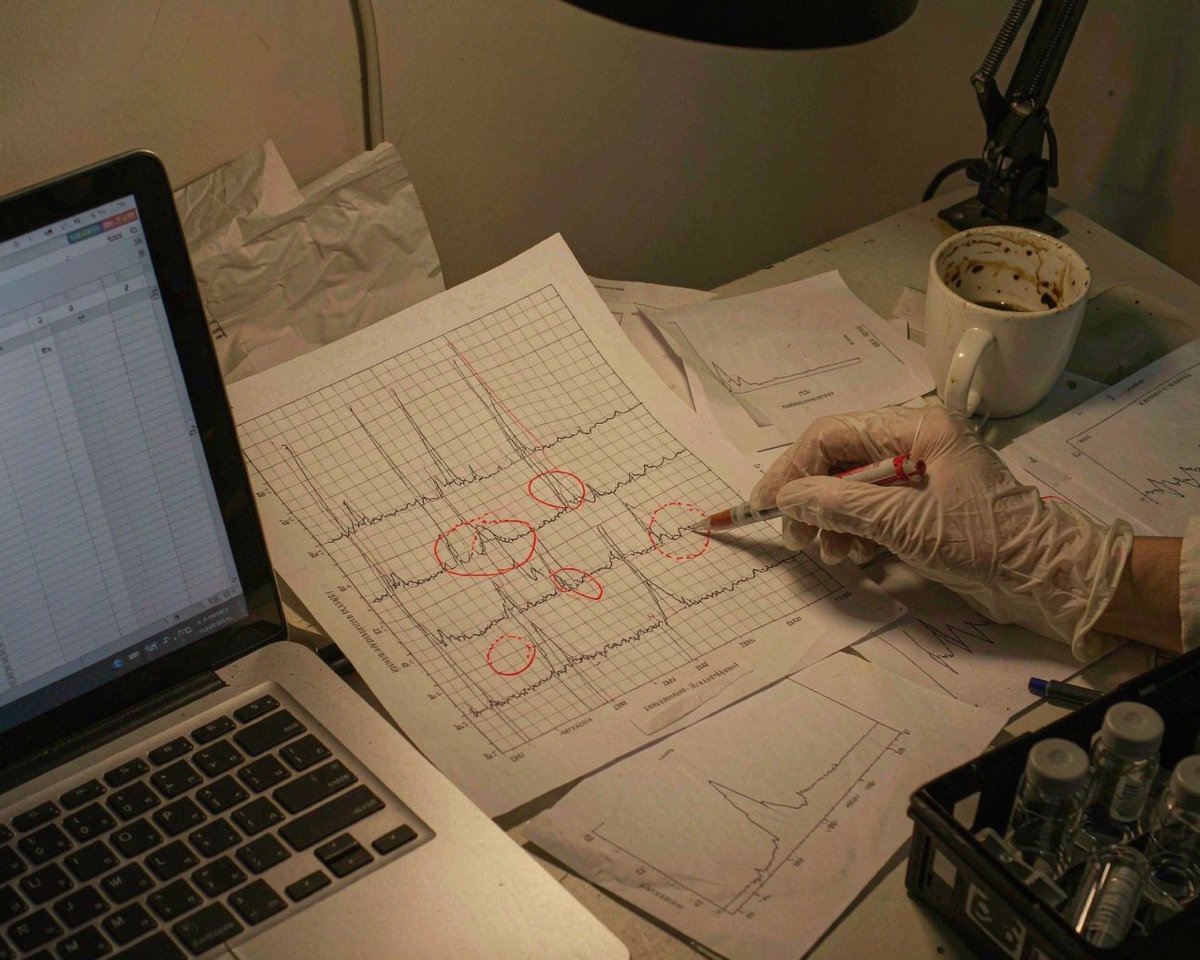

Most labs inherit an ion chromatograph with the technique knowledge bundled in one person’s head. Then that person leaves, and suddenly nobody knows why the suppressor was replaced or what the eluent bottle rules were.
The short answer: a working IC setup needs autosampler vials and caps matched to your sampler, 0.2 µm filtered samples and eluents, guard and separator columns, a suppressor, calibration standards, and clean reagent water. The columns and suppressor are instrument-specific, but the vials, filters, and bottles are ordinary consumables you can stock like any other.
Here’s the full picture, item by item.
Sample Vials and Caps for the Autosampler
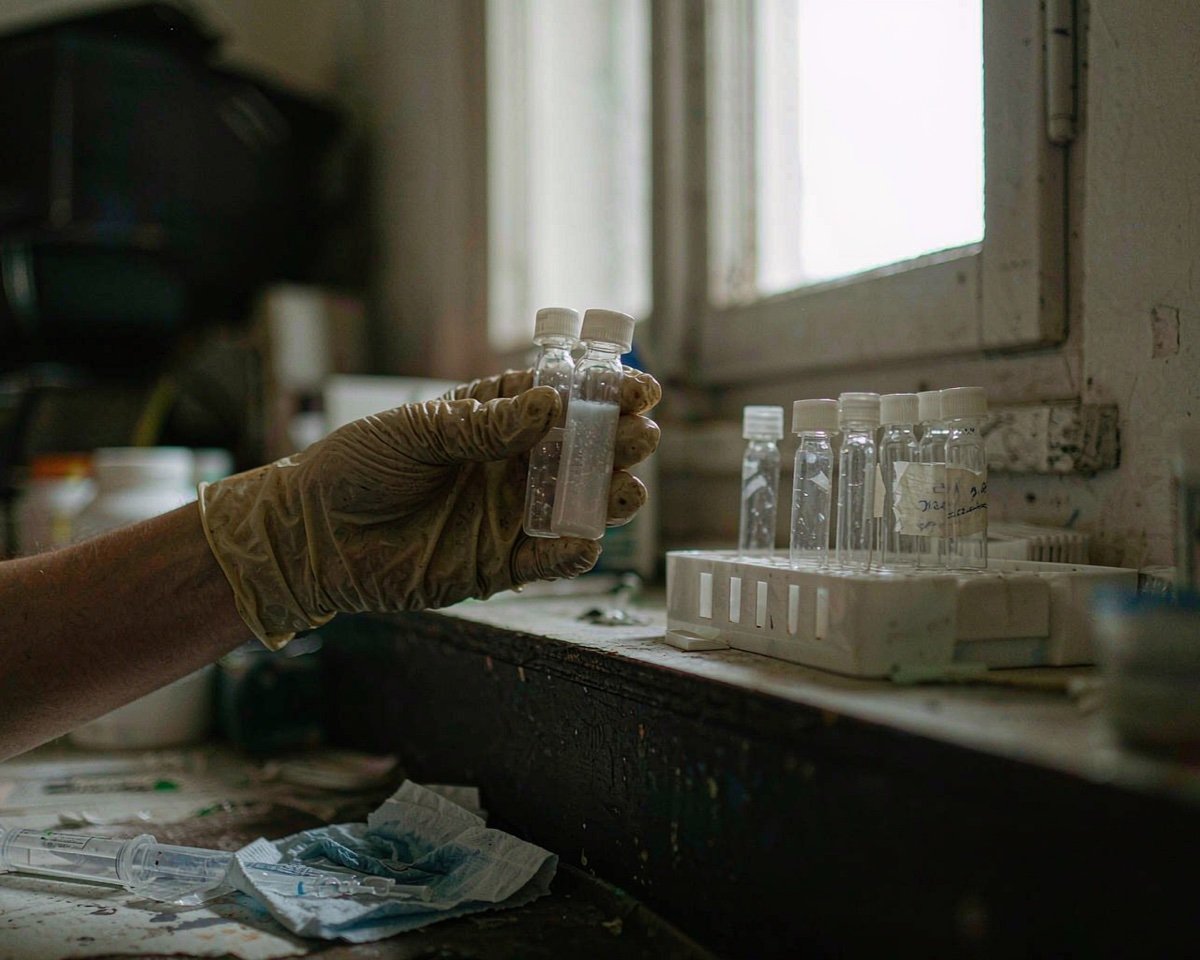
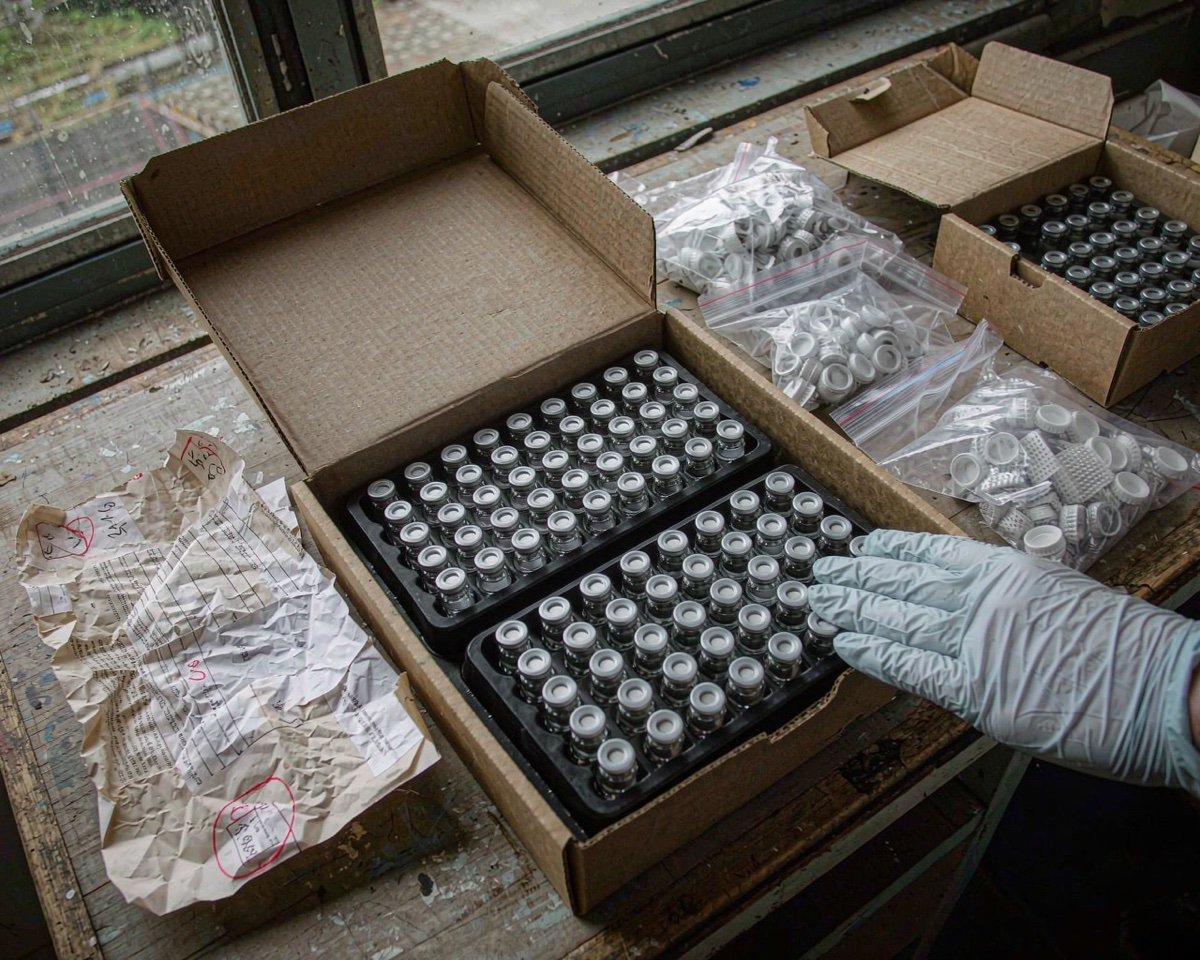
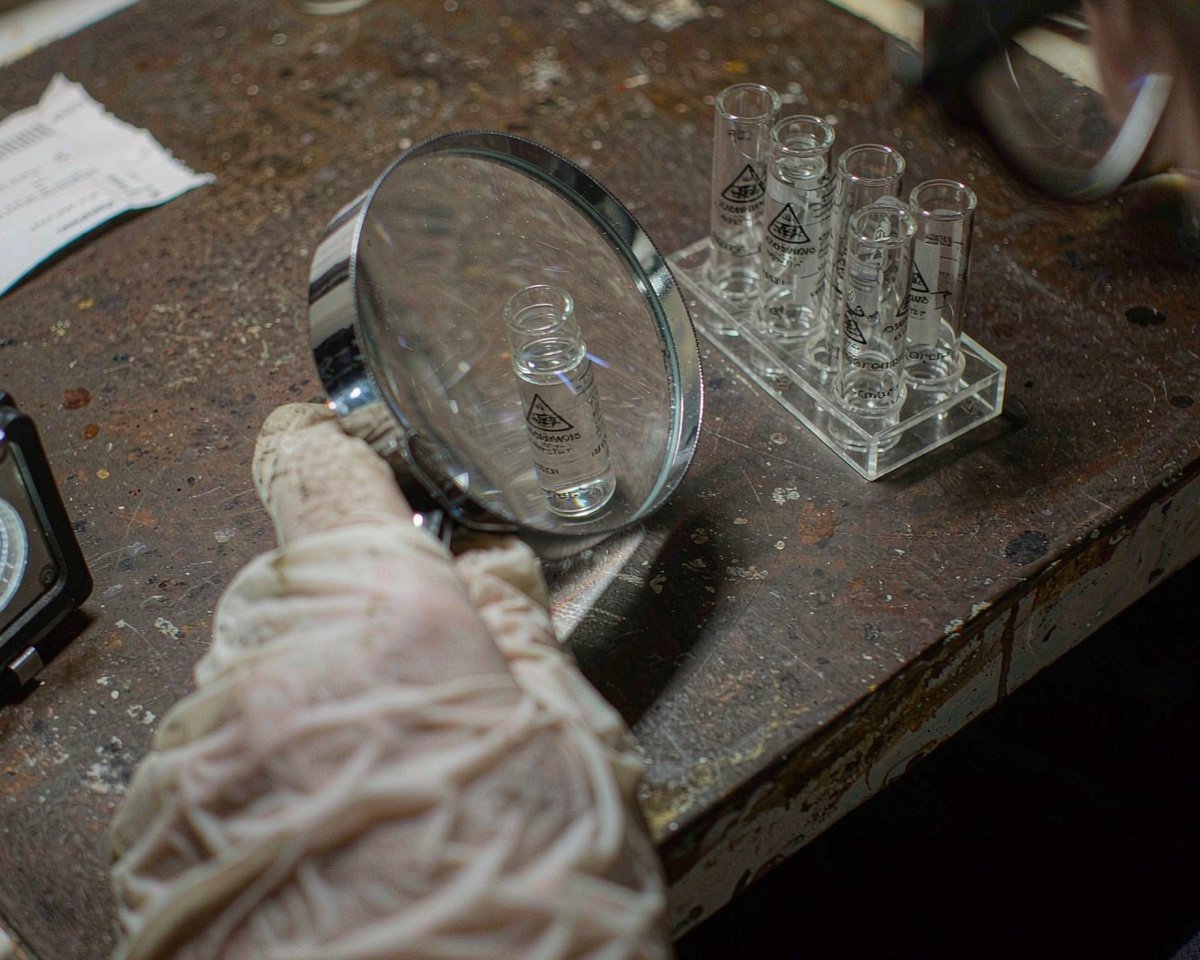
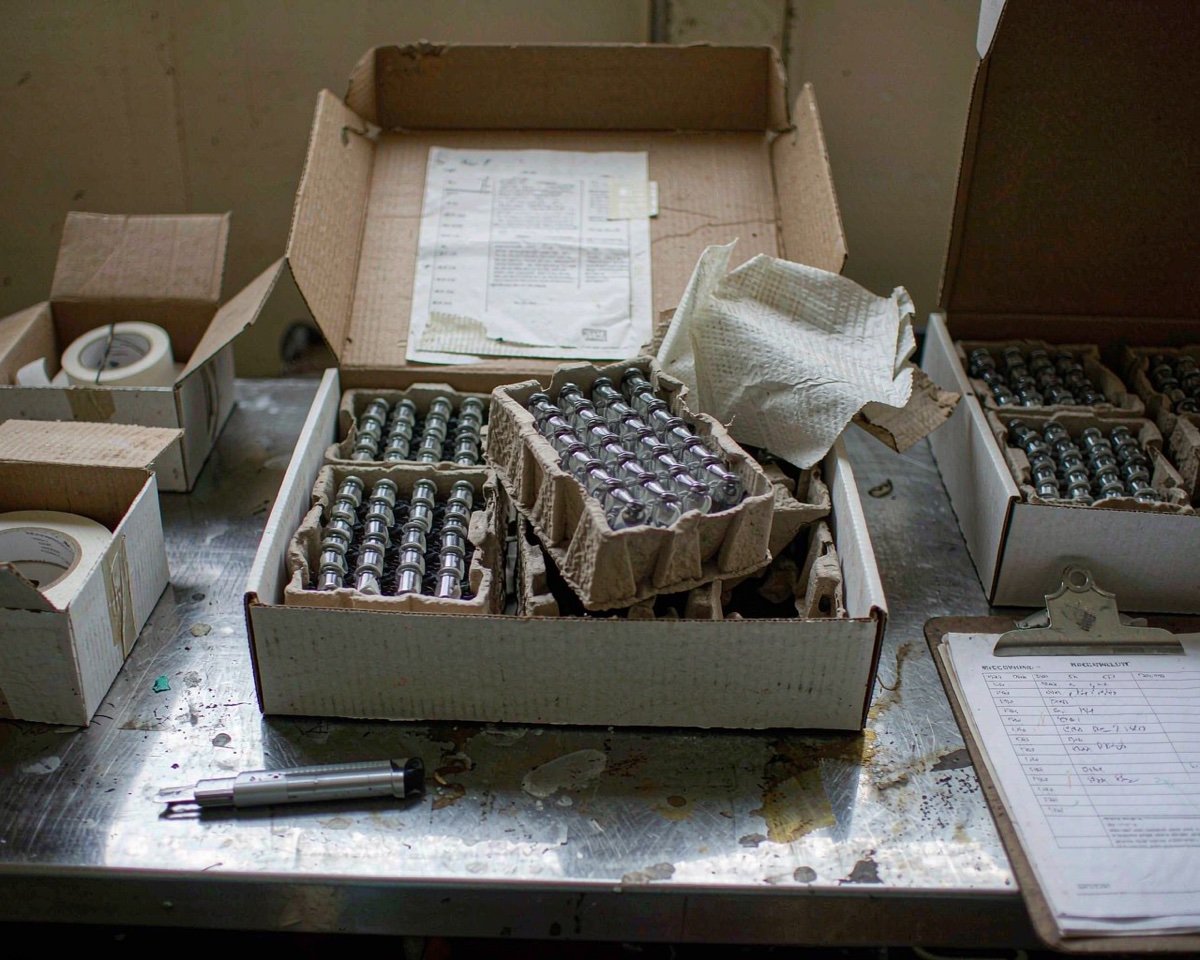
IC autosamplers are pickier than they look. Thermo Scientific Dionex samplers, the most common in environmental labs, use their own vial formats: the AS-DV takes 5 mL or 0.5 mL polyvials, while the AS-AP and AS-HV take different sizes again. Thermo’s IC parts and accessories catalog groups vials, bottles, and sample loops by autosampler model, which is the fastest way to check what your unit takes.
Two things trip people up. Plastic polyvials are standard for IC because glass can leach ions that pollute low-level anion work, so if your results drift upward on chloride, check what the samples are sitting in. And caps matter: some Dionex vials use filter caps with a built-in membrane so filtration happens as the needle draws, which saves a manual step on large sample batches.
Filtration: Non-Negotiable for Samples and Eluent
EPA Method 300.0, the reference method for inorganic anions in water, says it plainly: samples containing particles larger than 0.45 µm and reagent solutions with particles above 0.2 µm require filtration to prevent damage to columns and flow paths. You can read the original EPA Method 300.0 PDF for the exact wording.
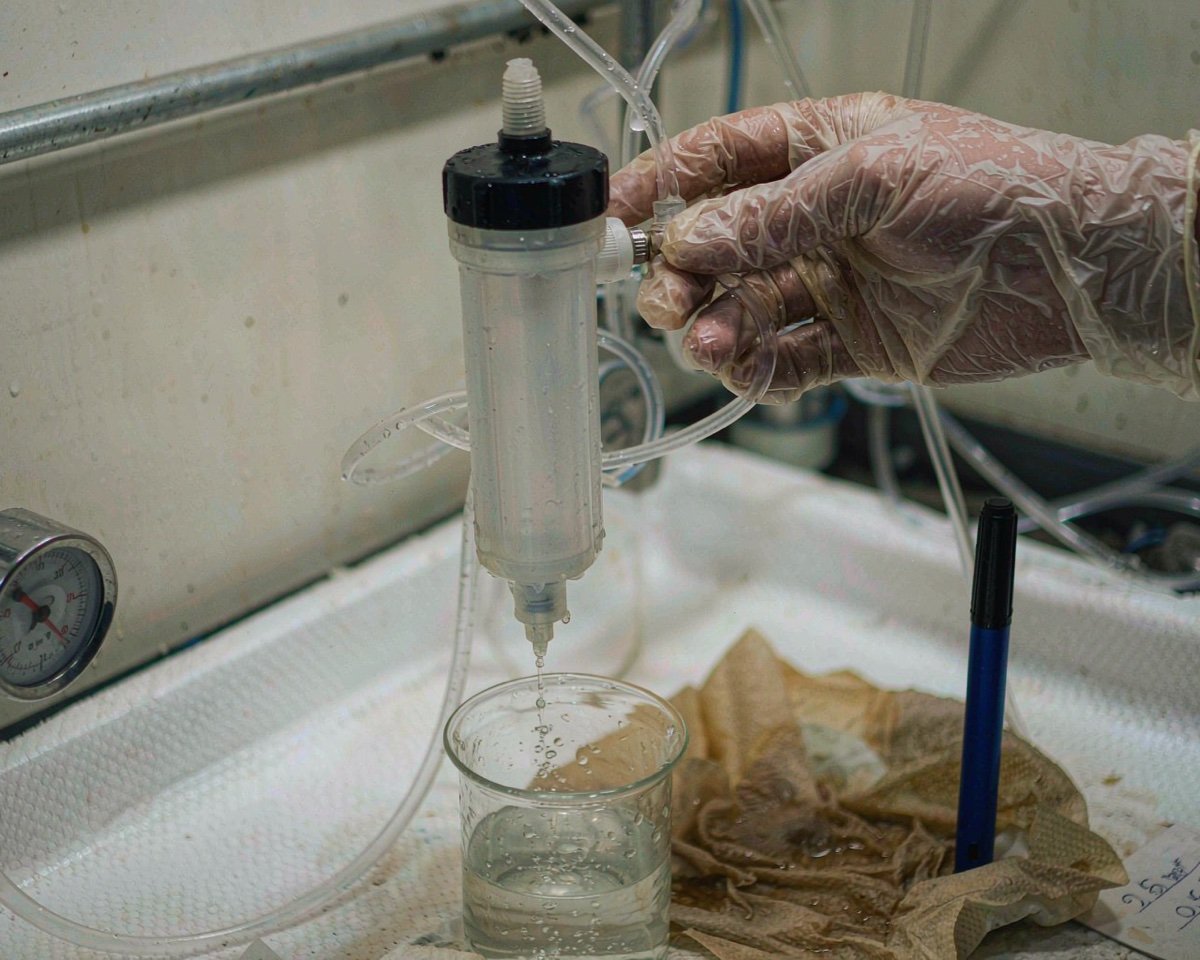
In practice that means 0.2 µm syringe filters for standards and eluent, and 0.45 µm for dirty environmental samples. I once ran a rush batch of well-water samples straight into vials after a quick look told me they were “clear enough.” The column pressure climbed 400 psi over thirty injections and the guard column was toast. One box of filters would have cost less than the column cartridge.
The pore-size trade-off is the same as in HPLC; if you’re unsure which membrane chemistry suits your matrix, the 0.22 vs 0.45 micron comparison applies directly to IC work.
Eluent, Regenerant, and the Water Question
The eluent carries the separation. Classic carbonate/bicarbonate eluent for anions and methanesulfonic acid for cations are still everywhere, and many labs now generate eluent electrolytically from pure water with an eluent generator module, which removes a whole class of preparation errors.
Whatever route you take, the water itself is a consumable in effect: 18 MΩ·cm deionized water is the baseline for eluent preparation, and contaminated water shows up as elevated background conductivity and noisy baselines before it shows up anywhere else. If your suppressor background has been creeping up for weeks, look at the water system before you blame the electronics.
Columns, Guard Columns, and Suppressors
The separator column does the actual ion separation, and the guard column in front of it sacrifices itself to keep the separator alive. Both are chemistry-specific and instrument-specific; an anion method on a 4 mm system needs a 4 mm guard and separator matched to the method, per the column table in Thermo’s application notebook on IC for anions.
The suppressor is the part unique to IC. It strips the eluent’s background conductivity so your analyte ions become visible to the conductivity detector. Suppressors are consumable-adjacent: they degrade, they need regeneration or replacement on a schedule, and they’re expensive enough that labs track them as assets. Thermo’s IC consumables hub covers the current suppressor generations and eluent generator cartridges.
Standards and Reagents
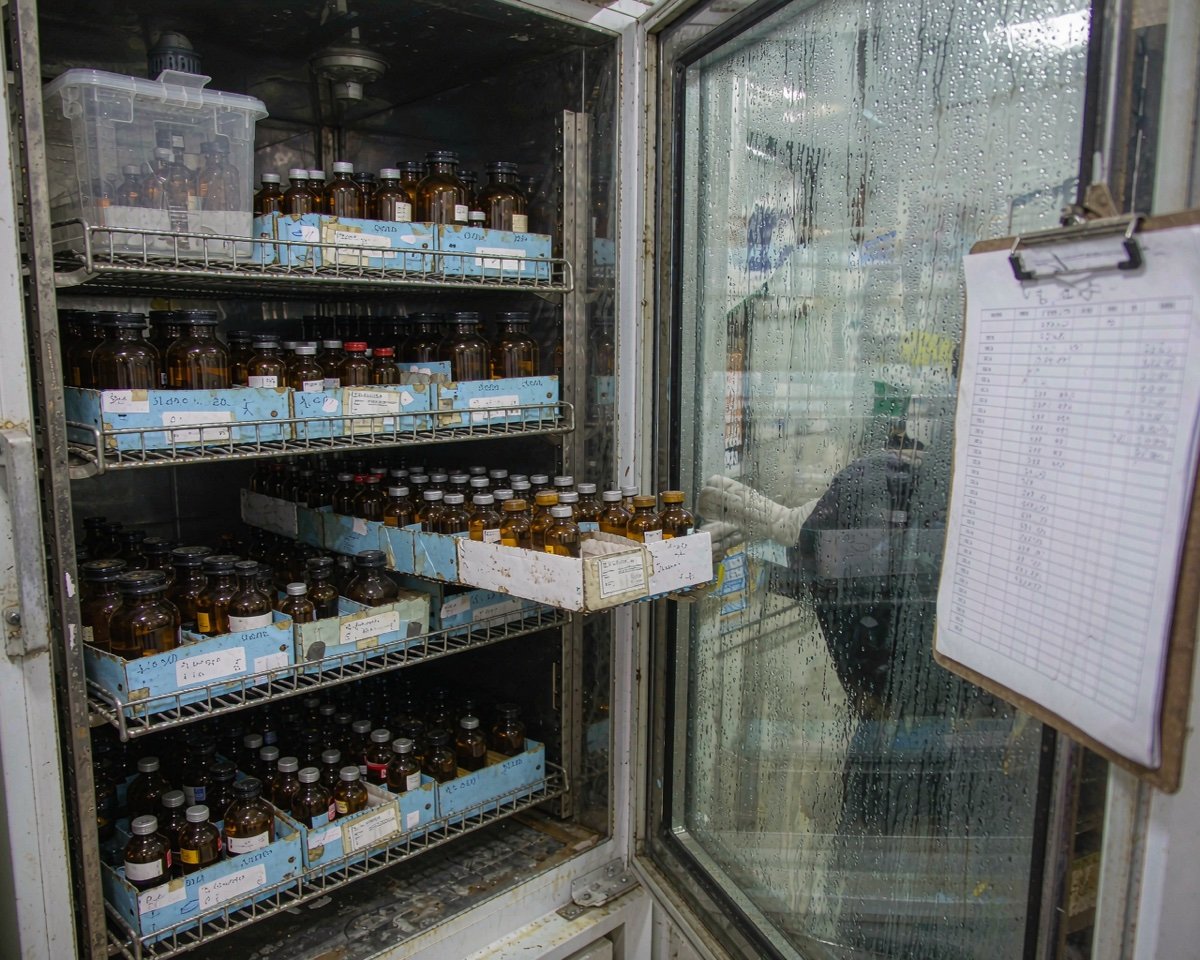
Calibration standards deserve a line of their own. Certified stock solutions for each anion (fluoride, chloride, nitrate, sulfate, and the rest) are cheap compared to the cost of a failed continuing calibration verification. Prepare working standards daily from the stocks, use class A glassware, and keep the stocks refrigerated and dated. Method 300.0 gives hold times too: nitrate and nitrite within 48 hours, sulfate within 28 days, per the method summary in the National Environmental Methods Index. Miss the hold time and no consumable in the world saves the data point.
Stocking Plan for a Small IC Lab
A sensible starting inventory: two cases of vials matched to the autosampler with filter and plain caps, a box each of 0.2 and 0.45 µm syringe filters, spare eluent and regenerant bottles, one spare guard column, certified anion and cation standards, and a bottle of 18 MΩ water or a working polisher. That covers a quarter of routine operation for most single-instrument labs.
If your IC work feeds a broader water testing program, the water quality lab consumables guide maps the shared consumables across IC, ICP, and wet chemistry. And for the filtration step specifically, why syringe filters clog and how to prevent it will save you the most frustration on dirty matrices.
Conclusion
Ion chromatography looks intimidating on the consumables side, but it reduces to a short list: the right vials for your autosampler, disciplined 0.2/0.45 µm filtration, clean 18 MΩ water for eluent, a guard column you actually replace, a suppressor you monitor, and certified standards within their hold times. Most IC problems I’ve seen trace back to one of those six being neglected rather than to the instrument itself. Stock the boring items in depth, respect the hold times, and the expensive parts (columns, suppressors) will quietly last years longer. If you’re setting up filtration for large sample volumes, bottle-top filters vs syringe filters is the next comparison worth reading.
Frequently Asked Questions
Do ion chromatography samples need to be filtered?
Yes. EPA Method 300.0 requires filtration of samples with particles above 0.45 µm and reagents above 0.2 µm to protect the columns and flow path. Unfiltered environmental samples are the fastest way to destroy a guard column.
Can I use glass vials for ion chromatography?
It depends on the analyte level. Glass can leach ions such as borate and silicate and can adsorb cations, which matters at low µg/L concentrations. Plastic polyvials matched to your autosampler are the safer default for trace anion work.
How often should I replace an IC guard column?
There’s no fixed interval; replace it when system backpressure rises or peak shape degrades, and log the pressure trend so you catch it early. Labs running dirty matrices may go through a guard monthly, while clean drinking water labs can stretch much longer.
What does an IC suppressor actually do?
It continuously removes the eluent’s ions from the background so the conductivity detector sees your analyte ions instead of the eluent. Without suppression, background conductivity drowns the signal and detection limits collapse.