
# Hydrogen and Fuel Cell Lab Consumables: The Complete Guide
Fuel cell labs live and die by cleanliness. One sulfur slip in a hydrogen sample, and a platinum catalyst quietly loses active sites you paid good money for. This guide walks through the consumables that keep hydrogen and fuel cell testing accurate, from sampling gear to syringe filters, membranes, and vials.
Hydrogen and fuel cell labs rely on three consumable groups: filter membranes for fuel particulate sampling, syringe filters for electrolyte and MEA extracts, and clean PFA or glass vials for trace-metal work. ISO 14687 caps sulfur at 0.004 µmol/mol, so consumable cleanliness shapes your data.
The details behind that answer fill entire standards documents. Below, I break down what each consumable actually does, where labs overspend, and where a $2 filter can quietly invalidate a $200 test. Everything here is grounded in published standards and peer-reviewed work, not vendor brochures.
Who Works in Hydrogen and Fuel Cell Testing (and Why Consumables Matter)
Walk into any hydrogen lab and you’ll meet the same cast of characters. Fuel quality analysts certify gas from production plants and refueling stations. Cell and stack developers run polarization curves all day. Electrolyzer teams study KOH and PEM water chemistry. Materials researchers probe catalysts and membranes with ICP-MS and ion chromatography. Each group touches consumables differently, but all of them share one problem: their samples are often cleaner than the containers they put them in.
That’s the core tension of this field. Fuel cell hydrogen might be 99.97% pure. The vial you pour it into might contribute more impurities than the entire sample. And unlike an instrument drift problem, consumable contamination rarely announces itself. It just shows up in your report one day, dressed as a result.
Fuel Quality and Certification Labs
These labs answer one question: does this hydrogen meet spec? The relevant specs are ISO 14687 and SAE J2719, and they are unforgiving. ISO 14687:2025 defines the minimum quality characteristics for hydrogen fuel used in vehicular, stationary, residential, and industrial applications. For PEM fuel cells, that means a hydrogen index of 99.97%.
The impurity limits get interesting. Water, oxygen, carbon monoxide, sulfur compounds, halogenates, and particulates all carry maximum concentrations, and some are startlingly low. Total sulfur, for example, is capped at 0.004 µmol/mol, which works out to roughly 0.1 ppm by weight. A lab certifying fuel against those numbers needs sample handling gear that adds nothing measurable to the gas.
Consumables here include passivated sample cylinders, particulate filter assemblies, and membrane filters for gravimetric testing. Cheap cylinders with unconditioned interiors can desorb moisture and hydrocarbons into a sample. I’ve seen labs chase a phantom water contamination problem for weeks before someone checked the cylinder, not the gas.
Cell, Stack, and MEA Developers
Membrane electrode assembly (MEA) work is where most fuel cell R&D happens. These teams run single cells and short stacks through polarization curves, cyclic voltammetry, electrochemical impedance spectroscopy, and brutal accelerated stress tests. NREL’s Fuel Cell Development and Test Laboratory, for reference, operates more than ten test stands in the 25 to 250 A range with cells from 5 to 100 cm² (DOE/NREL ESIF overview). Most commercial and university labs work at a similar scale.
What consumables does an MEA lab burn through? Filters for the humidification water. Vials for product water analysis during crossover tests. Syringe filters for electrolyte and ink samples. Clean gloves and tweezers, because a fingerprint on a gas diffusion layer can seed a pinhole later. In my experience, MEA failure modes usually trace back to small physical defects, and small defects come from small handling mistakes.
Electrolyzer and Materials Research Teams
Electrolyzers flip the fuel cell reaction, and their labs worry about a different set of contaminants. Alkaline systems run concentrated KOH, which is aggressive toward glass and dissolves metals into solution. PEM electrolyzers deal with ultrapure water and are hypersensitive to metallic leaching, especially iron and copper that can Fenton-react and damage membranes.
Teams characterizing catalysts and electrolytes lean heavily on ICP-MS and ion chromatography. If you run those instruments, your consumable decisions look a lot like any trace-metal lab: PFA vessels, low-extractable filters, acid-cleaned everything. The overlap with battery and materials labs is real, and the same clean-handling logic applies across both fields.
Why the Consumables Carry So Much Weight
Here’s my honest opinion after watching this industry for years: labs obsess over instrument specs and under-spec the stuff that touches the sample. A mass spectrometer can detect part-per-trillion levels. It cannot tell you whether the sodium it sees came from your catalyst or your glassware.
That detection gap is why consumable choice is a data quality decision, not a purchasing footnote. Get it wrong and you don’t just lose a sample. You lose the conclusion drawn from it.
Sample Collection and Gas Handling
Gas is the sneakiest matrix in analytical chemistry. It hides contamination well, changes composition with temperature and pressure, and gives you no visual warning that something went wrong. Good sampling practice starts long before the sample reaches an instrument.
Grabbing a Representative Hydrogen Sample
A representative sample starts with the right container. Stainless steel cylinders with passivated or SilcoNert-coated interiors are the standard choice for reactive gas mixtures, because bare steel can adsorb sulfur compounds and water. Sampling procedures typically call for purging the cylinder and lines several cycles before filling, which flushes ambient air and residual moisture.
The stakes are not hypothetical. In a DOE workshop report on hydrogen contamination detectors, a Shell station engineer described how a failed membrane in a fuel purifier led to dispensed fuel that did not comply with SAE J2719, caught only because the station ran periodic lab analyses on samples collected during purging cycles (DOE HCD Workshop Report). The lab consumables in that story, the sample cylinders and the analytical method behind them, caught a real quality failure. That’s the job.
Particulate Sampling the ASTM D7651 Way
Particulates in hydrogen might seem like a minor concern until you remember they clog valves and erode pneumatic components in fuel cell vehicles. ASTM D7651 is the reference method: you draw hydrogen through a PTFE membrane filter, then weigh the membrane before and after sampling on a microbalance to get a gravimetric particulate concentration.
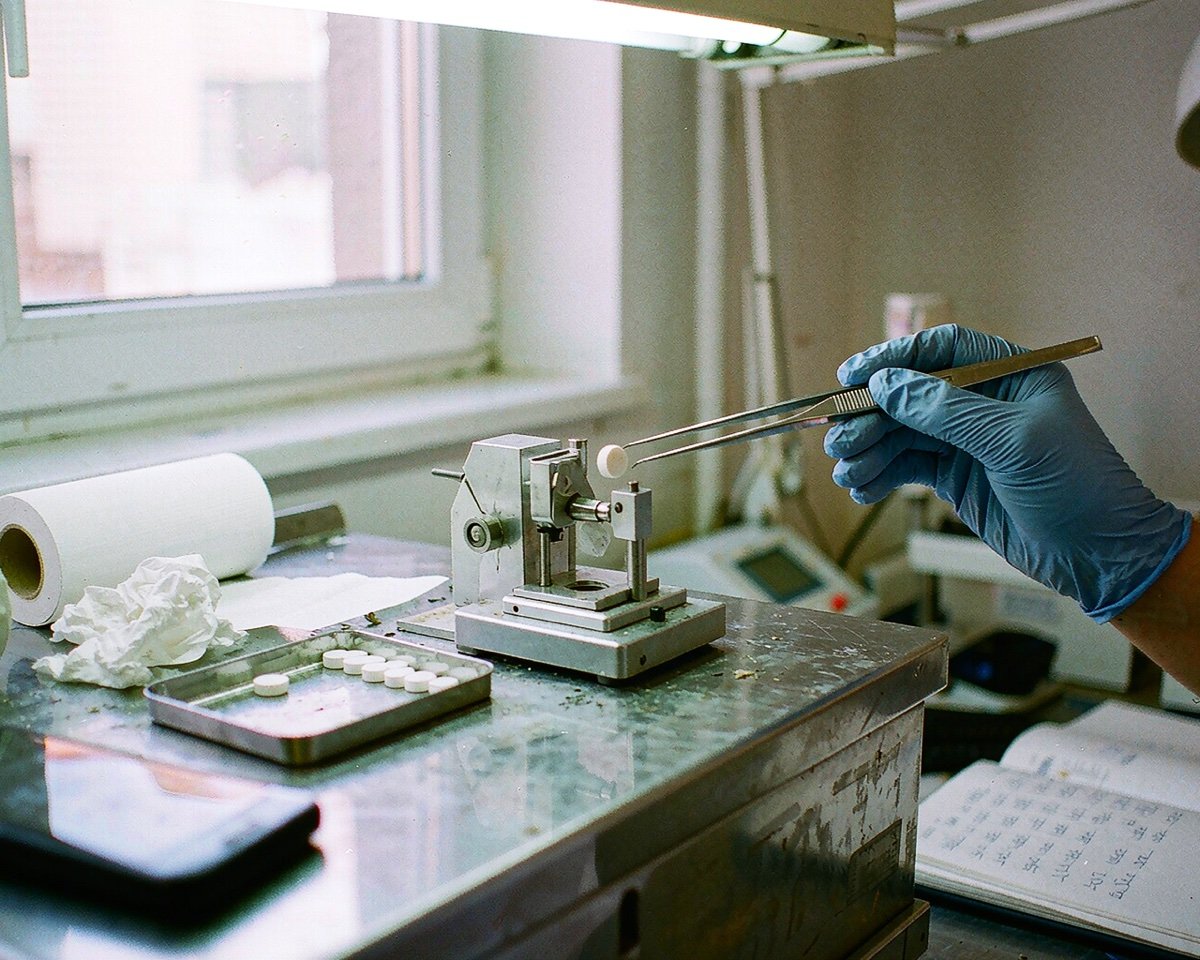
The method is simple on paper and fussy in practice. The filter membrane must be handled with powder-free gloves and clean tweezers, conditioned to stable temperature and humidity, and weighed against quality-control blanks. Static electricity on PTFE membranes is a genuine menace; labs use ionizing strips or destaticing devices before weighing because a charged membrane will pull dust out of the air and inflate your result. If your gravimetric numbers drift upward for no reason, check the balance room before you blame the fuel.
Moisture, Sulfur, and the Other Gas-Phase Contaminants
Water is a contaminant in fuel cell hydrogen because it dilutes the fuel and can freeze in dispensing equipment. The full list of regulated impurities, with limits drawn from the SAE J2719 specification, looks like this:
| Contaminant | Limit (µmol/mol) | Typical analytical approach |
|---|---|---|
| Water (H₂O) | 5 | Spectroscopy or moisture-specific methods |
| Carbon monoxide (CO) | 0.2 | Gas chromatography |
| Total sulfur compounds | 0.004 | GC with sulfur-specific detection |
| Total halogenates | 0.05 | Ion chromatography or GC-based methods |
| Particulates | 1 mg/kg | Gravimetric filter method (ASTM D7651) |
Those numbers come from the contaminant limits tabulated in the DOE workshop report referenced above. Notice the pattern: every limit sits far below what routine handling can accidentally introduce. A fingerprint carries more sulfur than a full cylinder of compliant fuel is allowed to contain. Maybe that’s dramatic, but it makes the point.
For halogenate analysis, ion chromatography is the workhorse, and that pulls your lab into the aqueous sample prep world we cover in the next section.
Syringe Filters and Membranes for Electrolyte and MEA Analysis
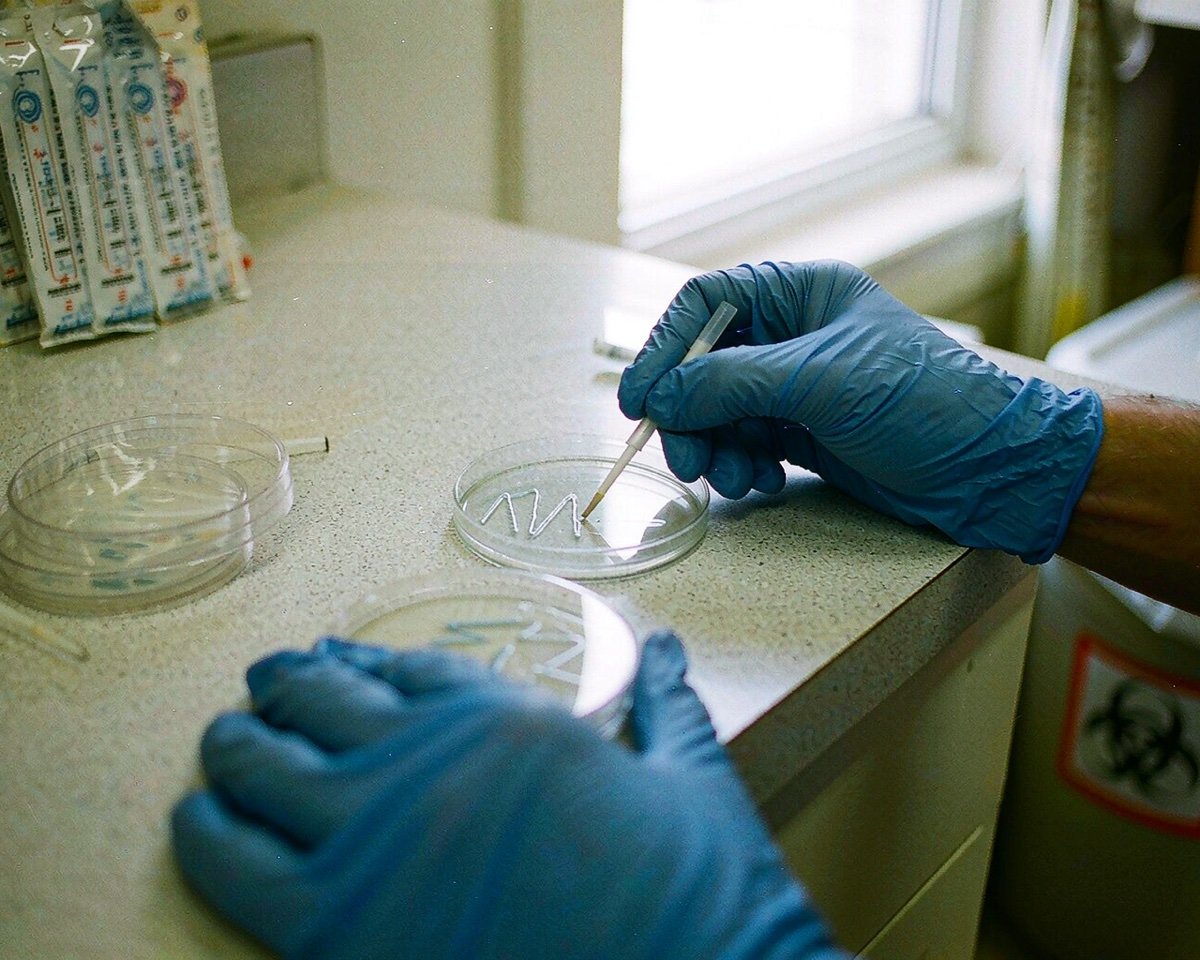
Aqueous analysis is where fuel cell labs spend most of their bench time. Product water from fuel cell testing, electrolyte extracts, catalyst ink digests, and ion chromatography samples all pass through a filter before they reach an instrument. Pick the wrong filter chemistry and the filter becomes your analyte source.
Matching the Membrane to the Chemistry
The standard choices are PTFE, PES, PVDF, nylon, and regenerated cellulose. Each has a personality.
PTFE is hydrophobic and chemically inert, which makes it the pick for organic solvents and aggressive extracts. You’ll need to pre-wet it with a miscible solvent if you’re filtering aqueous samples, or buy hydrophilic PTFE. PES has very low extractables for aqueous work and fast flow, which is why it dominates ion chromatography sample prep. PVDF sits in the middle: low protein binding, low extractables, tolerant of mild solvents. Nylon is tough and cheap but can leach small amounts of extractables into acidic or basic solutions, so I’d think twice before using it for trace-level ionic work.
The mistake I see most often is treating “syringe filter” as one category. A filter that’s fine for a conductivity check might add parts-per-billion silicates to a sample destined for ICP-MS. If you want the full decision tree, our complete syringe filter buyer’s guide walks through media, housing materials, and pore ratings in depth.
Pore Size, Hold-Up Volume, and the Small-Sample Problem
Most aqueous lab work uses 0.2 µm or 0.45 µm filters. The 0.2 µm rating is considered sterilizing-grade and catches fine particulates that could foul an IC column or clog an ICP nebulizer. For fuel cell electrolytes with catalyst particles suspended in them, 0.2 µm is the safer bet.
Hold-up volume matters more than most buyers expect. Fuel cell labs often work with tiny volumes, maybe 2 to 5 mL of product water from a test stand, and a standard 25 mm filter housing can trap 100 µL or more. A low-hold-up design, or a smaller 13 mm housing, recovers more of your scarce sample. When your whole experiment produced 3 mL, losing 10% of it to filter dead volume is a real cost, and rerunning the test stand to replace it costs hours of unattended cycling time.
Membranes That Do More Than Filter
Membrane consumables also appear as measurement surfaces in this field. Gravimetric particulate testing per ASTM D7651 uses weighed PTFE membranes as collection substrates. Labs doing electrochemical characterization might use ion-exchange membranes in ex-situ conductivity cells. Fuel cell research on MEA durability depends on reproducible materials at every step, and the membrane you filter with yesterday becomes the baseline you compare against tomorrow.
One practical habit worth adopting: lot-qualify your membranes. Run a reagent water blank through each new filter lot before trusting it with real samples. It takes ten minutes and it has saved me from at least one embarrassing retraction-level dataset.
Vials and Containers for Trace-Metal and Ion Chromatography Work
Once your sample is filtered, it needs a home. Container choice decides whether that home protects the sample or slowly contaminates it.
When PFA Beats Glass
Glass is the default container in most labs and the wrong one for some fuel cell work. Borosilicate glass leaches boron, sodium, silicon, and potassium into solution, slowly at neutral pH and aggressively in acidic or basic matrices. Concentrated KOH from an alkaline electrolyzer test will visibly etch glass over weeks and load the solution with silicates and aluminum.
PFA (perfluoroalkoxy) vials and bottles solve that. They are chemically inert across nearly the whole pH range and contribute metal contaminants only at negligible levels. For ICP-MS work on catalyst digests or electrolyte metals at parts-per-trillion targets, PFA is the defensible choice. We compared the two materials in detail in our PFA vs glass vials guide for trace-metal analysis, including which situations make glass perfectly acceptable.
My rule of thumb: glass for organic and solvent work, PFA for anything touching a metal you plan to quantify. If someone in your lab insists glass is “clean enough” for sub-ppb metal work, ask them to run a 48-hour leach test. The results usually end the conversation.
Amber Glass and the Organic Side
Not every analysis in a fuel cell lab is ionic. Extractables testing on sealing materials, hydrocarbon analysis, and peroxide studies often land in amber glass. A 40 mL amber glass vial with a PTFE-lined cap is the standard vessel for volatile and semi-volatile organic work, and its borosilicate body is fine as long as your analytes are organic and your pH is moderate.
Amber color matters because organic analytes can photodegrade. Fluoride and chloride determinations, though, should never see a glass vial, since glass itself is a fluoride-reactive material and the sample will quietly gain silicates while losing analyte.
Caps, Septa, and the Details Nobody Reads
The cap is part of the container. PTFE-faced silicone septa are standard for autosampler vials because PTFE resists solvents while silicone provides resealability. Cheap septa can core, shed particles, or add silicone extractables into the sample. For trace work, pre-slit or low-bleed septa reduce carryover and ghost peaks.
Headspace vials, crimp caps, and the crimper itself deserve a quality check too. A leaking crimp lets volatile analytes escape and ambient moisture in. I once inherited a fuel cell water analysis where every sample showed creeping fluoride gains over a week of storage. The culprit was a batch of septa that hardened and lost seal. Small part, big consequence.
For labs running ICP-MS on catalysts and electrolytes, the container question extends to digest tubes, pipette tips, and acid-cleaned storage bottles. Our ICP-MS sample preparation consumables checklist covers the full chain.
Contamination Control: Sulfur, Halides, and Metals
Everything above builds toward this section, because contamination is the reason fuel cell consumables are specified so tightly. Let’s look at why the limits exist and where contamination actually enters.
Why the Limits Are So Brutal
Platinum is the heart of a PEM fuel cell, and platinum is a chemical recluse that binds certain impurities more tightly than it binds its own fuel. Carbon monoxide is the classic example. In a peer-reviewed study of ultralow-loaded platinum anodes, exposure to 0.2 ppm CO in hydrogen (the ISO limit) cut cell voltage by roughly 40 to 50% compared with neat hydrogen (J. Electrochem. Soc. via PMC). Sulfur compounds adsorb even more irreversibly, blocking hydrogen oxidation sites in a way that simple shutdown cycles may never fully reverse.
Halides are less famous but equally nasty. Chloride, bromide, and iodide bind platinum more strongly than oxygen does, and they show up in catalyst precursors, ambient air near coastlines, and poorly cleaned glassware (review of Pt catalyst degradation, PMC). A lab in a coastal city running chloride-contaminated rinse water could poison its own test cells while believing the fuel was at fault.
The takeaway for consumables: every limit in the fuel quality table has a laboratory analog. If your sample prep supplies contribute sulfur at any meaningful level, your 0.004 µmol/mol compliance test is measuring your filter, not the fuel.
Where Contamination Actually Enters
In my experience the list is short and unglamorous:
• Filters with extractable surfactants or wetting agents
• Glass vials leaching sodium, boron, and silicates into aqueous samples
• Nitrile or latex gloves shedding sulfur and zinc compounds
• Tap water rinses leaving chloride and hardness residues
• Cleaning agents containing phosphates or quaternary ammonium compounds
• Septa and cap liners bleeding silicone or plasticizers into organics
None of these announce themselves. The sample looks normal, the instrument runs fine, and the result is quietly wrong. Contamination from consumables is the least dramatic failure mode in analytical chemistry and possibly the most expensive.
A Cleanliness Protocol That Actually Holds Up
The labs that stay clean don’t work harder, they work consistently. A workable protocol looks like this: powder-free nitrile gloves changed often, PTFE or plastic tweezers for anything destined for a trace analysis, ultrapure water as the only rinse agent, dedicated filter lots qualified with blanks, and acid-cleaned PFA storage for metal work. Add a reagent blank at the start of every batch so you can prove your consumables were clean on that day, for that run.
The blank is the piece most labs skip, and I think that’s a mistake. Without a blank, you have no defense when a reviewer asks whether a 0.05 µg/L iron result came from the catalyst or the vial. With one, the answer takes two minutes.
Safety and Storage
Consumable choice also has a safety dimension in hydrogen labs that most guides ignore. Gas handling gear, storage conditions, and chemical compatibility all belong in the buying conversation.
Handling Hydrogen Samples Without Drama
Hydrogen is not toxic, but it is flammable across a wide range in air (roughly 4 to 75%) and it leaks through fittings that hold other gases just fine. Sample cylinders need pressure-rated regulators, appropriate valves for the service pressure, and secure mounting. Fittings and lines should use materials compatible with high-pressure hydrogen, since some steels suffer hydrogen embrittlement under repeated pressurization. Ventilation and hydrogen sensors belong in any room where cylinders are connected or purged.
For the consumable angle: sampling assemblies, filter housings, and pressure-rated flashbacks are consumable-adjacent items worth buying from reputable sources with documented pressure ratings. A cheap check valve is not a bargain if it fails at 300 bar. Labs should follow their institutional gas safety procedures and local codes; the DOE hydrogen program’s safety resources are a sensible starting point for training material.
Storing Consumables and Calibration Standards
Filters and membranes are humidity-sensitive in both directions. Gravimetric PTFE membranes need controlled temperature and humidity conditioning before weighing, since absorbed water shifts the mass. Sealed storage in clean containers, away from laboratory air, keeps unopened filters usable for their rated shelf life.
Vials and bottles should stay sealed until use, and acid-cleaned PFA containers should be stored filled with ultrapure water or dilute acid rather than dry, since dry surfaces adsorb airborne particles. Standards and reagents for ion chromatography have their own storage rules, typically refrigeration and expiration dates that you should actually respect. Expired calibration standards are a compliance finding waiting to happen, and they also skew your data in ways you may not notice.
Buying Considerations and Spec Sheets
Consumable purchasing in this field rewards people who read documents. Two buyers can order “the same” PTFE filter and receive very different products depending on what the spec sheet promised.
Read the Spec Sheet Like a Lawyer
The details that matter for fuel cell work: pore size and its distribution, housing material (polypropylene is common, but confirm solvent compatibility), effective filtration area, maximum operating pressure, extractables data, and whether the manufacturer documents lot-to-lot consistency. For gravimetric membranes, look for stated mass stability under conditioning. For trace-metal vials, ask whether the manufacturer publishes leachable profiles.
Conditional language is your friend here: a filter rated for “aqueous solutions” might not carry a stated extractables spec, and that omission may matter for your application. Suppliers such as Thermo Fisher, Agilent, and Restek generally publish application notes that map filter media to analytical techniques, and those notes are a faster education than trial and error.
Documentation: Certificates and Lot Traceability
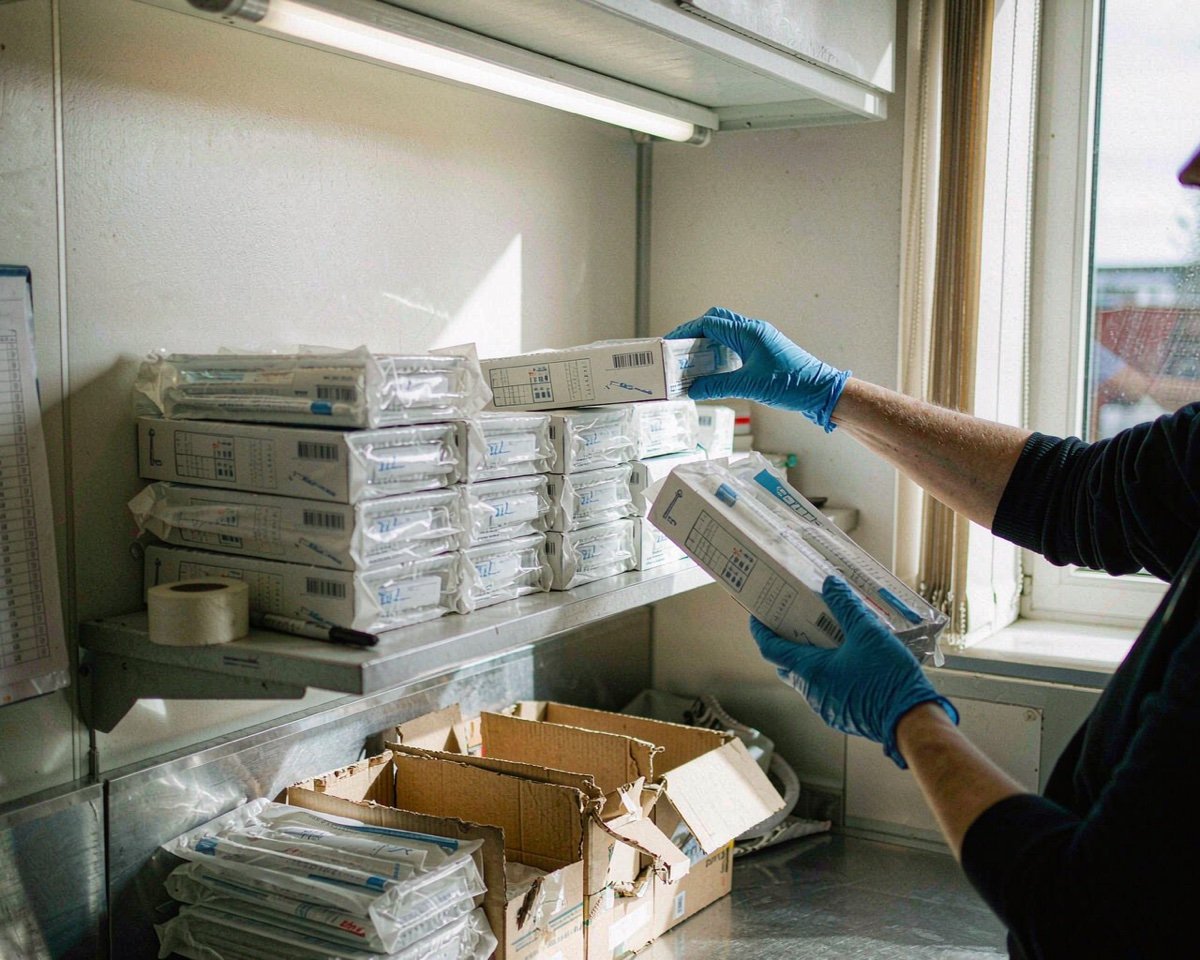
For regulated or certification work, a certificate of analysis for the consumable lot is part of your data integrity story. It tells an auditor that the filter in your method validation is the same product you use today. Lot numbers on filters, membranes, and vial liners should be recorded in your sample preparation records, the same way you’d record a standard’s lot.
When buyers compare quotes, documentation depth is often the real difference between cheap and expensive options. The premium isn’t for plastic. It’s for the manufacturer’s willingness to stand behind consistency.
Where to Spend and Where to Save
Spend on anything whose failure is invisible: trace-metal containers, gravimetric membranes, low-extractable filters, and gas sampling hardware. Save on general-purpose lab wear and items where a visual check catches defects. That split, in my view, gets you 90% of the value of a premium consumables budget at a fraction of the cost.
Conclusion
Hydrogen and fuel cell testing pushes analytical chemistry to concentrations most labs never think about. A compliance limit of 0.004 µmol/mol for sulfur or 0.2 ppm for carbon monoxide leaves no room for consumables that quietly contribute their own impurities. The gear that touches your sample, sampling cylinders, particulate membranes, syringe filters, and PFA or amber glass vials, is part of your measurement, whether your method treats it that way or not.
My advice is to treat consumable selection as a data quality decision. Match filter chemistry to your matrix, qualify new lots with blanks, keep a documented cleanliness protocol, and read spec sheets before price tags. The labs that do this don’t just produce better numbers; they produce numbers that survive review. If you’re building out a broader energy testing workflow, our battery and energy testing consumables guide extends the same thinking to battery labs, and it pairs well with this one.
Frequently Asked Questions
What consumables are used for hydrogen fuel quality testing?
Labs typically use passivated stainless sample cylinders, particulate filter assemblies with PTFE membranes for gravimetric testing per ASTM D7651, and analytical supplies matched to each impurity method. Moisture, CO, and sulfur determinations are usually instrument-led, but sampling hardware cleanliness decides whether results are meaningful.
How pure does hydrogen need to be for a PEM fuel cell?
Fuel quality standards such as ISO 14687 and SAE J2719 specify a hydrogen fuel index of 99.97%, with strict caps on water, CO, sulfur compounds, halogenates, and particulates. Even compliant trace levels, such as 0.2 ppm CO, can measurably reduce the voltage of modern low-platinum-load cells.
Why do labs use PFA vials for fuel cell electrolyte and catalyst testing?
PFA containers are essentially inert toward acids, bases, and HF, while borosilicate glass leaches sodium, boron, and silicates into solution. For ICP-MS work on catalyst digests or alkaline electrolytes at trace levels, that leaching can swamp your analyte signal, so PFA is the safer default.
Which syringe filter should I use for ion chromatography samples?
PES membranes with 0.2 µm pore size are a common choice for aqueous IC samples because they show low extractables and fast flow. Always run a reagent water blank through a new filter lot, and avoid nylon for acidic or basic samples where extractables could distort low-level anion results.
How should I store membrane filters before gravimetric particulate testing?
Keep membranes sealed in clean containers and condition them at controlled temperature and humidity before weighing, both before and after sampling. Conditioned masses are the basis of ASTM D7651 results, so skipping conditioning directly inflates apparent particulate concentrations.