
Fill a headspace vial too little and your detection limits suffer. Fill it too much and you risk pressure problems and liquid in the transfer line. The sweet spot sits in a formula you can work out in ten seconds.
As a starting rule, fill about half the vial: roughly 10 mL of sample in a 20 mL headspace vial, which sets the phase ratio at 1. Then adjust based on how volatile your analytes are.
The Short Answer for Common Situations
For routine volatile work in a 20 mL vial, 10 mL of liquid sample is the classic default. For pharmaceutical residual solvent testing under USP <467>, most labs work with around 1 g of sample dissolved in 5 mL of solvent per 20 mL vial. For solid or soil samples, 1-2 g is typical, sometimes with water or a matrix modifier added.
The chemistry does not care about the vial size; it cares about the ratio of gas volume to liquid volume, which our headspace vial guide covers in depth.
Why the Ratio Matters More Than the Volume
Headspace GC never injects your sample. It injects the vapor that reaches equilibrium above the sample, so sensitivity depends on how much analyte sits in the gas phase at equilibrium. Two numbers control that.
The first is the partition coefficient, K: the ratio of analyte concentration in the liquid phase to the gas phase at equilibrium. A low K means the analyte escapes into the headspace easily. The Restek static headspace guide publishes K values that show the spread: n-hexane sits at 0.14 in water at 40 °C while ethanol sits at 1355. That is several orders of magnitude.
The second is the phase ratio, β, which is the gas volume divided by the sample volume. Combine them and the headspace concentration works out to Cg = C0 / (K + β).
Here is the consequence, and it is the part most people misjudge. When K is small (volatile analytes like hexane), β is a big part of the denominator, so changing your fill volume changes sensitivity dramatically. When K is huge (ethanol and friends), K dominates the denominator and extra sample volume buys you almost nothing. The LCGC static headspace tutorial makes the same point with practical numbers (LCGC International).
A Worked Example
Take a 20 mL vial with 10 mL of aqueous sample. The gas volume is 10 mL, so β = 1.
For hexane (K = 0.14), the denominator is 1.14, and more than half of the hexane present at equilibrium sits in the vapor. Now cut the fill to 2 mL: β becomes 9, the denominator becomes 9.14, and the headspace concentration drops by roughly a factor of eight. That is the difference between a clean peak and a peak you are squinting at.
Run the same exercise with ethanol (K = 1355) and the denominator moves from 1356 to 1364. Practically no change. More sample will not help ethanol; higher equilibration temperature will, because heat lowers K.
That asymmetry is the real skill in setting fill volumes. Ask first: is my analyte low-K or high-K?
Practical Fill Guidelines by Sample Type
Aqueous samples (volatiles, wastewater, blood alcohol)
Start at 10 mL in a 20 mL vial. Blood alcohol methods commonly run 0.1-1 mL with dilution, because the analytes are highly volatile and even small volumes give strong signal. If sensitivity is short, increase fill volume first, then consider salting out.
Pharmaceutical residual solvents
Follow your method, and when writing one, 1 g of sample in 5 mL of an appropriate solvent per 20 mL vial is the common USP <467>-aligned setup. Residual solvents include both low-K species (methanol is an exception with high K at 1355-ish) and mid-range ones, so temperature control matters as much as volume. The USP <467> chapter defines the classification and limit framework driving these setups.
Solids and soils
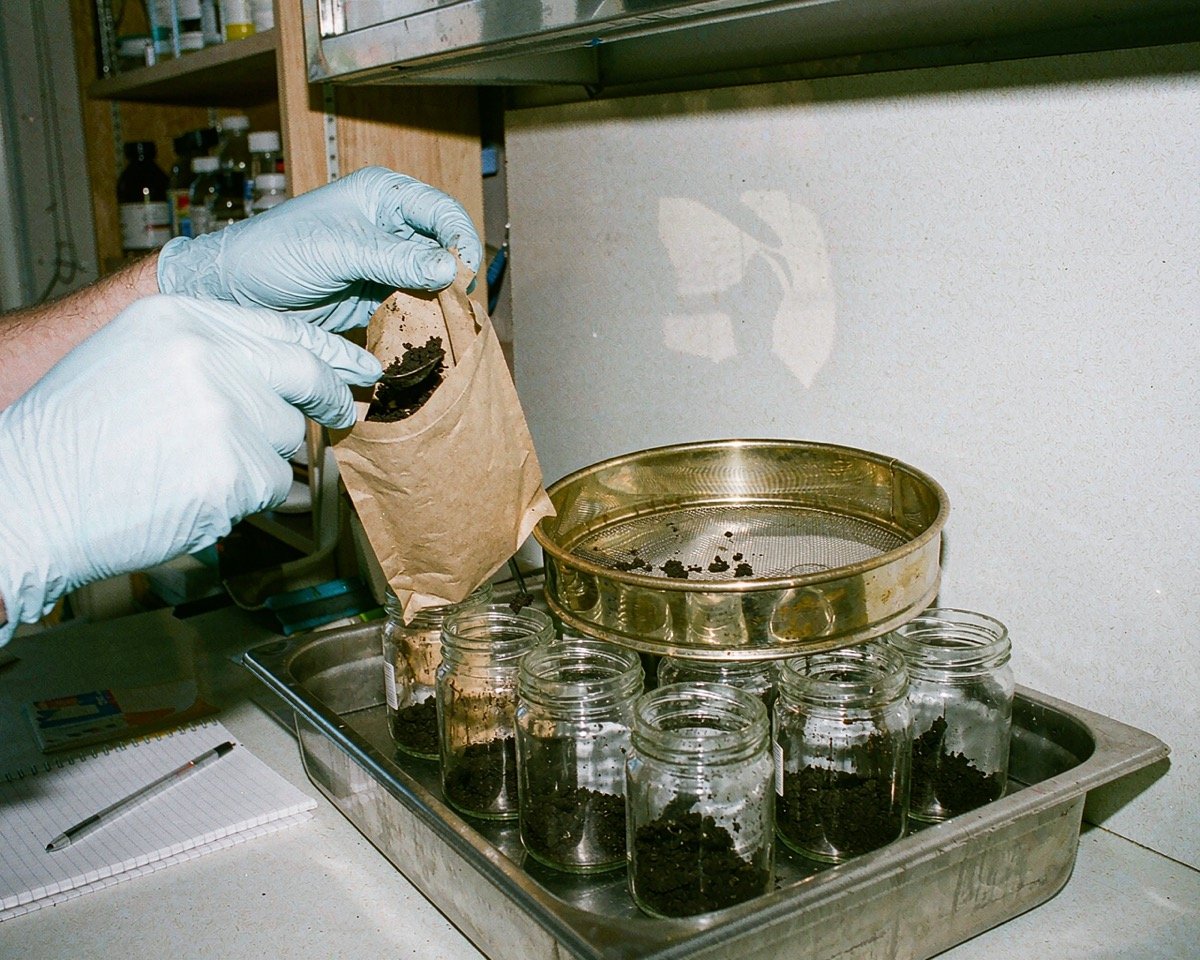
1-2 g per 20 mL vial is typical. Solids complicate things because the analyte partitions among several phases, not just liquid and gas. Adding water or a matrix modifier often releases more analyte than increasing the sample mass does.
Limited sample
Drop to a 10 mL vial and run 3-5 mL. The smaller vial keeps β low without needing volume you do not have. Our guide on headspace vial sizes and formats covers the trade-offs in equipment terms.
Where Overfilling Bites You
More sample is not always better, and the failure modes are unpleasant.
Pressure comes first. Heat a nearly full vial to 80 °C and the vapor pressure builds fast, especially with aqueous samples. When the sampler’s needle pierces the septum, that stored pressure can blast a slug of vapor (and dilution air) into the loop, wrecking precision. LCGC notes that sudden pressure release on needle insertion can even lose analyte outright.
Liquid carryover is the uglier one. Overfilled vials can push liquid into the transfer line or the loop during pressurization, and cleaning solvent out of a headspace system is nobody’s favorite afternoon. For that reason most instrument makers caution against fills above roughly 80% of vial volume, and 50% remains the comfortable default.
One more subtlety: temperature changes K, and pressure, and the whole equilibrium. Our walkthrough of what headspace analysis is and how it works explains that interplay if you want the fundamentals.
Getting This Right in Practice
When you are developing or inheriting a method, run a quick fill-volume profile rather than trusting a default. Prepare the same sample at 2, 5, 8, and 10 mL in 20 mL vials, run identical methods, and plot peak area against fill. Where the curve flattens, more sample has stopped helping, which usually means you are looking at a high-K analyte and should turn to temperature or salting instead.
Also keep the septum side of the equation honest. Fill volume affects sensitivity, but a leaking septum wastes it; our guide to picking the right headspace septum covers crimp versus screw and septum thickness. And if you are unsure which applications use these volumes in anger, our roundup of headspace analysis applications shows the range from blood alcohol to packaging testing.
I learned the fill-volume lesson the expensive way, during a soil method where we doubled the sample mass chasing a detection limit that never moved. The plot of peak area versus fill volume was flat as a road. The analyte had a K in the thousands, and the fix was a 20 °C bump in equilibration temperature, which doubled the response in one afternoon.
Conclusion
Headspace fill volume is a ratio problem dressed up as a volume problem. The 10 mL in a 20 mL vial default gives you a phase ratio of 1 and works for most volatile work, USP-style residual solvent methods typically run 1 g in 5 mL, and limited samples can drop to a 10 mL vial without changing the chemistry. What separates good methods from average ones is knowing whether your analyte’s partition coefficient makes fill volume worth optimizing at all. Check the K, run one fill-profile experiment, and set temperature to work where volume cannot. From there, the rest is keeping the vials sealed and the equilibrium honest.
Frequently Asked Questions
Can I fill a headspace vial completely full?
No. A full vial leaves no gas phase for equilibrium and creates dangerous pressure buildup on heating, often pushing liquid into the transfer line. Stay at or below about 80% of the vial volume, with 50% as the comfortable default.
Does more sample always mean better sensitivity in headspace GC?
Only for low-K (highly volatile) analytes. When the partition coefficient is large, headspace concentration barely responds to extra sample volume, and raising the equilibration temperature or salting out works far better.
What is the phase ratio in headspace analysis?
The phase ratio β is the gas volume divided by the sample volume in the sealed vial. A 10 mL fill in a 20 mL vial gives β = 1. Lower β generally increases headspace sensitivity for volatile analytes.
How much sample do USP <467> residual solvent methods use?
Typical setups place about 1 g of sample with roughly 5 mL of solvent in a 20 mL headspace vial, though the chapter allows alternative validated approaches. The key is consistent matrix and headspace conditions between standards and samples.
Why did my headspace response not improve when I increased sample volume?
Your analyte most likely has a high partition coefficient, so it stays dissolved regardless of fill volume. Try a higher equilibration temperature (staying well below the solvent boiling point), add salt to drive the analyte out of solution, or switch to a matrix modifier.