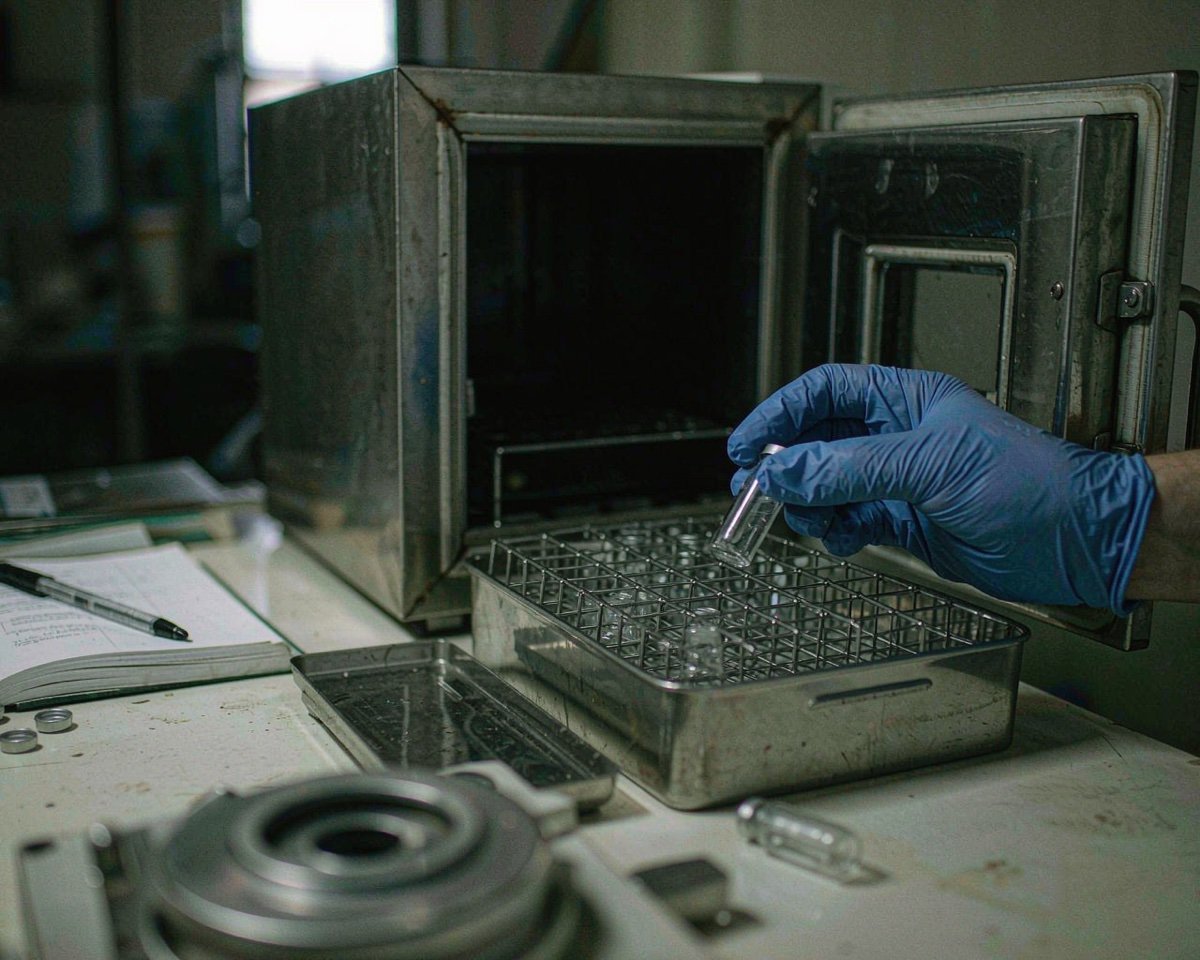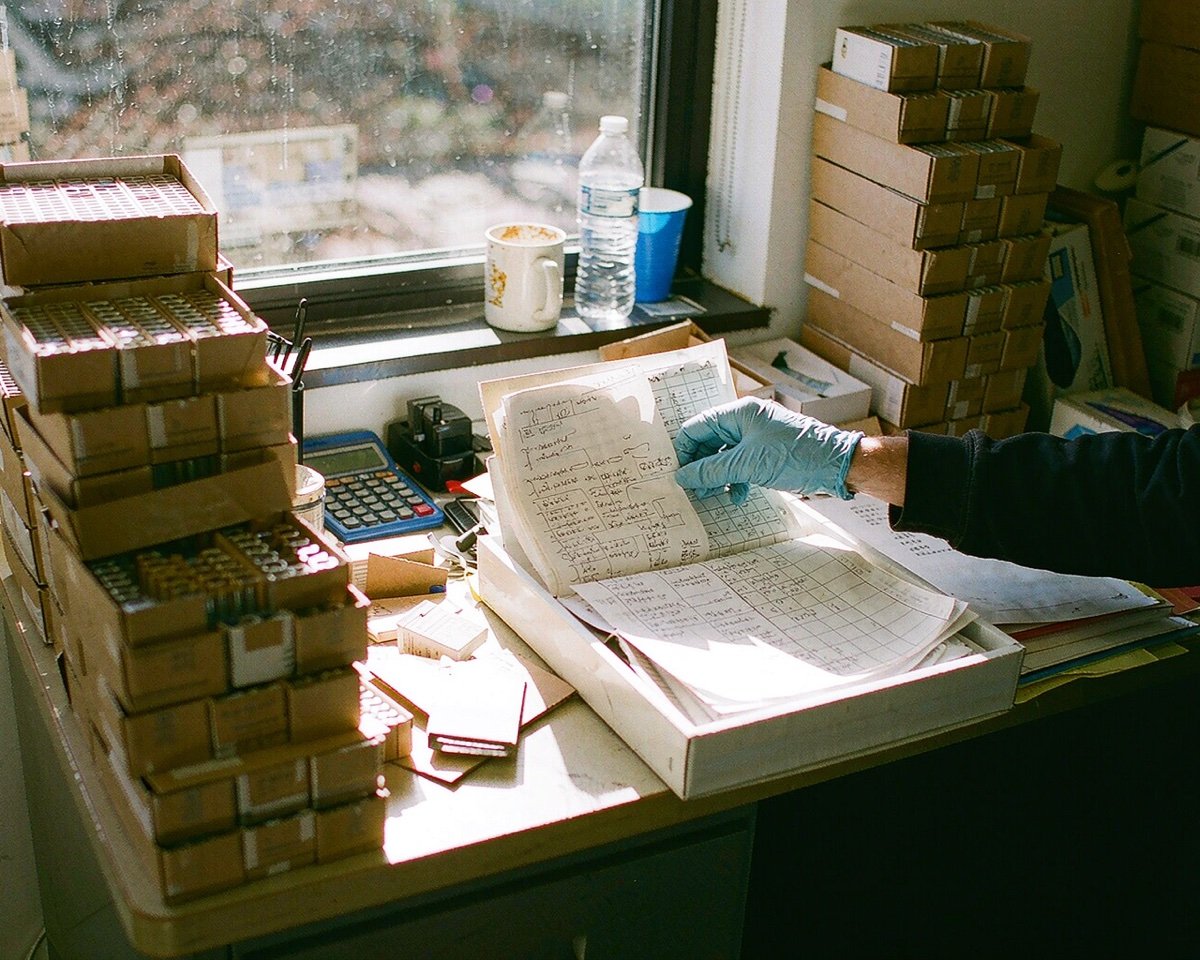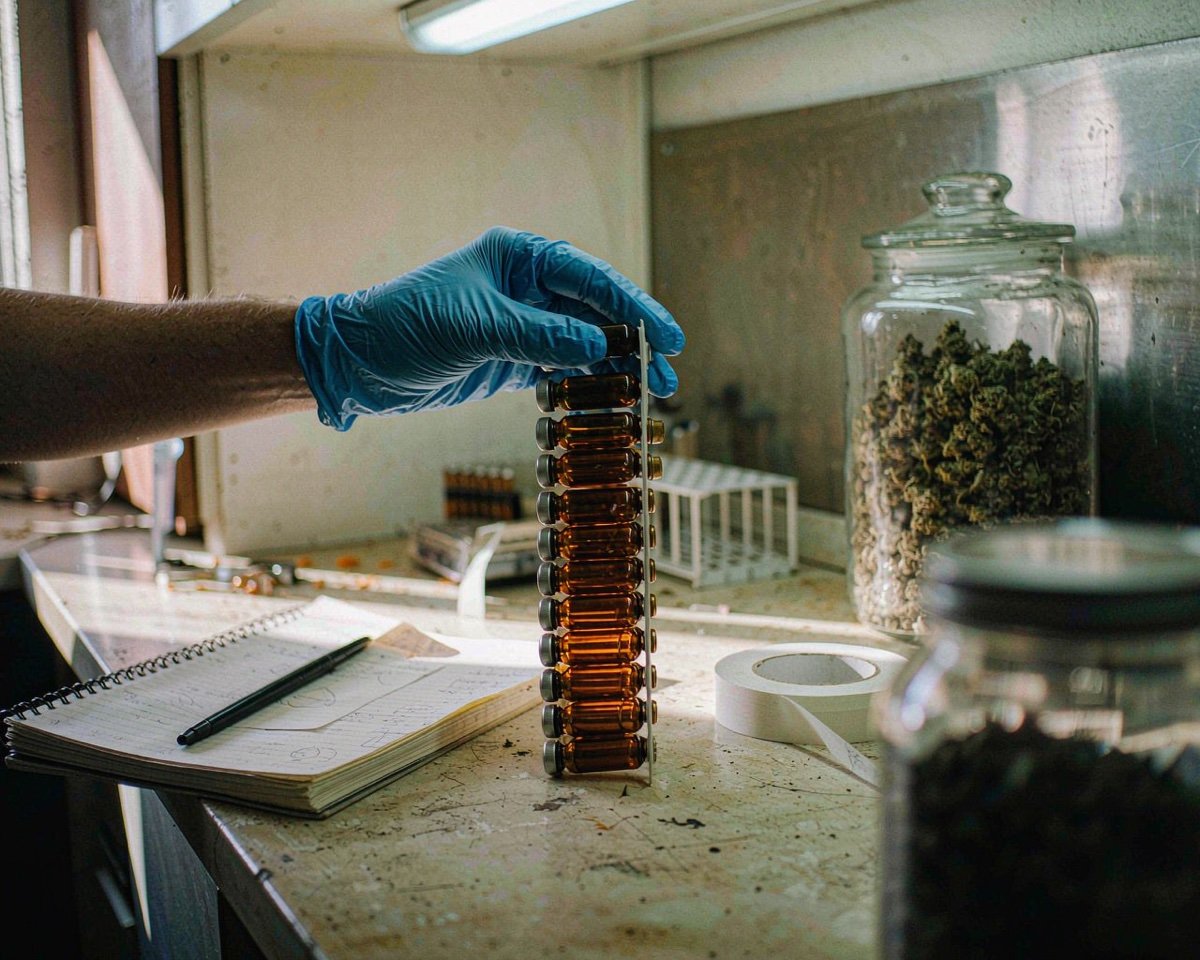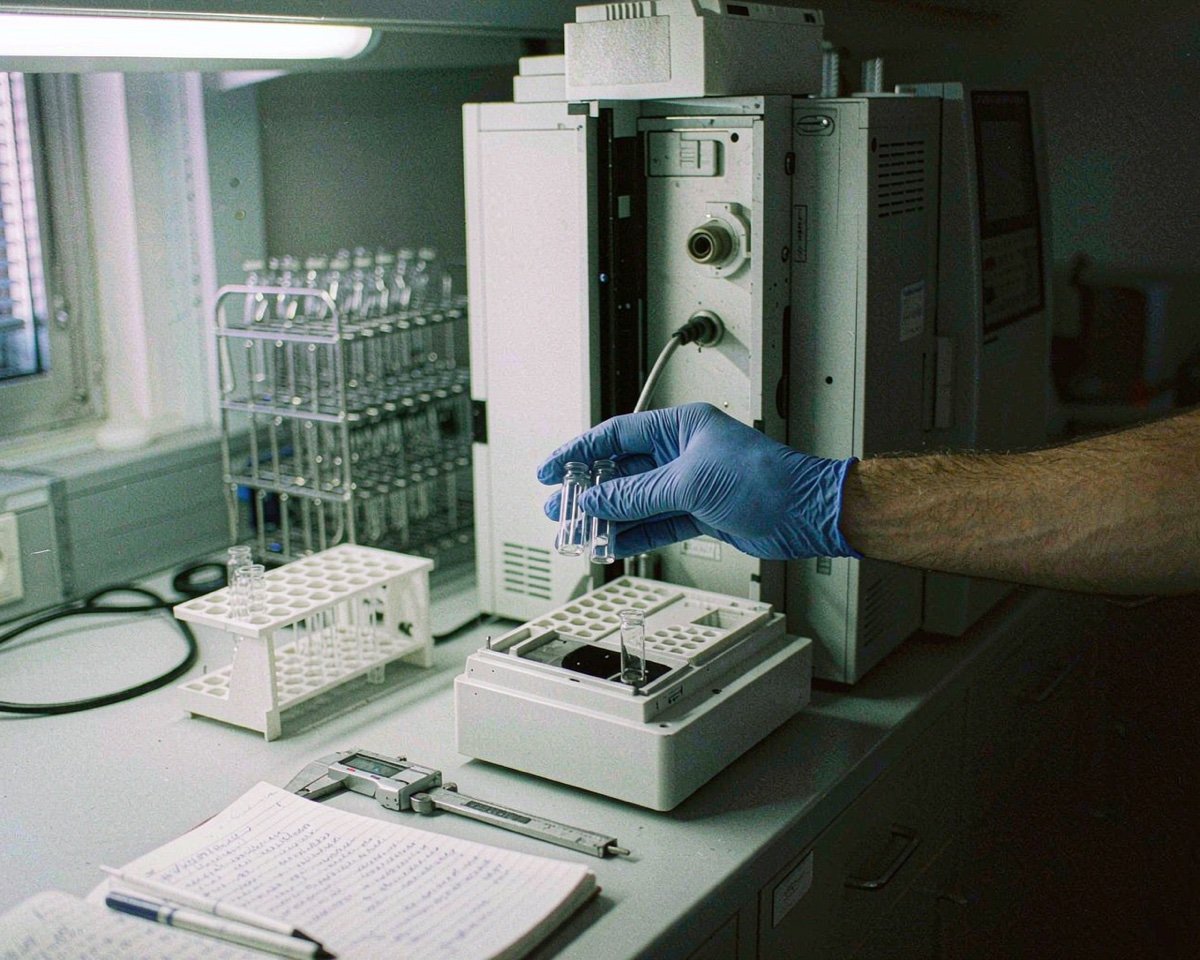
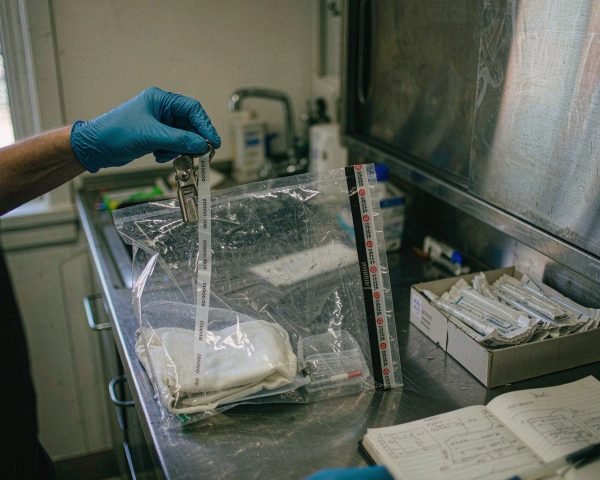

A forensic lab is the only kind of lab where a single vial can end up as evidence in a courtroom. That changes what “good enough” means for consumables. The swab that touched the evidence, the vial that held the extract, the bag the vial shipped in: each one is part of a chain that has to survive cross-examination.
Most labs figure this out the hard way. I once watched a case file stall for weeks because the analyst could not produce the lot documentation for a swab box. The chemistry was fine. The paperwork was not.
This guide covers what forensic labs actually need from their consumables, why the standards differ from ordinary lab supplies, and how to buy so your evidence, and your lab, stay defensible.
The Short Answer
Forensic consumables are single-use items (swabs, tubes, vials, packaging, gloves) that come into direct contact with evidence. Unlike general lab supplies, they must be DNA-free or DNA-depleted, individually packaged, lot-traceable, and purchased from a qualified supplier, because any contamination they carry becomes evidence contamination, and any gap in documentation can undermine a case.
Why Forensics Is a Different Ballgame
Here is the uncomfortable truth about modern DNA work: the methods are so sensitive that they will happily profile a handful of stray skin cells. A technician who talks over an open tube can contaminate it. A sneeze is enough. UK guidance for crime scene work puts it plainly: most contamination happens when people handle items without gloves, or talk, sneeze, or cough over them (FSR contamination guidance).
That sensitivity cuts both ways. It is the reason a cold case can be solved from a few cells. It is also the reason a consumable that carries someone else’s DNA can wreck one. If an extraneous profile shows up in your evidence sample, the defense attorney does not need to prove where it came from. The doubt does the damage.
The US National Institute of Justice makes the same point from the lab side. Their guidance on clean techniques describes labs that change gloves between every sample, wipe benches with fresh 10 percent bleach, open one evidence item at a time, and process reference samples in a separate room from unknowns (NIJ clean techniques). Notice something about that list: most of the tools involved are consumables. Gloves, swabs, blades, tubes. The protocol lives or dies on the supplies.
What Makes a Consumable “Forensic Grade”
Walk into any evidence supply catalog and you will see the same claims repeated: DNA-free, sterile, individually wrapped. Those words are not marketing fluff. They map to real test methods and real standards.
DNA-free and DNA-depleted
DNA-free means the manufacturer tested the item and found no detectable human DNA. DNA-depleted means treatment (usually UV or chemical) destroyed any DNA that was present. Both are acceptable in most protocols; the important thing is that the claim is backed by batch testing, not just a label.
The UK Forensic Science Regulator guidance is explicit: where consumables will contact material meant for DNA analysis, they should comply with the ISO 18385 standard for minimizing DNA contamination risk, and where that is not available, labs should use only consumables quality-assured to be free of detectable DNA (FSR consumables section). ISO 18385 exists precisely because a swab that is merely “sterile” can still carry amplified DNA fragments from the factory floor. Sterility kills organisms. It says nothing about stray DNA.
If you take one thing from this section: for DNA work, buy consumables certified to ISO 18385, and keep the certificates.
Individually packaged
A box of loose swabs is fine for washing beakers. It is useless for evidence work. Every item that touches evidence should be sealed in its own wrapper until the moment of use, because the moment the box opens, the items inside start accumulating whatever is in the air.
Lot traceability
When contamination happens (and eventually it will), the question becomes which lot, which date, which manufacturer. Labs that can answer that in ten minutes keep the investigation moving. Labs that cannot re-run months of cases. Lot traceability is not bureaucracy; it is insurance.
The Core Consumables, Item by Item
Collection swabs
The most iconic forensic consumable. Cotton used to be the default; now you will see flocked nylon (the tipped look) and foam competing for the job, mostly because they release more of the sample back into the extraction tube. Yield matters: if the swab holds onto the cells, no downstream chemistry can recover them.
Buy them DNA-free, individually wrapped, with the lot number readable on the outer wrapper. Store them sealed, and treat a torn wrapper as a discard.
Evidence tubes and vials
Blood tubes, buccal tubes, microcentrifuge tubes for extracts. For seized-drug and toxicology work, the analysis side looks familiar: 2 mL autosampler vials, often amber, running on GC-MS or LC-MS. If you are new to what those vials demand, our GC-MS vials guide covers the specs that matter, from glass quality to septa choice.
One forensic-specific wrinkle: sample volume. Evidence extracts are often tiny. A standard 2 mL vial with a 300 µL insert may be the difference between an injection and an empty well.
Tamper-evident packaging
Bags, seals, and boxes with tamper-evident closures are consumables too. They carry the chain-of-custody function physically: if the seal is intact, the contents were not touched. Cheap, non-tamper-evident packaging quietly transfers the burden of proof onto your lab. Skip it.
Gloves and PPE
Nitrile is standard, powder-free is non-negotiable (powdered gloves shed cornstarch particles that can carry DNA and interfere with chemistry), and forensic-grade options add a tested-no-detectable-DNA claim. A detailed breakdown of why powder-free nitrile became the default in DNA labs is available from forensic supply specialists.
Gloves are also the most consumed item in the building. A toxicology section running 40 cases a day can burn through several boxes, and glove discipline (change between every item of evidence) multiplies the count. Budget accordingly.
Consumables by Forensic Discipline
Different sections of a forensic lab consume different things. If you manage procurement across a multi-discipline lab, map the spend before you negotiate anything.
| Discipline | Workhorse consumables | The critical spec |
|---|---|---|
| DNA / biology | Swabs, extraction tubes, microtubes, filter plates | DNA-free or DNA-depleted, ISO 18385 |
| Toxicology | 2 mL autosampler vials, inserts, caps with PTFE septa | Low adsorption, MS-clean glass |
| Seized drugs | Vials, weighing paper, glassine, tamper bags | Clean background, no interferences |
| Trace / fibers | Forceps, lift tape, mounting media | Single-use tools, no cross-transfer |
| Digital / documents | Evidence bags, Faraday bags, gloves | Tamper-evidence, shielding where needed |
Toxicology is where chromatography and forensics overlap most. A validation there lives on vial quality the same way any bioanalytical method does. The general rule for bioanalytical workflows applies here too: method-validated part numbers should not drift mid-project.
The Paper Trail: Documents That Keep Evidence Defensible
Courts care about process as much as results. Your consumables documentation should answer four questions for any item that touched evidence:
- What exactly is it (manufacturer, part number, lot)?
- What does the manufacturer claim about it (DNA-free, sterile, certified)?
- How do you know (certificate of analysis or conformance, batch test records)?
- When did it enter your facility and where has it been since?
That fourth question is where many labs wobble. A case I reviewed years ago had perfect CoAs but no receiving log, so nobody could prove the swab box spent its shelf life under the right conditions. Receiving logs feel like make-work until the day they are the case.
ISO/IEC 17025, the testing-lab competence standard, expects labs to control and verify the resources that affect results, including purchased supplies critical to measurement quality. The standard does not name swabs, but the logic is clear: if the item influences the result, its provenance is part of your quality system (ISO/IEC 17025).
For a deeper look at the two documents buyers mix up most, see our CoA vs CoC explainer.
Qualifying a Forensic Consumables Supplier
Forensic consumables have thinner supplier markets than general lab supplies, which makes supplier qualification more important and harder. A practical sequence:
- Ask for the standards evidence. ISO 18385 compliance for DNA-contact items, ISO 13485 or ISO 9001 for the manufacturing site, and batch test reports for DNA-free claims.
- Test incoming lots yourself. Spot-check with a sensitive profiling method on arrival for critical items. A few hours of QC per lot beats re-running a caseload.
- Freeze the part numbers. Once a method is validated on a specific consumable, changing it should require change control, not a shipping substitution.
- Demand change notification in writing. A supplier who swaps molds or packaging without telling you is a contamination event waiting to happen.
Size the effort to the stakes. A lab ordering a few boxes of general PPE can rely on certificates and incoming spot checks. A lab running accredited DNA casework on those consumables should visit the manufacturing site at least once before committing, and re-verify whenever the certificate scope or the manufacturing address changes. Distance makes audits harder, not optional; remote walkthroughs over video are an acceptable interim, but the first qualification for a critical supplier deserves someone standing on the production floor.
Consumables for the extraction workflow
Downstream of collection, the DNA and toxicology workflows consume their own quiet mountain of plastics. Extraction plates and tubes, magnetic rod covers, reservoirs, and aerosol-resistant tips fill the pre-PCR side of the lab. The same claims hierarchy applies: for anything contacting extracts meant for DNA profiling, DNA-free or DNA-depleted status matters, and for toxicology, low-adsorption and low-extractable formats protect the small volumes that carry the whole case.
Volume planning here benefits from thinking in batches rather than cases. A 96-well extraction plate processes 94 samples plus controls, so a lab running three plates a week consumes roughly 150 plates a month before the first of the month knows it. Batch thinking also exposes the dependency chain: one missing consumable (rod covers, say) stops the whole plate, and with it the entire day’s extraction queue. That is why the stockroom floor levels for workflow consumables should be set in whole batches, not in boxes.
Common Mistakes Forensic Labs Make With Consumables
- Buying “sterile” where they need “DNA-free.” These are different claims. Sterile means no living organisms; it does not mean no stray DNA. For DNA sections, the ISO 18385 claim is the one that matters.
- Opening boxes in the analysis room. Loose packaging debris becomes an aerosol contamination source. Stage boxes in a clean storage area and carry single items in.
- No lot-level receiving log. The gap that stalls cases, described above. Fix it with a spreadsheet and a marker pen if you have to.
- Reusing gloves or tools across evidence items. The NIJ guidance treats glove changes between samples as baseline practice, and the contamination math agrees (NIJ guidance).
- Ignoring expiry on collection devices. Swabs and collection tubes carry expiry dates because packaging integrity and DNA-depletion claims age. Using expired devices hands the defense a free argument.
Storage and Stock Control for Forensic Consumables
Storage is unglamorous and case-critical. Sealed consumables live longest in a clean, dry, temperature-stable room, away from the benches where amplification products float around. If your lab runs PCR, keep all evidence-contact consumables in a pre-PCR area, full stop.
Monitoring closes the loop: a cheap thermo-hygrometer in the consumables store, checked weekly, catches the damp summer corner or the heating vent that quietly ages packaging. If your accreditation requires environmental records for sample storage, extending the same logging to the consumables store costs nothing and answers questions before they are asked.
Stock rotation matters more here than in most labs, because expired DNA-free claims are useless claims. Run first-in-first-out, date everything on receipt, and keep a reorder point for the items whose absence stops casework: swabs, gloves, evidence bags. Our consumables shelf-life guide covers the storage conditions in detail.
Shipping evidence-contact consumables between sites (courier transfers, disaster recovery, second facilities) deserves its own plan, and our lab sample shipping guide covers the packaging side of that.
A Worked Example: Stocking a New Toxicology Bench
Abstract advice is easier to follow with numbers, so here is a worked example from a toxicology section ramping up to about 40 cases per week. The consumable basket breaks down like this:
| Consumable | Planning basis | Monthly quantity | Notes |
|---|---|---|---|
| 2 mL amber vials, 9-425 | 40 cases x ~6 extracts + standards/blanks | ~300-350 vials | Amber for light-sensitive analytes |
| Polypropylene inserts (200 µL) | Small-volume extracts | ~200 | For partial extracts; verify with your vial |
| PTFE/silicone caps | One per vial | ~300-350 | Match septa thickness to needle spec |
| 0.22 µm PVDF filters | One per extract cleanup | ~250 | Low-binding for protein-containing matrix |
| Nitrile gloves | 3 analysts, changed per case | 15-20 boxes | Powder-free, DNA-free if shared with bio |
| Evidence bags, tamper seals | One per case item | ~150-200 | Tamper-evident, sequentially numbered |
| Swabs (if screening work) | Per collection event | 100+ | Individually wrapped, DNA-free |
Two lessons hide in that table. The glove line rivals the vial line in cost, which surprises everyone the first time. And the insert line exists because roughly half of toxicology extracts come in under 300 µL, a volume fact nobody mentions until the first dry injection.
Notice what is absent: no exotic formats, no certified-everything. A new bench buys its reliability through consistency and documentation, not through the most expensive catalog page. Specialty formats enter when a specific method demands them, and by then the burn-rate data exists to size the order.
Packaging, Transport, and the Chain of Custody
Consumables do not stop at the bench edge. The packaging that moves evidence and samples between rooms, buildings, or couriers is part of the same consumable budget and the same quality system.
For internal transfers, the requirements are simple: tamper-evident seals, secondary containment (a sealed bag inside a rigid transport box), and documentation that travels with the sample. For external transport, add temperature control where the analytes demand it and a chain-of-custody form that records every handoff.
Seal integrity deserves respect. A tamper-evident seal that peels off cleanly in warm weather is not tamper-evident; it is decorative. Test the seals you plan to buy, on the packaging you plan to use, in the conditions you actually ship in. A courier van in August is a very different environment from the catalog photo.
One more habit worth stealing from crime scene practice: waste from evidence handling is itself potential evidence. Used gloves, packaging debris, and spent swab wrappers get disposed of through a controlled path rather than the general bin, so nothing that touched evidence leaves the lab unaccounted for. The UK guidance treats consumable waste management as part of the contamination protocol, and the logic transfers to any forensic context (FSR contamination guidance).
Training the Bench: Making the Discipline Stick
Every protocol in this guide is easy to write and easier to skip at 4:45 PM on a Friday. Training is what converts the SOP from a document into a habit, and for consumables the habits are small: one item of evidence open at a time, gloves changed between items, seals checked and logged, lots recorded at the bench rather than reconstructed later.
A practical training approach that has worked in labs I have seen:
- Walk the item’s journey. New analysts follow a single consumable from receiving log to bench to disposal, seeing every checkpoint in person once. It takes an afternoon and prevents years of “I didn’t know that step existed.”
- Make the record-keeping physical. A receiving log book at the door, a lot register at the bench, a disposal log at the bin. Digital systems come later; the paper versions make the discipline visible.
- Run a contamination drill. Spike a fake evidence item with a harmless marker (a unique synthetic DNA or a fluorescent tracer, available commercially), run it through the normal workflow, and see whether it shows up anywhere it should not. Labs that run this drill annually find their weak points cheaply. Labs that never run it find them in court.
Competency checks belong in the training records too, not just attendance. ISO/IEC 17025 expects labs to verify that personnel can actually execute the procedures they are signed off on, and consumable handling is a procedure like any other (ISO/IEC 17025).
Budgeting for Forensic Consumables
Forensic consumables deserve their own budget line rather than hiding inside a general lab-supplies number, for two reasons: the DNA-free and certified items carry price premiums that general budgeting hides, and casework volume fluctuates with things no spreadsheet predicts (a major incident can consume a quarter’s worth of collection supplies in two weeks).
A workable budget structure for a mid-sized forensic lab:
| Line | Share of consumables budget | Volatility |
|---|---|---|
| Collection supplies (swabs, bags, seals) | 25-35% | High, case-driven |
| PPE (gloves, masks, sleeves) | 20-30% | Steady |
| Analytical consumables (vials, filters, columns) | 25-35% | Medium, method-driven |
| Documentation and packaging | 5-10% | Steady |
| Contingency for major incidents | 10-15% | Held in reserve |
The contingency line is not pessimism; it is how forensic labs stay responsive. When the call comes, nobody wants to explain why the evidence collection stopped because the seal order had not cleared procurement. Stock a floor level of collection essentials that never falls below a defined case count, and replenish on consumption rather than on calendar.
Where the money goes matters too. The premium items (ISO 18385-certified swabs, MS-clean vials) concentrate in the lines that touch evidence or instruments directly. The savings items are the everyday ones: bulk gloves, generic labels, standard boxes. Spend the premiums where contamination or data quality is at stake, save everywhere else, and the budget defends itself.
Reading a Forensic Consumables Certificate
Certificates arrive with every box, and most go straight into a drawer. For forensic consumables, the certificate is doing legal work, so it is worth knowing what a good one contains versus a decorative one.
A certificate worth keeping identifies the exact product and lot, states the claim being certified (DNA-free by a named test method, sterile by a named process), shows the actual result or at least the pass criterion with the detection limit, and carries a traceable signature or identifier from the issuing lab. A decorative one says “quality assured” with no method, no limit, and no lot.
The comparison that matters most is consistency between lots. When the certificate format, test method, or detection limit changes between one lot and the next, something changed upstream, and that is precisely the moment to ask the supplier what happened before the lot enters casework. Suppliers with real forensic programs expect this question and answer it specifically; suppliers who relabeled a generic box do not.
Keep certificates indexed by lot, not by date received. When contamination does occur, the investigation runs backward from the lot number on the box, and an indexed file turns a two-week scramble into a ten-minute answer.
What Good Looks Like at the Bench
Standards documents describe systems; bench reality is where they succeed or fail. After enough walk-throughs, the visible signs of a healthy forensic consumables program are remarkably consistent:
- The receiving log is filled in the same day boxes arrive, with lot numbers, not just part numbers.
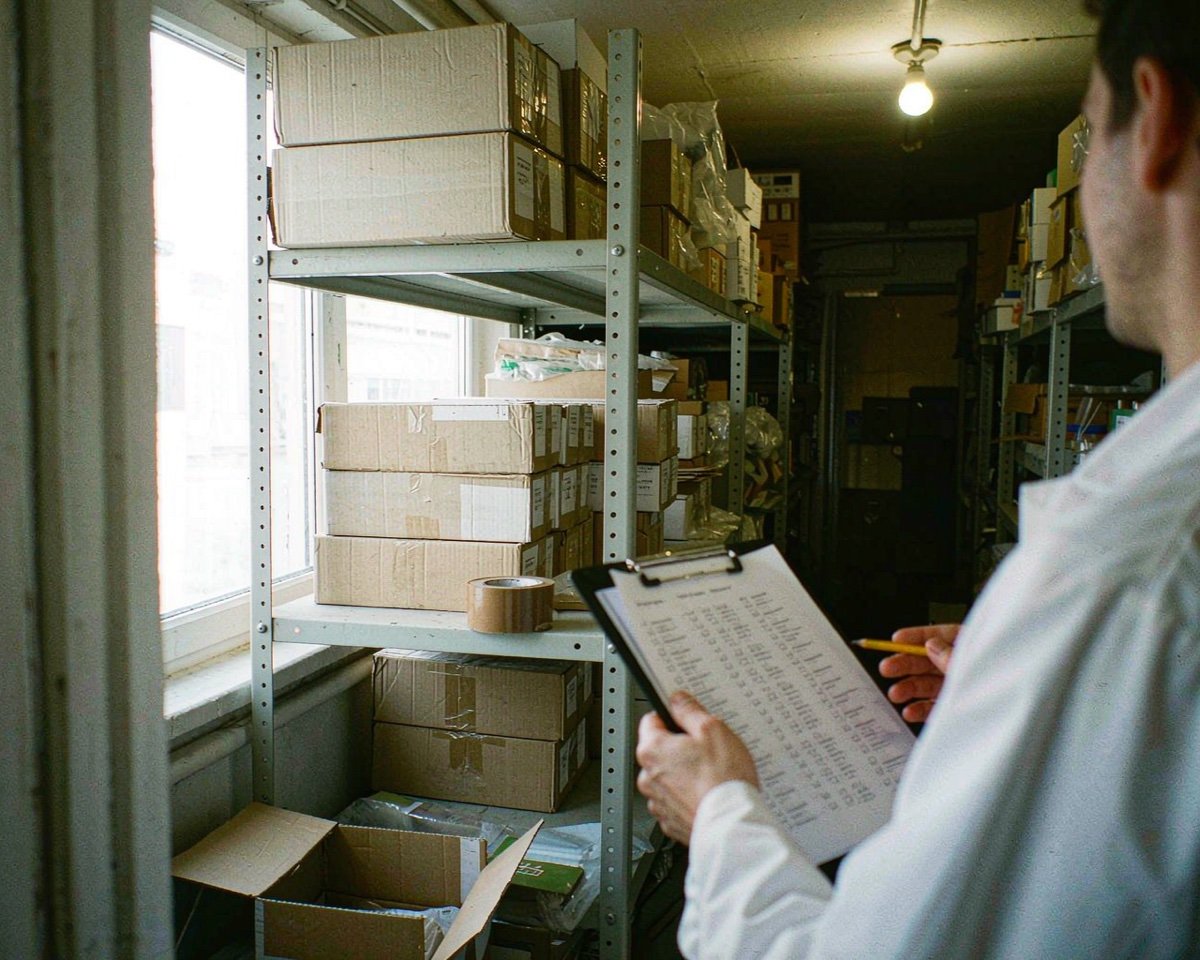
- Consumable storage is in a clean, dedicated area, and boxes travel to the bench in sealed bags or closed totes, never loose.
- Gloves boxes are mounted or capped, not lying open on the bench edge collecting whatever is in the air.
- The open-evidence-at-a-time rule has a physical enforcement mechanism: one processing station, cleared between items.
- Aisles and benches are free of packaging debris, because packaging debris was in the same room as the boxes of swabs.
None of these signs costs money. They cost attention, applied consistently by people who understand why the rule exists. That is also, not coincidentally, exactly what a defense expert looks for when they visit a lab or read its audit trail: not whether the lab owned the right forms, but whether the forms describe a place where the rules were visibly lived.
Conclusion
Forensic consumables sit at the intersection of chemistry and testimony. The swab and the vial are ordinary items until they touch evidence; after that, their cleanliness and their paperwork become part of the case. Buy DNA-free or ISO 18385-certified items for anything contacting DNA samples, insist on individual packaging and lot traceability, test incoming lots on your own instruments, and log everything from receiving to bin. A toxicology section choosing vials should treat the decision like any validated method: freeze the part number, demand certificates, and never let a supplier substitute quietly. Do that, and your consumables will be the quietest part of your quality system, which is exactly what you want them to be in court. For the next step, our GC-MS vials guide and the CoA vs CoC explainer are the two pages most forensic buyers read first.
Frequently Asked Questions
What does “DNA-free” mean for lab consumables?
It means the manufacturer batch-tested the item and found no detectable human DNA, typically using sensitive profiling methods. It is a stronger and different claim than “sterile,” which only means no living organisms are present. For DNA work, always buy the DNA-free or ISO 18385-certified version.
Do forensic labs need certified HPLC vials?
For toxicology and seized-drug analysis run on GC-MS or LC-MS, MS-certified vials reduce background and ghost peaks that could obscure or mimic analytes. They cost more per vial, but a re-run caused by vial background costs far more. See our certified vials guide for what the certificate should list.
Can you use regular lab swabs for evidence collection?
You can, but you should not. Regular swabs are not tested for DNA contamination and are often packed in bulk rather than individually. The small price difference buys batch testing, individual wrapping, and a defensible paper trail. In evidence work, that trade is not close.
What is ISO 18385?
It is an international standard titled “Minimizing the risk of human DNA contamination in products used to collect, store and analyze biological material for forensic purposes.” It defines manufacturing, packaging, and testing requirements for forensic-grade consumables, and it is the reference most accreditation bodies expect for DNA-contact items.
How should forensic consumables be stored?
Sealed, dry, temperature-stable, and always in a pre-PCR area if the lab runs amplification. Keep boxes closed until use, rotate stock first-in-first-out, and log receipt dates so expired items never reach an evidence bench.