
# 10 Consumables Line Items Labs Forget to Budget For
Every December I watch lab managers build a consumables budget around vials and columns. Then February arrives and the real bills start. Ten line items almost never make the spreadsheet, and together they can add 20 to 30 percent to what you actually spend.
The forgotten ten: waste and disposal supplies, spare septa and caps, inlet seals and guard columns, calibration standards, sample-prep solvents, maintenance kits, storage consumables, sample shipping, import safety stock, and replacement PPE. Together they add 20-30% to a first-pass consumables budget.
I’ve been on the buying side of lab consumables for a long time, and the labs that never get blindsided are the ones that write these lines down. Here they are.
1. Waste and disposal consumables
Ask anyone what a lab wastes money on and they’ll say reagents. Nobody says the stuff that carries the waste out the door.
Solvent waste needs bottles or carboys, secondary containment trays, funnel tops, and enough properly rated labels to cover every container, including the half-full one nobody wants to label. If your waste is regulated, this hardware is not optional. Rules like EPA’s academic laboratories rule require hazardous waste to leave the lab on a fixed schedule rather than whenever someone gets around to it, and you can’t meet a schedule without compliant containers.
In my experience the disposal invoice gets budgeted and the hardware doesn’t. A 20 L glass carboy with a proper funnel cap might run $150 to $300, and a busy HPLC bench can fill one in a week or two depending on flow rates. Labels and spill absorbents are cheap individually and still somehow missing when the waste vendor shows up early.
If you only add one line to the spreadsheet this year, add this one.
One more wrinkle: halogenated and non-halogenated solvent waste usually need separate containers and separate disposal routes, so the hardware count roughly doubles for a chromatography lab. And if your waste vendor supplies drums, ask up front whether labels and funnels come with them. Some vendors include them, some bill them back to you as “ancillary supplies,” and that back-billing is exactly the line nobody budgeted.
2. Spare septa and caps beyond the first order
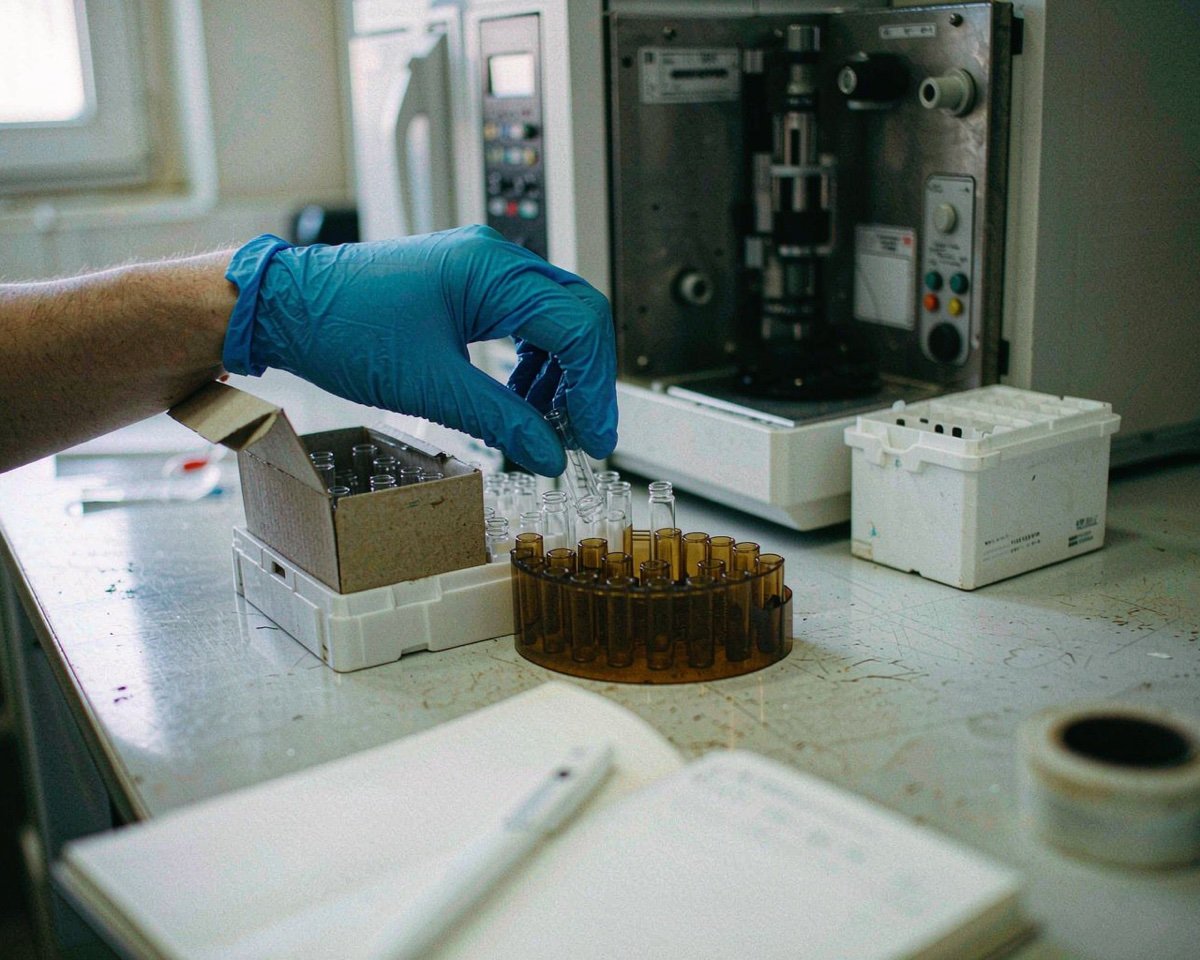
Every vial order includes caps and septa, so budgeting feels done. It isn’t. Septa are consumables with a short life; a septum might survive 100 or fewer injections depending on the needle and method, and most labs puncture the same vial-cap combination hundreds of times a month. Caps crack, crimp seals bend in the drawer, and somebody always leaves a bag of 9 mm caps open overnight next to the desiccator.
Here’s the math I use. If your HPLC runs 50 injections a day, a 100-pack of septa is gone in under two weeks. Multiply by every instrument and you get a real monthly number, not a rounding error.
I once watched a validation sequence sit cold for three days because the only box of 11 mm crimp seals in the building disappeared during a lab move. The fix cost $40. The delay cost far more than that, and it showed up in the quarter as “unexplained downtime.”
When you sanity-check your septa and vial spend, it helps to know what the baseline looks like: what HPLC vials actually cost per pack and per injection. Septa follow the same logic, just faster.
Two details push this line higher than people expect. First, reuse: washing and re-capping vials might work for rough screening work, but for anything regulated the septa are single-use, and a lab that re-caps on the sly is buying fewer septa today and paying for repeated injections tomorrow. Second, cap style matters. Open-top caps with separate septa let you buy septa alone; solid caps mean the whole cap goes when the septa goes, which can double the spend.
3. Inlet seals and guard columns
These hide inside the “column” line item, and that’s exactly why they blow it up.
A guard column is a short, cheap cartridge that sits in front of your analytical column and takes the punishment: particulates, strongly retained junk, anything the sample prep missed. Manufacturers treat it as disposable, and it is. A busy method burns through two or three guard cartridges per analytical column lifetime. If your column line only accounts for the $700 column and not the $60 cartridges that keep it alive, your column spend will overshoot every single year.
Solvent inlet frits deserve the same treatment. The Agilent InfinityLab supplies catalog describes the PTFE frit in the flow path as the part that keeps particulates and microbes out of the system, and notes that a worn frit can shed particles into the pump and column. Frits cost a few dollars each and get forgotten until pressure climbs.
There’s more on why this matters in our guide to guard columns as cheap insurance for your HPLC column. Budget them as their own line and the column line stops lying to you.
Don’t forget the inlet seal itself, the small seal under the column nut that keeps the connection tight. It deforms with every column change, and a worn one shows up as pressure drops or leaks that eat an afternoon of troubleshooting. I’d budget two or three per instrument per year. The part costs less than the hour you lose the first time it fails.
4. Calibration standards and check solutions
Reference standards are the least glamorous thing on the bench and often the most expensive thing per gram.
If you run pharmacopeial methods, you’re buying USP Reference Standards from a catalog of more than 5,800 materials, and each vial might cost anywhere from $50 to several hundred dollars depending on the analyte. Add certified reference materials for instrument qualification, system suitability mixes, and pH buffers that expire whether you use them or not.
Three things make this line item grow after you set it. Standards expire, so you rebuy before the method needs more. Lots change, and a new lot usually means verification runs, which means more standards. And check solutions for daily instrument checks get consumed quietly, one 2 mL aliquot at a time.
In my experience, a pharma QC lab can easily spend as much per year on reference standards as on vials. Almost nobody budgets the two at the same level of detail. If your standards line is a round number someone guessed at in 2024, it’s a placeholder.
One caution: buying standards in bulk to “save money” usually backfires. Most have a use-by window after opening, some need cold storage, and a few have license implications. I’d rather buy two vials twice a year than one big vial that half-expires in the fridge.
5. Sample-prep solvents and buffers not tied to one method
Project budgets cover method-specific reagents. Nobody owns the general stuff.
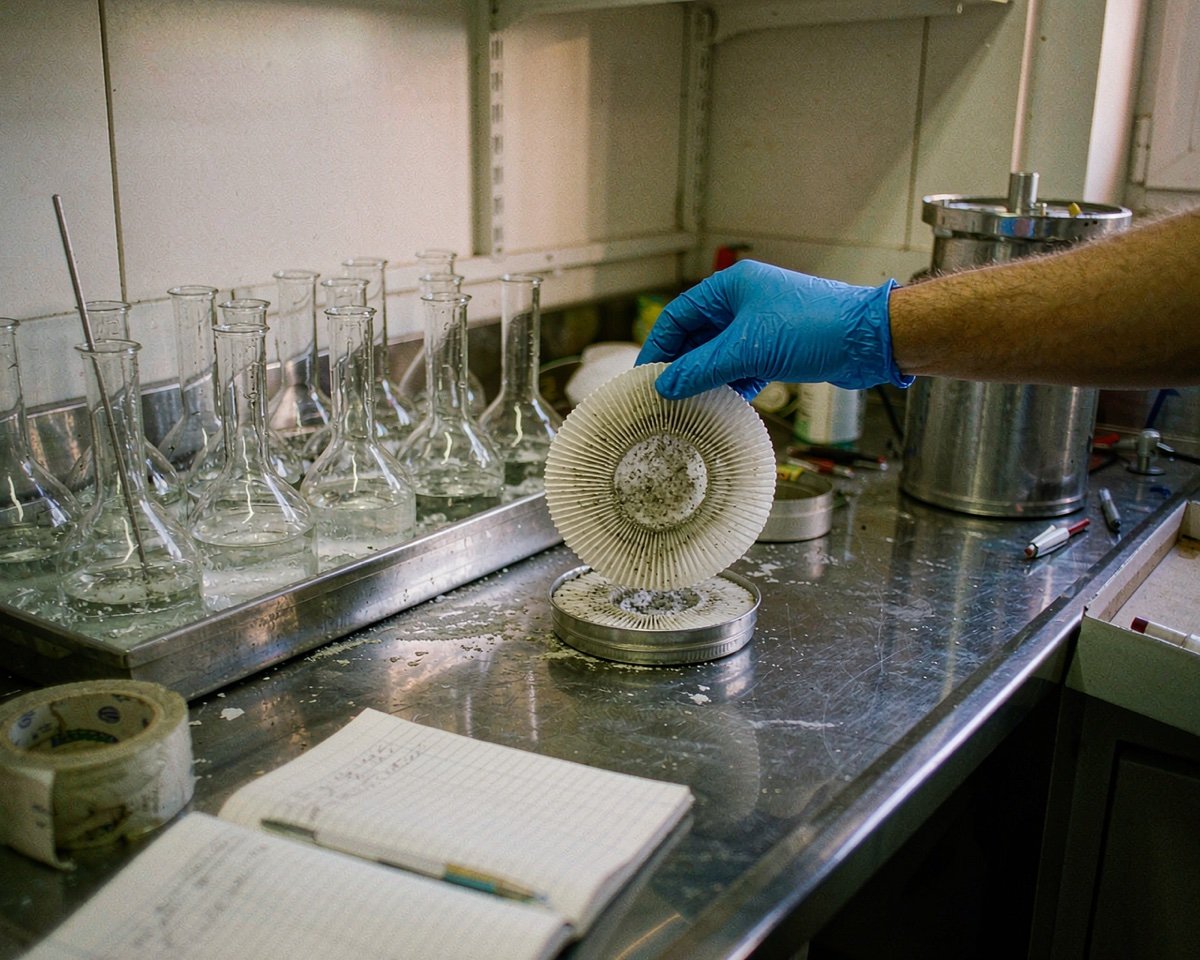
Acetonitrile, methanol, HPLC-grade water, buffer salts, formic acid, the pH adjusters, and the 13 mm syringe filters nobody counts until the lot is gone. Mobile phase needs filtering before it touches the pump, so bottle-top filter membranes disappear at a steady rate even in months with no “projects.” This is the spend that shows up on the corporate card as “misc lab supplies” and never gets classified.
The number is not trivial. General sample-prep consumables often run 10 to 15 percent of a lab’s total consumables spend, and because no single method can be charged for them, they fall between budget buckets. Buffer prep adds its own drain: vacuum filtration units, membranes, graduated cylinders that crack, and wash bottles that vanish from the bench at a rate nobody can explain. A simple fix: pull last year’s invoices, add up every line that isn’t tied to a specific method, and put that total in as its own line. It’s the cheapest budgeting exercise on this list, and it usually pays for itself in one purchasing cycle.
6. Instrument maintenance kits: pump seals, rotor kits, sheath fluid
Instruments eat consumables, and the maintenance schedule tells you exactly when.
Plunger seals are the classic example. Waters’ own parts literature puts plunger seal life at six months to a year and recommends changing plungers annually on their LC pumps, which is why their Performance Maintenance kits bundle seals, check valves, filters, and mixers into one box. Agilent does the same thing with its preventive maintenance kits, which include piston seals, PTFE frits, and seal-wash parts per pump module.
Then there’s the autosampler. Rotor seals wear with every valve switch, and a worn rotor seal rarely announces itself; it just starts giving you carryover nobody can trace. Syringes get replaced after a bent needle or a sticky plunger. And if you run LC-MS, sheath fluid and source-cleaning consumables have their own appetite, plus the ion-source parts (skimmer cones, spray shields) that get replaced on a schedule of months, not years.
My rule of thumb: budget a maintenance-kit line per instrument per year, and in my experience a few hundred dollars per pump covers most analytical HPLC setups if you buy third-party or OEM-compatible parts. If you buy only OEM at list price, budget more. If your instrument is still on its original seals from 2022, budget for the leak that’s coming.
7. Storage consumables: desiccants, cryo boxes, freezer racks
Storage is where consumables go to be forgotten, which is ironic given the name.
Desiccant needs replacing in every desiccator and every solvent cabinet. Humidity indicator cards need restocking. Cryo boxes fill up, crack at -80°C, and need replacing. Freezer racks and box systems are semi-durable, but a single upright freezer refit adds up fast; a stainless CryoBox freezer rack from Thermo Fisher that holds a dozen boxes runs close to a thousand dollars a case at list. Then add the labels: cryo labels, solvent-resistant labels, and the labeling tape that keeps every rack identifiable.
In my experience, labs with shared freezers feel this hardest, because no one group owns the storage spend, so no one budgets it. Boxes get “borrowed” between labs, and racks quietly multiply until the ULT freezer becomes a consumables sink with no paper trail. Desiccant is the sneaky one: silica gel turns from blue to pink on its own schedule, and refill packs disappear fast if you actually keep your solvents dry instead of just saying you do.
A freezer inventory day once a year tells you what you actually have. Budget for what it should look like instead, and the gap between the two is your line item.
8. Shipping and packaging materials for outbound samples
If your lab sends samples out, you’re a packaging operation whether you meant to become one or not.
Valid samples need insulated shippers, gel packs or dry ice, absorbent material, and often UN-certified boxes with the right marks for anything hazardous. Temperature indicators or loggers for anything temperature-critical. A properly packed cooled shipment runs $50 to $200 in consumables before the courier invoice, and the courier invoice is the only part anyone budgets.
The failure mode is predictable. A client asks for a rush shipment on a Friday, and someone raids the last validated shipper kit that procurement didn’t know existed. Next week two more requests land, and now you’re paying courier-desk prices for a foam box and overnighting gel packs to yourself.
If you ship more than a few times a month, treat packaging like any other consumable: count what a “kit” costs, multiply by shipments per month, and give one person the job of keeping two kits on the shelf. Two kits. That’s the whole trick, and I’ve never seen a lab regret it.
Dry ice makes it worse, by the way. It needs vented containers, it sublimates on the courier’s schedule rather than yours, and some couriers charge hazmat handling for it. If your samples go dry-ice cold, add a buffer to this line and thank me later.
9. Safety stock for slow-lead-time imports
This one is a quantity decision rather than a product, and it changes every line above it.
If your vials, filters, or bottles ship from overseas, lead time might be four to ten weeks door to door, longer around holidays and port congestion. Most labs order when the drawer is empty, which means their effective lead time is “however long the supplier takes, plus the week we spent pretending we didn’t need any.” That gap is where emergency air freight and rush fees live.
The boring math that works: hold one full reorder cycle of your critical consumables, plus about 25 percent, as safety stock. That ties up cash, and it should be budgeted as its own line so finance sees it coming instead of discovering it in a stock-count. MOQs and typical lead times vary a lot by product and supplier, and our guide to minimum order quantities and lead times breaks down what to expect before you commit.
I’d rather explain a slightly higher inventory number in a budget meeting than explain a stopped sequencing queue. One of those conversations is shorter.
The stakes are real, and I’ve lived them. A customer of ours once tried to stretch a box of 2 mL vials across a six-week import gap, and by week five the whole lab was rinsing and reusing vials for a GMP stability study. That decision cost them more in investigation paperwork than a year of vials would have. Think of safety stock as the premium on the insurance the rest of this list assumes you have.
10. Replacement PPE and cleaning validation consumables
The last forgotten line is the one sitting on people’s hands.
Nitrile gloves are a consumable, and a full-time analyst can go through two or three pairs a day, more in sample prep. Coats tear, sleeves get solvent on them, safety glasses get scratched until they’re unsafe to look through. Multiply by headcount and the annual number surprises most managers I talk to.
Cleaning validation consumables are their own separate category: TOC swabs, rinse-sample vials, coupon holders, and the specifically lot-documented materials that auditors ask about. These only get used a few times a year, which is precisely why they’re never on the shelf when the validation window opens. And unlike a missing box of gloves, a missing swab lot can push a validation campaign by weeks, because replacements need qualification.
My suggestion: give PPE a per-person annual number and give cleaning-validation consumables a per-campaign line. Both are small, both are predictable, and neither one deserves the panic it usually gets. While you’re at it, ask your safety officer what’s actually on hand. The gap between what the inventory sheet says and what the drawer holds is usually the most honest budget data you’ll collect all year.
Conclusion
A consumables budget isn’t a list of products; it’s a list of consumption patterns. Vials and columns are easy to predict because they map to injections and methods. The ten line items above are hard to predict individually and completely predictable in aggregate, which is why every lab I’ve helped audit found the same thing: the budget wasn’t wrong by much, it was just missing. Add these lines, even as rough estimates, and your variance next year shrinks to actual surprises instead of the items you never wrote down. If you’re building a budget from scratch rather than repairing one, the line-item approach in our startup lab consumables budget guide pairs well with this list. Start with waste, septa, and maintenance kits. Those three cause the ugliest mid-year surprises, and fixing them takes one planning afternoon.
Frequently Asked Questions
What percentage of a lab budget should go to consumables?
It varies widely by lab type, but consumables commonly run 10 to 30 percent of a non-personnel lab budget. Rather than aiming at a fixed percentage, benchmark against your own last 12 months of invoices and add a margin for the forgotten line items above.
How do I find the hidden consumables costs in my own lab?
Pull 12 months of purchasing records and credit card statements, then sort every line into method-specific or general. The general pile (gloves, solvents, shipping, waste supplies) is where forgotten costs live. Most labs find 15 to 25 percent of spend that no budget line covers.
Should I budget consumables per instrument or per lab?
Both, with different jobs. Per-instrument lines work for anything tied to runtime, like septa and maintenance kits. Per-lab lines work for shared spend like PPE and waste. Trying to force everything into one structure is where line items go missing.
How much safety stock should a lab keep for imported consumables?
A common starting point is one full reorder cycle of critical items plus about 25 percent. If lead time is eight weeks, that means holding roughly ten weeks of stock. Adjust by criticality: an item that stops all sequencing if it runs out deserves more cushion than one with a workaround.