
# What Consumables Does Paper and Pulp Testing Need?
Most people picture big instruments when they imagine a paper testing lab. In my experience, it’s the paper and pulp testing consumables that decide whether your numbers hold up week to week: test strips, titrants, blotter paper, forming wires, reference standards. Instruments rarely drift overnight. Cheap consumables do.
The short answer: paper and pulp testing consumables are the single-use items a paper lab burns through, including Cobb ring blotter paper, 15 mm tensile strips, handsheet forming wires, KMnO4 and thiosulfate titrants, ash crucibles, and certified brightness standards.
Below I’ve mapped those items to the tests they feed, then covered the reagents and buying notes that save retests. If you also run packaging samples, several of these overlap with what a transit and packaging bench stocks, so the same purchase orders can cover both.
Consumables by Test Method
Every standard method has a short list of items it quietly assumes you own. Here are the big ones.
| Test | Standard | Consumables it needs |
|---|---|---|
| Water absorption (Cobb) | ISO 535:2023 | Blotter paper, steel Cobb ring (100 cm² test area), distilled water at 23 °C |
| Tensile strength | ISO 1924-2 | Precision-cut 15 mm strips, sharp cutter blades, conditioning paper |
| ISO brightness | ISO 2470-1:2016 | Certified fluorescent reference standard, white calibration tile, black backing |
| Kappa number | ISO 302 | 0.02 mol/L KMnO4, sodium thiosulfate, starch indicator, deionized water |
| Ash content | TAPPI T 211 | Porcelain crucibles, desiccant with indicator, long tongs |
| Folding endurance | ISO 5626 / TAPPI T 511 | 15 mm strips, spare folding-head springs |
A few notes on the table.
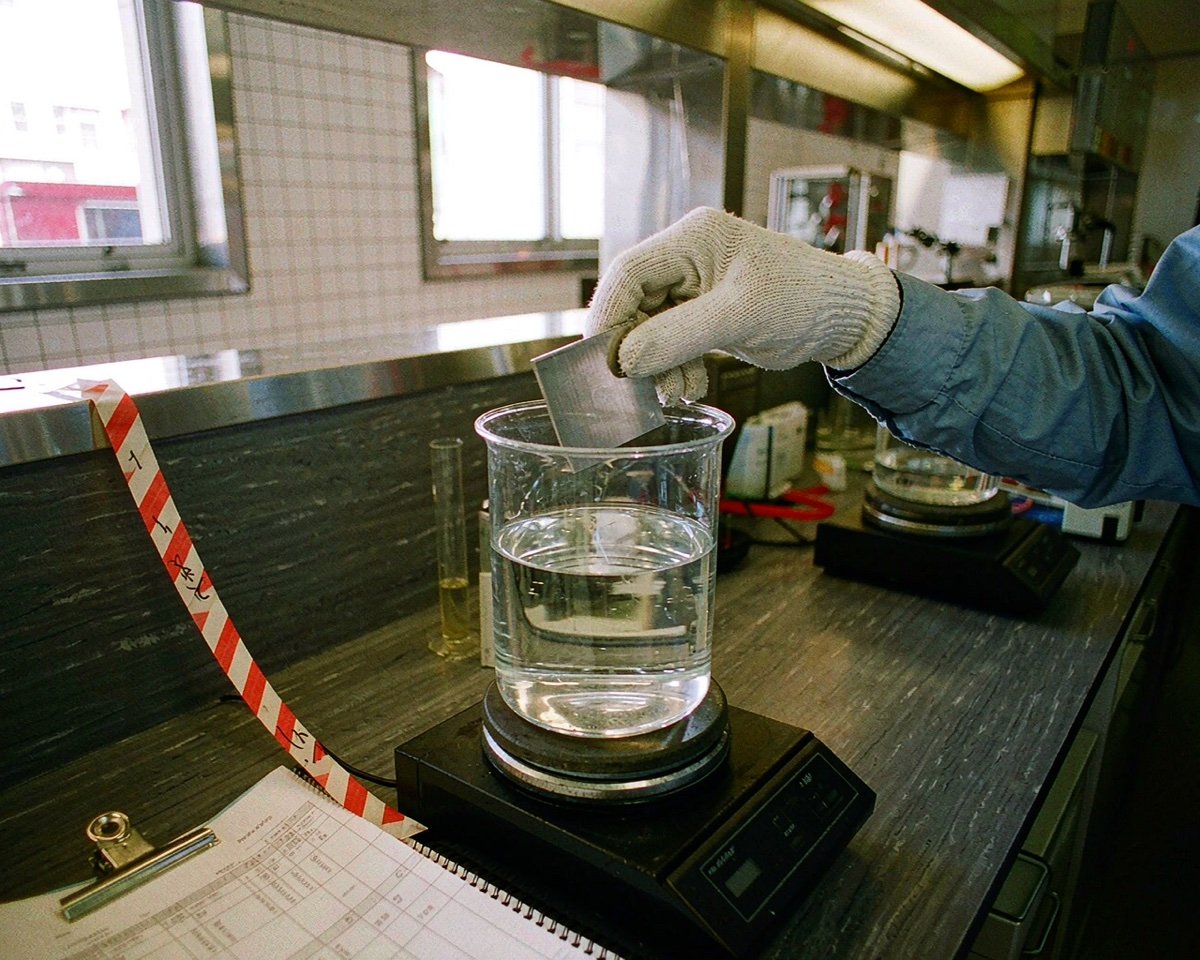
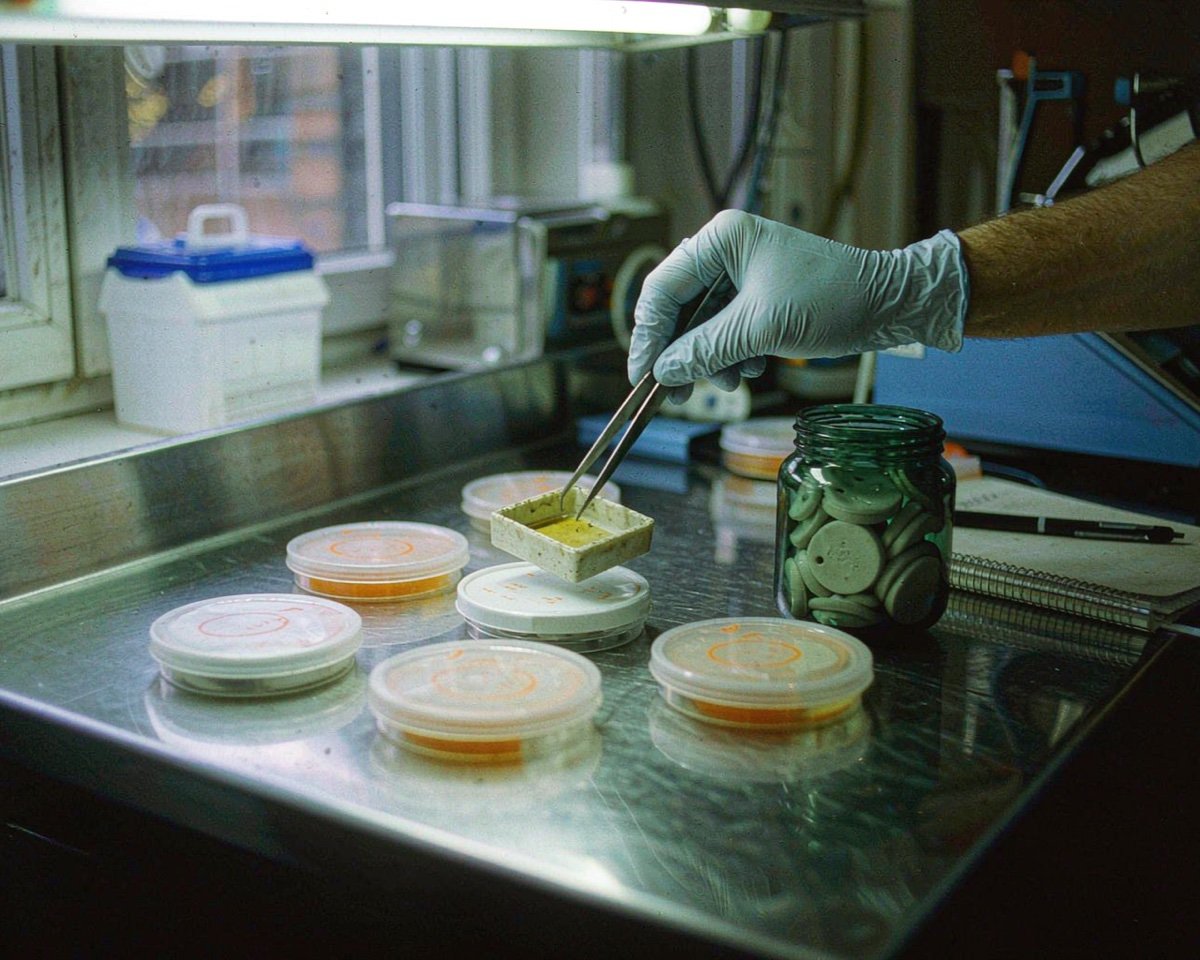
Cobb testing is hard on blotter paper. ISO 535 requires a specific grade of blotting paper under the specimen, and each sheet takes the water load of a single test. A busy board mill running Cobb 60 every hour can go through a few hundred blotter sheets a week. The rubber backing seal also ages, and in my experience a tired seal is the quietest source of “sudden” Cobb spikes. Replace it on a schedule, not after a dispute.
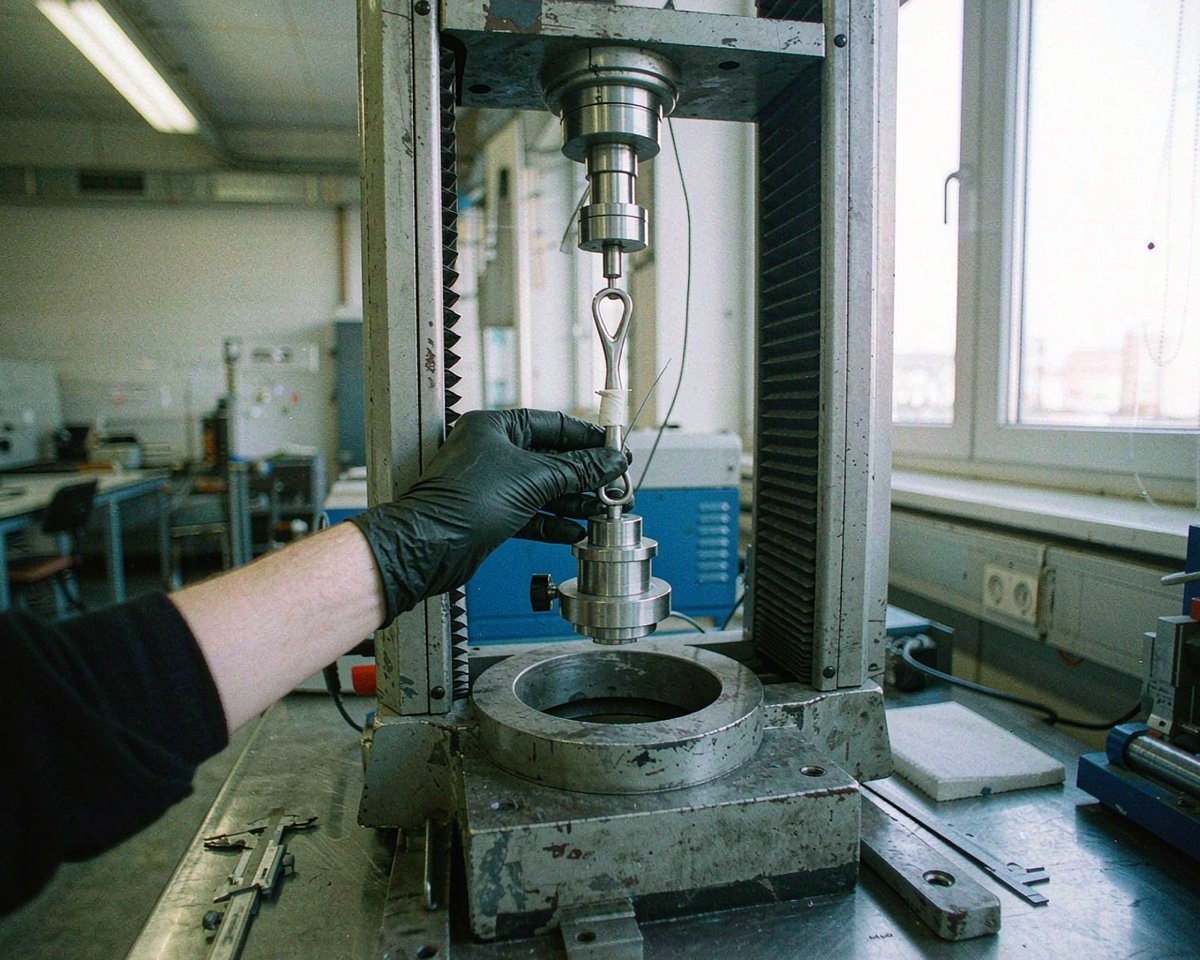
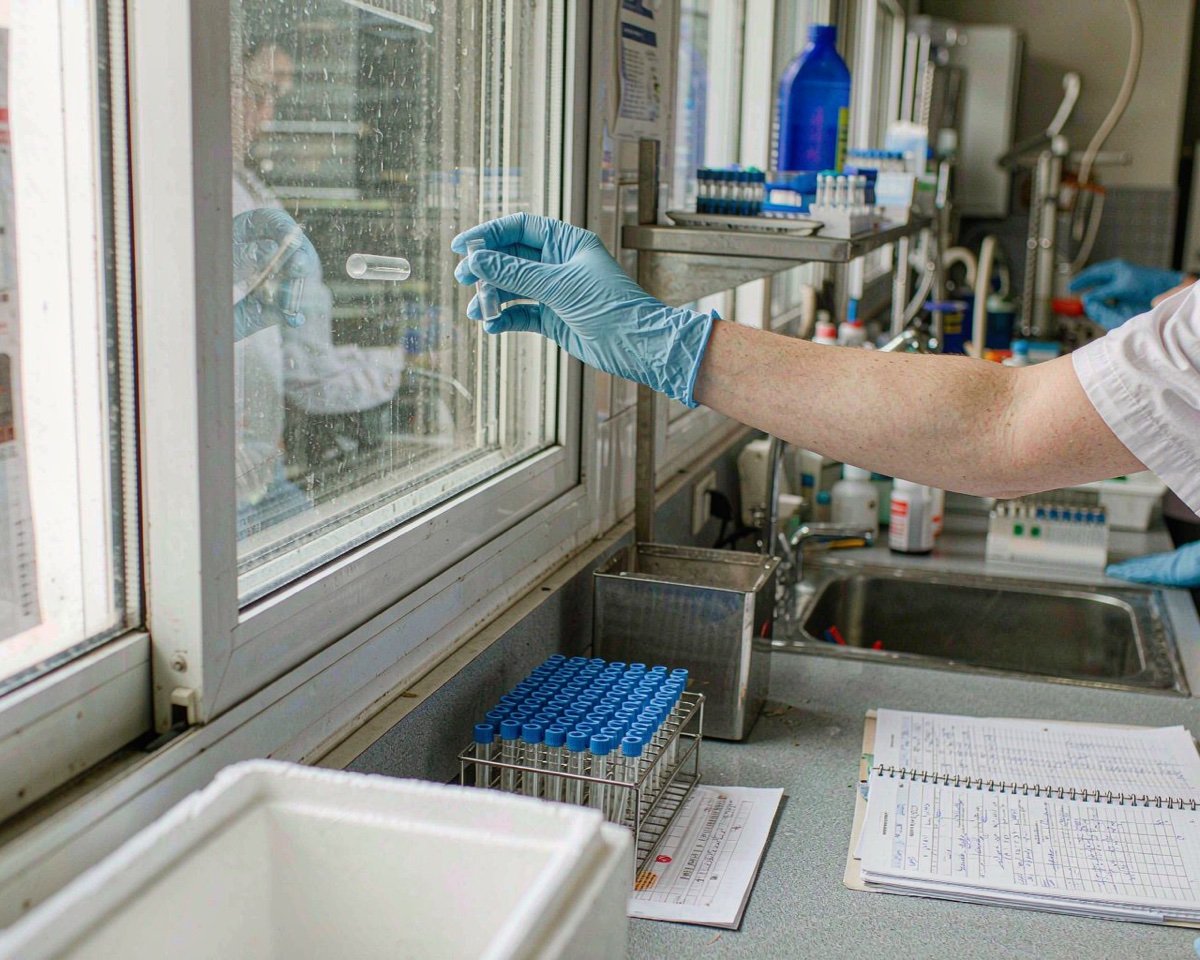
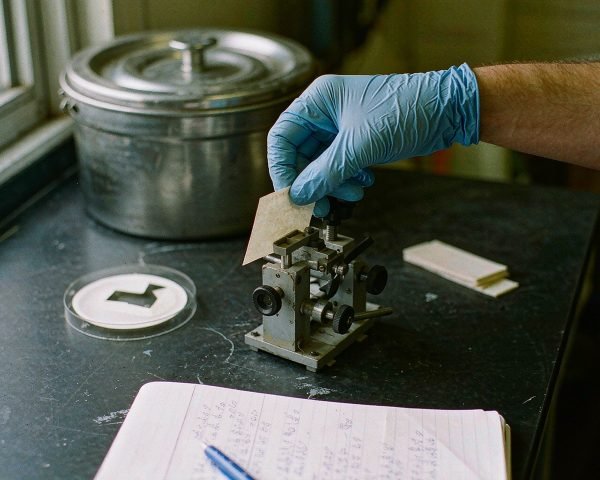
Tensile testing lives or dies by strip cutting. ISO 1924-2 wants clean, parallel 15 mm strips with no nicks along the edge. Dumbbell-style cutters lose their edge long before they look dull. When I see tensile scatter wider than 5% on a homogeneous sheet, the cutter is my first suspect, well before the instrument. Keep several spare blades and rotate them, because a fresh blade on test day is cheaper than a full retest.
Folding endurance adds one detail people miss. The MIT head holds the strip under 9.81 N of spring tension, and that spring fatigues over thousands of double folds. Verify the tension with a check weight during calibration, and log it. Most labs get away with skipping this until a customer questions a low fold result on a banknote-grade sheet.
Wet Chemistry: Kappa and Ash
The pulping side of the lab is a chemistry bench, and chemistry consumables have shelf lives.
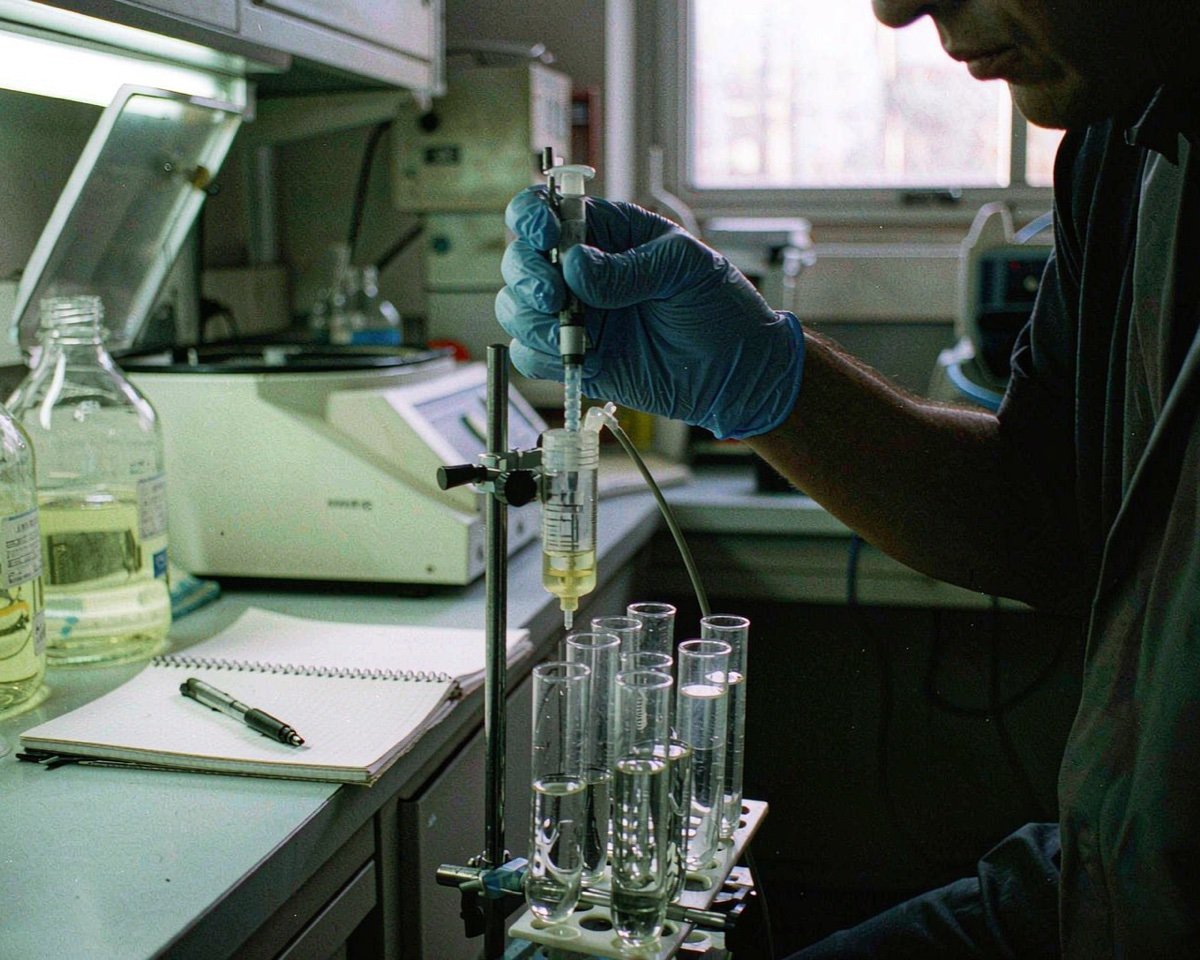
Kappa number (ISO 302) runs on 0.02 mol/L potassium permanganate, followed by an iodometric back-titration with sodium thiosulfate and starch indicator. You can buy standardized Titripur-grade KMnO4, for example the 0.02 mol/L Titripur solution from Merck/Sigma-Aldrich, or make it in-house from crystals and re-standardize against sodium oxalate. Either way, permanganate is unstable: light, dust, and organic residue in the bottle all eat away at the concentration.
I once watched a Kappa number drift because an opened bottle of 0.02 mol/L permanganate had sat on the bench beside a south-facing window for three weeks. Titration volumes crept up, and a linerboard that had read Kappa 31 for months dropped to 29 overnight. Nobody had touched the digester schedule. We re-standardized against fresh oxalate and the drift vanished. Now my default is to keep two lots of every titrant, one sealed and dated, and never let an opened bottle live on a bench.
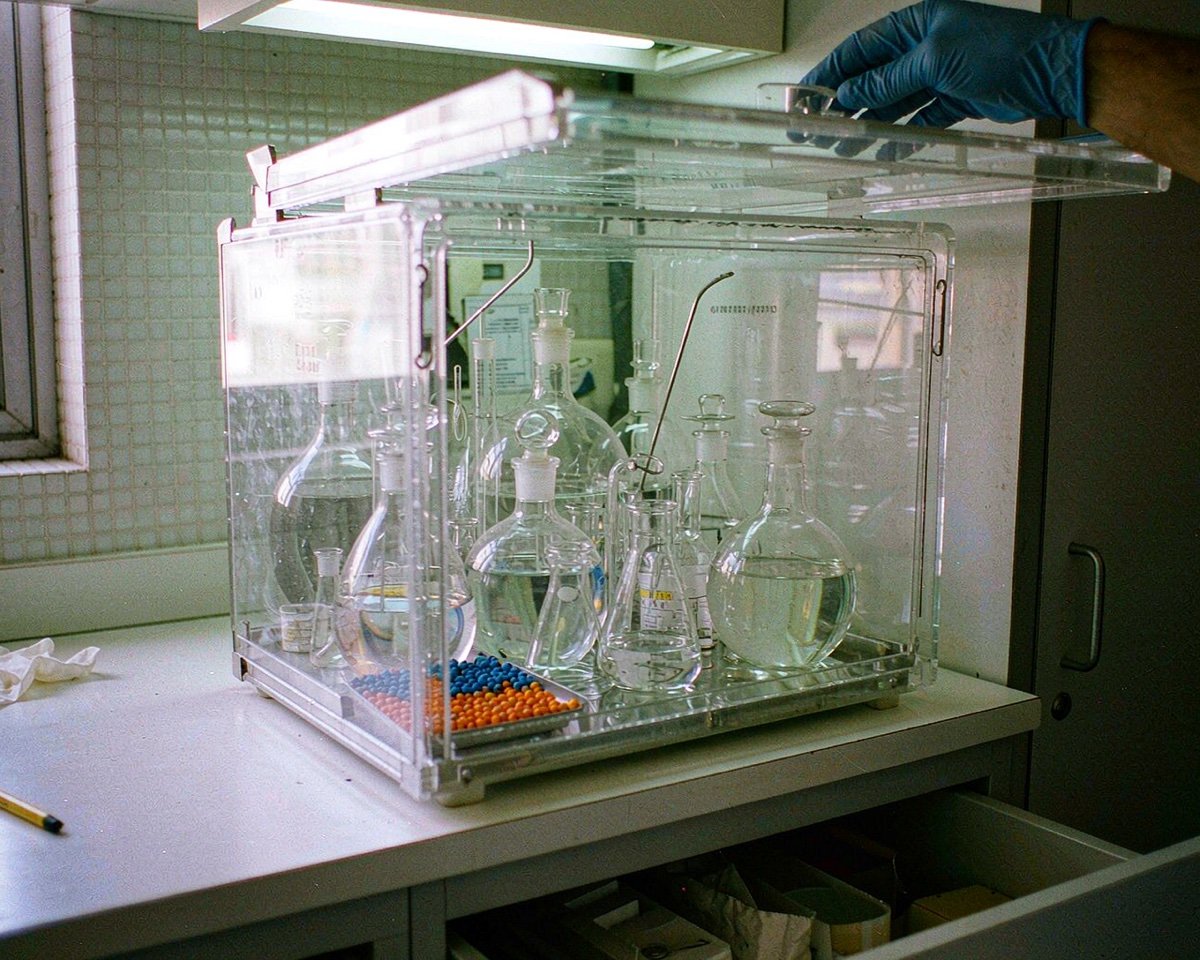
Ash testing (TAPPI T 211) needs less chemistry and more hardware: clean porcelain crucibles, a desiccator with active, color-changing desiccant, and crucible tongs that don’t chip rims. The method combusts the sample at 525 °C, so a crucible that survived one run at 900 °C for T 413 may have hairline cracks you won’t see until it fails mid-run. Ash a blank crucible occasionally to catch sodium contamination from fingerprints, which sounds trivial and absolutely matters at ppm reporting levels.
Handsheets, Brightness, and Reference Standards
If your lab evaluates pulp, you form handsheets, and handsheet consumables wear out invisibly.
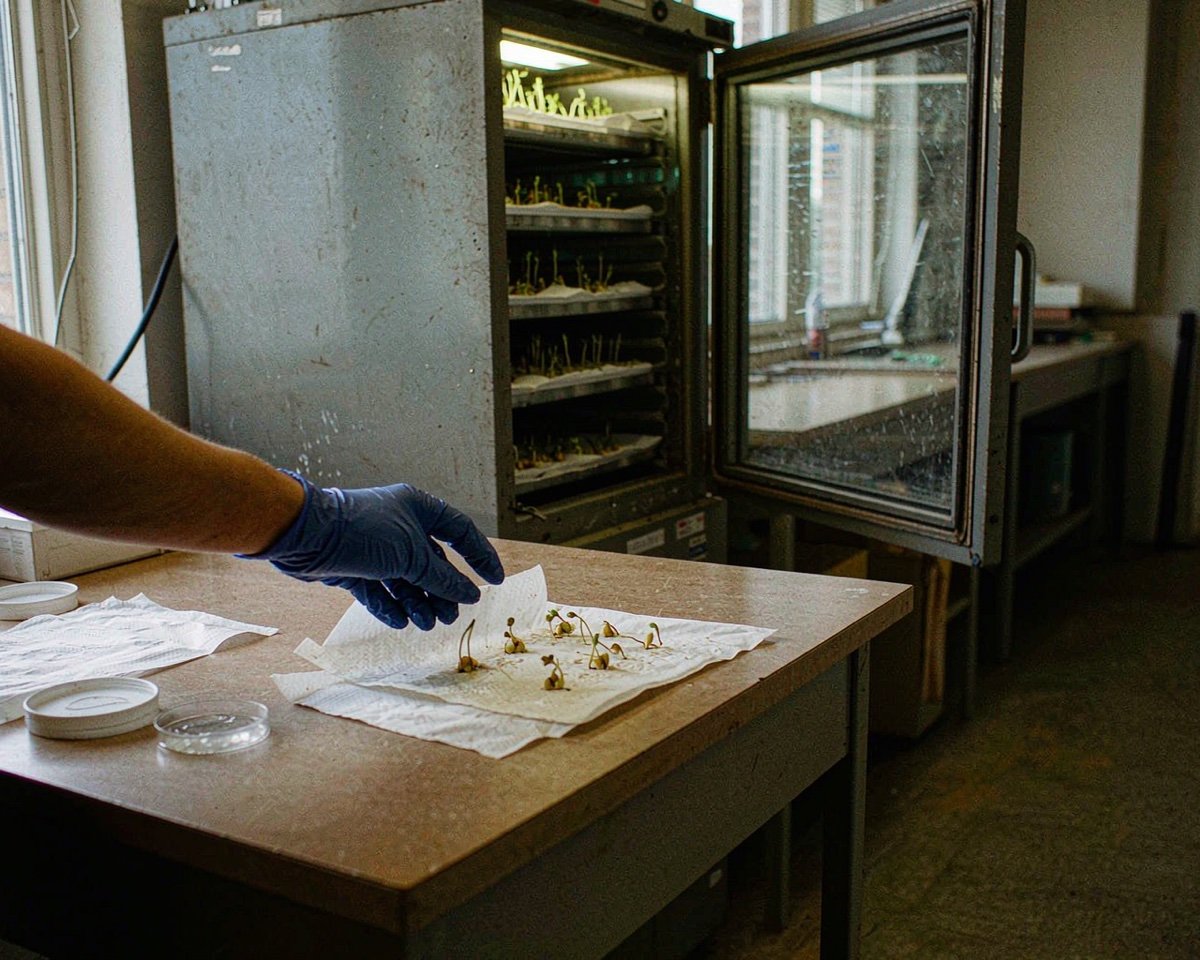
Sheet molding per TAPPI T 205 depends on the forming wire and the press cloths. Wires clog with fines and press cloths compress unevenly, and both shift apparent sheet density before anyone notices. A sheet that reads heavier grammage than its twin is often just draining through a tired wire. Swap them on a cycle rather than on suspicion.
Optical testing has its own consumable: the certified reference standard. ISO 2470-1 requires the instrument’s UV energy to be set against a fluorescent reference standard, and those standards drift and fade. Treat them like reagents with an expiry date. Keep the spare in its original sleeve, in the dark, and never let anyone use the calibration tile as a work surface. I’ve rescued more than one brightness audit by asking to see the tile storage box first.
There’s also the humble filter paper angle: fast, medium, and slow grades for liquor analysis, and 0.45 µm membrane discs if you feed filtrate to a spectrophotometer. This overlaps with what a general analytical bench stocks, and the discipline looks similar whether your matrix is bleach filtrate or a polymer melt, as this melt flow index consumables guide shows. Same lab, different furnace.
Buying Notes That Save Retests
Three habits, learned the expensive way.
Conditioning matters before anything else. Paper is hygroscopic, so ISO test labs hold samples at 23 °C and 50% RH (or 20 °C and 65% RH for some regional schemes) before cutting. Buy a decent thermo-hygrograph for the conditioning room and calibrate it yearly. If you also test fabrics, the humidity logic transfers directly, which is why I point people to this textile lab consumables guide as a companion read.
Lot control is the second habit. Record the lot number of every blotter pack, every titrant bottle, and every filter box against your raw results. When a supplier quietly changes a grade, you’ll spot the shift at the lot boundary instead of three weeks of mysterious drift later.
Third, read the spec sheet before you buy, not after. Terms like nominal retention, ash content of filter paper, and absorbance grade get used loosely across suppliers. This spec sheet terminology breakdown covers the ten terms I check first, and it works for paper consumables as well as chromatography ones.
Conclusion
A paper testing lab can have perfect instruments and still publish numbers nobody trusts, because the weak link is almost always a consumable: exhausted blotter, a tired forming wire, a fading brightness standard, or permanganate that oxidized quietly on a windowsill. Budget for consumables as a recurring, dated line item rather than an afterthought, and tie each one to the method it serves. Keep spare cutter blades, rotate Cobb seals, re-standardize titrants, and guard your reference standards like they’re sample coupons. If you’re building a broader consumables program across several labs, the packaging and textile guides linked above make good companion reading, and the spec sheet piece will pay for itself the next time a supplier quote uses the word “equivalent.”
Frequently Asked Questions
What consumables does a Cobb test need?
Blotter paper meeting ISO 535’s specified grade, a calibrated Cobb ring covering 100 cm², distilled or deionized water, and a timer. Keep spare rubber seals and backing sheets on hand since both wear with use.
How often should potassium permanganate be re-standardized for Kappa testing?
In my experience, re-standardize opened bottles at least monthly and whenever titration volumes drift. Sealed, commercially standardized solutions hold longer, but check the certificate date and store them cool and dark.
Why do brightness reference standards need replacement?
Fluorescent reference standards fade with light exposure and instrument UV cycles, so their certified value stops matching reality. Most labs replace or re-certify them on a yearly cycle, and keep a backup stored in the dark.
Are handsheet forming wires and press cloths reusable?
Yes, but they’re wear items, not permanent equipment. Fines clog the wire and press cloths compress over hundreds of sheets, both of which skew sheet density, so replace them on a planned schedule.
Can I use generic filter paper for paper pulp liquor analysis?
You can if the grade’s retention and ash specs match your method’s requirements. Generic papers vary in ash content and speed, and those differences show up directly in gravimetric results like TAPPI T 211 ash.