
# Textile Testing Lab Consumables: The Complete Guide
Your instrument usually gets blamed when results drift. In my experience, the consumables are more often guilty: a faded grey scale, or the wrong multifiber fabric lot. This guide maps the full range of textile testing lab consumables, from the wash drum to the HPLC vial.
The short answer
Textile testing lab consumables are the reference materials and single-use supplies behind every standard test: multifiber fabrics, standard detergents, grey scales, crocking cloth, abradant fabric, cutting dies, labels, plus HPLC vials and filters for chemical work. They decide repeatability more than your instruments do.
Below, I break down every category: what the standards actually require, what to replace and when, where labs quietly burn money, and how to stock against all of it. It’s the list I wish someone had handed me when I started running textile QC benches.
Why Consumables Decide Textile Test Results
Most textile tests are comparative. They measure your specimen against something else: a grey scale, a reference detergent, a woven wool abradant, a strip of six known fibers. Your instrument reports a number or a grade, but the reference materials behind that number do half the measuring.
That has a quiet consequence. When a reference consumable drifts, your result drifts with it, and nothing on the display flags the problem. The instrument can be perfectly calibrated while the test itself is quietly wrong.
Standards bodies understand this, which is why every method names its materials. AATCC publishes a public list of its test methods and procedures, and each method spells out the detergents, fabrics, scales, and cloths it requires. ISO methods do the same. The washing machine matters less than what you put inside it.
A few years ago I reviewed a lab where two technicians ran the same shirt fabric and got colorfastness grades half a step apart. Same laundrometer, same water, same day. The grey scale on Bench 2 sat on a windowsill, and six months of daylight had bleached its chips toward a permanent shade of pale. Nobody had checked it, because a grey scale is not an instrument, and calibration schedules only cover instruments. That one windowsill cost the lab a week of retesting and a very awkward phone call with a buyer.
The pattern shows up in audits, too. Accreditation assessors working under ISO/IEC 17025 ask which lot you used and how you knew it was still fit for purpose. If the honest answer is “the box was in the cupboard”, that conversation goes straight into the assessment report. Reference materials need the same paper trail your pipettes get.
The economics are lopsided in your favor. A grey scale costs less than an hour of a technician’s time, yet it underwrites every color grade you publish. A pack of crocking cloth costs about the same as one failed retest, assuming the retest goes smoothly the second time. In my experience, consumable discipline is the cheapest reliability upgrade a textile lab can buy.
Conditioning and Specimen Preparation
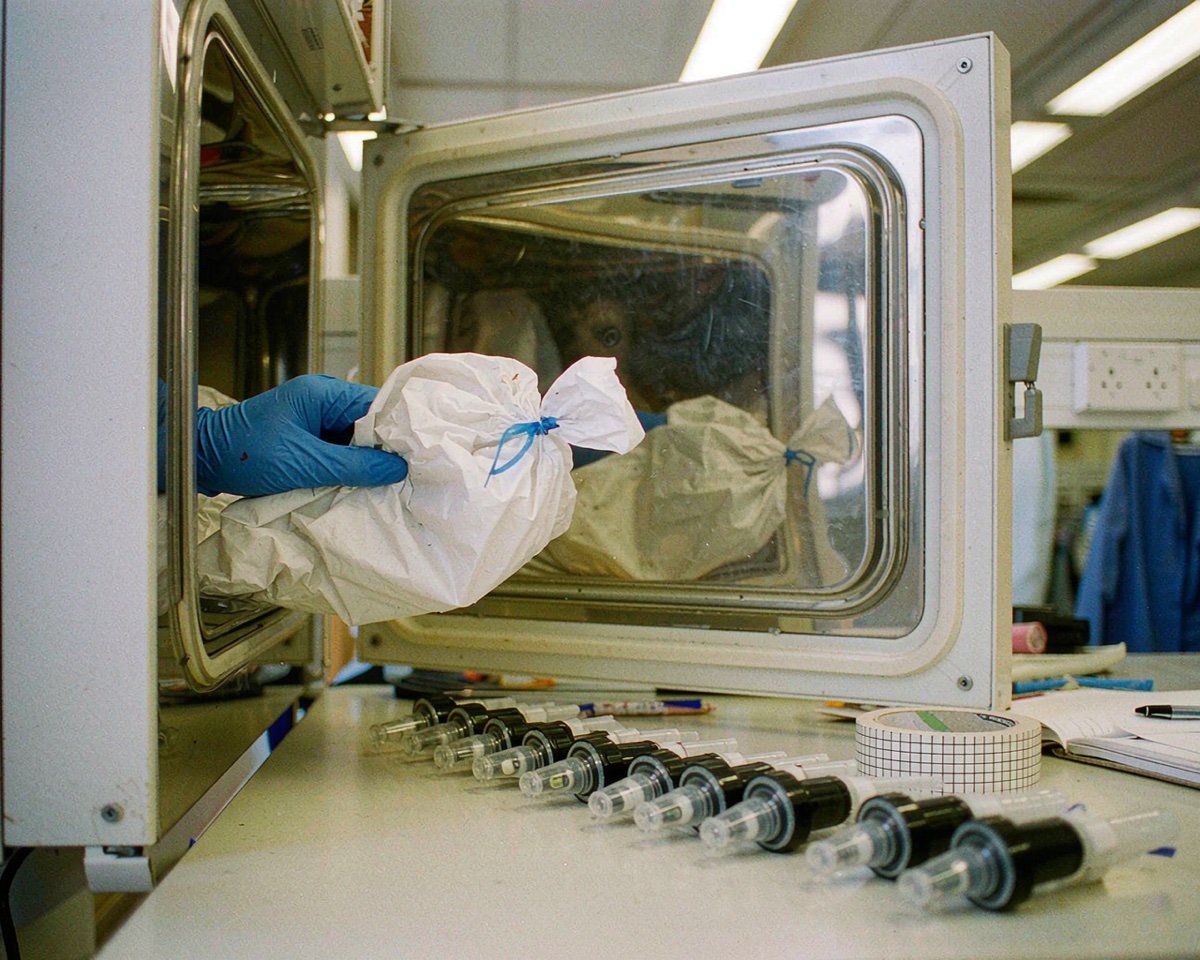
Textiles are hygroscopic. Cotton can hold a meaningful fraction of its own weight in water at high humidity, and that moisture changes tensile strength, abrasion behavior, measured dimensions, and even apparent shade. A fabric tested straight off the loading dock is not the same material as the same fabric tested the next morning.
That’s why ISO 139 defines the standard atmosphere for conditioning: 20 ± 2 °C and 65 ± 4 % relative humidity, with specimens left long enough to reach moisture equilibrium before you cut them. The team at TextileTuts has a solid walkthrough of quality lab setup and conditioning, including how the cost of standards and reference materials fits into an overall lab budget. It’s worth a read if you’re building or upgrading a QC space.
What do consumables have to do with the atmosphere? More than you’d think.
Cutting dies come first. A sharp die gives clean specimen edges; a die that has been punched into the cutting board one too many times leaves whiskers of yarn around every rim. Those whiskers shed into a Martindale test as false wear, or unravel in a wash bath and show up as apparent dimensional change. Inspect dies on arrival, and keep a whetstone next to the press. A 38 mm circular die is a precision tool, no matter how much it looks like a cookie cutter.
Specimen ID labels are the unglamorous lifesavers of the prep bench. Specimens get laundered at 40 °C and soaked in perspiration solution before spending an hour tumbling inside a steel canister. A paper tag with ballpoint ink does not survive that. Write-on textile labels rated for hot wash baths cost pennies and prevent the worst failure mode in a busy lab: two specimens swapping identities mid-sequence. A swapped specimen doesn’t produce a failed result. It produces a wrong one that passes, which is worse, because you’ll defend it confidently to a customer.
Conditioning racks belong on this list too, the open-mesh kind that let air reach every layer of folded fabric instead of trapping a humid pocket in the middle. Add a verified hygrometer and the verification salts that keep it honest.
If you take one habit from this section, take this one: condition first and cut second, then log the conditioning time alongside the result. The test will finish on schedule either way. The only question is whether it was measuring your fabric or the weather in your receiving room.
Physical Testing Consumables
Martindale abrasion and pilling
The Martindale tester rubs your fabric against a standard abradant, a specified woven wool fabric mounted over a felt disc. (For coated fabrics, the method switches to waterproof abrasive paper.) Both layers are consumables, and both wear out silently.
The felt is the part labs forget. It compresses under load and loads up with fiber debris, and after enough rub cycles it stops presenting the surface the method assumes. I once audited a supplier lab and found a Martindale abradant felt you could tell had been in place for months; the technician admitted he couldn’t remember when it went in, roughly 5,000 rubs after it should have been retired. Their abrasion numbers had been drifting for a full quarter, and every “improvement” they reported to the brand was just the felt getting smoother. The brand caught it when a competitor’s fabric outperformed theirs on an identical report template. Awkward doesn’t begin to describe that meeting.
Follow the replacement intervals in ISO 12947, and log every change the way you’d log a calibration. On the same purchase order, add foam backing pads and specimen mounting rings, plus spare abrasive paper if you test coated or laminated materials. Pilling box testers bring their own consumables, the cork-lined tubes that specimens wrap around, and those tubes scuff smooth faster than anyone expects. Put a replacement schedule on the wall next to the machine. Institutional memory is not a schedule.
The wet side: laundering tests
Wash fastness (ISO 105-C06), dimensional stability (ISO 6330), appearance-after-wash methods, and a handful of others all run inside a laundrometer, and the laundrometer eats consumables:
• Standard reference detergent, and the type matters more than most labs assume
• Stainless steel canisters with their rubber gaskets
• Steel balls for the methods that specify them
• Adjacent fabric, covered in the colorfastness section below
Gaskets deserve a special mention. They crack with heat and age, and a leaking canister discovered in hour two of a four-hour wash run usually destroys every specimen inside it, along with your afternoon. I keep two spare gasket sets per machine on the shelf at all times. The day you need one, you really need it.
About detergent types: ECE detergent contains an optical brightener, and WOB detergent does not. If your method calls for WOB and you reach for the ECE can instead, white fabrics will read brighter than they should, and every reflectance-based measurement downstream inherits that error. Two cans that look nearly identical on the shelf are not interchangeable. Label the shelf, not just the can.
Colorfastness Consumables
This is where textile labs buy the most specialized consumables, and where lot control matters most. Small purchases, big consequences.
Multifiber adjacent fabric
A multifiber adjacent fabric is a woven strip of six fiber bands. In the ISO DW version those bands are secondary acetate, bleached cotton, polyamide, polyester, acrylic, and wool. You stitch it against your specimen before a wash, perspiration, or rub test so that any dye that bleeds has somewhere visible to go. Then you grade staining on each band against the grey scale.
Two cautions from experience. The exact fiber lineup differs between the ISO strip and the AATCC multifiber strips, so grades produced under one ecosystem don’t transfer cleanly to the other; run the strip your method names, not the one on sale. And each band picks up dye differently from lot to lot, which is why reputable suppliers certify every lot they ship. Write the lot number into the workbook, every time. When a customer challenges a report nine months later, “which multifiber lot did you use?” is one of the first questions anyone will ask.
Also, never let a customer-critical program run on your final lot. Order the replacement when you open the second-to-last box. It costs nothing and removes a surprisingly common single point of failure.
Standard detergents
The ECE and WOB detergents used in ISO 105 and ISO 6330, plus AATCC’s standard reference detergent, are manufactured to tight compositional specifications and certified per lot. They also age badly. They absorb moisture and cake inside the carton, and they quietly lose their punch on the shelf. Store them sealed with a desiccant and weigh them fresh for each test. Retire any can past its stated shelf life, even if it still foams. “It still foams” is not a certificate of analysis.
Grey scales and blue wool
Grey scales come in two flavors, one for assessing color change and one for assessing staining, graded in steps from 5 down to 1, with half-steps between. The chips are physical objects, and physical objects fade. Fingerprints, bench lighting, daylight, even plain old age push chips off their original values over time. Fingerprints and light exposure change the reference chips enough that AATCC’s own product guidance recommends replacing grey scales on an annual basis.
My rule: replace grey scales on a calendar, never on appearance. By the time a chip looks worn to the naked eye, you’ve been reporting soft grades for months. Keep the scale in its sleeve, away from the window, and handle chips by the edges only.
Lightfastness testing adds blue wool references to the shelf. In ISO 105-B02, your specimen fades inside a xenon arc cabinet next to a card of blue wool references, and the reported grade is the reference your specimen’s fade happens to match. Wrap the unused cards, because the cards fade too. And keep the ISO series and the AATCC series physically separated on the shelf, since the two systems are not interchangeable and a mixed-up card is invisible until a dispute starts.
Crocking cloth
The crockmeter rubs a small square of undyed cotton print cloth, typically 50 × 50 mm, against your fabric, dry and then wet. For wet crocking, the water pickup of that square is specified to a narrow tolerance (65 ± 5 % in AATCC TM8), so pre-cut, method-compliant crocking cloth is worth every cent. Cutting your own squares from bulk print cloth adds a variable to a test that lives and dies on variables. Buy the method’s consumable for the method’s test.
Perspiration solutions
Colorfastness to perspiration (ISO 105-E04) runs on two freshly prepared reagent solutions, one acid and one alkaline, built from L-histidine, sodium chloride, and phosphate salts. The solutions are mixed per test for a reason: they don’t keep. Stale solution changes the chemistry your dye experiences, and the grade changes with it. Add histidine and the salts to your standing order, and date every bottle the day you mix it.
Chemical Testing (RSL/ECO) and the HPLC/GC Side
Physical tests tell you how a fabric behaves. Chemical tests tell you what’s inside it, and that half of the lab is where apparel brands now carry the most commercial risk. It’s also the half where the consumables start looking like a chromatography lab’s shopping list.
The RSL pressure
Brands with in-house labs test against restricted substance lists, and the most widely referenced one belongs to OEKO-TEX Standard 100, which sets limit values for hundreds of substances across four product classes, from babywear to floor coverings. When a brand tests a shipment and the report fails, the shipment stops moving. That’s the stake behind every consumable in this section.
The routine panel for most apparel labs covers formaldehyde, pH, azo dyes, and extractable heavy metals, with phthalates and other suspects added depending on the product. Each analyte drags its own consumable list behind it.
Formaldehyde
The workhorse method is ISO 14184-1: extract the fabric in a sealed jar at 40 °C, react the extract with acetylacetone, and read the yellow product at 412 nm in a spectrophotometer. The consumables are simple but unforgiving. Sealed extraction jars with intact gaskets and clean volumetric glassware, plus matched cuvettes. Fingerprints on a cuvette at 412 nm read as formaldehyde, which is exactly as fun as it sounds.
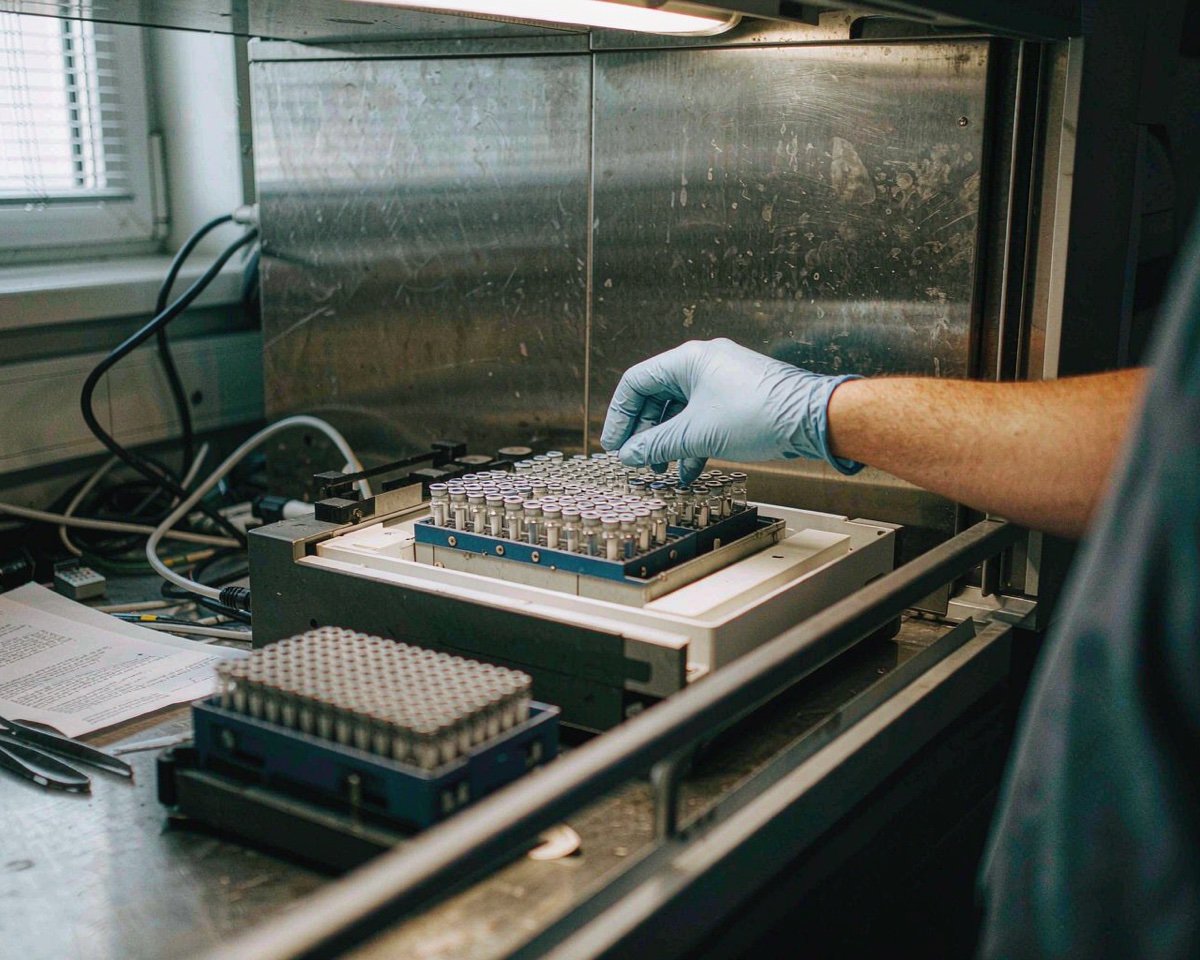
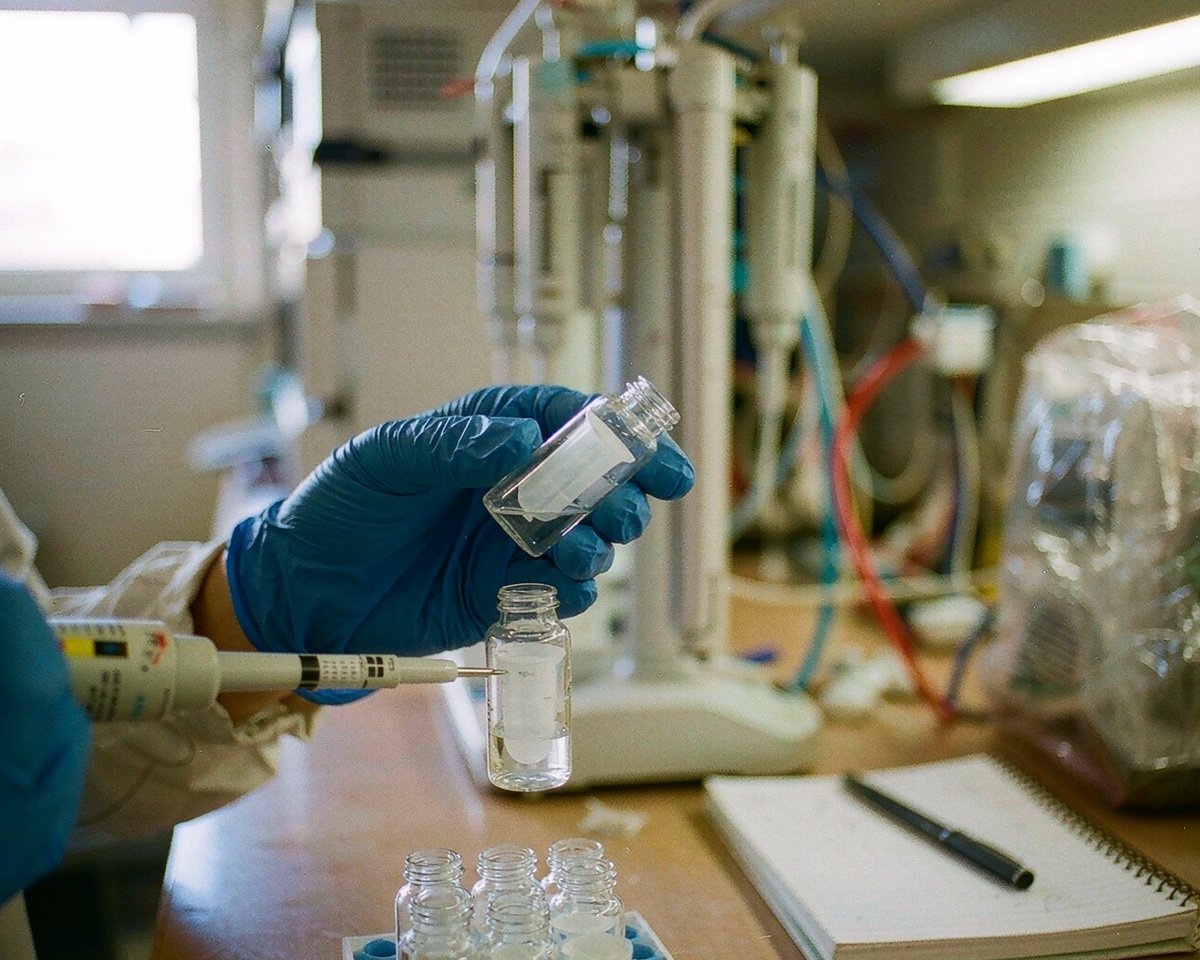
The HPLC route to formaldehyde reaches lower detection limits and shifts the consumable burden onto the chromatography bench: extraction vessels and membrane filtration, plus a stock of amber vials. If your brand customers keep tightening their limits, you’ll end up there sooner or later.
pH
ISO 3071 defines the aqueous extraction method for textile pH: cut the specimen, extract it in solution, then measure the pH of the extract with a calibrated meter. The standard’s page describes the scope plainly (ISO 3071:2020 covers textiles in any form, fiber to fabric).
The consumable that decides this test is the buffer. Fresh calibration buffers, at minimum two points bracketing your expected range, mixed and stored per the manufacturer’s dates. A meter calibrated last Tuesday against a week-old buffer bottle will happily pass a specimen that the brand’s lab fails. pH disputes are among the most common chemical rejections in apparel trade, and a surprising share of them trace back to a buffer bottle that should have gone in the bin.
Azo dyes and the amines
Certain azo dyes can cleave under reducing conditions into banned aromatic amines. The European test method, EN 14362-1, reduces the textile in a citrate buffer with sodium dithionite at 70 °C, extracts the amines into an organic solvent, cleans up the extract, and runs it on GC-MS or HPLC against the banned list.
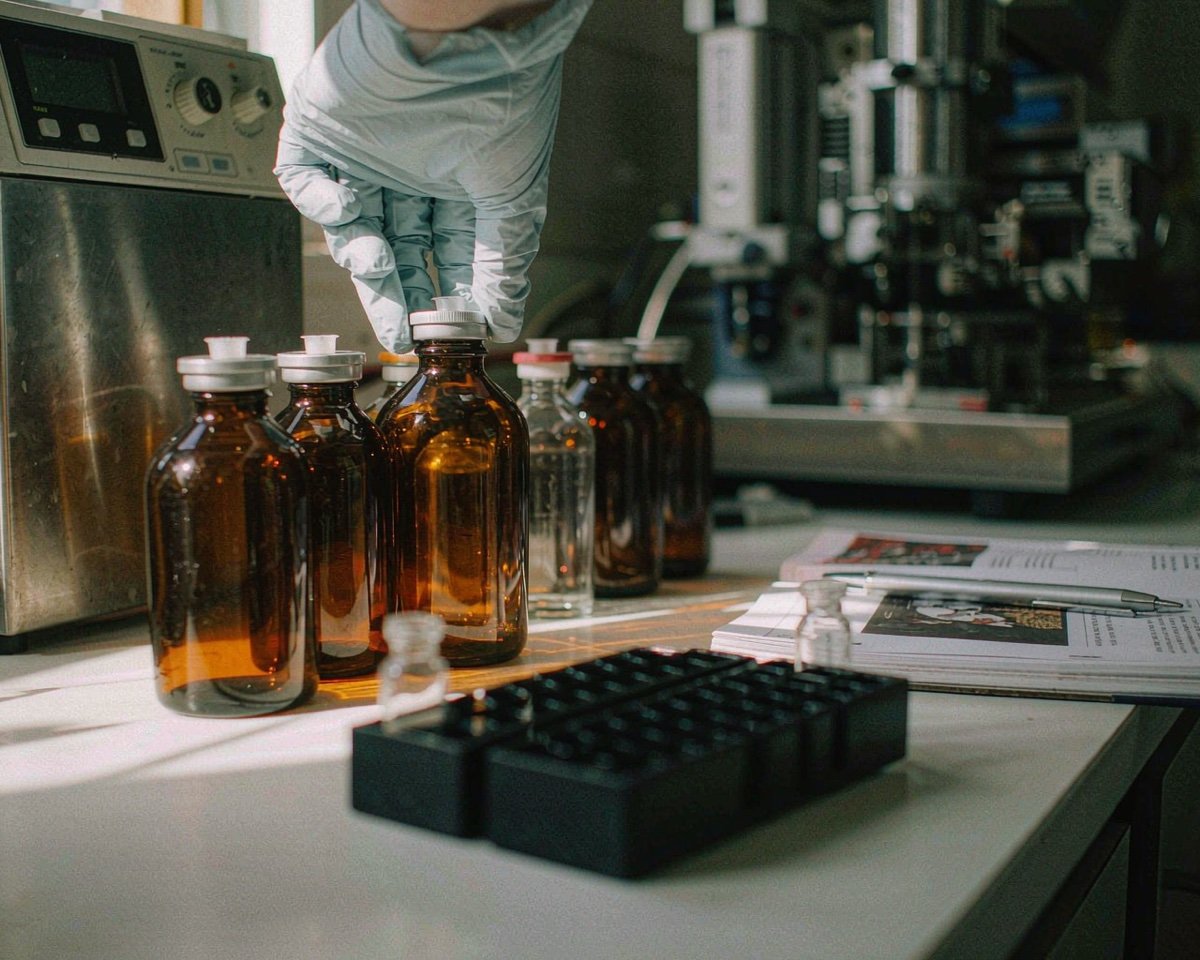
The consumables list reads like a chromatography starter kit: amber 2 mL vials (aromatic amines are light-sensitive, and a degraded amine peak is a retest) and PTFE-lined caps. SPE cartridges handle the cleanup step. If SPE is a new acronym on your bench, we keep a plain-English explainer of what SPE is and which consumables it needs. The short version: the cartridge is cheap, the method behind choosing it is not, and guessing at sorbent chemistry wastes both.
Heavy metals
Extractable heavy metals are typically pulled out of the fabric with an artificial perspiration solution (the same histidine chemistry as the colorfastness test, borrowed from ISO 105-E04) and measured by ICP-MS or AAS. The bench needs acid-washed vials and clean filtration, plus a digestion workflow that doesn’t contaminate your zinc result with your own tools. Zinc is everywhere, including on bare hands and galvanized shelving.
Labs that also run water or soil work can reuse a large share of this inventory, since vials and filters don’t much care what matrix they came from. Our environmental testing lab consumables guide maps that overlap if you’re consolidating purchasing.
Sample prep that makes or breaks the chromatography
Whatever the analyte, an unfiltered textile extract will shorten an HPLC column’s life and seed mystery peaks into your chromatograms. Filter every extract. No exceptions worth having.
• 0.45 µm PVDF for general aqueous extracts
• PTFE for solvent-heavy extracts
• Glass fiber where the extract carries coarse fiber and particulate load
• 0.22 µm membranes where the method calls for finer clarification
Membrane chemistry is not cosmetic. Some membranes bind or adsorb amines and phenols, and a membrane that eats a third of your analyte quietly skews every quantitation downstream. When you switch membrane types, run a recovery check on a spiked extract before you trust the next batch of results. Our syringe filters for HPLC sample prep guide walks through matching membrane to analyte, and it applies to textile extracts just as much as to pharmaceutical ones.
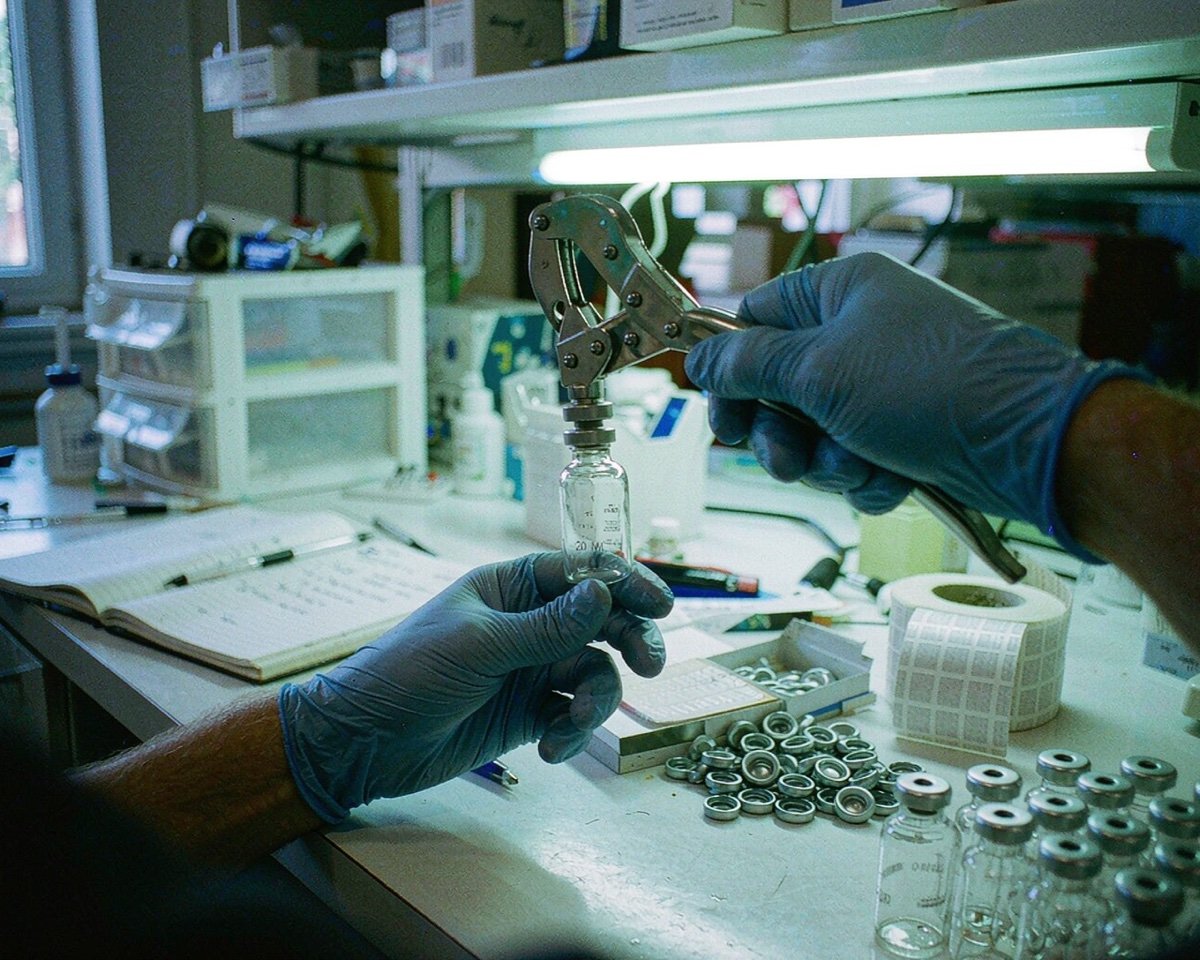
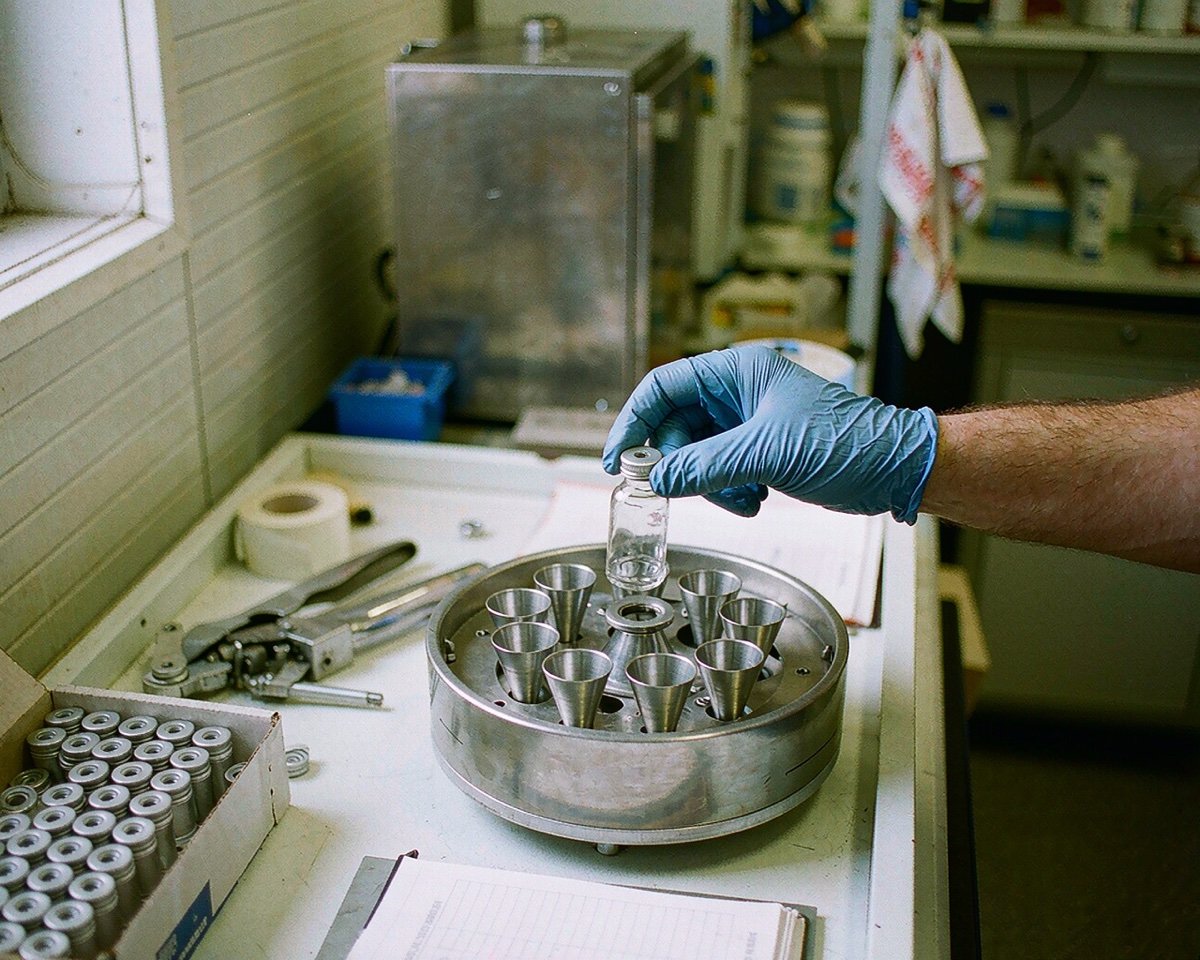
Vials and caps are the last centimeter of the method and the one nobody budgets attention for. Amber glass for light-sensitive amines and clear glass for routine work, both with PTFE/silicone septa whenever the method carries organic solvent. Buy vials to a written specification, not to a price per box. A neck that’s a few tenths of a millimeter off will seat badly in an autosampler, drag septa particles into the injection, and cost you a weekend of chasing carryover that was never a chemistry problem. Whatever autosampler brand sits on your bench, the spec sheet should say it works there.
Sourcing and Quality Control
Reference materials are the one category where I’d never shop on price alone. The grey scale and the multifiber strip are the measurement, and so is the standard detergent. Buying them from authoritative sources, AATCC sells its testing materials directly, and certified suppliers cover the ISO side, is not a premium; it’s the product.
What to demand on every order:
• A certificate of analysis or lot certificate for reference materials, especially multifiber fabrics and detergents
• Clear labeling of lot numbers and shelf life on the packaging itself
• Expiry or re-verification dates set by the manufacturer, so you can schedule replacements before something drifts
• Specifications that match the method text, not a paraphrase of it
Then close the loop on your side. Write lot numbers into the workbook for every test, not just the audits. Set expiry dates in writing, on the shelf and on the box. Rotate stock first-in, first-out, and store reference materials away from solvents, sunlight, heat, and the drying cabinet’s exhaust. Crocking cloth that lives next to a solvent bottle picks up an odor you’ll never grade around.
For chromatography consumables, a specialist supplier beats a general catalog almost every time. The products are made to tight tolerances, the compatibility tables for autosampler brands are published, and the documentation actually arrives with the box.
One more sourcing habit worth stealing: verify on receipt. Open the box and check the lot certificate against the purchase order, then look at the goods themselves. A mislabeled multifiber lot discovered on arrival costs a phone call. Discovered mid-audit, it costs an assessment finding.
Stocking Checklist and Budget
Here’s the standing order I’d build for a general textile QC lab. Adjust volumes to your throughput; the categories don’t change.
Conditioning and specimen prep
Write-on specimen ID labels rated for 40 °C wash baths; sharp cutting dies and a maintained cutting board; conditioning racks with open-mesh shelving; hygrometer verification salts.
Physical testing
Martindale abradant fabric and felt discs on a replacement schedule; foam backing pads and mounting rings; abrasive paper for coated fabrics; laundrometer canister gaskets (two spare sets per machine); steel balls; pilling box tubes; dimensional-stability detergent per ISO 6330.
Colorfastness
Two working lots of multifiber adjacent fabric, ordered on the two-lot rule; ECE and WOB detergents, sealed and dated; grey scales for color change and for staining, dated on the day they arrive; blue wool reference cards; pre-cut crocking cloth; histidine and perspiration salts.
Chemical and chromatography
Amber and clear 2 mL vials with PTFE/silicone septa; syringe filters in PVDF, PTFE, glass fiber, and any other membrane your methods name; SPE cartridges matched to your analyte list; fresh pH buffers; histidine salts for perspiration extraction; acid-washed digestion vials; extraction jars with spare gaskets.
On budget: the methods themselves cost money before you run a single test, since ISO and AATCC method documents are paid publications. Consumable spend should scale with test volume, and it’s small next to instruments and salaries. What it buys, if you let it, is the absence of failed retests and awkward audit findings, none of which appear as line items but all of which land on someone’s desk.
Par levels matter more than discounts. The two-lot rule is the best example: never let a customer-critical program depend on your last lot of any reference material. If you only fix one purchasing habit this quarter, I’d pick lot documentation. It’s the cheapest audit insurance on the market, and it makes every other conversation with an assessor shorter.
Common Mistakes (and What They Cost)
Mixing ecosystems mid-report is the classic. An ISO wash method run with an AATCC multifiber strip produces a number that looks fine and means nothing, because the grading procedure underneath belongs to neither ecosystem. Pick the ecosystem the report promises, then stay inside it from detergent to grade.
Treating reference materials as permanent equipment is just as common. Grey scales and blue wool cards are consumables with calendars, and so are abradant felts. That calendar is the only thing standing between your bench and the windowsill story from earlier. If an item has no expiry date printed on it, assign one yourself and write it on the box.
Skipping lot records bites hardest during disputes. A report that says “multifiber fabric, per ISO 105-F10” is weaker than one that names the supplier and the lot, with the certificate on file. The second version takes ten extra seconds per test. The first version can cost you a customer who has to assume the worst about a discrepancy.
Filtration shortcuts deserve their own paragraph. Every chemist has, at least once, spun an extract down and injected it anyway. Sometimes it works, which is how the habit survives. When it doesn’t, you pay in blocked autosampler needles and shortened column life, plus ghost peaks that make the whole sequence suspect. A filter costs less than the injection.
Buying chromatography consumables on price per box rounds out the list. Septa formulation and dimensional tolerance are where cheap vials cut corners, and the failures they cause look like instrument problems, which is precisely why they survive so long.
Conclusion
Textile testing lab consumables are not office supplies that happen to live in a lab. They are half of every measurement you publish. The grey scale is part of the grade, the multifiber strip is part of the staining result, the abradant felt is part of every rub cycle, and the vial is part of the chromatogram. Date them, lot them, replace them on schedules, and buy them against the method text.
Start small if you need to. Date every grey scale this week and add lot numbers to the workbook template. Then check the felt in the Martindale, because if it’s been a while, it’s been too long. And when you’re ready to tighten up the chemical bench, the pharmaceutical lab consumables guide is the natural next read; its documentation and sourcing rules transfer straight over to textile chemical testing.
The labs that pass audits without drama aren’t luckier. They just treat the consumables as part of the instrument.
Frequently Asked Questions
What counts as a consumable in a textile testing lab?
Anything a test uses up or wears out: multifiber adjacent fabrics, standard detergents, grey scales, blue wool references, crocking cloth, Martindale abradant fabric and felt, cutting dies, specimen labels, and on the chemical side, HPLC vials, caps, syringe filters, SPE cartridges, and pH buffers. If a test result depends on it and it degrades with use or time, treat it as a consumable.
How often should grey scales be replaced?
Plan on annual replacement. Fingerprints and daylight shift the chips off their original values over months, and AATCC’s product guidance recommends yearly replacement for that reason. Date each scale when it arrives, keep it sleeved and away from windows, and never wait until a chip “looks faded”, because by then you’ve been grading softly for a while.
What’s the difference between multifiber fabric and adjacent fabric?
An adjacent fabric is a single plain fiber, usually undyed cotton or a specified single fiber, used to catch dye transfer in simpler tests. A multifiber fabric is a strip of six fiber bands (acetate, cotton, polyamide, polyester, acrylic, and wool in the ISO DW version) so one test can show staining on every major fiber class at once. Use whichever your method specifies; they produce different, non-interchangeable results.
Which HPLC consumables does a textile lab actually need?
At minimum: 2 mL amber and clear glass vials with PTFE/silicone septa, syringe filters matched to your extracts (PVDF for aqueous, PTFE for solvent-heavy), SPE cartridges for cleanup steps like aromatic amine testing, and clean extraction glassware for the ISO 14184 and ISO 3071 work. Add fresh pH buffers too. Match everything to a written spec, not a price.
Why do two labs get different colorfastness grades on the same fabric?
Usually it’s the consumables or the atmosphere, not the instrument. Different multifiber lots, a drifted grey scale, old detergent, or skipping the ISO 139 conditioning step will each move a grade by half a step or more. When both labs log lot numbers and condition specimens properly, the grades almost always agree.