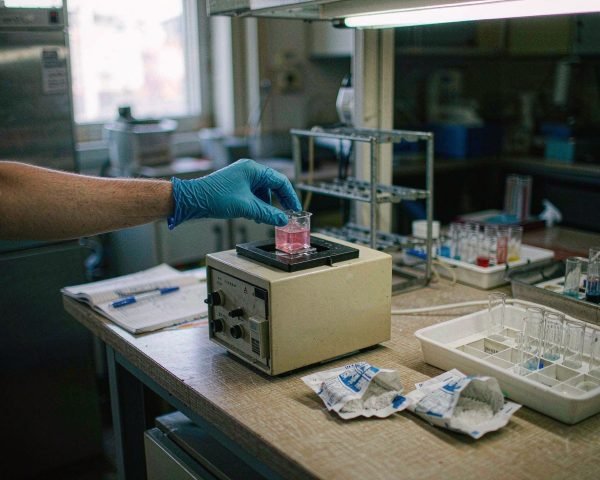

# What Consumables Does Colorimetric Water Testing Need?
If you run colorimetric water testing on a spectrophotometer or a benchtop colorimeter, the instrument is only half the story. Your results depend on a steady supply of matched consumables, and running out of any one of them mid-sequence can cost you a whole batch of samples.
The short answer: colorimetric water testing needs four consumable groups. Method-matched reagents (nitrate, phosphate, ammonia, iron, chlorine), disposable sample cells in the correct size, calibration and QC standards, and clean sampling and dilution ware. Miss one group and accuracy suffers.
Read on, because the details of each group are where labs actually get into trouble. Below I break down what each method consumes, where labs waste money, and what I check before placing an order.
Reagents: The Chemistry Is Method-Specific
You cannot buy one “water reagent” and use it everywhere. Each analyte has its own chemistry, and the reagents you buy must match the method your instrument program expects.
Nitrate and nitrite are the classic example. In EPA Method 353.2, a filtered sample passes through copper-cadmium granules to reduce nitrate to nitrite, then sulfanilamide and N-(1-naphthyl)-ethylenediamine dihydrochloride form a pink azo dye that you read colorimetrically (EPA Method 353.2). That means three consumables beyond the sample: the reduction column or pre-measured nitrate reagent set, the color-developing reagents, and nitrite standards for the separate nitrite run. If your cadmium column loses activity, your nitrate recovery drops quietly while the instrument still prints confident numbers.
Phosphorus runs on the molybdate-ascorbic acid chemistry. Ammonium molybdate and antimony potassium tartrate react with orthophosphate in acid, and ascorbic acid reduces the complex to intense molybdenum blue (EPA Method 365.1). The combined reagent is only stable for a few hours, so labs doing automated phosphate work mix it fresh for every run. Buying ascorbic acid in small, fresh lots beats buying one big bottle that oxidizes on the shelf.
Ammonia by the salicylate method consumes two powder pillows per test: a salicylate reagent and a cyanurate reagent. Hach’s Method 8155 kits read 0.01 to 0.50 mg/L NH3-N and avoid the mercury-containing chemistry of the old Nessler method (Hach ammonia salicylate reagent pillows). Most wastewater labs I know switched over for that reason alone.
Iron testing leans on 1,10-phenanthroline, a chelating agent sold specifically for spectrophotometric iron determination (Sigma-Aldrich 1,10-phenanthroline). All iron is reduced to Fe2+ with ascorbic acid, then the phenanthroline forms the orange-red ferrous complex you read around 510 nm. If you skip the reducing step, you measure only the iron(II) that was already there, and your “total iron” number is wrong in a way nobody notices until a client compares it against an ICP result.
Chlorine is the highest-volume test in most drinking water labs, and it eats DPD reagent fast. EPA Method 330.5 uses N,N-diethyl-p-phenylenediamine with a phosphate buffer and potassium iodide to read total residual chlorine at 515 nm; Thermo Fisher’s accepted field method packages the same chemistry as combined powders (Thermo Fisher DPD method). In routine work you will most often reach for pre-dosed powder pillows, which are EPA-accepted for reporting when paired with the right instrument method (Hach DPD total chlorine powder pillows). Store them at 10 to 25 °C and watch for any pillow pack that has turned pink in the box. Discard it. Oxidized DPD gives a background color and biases every reading high.
Tablets vs. Powder Pillows vs. Liquid Reagents
Each format has a trade-off. Powder pillows are pre-measured, low-dust, and ideal for field kits, but they cost more per test. Tablets are cheap, stable, and hard to spill, though they dissolve slowly and can stick in damp dispensers. Liquid bulk reagents are the cheapest per test and suit high-volume automated runs, but they have short shelf lives once opened and invite dosing errors. My default is powder pillows for routine and field work, bulk liquids only where a discrete analyzer pumps them directly.
Cuvettes: Small Parts, Big Errors
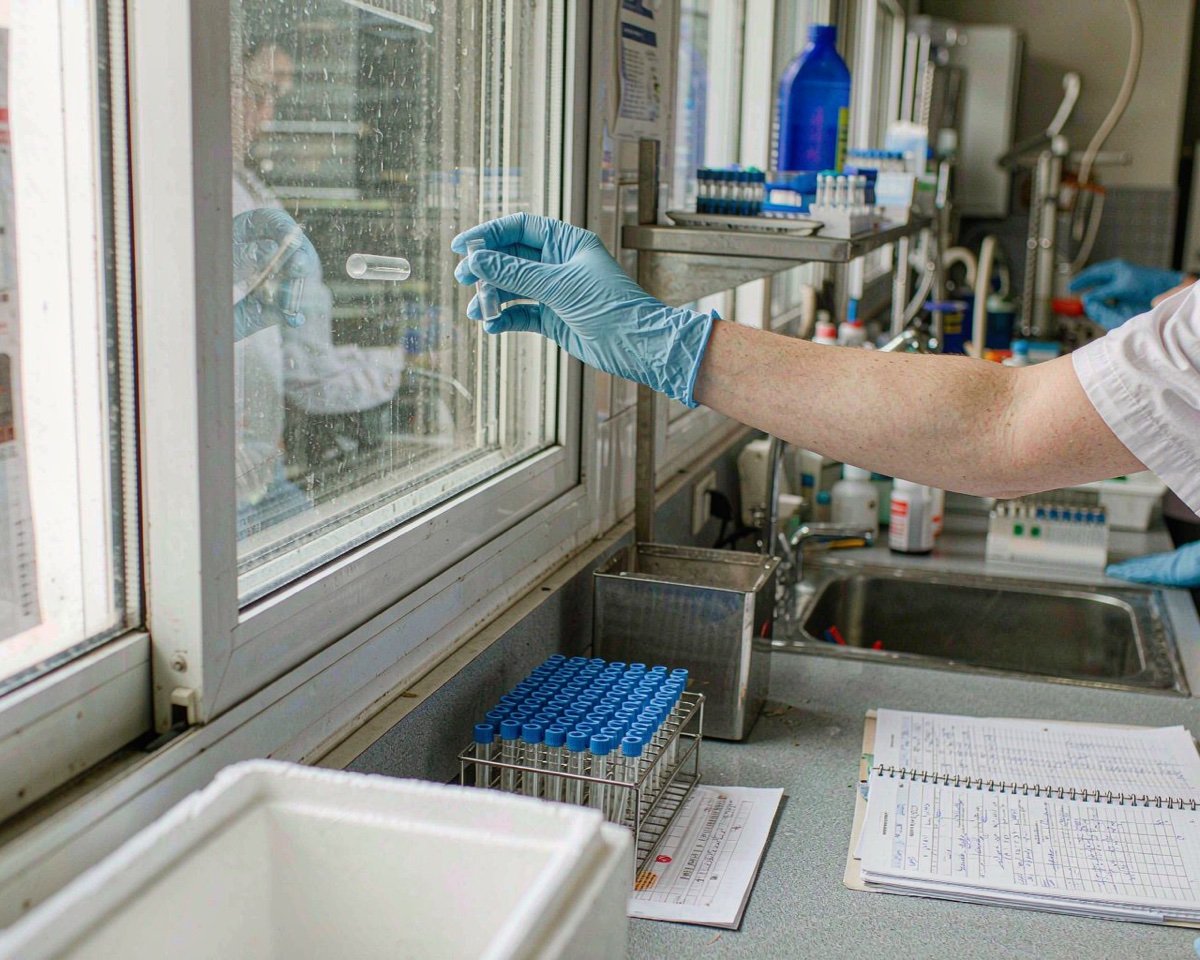
Sample cells are the consumable people forget to reorder. Colorimetric water testing typically uses 10 mm square cuvettes for spectrophotometers or 16 mm round cells for many benchtop colorimeters and prefilled reagent test kits, and the wrong size simply will not seat in the instrument’s cell holder.
Optical matching matters more than most buyers realize. For serious absorbance work, matched pairs of cells keep baseline differences below the noise floor. For routine kit testing, disposable plastic 16 mm round cells are fine in my experience, and prefilled reagent cells that ship with the reagent already inside remove a whole class of dosing errors.
A few handling habits protect your data. Never touch the optical faces. Inspect for scratches and wipe with lint-free tissue before every read, because fingerprints alone can shift absorbance measurably. And never reuse disposable cells for standards after samples; carryover of a colored dye at low concentrations is exactly the error you will not see in the readout.
Calibration Standards and QC Consumables
Every EPA colorimetric method bakes QC consumables into the run. You need calibration standards at several concentrations, a calibration blank, reagent blanks to catch contaminated reagent lots, fortified blanks and fortified matrix samples to prove recovery, and an independent check standard from a second source Method 353.2 spells out each of these QC solutions by name. Chlorine adds a wrinkle: because free chlorine is unstable, you calibrate with potassium permanganate standards that are equivalent to known chlorine concentrations.
Budget for these like samples, not afterthoughts. A single phosphate run can consume a calibration blank, four to five standards, a QC sample, and a reagent blank before the first real sample gets read.
Supporting Consumables People Forget
Filtration consumables come first. Nitrate, phosphate, and iron methods all call for filtered samples, and turbidity will wreck a colorimetric read no matter how good your reagents are. Keep 0.45 µm membrane filters and syringes stocked; I once watched a whole afternoon of phosphate results drift high because someone topped up the rinse bottle with unfiltered tap water, and the phosphorus contamination hid inside the “blank” until the QC chart exposed it.
Clean glassware is another hidden consumable cost. The phosphate method explicitly requires acid-washed glassware, because ordinary detergent leaves phosphorus residue that no amount of rinsing fully removes. Dilution and preservation supplies round out the list: sulfuric acid for sample preservation, pH strips to confirm pH below 2, and amber bottles for reagents that degrade in light.
If you are building out a full bench, the same logic extends to other parameters. Our guide to lab consumables for water quality testing covers the buying framework across methods (water quality testing lab consumables), and we have parallel breakdowns for dissolved oxygen testing (DO testing consumables) and chlorophyll and algae analysis (chlorophyll analysis consumables).
Buying Notes: What I Check Before Ordering
Lot consistency tops my list. For any reagent, ask the supplier whether they can hold your lot or provide certificates of analysis, because a new lot that shifts your calibration slope mid-monitoring-program is a data-integrity headache. Expiry dates come second; DPD, ascorbic acid, and salicylate reagents all have real shelf lives, and ordering more than a lab can use before expiry is waste, not savings.
Storage conditions matter too. Powder pillows want 10 to 25 °C, phenanthroline solutions want darkness, and the combined phosphate reagent wants to be made fresh. If your storeroom sits above 30 °C in summer, order smaller quantities more often. That single change has saved more reagent budgets than any discount negotiation I have been part of. One more practical point: keep the instrument, reagents, and cuvettes compatible as a set, because a consumable that meets the method but not your instrument’s cell holder helps nobody.
Conclusion
Colorimetric water testing looks simple from the outside: add reagent, read color, record result. In practice, accuracy rests on a supply chain. Method-matched reagents with valid lots, the right 10 mm or 16 mm sample cells, calibration and QC standards treated as real consumption, and clean filtration and dilution ware all have to arrive on time and be stored correctly. The labs that struggle are rarely the ones with bad instruments; they are the ones that ran out of DPD on a Friday or stretched an expired ascorbic acid lot one month too far. Map your consumption per method, and keep a two-month buffer of the high-volume items. Audit storeroom temperatures twice a year. If you want to keep going, our guide to water quality testing lab consumables gives you the full buying framework, and our article on pH electrode care (pH electrode care consumables) covers the other consumable-hungry part of the bench.
Frequently Asked Questions
What is the difference between powder pillows and reagent tablets?
Powder pillows are pre-measured pouches of dry reagent you add to a measured sample volume. Tablets are compressed solid doses that dissolve more slowly but are cheaper and very stable in storage. Both work for field testing; pillows win on speed and dosing accuracy.
Can I reuse colorimetric cuvettes?
Matched glass or quartz cuvettes can be reused indefinitely if the optical faces stay unscratched and clean. Disposable plastic cells should be discarded after a single use, especially after colored dye tests, because residue biases the next reading.
Why do my chlorine reagents turn pink in storage?
That pink tint is oxidized DPD, meaning the reagent has already reacted with air, heat, or light contamination. Affected pillows or solutions add background color and read high, so discard them rather than blanking around the problem.
How many calibration standards does a colorimetric method need?
Most EPA colorimetric methods expect at least a blank plus four to five working standards to define the linear range, followed by a check standard from a second source. Methods like EPA 353.2 also require ongoing reagent blanks and fortified samples for every analytical batch.
Do I need to filter samples before colorimetric testing?
Yes, for turbid samples. Nitrate, phosphate, and iron methods specify filtered sample or note turbidity as an interference, since suspended particles scatter light and inflate apparent absorbance across the board.